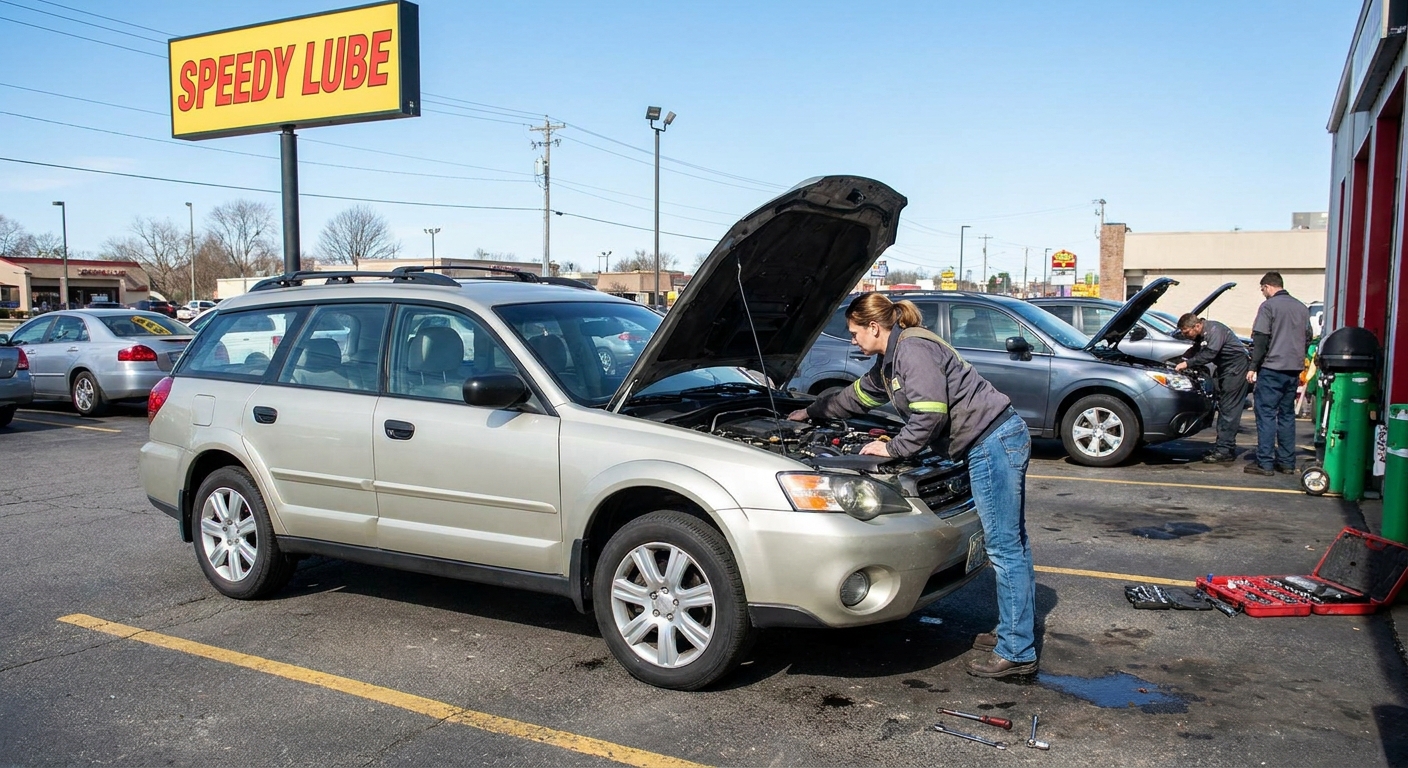
I’ve seen this exact situation more times than I can count: you get an oil change, hop back in, turn the key, and suddenly your car acts like it’s forgotten how to be a car. The good news is that when a no-start begins immediately after an oil change, the odds are high it’s something service-related and fixable right there in the shop lot.
This guide is ordered the way I’d check it standing in the parking spot with basic tools and zero patience for tow bills. Start at Step 1 and stop as soon as you find something obviously wrong.
Before you troubleshoot: two safety notes
- Do not keep cranking the engine if it sounds odd, cranks unusually fast, or suddenly starts then stalls repeatedly. You can turn a small issue into a big one.
- If you smell fuel strongly, see smoke, or notice oil pouring underneath, stop and get the shop involved immediately.
Step 1: Confirm what kind of “no-start” you have
This takes 10 seconds and tells you where to focus.
- No crank: You turn the key (or press Start) and you get a click, or nothing, and the engine does not spin. This often points to a battery connection issue, a shifter not fully in Park, or a start-enable problem (brake pedal not seen as pressed on some push-button cars).
- Cranks but won’t start: The engine spins normally, but never catches and runs. After an oil change, this often points to something unplugged near the top of the engine or the intake.
- Starts then dies: It fires for a second, then stalls. This can happen with an unplugged sensor, intake duct issue, or an oil level problem on some vehicles.
Step 2: Check the battery terminals first (fastest, most common)
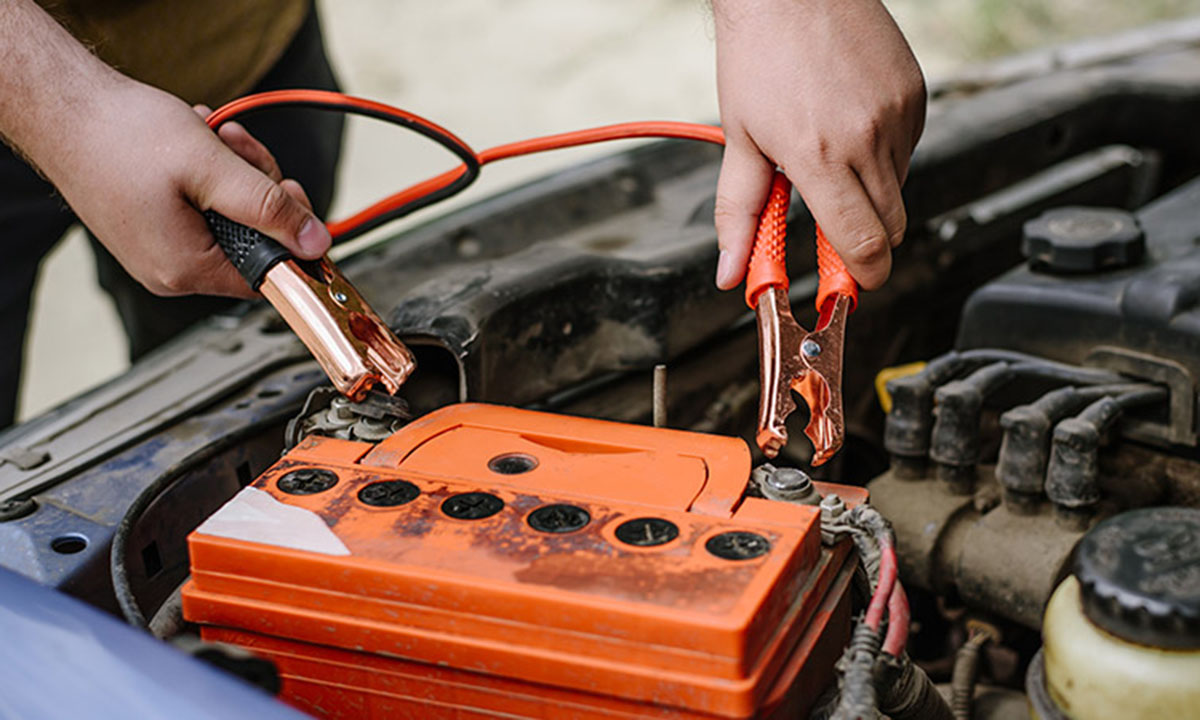
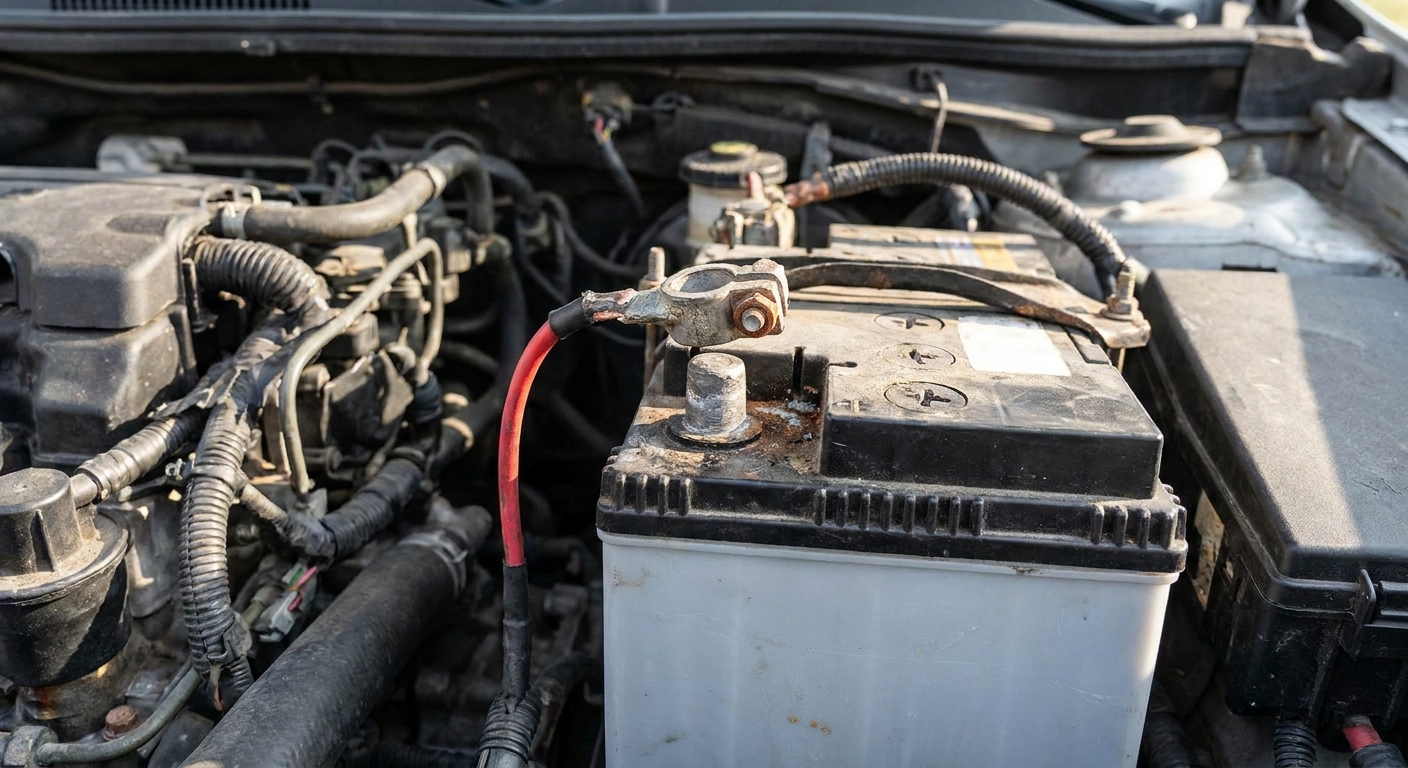
Quick-lube bays lean over fenders all day. It is surprisingly easy to bump a battery terminal while removing an engine cover, air duct, or checking the cabin filter, then leave it slightly loose. The car can still light up the dash, run the radio, and even unlock with the fob. But a loose terminal can keep the starter from pulling the heavy current it needs.
What to do in the lot
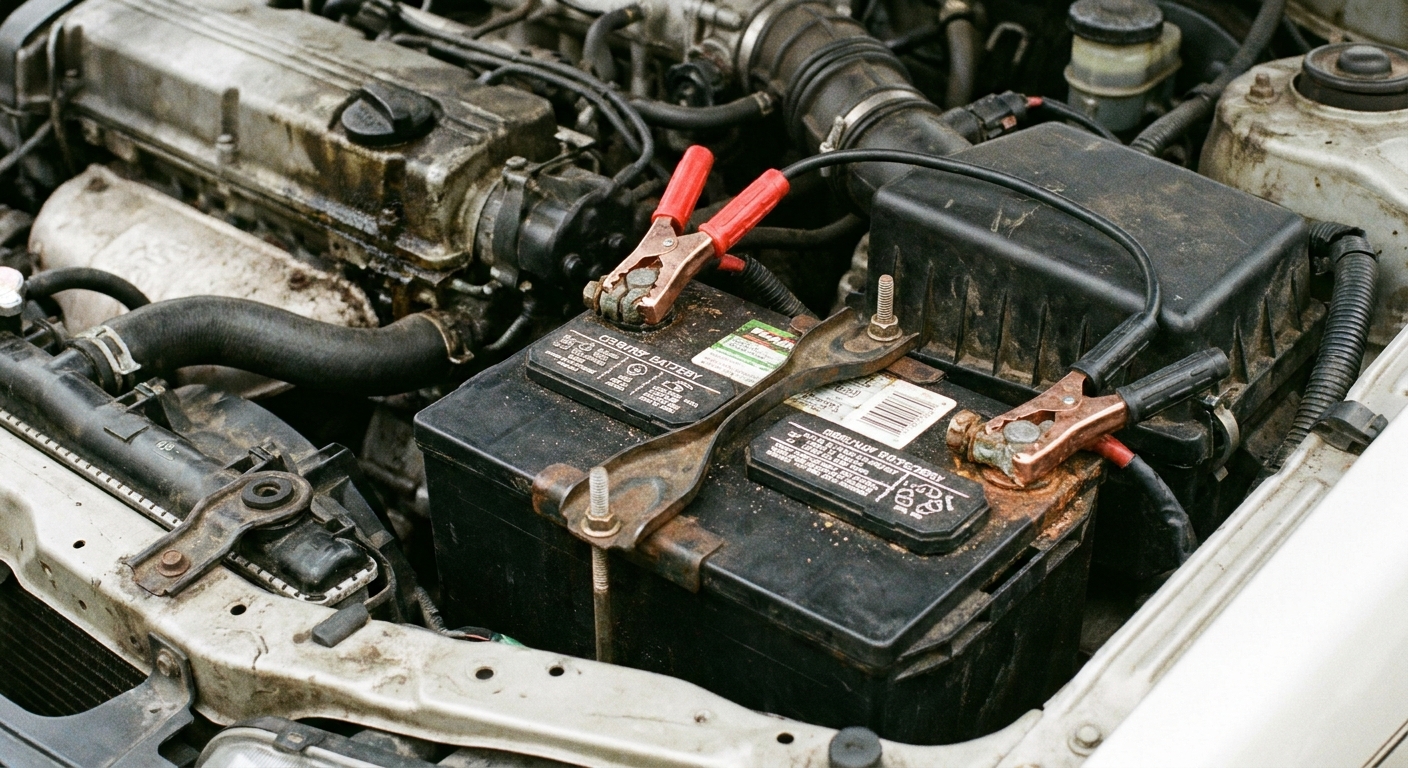
- Pop the hood and locate the battery.
- Grab each terminal and try to twist it by hand. You should not be able to rotate it.
- If it moves, ask the shop to tighten it, or tighten it yourself if you have a wrench. It is often a 10 mm nut.
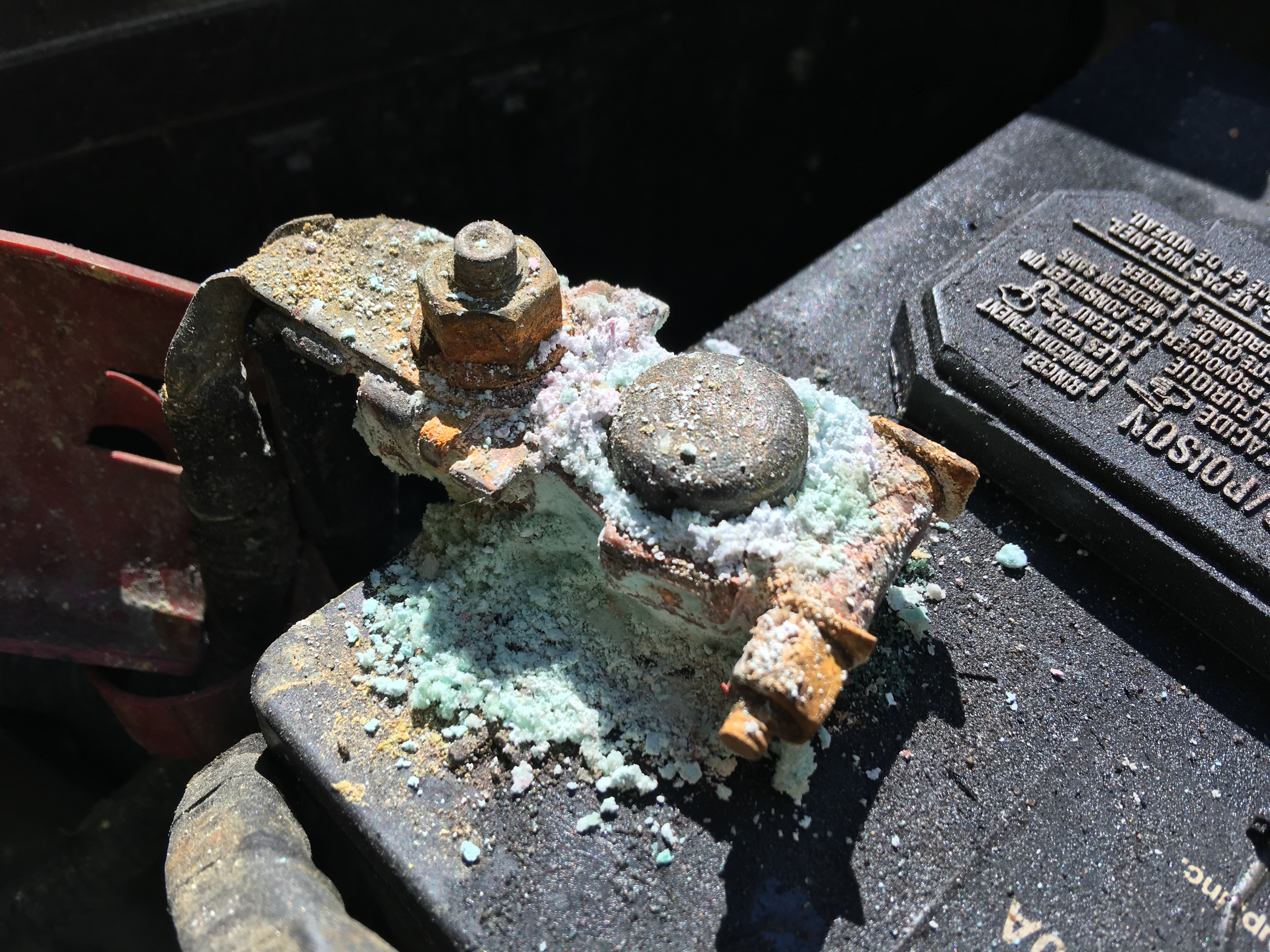
- Look for corrosion or a terminal that is sitting crooked on the post.
Tip: If your battery is in the trunk or under a seat, you may still have under-hood jump posts. If the shop used them, check that area for a cover left loose or a protective cap not snapped back on.
Step 3: Look for unplugged connectors under the engine cover
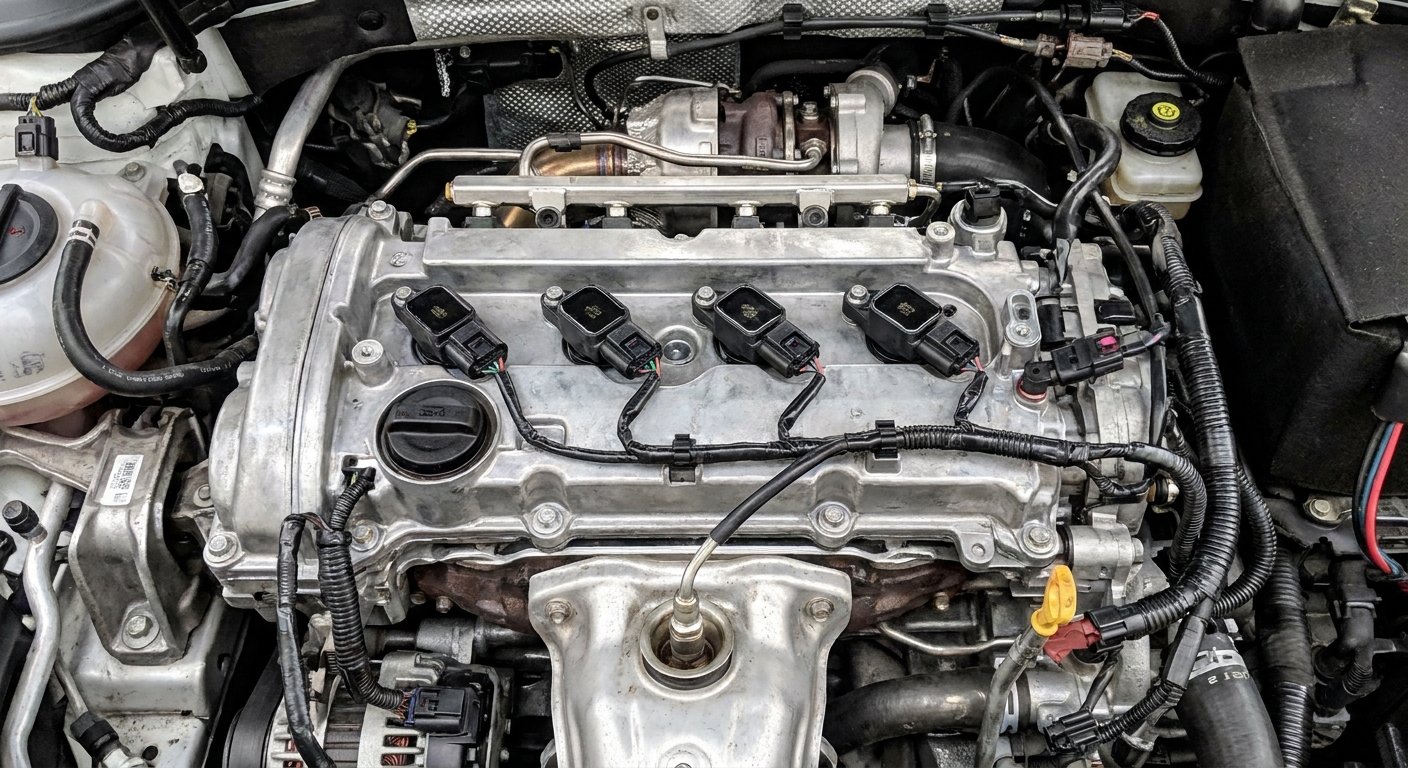
Many modern cars have a plastic engine cover that has to come off for simple checks, oil fill access, or just to “inspect.” If a tech lifts the cover and a harness gets tugged, a connector can pop loose. One disconnected plug can cause an immediate crank-no-start.
Where I look first
- Mass airflow sensor (MAF) connector near the air filter box or intake tube.
- Throttle body connector if the intake tube was moved.
- Ignition coil connectors on top of the valve cover (common on 4-cylinder engines).
- Less common: connectors to things like VVT solenoids or a crank sensor harness that was tugged. The crank sensor itself is usually lower on the engine, so it is not my first suspect after a basic oil service, but a disturbed harness can still happen.
What to do
- Remove the engine cover if it is loose or obviously shifted.
- Look for any plug not fully seated. Most connectors should click when fully installed.
- Do a gentle “tug test” on each nearby connector. Pull on the connector body, not the wires. If it slides off with little effort, it was not latched.
If you find one unplugged, plug it in firmly until you feel or hear the latch engage, then try starting the car again.
Step 4: Check the oil level (overfill and underfill)
An oil level problem can cause more than a mess.
- Overfilled oil can cause aeration (foamy oil), excessive crankcase pressure, or oil getting pushed into the intake through the PCV system. Most of the time that shows up as rough running, hard starting, or stalling. A severe overfill can keep an engine from running correctly.
- Underfilled oil (or oil that is rapidly leaking out) is catastrophic if the engine runs. You might not always see a huge puddle immediately if it is collecting on a splash shield.
How to check it correctly
- Park on level ground.
- For most cars, wait 3 to 5 minutes after the last engine run.
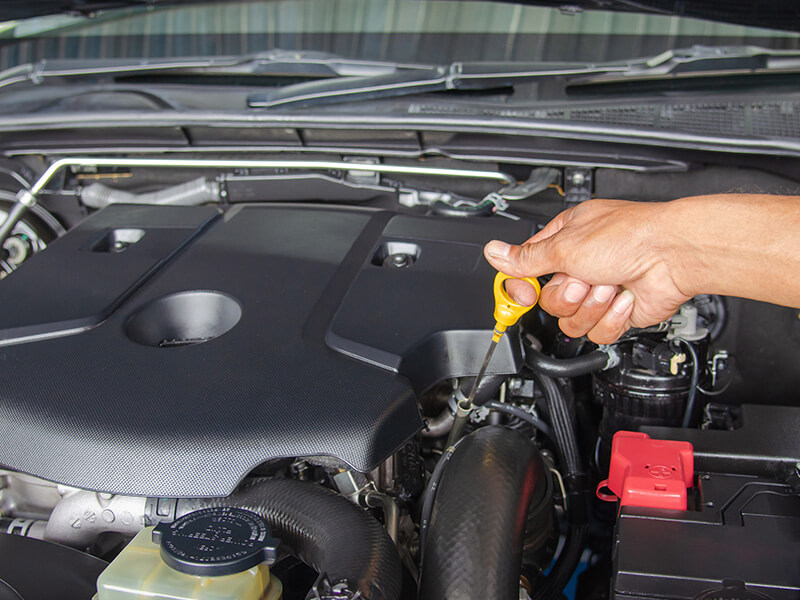
- Pull the dipstick, wipe it, reinsert fully, then pull again.
- The oil should be between the MIN and MAX marks. Ideally near the top mark, not above it.
If it is above the MAX line: do not drive it. Go straight back inside and have them correct the oil level. A proper fix is draining to the correct level, not “it will burn off.”
If the dipstick is dry or very low: do not keep cranking or running it. Ask the shop to check for a leak at the drain plug and filter, then set the oil level correctly.
If you are unsure about the correct checking procedure for your specific engine, check your owner’s manual. A few vehicles have quirks, but the method above is right for the vast majority.
Step 5: Verify the oil cap and dipstick are installed
This one sounds too simple, but it matters. If the oil cap is off, some cars can run poorly due to a vacuum leak through the crankcase ventilation system. Leaving the dipstick out can do something similar.
- Confirm the oil fill cap is on and tightened.
- Confirm the dipstick is fully seated.
- Look for fresh oil splatter around the fill neck, which can hint the cap was left off during a start attempt.
Step 6: Try the simple start-enable stuff (especially no-crank)
This is the stuff I check when the dash lights up, but the starter does nothing.
- Make sure the shifter is fully in Park (or try Neutral).
- On push-button start cars, press the brake pedal firmly and try again.
- If you see Key Not Detected, hold the fob right against the start button and try starting. Many cars can read a weak fob battery at very close range.
If none of that changes anything, go back to the battery terminals in Step 2 and then move on to connectors in Step 3.
Step 7: Ask about a disconnect or relearn (varies by vehicle)
Some shops disconnect the battery for certain services or to clear maintenance reminders on specific vehicles. If the battery was disconnected and reconnected loosely, that is Step 2.
In a few cases, a modern vehicle may act up until it relearns idle or throttle control. The exact procedure varies by make and model, so the shop (or a scan tool) may be the right move.
If you want to try one safe, low-effort thing in the parking lot that may help on some vehicles:
- Turn the key to ON (not start) for 10 seconds, then OFF.
- Repeat 2 to 3 times, then try starting.
If it starts and idles rough for a minute, that can be normal while the computer relearns. If it will not start at all, you are likely dealing with a connector, power issue, or a problem that needs proper diagnosis.
Step 8: Consider the wrong oil filter or a double-gasket (rare, but important)
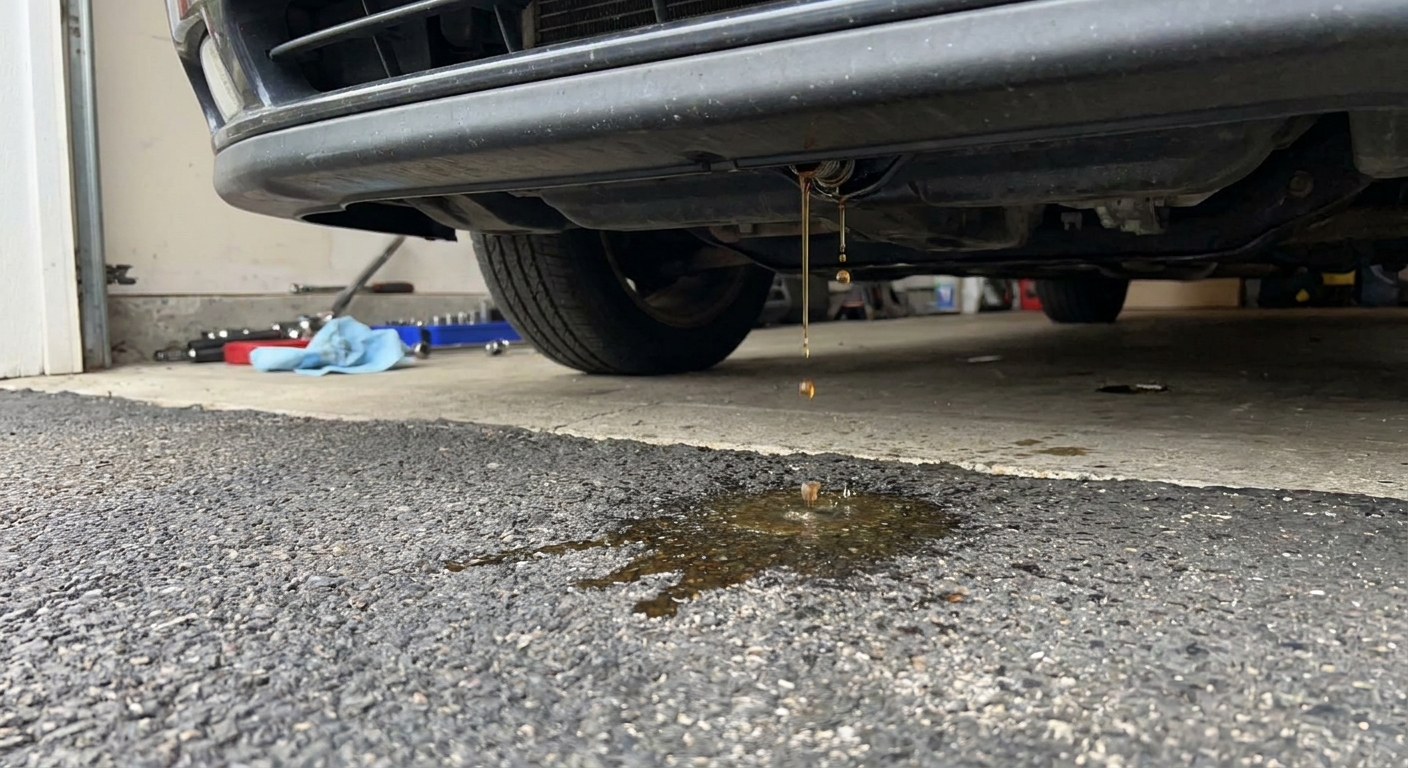
A wrong filter or a double-gasketed filter typically causes a massive oil leak almost immediately, especially right after startup. This is less likely to cause a no-start by itself, but it is critical to check because running low on oil is catastrophic.
Quick signs in the lot
- A spreading puddle under the engine, especially near the oil filter area.
- Oil dripping quickly from the splash shield.
- A burning oil smell or smoke from oil hitting the exhaust.
If you see any of that, shut the engine off (if it is running) and get the shop immediately. Do not let anyone “top it off and send it.” They need to verify the correct filter and that the old gasket is not stuck to the engine.
Step 9: Check for anything left loose around the air intake
Oil changes often come with an air filter check. If the air box clips are not latched, or the intake tube clamp is loose, you can get unmetered air leaks (air getting in after the MAF). Some cars will still start but run terribly. Others can stall immediately and refuse to stay running.
- Make sure the air filter box is fully closed and latched.
- Check that the intake tube is seated at the air box and throttle body, and clamps are snug.
- Listen for a loud hissing sound when trying to start, which can hint at a big intake leak.
When to stop and call the shop over
If the no-start started immediately after service, it is fair to ask the shop to look at it before you pay for a tow. I would stop DIY poking and get a manager or lead tech involved if:
- The oil level is clearly overfull or clearly low.
- You see oil leaking.
- The engine cranks unusually fast (possible loss of compression) or makes harsh mechanical noises.
- You find a connector broken, not just unplugged.
- You have a push-button start and get a security warning or repeated “Key Not Detected” messages.
Be calm but specific: “It started fine when I pulled in. After the oil change it cranks but will not start. Can we check for a loose battery terminal or an unplugged coil, MAF, or throttle body connector?” Clear language gets you faster help.
Parking-lot checklist (in order)
- Identify no crank vs cranks-no-start vs starts-then-dies.
- For no crank, confirm Park or Neutral and press brake firmly (push-button cars).
- Check and tighten battery terminals.
- Inspect for unplugged connectors under the engine cover (MAF, throttle body, coils).
- Check oil level for overfill or underfill.
- Verify oil cap and dipstick are installed.
- Inspect for intake box or intake tube left loose.
- Look underneath for active oil leaks (wrong filter, double gasket, drain plug issue).
FAQ
Can an oil change itself cause a no-start?
Changing oil does not directly affect spark or fuel, but the steps around an oil change can. A bumped battery terminal, a connector left unplugged, an intake tube left loose, or a major oil level mistake can cause a no-start right afterward.
My lights and radio work, so why won’t it start?
Lights and the radio use relatively little power. The starter needs a huge burst of current. A slightly loose battery terminal can still run accessories but fail under starter load.
Is it safe to drive if the oil is a little above the full mark?
I would not. “A little” is subjective, and some engines are more sensitive than others. If it is above the max line, have the shop set it to the correct level.
What is the most common unplugged connector after service?
On many cars, it is a MAF sensor connector, a throttle body connector, or an ignition coil connector, simply because they are easy to bump when removing an engine cover or checking the air filter.