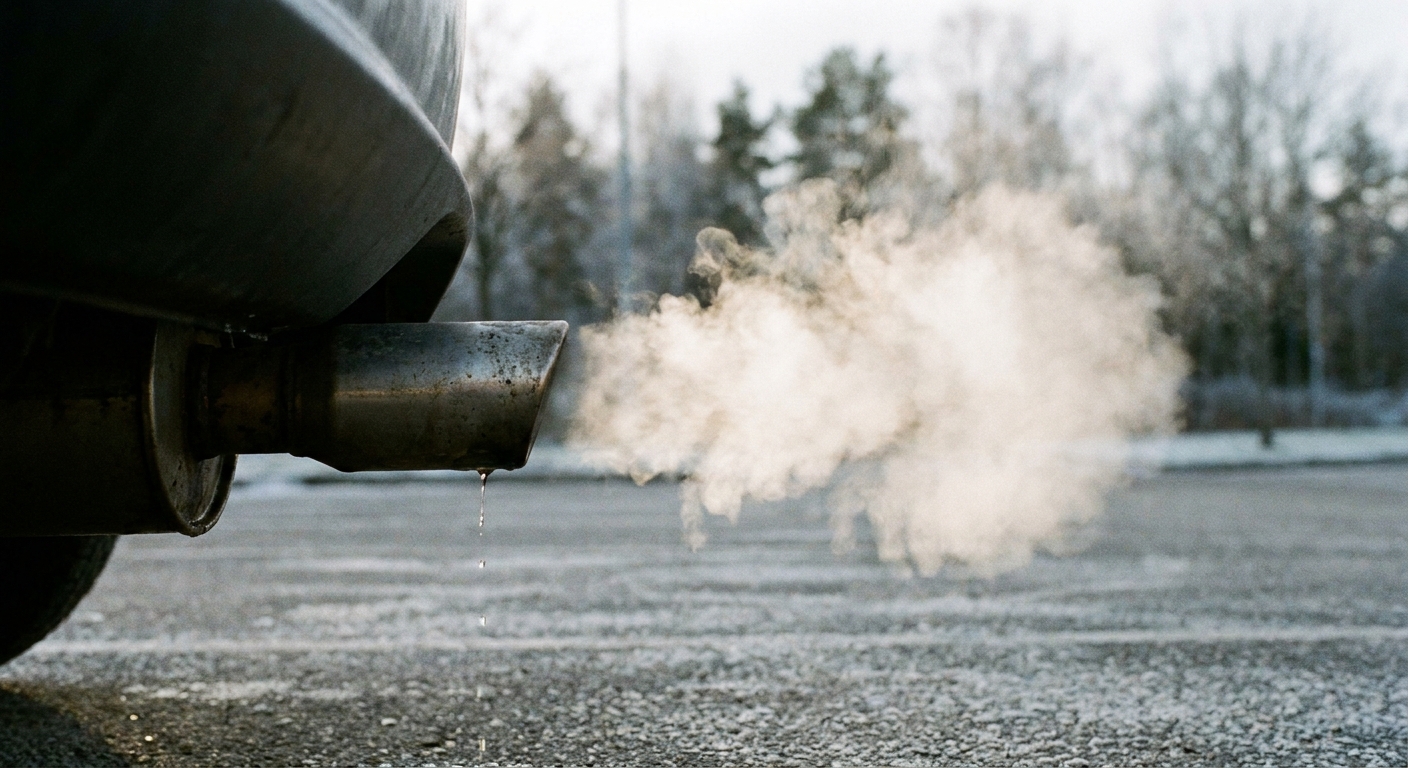
I have a soft spot for crank-no-start problems because they feel like a mystery, and the tailpipe is one of the best witnesses you have. If you are seeing white smoke while the engine cranks but never actually fires, that is not the same thing as a brief white puff on a normal cold start.
Most of the time, persistent white-ish vapor during cranking means the engine is pumping something out of the cylinders that is not getting burned. But I also want to be fair to the simple stuff: in cold weather, the exhaust system can be wet with condensation from prior driving, and the starter can push that moisture out as visible vapor even during a no-start. So do not diagnose by color alone.
The two big “something is getting through the engine” possibilities are:
- Coolant steam from coolant getting into the combustion chamber
- Raw-fuel vapor from flooding or overfueling that is not igniting
Both can look white-ish, especially when the air is cold. The key is to figure out which one you have, then decide whether it is safe to keep cranking.
First, know when to stop cranking
If you take only one thing from this page, make it this: if liquid is building up inside a cylinder, another crank attempt can hydrolock the engine. A hydrolocked engine can bend a connecting rod because liquids do not compress the way air does.
Stop cranking immediately if you notice any of these
- The engine suddenly cranks slower than it did a moment ago
- You hear a hard “thunk” during cranking, like the starter hits a wall
- White vapor is very heavy and continuous, and the exhaust smells sweet
- White vapor is very heavy and continuous, and the exhaust smells strongly like gasoline
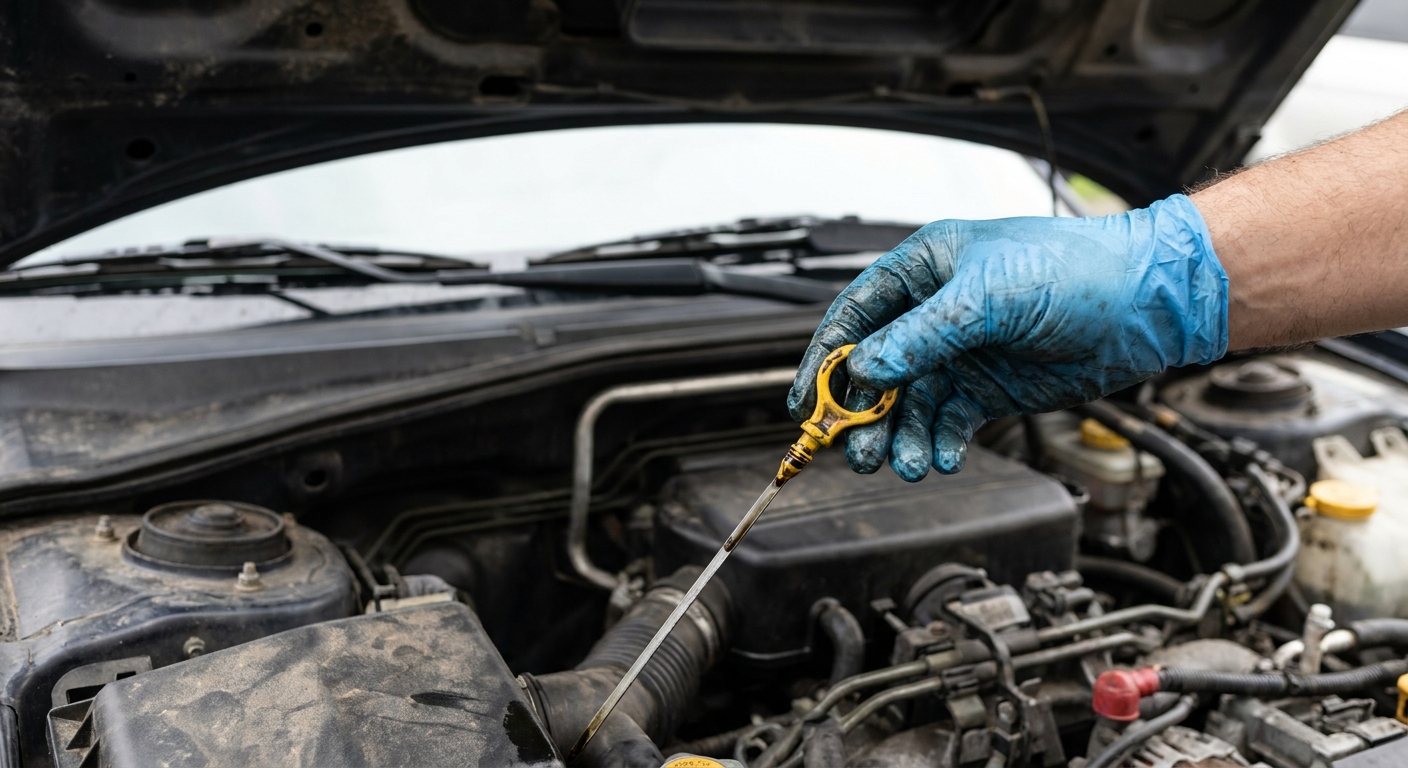
- The oil level is rising on the dipstick or the oil looks milky
- You recently overheated the engine, even once
At that point, the goal changes from “get it started” to “prevent expensive internal engine damage.”
Coolant steam vs raw-fuel vapor: how to tell
What we call “white smoke” is usually steam or an aerosol fog. Coolant and fuel produce different clues, and condensation in the exhaust can confuse the color.
Signs it is coolant steam (coolant intrusion)
- Sweet smell at the tailpipe (it may smell sweet, but exhaust odor can mask it and not everyone picks it up)
- Coolant level dropping in the reservoir or radiator with no obvious external leak
- It ran rough before it quit (hard starts, random misfires, “trying to catch” sounds)
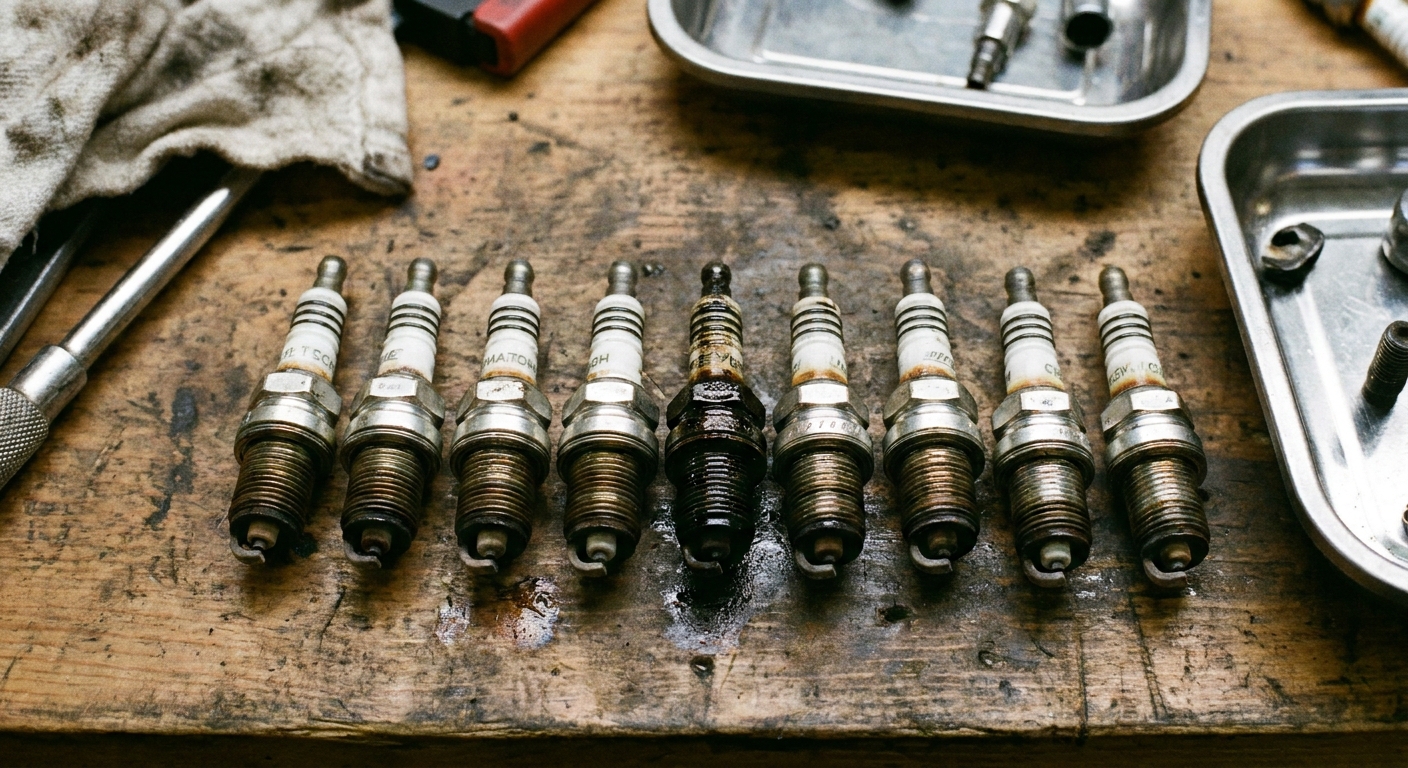
- Wet or unusually clean spark plug in one cylinder (a “steam cleaned” plug can look too clean compared to the rest)
- Chalky white deposits on a plug, or a faint coolant tint or crusty residue after drying (not always present)
- Milky oil or tan sludge under the oil cap (not always present)
Signs it is raw-fuel vapor (flooding or overfueling)
- Strong gasoline smell from the tailpipe
- Wet spark plugs that smell like gas
- Backfire pops or occasional coughs while cranking
- Recent work like injectors, fuel pump, tune-up, or sensor replacement that could affect fueling
- Very low cranking speed from a weak battery or tired starter (on gasoline engines too) can make ignition weak and leave more unburned fuel to fog out the exhaust
Temperature matters. In cold weather, fuel vapor plus condensation can look more white than you would expect. Use smell, plug condition, and fluid levels, not color alone.
If it is coolant steam: what it usually means
If coolant is getting into the cylinders during cranking, the usual causes look like this:
- Blown head gasket
- Cracked cylinder head
- Cracked engine block (less common, but it happens)
- Intake manifold gasket leak on some engines where coolant passages run through the intake
- EGR cooler failure on certain turbocharged applications (can send coolant into the intake stream)
When the engine spins, coolant can seep into one or more cylinders and get pushed out the exhaust as steam. If enough coolant pools in a cylinder, that is where hydrolock risk shows up.
Quick checks you can do at home
- Check coolant level when the engine is stone cold. If it is low and you do not see a leak, assume it may be internal.
- Pull spark plugs and look for one that is unusually clean, wet, or chalky compared to the others.
- Look at the oil on the dipstick and under the oil cap for milkiness. Not every head gasket failure mixes oil and coolant, but it is a big red flag when it does.
- Cooling-system pressure test can be a great reality check. A hand-pump tester lets you pressurize the cooling system on a cold engine and watch for pressure drop or coolant showing up where it should not. If you are not comfortable, let a shop handle it.
- Crank with plugs removed only if you are comfortable doing it safely. Disable fuel and ignition first so you are not spraying fuel or firing coils. If coolant sprays out of a plug hole, stop and do not try to start it again.
If you suspect coolant intrusion and you need the car fixed quickly, this is usually the point where a shop pressure test, block test (combustion gas in coolant), leak-down test, or borescope inspection saves you time and money.
If it is raw fuel: why it smokes white during a no-start
Unburned fuel leaving the cylinders can look like a pale white or gray fog, especially when it is finely atomized and mixed with condensation in the exhaust. In a crank-no-start situation, the engine is pumping air and fuel, but not lighting it off consistently.
The most common reasons I have seen are:
- Flooding from repeated start attempts
- Weak or no spark (coil, ignition module, crank sensor signal issues)
- Injectors stuck open or leaking badly
- Fuel pressure too high (failed regulator on return-style systems)
- Leaking fuel pressure regulator diaphragm on vacuum-referenced regulators (it can dump fuel into the intake through the vacuum line)
- Incorrect sensor inputs that command too much fuel (coolant temp sensor reading extremely cold, some MAF failures, etc.)
- Slow cranking from a weak battery or starter can make a gasoline engine act “dead” even with fuel present, and it can worsen visible vapor
How to clear a flooded engine (gasoline)
On many fuel-injected gasoline cars, pressing the accelerator to the floor while cranking puts the PCM into “clear flood” mode and reduces injector pulse. Not all vehicles behave the same, but it is common enough to try.
- Hold the pedal to the floor.
- Crank for up to 10 seconds.
- Stop for at least 60 seconds to let the starter cool.
- If it tries to catch, ease off the pedal gradually.
If the plugs are soaked, you may need to remove and dry or replace them. A badly flooded engine can wash oil off the cylinder walls, lowering compression and making starting even harder until it clears out.
If you suspect an injector is stuck open
Fuel can fill a cylinder with liquid gasoline. That can hydrolock too, and it can dilute engine oil. If your oil level suddenly reads high and smells like gas, stop cranking and address the fueling problem first.
Hydrolock 101: why a “just one more try” can bend a rod
Engines are designed to compress air, not liquid. If a cylinder fills with coolant or fuel and the piston comes up on the compression stroke, something has to give. Best case, the engine simply stops turning. Worst case, the connecting rod bends, and the engine may still run afterward but with a permanent miss, low compression, and a shortened life.
That is why I get serious about heavy white vapor during cranking. Sometimes it is the warning that liquid is moving through the motor.
Safer next step if you think a cylinder may be full
- Disable fuel and ignition if possible (pull fuel pump relay or injector fuse, and disconnect coils on coil-on-plug setups).
- Remove all spark plugs.
- Crank briefly and watch for liquid pushed out of plug holes.
- If you see any liquid, do not attempt to start it until you identify the source.
If you are not comfortable doing that, this is a good time for a tow. Paying for a tow hurts. Paying for an engine rebuild hurts more.
What about diesels and white smoke while cranking?
Diesels are a special case. White smoke during cranking on a diesel often means fuel is present but not igniting due to low compression, low cranking speed, or not enough heat in the chamber.
Common diesel causes include:
- Weak glow plugs or glow plug control issues
- Low cranking speed from a weak battery or starter
- Air in the fuel system after a filter change or leak
- Low compression
- Injector issues
One more note: diesels can still produce white steam from coolant intrusion. So the basic coolant level check still applies, especially if the coolant is dropping or the vapor has that “steam cloud” look.
On diesels, battery condition and cranking RPM matter a lot. A diesel that spins fast and still makes thick white smoke often needs a deeper look at glow and compression.
Fast troubleshooting flow I use in the driveway
- Step 1: Smell the exhaust. Sweet can point to coolant. Strong gas points to flooding.
- Step 2: Check coolant and oil levels. Low coolant or rising oil level changes the plan.
- Step 3: Pull one or two spark plugs. Wet with fuel vs unusually clean or chalky clues.
- Step 4: If flooding is likely, try clear-flood mode. Then stop and reassess.
- Step 5: If coolant intrusion is likely, stop cranking. Verify with proper testing.
If you need a broader crank-no-start checklist that covers spark, fuel, sensor inputs, and timing, Motor Glen also has a dedicated guide titled Why Your Car Cranks but Won’t Start. This page is focused on what the white smoke specifically is trying to tell you.
FAQ
Can white smoke while cranking be normal condensation?
Yes, it can. In cold weather, a wet exhaust system can push out visible vapor during cranking, especially if the car was driven recently and then shut off. The difference is in the pattern and the other clues. Heavy, persistent white vapor during repeated crank attempts, combined with coolant loss, fuel smell, wet plugs, or changing oil level, is the kind you do not ignore.
Does a blown head gasket always overheat the engine first?
No. Some failures start small and show up as hard starts, random misfires, or unexplained coolant loss. Others happen right after an overheat. White steam during cranking is one of the clearer warning signs that the leak may be internal.
Could it be a timing belt issue instead?
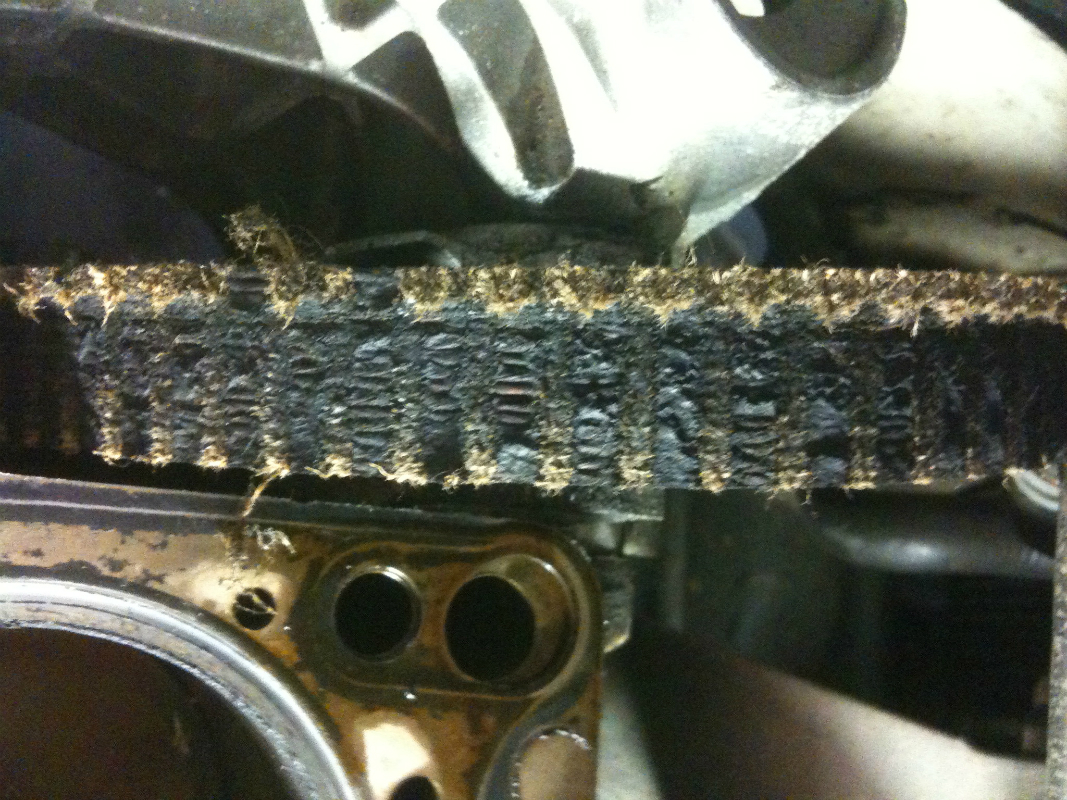
It could. A snapped timing belt or chain problem often gives you a faster-than-normal cranking sound because compression is low or missing, but it is not universal. Some failures still leave some compression, and symptoms vary by engine design. White vapor is not the classic lead symptom, but repeated cranking can still push fuel, coolant, or condensation out the exhaust.
Is it safe to use starting fluid if I see white smoke?
If you suspect coolant intrusion or fuel flooding, starting fluid is not my first move. It can create a harsh ignition event, and it does not solve the underlying issue. Diagnose why it is not firing before adding more variables.