If your engine backfires while you’re trying to start it, you’re hearing combustion happen at the wrong time or in the wrong place. Instead of a smooth light-off inside the cylinders, you get a pop through the intake, a bang out the exhaust, or sometimes both. It can be startling, and in the wrong situation it can also be dangerous.
Back in my shop days, a start-up backfire was one of those clues that made me immediately slow down and switch from “keep cranking” to “diagnose first.” Not because it’s always catastrophic, but because repeated attempts can turn a small problem into a melted catalytic converter, a blown intake boot, or a singed eyebrow.
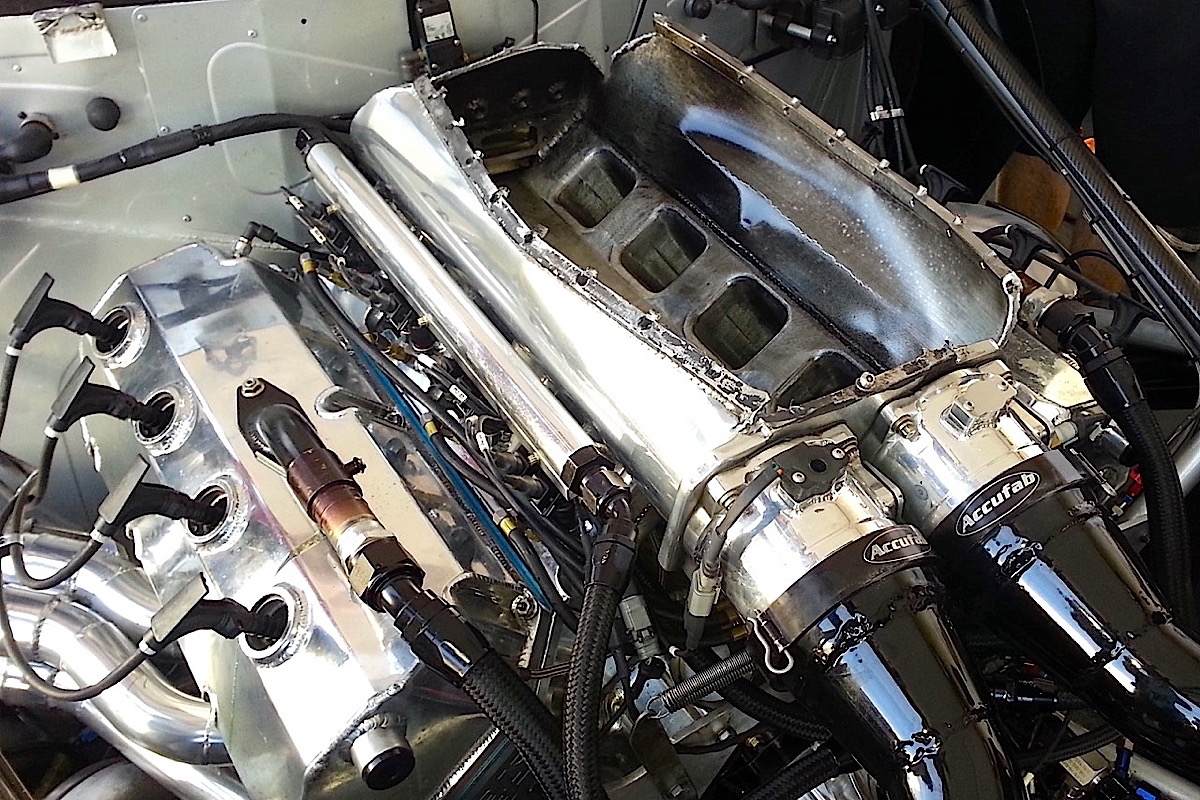
Stop and get safe first
Before we sort causes, let’s talk safety. A backfire is literally a flame front traveling where it should not. That can ignite fuel vapors.
Do this right away
- Stop cranking after one or two backfires. Continuous cranking can pump raw fuel into the exhaust.
- Keep your face and hands away from the throttle body, intake tube, and airbox when someone else is cranking.
- Open the hood and ventilate if you smell fuel. Give it a minute.
- Check for fuel leaks before trying again.
- If you have an aftermarket open-element intake, be extra cautious. A strong intake backfire can spit flame.
When another start attempt is a bad idea
- You get multiple loud bangs in a row.
- You smell strong raw fuel from the tailpipe or engine bay.
- The engine tries to catch, then backfires, then dies repeatedly.
- Your car has a catalytic converter (most modern gasoline cars, and most 1975 and newer US-market gasoline cars) and you suspect it is flooding. Raw fuel can overheat and ruin the converter fast.
- The engine suddenly started backfiring after a timing belt job, distributor work, plug wire replacement, or sensor replacement.
Intake pop vs exhaust bang
The location of the backfire is a big clue. You do not need special tools for this, just pay attention to where the noise comes from.
One quick terminology note: many tech sources use backfire for an intake pop and afterfire for a bang in the exhaust. In everyday conversation, people call both “backfire,” so I’ll describe both and focus on what each one usually points to.
Popping through the intake
An intake backfire often sounds like a sharp pop or cough under the hood, sometimes with the airbox snapping or the intake tube jumping. Common themes are spark happening with an intake valve open or a lean mixture that burns slowly and lights off late.
Banging out the exhaust
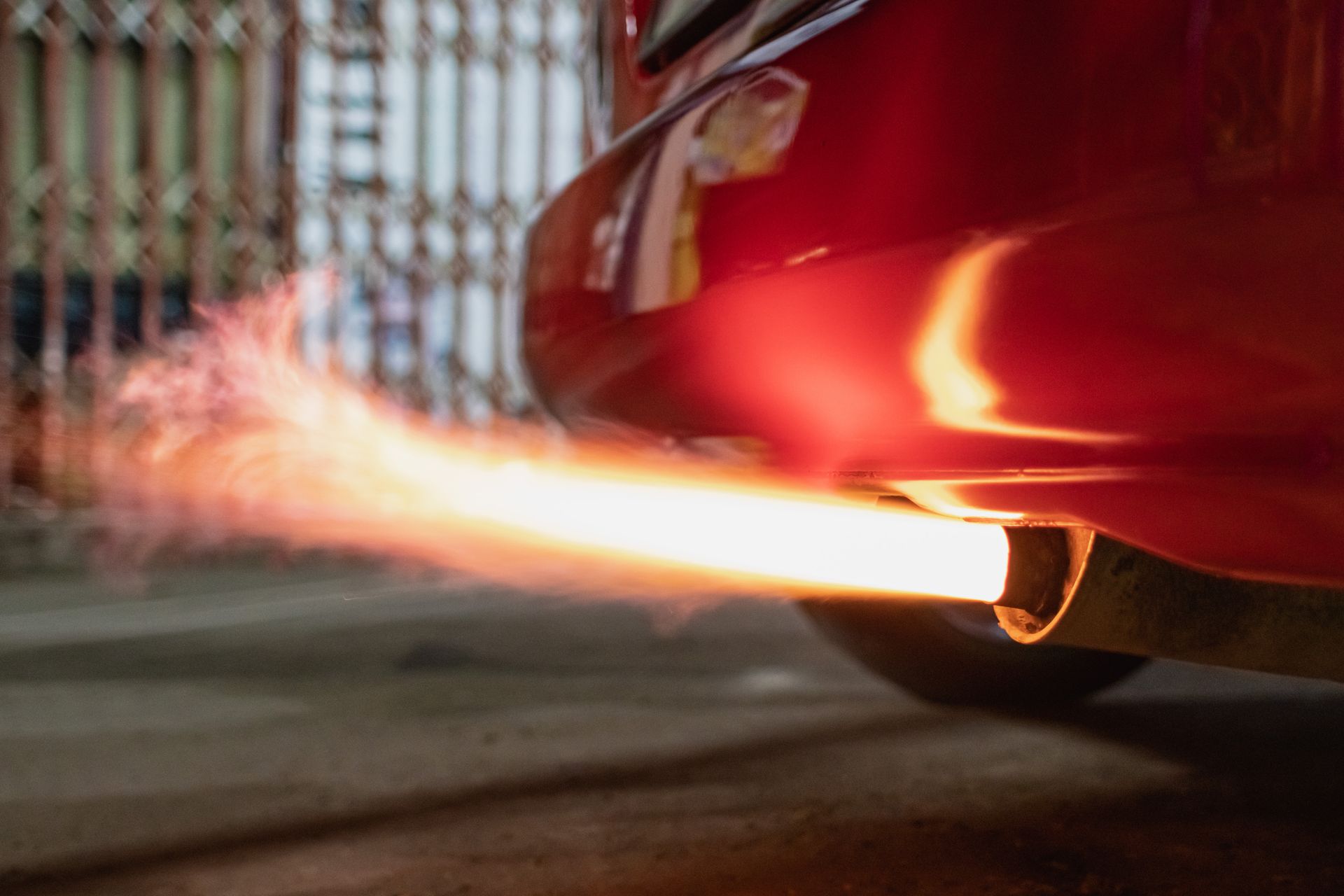
An exhaust bang is usually a deeper boom from the tailpipe area. This often happens when unburned fuel enters the exhaust and ignites there, or when ignition timing is off and combustion is still happening as the exhaust valve opens.
Quiet crank that never fires
This is different. If the engine just cranks with no hint of catching, you are likely dealing with no spark, no fuel, or no compression. A true backfire means it is firing at least sometimes, just incorrectly.
Common causes on startup
Start-up backfires usually come down to three buckets: ignition issues, fuel mixture issues, or mechanical timing problems.
1) Crossed plug wires or wrong firing order
If you have a vehicle with traditional spark plug wires, this is the first thing I would check, especially if the problem started right after a tune-up.
- What it causes: cylinders fire at the wrong time, leading to intake pops, exhaust bangs, or both.
- Quick check: verify each plug wire goes to the correct cylinder and the correct distributor cap tower.
- Tip: do not rely on wire length routing alone. Use the firing order and cylinder numbering for your engine.
If you recently replaced wires and the engine now backfires, assume something is crossed until proven otherwise.
2) Ignition timing way off
On older distributor-based engines, ignition timing that is significantly advanced or retarded can cause backfires during cranking.
- Too advanced: can kick back against the starter and cause violent pops. Sometimes you will hear the starter struggle or the engine “hit” backward.
- Too retarded: can dump burning mixture into the exhaust, causing bangs.
If your distributor was loosened or removed, re-check base timing and make sure the distributor is indexed correctly.
3) Jumped timing belt or timing chain issue
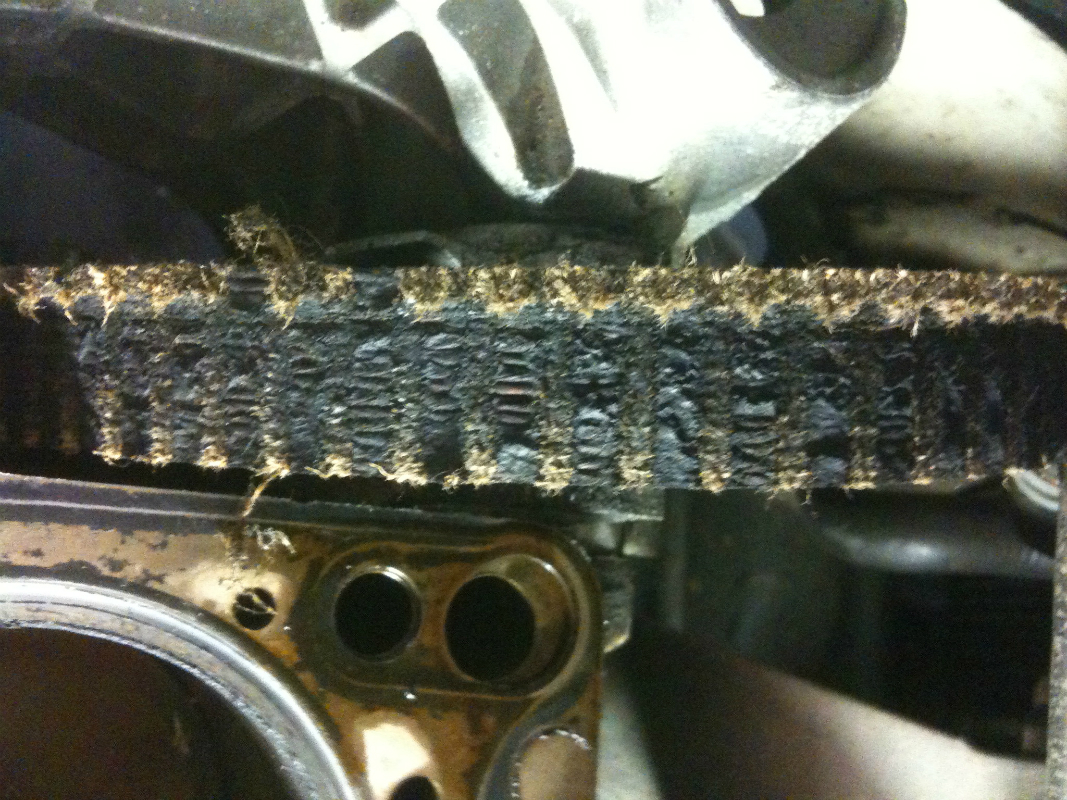
If your engine uses a timing belt and it has jumped a tooth or more, valve timing and ignition timing will no longer match what the engine expects. This can cause cranking backfires and a no-start.
- Clues: it ran fine, then suddenly started backfiring and will not start. Or it began right after a belt job.
- Risk: on interference engines, a belt that jumped far enough can allow valves to contact pistons.
If you suspect this, stop cranking and verify mechanical timing. More cranking is not your friend here.
4) Lean pop during cranking
A lean condition can cause a “cough” through the intake because the mixture burns slowly or unevenly.
- Common causes: big vacuum leak, cracked intake boot, disconnected vacuum line, stuck-open EGR, or low fuel pressure.
- Clues: it tries to start if you barely crack the throttle, then pops back through the intake.
On modern cars, an unmetered air leak between the mass airflow sensor and the throttle body can create a lean start that pops.
5) Flooding and raw fuel in the exhaust
If you have repeated start attempts, a leaking injector, or a fuel pressure control problem, you can load the cylinders with fuel. That fuel can ignite in the exhaust.
- Clues: strong fuel smell, wet spark plugs, black smoke once it finally catches.
- One specific note: on some return-style systems, a ruptured fuel pressure regulator diaphragm can dump fuel through its vacuum line straight into the intake. Many returnless systems are different, but the overall idea is the same: too much fuel during cranking can set up an exhaust bang.
6) Weak spark or misfire during cranking
A marginal ignition coil, poor coil ground, worn cap and rotor (where equipped), or failing crank sensor can cause inconsistent spark while cranking. That inconsistency can let unburned mixture travel into the exhaust and ignite later.
- Clues: it sounds like it wants to start, stumbles, pops, then dies.
- Good first step: scan for trouble codes if you have an OBD2 vehicle.
7) Afterfire from modifications
High-flow intakes, altered tuning, exhaust modifications, and certain anti-lag style tunes can create bangs, but a true start-up backfire on an otherwise stock daily driver is usually a fault, not a “feature.” If the car only started doing this after installing parts, you may be looking at a vacuum leak, a sensor issue, or a tune mismatch.
What to check first
Here is the order I like because it catches the common stuff fast and avoids unnecessary cranking.
Step 1: Look and sniff
- Do you smell raw fuel near the tailpipe or engine bay?
- Any loose intake tube clamps or a cracked rubber boot?
- Any vacuum hoses knocked off during a recent repair?
- Any obvious arcing at night around plug wires or coils?
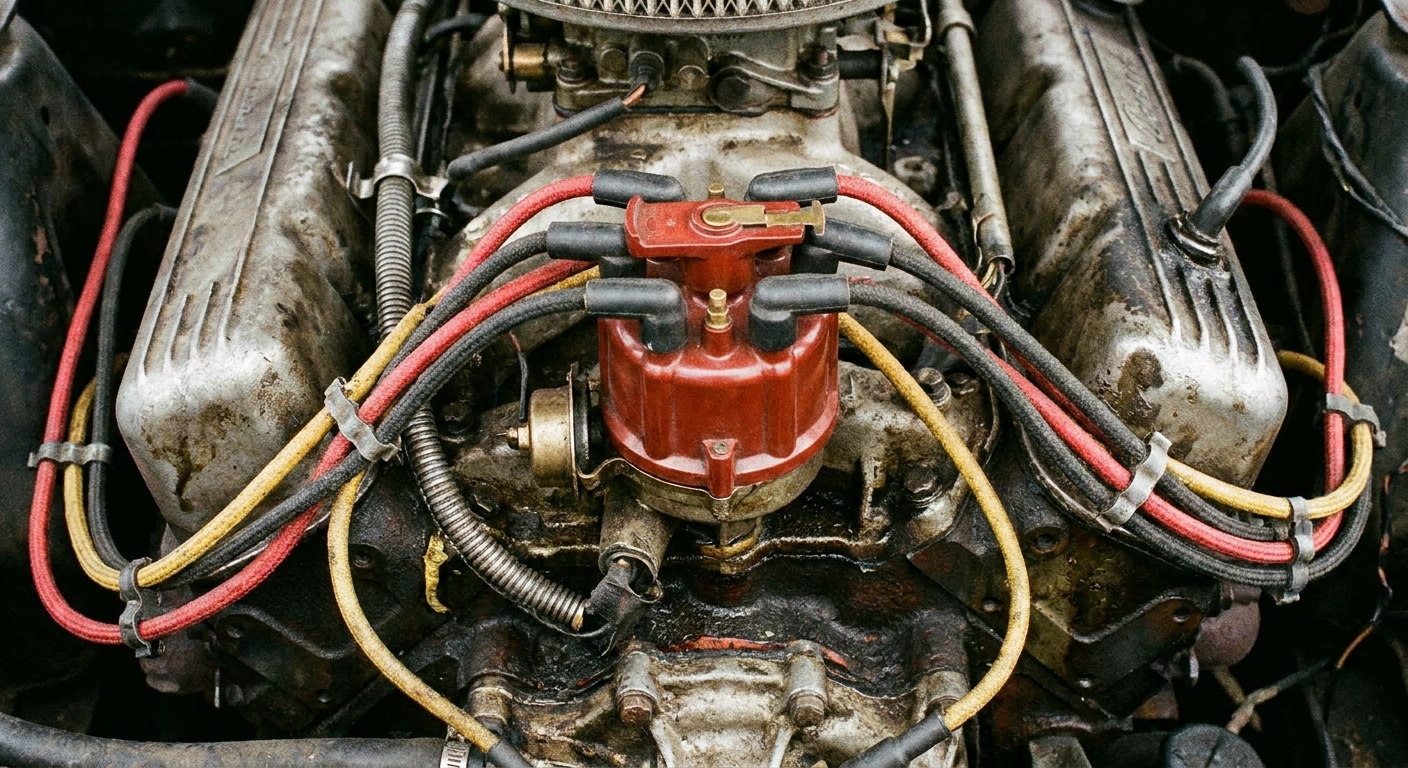
Step 2: If you have plug wires, verify routing
Confirm cylinder numbering and firing order for your specific engine, then trace each wire end-to-end. One crossed pair is enough to create dramatic backfires.
Step 3: Decide if it is likely lean or flooded
- Lean symptoms: cough through intake, wants to start with a little throttle, no heavy fuel smell.
- Flooded rich symptoms: strong fuel smell, wet plugs, exhaust bang after lots of cranking.
If you think it is flooded, many (not all) fuel-injected vehicles will enter a “clear flood” strategy if you hold the accelerator to the floor while cranking, which can reduce injector pulse. Some drive-by-wire cars, hybrids, and start-stop systems handle this differently, so follow your owner’s manual.
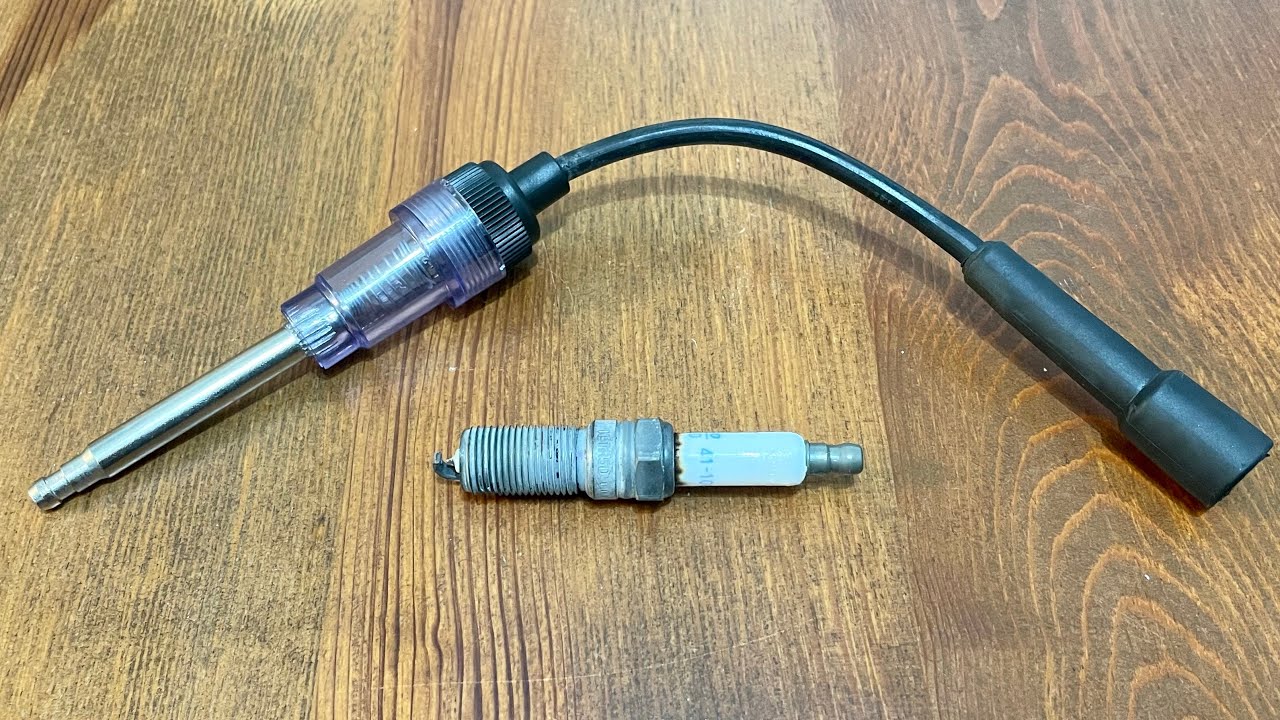
Step 4: Pull a spark plug if you can
This is one of the most informative five-minute checks.
- Wet with fuel: flooding or no spark under compression.
- Bone dry: fuel delivery problem.
- Black and sooty: rich running or repeated failed starts.
Step 5: Scan for codes
A cheap scan tool can point you toward crank sensor issues, cam sensor issues, misfire counters, or mixture problems. Codes do not diagnose everything, but they can keep you from guessing.
Step 6: If it was sudden and violent, consider mechanical timing
If the engine suddenly developed a start-up backfire plus a new odd cranking sound, or it backfires and will not even try to run, it is time to think timing belt or chain. At that point, I stop and verify timing marks rather than keep cranking.
Modern causes to know
On newer engines, you can have “timing is wrong” symptoms even if the belt or chain did not physically jump.
Cam and crank out of sync
If you see correlation codes like P0016 (or related cam and crank codes), the engine computer may be seeing cam timing that does not match crank position. Causes can include a stretched chain, a bad cam or crank sensor, a damaged reluctor ring, or a mechanical timing issue.
VVT stuck at the wrong time
If variable valve timing is stuck advanced or retarded during cranking, you can get poor compression at low speed and weird combustion timing. That can show up as hard starting, intake pops, and a general “it wants to run but won’t” feeling.
Notes by engine type
Older distributor ignition
These are the most prone to start-up backfires when something is off. Crossed wires, a cracked distributor cap, a rotor installed incorrectly, or a distributor installed one tooth off can all create dramatic pops.
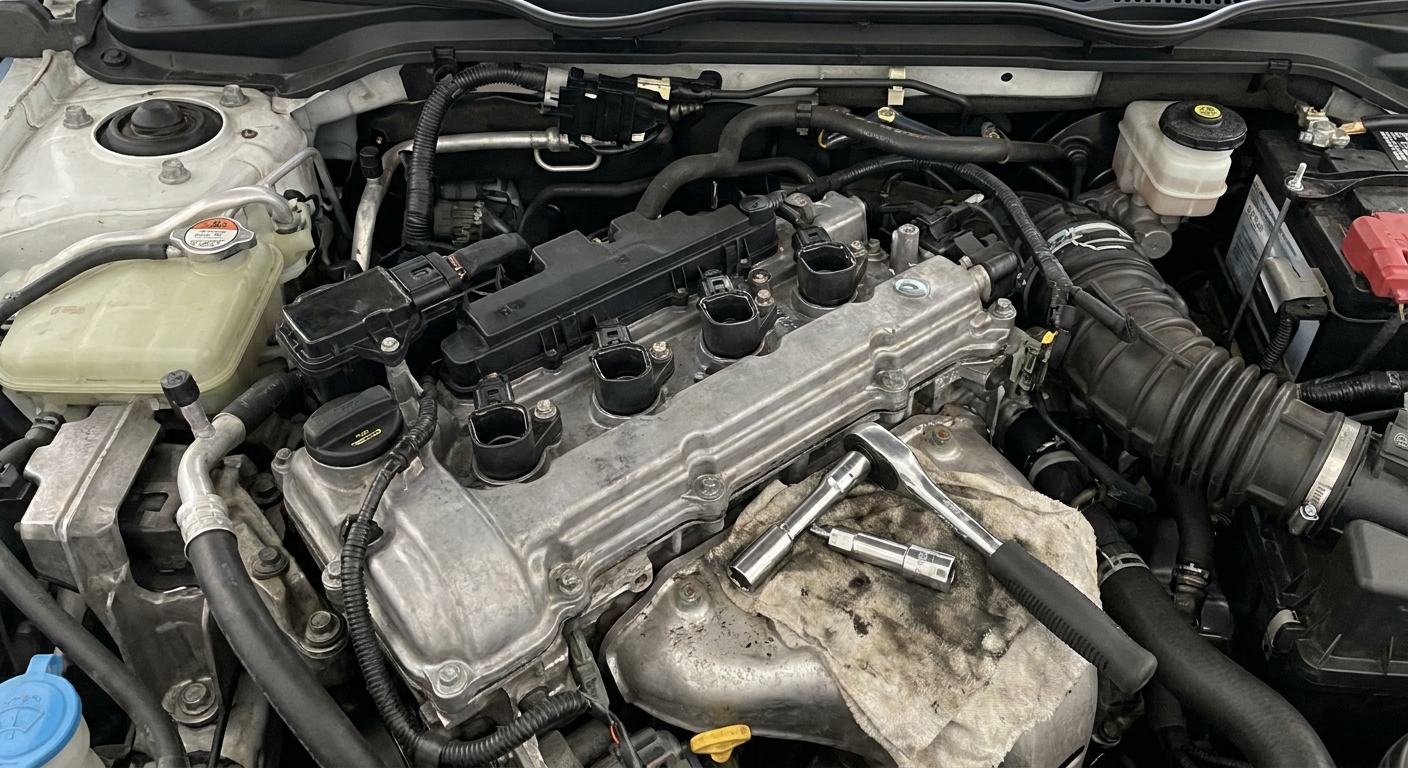
Coil-on-plug systems
Modern engines do not have traditional plug wires, but they can still backfire on start from incorrect cam or crank signals, flooding, or a big air leak. If someone recently replaced coils and mixed connectors on certain setups, that can also cause timing-related misfires.
Carbureted engines
If you are working with a carb, an intake backfire during cranking can be a classic sign of a lean shot or incorrect ignition timing. A weak accelerator pump can contribute, but do not chase carb tuning until you confirm the ignition basics.
Hybrids and start-stop cars
Some hybrids and start-stop systems crank differently than older cars. If you are hearing a single pop as the engine is commanded to start and then it shuts back down, do not keep forcing repeated start cycles. Scan for codes and look at basics like air leaks and ignition faults.
Diesel engines
Diesels do not “backfire” in the same way most gasoline engines do because they do not rely on a spark plug to ignite a pre-mixed air fuel charge. If you have a diesel with a bang on startup, you are usually looking at a different category of problem, and it is worth getting diesel-specific diagnostics.
Can this damage my car?
One small pop usually does not destroy anything. Repeated backfires can.
- Catalytic converter damage: the big one. Raw fuel in the exhaust can overheat the converter core.
- Intake damage: intake boots can split, plastic airboxes can crack, and plastic intake manifolds can be especially vulnerable to a strong intake pop. After a big backfire, look for cracked seams, popped-off ducting, and anything that could cause a new vacuum leak.
- Starter and ring gear stress: severe kickback from advanced timing can hammer the starter.
- Personal injury risk: working over an open throttle body or intake when cranking can expose you to flame.
If your engine backfires more than once or twice during start attempts, treat it like the car is telling you to stop and troubleshoot.
When to call a pro
I am all for DIY, but there are a few backfire scenarios where professional diagnostics save money fast.
- Suspected jumped timing belt or chain, especially on interference engines.
- Backfire started immediately after major engine work and you are not 100 percent sure about timing and assembly.
- You have strong fuel smell and the engine will not start. You could be flooding, or you could have a leak.
- The engine kicks back hard and the starter struggles. That can point to serious timing issues.
A shop can confirm spark timing with a scope, verify cam and crank correlation, and check fuel pressure and injector behavior without cooking the converter in the process.
Quick FAQ
Why does my engine backfire through the intake only when starting?
The most common reasons are crossed plug wires on distributor setups, ignition timing that is off, or a lean condition from a vacuum leak or unmetered air. Intake backfire often means the mixture lit while an intake valve was still open.
Why does it backfire out the exhaust after a few cranking attempts?
That is often unburned fuel making it into the exhaust and igniting. Flooding, weak spark, or repeated start attempts can set this up. This is where catalytic converter damage becomes a real concern.
Can a bad crankshaft position sensor cause backfiring?
Yes. If the crank signal is erratic, ignition timing and injector timing can be wrong during cranking, causing misfires and sometimes backfires.
Should I pump the gas pedal to stop the backfire?
On most fuel-injected cars, pumping the pedal does not help and can make flooding worse. If you suspect flooding, many vehicles respond better to a clear-flood crank, often holding the pedal to the floor, but follow your owner’s manual and stop if backfires continue.
What is the most common DIY mistake that causes start-up backfire?
Crossed plug wires after a tune-up, or a distributor installed out of position after being removed. If the backfire began right after you worked on ignition parts, start your diagnosis there.