I have seen it a hundred times in the shop and in my own driveway. The car ran fine, you changed the spark plugs, and now it cranks like normal but will not start. The good news is that when a no start happens immediately after a plug job, the cause is usually something simple that happened during the install, not a sudden failure of three unrelated parts.
Let’s walk through the most common spark plug change mistakes that cause a no start, plus the quickest order to recheck things so you are not chasing your tail.
Before you start: safety and sanity checks
- Let it cool. If the engine is hot and you have an aluminum head, give it time to cool before pulling plugs again. Hot threads are easier to damage.
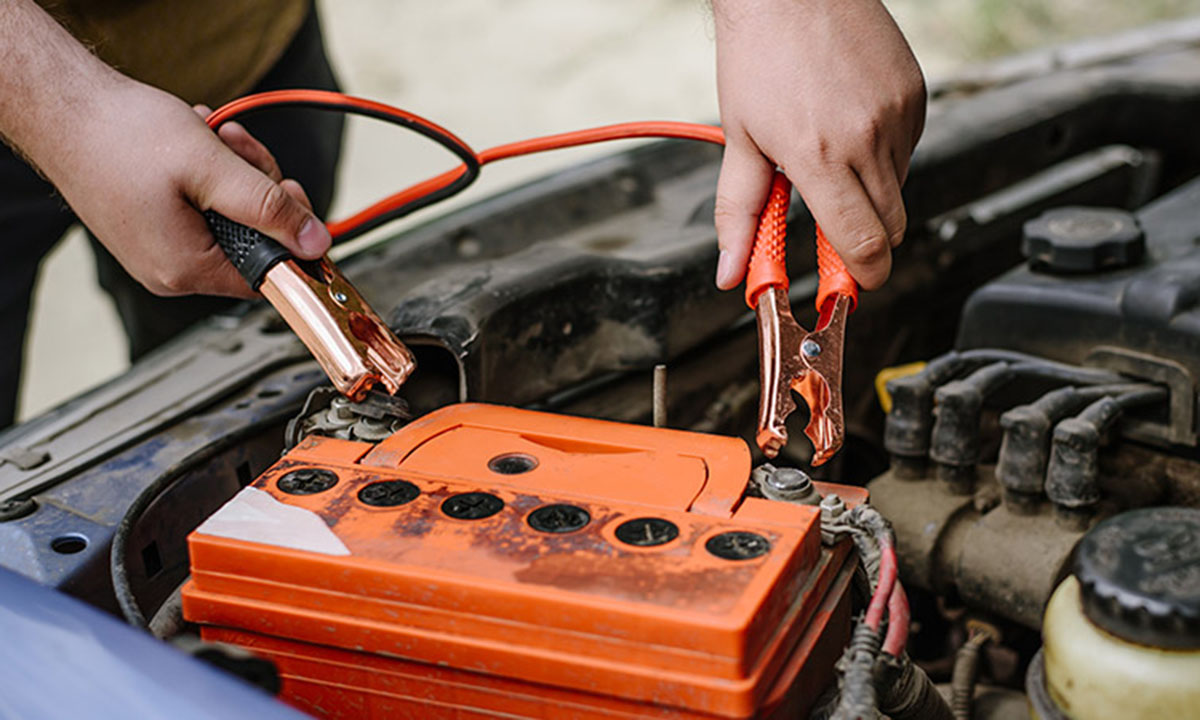
- Battery voltage matters. If you have been cranking a lot, put a charger on it or at least confirm the battery is not sagging. A weak battery can cause a slow crank and weak spark.
- Key detail: Is it cranking but not starting, or is it not cranking at all? This article focuses on cranks but will not fire after a plug job.
- Listen and smell: If you smell raw fuel after repeated attempts, you might be flooding it because it is not igniting.
Fast recheck order
If your car ran before and immediately will not start after the plug replacement, use this order. It is the shortest path to the usual culprits.
- Recheck every coil pack or plug wire is on the correct cylinder.
- Confirm every electrical connector is fully seated and latched.
- Check coil power basics (fuse and ground). A blown IGN/coil fuse or a loose ground strap can shut down spark across the board.
- Pull one spark plug back out and inspect it closely. Look for cracks, damaged electrode, or the wrong plug.
- Verify spark plug gap (if applicable) and that the plug is threaded in correctly and seated.
- Confirm coils are bolted down and boots are fully on the plugs.
In my experience, most post plug-change no-starts get solved in the first couple of steps, especially coil or wire placement and a connector that is not quite clicked in.
Common reasons it won’t start after a plug change
1) Plug wires are swapped, or something is misrouted
This is the classic one on engines with plug wires, and it is still possible on some coil setups if parts got moved around. Get one wire wrong and the engine can crank, pop, backfire, or never catch.
- Plug wire engines: If two wires are swapped, you can easily end up with spark happening at the wrong time.
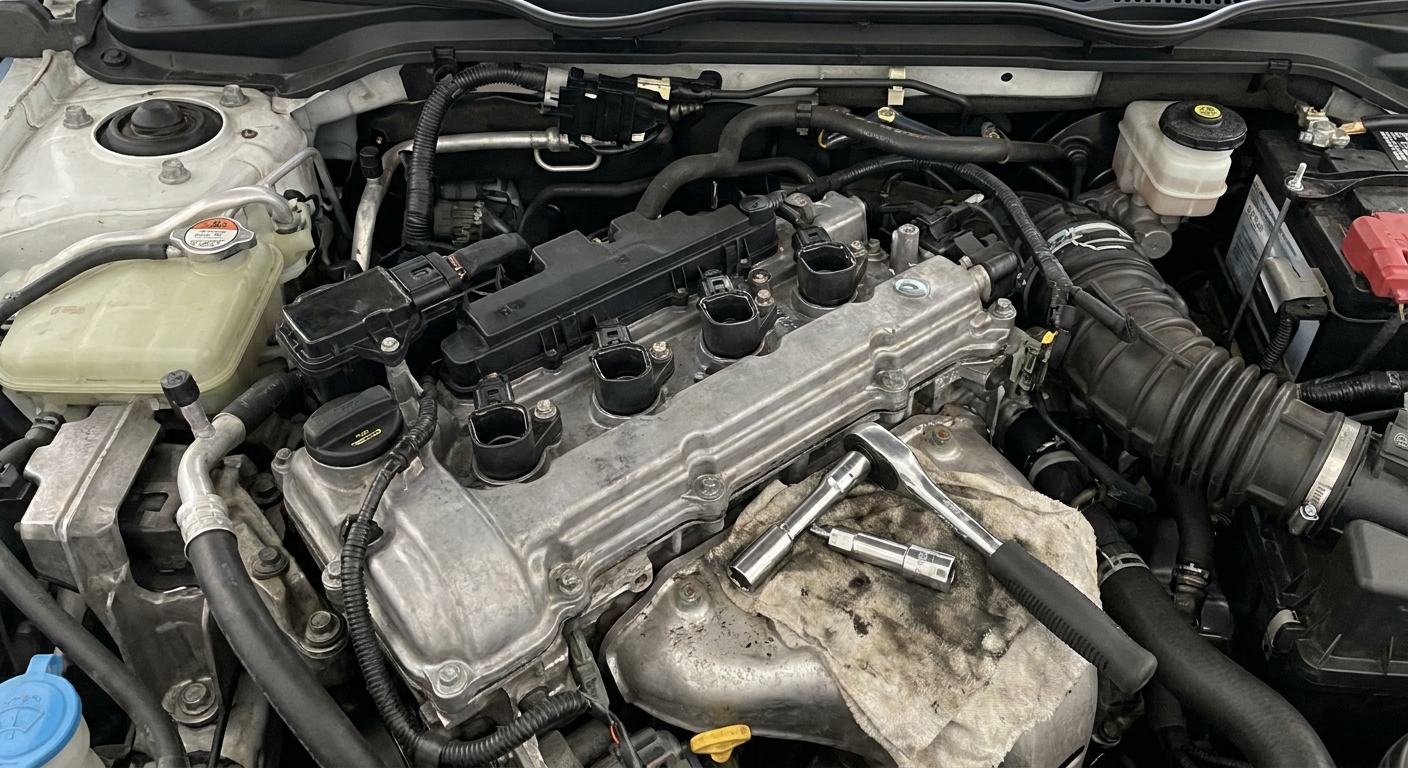
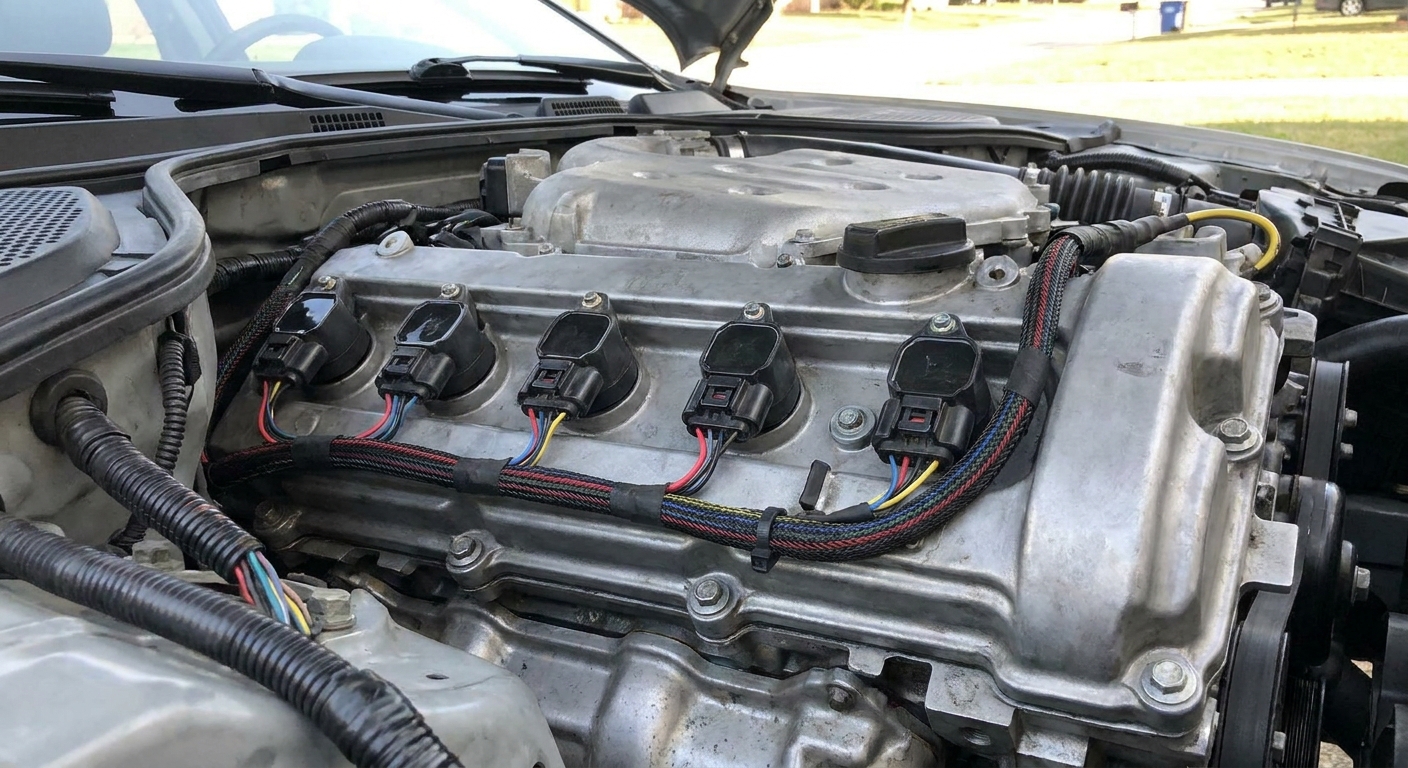
- Coil-on-plug engines: On many cars the connectors are keyed and the harness does not reach far, so mix-ups are less common. But on some layouts with similar connectors or lots of harness slack, it can happen, and multiple cylinders out at once can look like a no-start.
What to do: Use the cylinder numbering diagram in your repair manual or underhood sticker if your car has one. If you do not have that, look up your exact year, make, engine, and “cylinder numbers and firing order.” Then trace each wire or coil connection calmly, one cylinder at a time.
2) A connector is unplugged or not latched
During a plug job you often disconnect coil connectors, unclip harness retainers, move vacuum lines, and sometimes unplug sensors for access. One half-seated connector can give you a crank-no-start with no obvious warning.
Commonly missed connectors after a plug job:
- Ignition coil electrical connectors
- Camshaft position sensor connector (often near the valve cover)
- Mass airflow sensor connector (if the intake tube was moved)
- Throttle body connector (if intake plumbing came off)
- Ground straps you may have moved aside
What to do: With the key off, press each connector in until you feel or hear the click. Do not just look at it. A connector can look “on” and still be backed out a millimeter.
Also check the connector itself: Look for a broken lock tab, bent pins, corrosion, or a terminal that got pushed back in the housing.
3) A fuse blew or a ground strap is loose
This is less common than a loose connector, but it is quick to check and it fits the “it ran fine until I touched stuff” timeline. If a coil connector got shorted, a harness got pinched, or a ground strap got left loose, you can lose spark on all cylinders.
What to do: Check the IGN/ECM/COIL fuses that feed the ignition system, and eyeball any engine ground strap you moved for access. If the crank sounds normal but there is no spark anywhere, this jumps up the list.
4) A spark plug cracked during installation
Modern spark plug insulators are ceramic and they do not forgive side loading. A plug can crack if it was dropped, if the socket insert grabbed it crooked, or if it got bumped against the engine while being threaded in. A cracked insulator can short the spark to ground, usually killing that cylinder.
Why it can feel like a no-start: One cracked plug often causes a bad misfire, but multiple issues at once (two cracked plugs, or a cracked plug plus another install mistake) can keep the engine from catching at all.
What to do: Pull one plug and inspect it under good light. Ideally, pick the plug you suspect you may have bumped or dropped, or the first one you installed when you were still getting situated. Hairline cracks are real and they matter.
5) Wrong spark plug gap (too wide is the big problem)
Some plugs are sold “pre-gapped,” but not all. And even pre-gapped plugs can get bumped in shipping. For a crank-no-start, the most common gap-related issue is a gap that is too wide, because it can require more voltage than the coil can deliver under compression.
- Too wide: Can misfire badly or fail to fire while cranking even if it sparks in open air.
- Too tight: Usually still sparks, but it can cause weak combustion, rough running, and misfires under some conditions.
- Important: Many fine-wire iridium and platinum plugs should not be gapped with aggressive bending tools. If you force the ground strap, you can damage the center electrode.
What to do: Check your underhood emissions sticker, owner’s manual, or a trusted parts catalog for the exact spec. Measure with a wire-style feeler gauge. If the gap is way off, double-check the part number and swap anything questionable.
6) A plug is not seated, is cross-threaded, or is the wrong seat type
If a spark plug is not threaded in properly, a few things can happen: compression can leak, the plug may not ground correctly, and the coil boot may not make solid contact. Any of those can create a hard no-start or a violent misfire.
Signs you might have a plug seating issue:
- The coil will not sit flat on the valve cover.
- You hear a faint hissing while cranking (compression leak).
- The plug felt “crunchy” going in, or got tight very quickly.
What to do: Remove the coil, then remove the plug. Inspect the threads on the plug and look down the hole with a flashlight. When reinstalling, start the plug by hand with an extension only, no ratchet at first. It should thread smoothly for several turns.
Also confirm you did not mix seat types. A taper-seat plug and a gasket-seat plug do not tighten the same way, and the wrong one can cause sealing and contact problems.
Torque to spec if you have it. If you do not, tighten snug plus a small additional turn appropriate to the washer style, but do not guess aggressively.
7) The coil boot is not fully seated, or the plug wells are oily
On coil-on-plug setups, the spring inside the boot must touch the top terminal of the plug. If the boot is not pushed down all the way, that cylinder may not fire. Sometimes the coil bolt will “pull it down” crooked, which can also tear the boot.
What to do: Remove the coil and check the boot. Look for tears, carbon tracking (thin black lightning marks), or oil soaked rubber. Then reinstall and press the coil straight down until you feel it bottom out.
If the plug wells are wet with oil, that is usually a valve cover gasket or plug tube seal leak. It can foul boots and cause misfires. Clean what you can, but plan to fix the leak or it will come back.
8) You installed the wrong spark plugs
Wrong heat range, wrong reach, wrong seat type, wrong resistor style, or simply the wrong part number can turn a good-running engine into a no-start or immediate severe misfire. I have seen it happen when a parts counter substitutes “compatible” plugs, or when two engine options exist for the same model year.
What to do: Compare one old plug to one new plug side by side:
- Thread length and diameter
- Seat type (taper seat vs crush washer)
- Tip projection
- Terminal type (solid vs removable nut on top)
If anything looks different, pause. The right plug matters more than brand loyalty here.
If it still won’t start
Check for spark on one cylinder
If you have an inline spark tester, this is the moment to use it. Confirming you have spark takes you from guessing to diagnosing.
Tip from the shop: If you have spark on some cylinders but not others, focus on coil connectors, coil seating, and plug condition on the dead cylinders. If you have no spark on all cylinders, focus on something shared like a fuse, a major connector you disturbed, a ground strap, or a sensor/connector that got unplugged during access.
Scan for codes
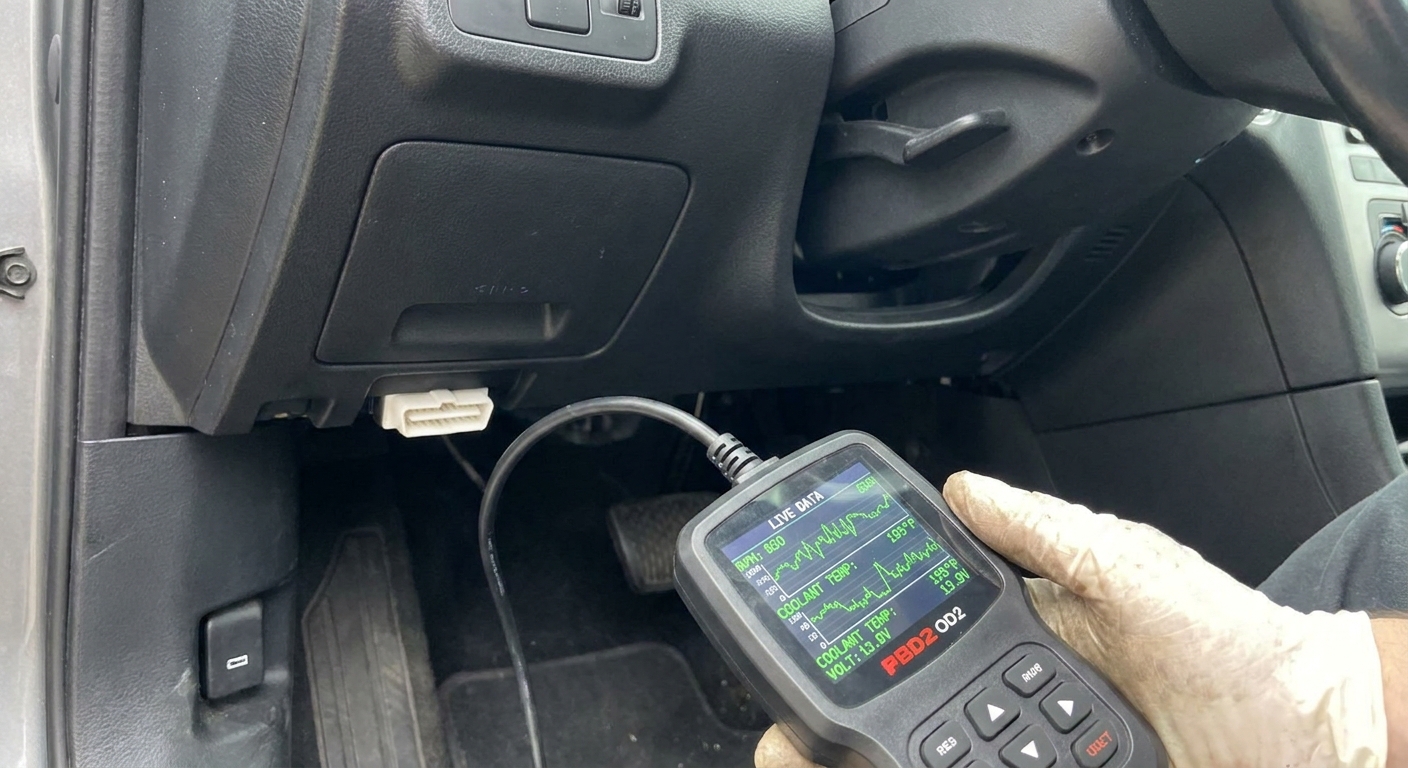
A basic scan tool can show pending codes that have not turned the light on yet. After a plug job, codes that matter include misfire codes (P0300 to P0308, and higher on some engines), and sometimes cam sensor, throttle body, or MAF codes if the intake was disturbed.
If it smells flooded, try clear-flood mode
If you smell strong fuel after repeated cranking, you may be washing the cylinders with fuel because it is not igniting. On many vehicles, holding the gas pedal to the floor while cranking puts it into a clear-flood mode that reduces or cuts fuel injection. Crank for a few seconds, then release the pedal and try a normal start. If your owner’s manual says something different for your model, follow that.
What about fuel, starter, immobilizer, or something else?
Could a fuel pump die the same day you changed spark plugs? Sure. But when the timeline is “ran fine, I did plugs, now it won’t start,” you should assume a work-related issue until you prove otherwise.
Here is my rule of thumb: recheck what you touched, then expand outward. Once you have confirmed correct wire routing or coil placement, all connectors latched, fuses and grounds are good, plugs not cracked, correct gap, and proper seating, then it is reasonable to broaden the diagnosis to fuel pressure, injector pulse, crank sensor faults, and security system issues.
FAQ
My car cranks but won’t start after changing spark plugs. Did I ruin the engine?
Almost never. Most of the time it is a wire routing issue, a swapped connection, or an unplugged connector. Fixing the mistake typically brings it right back.
It started once, ran rough, then died. What does that point to?
That pattern often points to one or more cylinders not firing due to a coil boot not seated, a cracked plug, or wires swapped. It can also be a connector that is barely making contact and opens up with engine vibration.
Can a wrong spark plug gap really cause a no-start?
Yes, especially if the gap is too wide. A spark can look fine outside the engine, but under compression it takes much higher voltage to jump the gap. If the gap is excessive, spark can fail when the cylinder is pressurized during cranking.
Should I use anti-seize on spark plug threads?
Follow the plug manufacturer and vehicle manufacturer guidance. Many modern plugs have plated threads and do not require anti-seize. Using it can change torque readings and increase the risk of over-tightening.
When should I stop and call a pro?
If you suspect cross-threading, cannot get a plug to start by hand, hear loud backfires while cranking, or have repeated no-start attempts with a heavy fuel smell, it is smart to stop. At that point, a technician can prevent a small mistake from becoming a stripped plug hole, damaged coil boots, or a flooded engine.