The complaint sounds simple: you turn the fan knob up, you hit AUTO, you slide the blower speed to max and nothing comes out of the vents. Not weak airflow, not warm air. Just zero air movement on any setting.
In the shop, that usually puts me in “blower circuit mode,” not “A/C mode.” The A/C system can be ice cold and perfect, but if the blower motor is not spinning or the air path is blocked, you will feel nothing at the dash vents.
Below is the same step-by-step order I use so you can find the failure fast, avoid throwing parts at it, and know when it is time to hand it off to a pro.
First, confirm what “no air” really means
Before you grab tools, do two quick checks. They change the whole diagnosis.
- Do you hear the blower motor at all? With the engine running, set the fan to high and listen near the passenger footwell. If it is completely silent, start with power, ground, motor failure, or a control module failure.
- Does air come out of any vent position? Try dash vents, floor, and defrost. If you hear airflow somewhere but not where you want it, that is a mode door or blend door issue, not a blower motor issue. (Mode doors route air to dash, floor, or defrost. Blend doors mix hot and cold air.) This article is for no airflow anywhere.
If you truly have zero airflow from every outlet, continue below.
Safety and tools that make this easier
You can do most checks with basic gear:
- Flashlight
- Fuse puller or needle-nose pliers
- Multimeter or a simple 12V test light
- Small socket set or screwdriver set (for cabin filter and blower access)
Safety note: Keep fingers and loose clothing away from the blower fan cage. If you unplug connectors, turn the ignition off first.
Step 1: Check the blower fuse (and verify power)
If the main blower power fuse is blown, the blower usually will not run at any speed. The catch is that many vehicles have more than one fuse involved in HVAC operation. One fuse may feed blower motor power, another may feed the HVAC control head or a body control module (BCM) that commands the blower.
What to do
- Find the fuse panel map (often on the fuse box cover, owner’s manual, or a label).
- Locate fuses labeled BLWR, BLOWER, HVAC, or HTR.
- Pull the fuse and inspect it. Better yet, use a test light or multimeter to confirm it is powered on the correct side when it should be.
If the fuse is blown
Replace it with the same amperage. If it blows again quickly, do not keep feeding fuses to the problem. A repeated blow usually means:
- A failing blower motor pulling too much current
- Damaged wiring or a short to ground
- Water intrusion into the motor or connector
Step 2: Swap or test the blower relay (if used)
Many vehicles use a relay to handle the blower motor’s higher current draw. A failed relay can give you a completely dead blower.
Quick relay check
- Find the relay labeled for the blower (often in the under-hood fuse and relay box).
- If there is an identical relay next to it (horn, fog lights, etc.), you can swap them temporarily as a quick test.
- If the blower starts working after the swap, you found your culprit.
If swapping does nothing, continue on. On some newer vehicles, the “relay” function is integrated into a blower control module and you will not have a traditional cube relay to swap.
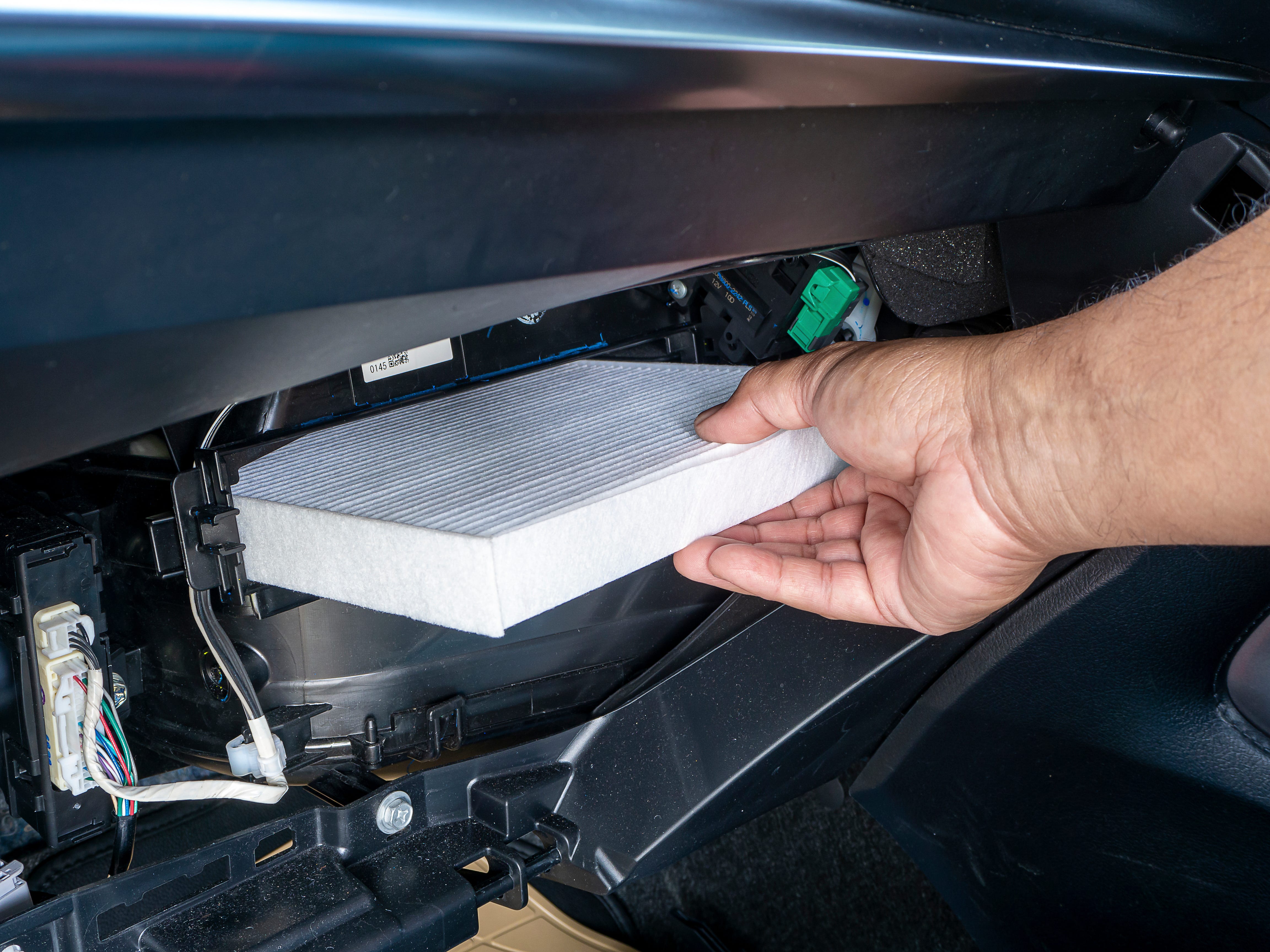
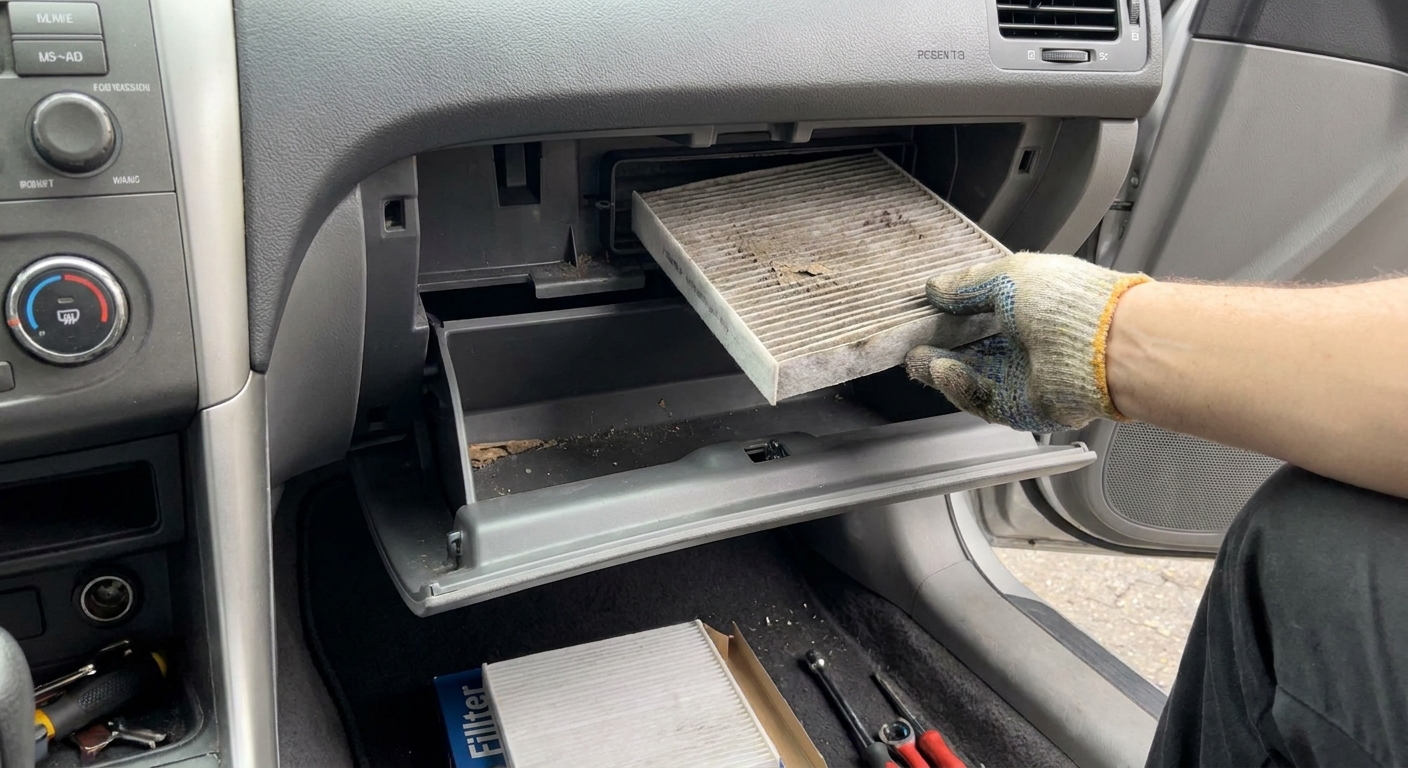
Step 3: Check the cabin filter and intake for blockage
I have seen “dead blowers” that turned out to be air filters packed solid with leaves, pet hair, and the kind of dust that looks like felt. I have also pulled pens, wrappers, and even a kid’s sock out of blower housings.
Quick reality check: A dirty cabin filter usually causes weak airflow, not true zero airflow. But a filter that is collapsed, soaked and deformed, or an inlet packed with debris can get you surprisingly close to nothing, so it is worth ruling out early.
What to look for
- Cabin air filter clogged or wet and collapsed
- Debris jammed at the filter door or inlet
- Foreign object rubbing the blower fan cage (sometimes you will hear ticking or scraping)
Step 4: Know your blower control type
Before you test parts, it helps to know what you have.
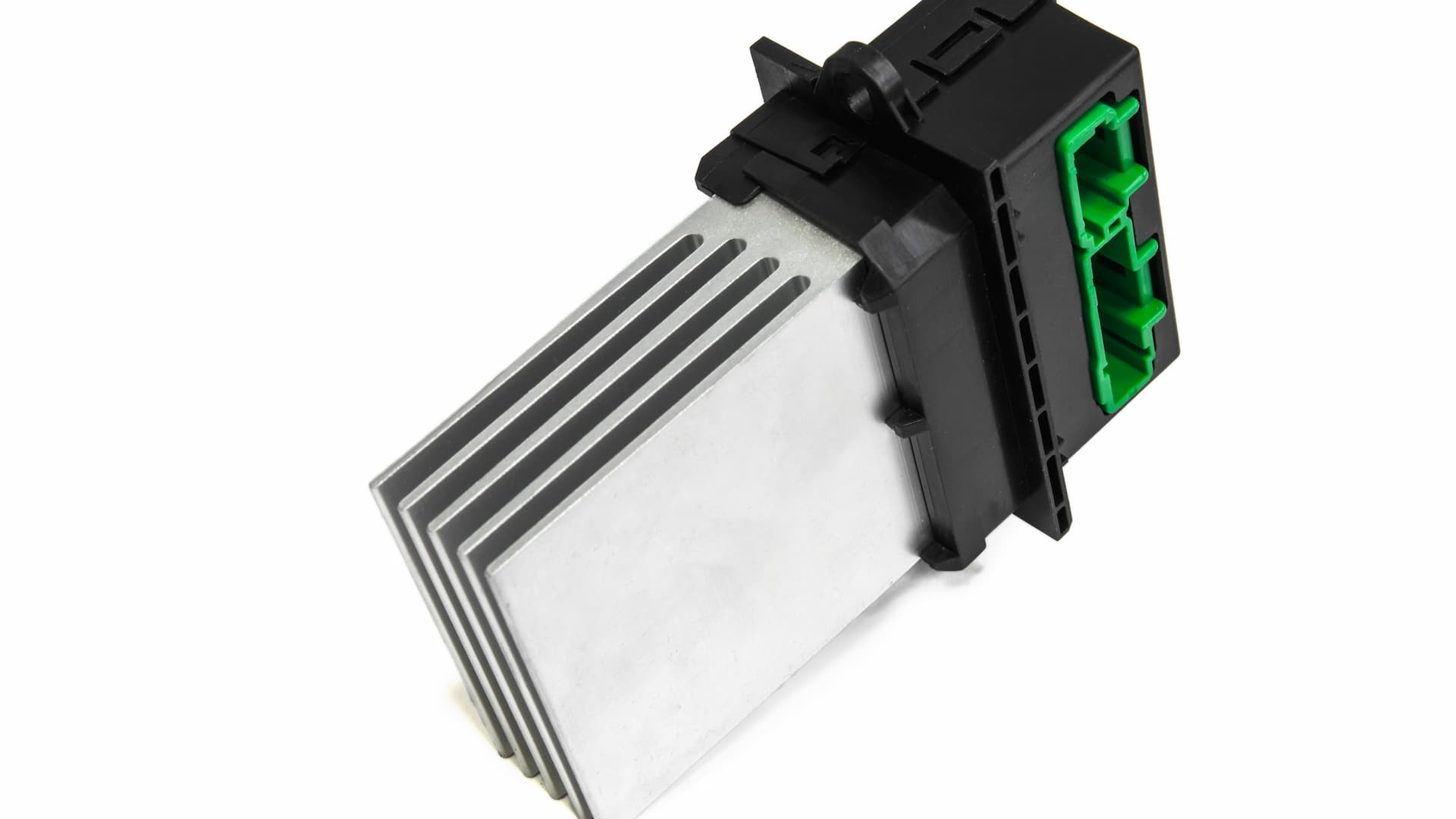
- Manual HVAC with a resistor pack: Older and many budget vehicles use a blower resistor with coils. When it fails, you often lose some speeds. But it can also fail in a way that kills everything.
- Automatic climate control with a blower control module: Many newer vehicles use a solid-state module (sometimes called a power transistor). These can fail with no blower operation at any setting.
Either way, the next steps are the same: verify power and ground at the blower, then work backward. Also, on some late-model vehicles the HVAC head talks to a BCM and other modules. If your car is that type, a scan tool can be the difference between guessing and knowing.
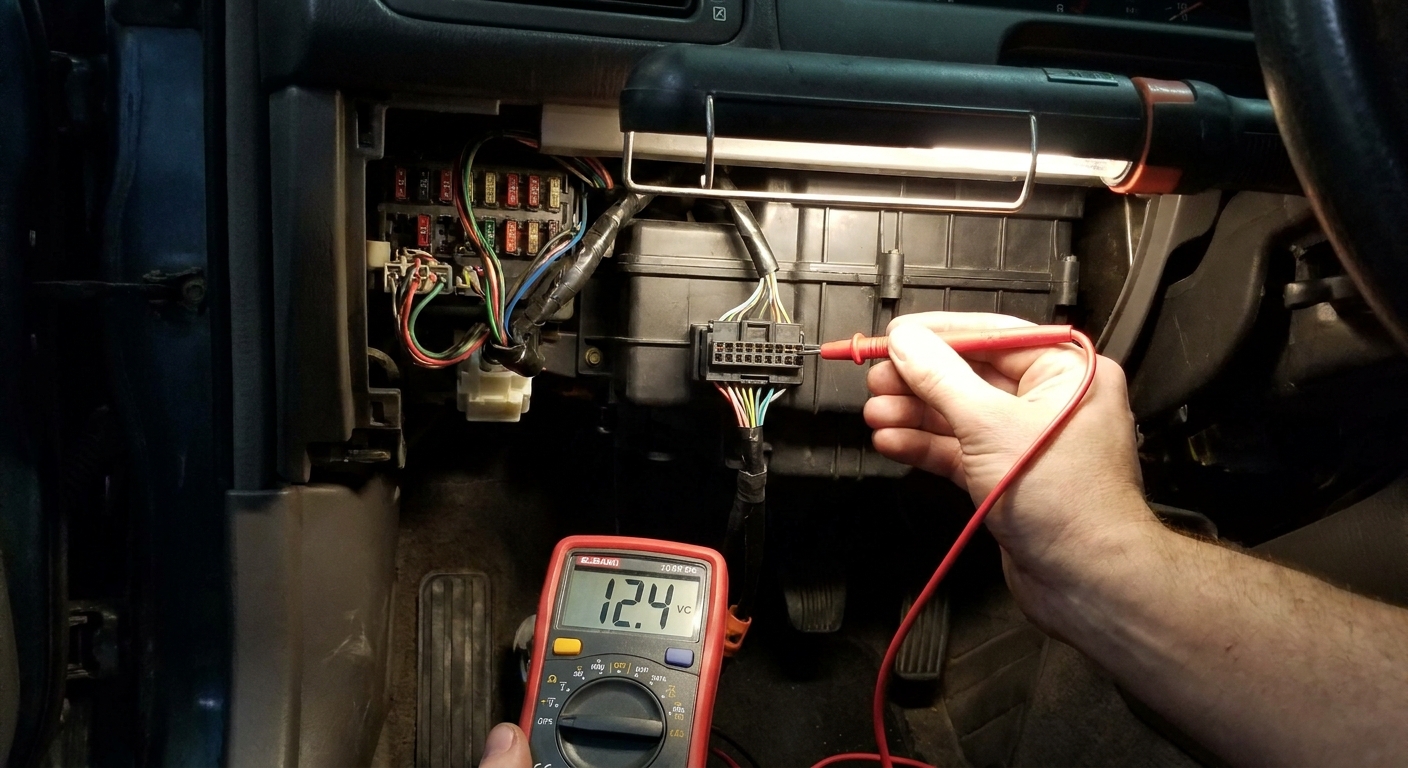
Step 5: Test power and ground at the blower connector
This is the make-or-break test. If the blower is not moving air, you want to know whether the motor is being told to run.
How to do it
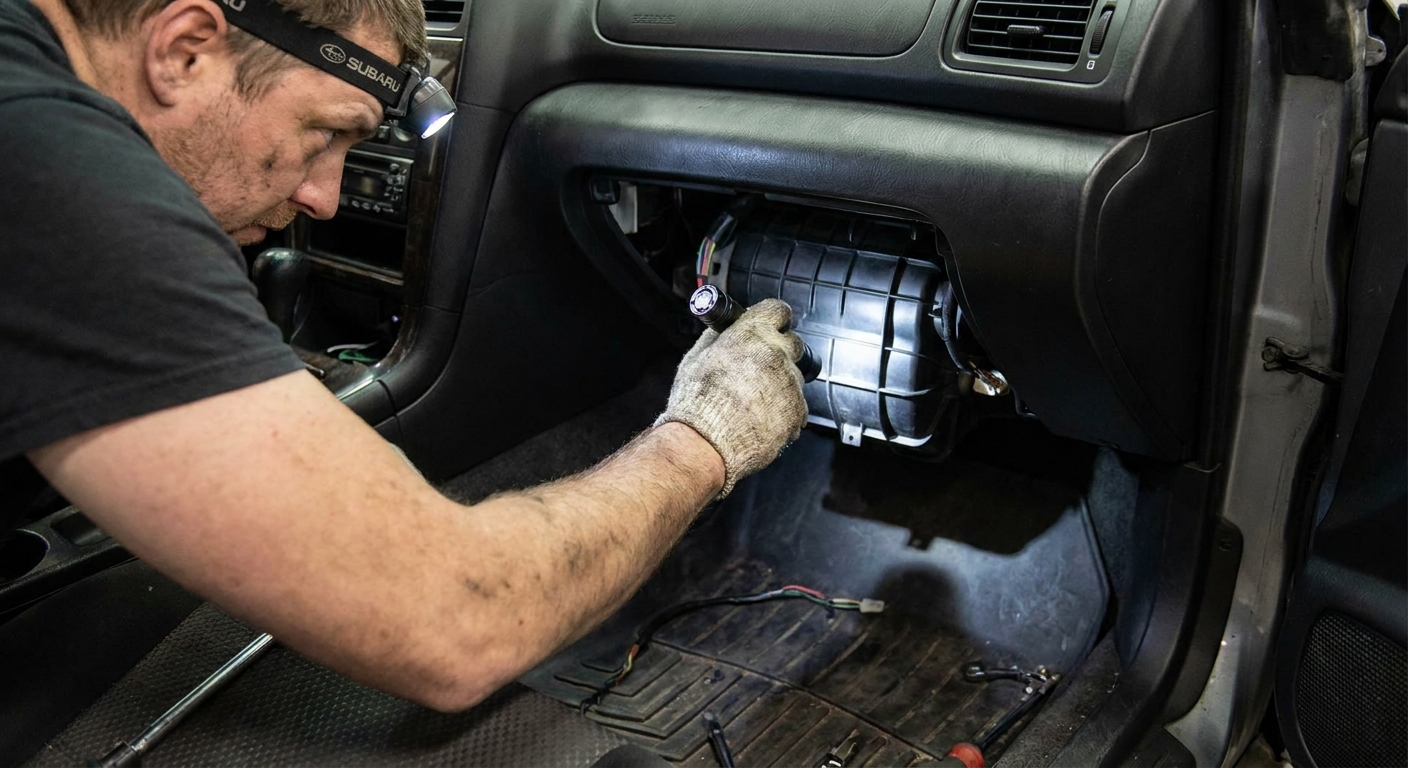
- Locate the blower motor, usually behind the glove box or under the passenger side dash.
- Unplug the blower motor connector.
- With the ignition on and fan commanded to high, use a multimeter or test light.
What you are looking for
- At full speed command, the feed should be near battery voltage and the return side should be a solid ground or the expected control signal. Some systems switch the power side, some switch the ground side, and many newer systems use PWM (pulse-width modulation). If you are not sure which wire is which, a wiring diagram is your friend.
- Good feed and a usable ground/control present but motor will not run: The blower motor is likely bad, or the fan is jammed.
- No power or no ground/control: The issue is upstream: fuse, relay, resistor/module, control head, wiring, or a bad ground point.
Pro tip from my shop days: Wiggle the connector gently while the fan is commanded on. If it kicks on and off, you may have heat-damaged terminals or a loose pin fit. That is common on higher-mileage cars where the blower draws extra current as it ages.
Step 6: Inspect the resistor or control module
If the blower motor is not getting the right power or ground, the next suspect is the control device near the blower housing.
Blower resistor (manual systems)
Resistor packs are often mounted in the HVAC air stream so they stay cool. When they fail, you may see:
- Burnt connector pins
- Melted plastic plug
- Cracked or overheated resistor coils
If the connector is heat-damaged, replacing only the resistor is sometimes a short-term win. Many repair kits include a pigtail connector because the old plug cannot reliably carry current anymore.
One more thing: A melted resistor connector is often a symptom, not the root cause. A dragging blower motor can pull high current and cook the plug. If you replace parts and it happens again, check blower motor current draw.
Blower control module (automatic systems)
These modules can fail internally and leave you with a completely dead blower. They can also fail in the opposite direction and leave the blower stuck on. For a no-air complaint, you are looking for:
- Corrosion from water intrusion
- Overheated pins
- Loose mounting or poor heat sinking
If you have power into the module but nothing out to the blower when commanded on, the module is a strong suspect. Just remember: on PWM systems you may measure an averaged voltage on a multimeter. A scope is best, but many techs confirm operation with a wiring diagram and a test light or a known-good motor.
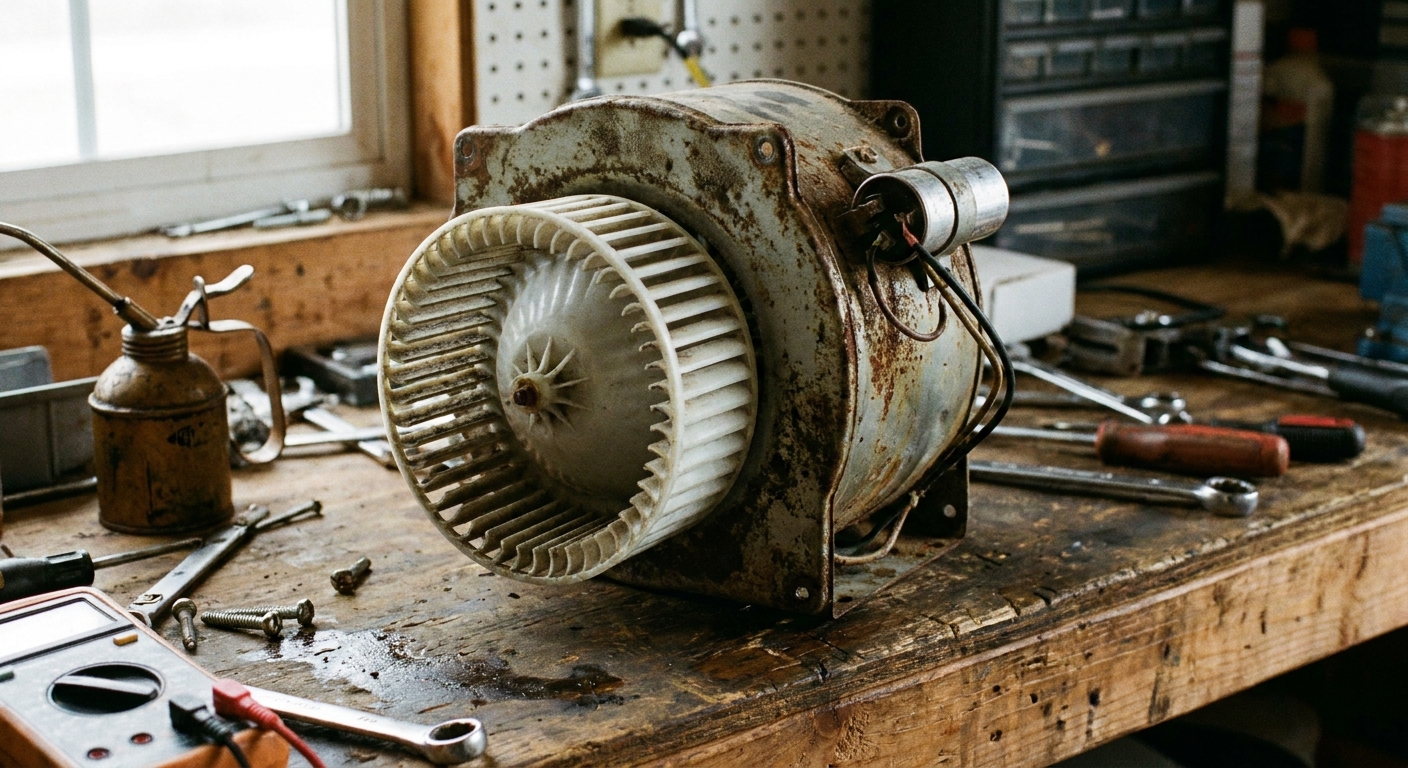
Step 7: Check the blower motor and fan for binding
If you have confirmed proper power and ground/control at the blower connector and it still will not run, the blower motor is usually the fix.
Common blower motor failure signs
- Squealing or chirping before it quit (dry bearings)
- Intermittent operation, especially after bumps
- Needs a smack under the dash to start (classic worn brushes)
- Blows fuses because it is drawing too much current
If you remove the blower motor, spin the fan cage by hand. It should turn smoothly without scraping. If it is jammed with debris or feels rough, that explains the no-air symptom.
Optional direct power test (be careful)
If you are comfortable doing it, you can confirm a blower motor fast by powering it directly.
- Use a fused 12V source and a good ground. An inline fuse is important.
- Keep your hands clear of the fan cage and secure the motor so it does not jump when it starts.
- If it runs strong on direct power, your problem is in the control side (resistor/module, relay, wiring, command).
- If it will not run or runs rough, the motor is bad or the fan is binding.
When to stop DIY
I am all for driveway diagnostics, but a few situations are worth a professional scan and electrical diagnosis:
- You replaced the fuse and it blows immediately (short circuit or overcurrent motor draw)
- You have power at the fuse box but not at the blower and wiring access is tight
- The vehicle uses a networked HVAC system (HVAC head, BCM, and climate module) and you need module data or codes
- You see melted connectors or burnt wiring insulation (repair needs to be done correctly to avoid repeat failures)
A good shop can measure blower motor current draw, verify command signals, and pinpoint a bad module versus a wiring fault without guessing.
Quick summary
- No air on any setting usually means blower power, ground, control module, or motor failure.
- Start at the main blower fuse, then the relay if equipped.
- Rule out blockage at the cabin air filter and blower inlet.
- Test at the blower connector with the fan commanded to high to decide whether it is a motor problem or upstream control problem. PWM systems may not read like old-school systems.
- Inspect the resistor/module and connector for heat damage, corrosion, or loose pins. If the connector is cooked, think about blower current draw.
FAQ
Can low refrigerant cause no air from the vents?
No. Low refrigerant can cause poor cooling, but it does not stop the blower motor from moving air. If you have zero airflow, focus on the blower circuit and airflow path. The only rare exception is an evaporator that freezes up over time, which can reduce airflow, but it typically does not create an immediate, total no-air condition on all settings.
What if I hear the fan but no air comes out?
If you clearly hear the blower spinning but airflow is still basically nonexistent, suspect a blocked cabin filter, debris in the intake, or a mode door stuck in a position that is not directing air where you expect. Try switching between defrost, floor, and dash while listening for door movement.
Why did my blower stop working suddenly?
The most common sudden failures I saw were a blown main fuse, a relay that quit, a resistor/module that failed internally, or a blower motor that finally wore through its brushes. Water intrusion can speed all of those up.
Is it safe to drive with no airflow?
Usually yes, but it can become a safety issue if you cannot defog or defrost the windshield. If you are fighting fogged glass, prioritize getting the blower working before your next wet or cold commute.