I have seen this exact complaint a hundred times at the shop: you hop in, twist the fan knob to 1, 2, or 3 and get nothing. Then you hit the highest setting and suddenly the blower roars to life like it is trying to make up for lost time. It feels like a weird electrical gremlin, but the good news is this is one of the more predictable HVAC problems on most cars.
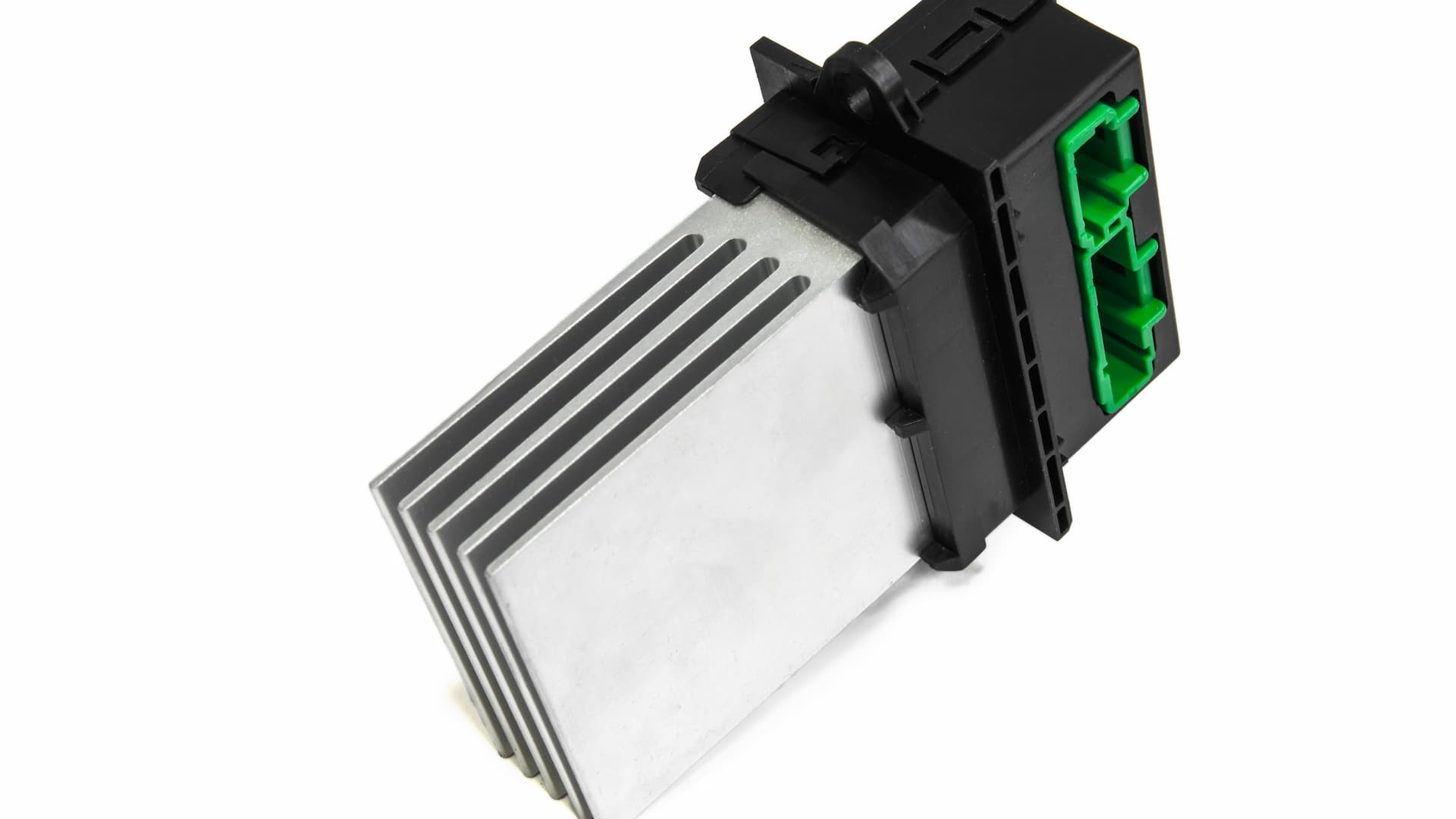
In a lot of cases, a blower that only works on high speed points to one part: the blower motor resistor on older and simpler systems, or an electronic blower motor speed controller (also called a blower control module, power transistor, or “final stage resistor” on some European cars) on many newer vehicles with automatic climate control.
What “only high works” usually means
On many vehicles, high speed is wired as a more direct path from power to the blower motor. The lower speeds are created by adding resistance (resistor pack) or by electronically controlling blower speed (usually via PWM on a solid-state controller). When that lower speed control fails, you lose the stepped speeds, but the high speed circuit can still work.
Not every car is identical, though. Some route high through a relay controlled by the switch or HVAC module, and some electronic systems fall back to high as a default or failsafe. That is why I treat “only high works” as a strong clue, not an iron law.
Blower resistor (manual fan speeds)
On a traditional fan switch with numbered speeds, the resistor pack uses several resistors to drop voltage to the blower motor for speeds 1 through 3 (or 1 through 4). High speed typically bypasses the resistors, so it can keep working even when the resistor pack burns out.
Blower speed controller (automatic climate control)
On many automatic climate control systems, the blower “resistor” is actually a solid-state controller. It can fail in different ways, but one common failure mode is: only full blast works or the blower acts stuck at one speed.
Quick symptom checklist
Here is how I separate the most common possibilities without getting lost in the weeds.
Most likely: bad resistor or controller
- Fan works only on the highest setting, and all lower speeds are dead.
- High speed is strong and steady, not weak.
- Sometimes you will smell a faint “hot electronics” odor before it fails, especially if the connector overheated.
Possible: bad switch or HVAC control head
- The fan cuts in and out when you wiggle the knob or press the panel.
- Multiple functions on the control panel act weird (lighting, mode doors, temperature control), not just fan speeds.
- No change in behavior after replacing the resistor, or the resistor tests good and is receiving the proper signals.
Also possible: relay or relay socket trouble
- High works intermittently, or works only when you tap the relay/fuse box.
- You find a melted relay socket, overheated terminals, or a relay that is hot to the touch.
- The problem changed after another electrical repair (a fuse box or relay swap).
Less likely in an “only high works” case: failing blower motor
- The blower is noisy, squealing, or rattling, and may slow down when running.
- The fan sometimes will not start without a tap on the dash or a bump in the road.
- It may blow the HVAC fuse or repeatedly overheat and take out the new resistor again.
If your blower works great on high, that is strong evidence the motor itself can spin. That is why the resistor or controller usually jumps to the top of my list.
Why a filter or A/C recharge will not fix it
This is an important distinction that saves money.
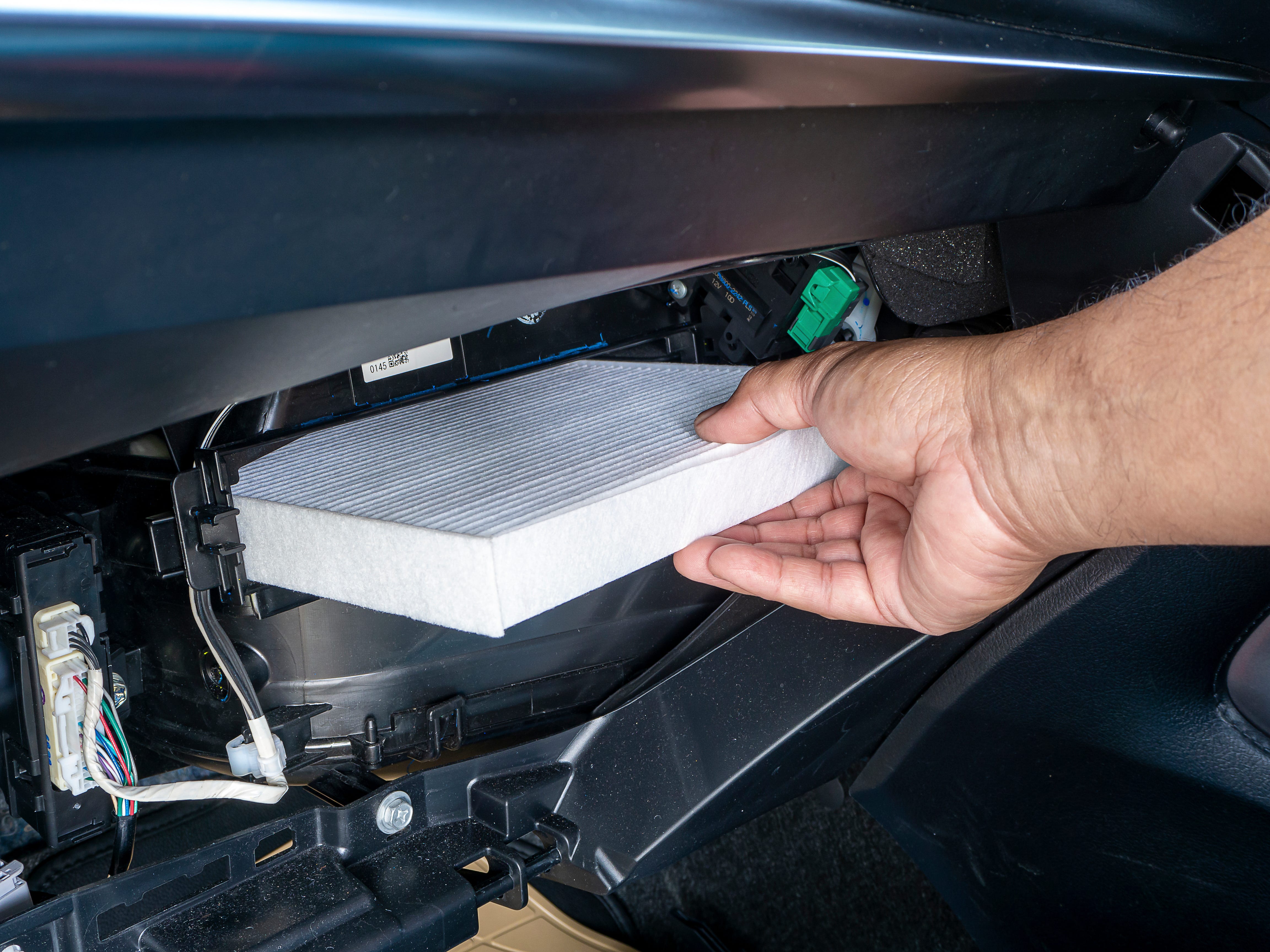
A clogged cabin air filter reduces airflow
A filthy filter can make every fan setting feel weak, and it can make the blower sound louder because it is pulling against a restriction. But it will not selectively kill speeds 1 through 3 while leaving high working normally. A filter is a maintenance item worth replacing, it is just not the fix for this particular symptom.
Refrigerant affects cooling, not fan speeds
Refrigerant level determines whether your A/C can get cold. The blower motor is simply the fan that pushes air through the vents. If the fan only works on high, adding refrigerant will not restore low and medium because those speeds are controlled electrically, upstream of the A/C system.
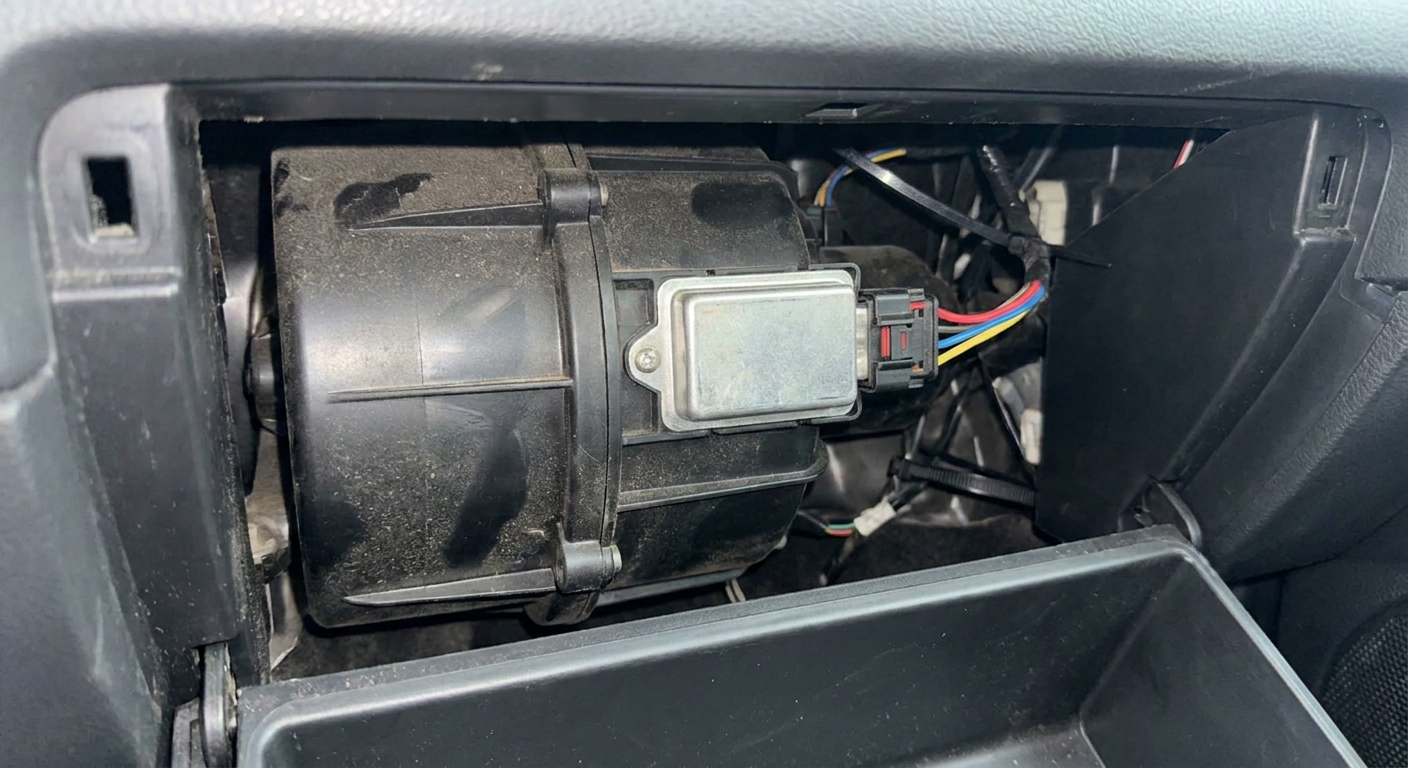
Where the resistor or controller is
Most are mounted in the HVAC air duct near the blower motor, usually:
- Behind the glovebox
- Under the passenger side dash
- Sometimes under the driver side dash
- More rarely in the engine bay on certain trucks and older designs
They are placed in the airflow on purpose so the moving air can help cool the resistors or the controller heat sink.
DIY checks in the driveway
You do not need a scan tool for the basic checks on most vehicles. That said, some late-model cars route blower requests through a BCM or a dedicated HVAC module. On those, scan data and codes can save time when the basics do not add up.
You also need to be careful under the dash. Watch for yellow connectors or harnesses (SRS airbag wiring). If you are working near them, disconnect the battery and give it a little time before unplugging anything in that area.
1) Confirm the exact symptom
- Key on, engine on if your vehicle requires it for HVAC operation.
- Try every fan speed in order.
- Note whether “high” is the only working position, or whether one random middle speed works too.
Only high works is the classic resistor or controller clue.
2) Listen at the blower motor
On low speeds that are “dead,” put your ear near the passenger footwell. If you hear absolutely nothing at speeds 1 to 3 but high is loud, that supports a control problem rather than a struggling motor.
3) Check fuses and relays
If high works, your main blower power feed is probably okay, but I still like a quick fuse check. Some vehicles use separate fusing or relays for different speed circuits. If your car has a dedicated high blower relay, pull it and look for heat discoloration at the relay blades and socket.
4) Inspect the resistor or controller connector
This is a big one. Disconnect the battery if you are uncomfortable working around connectors, then unplug the module connector and look for:
- Melted plastic
- Browned terminals
- Loose pins
- Green corrosion
If the connector is cooked, you may need a pigtail repair connector along with the new resistor or controller. If you skip the damaged connector, the new part can fail early or the problem can come right back.
5) Do not forget the ground
A weak or corroded ground can cause odd behavior, extra heat at connectors, and intermittent speeds. If you can access the blower ground point, make sure it is clean and tight.
6) A simple multimeter test (optional)
If you have a multimeter and can access the wiring safely, you can check whether the blower motor is getting voltage at lower speeds.
On a resistor-pack system, the lower-speed output should show a reduced voltage compared to high. If you have no voltage at the motor on low speeds but full voltage on high, the resistor pack and its circuit are prime suspects.
On electronic controllers, a basic meter may show an averaged voltage that can mislead you. On those systems it is often more useful to confirm solid power and ground at the controller, then verify the control signal from the HVAC head or module (wiring diagram helps a lot here).
When the resistor is the fix
If your car has a manual fan switch and the pattern is:
- Speeds 1 to 3 do nothing
- High works normally
then replacing the blower motor resistor is usually the correct repair.
A couple of extra clues that reinforce it:
- The failure happened suddenly after weeks of intermittent lower speeds.
- You noticed the fan worked only if you hit a bump, then eventually only high worked.
- You find obvious heat damage at the resistor connector.
One caution from an old mechanic: if the blower motor is drawing too much current because it is wearing out or binding, it can overheat and kill the resistor. If you replace the resistor and it fails again quickly, test the blower motor current draw or replace the motor as well.
When it is the switch or control head
If you replace the resistor or controller and the issue stays the same, or if your symptoms do not match the classic pattern, focus on the controls.
Signs the switch or control head is at fault
- No blower operation in multiple positions, but not in a clean “only high works” pattern.
- The fan speed changes only if you press on the panel or twist the knob hard.
- Other HVAC functions are erratic at the same time.
On some vehicles, the “switch” is integrated into an HVAC control module that talks to the blower controller. At that point, a wiring diagram and sometimes a scan tool are the fastest path to avoid parts darts (guessing and swapping parts).
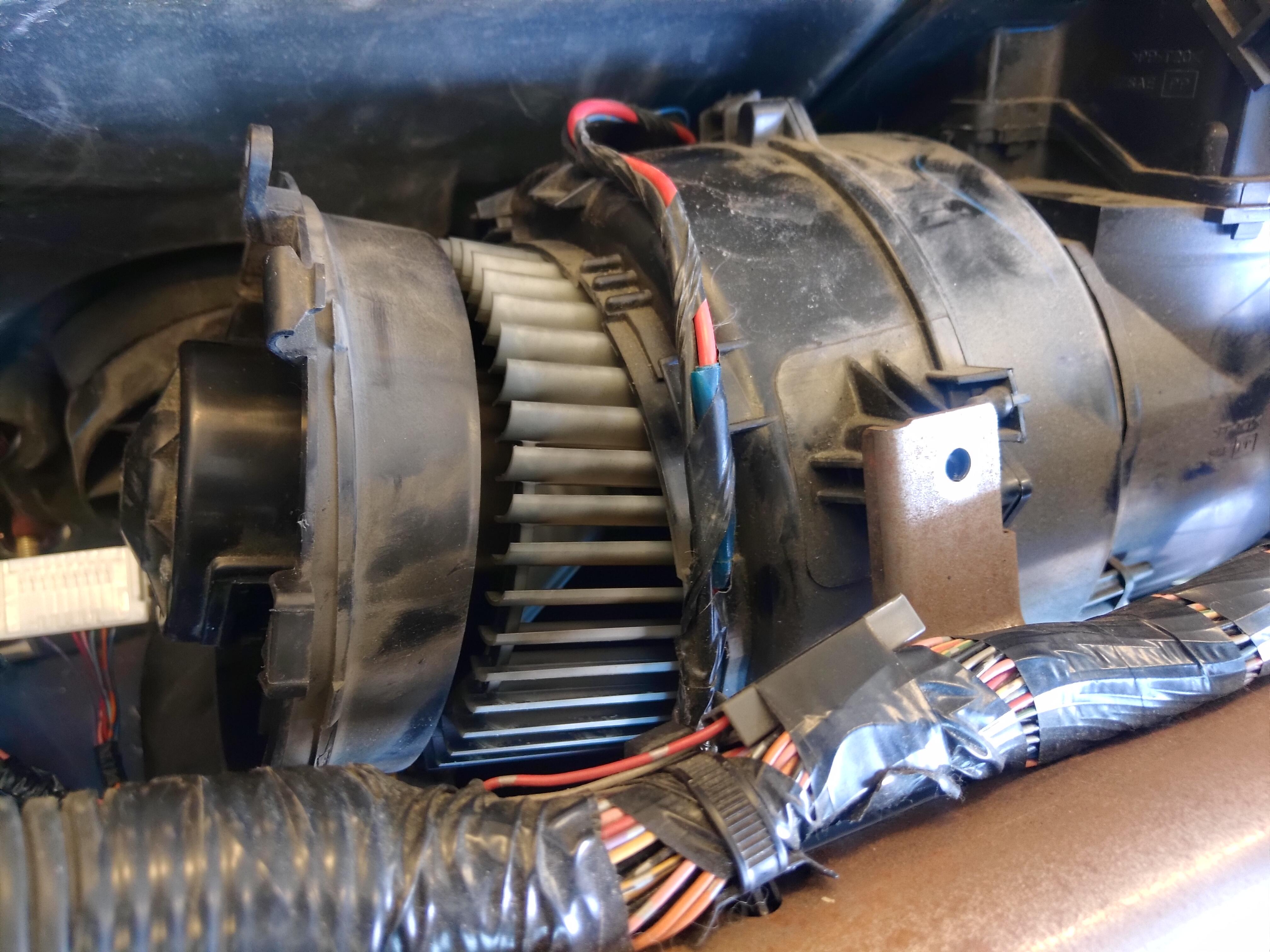
What about a bad blower motor?
A blower motor usually fails by getting noisy, getting weak, or quitting entirely. That is the “dead on every setting” story, which is a different diagnosis than “only high.”
Still, a worn blower can contribute to resistor failure. If you notice any of these, think about doing the motor and resistor together:
- Chirping or squealing that changes with speed
- Intermittent operation that comes back if you smack the dash
- A burning smell from the passenger footwell
- A resistor connector that repeatedly shows heat damage
Cost and difficulty
On many cars, replacing a blower resistor is a very doable DIY job if you are comfortable working under the dash.
- Parts: often affordable for resistor packs, sometimes more for electronic speed controllers.
- Labor: access varies. Some are a 10 minute glovebox drop. Others require awkward contortions and trimmed panels.
- Extra parts: you may need a connector pigtail if the plug is heat-damaged.
If the blower motor is hard to reach on your vehicle, it can make sense to replace the resistor or controller at the same time, simply because you are already in there.
FAQ
Why does high speed still work when the resistor is bad?
On many systems, high speed bypasses the resistors or bypasses the controller’s “stepping” and uses a more direct power path (often through a relay). So even if a resistor element burns open, the high-speed circuit can still feed the motor.
My blower works on some speeds, but not others. Same issue?
It can still be a resistor pack problem, but it is not the classic “only high works” pattern. Some resistor packs have multiple elements, and one element can fail while others keep working. Depending on the design, it can also point to a switch, control head, or connector issue.
Can I keep driving if only high works?
Usually yes, but it is annoying and can be a safety issue if you cannot properly control defogging. Also, if the connector is overheating, you do not want to ignore it for months because heat damage can spread into the wiring.
Does this affect heat and A/C temperature?
It affects airflow volume and cabin comfort, but not the actual temperature output from the heater core or the A/C evaporator. Temperature problems are diagnosed separately from blower speed problems.
The takeaway
If your blower motor only works on the highest speed, start by suspecting the blower resistor (manual controls) or the blower motor speed controller (automatic climate control). A cabin air filter and an A/C refrigerant recharge are good maintenance items for other issues, but they will not restore missing low and medium fan speeds.
If you want the cleanest fix the first time, inspect the resistor or controller connector for heat damage, do not ignore grounds, and pay attention to blower motor noise. When a resistor fails, it is sometimes the messenger, not the root cause.