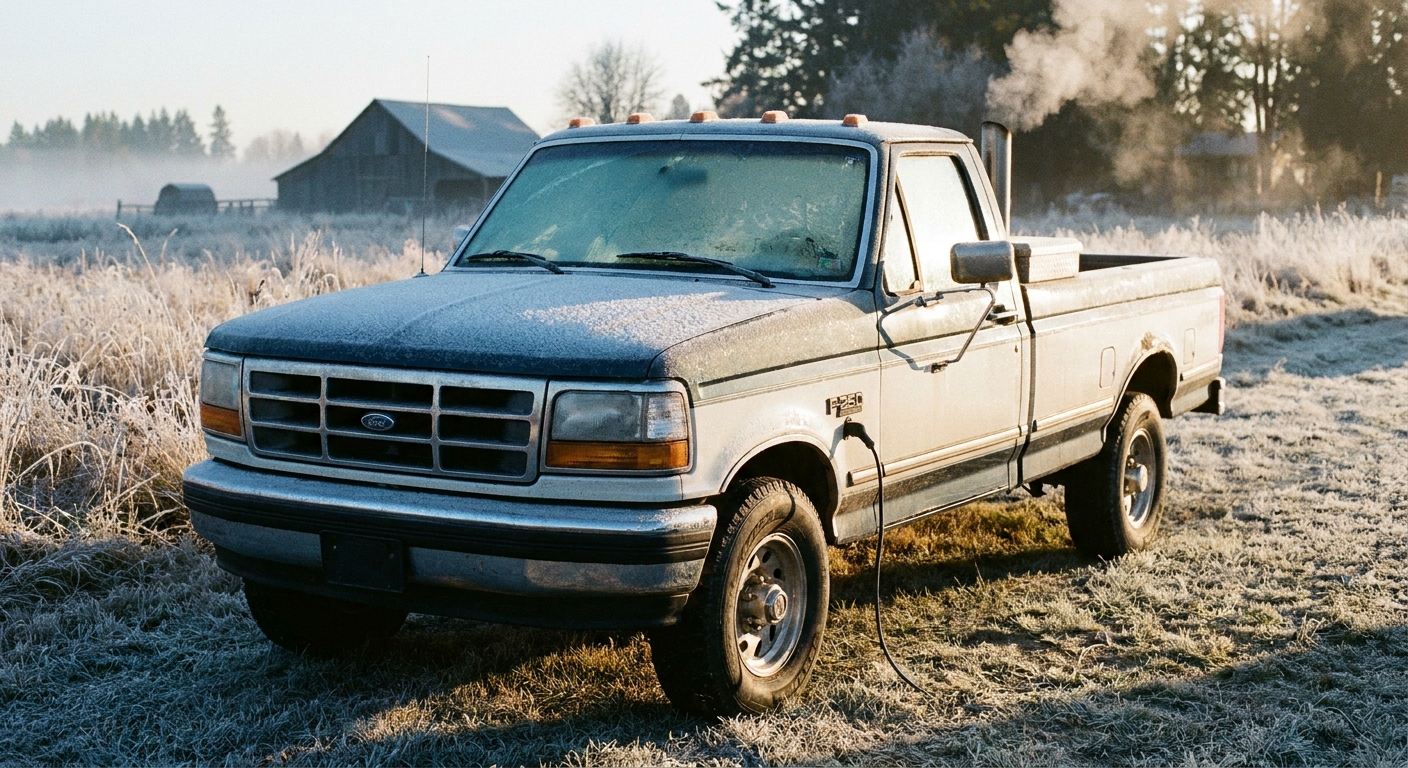
I have seen this exact scenario play out a hundred times in the first real cold snap. The truck cranks like it always does, starter sounds healthy, but the engine never catches until the day warms up. When a diesel spins at normal speed but will not fire only when it is cold, I stop thinking about “cranking problems” and start thinking about heat and fuel behavior.
Below is how I’d diagnose it in the driveway, in order, without chasing warm-engine issues that do not match your symptoms.
First, confirm what “cranks normally” means
A diesel can sound like it is cranking “fine” and still be cranking a little too slow for cold combustion. Modern diesels are picky about cranking RPM and voltage because the ECM, injectors, and glow system all need adequate power.
Quick checks that save a lot of time
- Battery state of charge: If you have a multimeter, look for about 12.6V engine off (fully charged). If you see 12.2V or lower, the battery is already behind before you even crank.
- Voltage while cranking: If it drops below roughly 10V, many trucks will start acting weird. You might still hear a strong starter, but the electronics are not happy.
- Terminals and grounds: Cold weather turns a “mostly OK” connection into a no-start. Check for loose clamps, corrosion, and the ground connection at the engine block.
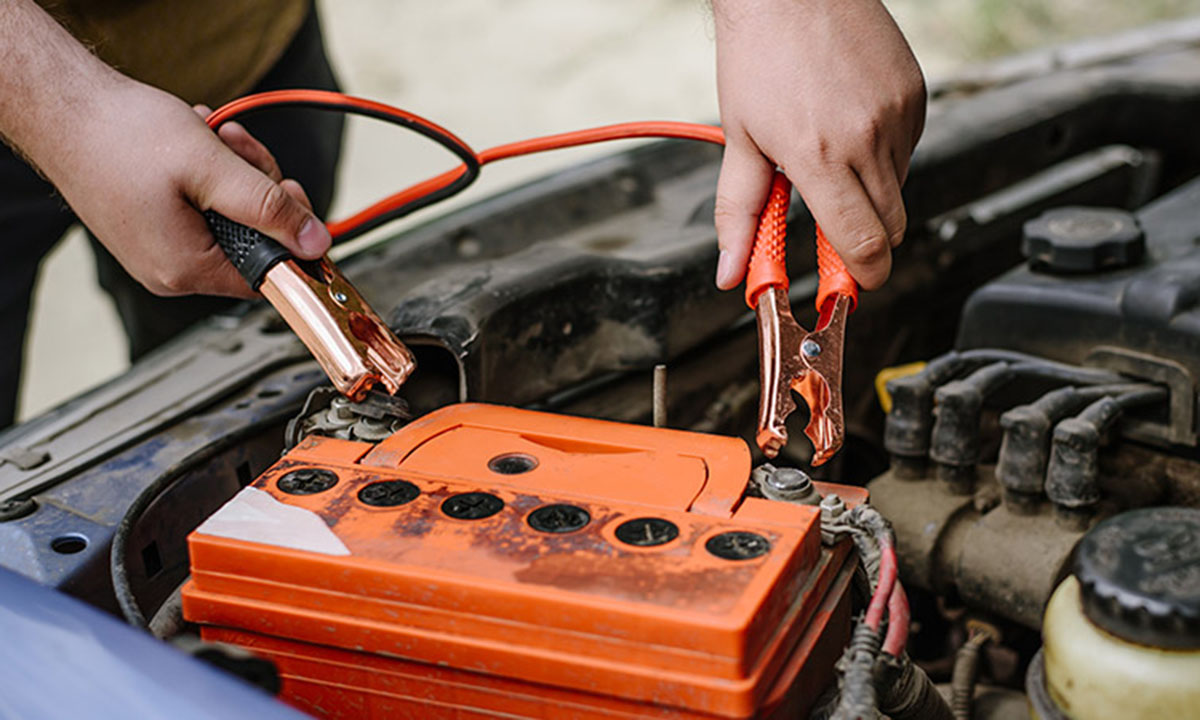
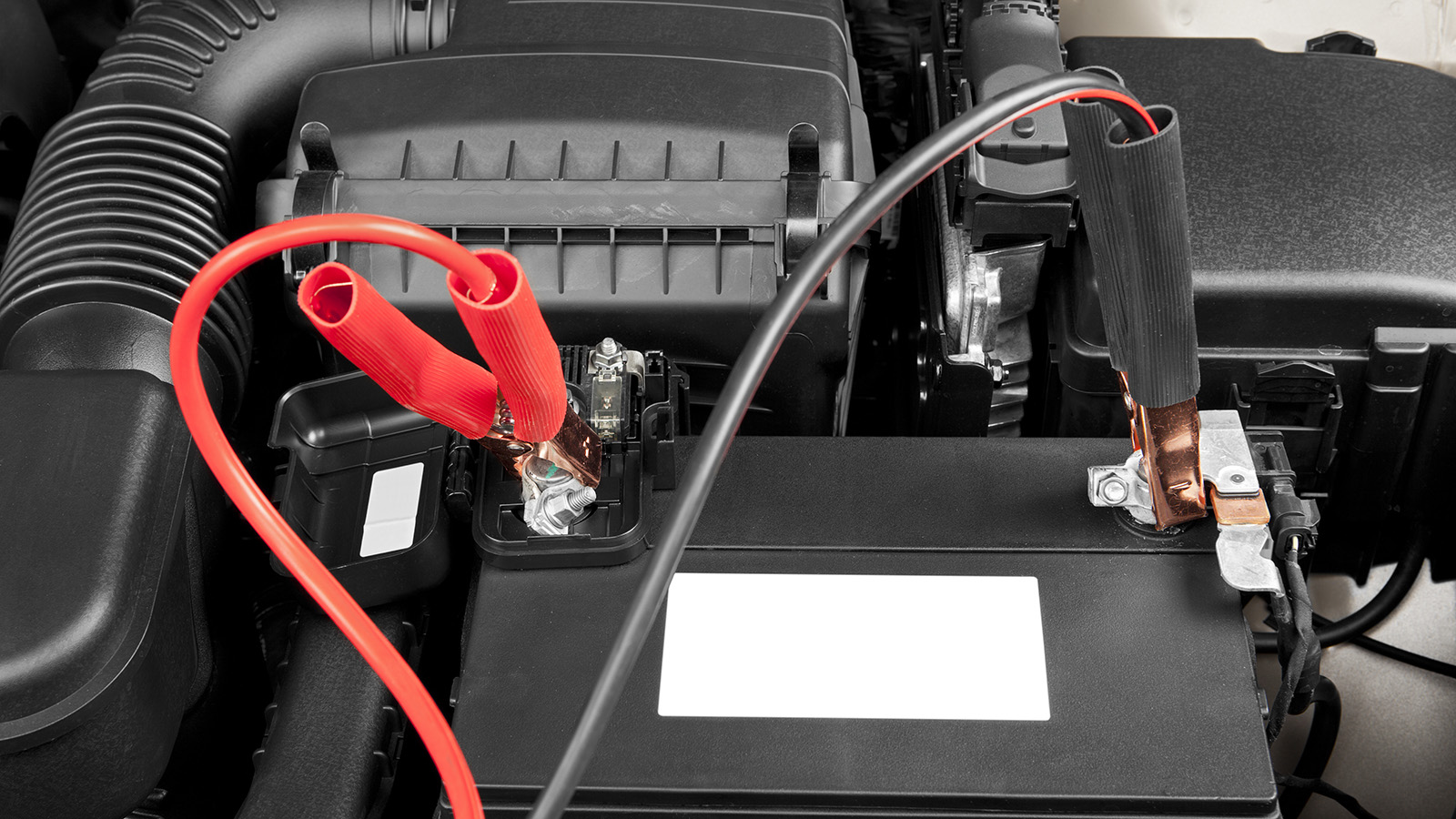
If the battery is marginal, charge it first or try a known-good jump from a vehicle with a similar battery size. A weak battery can mimic glow plug problems.
Glow plugs: the number one reason a cold diesel won’t light
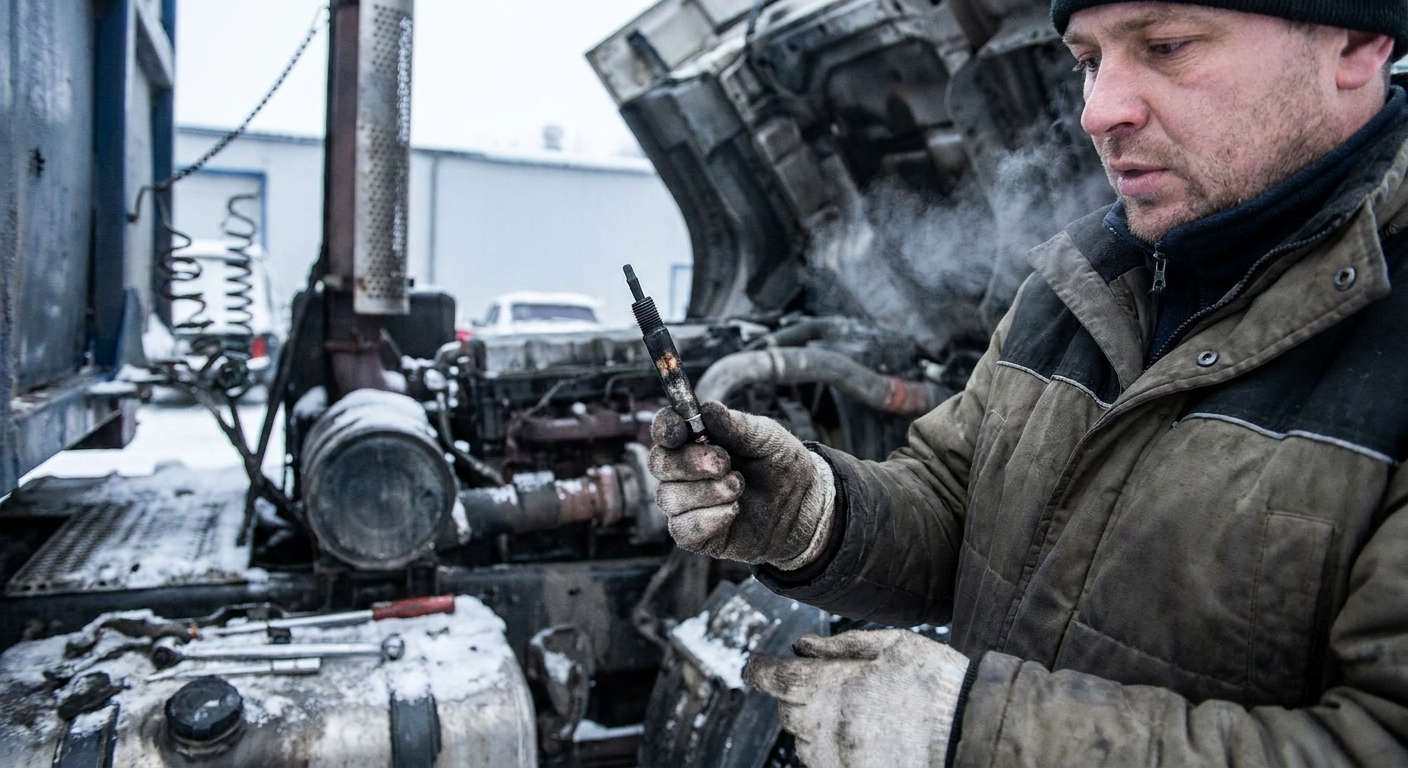
In cold weather, a diesel relies on glow plugs (and sometimes an intake heater grid) to get the combustion chamber hot enough to start. When the glow system does not actually heat, you get exactly what you described: normal cranking, no firing, then magically starts later when it is warmer.
What the dash “wait to start” light can and cannot tell you
- If the wait lamp never comes on: that is a big clue. It can mean a blown fuse, relay/module issue, or a control problem.
- If the wait lamp comes on briefly: that does not guarantee the plugs are heating. Some vehicles time the lamp differently than actual glow time.
- If the wait lamp stays on unusually long: it can mean the system is trying, but the truck is very cold, a sensor input is off, or the controller is detecting a problem.
An easy cold-start trick that points toward glow plug trouble
Cycle the key to RUN, let the wait lamp go out, turn the key OFF, then do it again two or three times before cranking. If the truck starts better after key cycling, you are often dealing with weak glow plugs, a weak relay/module, or low voltage to the glow circuit.
Do not crank during the wait period. Let the system do its job first.
How to check glow plugs without getting fancy
Exact access varies a lot by engine, but the basic idea is the same.
- Check power feed to the glow system: Many trucks have a high-current fuse and a dedicated relay or control module. Verify the big fuse is intact and the connections are clean and tight.
- Listen and feel for relay action: Some glow relays click, and some modules do not. If yours is a relay style, you may hear a click at key-on and another click later as it times out.
- Test individual glow plugs: If you can get to the glow plug terminal, you can measure resistance from the plug terminal to ground. Many good glow plugs read low resistance, often under a couple ohms. An open circuit plug (infinite resistance) is dead.
If several glow plugs have failed, the engine may not start at all when cold. If one has failed, it may start rough, smoke, or “hit on fewer cylinders” for the first few seconds.
Glow plug relay or module: when the plugs are fine but never get heat
I have replaced plenty of glow plugs that were not the problem. The real issue was the truck never powered them.
Common signs the relay or controller is the culprit
- Wait lamp behavior is odd (never comes on, flashes, or is inconsistent).
- No voltage at the glow plug bus bar or supply cable during the preheat period.
- Starts fine warm, refuses cold even with good batteries and good cranking speed.
What I would do in the driveway
- Locate the glow plug relay/module and main fuse(s) using your underhood fuse box legend or service information.
- Have a helper turn the key to RUN while you check for voltage at the glow output (where safe and accessible). On many setups, you should see battery voltage there briefly during preheat.
- Inspect the heavy-gauge connections for heat damage, looseness, or corrosion. High current plus a slightly loose connection makes a lot of heat and a lot of voltage drop.
If you find melted connectors or a burned relay, do not just swap the part and call it good. Fix the connection quality too, or it will come back.
Gelled fuel: when diesel turns into cold oatmeal
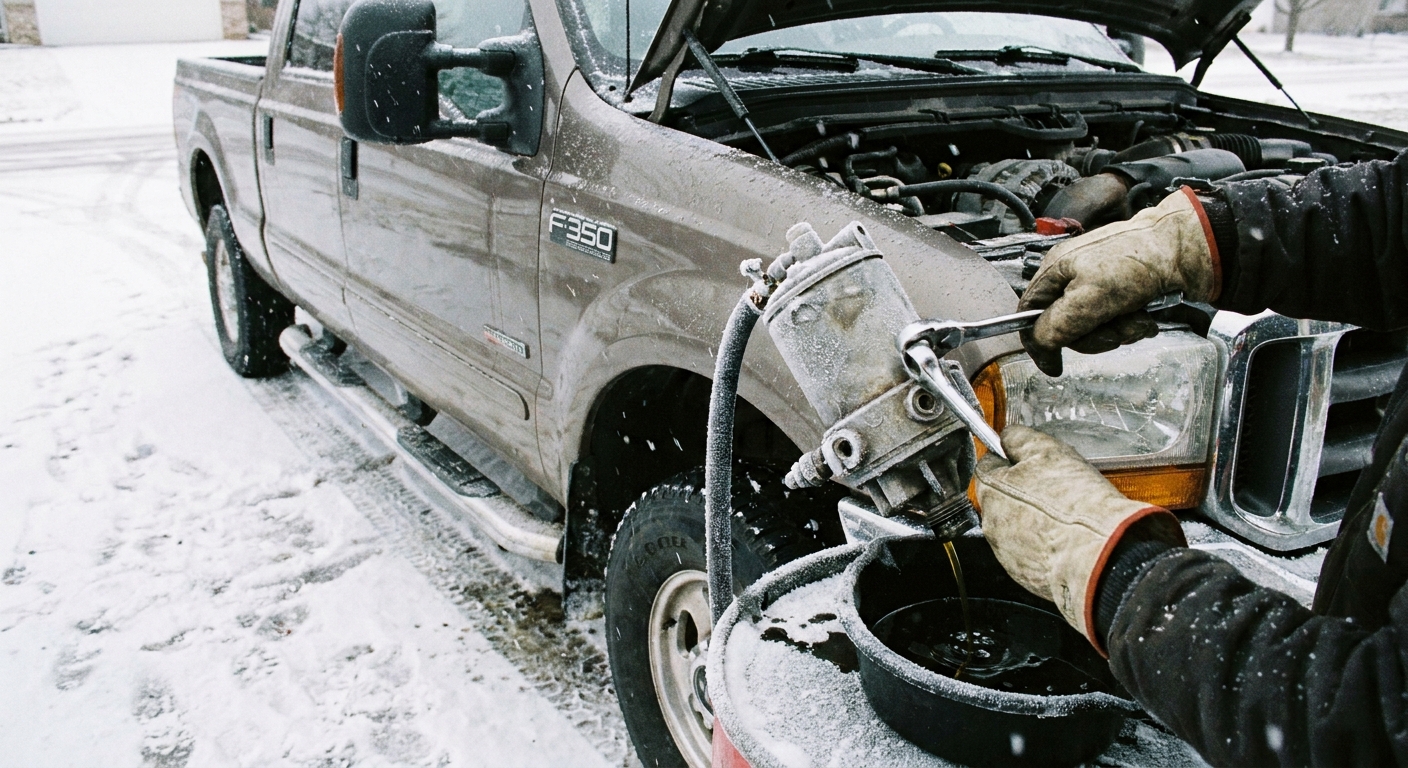
Diesel fuel can thicken and form wax crystals as temperatures drop. Once that happens, the engine may crank normally but starve for fuel because the fuel filter plugs up. This is especially common with a partially full tank, summer blend fuel, or extreme cold.
Clues you are fighting gelled fuel
- The no-start shows up suddenly with the cold snap, especially after the vehicle sat overnight.
- The engine may start and run briefly, then die as the filter plugs, or it may not start at all.
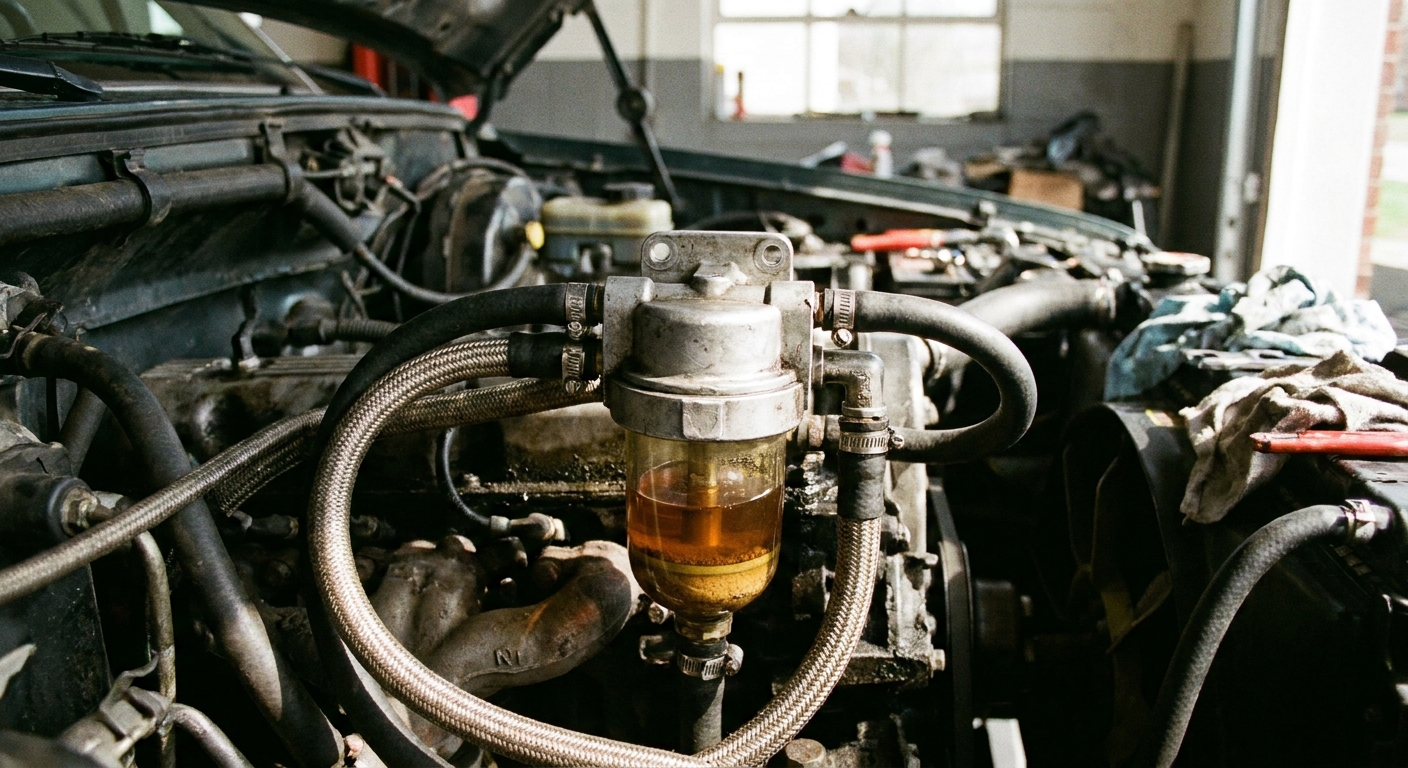
- If you have a clear fuel line or bowl, the fuel may look cloudy or waxy.
What to do if you suspect gelling
- Get the truck warm if possible: A heated garage is the fastest cure. Even a few hours can bring fuel back toward normal.
- Change the fuel filter: A gelled filter often stays restricted even after things warm up. If the filter is due anyway, do it now.
- Use a diesel anti-gel that matches the situation: There is a difference between a preventer and an emergency de-gel. Read the bottle. Some products are meant to be added before the fuel gels, and some are intended to help after gelling.
- Do not “double dose” randomly: More is not always better, especially with modern fuel systems. Follow the label.
If your truck uses a water separator, drain it as well. Water in the filter can freeze and block flow in a way that looks exactly like gelling.
Block heaters: what they fix and what they do not
A block heater does not just make starting easier. It reduces wear by helping oil flow faster and improving combustion during those first few seconds. If your engine starts reliably when you plug it in, you just learned something important: the engine needs more heat than it is getting from the glow system alone.
Tips that actually matter
- Use a real outdoor-rated extension cord of the shortest length you can manage. Long, thin cords can drop voltage and reduce heater output.
- Give it time: In moderate cold, 2 to 3 hours helps a lot. In very low temps, overnight is common. Some owners use a timer to start heating a few hours before morning.
- Verify the outlet works: I have chased “bad block heaters” that were just tripped GFCI outlets.
If plugging in makes no difference
That points you away from simple cold-soak issues and back toward glow operation, fuel flow, or electrical supply. It can also mean the block heater is not functioning, but check the basics first (power, cord, connection at the heater pigtail).
How long should you crank a diesel before stopping?
This is where I put my old shop hat on and get a little strict. Extended cranking is how starters, batteries, and cables get smoked, and it can also wash down cylinder walls on some setups.
A safe cranking routine
- Crank for 10 to 15 seconds.
- Stop and let the starter cool for at least 60 seconds.
- While resting, cycle the key again and observe the wait lamp behavior.
When to stop trying and call for a tow
- You smell hot electrical odor, see smoke, or the cables are getting hot.
- Cranking speed starts to slow from attempt to attempt.
- The truck is below freezing and you suspect gelling with no warm place to thaw it.
- You have tried key cycling and a battery boost and it still will not even try to fire.
At that point, getting it into a warm shop, checking for diagnostic trouble codes, and testing glow plug amperage draw can be cheaper than burning up a starter in the driveway.
Quick troubleshooting checklist (in the order I’d do it)
- Battery and cables: charge level, clean terminals, solid grounds, good cranking voltage.
- Observe the wait-to-start lamp: does it come on, and is it consistent?
- Try key cycling: 2 to 3 preheat cycles, then crank.
- Check glow system power: fuses, relay/module output, connection condition.
- Consider fuel gelling: recent cold snap, cloudy fuel, plugged filter, water separator.
- Use block heater: if equipped, plug in for a few hours and compare behavior.
FAQ
My diesel cranks strong but will not start until afternoon. What is most likely?
Glow plug heat not happening (failed plugs, relay/module, voltage drop) or restricted fuel flow due to gelling or a clogged filter. The “starts later” detail is a huge hint that temperature is the deciding factor.
Is it okay to use starting fluid?
On many modern diesels, using ether can be risky, especially if the glow plugs or intake heater are working. If you are not 100 percent sure of the engine’s rules and condition, I would not reach for starting fluid as a first move. Fix the underlying heat or fuel problem instead.
Should I replace glow plugs as a set?
Often, yes. Access can be time-consuming, and if one plug has failed, the others may not be far behind. That said, some engines make a couple plugs much harder to reach than the rest. In that case, testing and being strategic can make sense.
Can a bad fuel filter cause a cold-only no-start?
Absolutely. A fuel filter that is marginal in warm temps can become a hard restriction when the fuel thickens in the cold. If your filter is anywhere near due, replacing it before winter is cheap insurance.