I have a soft spot for cold-start mysteries because they fool even experienced drivers. The starter sounds strong, the engine spins at a normal speed, and you can almost swear it wants to catch. Then, later in the day after it has warmed up (or after you have fought it long enough), it starts like nothing ever happened.
If you are dealing with a gasoline engine that cranks normally but will not fire only when cold, and then starts normally once warm, you are usually looking at a problem with cold-start fueling enrichment, airflow disruption from an icing crankcase ventilation (PCV) system, or seasonal fuel behavior. There are a few other common culprits too. Let’s walk it like I would in the bay.
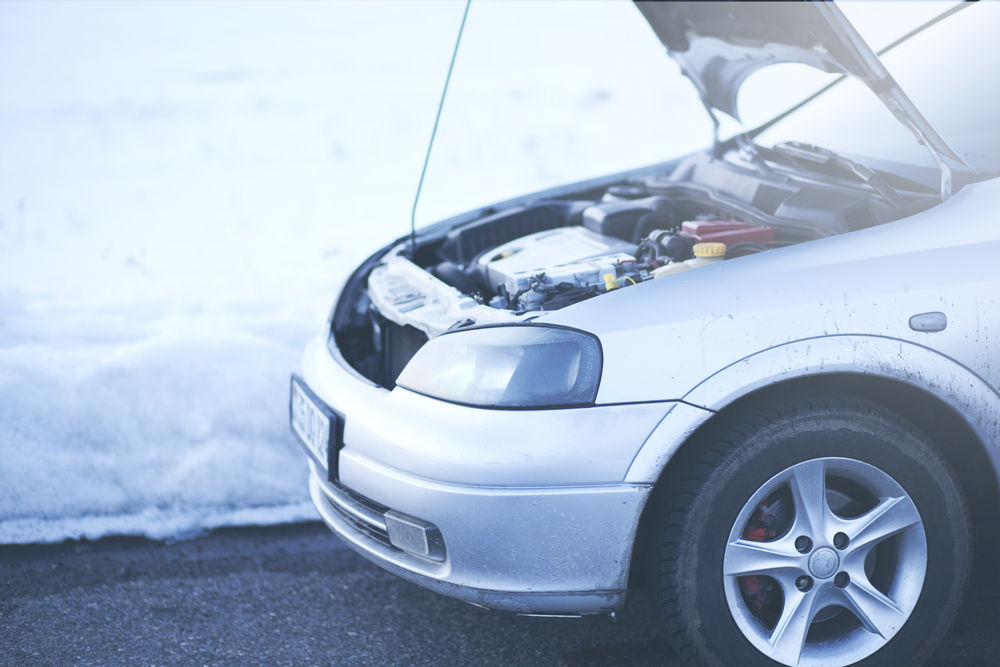
What this pattern points to
Modern engines need extra fuel when cold, just like an old carbureted car needed a choke. The engine computer handles that automatically by looking at temperature inputs, then commanding longer injector pulse width (more fuel) and adjusting idle air.
So when a car cranks normally but will not fire only when cold, I start thinking in two directions:
- The engine is not getting the right cold-start mixture (too lean is most common).
- The engine is getting a mixture, but something is interfering with airflow or vaporization (icing and fuel volatility show up here).
The reason it starts fine once warm is the key clue. Warm engines need less enrichment, fuel vaporizes more readily, and ice restrictions melt. In other words, the problem can disappear with temperature.
Coolant temp sensor: enrichment never happens
One of the most common cold-only crank-no-start causes I see on fuel-injected gas cars is a coolant temperature signal that is lying to the ECU.
How the sensor affects starting
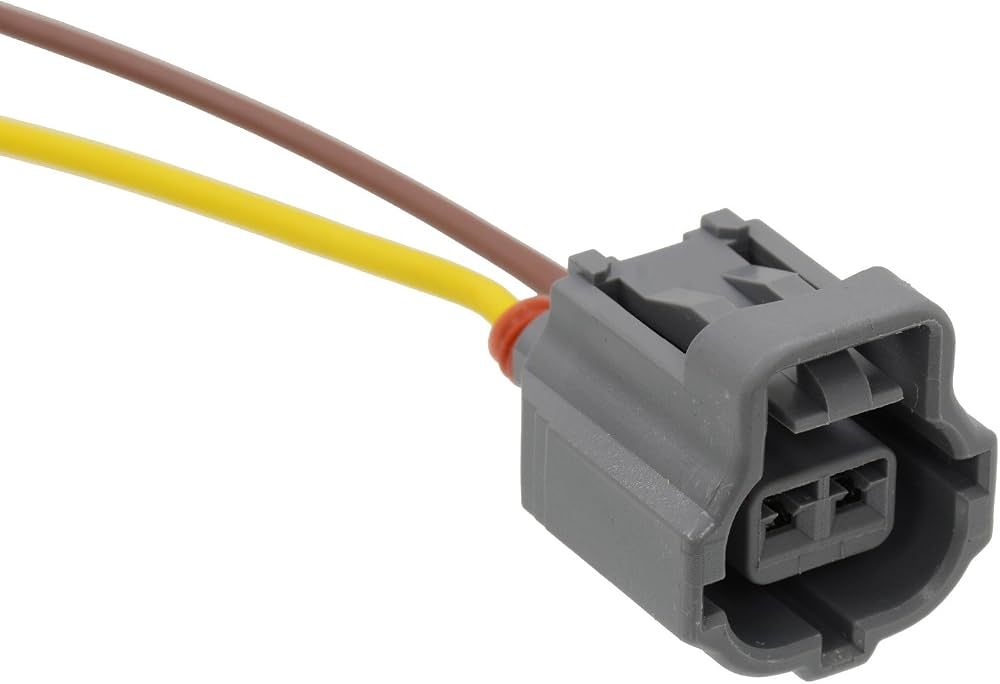
Your ECU estimates how cold the engine really is using the engine coolant temperature (ECT) sensor. When it reads cold, the ECU enriches the mixture and adjusts idle strategy to keep the engine running until it warms up.
If the ECT sensor (or its wiring) reports a warmer temperature than reality, the ECU may not add enough fuel for a cold start. Result: strong cranking, no fire or a brief sputter, then it starts normally later when the engine is actually warm.
Signs the ECT signal is wrong
- Cold start takes multiple tries, but restarts later are perfect.
- On the first successful start of the day, it may idle low, stumble, or die for a few seconds.
- The radiator fan behavior may seem odd (on some vehicles a failed sensor default can turn fans on as a failsafe).
- Fuel economy and drivability can be off, depending on failure mode.
Quick checks you can do at home
1) Compare ECT to ambient temperature. If you have a scan tool that shows live data, check ECT after the car has sat overnight. The reading should be close to outside temperature. If it says the engine is already warm on a freezing morning, you have a big lead.
2) Wiggle test the connector. With key on and a scan tool connected, gently move the ECT harness and connector. If the temperature reading jumps around, you may have a poor connection or broken wires inside the insulation.
3) Look for corrosion and coolant intrusion. Some sensors and connectors get contaminated from small coolant leaks or oil seepage. Green crust in a connector is never your friend.
What fixes usually look like
Depending on the vehicle, the fix can be as simple as a new ECT sensor and connector pigtail repair. On others, the sensor is easy but the connector is brittle and needs attention. If you are not sure, a shop can confirm with scan data and, if needed, resistance testing against a temperature chart.
Ben’s shop note: If the ECU thinks it is 70°F when it is actually 10°F, it will command a warm-engine fuel strategy. That can absolutely cause a cold no-start that goes away at lunchtime.
Iced PCV system: the engine cannot breathe
Here’s one that surprises people because it is not fuel or spark in the obvious sense. In certain engines, climates, and driving patterns, moisture in the crankcase ventilation system can freeze and cause:
- Restricted airflow through the PCV circuit
- Vacuum leaks as hoses split or pop off under pressure
- Excess crankcase pressure that upsets mixture and idle air control
On some platforms, an iced PCV system can make cold starting rough or impossible, then everything seems normal once engine heat melts the ice.
Why PCV icing happens
Short trips, lots of idling, and cold ambient temps encourage condensation in the crankcase. That moisture can freeze in PCV hoses or in an oil separator box. The problem is more likely in humid cold weather and on vehicles that do not get fully warmed up often.
Clues you might have PCV icing
- Cold no-start or very rough start, then normal operation after warm-up
- Whistling noises, strange idle, or stalling when you first get it going
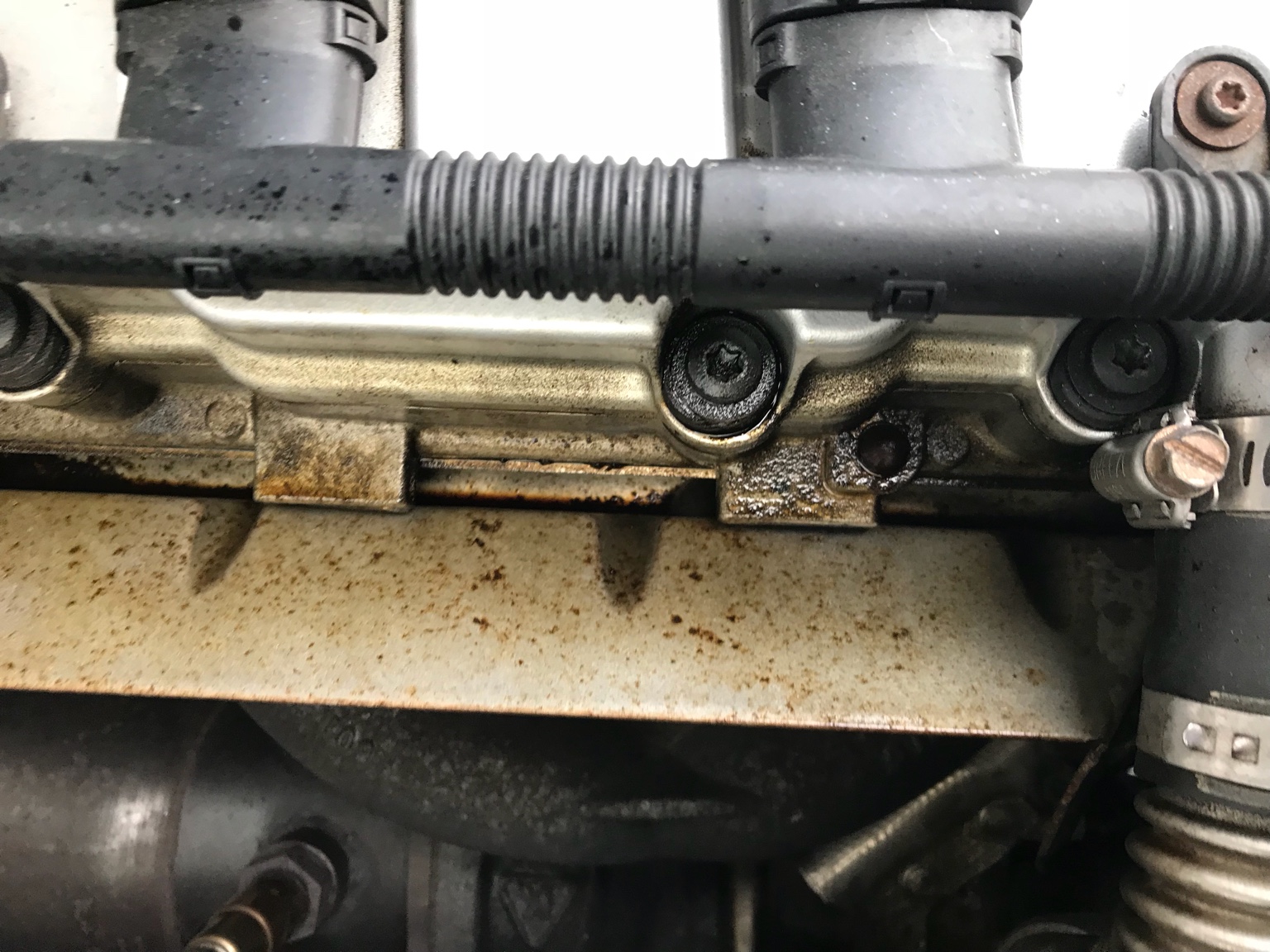
- Oil seepage that seems to appear in winter
- Dipstick pushed up, or oil cap hard to remove right after a cold attempt
Safe driveway checks
1) Visual inspection of PCV hoses. With the engine off, look for collapsed hoses, cracked elbows, or hoses that have slipped off fittings.
2) Check for mayonnaise-like sludge. Under the oil cap or in PCV lines, a light tan sludge can indicate lots of moisture from short-trip driving. A little in winter can be normal, but heavy buildup points to moisture management issues.
3) Listen on the first warm start. If it finally starts and you hear odd whistling or the idle surges, PCV flow or a vacuum leak might be part of the story.
What the repair usually is
Sometimes it is as simple as replacing brittle PCV hoses or the PCV valve. On engines with an integrated oil separator, it may involve replacing the separator assembly and updated hoses. If the vehicle has a cold-climate PCV update available, it is worth asking about.
Winter fuel: good gas can still act up
Fuel changes personality in the cold. Gasoline needs to vaporize to burn, and that is harder when everything is cold. Refineries blend fuel seasonally to help cold starts, but there are still a few winter-specific ways fuel can contribute to a crank-no-start that clears up once warm.
Stale fuel or seasonal mismatch
If the car sat for a while, or you filled up from a station that has low turnover, you can end up with fuel that does not light off as easily in the cold. Even if it runs fine once it finally starts, the initial cold vaporization can be poor.
- If the car has been sitting for weeks, consider that fuel age may be part of the problem.
- If you are in a shoulder season (early cold snap), it is possible you are still burning through a summer-leaning blend.
Water and condensation
Water in the fuel is less common than people think, but it does happen. Small amounts of water can stay dissolved in ethanol-blend fuel and pass through without drama. The trouble is free water (water that separates and collects), which can cause hard cold starts and misfires that fade as things warm.
If you suspect water contamination, the best move is usually professional diagnosis, especially on direct-injected engines where fuel system parts are expensive and picky.
What you can do right now
- Buy from a high-turnover, top-tier station if you can.
- Keeping the tank above half may help during cold spells, and it cannot hurt. That said, modern EVAP systems are fairly sealed, so fuel quality and station turnover matter more than tank headspace.
- Avoid running the tank very low in winter, especially if the car sits overnight outside.
- Be realistic about storage: if the car has been parked for months, plan on dealing with old fuel as a likely contributor.
Other cold-only causes to rule out
If ECT, PCV, and fuel basics look normal, these are next on my short list because they can mimic the exact same symptom pattern.
- Intake air temperature (IAT) sensor skewed warm. Just like a bad ECT reading, a biased IAT can pull enrichment out of the cold-start strategy.
- EVAP purge valve stuck open. This can act like a big vacuum leak and lean the mixture, often worst at cold idle and improving as the engine warms.
- Fuel pressure bleed-down. A leaking check valve, regulator, or line can cause a long cold crank or cold no-start until pressure builds back up.
- Leaking injectors and flooding. A dribbling injector can load up a cold engine. After repeated attempts you may smell fuel, then later it starts once some of that clears.
- Ignition weakness in cold or damp conditions. Cracked coil boots, moisture tracking, or marginal coils can be more dramatic on cold mornings.
- Security or immobilizer issues. Not common, but if the security light is flashing or the key is acting up, do not ignore it.
If scan data looks sane but the problem is repeatable, the next step is verifying actual fuel pressure and spark during the cold event, not after it has warmed up and forgiven everything.
A quick diagnostic flow
This is a driveway-friendly way to narrow the problem without guessing and throwing parts at it:
- Confirm the cranking speed is truly normal. If it sounds slow or labored, you are in a different problem category.
- Scan for codes, even if the check engine light is off. Pay attention to ECT-related codes, IAT codes, EVAP purge codes, and fuel trim extremes.
- Look at live data cold. ECT and intake air temperature should be close to ambient after sitting overnight.
- Inspect PCV hoses and obvious vacuum leaks. Cold rubber cracks and split elbows show up here.
- Pay attention to the very first almost-start behavior. A brief catch then die can be mixture related. No hint of firing at all can still be mixture, but it pushes me to verify sensor data and airflow basics quickly.
When to stop cranking
Cold no-start situations can turn into new problems if you keep leaning on the starter.
- If you smell raw fuel after multiple attempts, you may be flooding the engine.
- If the starter changes tone or slows down, stop and let things cool.
- If you see oil pushed out around seals or the dipstick popped up, stop and have the PCV system checked before you create a bigger leak.
A shop with a scan tool and a little cold-start time can usually pinpoint whether the ECU is commanding the wrong mixture, seeing the wrong temperature, fighting an airflow issue, or losing fuel pressure overnight.
FAQ
Can a coolant temp sensor be bad without a check engine light?
Yes. If the sensor is biased (reading plausible but wrong), it may not set a fault. It can still cause a lean cold-start strategy that prevents firing until the engine warms.
Would a fuel pump cause this if it starts fine once warm?
It is less typical for a pump to fail only when cold and recover when warm, but fuel pressure problems can show up as temperature-sensitive issues. For this symptom pattern, I check temperature inputs, EVAP purge behavior, and PCV issues before I condemn a pump.
Why does it start later in the day without me fixing anything?
Warmer air and warmer engine parts improve fuel vaporization and reduce the amount of enrichment needed. If the PCV system had ice, it can melt. If the ECU was under-fueling due to bad temperature data, the error matters less as real temperature comes up.
Is it safe to use starting fluid?
I avoid it on most modern fuel-injected engines unless you know exactly what you are doing. It can backfire in plastic intakes, it can be rough on high-compression or forced-induction setups, and it can lead you away from the real fix. If you are at the point of reaching for starting fluid, I would rather see you pull scan data (especially ECT and IAT) and verify fuel pressure and spark.