I have seen this exact complaint roll into the shop more times than I can count: the diesel starts fine cold, runs great, you shut it off for fuel or a quick errand, and then it cranks at a normal speed but will not fire until it sits and cools down.
When a diesel cranks strong but will not start warm, I stop thinking about glow plug wait time and start thinking about fuel pressure, fuel control, and air intrusion. Diesels do not need spark. They need the right amount of clean fuel delivered at the right pressure, at the right moment. Heat can turn a “barely acceptable” fuel system into a no-start fast, usually because cranking pressure falls short, leak-off increases, or the system loses prime after a hot soak.
Warm crank-no-start: quick triage
Before you replace anything, do two quick checks that point you in the right direction.
1) Do you have smoke while cranking?
- Some white or gray smoke while cranking: often suggests fuel is getting into the cylinders, but it is not lighting off consistently. It can still be a fuel pressure issue, but it can also point to timing, compression, or injection control problems. On some newer trucks with aftertreatment, what you see (or do not see) at the tailpipe is not always a reliable “fuel or no fuel” indicator.
- No smoke at all: often points to no fuel delivery or fuel being commanded off, but it is not universal. Very low compression, severely retarded timing, or certain electronic faults can also give you little to no visible smoke.
2) Does it try to start with a small shot of approved intake aid?
On older mechanically injected diesels, a tiny amount of diesel-safe starting aid can be a diagnostic tool. If it coughs on spray but will not keep running, you likely have a fuel supply problem.
Important safety caveat: Many OEMs warn against ether or starting fluid on engines with glow plugs or an intake heater (including some older diesels). Do not use any starting aid unless you know your engine and you are following the manufacturer’s guidance. If you are driving a modern common-rail diesel, I generally skip this entirely. The risk of damage is real, and it can mask the real issue.
Most common causes on a warm diesel
Air getting into the fuel lines
A diesel fuel system can be maddeningly sensitive to air. A small leak that does not drip fuel outward can still pull air inward, especially on the suction side of the system. After a hot soak, fuel gets thinner and components expand at different rates, so a marginal seal or fitting can start behaving like a one-way air valve.
Where air commonly sneaks in:
- Cracked rubber supply hoses near the tank or along the frame
- Loose hose clamps or spring clamps that lost tension
- Fuel filter seals, filter housings, or water separator O-rings
- Hand primer bulb or primer pump seals (if equipped)
- Quick-connect fittings with worn internal seals
What it feels like: it may start cold, run fine, then after shutdown it loses prime. You crank and crank, and eventually it might stumble to life after extended cranking.
How to check it at home:
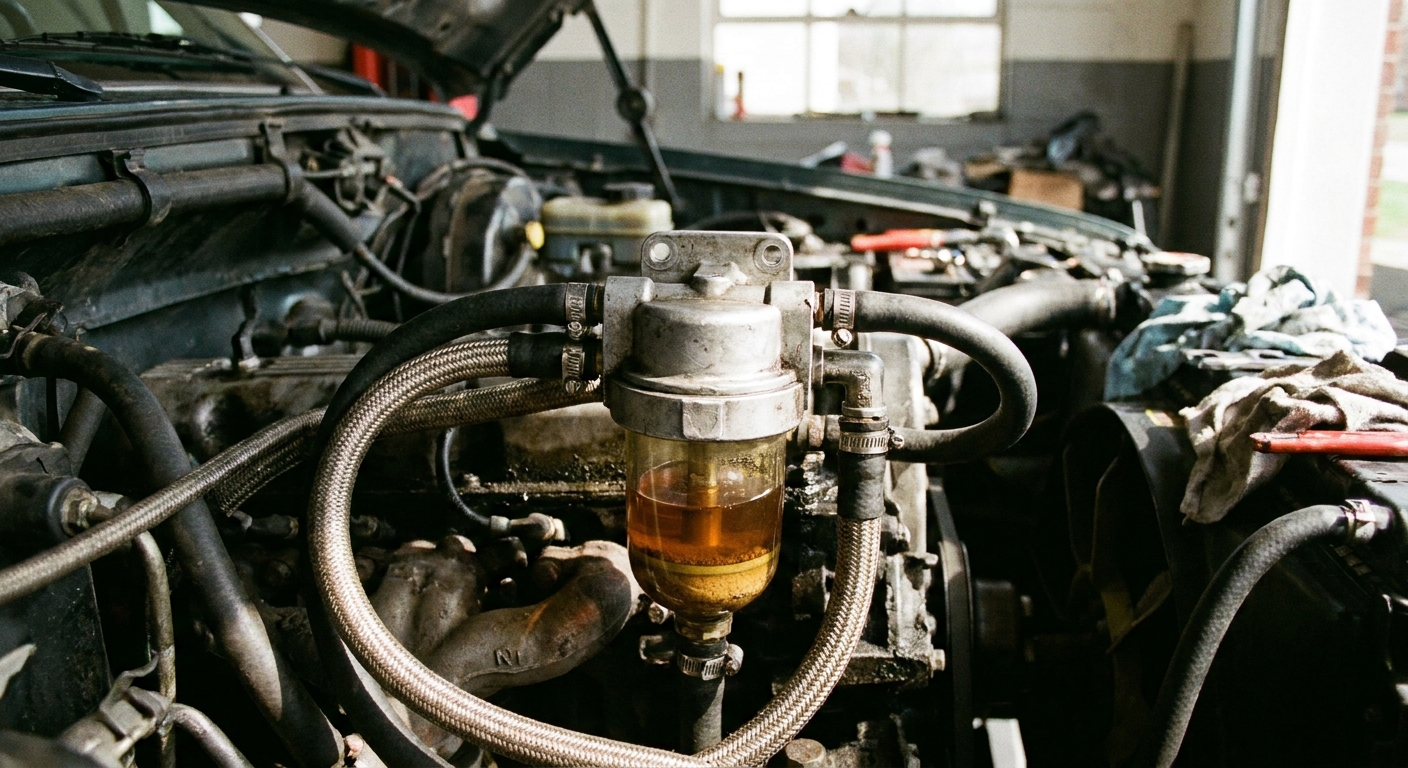
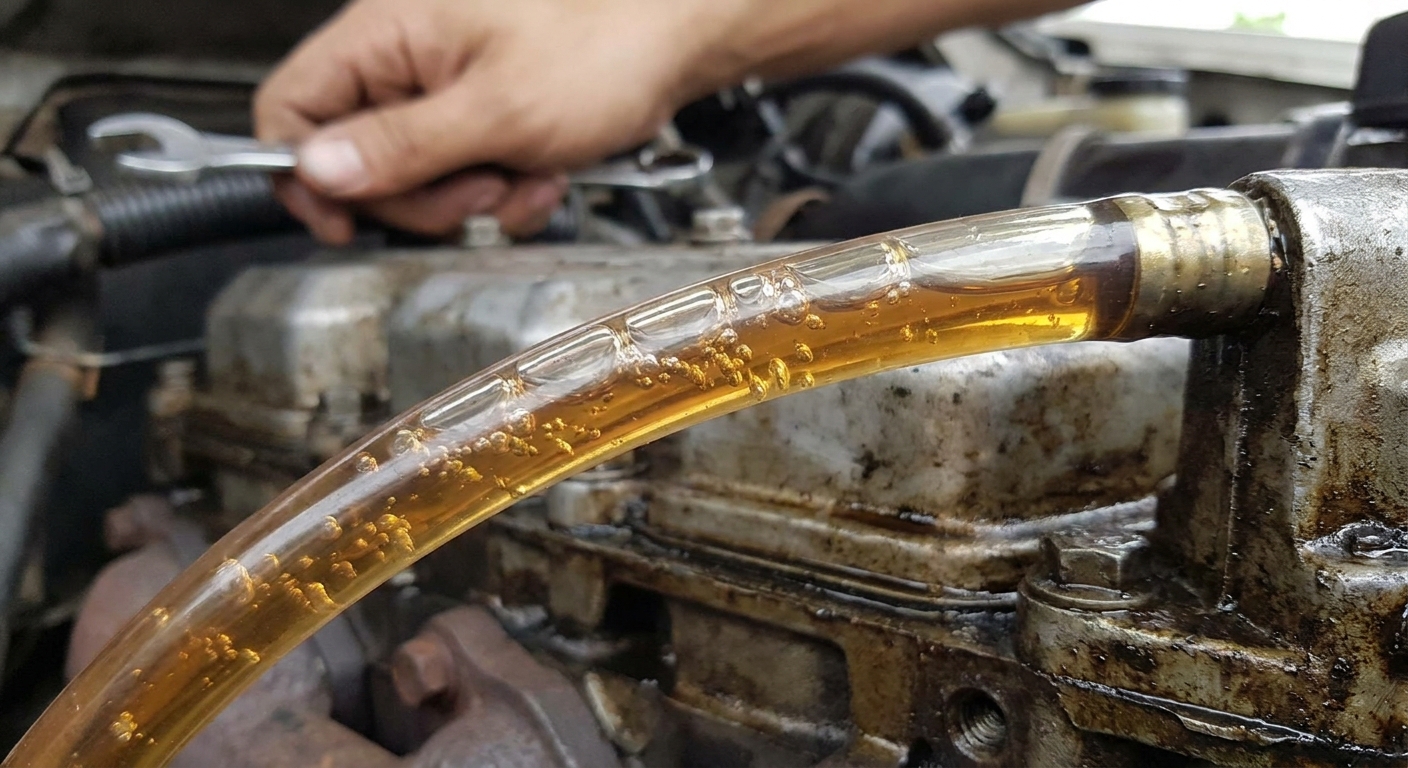
- Install a short piece of clear fuel-rated line temporarily on the low-pressure supply side near the filter (only if your system design allows it safely). Secure it with proper clamps, keep it away from heat and moving parts, and clean up spills immediately. If you see bubbles while cranking or after sitting, you have air intrusion.
- Prime it and watch for fade: use the hand primer if you have one. If it firms up, then slowly goes soft again while sitting, suspect a leak letting air in or fuel draining back.
- Inspect the filter seal: a slightly pinched O-ring or dirty mating surface is enough to cause intermittent warm no-starts.
Fix: replace questionable hoses, renew O-rings, and make sure clamps are the right type and tight. I prefer quality fuel hose and proper fuel injection clamps, not worm gear clamps that can cut hoses.
Fuel shutoff solenoid sticking or failing hot
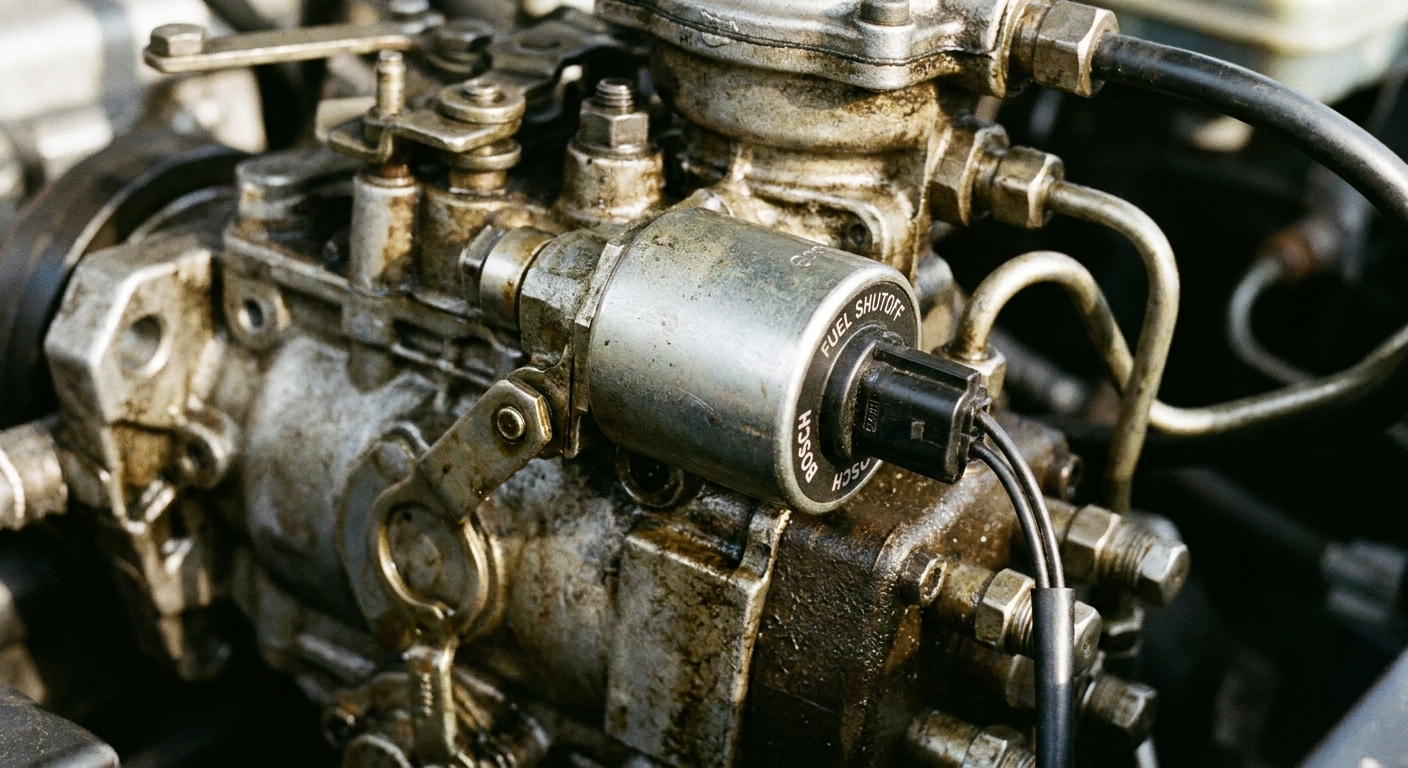
If you have an older diesel with mechanical injection, there is often a fuel shutoff solenoid on the injection pump. Its job is simple: energized equals fuel allowed, de-energized equals fuel off. When they fail, they often fail with heat. The coil can open up internally when warm, or the plunger can stick.
Clues you are dealing with the shutoff solenoid:
- Cranks normally, no start, little to no smoke
- You might hear a click cold but not warm
- It starts again after cooling for 20 to 60 minutes
Checks you can do:
- Listen and feel: key on, you should hear or feel a click at the injection pump area on many setups.
- Verify power and ground: backprobe the solenoid connector when it is acting up. If it has power but does not actuate, the solenoid is suspect.
- Heat test: when it is warm and failing, carefully cool the solenoid body with compressed air or a damp rag. If it suddenly starts, that is a strong hint.
Fix: replace the solenoid with a quality part. If the solenoid is powered through an aging relay or ignition circuit, fix the voltage drop too. Low voltage can prevent a solenoid from pulling in or staying pulled in, even if the part itself is not completely dead.
Weak lift pump (especially when warm)
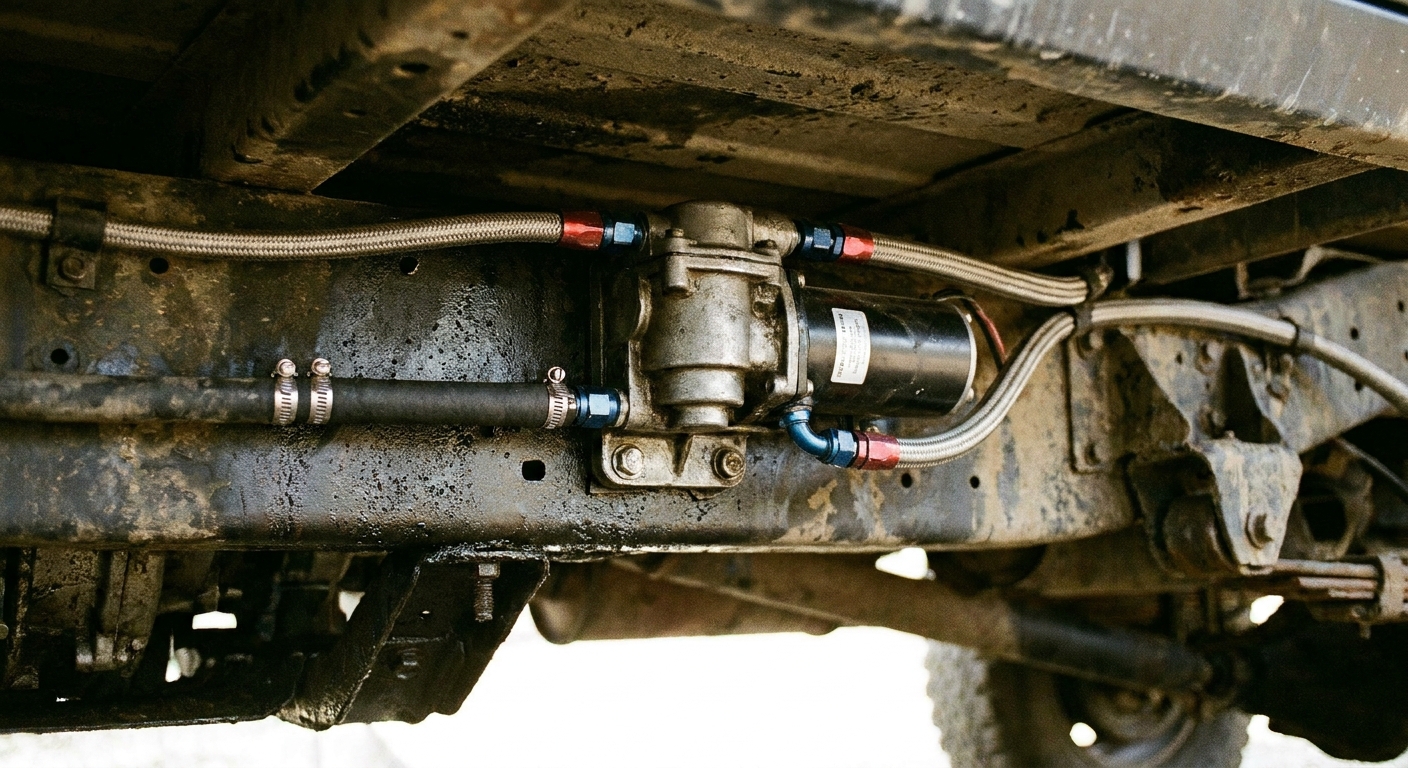
Not every diesel uses a separate lift pump, but when it does, a weak one can create the perfect warm no-start. Heat can reduce pump efficiency and hot-soak an electric motor. If the system also has a minor air leak or restriction, the hot restart is when it finally shows up.
Why it causes a warm no-start: the injection pump or high-pressure pump cannot get a solid column of fuel. You crank at normal speed, but inlet pressure or rail pressure never reaches the threshold needed to fire. On many common-rail trucks, the ECU will limit or inhibit injection until minimum rail pressure is achieved.
Signs of a weak lift pump:
- Long crank after a hot soak
- Starts if you manually prime repeatedly
- May run fine once it finally catches
- May stumble at higher loads, especially uphill or towing
How to test it (practical version):
- Listen for electric pump prime: with key on, many trucks will run the pump briefly. No sound does not guarantee failure, but it is a clue.
- Check fuel supply pressure: the right way is a gauge on the low-pressure inlet side, compared to spec for your engine. Even if you do not know the exact number, “near zero” during crank is the big red flag.
- Volume test: some systems can be tested for how much fuel they deliver in a set time. Only test the low-pressure supply side, follow OEM procedures, and do not crack open any high-pressure lines.
Fix: replace the lift pump and always consider the filter. A partially restricted fuel filter can mimic a weak pump. The restart after a hot soak often exposes the combination of restriction plus prime loss, not just “heat” by itself.
Return leak bleeding off pressure
This one is sneaky because the engine can run beautifully once started. The problem happens during the restart window when the system needs to build pressure quickly.
Depending on the diesel type, “return leak” can mean:
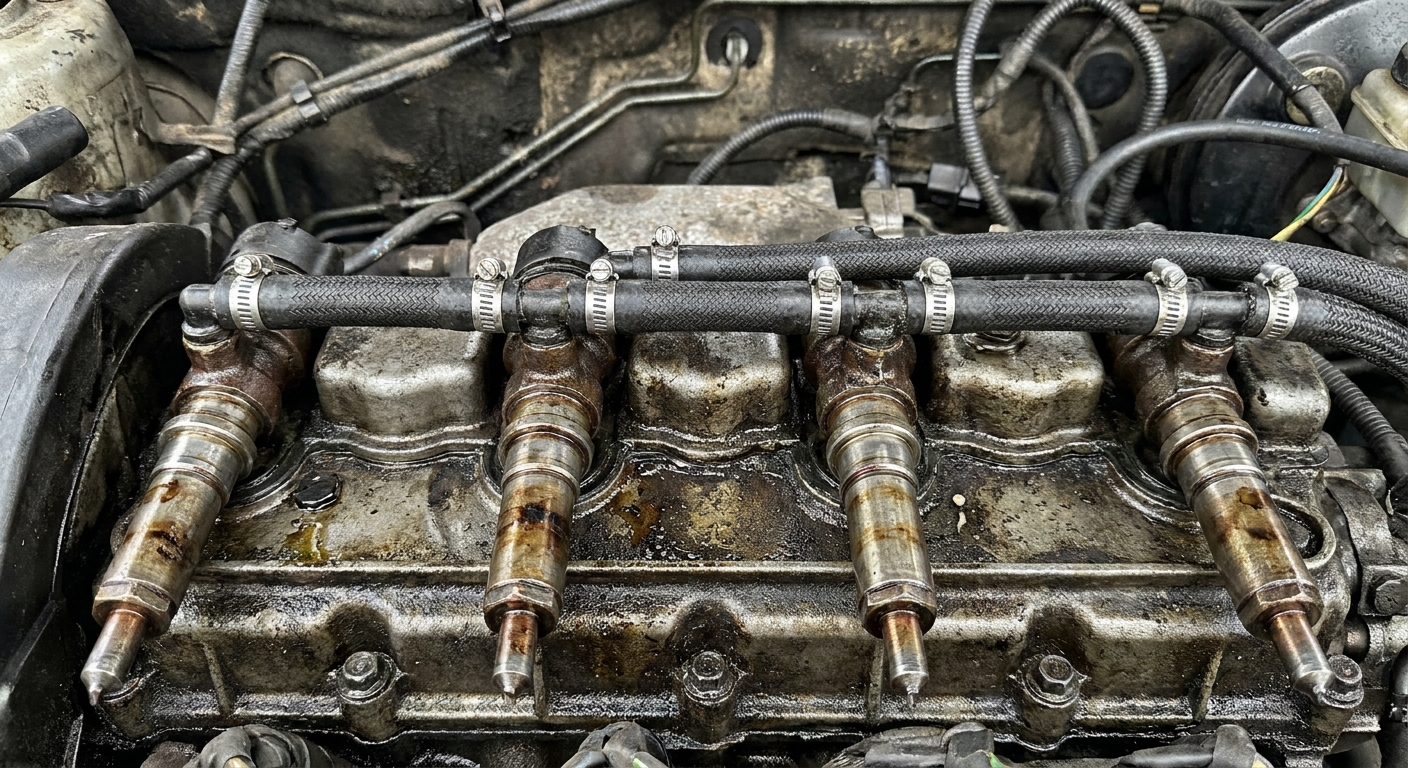
- Injector return leak-off (common-rail diesels): worn injectors return too much fuel, so the rail cannot build pressure during cranking.
- Return line leaks or cracked fittings (mechanical and common-rail): air can get introduced or fuel drains back, especially after shutdown.
Why warm makes it worse: warm fuel is thinner and can leak past worn injector internals more easily. Seals and small cracks can also open slightly with heat.
Common symptoms:
- Cranks normal, no start hot, starts after cooling
- May set a low fuel pressure or rail pressure code on vehicles that monitor it
- Little to no smoke while cranking on some engines
What to do:
- Common-rail: a proper injector return rate test (leak-off test) is the best next step. This is usually a shop-level test, but an experienced DIYer can do it with the correct fittings.
- Mechanical systems: inspect return hoses (often small cloth-braided lines) for dampness, cracking, or looseness. Replace as a set if they are aged.
Heat-soak electrical and sensor issues (modern diesels)
If you are working on an electronically controlled diesel, do not make this a fuel-only tunnel vision problem. I have fixed plenty of warm crank-no-starts that were a sensor or control issue that showed up only once things got hot.
- Common heat-related culprits:
- Crankshaft position sensor or cam sensor: classic pattern is starts cold, then after a hot soak it cranks but the ECU does not see RPM correctly, so it will not fuel.
- Rail pressure control problems: the rail pressure sensor, pressure regulator, or metering valve (names vary by platform) can fail or stick, and the ECU will refuse injection if actual pressure is implausible or below minimum.
- High-pressure pump not building pressure when hot: separate from the lift pump. A scan tool that shows commanded versus actual rail pressure during cranking is your best friend here.
- Security or immobilizer events: less common, but it can look exactly like a fuel problem: strong crank, no start.
A simple diagnostic order that saves money
If this were in my bay and we were trying to keep the bill sane, I would generally go in this order:
- Check for air intrusion at the filter housing, primer, and supply lines. Fix obvious seepage, cracked hoses, and questionable clamps.
- Verify lift pump operation (sound, pressure, volume), and replace the fuel filter if it is even remotely due.
- Scan it if it is electronic: check for codes and look at basics like RPM while cranking and (for common-rail) commanded versus actual rail pressure.
- Check shutoff solenoid function on older mechanical systems, including voltage drop when hot.
- Investigate return-side problems, including injector leak-off testing on common-rail diesels.
That order catches the most common warm no-start culprits without immediately throwing expensive parts at the truck.
What not to chase on this page
Two topics get mixed into this complaint a lot, but they deserve their own deep dives:
- Cold-start glow plug waits: if the engine will not start cold but starts warm, that is a different diagnostic path.
- Gasoline heat-soak no-starts: vapor lock, crank sensors, and ignition modules on gas engines are a separate conversation.
When to stop cranking and call for help
Extended cranking can overheat a starter, drain batteries, and in some systems wash cylinders with fuel. If you have cranked for 15 to 20 seconds at a time with cool-down breaks and it still will not even try to fire, it is time to change tactics.
- If you smell raw fuel strongly, stop and diagnose before you flood the intake or dilute oil.
- If your common-rail diesel has low rail pressure codes or repeated no-starts, a shop with a scan tool that can read live rail pressure and command signals will save you hours.
FAQ
Why does my diesel only not start when it’s warm?
Warm fuel is thinner, and hot components expand. That can worsen marginal issues like air leaks at seals, a weak lift pump that cannot keep up, a shutoff solenoid coil that opens when hot, injector return leakage that prevents pressure from building during cranking, or heat-soak sensor faults on electronic engines.
Will a clogged fuel filter cause a warm crank-no-start?
Yes. A restricted filter can be “good enough” in some conditions, then cause long cranking or a no-start after a shutdown when the system needs to build pressure and reprime quickly. If you also have a small air leak or a weak lift pump, the filter restriction can be the tipping point.
Is it safe to use starting fluid to get it going?
Often, no. Many OEMs explicitly warn against ether on engines with glow plugs or intake heaters, and many modern common-rail diesels fall into that category. On some older mechanical diesels, it can be used carefully as a diagnostic clue only if you are following manufacturer guidance. If it runs on spray but dies immediately, that points back to fuel delivery or fuel control.
What’s the quickest way to confirm air in the fuel system?
The most straightforward check is temporarily adding a short section of clear fuel-rated line on the low-pressure side where appropriate and watching for bubbles during cranking and after a hot soak. Also pay attention to a hand primer that will not stay firm.