I’ve had this happen to customers and friends, and it’s a special kind of stressful because the car did exactly what it was designed to do: it shut the engine off at a stop. Then, when you’re ready to go, it just… doesn’t come back to life.
This page is only about factory automatic start-stop systems that intentionally stop the engine at a stoplight or in traffic, but then fail to auto-restart. I’m not talking about an engine that stalls on its own, or a car that won’t start in the driveway.
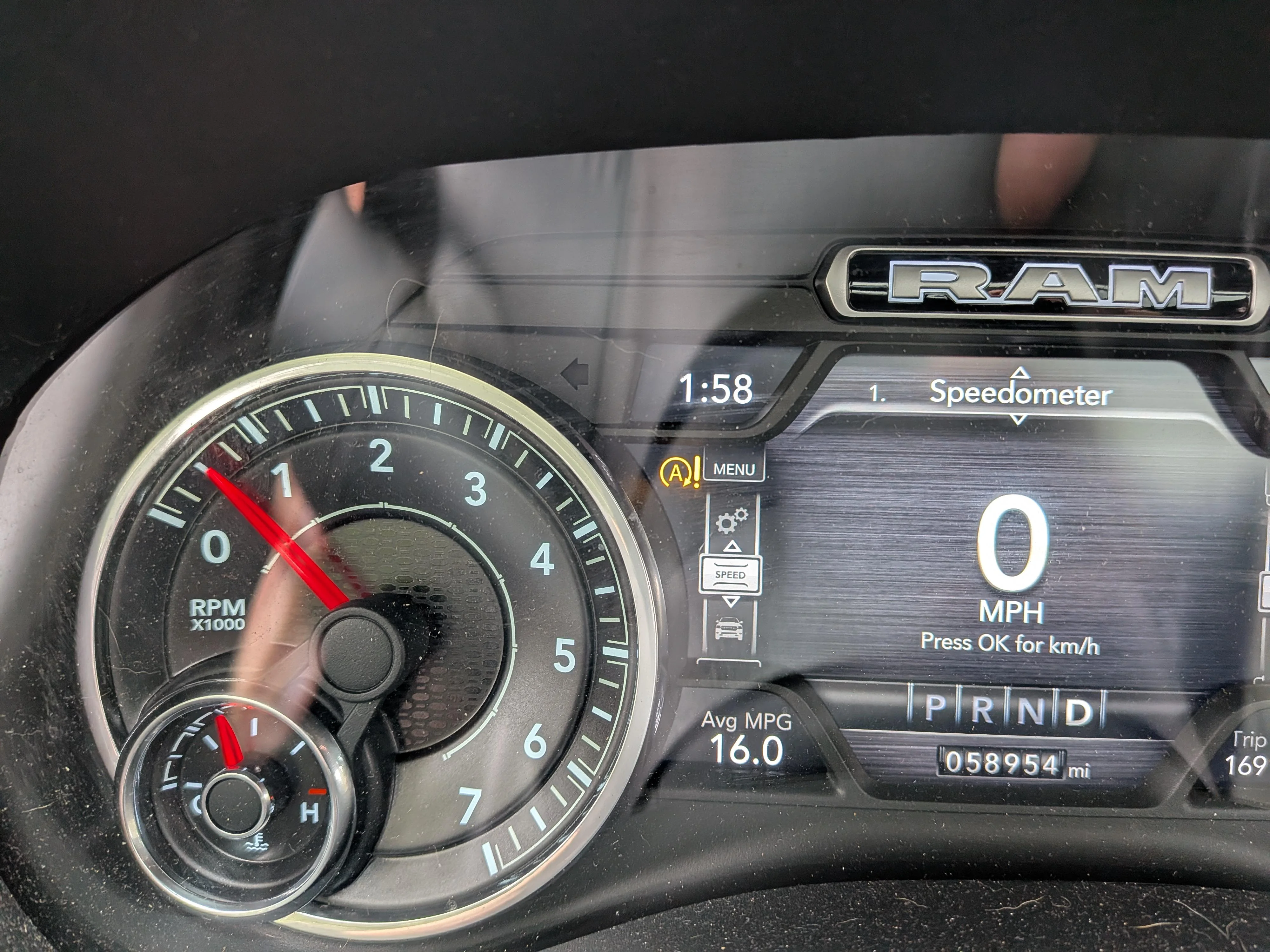
Auto start-stop is pickier than most people realize. The system needs a handful of inputs to agree that it is safe to restart, and it needs enough battery reserve to spin the starter, or run an integrated starter-generator on some mild hybrids. When one little input looks wrong, the car can hesitate, lock out the restart, or require a different action from you.
Safety first: what to do when it won’t restart
If the engine won’t restart and you’re in traffic, think safety and simplicity.
- Keep your foot firmly on the brake and put the hazard lights on if traffic is moving around you.
- Try the normal restart method for your vehicle: usually a firm brake press plus a key turn or push-button start press (details below).
- Shift to Park (or Neutral in some cars) before trying a manual restart. Many vehicles will not crank in Drive.
- Do not repeatedly crank for long periods. If it is not catching, stop and reassess. The immediate risk is draining the battery quickly and making the situation worse. Over time, repeated attempts can also overheat a starter.
- If you can’t get it restarted quickly, call roadside assistance rather than risking a dangerous situation.
Stop and tow if you get a red oil pressure warning, you smell something burning, or you see smoke. At that point, continuing to try restarts can turn a nuisance into real damage.
How it is supposed to restart
Most start-stop systems typically restart when you release the brake (common on many automatics) or when you press the clutch (common on manuals). Depending on the make and model, a restart can also be triggered by things like steering input, the vehicle creeping, HVAC demand, or other logic the car uses to decide it is time to move again.
Some vehicles also require:
- Seatbelt latched
- Driver door fully closed
- Hood fully latched
- Steering wheel not at full lock
- Battery charge above a minimum threshold
- Cabin comfort demands not too high (defrost, heavy A/C load, etc.)
When the restart fails, it usually comes down to one of these buckets: battery state of charge, brake pedal input, hood or door switch signals, settings or inhibit conditions, or a key or range recognition issue (fob detection or PRNDL).
One quick note on vehicle type: if you drive a full hybrid, the engine may restart differently (often via an electric motor rather than a conventional starter). The symptoms and warnings can overlap, but hybrid-specific faults can change the troubleshooting path.
1) Battery charge is borderline or low
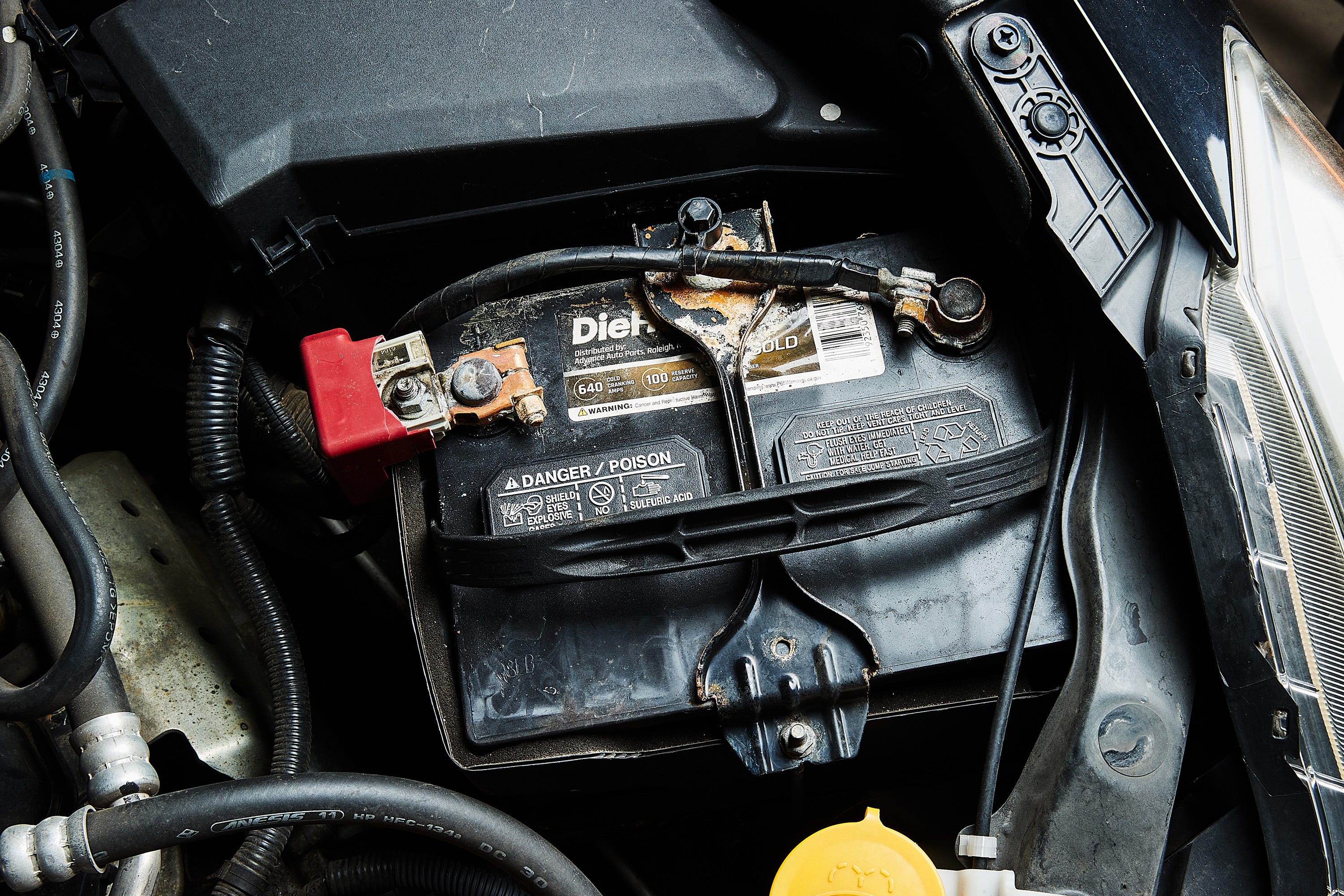
Start-stop is hard on batteries. That’s why many vehicles use an AGM (absorbed glass mat) battery or an EFB (enhanced flooded battery), plus a battery monitoring sensor to estimate state of charge.
Here’s the nuance: many cars will inhibit the stop event if the battery state of charge is too low. But when the state of charge is borderline, or voltage dips during the stop event, you can end up with start-stop shutting the engine off and then refusing an auto-restart, or requiring a manual restart command.
Clues it’s a battery reserve issue
- The engine shut off normally, but the restart is slow, weak, or doesn’t happen until you manually start it.
- You see messages like “Start/Stop unavailable” or a battery icon, especially after short trips.
- The car has been doing lots of short drives, sitting for days, or dealing with cold weather.
- Accessories seem fine (radio, lights), but cranking power is not there. That usually means the battery can run small loads but does not have enough reserve current for a confident restart.
What you can do right now
- Try a manual restart: shift to Park, press the brake, and press the start button or turn the key like you normally would.
- Turn off big electrical loads before restarting: heated seats, rear defrost, blower on high, headlights if it’s safe to do so.
- If it restarts, drive 20 to 30 minutes to help replenish the battery, or put it on a proper battery charger when you get home.
What to check soon
- Battery type and age: if the car calls for AGM or EFB, replacing with a standard flooded battery can cause erratic start-stop behavior.
- Battery registration or coding (common on many European makes): some vehicles need the new battery “told” to the car with a scan tool so charging strategy stays correct.
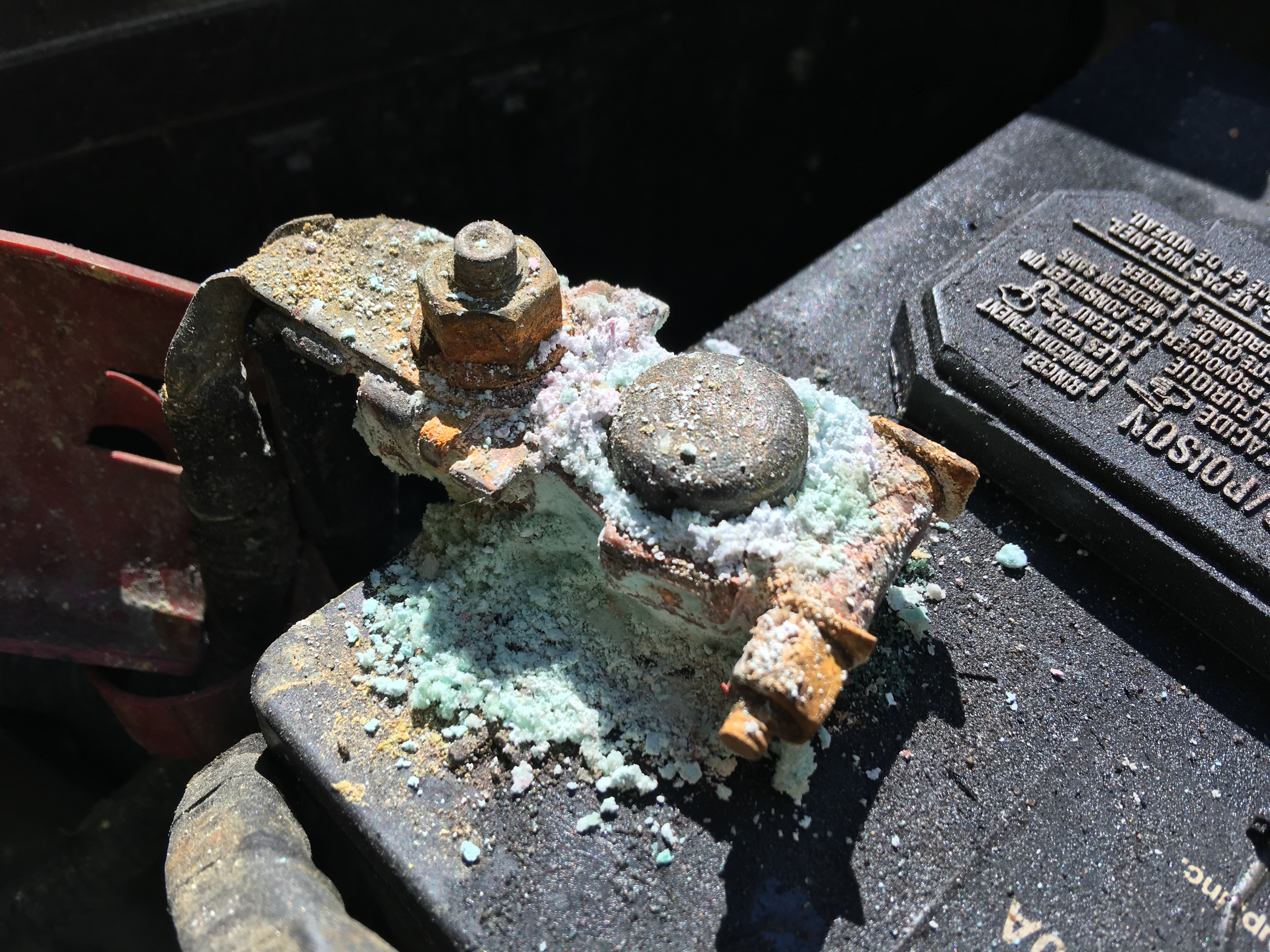
- Battery sensor and terminals: loose terminals or corrosion can cause voltage drops that confuse the system.
2) Brake input is not read correctly
Auto start-stop relies heavily on brake input. Many vehicles use a brake light switch and sometimes an additional brake pressure sensor to decide whether you are intentionally stopped and whether it is safe to restart.
Symptoms pointing to a brake input problem
- Auto restart is inconsistent: it works sometimes, then fails at the next stop.
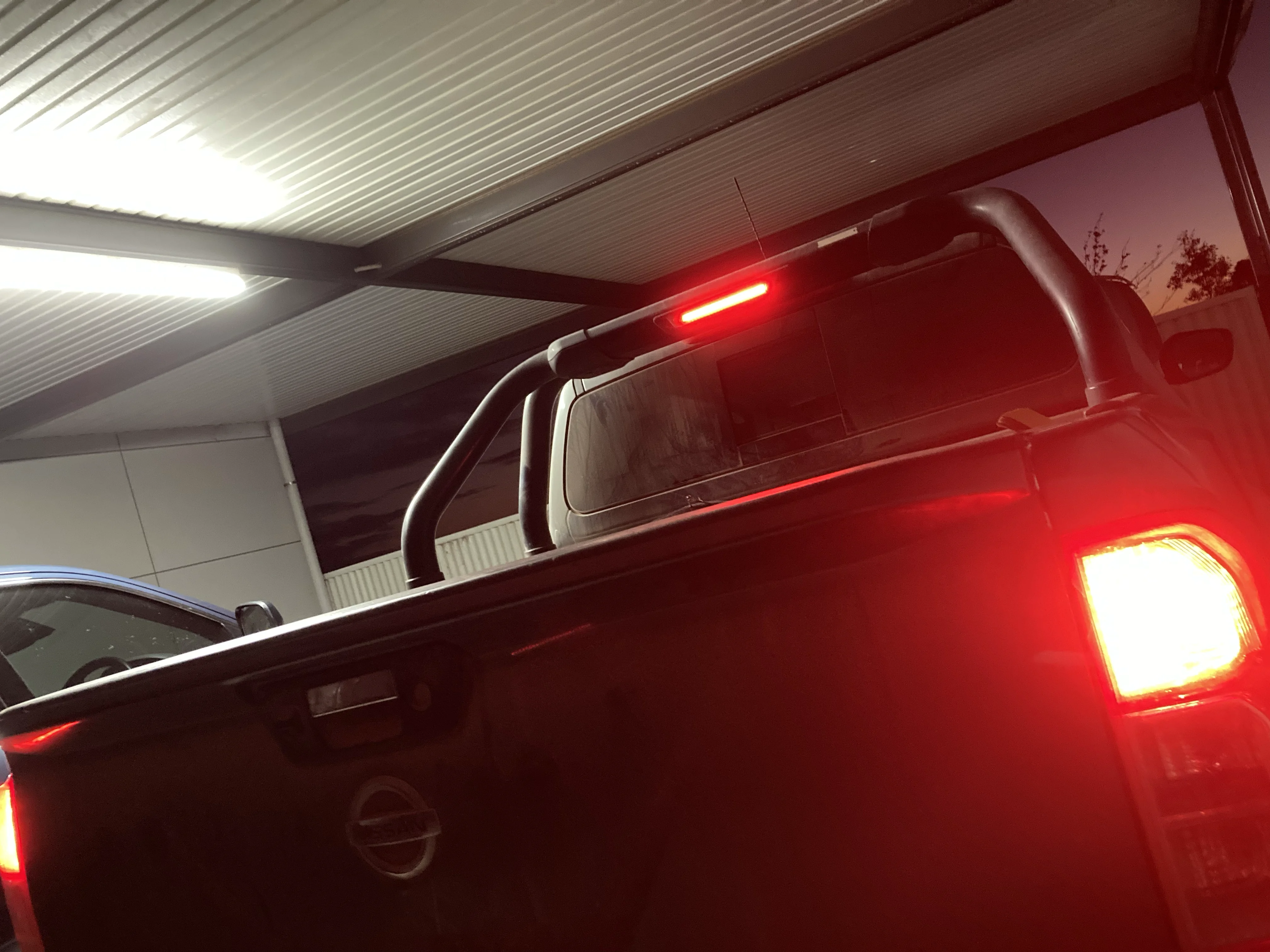
- Your brake lights act weird: they stay on, don’t come on, or flicker.
- The car says “Press brake to start” even though you are pressing it.
- Restart happens only if you press the brake harder or pump it once.
Quick checks you can do
- Confirm the brake lights: with the car safely parked, have someone watch your brake lights or back up near a reflective surface at night. If the lights do not behave normally, the switch circuit needs attention.
- Check floor mats: I’ve seen thick all-weather mats, or a mat that slid forward, interfere with full pedal travel. It sounds silly, but it’s real.
- Try a firm, steady brake press: start-stop systems can be sensitive to small changes in pressure.
If brake lights are abnormal or the warning persists, this is a good time for a shop. Brake switch and sensor faults can affect more than start-stop, including stability control and shift interlock.
3) Hood and door signals say “not safe”
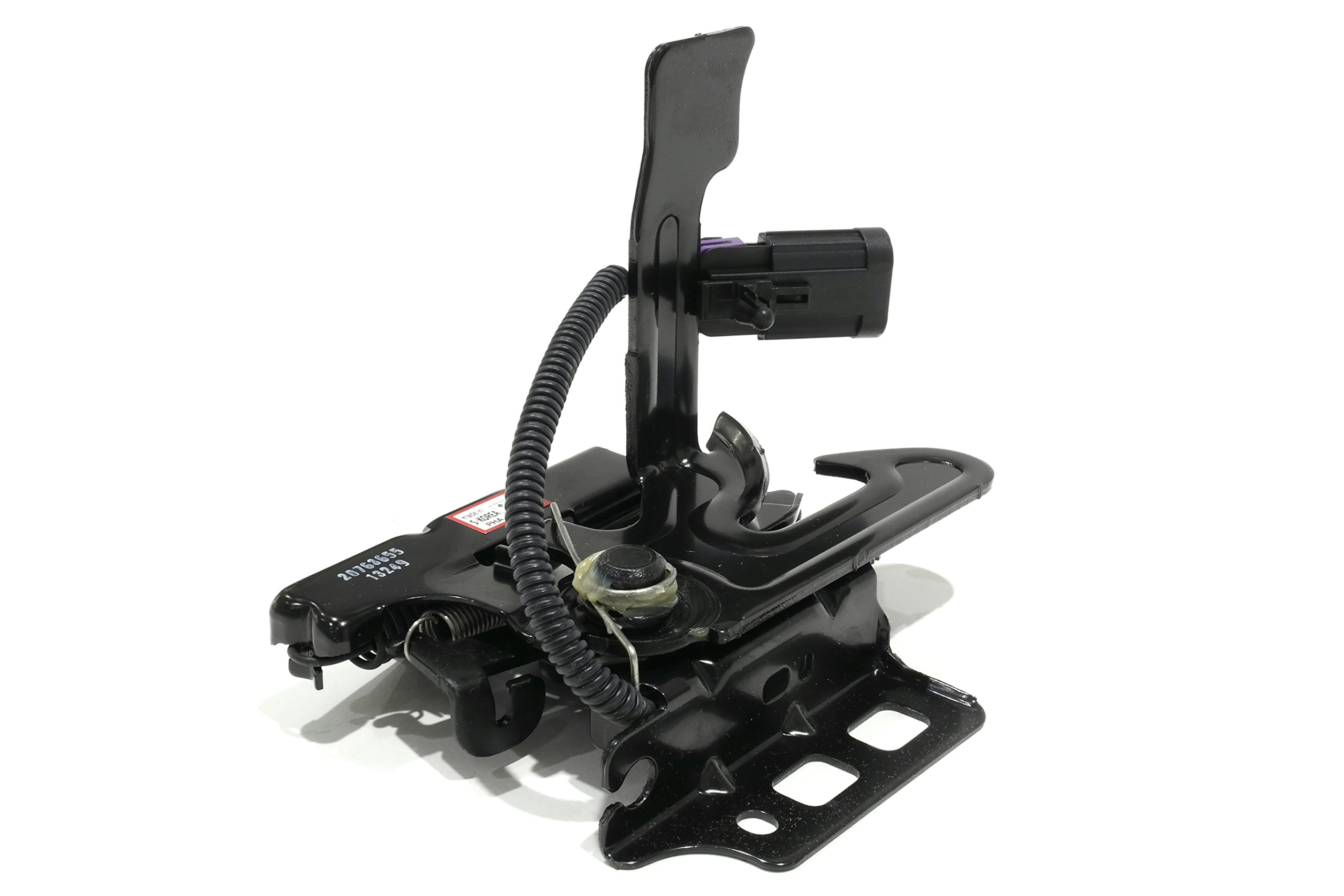
Here’s one that surprises people: your vehicle may use a hood latch switch and door ajar switch signals as part of the start-stop logic. The idea is simple: if the hood is open or the driver door is open, the car may inhibit auto-restart to reduce risk.
Common real-world scenarios
- You popped the hood earlier and didn’t close it firmly. It’s latched enough to look shut, but not enough for the switch.
- A door is not fully closed, or a door ajar switch is flaky.
- You unbuckled and shifted around in the seat at a long light, and the car interprets it as “driver is exiting.”
What to do
- Close the hood with intent: lift it a bit and let it drop from a few inches so the latch fully engages. Do not slam it from a foot up, just a confident close.
- Re-seat the driver door: open and close it firmly when safe to do so.
- Check the instrument cluster for a door ajar warning, even if the door feels shut.
4) Settings and inhibit conditions
Many vehicles have a physical start-stop OFF button, and some remember the last setting while others default back to ON every key cycle. There are also conditions where the system is “on” but temporarily inhibits stop or restart because it is protecting the battery, the starter, or cabin comfort.
What to look for
- Start-stop OFF light is illuminated on the button or in the cluster.
- A message indicates start-stop is unavailable. That is not always a failure, sometimes it is just a condition.
- You have high defrost demand, max A/C, or the cabin is far from set temperature. Some cars will choose comfort over fuel savings.
- The steering wheel is at or near full lock. Some vehicles will restart when you turn the wheel, and others may avoid stopping in the first place if steering load is high.
What to do
- Press the start-stop button once to re-enable it (if it was disabled) and watch the indicator.
- Reduce HVAC load briefly: turn off defrost, lower fan speed, or bump cabin temp closer to ambient. Then see if behavior returns to normal at the next stop.
- Use a manual restart when needed: shift to Park and press Start. If that works repeatedly, you likely have an inhibit condition or a weak battery rather than a hard no-start.
5) Key fob or gear signal issues
These are not as common as battery or brake input problems, but I see them often enough that they deserve a mention.
Key fob not detected
On push-button start cars, a weak fob battery or a fob that is not being detected consistently can cause weird start-stop behavior. If you see a “key not detected” message or the car acts like it is unsure who you are, treat it as a clue.
- Try moving the fob away from other electronics and closer to the start button.
- Replace the fob battery soon if warnings pop up.
- If your car supports it, use the emergency start procedure described in the owner’s manual (often holding the fob against the start button area).
PRNDL or range sensor confusion
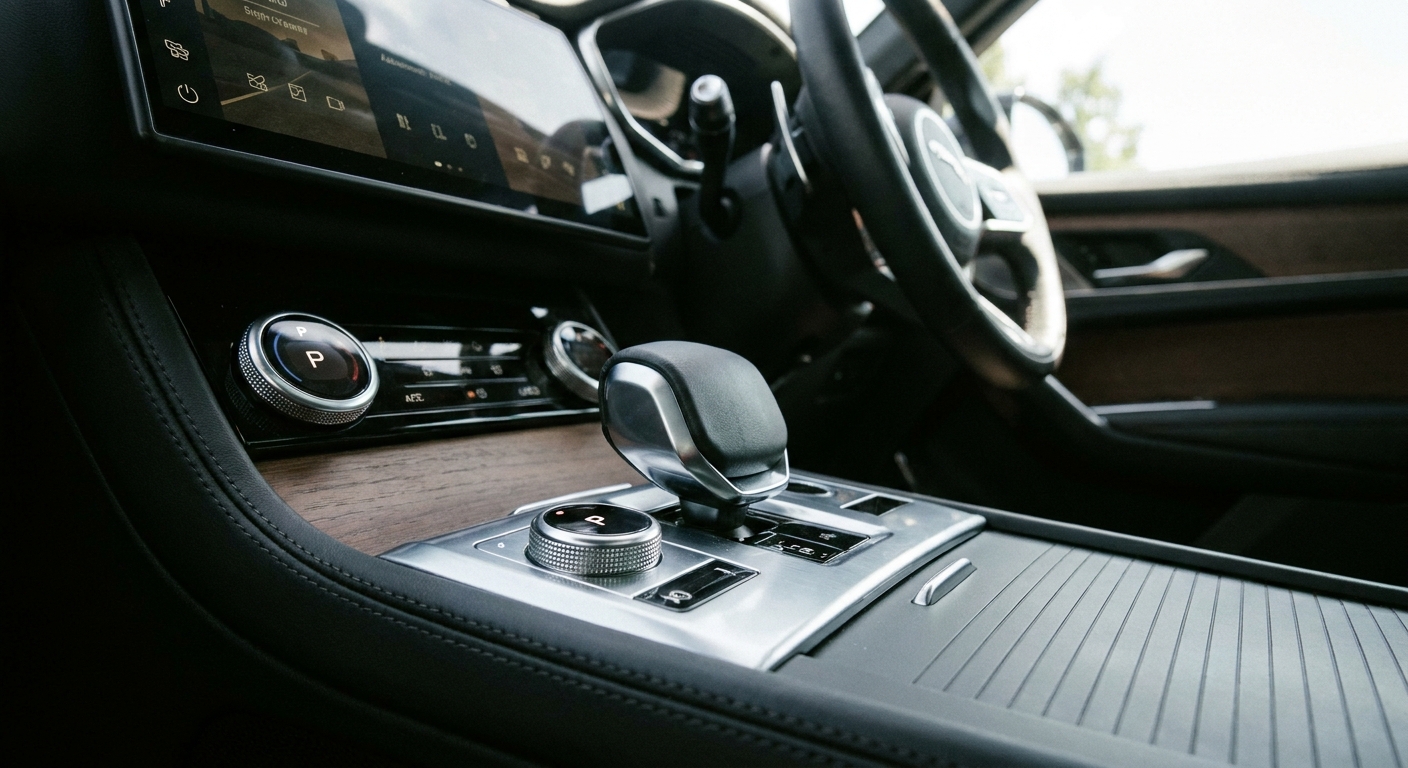
If the vehicle does not reliably recognize Park or Neutral, it may inhibit cranking.
- If the shifter display flickers or does not match the shifter position, get it checked.
- If you have to jiggle the shifter to get a start request accepted, that is another strong hint.
Manual restart steps
If the engine is off because start-stop commanded it and it won’t come back when you release the brake, these steps work for a lot of vehicles:
- Hold the brake firmly.
- Shift to Park.
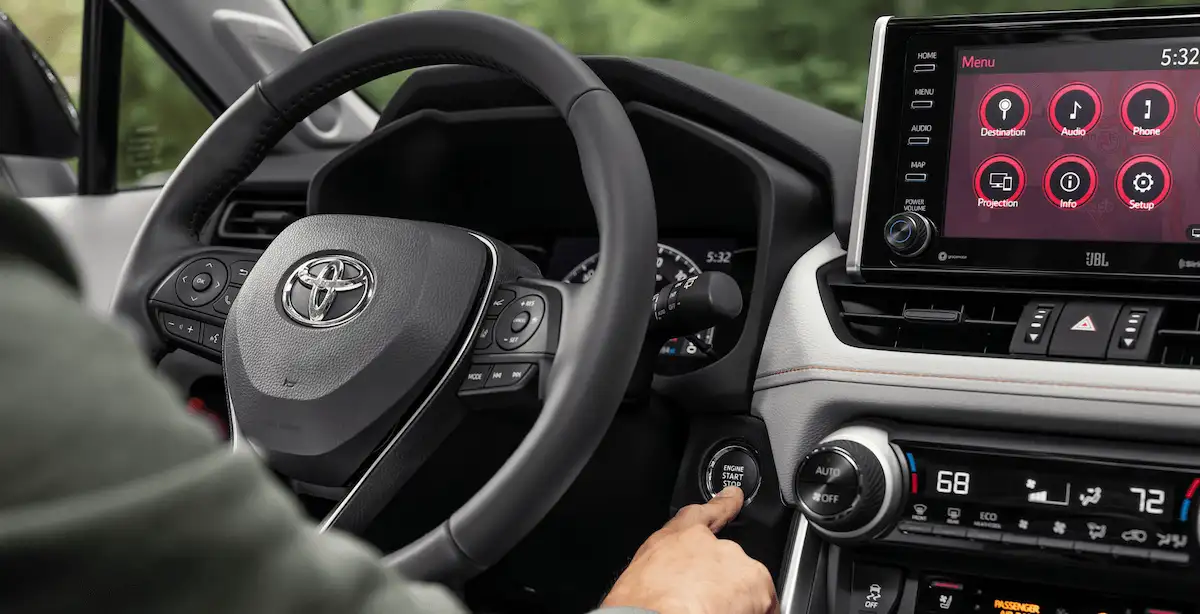
- Press the Start button (or turn the key) like a normal start.
- If it cranks slowly or clicks, stop. You may be dealing with low battery charge or a connection issue.
On some cars, shifting to Neutral then back to Drive can prompt a restart, but this is very model-dependent and easy to do unsafely in traffic. Only try it if you are fully stopped, it is safe, and your owner’s manual does not warn against it. Park plus a normal start command is the most universally safe approach.
When to get it diagnosed
If the vehicle restarts manually but keeps failing to auto-restart, the system is often storing helpful fault codes and live data in modules a basic generic code reader may not access. Many inexpensive readers can pull engine codes, but start-stop complaints often involve body, brake, charging, or network modules.
I’d head to a shop when you notice any of these:
- The problem is repeatable at most stops.
- You see warnings for battery charging, brake system, or door or hood ajar that do not match reality.
- The engine will not restart even manually, or it restarts once then dies again at the next stop.
- The battery is less than a few years old but behaves like it is tired (possible charging system, battery sensor, or software issue).
A good diagnostic approach is to check battery health with a proper tester, verify battery monitoring data, confirm brake switch and pressure sensor readings, confirm hood and door switch status in live data, and verify the transmission range signal.
FAQ
Why did my car shut off and then not turn back on?
If your vehicle has auto start-stop, it likely shut the engine off on purpose. When it won’t restart, the usual causes are borderline or low battery reserve, the brake input not being recognized, a hood or door switch signaling an unsafe condition, or a key or gear recognition issue.
Is this the same as stalling?
No. A stall is the engine stopping unintentionally due to a running problem. In a start-stop event, the computer intentionally stops the engine. A no-restart after start-stop is usually an enable, inhibit, or input issue rather than an engine running diagnosis.
Will a weak battery still power lights and radio?
Absolutely. Lights and infotainment need far less current than a starter motor. Start-stop systems are especially sensitive to battery reserve, so you can have a cabin that looks normal and still not have enough punch to restart cleanly.
Can I just turn start-stop off?
Many cars let you disable it for that drive with a button, and some keep it off depending on the make. If your system is acting up, turning it off can be a practical short-term workaround, but it’s still worth addressing the underlying battery or input issue so you are not stranded later.
Does the hood really matter?
On a lot of models, yes. A hood latch switch can inhibit start-stop behavior, and a hood that is not fully latched can create strange, inconsistent restart issues.