I have seen this one a hundred times in shop parking lots: the key turns, nothing happens, then somebody crawls under the car, gives the starter a few taps, and suddenly the engine cranks like nothing was ever wrong.
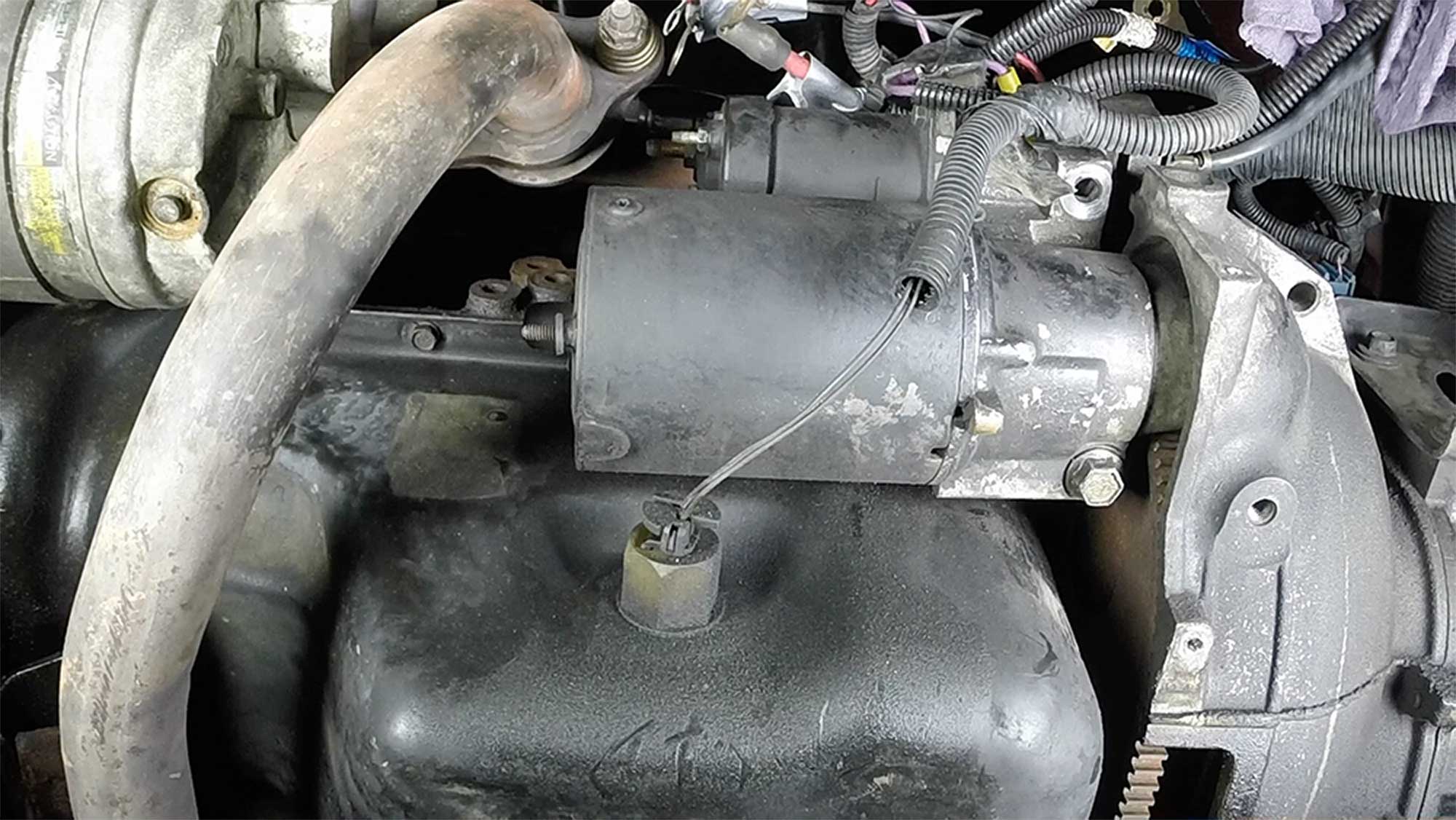
If your car only cranks after you tap the starter housing, that is a strong clue. It usually means the starter motor has an internal dead spot from worn brushes, or the solenoid is sticking and not consistently making a solid electrical connection. The tap does not “repair” anything. It’s a confirmation tool that you are on borrowed time.
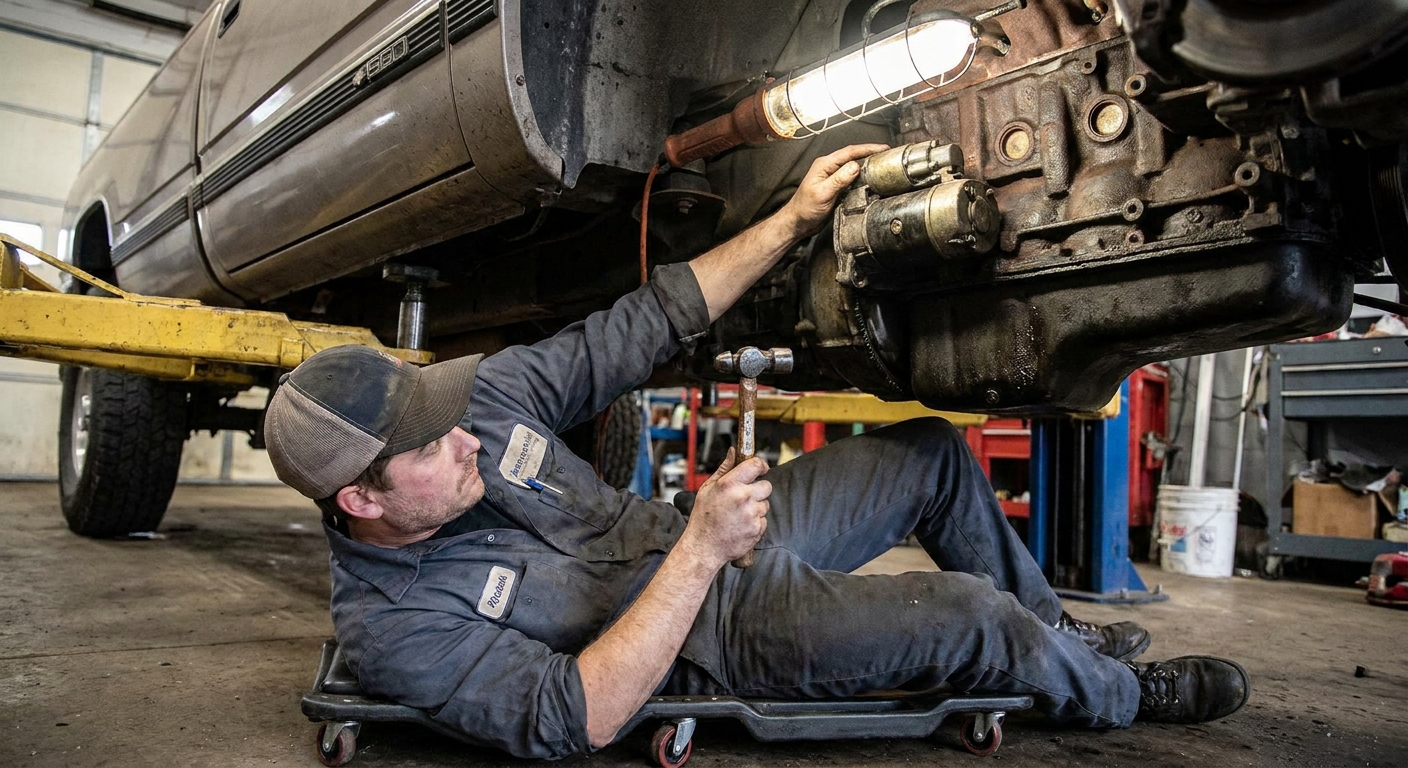
What tapping the starter does
A starter assembly has two big jobs:
- The solenoid pushes the starter drive gear into the flywheel or flexplate and closes a high-current electrical contact.
- The motor spins, using brushes riding on a commutator to feed power into the armature.
When you tap the starter case, you are not “unsticking” your engine. You are jarring starter internals just enough that one of two things happens:
- Worn brushes temporarily make contact again. The impact can move the brush springs or brush position just enough to touch the commutator.
- A sticking solenoid or contact plate momentarily seats. Inside many solenoids are copper contacts that arc and pit over time. A tap can help them meet again for one more start.
That is why it starts after a tap, but not reliably. You are basically rolling the dice on whether the internal connection lands in a “good” position, and it is likely to strand you soon.
Main causes
1) Worn brushes or commutator
Brushes are sacrificial. They slowly wear down as they ride on the commutator. Once they get short, weak, or uneven, the starter can hit a spot where the electrical path is poor and the motor does nothing.
Common clues:
- Intermittent no-crank that gets worse over weeks
- Sometimes you get a faint single click, sometimes you get nothing
- After a tap it cranks normally, at least for a while
2) Sticking solenoid or worn contacts
The solenoid is both a mechanical actuator and a high-current switch. The internal contacts can pit from arcing, and the plunger can stick. A tap can jolt it into completing the circuit one more time.
Common clues:
- A distinct click from the starter area, but no spin until you tap it
- Problem is worse when hot after a drive
- Problem is worse as the starter ages
What the tap proves
When tapping works, it strongly suggests that:
- The engine is not locked solid, because it cranks once the starter wakes up (but other mechanical problems can still exist).
- Your battery has enough available power to crank at least sometimes, although a weak battery or bad connections can still coexist with a failing starter.
- The starter or its immediate power and control connections are the most likely failure point, because a mechanical shock changes the outcome.
But the underlying issue is still there: worn brushes stay worn, and burnt solenoid contacts stay burnt. The next time it fails might be in your driveway, or it might be at a gas pump with a line behind you.
Also, repeated impacts are not gentle. In rare cases, on some permanent-magnet starter designs, you can damage internal magnets or finish off a marginal connection. If you need the tap more than once, you are already past the warning stage.
Safety: when not to tap
I get why people do it, but there are a couple of times you should stop immediately and not keep trying.
- If the starter is smoking or you smell burning insulation, do not tap it and do not keep cranking. You can melt cables, damage wiring, or start a fire.
- If the starter is extremely hot, avoid hitting it. Hot starters are often failing internally, and you are working next to exhaust components. Burns happen fast.
- If the battery cables are getting hot or you see any sparking, stop. That is high current in the wrong place and needs diagnosis, not more attempts.
- If you hear grinding while attempting to start, stop cranking. Grinding can mean the drive gear is not engaging correctly, and repeated tries can damage the flywheel or flexplate teeth.
And one more practical note: if you are under the car, make sure it is in Park or neutral with the parking brake set, and keep hands, hair, and clothing clear of belts and fans. Starters can engage suddenly.
How to tap it (if you must)
If you are stranded and you are doing this as a last resort, keep it gentle and smart:
- Tap the starter body or solenoid lightly, not the wiring. Think a couple of light raps with a small hammer handle or a short extension, not repeated blows.
- Do not stay under the vehicle while someone turns the key unless you are set up safely and communicating clearly. Better is to tap, get out, then try the key.
- If it does not respond quickly, stop and move to diagnosis. More force is not the answer.
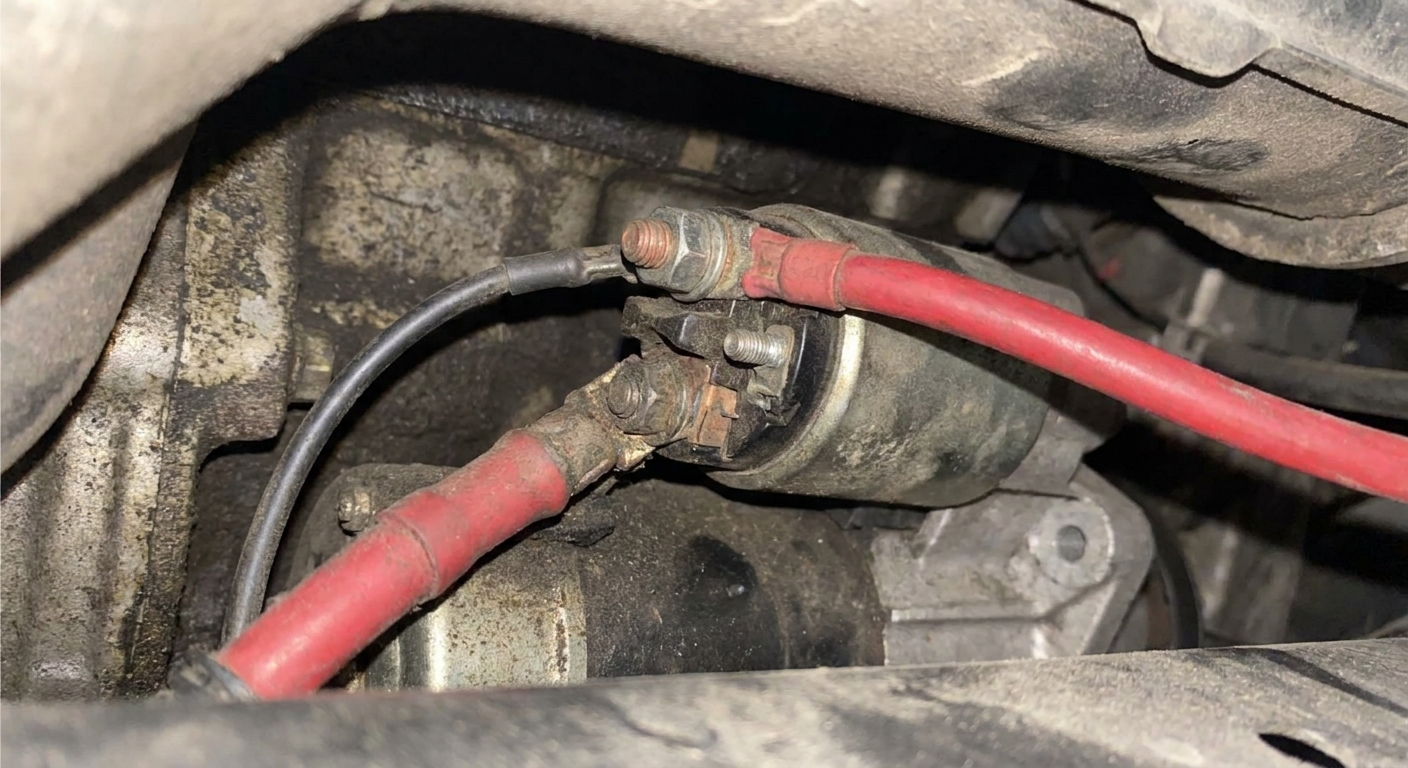
Quick checks first
A tap result is a strong pointer, but I still like to rule out the easy stuff because bad connections can mimic starter failure, and sometimes vibration is what changes the outcome.
Check 1: Battery terminals and grounds
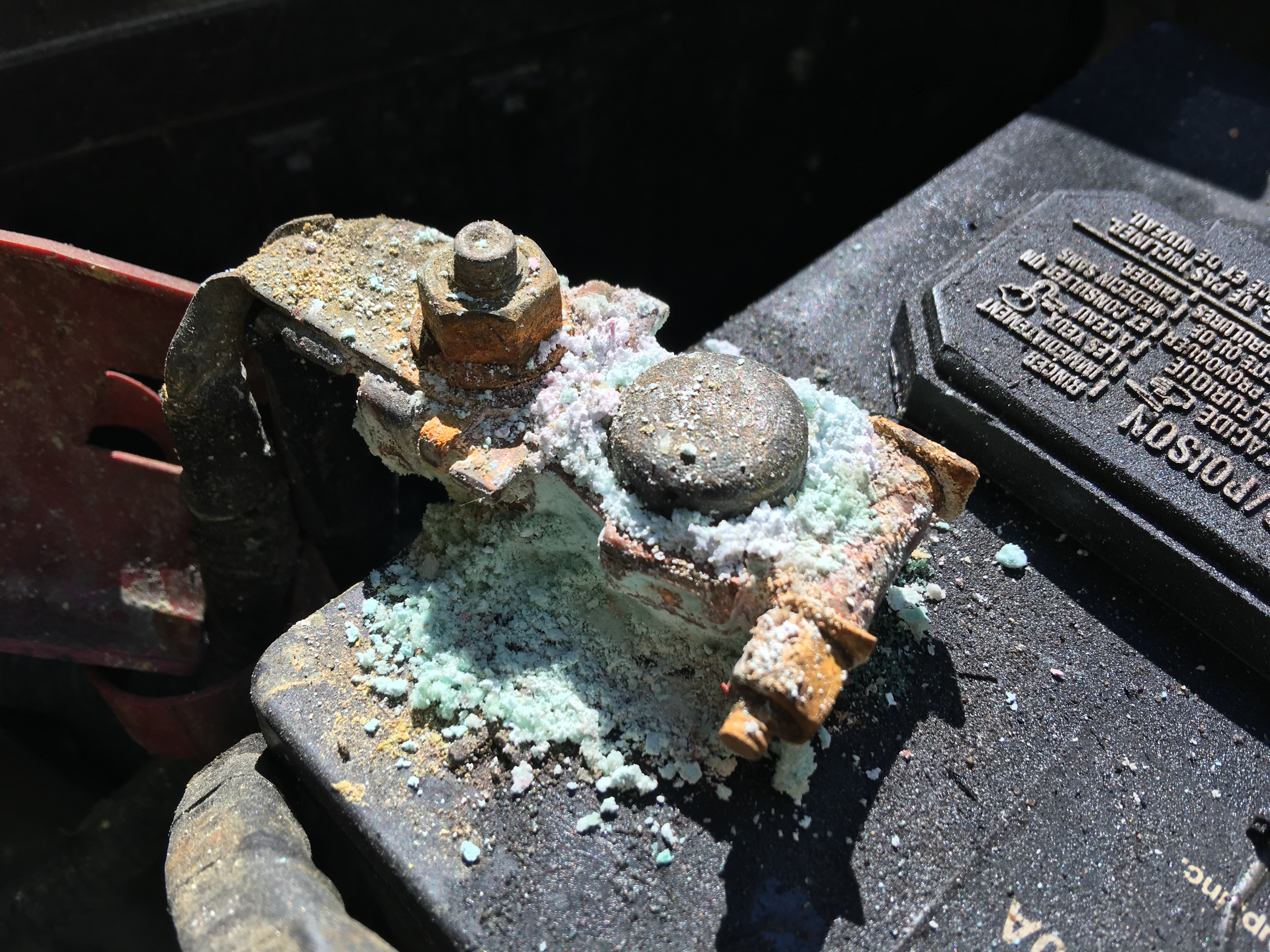
- Make sure terminals are tight and clean. Corrosion can pass enough power for lights and radio but not enough for the starter.
- Check the negative cable where it bolts to the engine block.
- If your vehicle has an engine-to-body ground strap, make sure it is not loose, green, or broken. A bad ground strap can act exactly like a bad starter.
Check 2: Starter main cable connection
Check the big battery cable at the starter main stud for looseness or corrosion. A loose connection there can sometimes respond to a bump or tap nearby, even if the starter itself is fine.
Check 3: Listen for the pattern
- No sound at all can be a control issue (relay, ignition switch, neutral safety or clutch switch), a dead battery, or a bad connection.
- One solid click near the starter often points to the solenoid engaging, but the motor not spinning (starter, contacts, or a voltage drop).
- Rapid clicking usually points toward low battery voltage or a poor cable connection.
Check 4: Try Neutral or the clutch switch
Try starting in Neutral (automatic) or with the clutch fully pressed (manual). A worn neutral safety switch or clutch switch can cause a no-crank, but it usually will not be “fixed” by tapping the starter. If Neutral consistently changes the outcome, you may have a switch or adjustment issue.
What to do next
If tapping the starter reliably makes it crank, treat it like a check engine light you can hear. Plan on starter service or replacement soon, and avoid shutting the car off in situations where you cannot afford a no-start.
- If you are stranded: A single, light tap can sometimes get you one last start to get home or to a shop. Do not make it a habit.
- If it is intermittent: Schedule it now. Intermittent electrical problems rarely get better.
- If it is happening when hot: That is often a dying starter or solenoid that is more sensitive to heat soak. Get it addressed before it escalates.
If you are getting a single click with no crank even after tapping, or you get silence every time, the next step is basic voltage drop testing. A shop can check voltage at the starter main terminal and the small trigger wire while you attempt to crank. That quickly separates a bad starter from a cable, ground, relay, or switch problem.
FAQ
Can I replace just the solenoid?
On some vehicles, yes, but on many modern starters the solenoid and motor wear together. If brushes are near the end and the solenoid contacts are pitted, replacing only one piece can buy limited time. In practice, a quality complete starter assembly is usually the most reliable route.
Why do my lights and radio work but the starter does nothing?
Lights and radio need a fraction of the power a starter needs. A weak battery, corroded terminals, a bad ground, or a failing starter can still allow accessories to work normally while cranking fails.
Is hitting the starter bad for it?
Yes. Light tapping might get you out of a jam, but repeated hits can damage housings, solenoids, or internal components, especially on some permanent-magnet designs. If a tap changes the result, the starter is already failing.