If your car fires up strong, sounds normal for a second, and then dies the instant you let the key spring back to Run, that is most often an electrical power feed problem. In plain shop-talk, the engine is getting power (or fuel pump power) in the Start position, but the Run circuit drops out as soon as you release the key.
I have seen this more times than I can count at independent shops. The good news is the symptom is specific, which narrows the hunt. The bad news is it can be caused by a handful of different components that all touch the same path: ignition switch, relays, fuses, power feeds to the fuel pump, ignition coils, and engine computer, plus the occasional aftermarket alarm or remote-start interrupt.
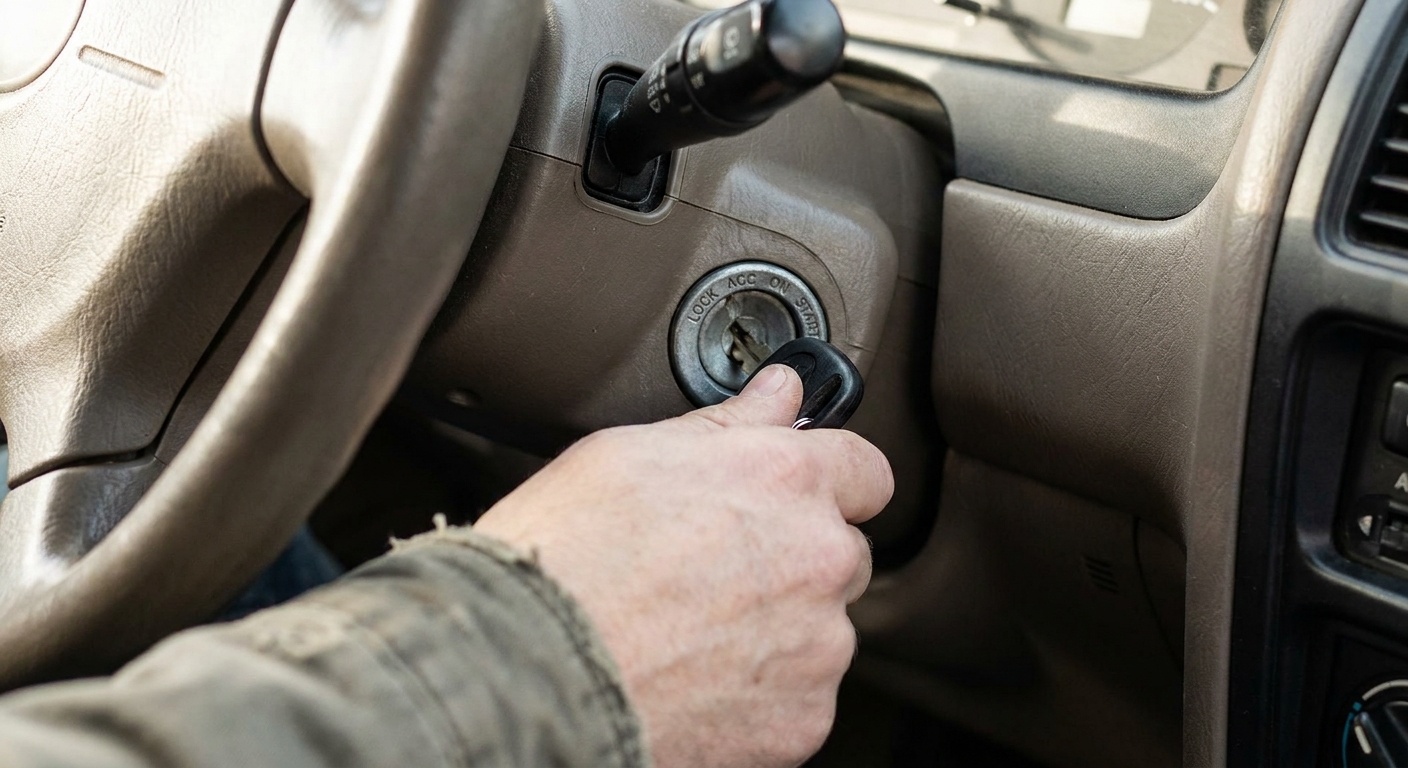
Below is the most practical way to diagnose it without guessing, starting with the fast checks that cost nothing.
Tools that help: a test light or multimeter, and ideally a helper to turn the key while you probe fuses or relays.
What this symptom usually means
Most vehicles power critical engine systems through different ignition switch outputs:
- Start (crank): energizes the starter solenoid and often provides a dedicated feed to the ignition system or fuel pump relay during cranking.
- Run: keeps the engine alive after it starts by feeding the PCM or ECM, ignition coils, injectors, fuel pump relay control, and sometimes the instrument cluster or immobilizer module.
When the engine runs only while cranking, you are usually dealing with one of these situations:
- Ignition switch Run contacts are failing (common). Power is present in Start but not in Run.
- A Run relay or main relay is not closing or loses feed when the key returns to Run.
- A fuse or fusible link for the Run circuit is blown, but the Start bypass circuit still powers the engine for a moment.
- Fuel pump or ignition power is only present during cranking due to wiring damage, a bad relay, a bad ignition switch output, or a design that uses separate crank and run feeds.
- Security or immobilizer shuts the engine off right after start. This can look similar, but it often allows the engine to run for 1 to 2 seconds, not strictly only while holding Start.
- Aftermarket alarm, remote start, or kill switch interrupt is cutting power to ignition, fuel pump, or injectors once the key returns to Run.
Quick safety note before you troubleshoot
Do not keep cranking the car for long stretches trying to “hold it running.” You can overheat the starter, drain the battery fast, and on some cars you can wash oil off cylinder walls with repeated fuel-rich cranking.
If at any point you smell raw fuel heavily, see smoke, or notice melting insulation near the steering column or underhood fuse box, stop and get help.
Fast checks that often find the problem
1) Watch what turns off when the key returns to Run
This simple observation tells you which branch to focus on:
- Dash lights and radio stay on in Run but the engine dies: you likely lost power to the engine management or ignition or fuel pump, not the entire ignition switch feed.
- Dash goes dead or flickers when you release the key: that points more strongly to the ignition switch, ignition switch connector, battery feed to the switch, or a main power distribution issue.
- You can keep it alive by slightly twisting or wiggling the key: strong sign of worn ignition switch contacts, a worn lock cylinder actuator, or a loose ignition switch harness connector.
2) Check battery terminals and major grounds
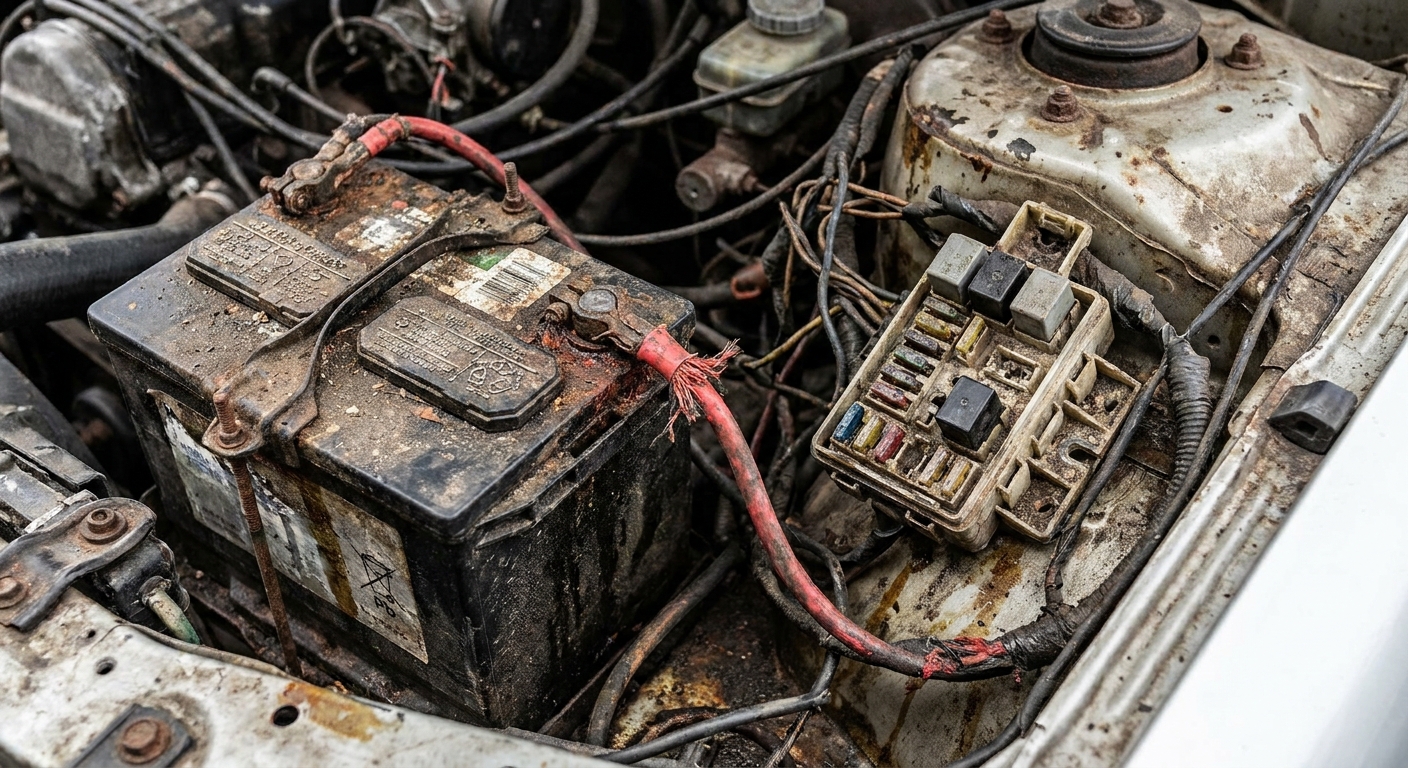
This is boring, but it matters. Make sure the battery terminals are tight and clean. Then take a quick look at the battery negative to chassis connection and the engine ground strap. A weak ground can cause strange voltage drop behavior right when the key returns to Run and loads change.
3) Try a spare key if you have one
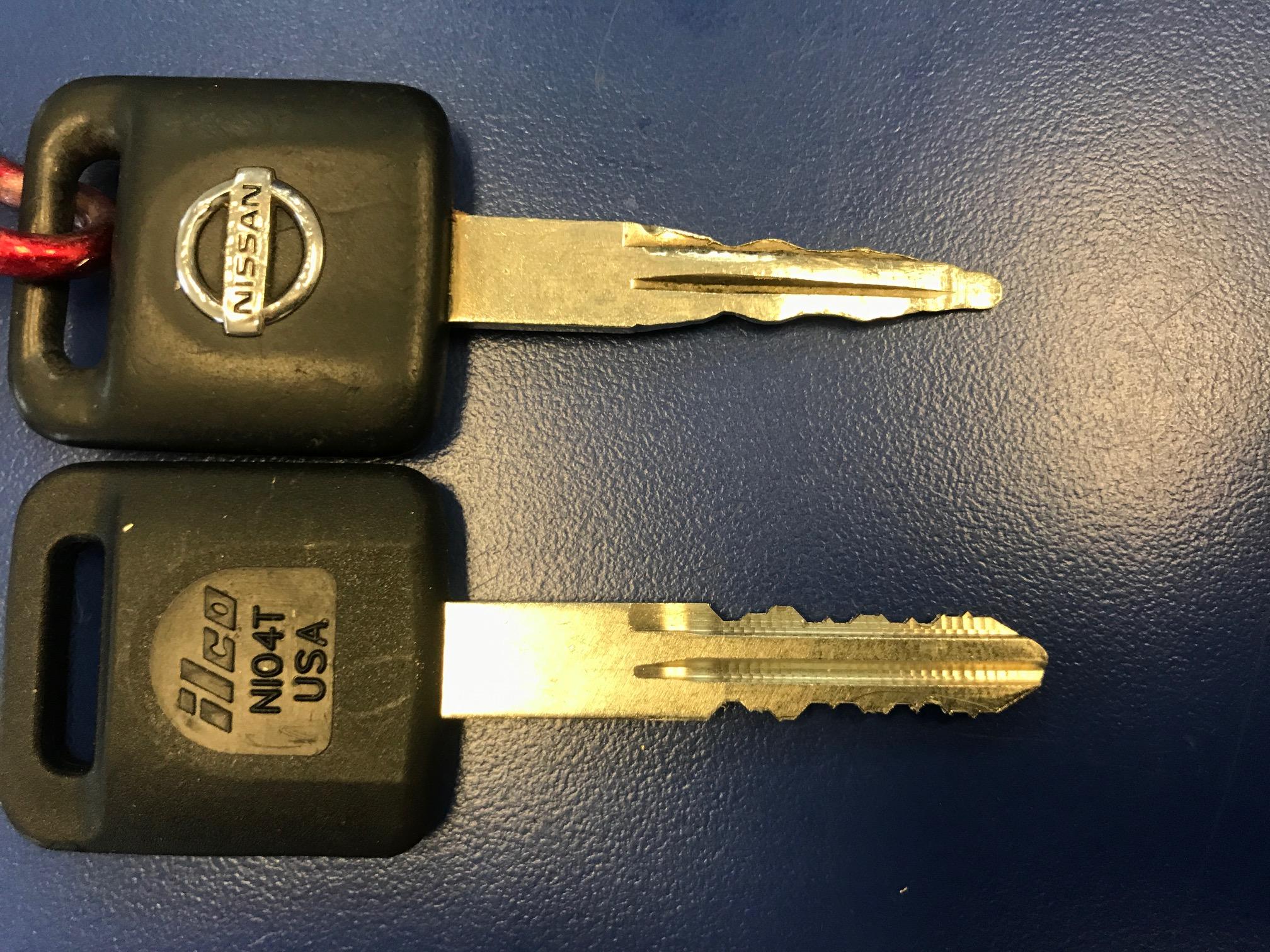
If your car uses a transponder key, a failing key chip is rare but possible. A spare key test takes 10 seconds and can save you an hour of electrical chasing. If behavior is identical with both keys, move on.
4) Listen for the fuel pump prime
On many cars, with key to Run (not Start), you should hear a 1 to 2 second fuel pump prime from the rear of the vehicle or the fuel tank area.
Important: not all vehicles prime audibly, and some only run the pump after the PCM sees a crank signal. So “no heard prime” is a clue, not a final answer by itself.
- No prime in Run, but it runs while cranking: the fuel pump relay control or Run feed is suspect.
- Prime is present in Run: your issue may be ignition or PCM power, or immobilizer.
The most common cause: a bad ignition switch (Run circuit)
Inside the ignition switch are separate contacts for Start and Run. It is very common for the Run contacts to burn, wear, or develop high resistance while the Start contacts still work.
Signs the ignition switch is the culprit
- The engine runs fine as long as you physically hold the key in Start.
- Accessories act strange in Run, like intermittent cluster, blower motor dropping out, or random power loss.
- You can sometimes “catch” a sweet spot by easing the key back slowly from Start toward Run.
- The problem is worse with a heavier keychain (extra weight stresses the switch over time).
DIY test: check for power on an IGN or RUN fuse in Run
You do not need wiring diagrams to do a basic sanity test.
- Locate the interior fuse panel and identify fuses labeled like IGN, ECM/PCM, INJ, COIL, or FUEL.
- Using a test light or multimeter, check the fuse for power with key in Run.
- Then check again while holding the key in Start (you may need a helper).
What you are looking for: any fuse that has power in Start but loses power in Run. That is a huge clue the ignition switch Run output, its connector, or a relay fed by it is dropping out.
If your fuse panel has tiny “test points” on top of each blade fuse, probing those is quick and clean.
Runner-up causes: main relay, ignition relay, or run relay issues
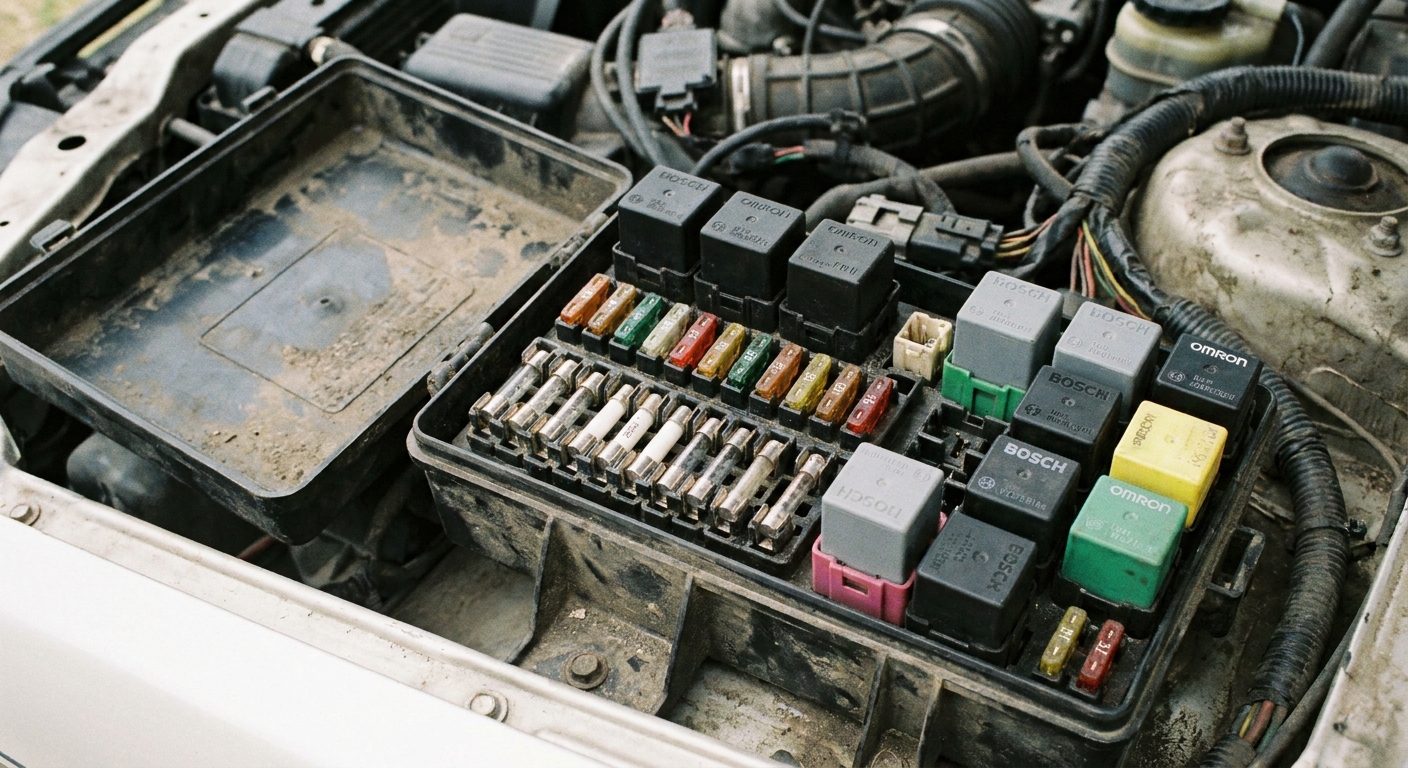
Many vehicles use a main relay (sometimes called the EFI relay or ECM relay) to feed the computer, injectors, and sensors. If that relay does not stay energized in Run, the engine can start while cranking and then instantly die.
How this failure happens
- Relay coil loses power in Run due to ignition switch or fuse issue.
- Relay contacts are burned, so it passes current intermittently, or it drops out when heat, vibration, or load conditions change.
- Fuse box corrosion or heat damage causes a poor connection at the relay terminals.
Quick relay checks
- Swap test: if there is an identical relay nearby (same part number), swap them. If the symptom changes, you found something.
- Touch test: have a helper turn the key. Put a finger on the relay. You should feel it click on in Run and stay on. If it clicks only during Start, you are chasing the right circuit.
On some cars, the main relay is inside the cabin or integrated into a fuse box. If you smell a faint burnt-electrical odor near the fuse panel, take that seriously.
Aftermarket alarm or remote start interrupts
In the real world, a lot of “starts then dies when I let go of the key” complaints come from aftermarket add-ons. Many alarm and remote-start systems interrupt the starter, ignition feed, fuel pump feed, or an immobilizer line. When the module fails, or a splice corrodes, you can get a perfect crank-and-die symptom.
Clues you are dealing with an add-on
- Non-factory key fob behavior, an LED “alarm” light stuck on, or a siren under the hood.
- Splice connectors, electrical tape bundles, or non-factory wiring under the steering column.
- The problem started after a stereo install, remote start install, or battery replacement.
If you find hacked wiring under the column, do not just twist wires together and hope. This is where a clean diagram and proper repair (solder and heat shrink or correct crimping) matters.
Fuel pump power present only during cranking
Some models use different logic or separate feeds for cranking versus running. If the system provides pump power during Start but the normal Run path never takes over, the pump can stop the moment you release the key.
What to test
If you have a multimeter and can safely access the fuel pump connector or fuel pump fuse:
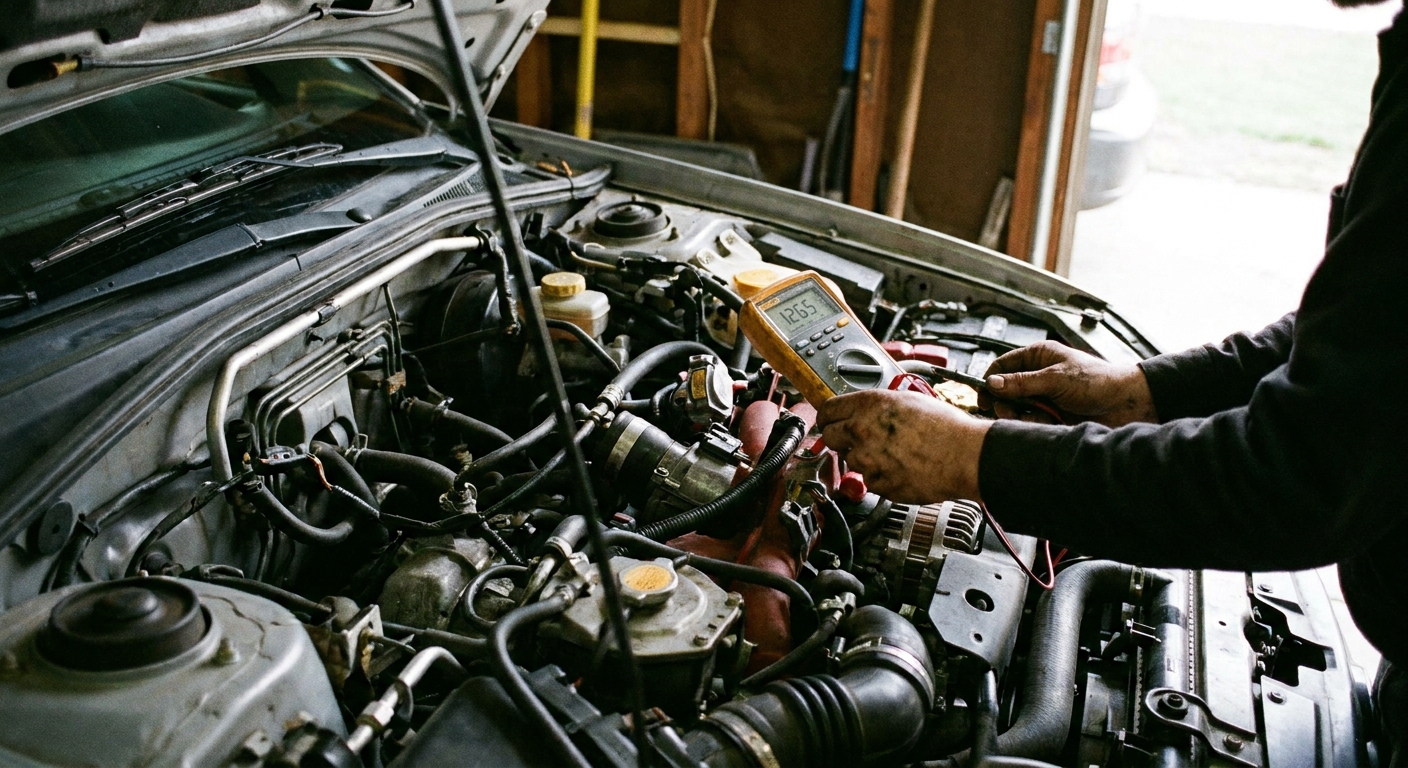
- Check for 12V at the fuel pump fuse in Run. Then compare it to Start.
- Check for 12V at the pump connector during Start versus Run.
Result interpretation:
- Voltage only during Start: fuel pump relay control, ignition switch Run feed, an aftermarket interrupt, or wiring to the relay is likely.
- Voltage present in Run but pump not running: bad fuel pump, bad ground, or failing connector at tank.
If you suspect fuel delivery but you are not equipped to test fuel pressure, this is a good moment to step back. Fuel systems can be hazardous, and shops can verify pressure in minutes.
Ignition coil or injector power lost in Run
On many modern cars, ignition coils and injectors share a common power feed that is hot in Run and Start, with the PCM controlling ground. If that power feed drops out in Run, the engine will die instantly even if fuel pump keeps running.
DIY check: coil power in Run
If you can access a coil connector (coil-on-plug engines are usually easy):
- Unplug one coil connector.
- With key in Run, back-probe the power wire (often a shared color across all coils).
- Check again while cranking.
If you see power only while cranking, your issue is upstream, often the ignition switch Run output, an ignition relay, a blown ignition fuse, or an interrupt in the power feed.
Immobilizer and security system shutoff
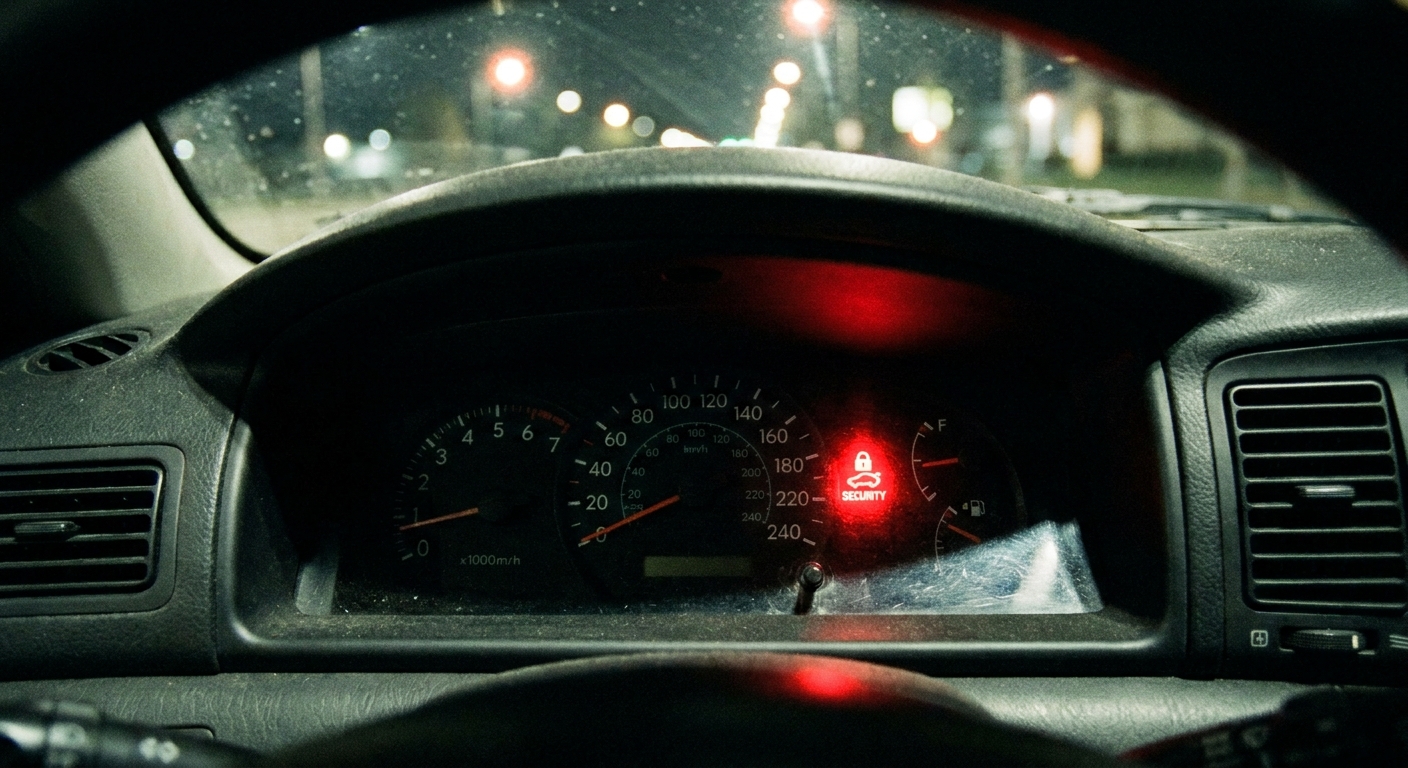
If the engine starts and then dies after about 1 to 2 seconds, especially if a security light is flashing, the immobilizer can be cutting fuel or injector pulse. This failure is a little different from “runs only while I hold the key,” but plenty of drivers describe it that way in the moment.
Clues it is security-related
- A security/key warning light stays on or flashes while cranking or right after it dies.
- The car behaves exactly the same every time: starts, runs briefly, dies.
- You recently had key programming, a dead battery, a replaced ECU, or steering column work.
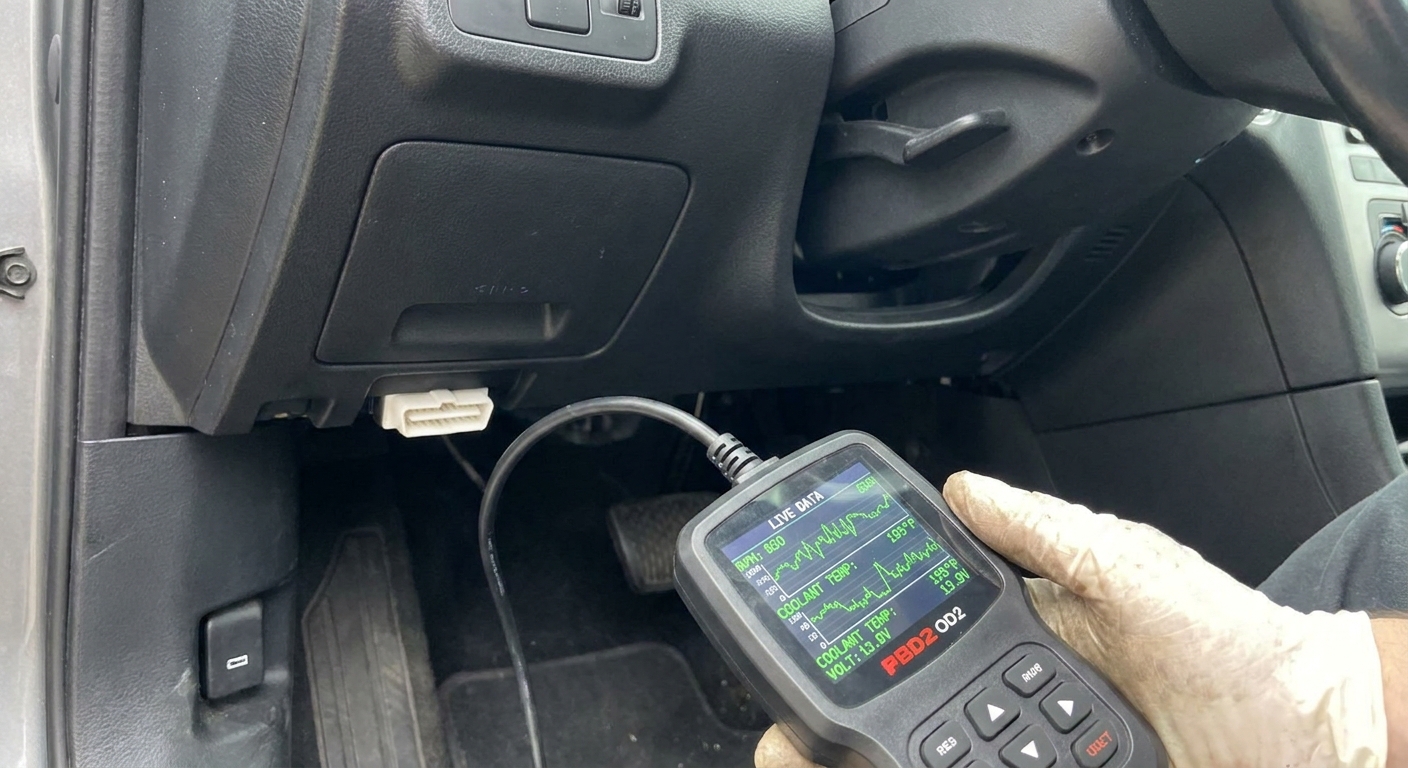
Try the spare key first. If that does not change anything, you may need a scan tool capable of reading body and immobilizer codes, not just engine codes.
Two related faults to take seriously
Starter keeps spinning after you release the key
This is the opposite side of the ignition switch problem. If the starter stays engaged, you may have:
- a sticking starter solenoid
- a faulty ignition switch sticking in Start
- a shorted starter relay
Do not keep running it like that. A starter that stays engaged can destroy the starter, damage the flywheel, and in extreme cases start an electrical fire. If it happens, shut the engine off immediately, disconnect the battery if safe, and get it towed.
Car only starts when you wiggle the key
If wiggling the key changes anything, think mechanical plus electrical:
- worn lock cylinder
- worn ignition switch actuator rod or gear (varies by vehicle)
- loose ignition switch connector
It is tempting to live with it until it gets worse, but it usually fails at the most inconvenient time.
A step-by-step troubleshooting path
If this were in my bay and I wanted the quickest answer, I would work in this order:
- Confirm the symptom: runs only while held in Start, dies immediately in Run.
- Check the basics: battery terminals tight, major grounds intact.
- Check security light behavior during and after crank.
- Check for fuel pump prime in Run, remembering it may be quiet or design-dependent.
- Check IGN/ECM fuses for power in Run vs Start using a test light or multimeter.
- Identify and test main/EFI/ignition relays: click test, swap test where safe.
- Check coil power feed in Run vs Start.
- Inspect ignition switch connector (if accessible): look for heat discoloration, melting, loose pins.
- Look for aftermarket wiring under the column if the car has an alarm or remote start.
That sequence usually points to the root cause without parts-cannon replacements (swapping parts at random).
When it is time to call a pro
I love DIY work, but this is one of those problems where a shop can be worth it quickly if:
- you cannot access the fuse or relay boxes safely
- you suspect immobilizer issues and need body codes
- wiring damage is visible near the column or fuse box
- you suspect an aftermarket alarm or remote-start wiring problem
- the starter stays engaged or wiring gets hot
Tell the shop exactly this: “It runs only while the key is held in Start. It dies the moment it returns to Run.” That single sentence helps a technician go straight to ignition switch outputs, main relay feeds, and Run power distribution.
FAQ
Can a bad crank sensor cause this?
Typically no. A failing crank sensor usually causes no-start, intermittent stall, or a stall once hot. The “runs only in Start” pattern is much more consistent with a Run circuit power loss or an interrupt in the ignition or fuel path.
Could it be the fuel filter?
A clogged fuel filter usually causes lack of power, lean running, or hard starting. It generally will not create a clean on-off behavior tied exactly to the key position.
Is it safe to keep driving if I can keep it running by holding the key?
No. Aside from the obvious safety issue of driving one-handed while holding the key, you can damage the starter system and you may be masking a failing electrical connection that can worsen suddenly.
What is the most common fix?
Across a wide range of makes and models, the most common fix is replacing the ignition switch or repairing the Run circuit feed to the main or EFI relay. The correct fix depends on what you find when you test for power in Run versus Start.