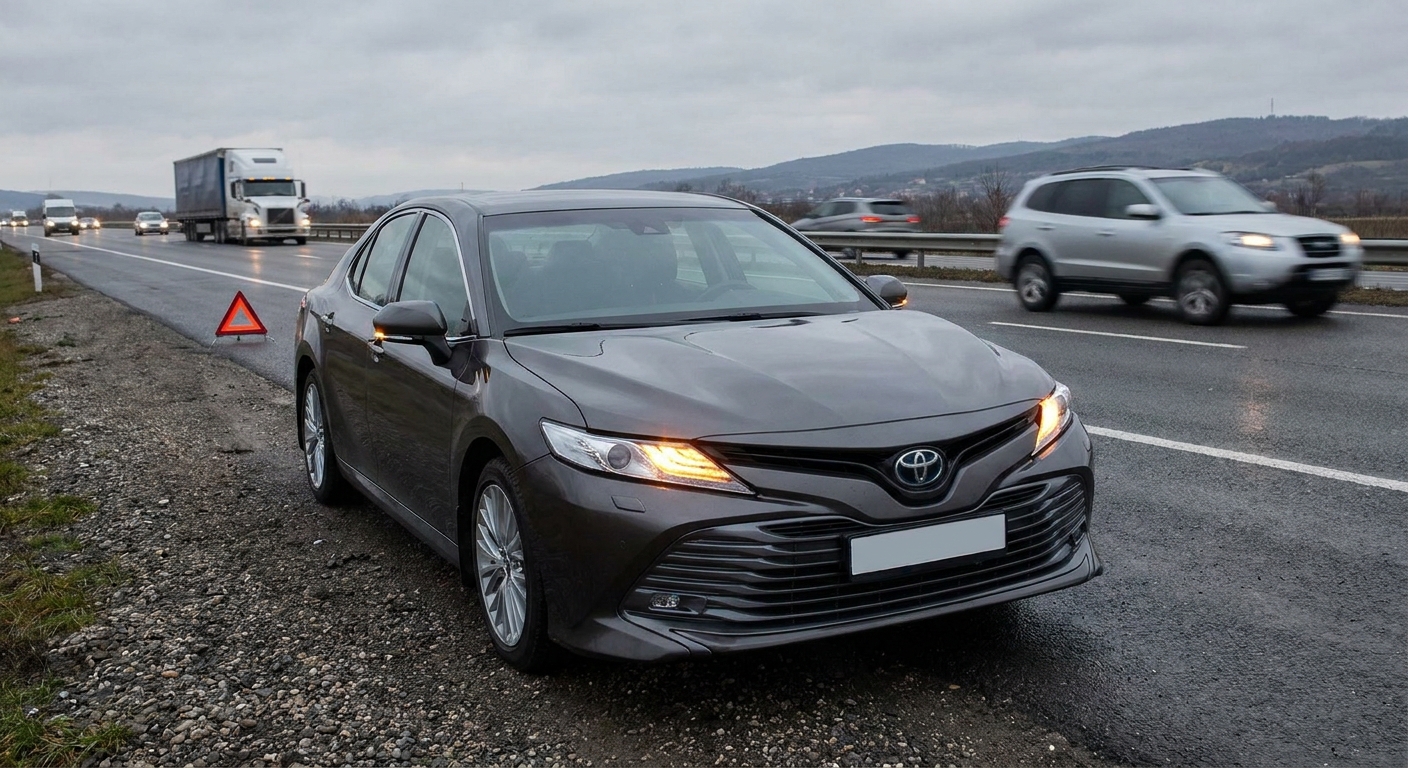
I’ve seen this more times than I can count at the shop: you are cruising along, the engine just shuts off like somebody flipped a switch, you coast to the shoulder with your heart in your throat, and then it fires right back up within seconds like nothing happened.
That quick restart is the big clue. When a car stalls at speed and restarts shortly after, the usual suspects are an intermittent signal the computer needs to run (like a crankshaft position sensor), an ignition component that quits when hot and comes back when it cools for a moment, or a fuel pump or fuel pump power feed that drops out briefly. In this article I will help you separate those scenarios and avoid chasing parts at random.
First, stay safe and grab the details that matter
If your car stalls in traffic, your first job is getting to a safe spot. After that, the best diagnostic tool you have is a clear description of what happened.
Write down these clues
- Did the tachometer drop to zero instantly (like a switch) or did the engine stumble and fade first?
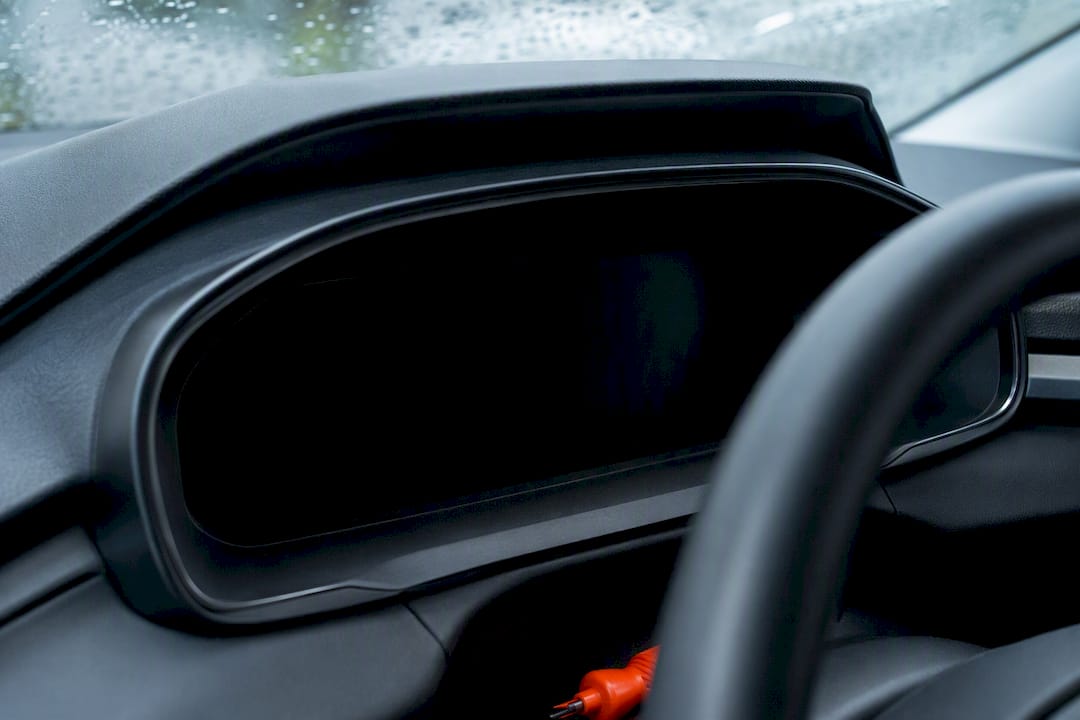
- Did the dash lights stay on when it died, or did everything go dark or reset?
- Did it restart immediately (1 to 5 seconds), after a short wait (30 to 120 seconds), or only after cooling for 10 to 30 minutes?
- Did it happen after hitting a bump or during turns?
- Any warning lights: check engine, battery, oil, immobilizer/security.
- Any pattern: only hot, only rainy days, only after fueling, only at highway speeds.
Do this quick check when it restarts
- Look at the instrument cluster. If the battery light came on right when the engine died, that is normal because the alternator stopped spinning. It does not automatically mean the alternator caused the stall.
- If a check engine light came on, scan it as soon as you can. Intermittent stalls often leave useful codes, including pending ones.
Dash stayed lit vs dash went dark
This one detail can save you hours. If the engine died but the dash stayed powered like normal, I start thinking sensor signal, ignition, or fuel delivery. If the dash went dark, the radio reset, or the gauges did a full reboot, I move power and ignition feed problems way up the list.
Why a quick restart often points to spark or signal loss
Your engine needs the basics to keep running. On gasoline engines, that is fuel, spark, and correct timing. Modern cars also need clean sensor signals so the computer knows when to fire injectors and coils. When the car restarts quickly, it often means fuel pressure and mechanical timing are still basically there, but the computer momentarily lost a critical input, lost power, or the ignition stopped producing spark.
If you remember nothing else, remember this: a stall that feels like the key was turned off is usually electrical or signal related, not a slow fuel starvation problem.
Here are the most common categories that fit a stall at speed with a near-immediate restart.
1) Crankshaft position sensor dropout
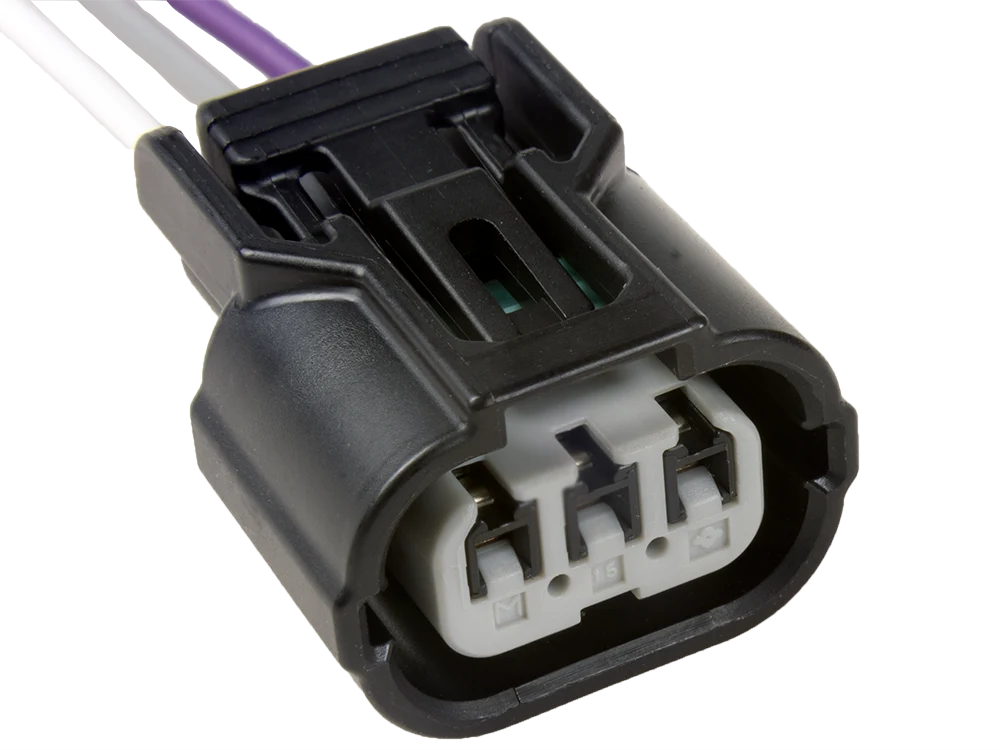
If I had to pick what I see most often with sudden stalls that restart quickly, it is an intermittent crankshaft position sensor (CKP) signal or its wiring. The CKP sensor tells the engine computer where the crankshaft is. If the computer loses that signal, it does not know when to fire the coils or injectors, so the engine can shut off instantly.
Typical symptoms
- Stall is sudden, not a long sputter.
- Tachometer may drop to zero right away.
- Often worse when hot, then restarts after a brief cool down.
- May set codes like P0335 (crank sensor circuit) or a manufacturer specific equivalent, but not always.
How to tell it apart
- Restart timing: Many CKP sensors fail with heat soak. The engine dies, you coast, and within 30 seconds to a couple minutes it restarts. Some dropouts are so quick it restarts almost immediately.
- Driving feel: It usually feels like the key was turned off, not like it ran out of gas.
What to check
- Scan for codes, including pending codes and freeze frame data.
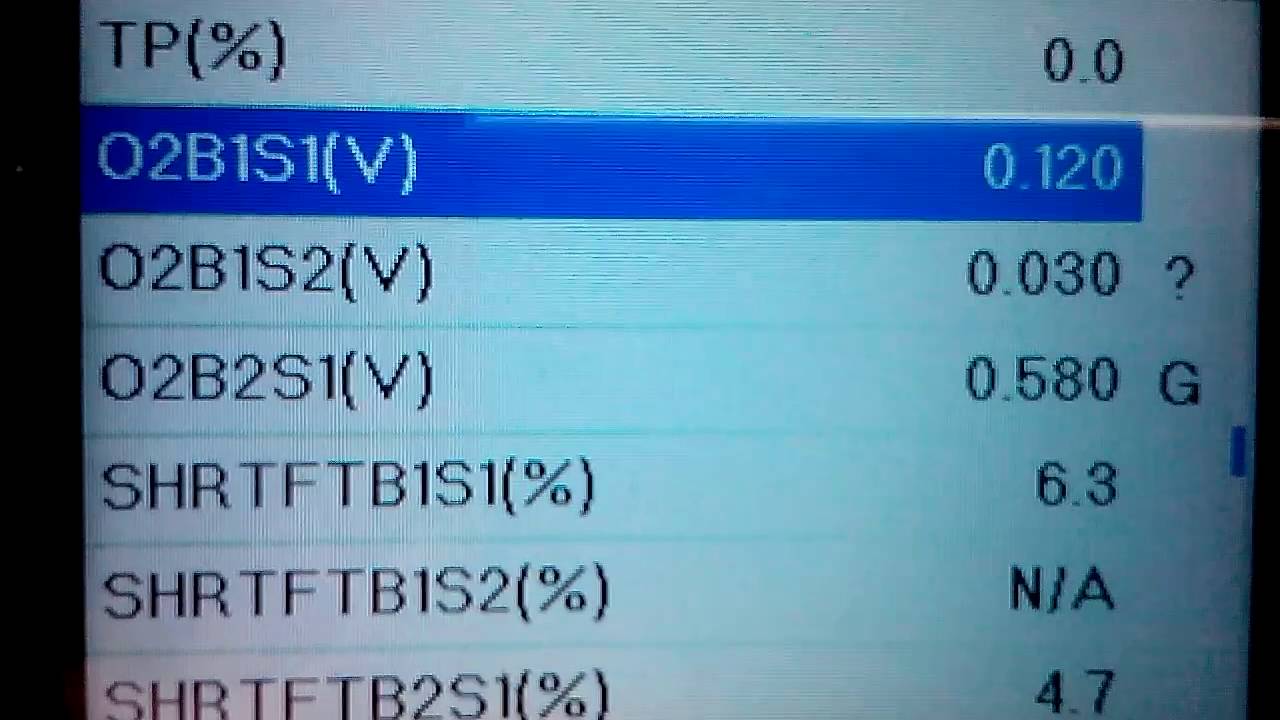
- Look at live data if you have a scan tool that shows engine RPM while cranking. If the engine is cranking but the scan tool shows 0 RPM, that is a strong hint the CKP signal is missing. Caveat: on a few vehicles RPM may be derived differently, some scan tools lag, and a communication issue can also mislead you, so treat it as a clue, not a verdict.
- Inspect wiring and connector at the sensor. Look for oil saturation, rubbed insulation, broken clips, and wiring stretched tight.
Mechanic note from the real world: I have fixed more than a few of these with wiring repair, not a sensor. A harness that is chafed near the crank pulley or touching an exhaust shield can cut signal for a split second, then reconnect.
2) Ignition module or coil control cuts out
Older distributor ignition systems and many early coil pack setups use an ignition control module (ICM) to switch coil current. Newer cars often have the switching built into each coil or the ECU, but the failure pattern can look similar: the ignition quits when hot, then works again after a short rest.
Typical symptoms
- Stall may be sudden.
- Often occurs after a heat soak event: long drive, then slow traffic, then stall.
- Restart can be immediate or after a short cool down.
- May misfire or run rough briefly before it dies, but not always.
How to separate it from a crank sensor issue
- Misfire history: If you have weeks of misfire codes (P0300 to P030x) and then it starts stalling, ignition hardware climbs the suspect list.
- RPM signal vs spark output: A CKP dropout often kills RPM data. An ignition module or coil control failure may still show RPM while cranking, but you get no spark output.
What to check
- Scan for misfire counts and related codes.
- Check coil connectors for loose pins, corrosion, and oil in plug wells.
- If the vehicle uses a separate ignition module, verify its ground and mounting surface. Heat related failures can worsen when the module loses proper heat transfer.
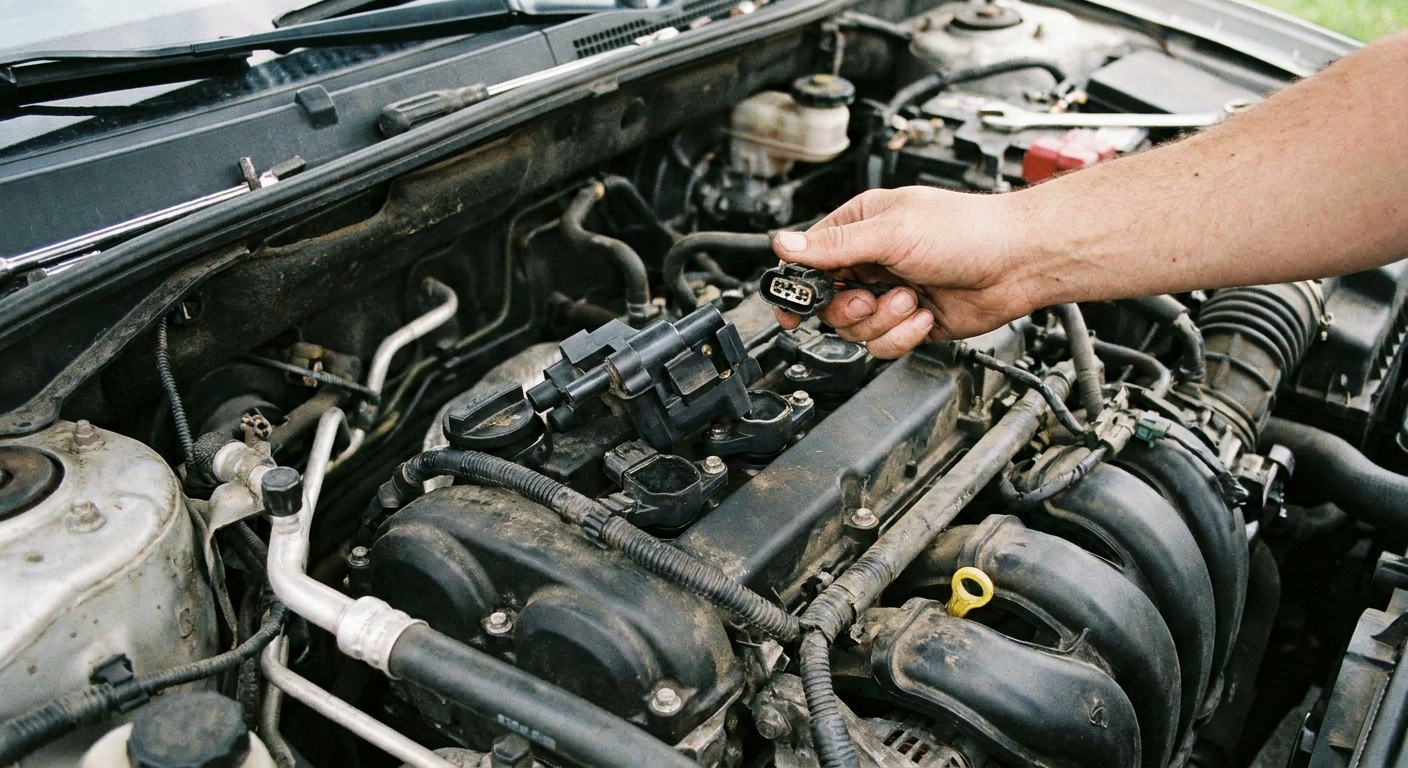
If your stall is heat-related and the car restarts after a minute, do not be surprised if it refuses to act up at the shop. Capturing data during the event is everything, which is where a scan tool with recording, or even a helper watching the tach and dash lights, can be useful.
3) Fuel pump quits briefly or loses power
A fuel pump that is truly dying can cause a stall, but the key word here is briefly. A weak pump usually shows up as long cranks, loss of power under load, lean codes, or stalling that takes longer to restart. The quick restart pattern can still happen if the pump has an intermittent internal failure, or if the pump power supply drops out for a moment.
Typical symptoms
- May feel like a surge or sputter before it dies, especially under acceleration.
- More likely at highway speed or uphill load.
- Sometimes tied to bumps if there is a failing relay, corroded connector, or loose ground.
- May store lean codes like P0171/P0174 or fuel pressure related codes on some vehicles.
Pump vs pump electrical
In practice, I split this into two paths:
- Pump mechanical failure: worn pump, overheating pump, plugged strainer, restricted fuel filter (if serviceable). These tend to get worse and restart might require more cranking.
- Electrical dropout: failing fuel pump relay, overheating relay, bad fuse contact, failing ignition switch output, loose ground near the tank, harness rub. These can cut out cleanly and come back quickly.
What to check
- Listen for the pump prime when you turn the key to ON (not all cars make it easy to hear).
- If you have access, do a fuel pressure test and try to catch the fault. For safety, use the correct adapter at the fuel rail or test port with proper fuel-rated hose and keep the gauge out of the cabin, or have a shop test it with an electronic pressure transducer they can log on a drive.
- Check the fuel pump relay and fuse for heat damage, loose terminals, or corrosion. Swapping with an identical relay in the fuse box can be a quick test on some cars.
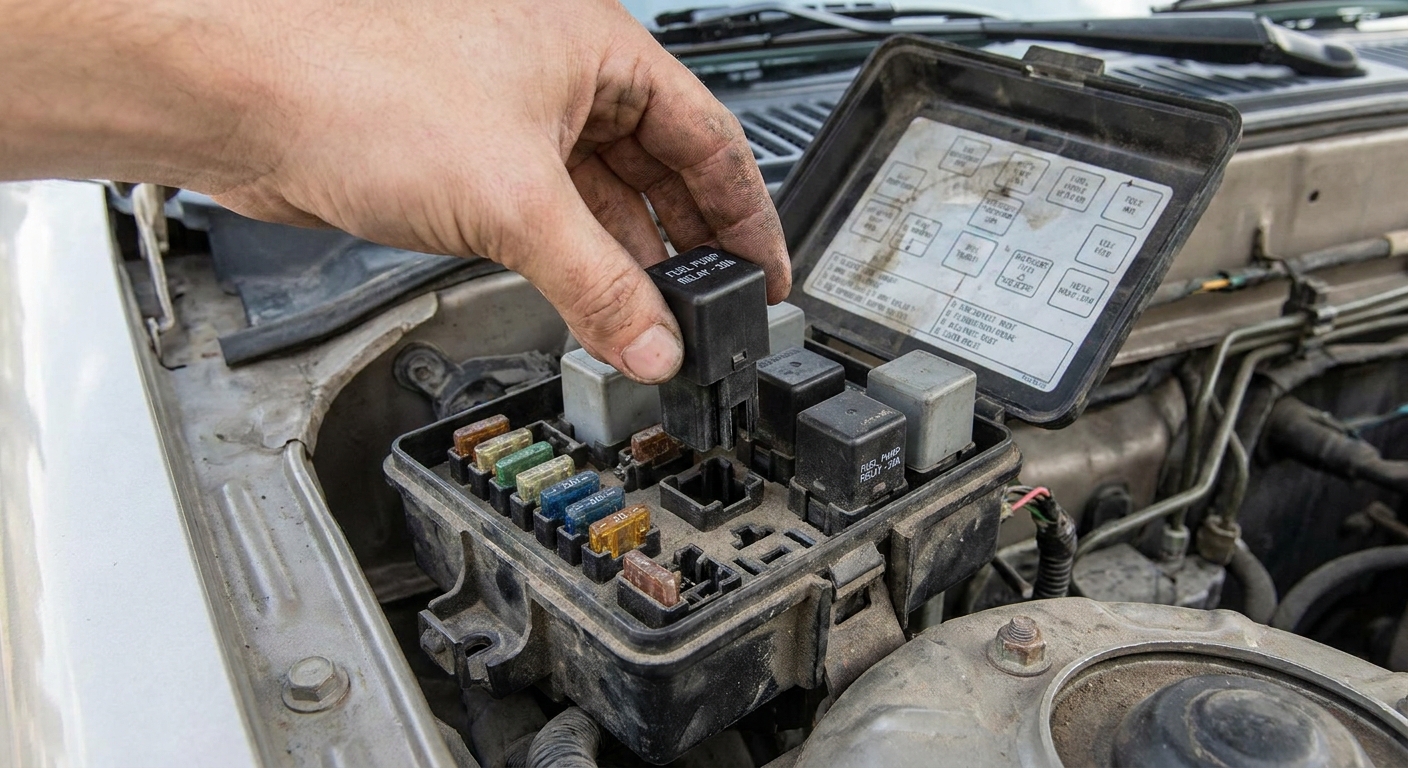
Quick reality check: If your car stalls and then restarts in two seconds without extra cranking, a totally worn out pump is less likely than an electrical interruption to the pump, a main relay dropout, or a sensor signal glitch.
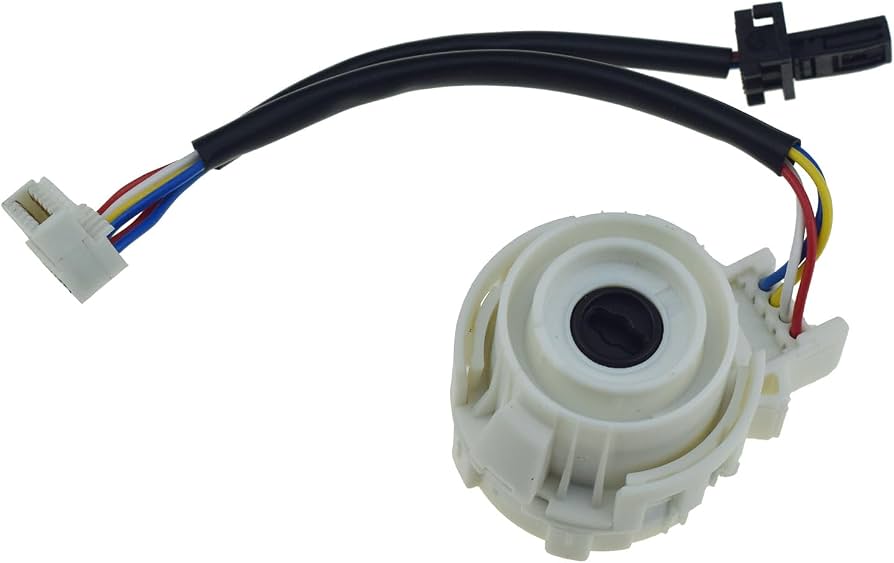
4) Main relay, ignition switch, or ECU power dropout
This is the category that most closely mimics someone turning the key off and back on. A worn ignition switch, a flaky main relay (also called EFI relay, ECM relay, PGM-FI main relay, ASD relay on some makes), a loose battery connection, or a bad fuse box connection can cut power to the ECU, coils, injectors, or fuel pump for a split second.
Typical symptoms
- Stall is instant, no sputter.
- Dash may flicker, go dark, or reset (clock and radio presets can be a clue).
- May happen more over bumps or when you move the key slightly.
- May not set a helpful check engine code because the computer lost power.
What to check
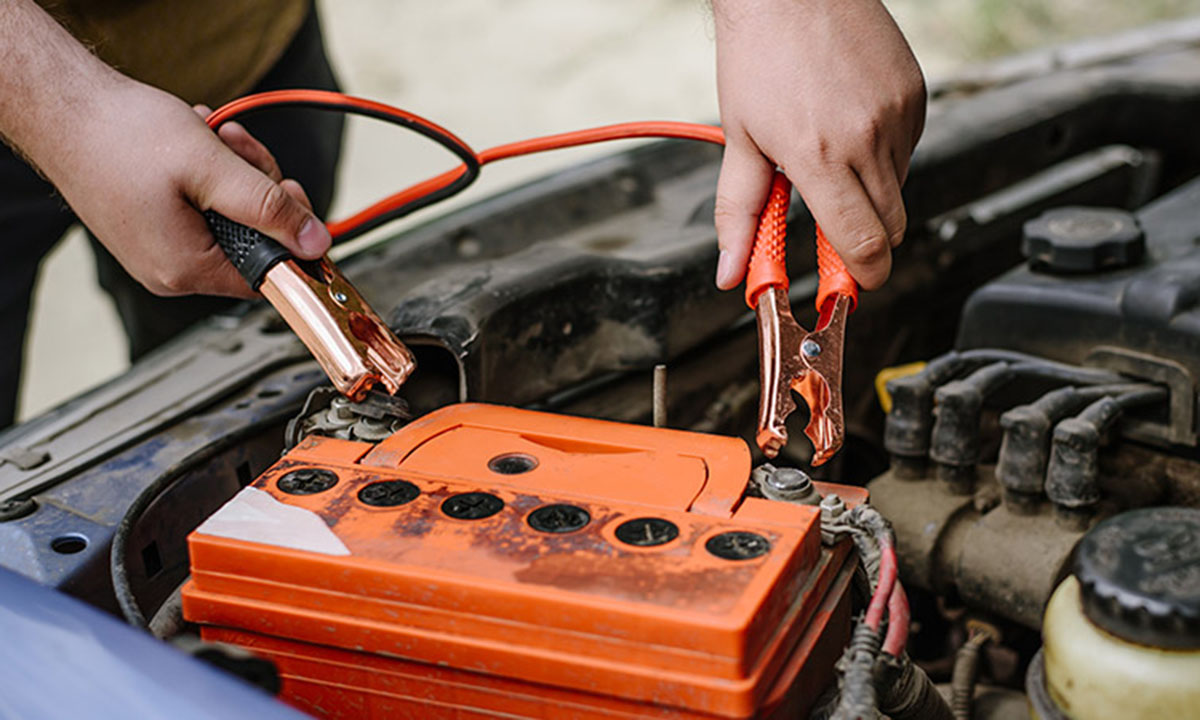
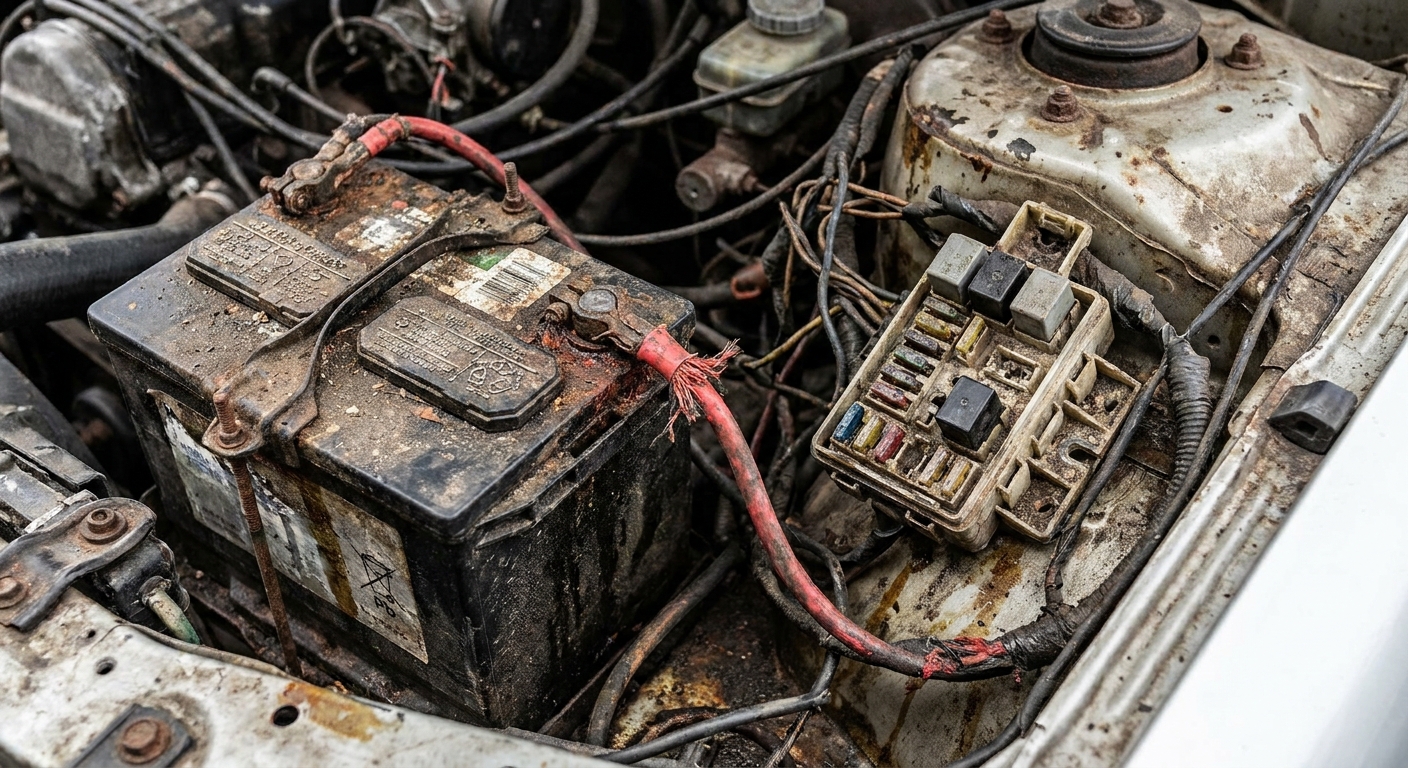
- Check battery terminals for tightness and hidden corrosion. Do not ignore the negative cable where it bolts to the body and engine.
- Inspect underhood fuse box for heat marks, loose fuses, and any melted plastic around high-current connections.
- If your model is known for a failing main relay, do not be shocked if the fault is heat-related and intermittent.
5) Cam sensor and security issues
These are not always the top three, but they are common enough that I want them on your radar.
Camshaft position sensor
A camshaft position sensor (CMP) problem can cause stalling or a no-start depending on the vehicle. Some engines can limp along with a bad cam signal, others cannot. If you see codes like P0340 and friends, treat it like you would a crank sensor issue: inspect wiring, connector, and confirm with data instead of guessing.
Immobilizer or security
Security problems usually look like a start and die rather than a stall at 60 mph, but I have seen oddball cases. If the security light is flashing, you have key or immobilizer clues in the dash messages, or you have security related codes, that is a different direction than fuel or ignition parts.
What I would do in the driveway
You can do a lot without buying parts. Here is a simple, practical order that keeps you from guessing.
1) Scan it, even if the check engine light is off
- Pull stored codes and pending codes.
- Look at freeze frame if you have it. It can tell you coolant temp and speed at the time of the fault.
2) Watch RPM on live data during crank
If it ever stalls and then has even a brief crank before restart, check whether the scan tool shows RPM. No RPM pushes you toward crank signal problems, but keep the earlier caveat in mind. RPM present pushes you toward spark output, power feed, or fuel delivery.
3) Do a quick wiring sanity check
- Battery terminals tight and clean.
- Main engine grounds secure.
- Harnesses near the crank pulley, alternator, and exhaust not rubbing or melted.
- Relays and fuses seated firmly, especially main and fuel pump relays.
4) Note the conditions when it happens
Heat-related stalls point toward sensors, modules, and relays. Bump-related stalls point toward electrical connections. High load stalls point toward fuel delivery.
Problems that look similar
Not every stall fits the quick restart pattern. Here is how to know you are in a different category.
Stalls and then cranks but will not restart
If it stalls while driving and then it just cranks and cranks without firing, that is a different failure pattern. That scenario more often involves a fuel pump that quit and stayed quit, a major ignition failure that does not recover, a timing issue, or in some vehicles an immobilizer problem. It needs a different diagnostic flow because you have a no-start on your hands, not a momentary dropout.
Starts and dies right away
If the car starts normally and then immediately dies in the driveway, that can be throttle body airflow issues, idle control problems, severe vacuum leaks, or security related shut-down on some models.
Stalls right after fueling
If the stall happens right after you fill up, put the EVAP purge valve on the suspect list. A purge valve stuck open can dump fuel vapor into the intake at the wrong time and create a temporary too-rich or too-lean condition, especially during the first minute or two of driving after fueling.
When to stop driving and call for help
Intermittent stalls are not just annoying, they can be dangerous. I recommend towing instead of driving if:
- The car stalls more than once in a single trip.
- You lose power steering or power brakes when it happens and cannot control it safely.
- The stall happens during turns, merges, or at highway speeds.
- You smell fuel, see smoke, or notice electrical burning odor.
- The dash goes dark or you see signs of charging system failure.
FAQ
Can bad gas cause a stall that restarts quickly?
It can, but it is not my first pick for a clean shutoff and instant restart. Bad fuel more often causes rough running, hesitation, and repeated stumbles. If the problem started immediately after fueling, it is worth considering, especially if water got into the tank.
Will a failing alternator cause stalling while driving?
Yes. A charging failure can stall the car once system voltage drops far enough that modules and the ECU cannot stay online. It usually is not a clean on-off stall with an immediate restart, though. More often you will see the battery light on while driving, dimming or flickering lights, warning messages, and then a no-start or random electronic issues as voltage gets unstable.
Why does it stall more when the engine is hot?
Heat changes electrical resistance and can aggravate weak sensors, modules, relays, and cracked solder joints. That is why crank sensors, ignition modules, and some relays are famous for failing hot and working again after a short cool down.
What is the most common fix?
It depends on the vehicle, but the most common root causes I see are crank sensor signal issues (sensor or wiring), main relay or power feed dropouts, and electrical interruptions feeding ignition or the fuel pump. The right fix comes from confirming the failure with codes, live data, and a careful wiring inspection.
If you tell me three details, I can narrow it down fast
If you want a more targeted answer, share:
- Year, make, model, engine (and whether it is gas or diesel)
- Whether the stall is sudden or a sputter
- Whether the tach drops instantly, whether the dash resets, and any codes you pulled
That combo usually points us toward crank signal, ignition switching, ECU power, or fuel delivery within a few minutes.