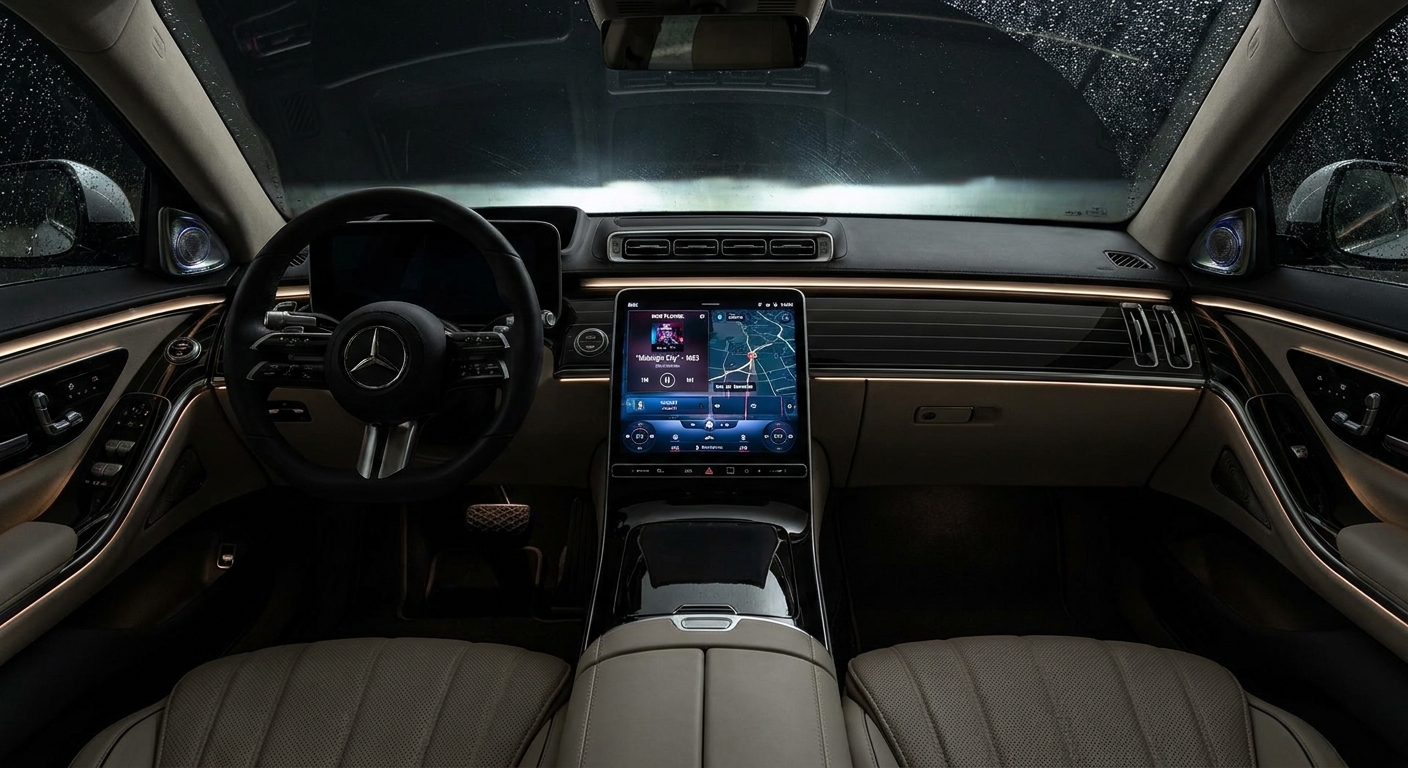
I have had customers describe this exact thing in the shop: you are cruising straight down the road, everything is normal, and then the dash and radio blink off for a split second like someone flicked a switch. No turn involved, no big bump, just a quick blackout and then it is back like nothing happened.
That little blink is a clue. When multiple electronics drop at once, the car is briefly losing a main feed, an ignition feed, or system voltage. The trick is figuring out which one before it turns into a stall, a no start, or charging system damage from a chronic bad connection.

Is it dangerous?
Sometimes it is just annoying. Sometimes it is your warning shot.
- Pull over soon if the engine hiccups, steering gets heavy, warning lights flicker randomly, or the dash goes dark longer than a second.
- Stop driving immediately if it stalls in traffic, the headlights also dim hard, you smell hot electrical plastic, or you see smoke.
- If it is brief and rare and the engine never misses, you can usually limp it home, but you should still diagnose it quickly. Intermittent power faults tend to get worse.
What a one second blackout means
If the cluster and radio blink off together and then instantly return, you are most often looking at one of these buckets:
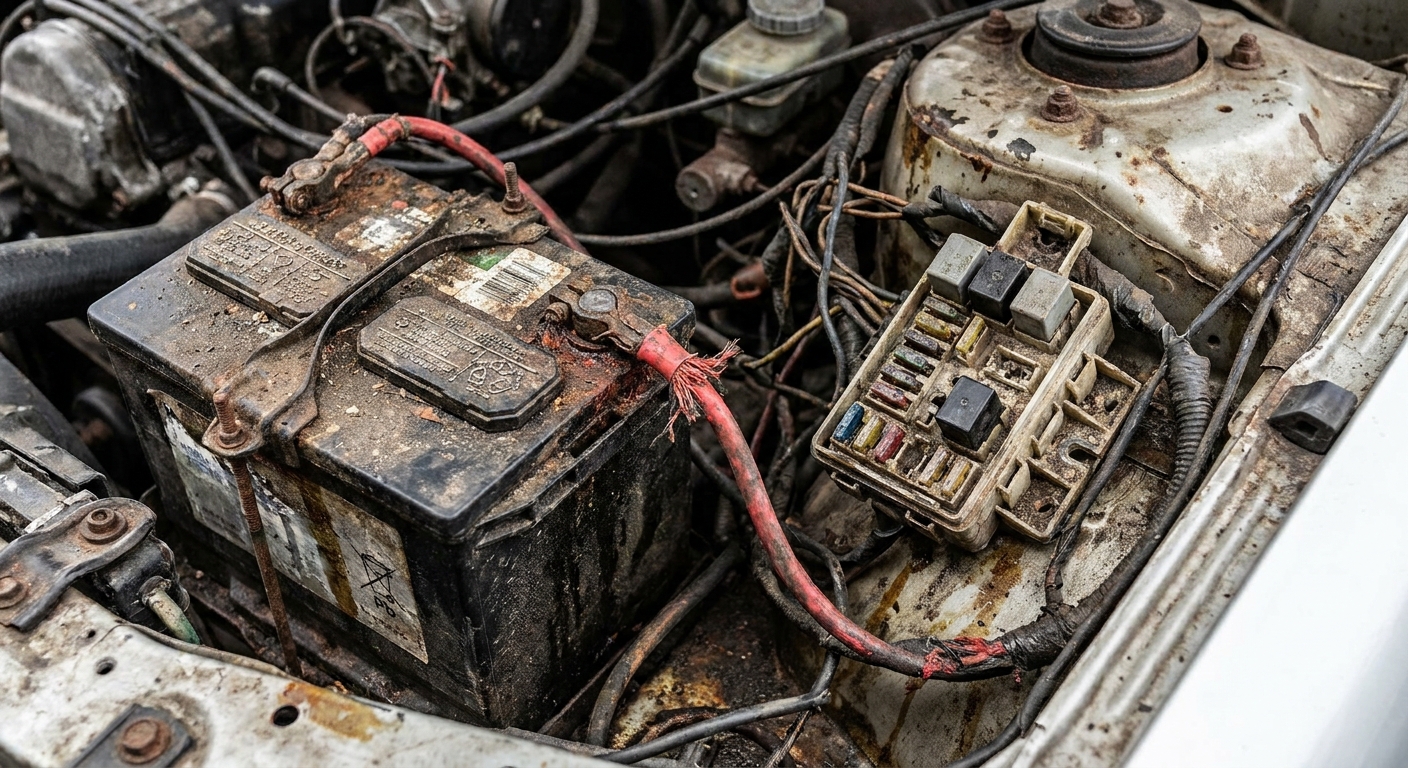
- Loose or high resistance connection at the battery (battery clamps, terminals, hidden corrosion, or ground cable).
- Intermittent ignition switch or run circuit feed (power to the “run” circuit drops out for a moment).
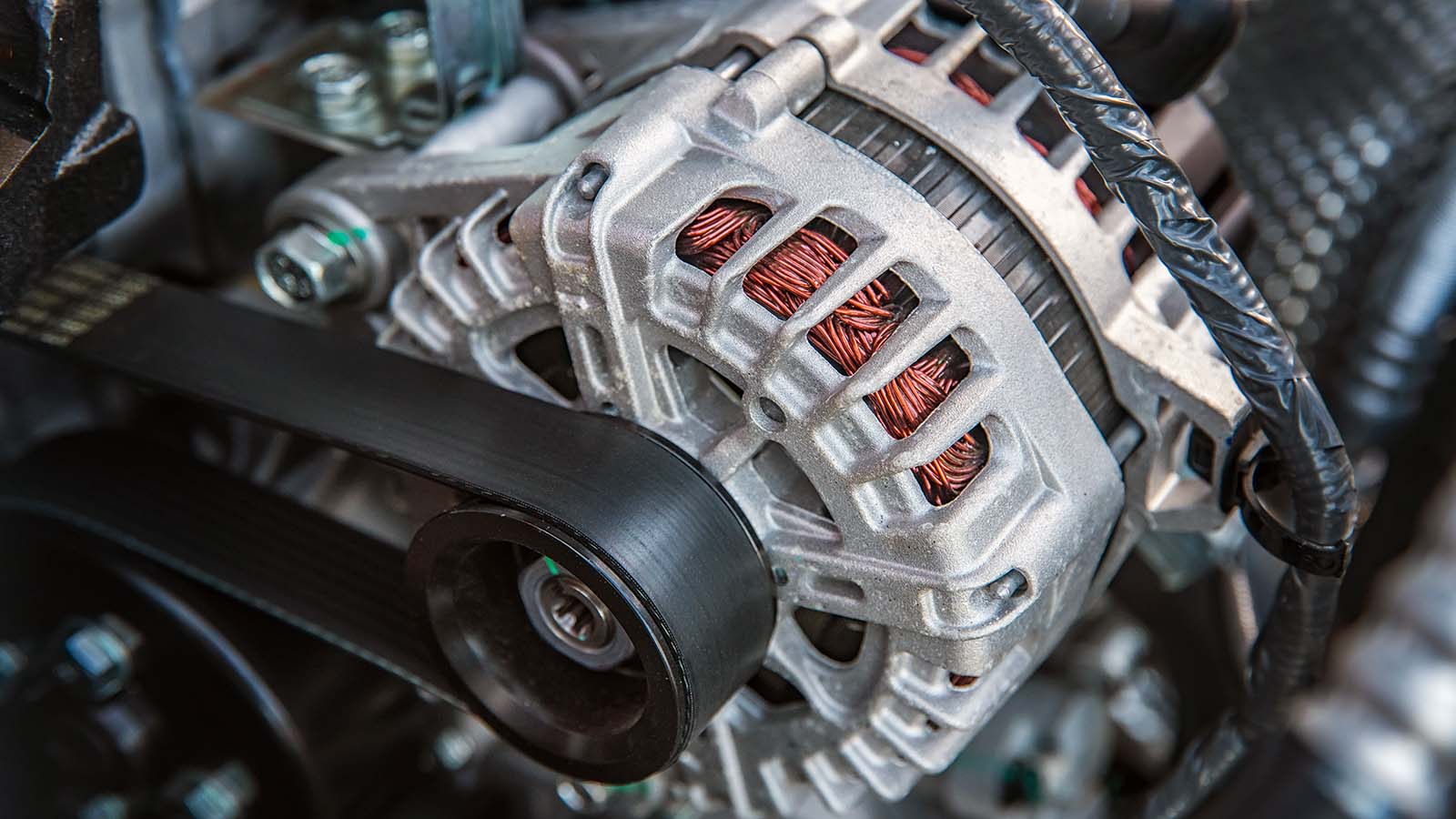
- Charging system voltage event (alternator, voltage regulator, smart charging behavior, or belt related, usually with other symptoms).
- Power distribution issue (main fuse, fusible link, relay, or junction block connection).
- Less common: a module reboot from low voltage, water intrusion at a connector, or a failing body control module.
- Also common in the real world: aftermarket wiring (remote start, alarm, amp, stereo work) interrupting an accessory or ignition feed.
The fact that it happens while driving straight matters, because it helps separate these from issues that happen only while turning the steering wheel, which are more often related to steering column harness movement, ignition switch actuator wear, or a marginal charging system getting loaded by electric power steering.
First: what went dark?
On some vehicles, the “dash went dark” means only the backlighting dimmed. On others, the entire cluster lost power and rebooted. Your next steps depend on which one you have.
Quick things to notice next time
- Did the engine stumble? If the engine never flinches, it may be a cluster or accessory feed issue. If it stumbles, think ignition feed or total voltage drop.
- Did the headlights dim too? If yes, suspect system voltage or a main connection. If no, it could be isolated to interior electronics.
- Did the clock/radio presets reset? A reset suggests the circuit lost power long enough to reboot.
- Any warning lights afterward? An ABS, battery, or power steering light can hint at low voltage events.
- Any stored codes? Even if everything looks normal now, a quick scan can reveal low-voltage codes or U-codes (communication codes) that confirm the car saw a voltage drop.
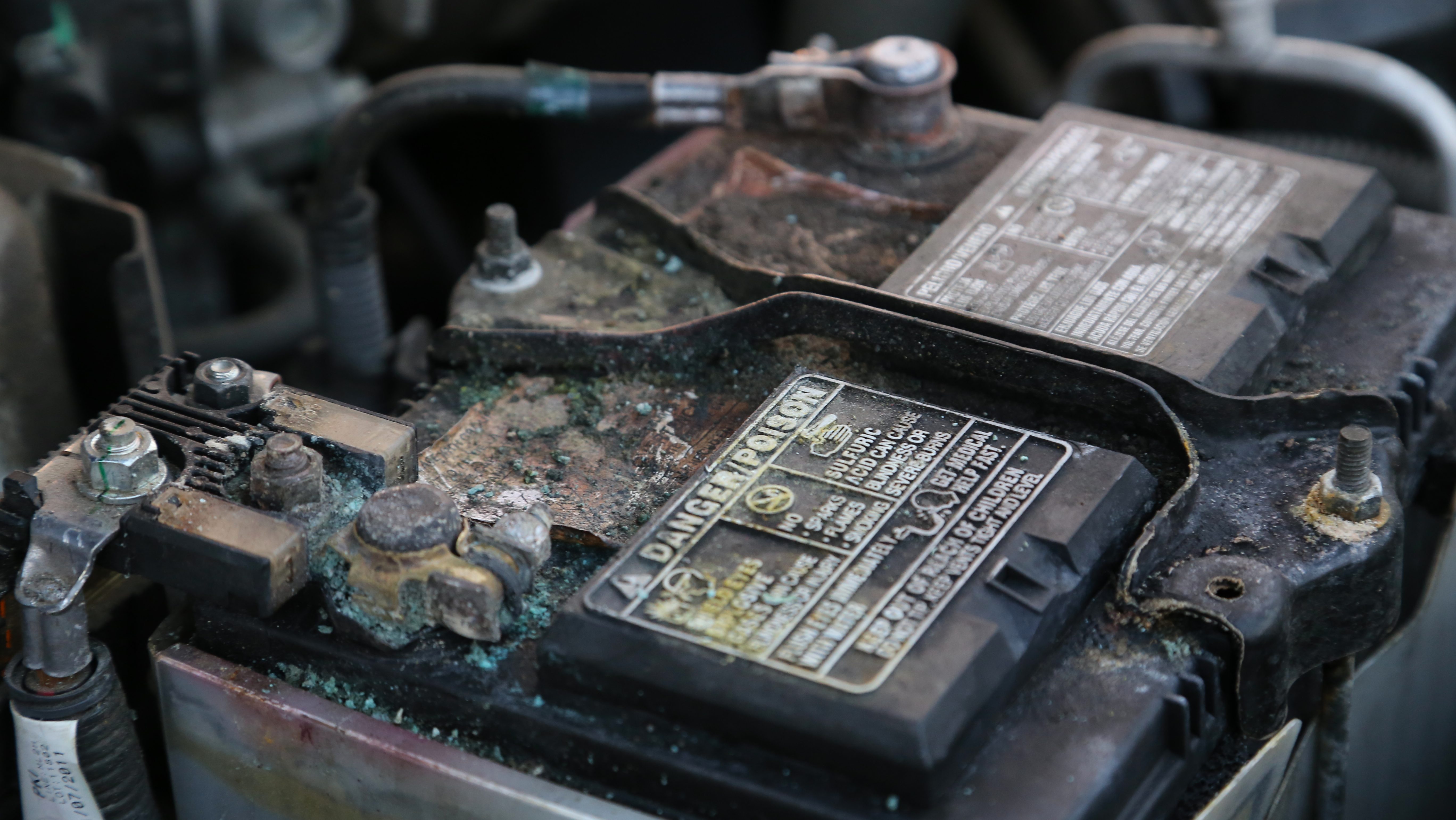
Most common: battery clamps and terminals
If I had to pick one “simple” culprit that causes a brief, random blackout, it is a battery connection that is physically present but not electrically solid.
A clamp can feel tight yet still be making poor contact due to:
- Corrosion between the terminal and clamp
- A clamp that bottoms out before it truly tightens
- Aftermarket battery posts that are slightly different size
- A cracked battery terminal end
- A loose negative cable where it bolts to the chassis or engine
What you can check safely
- With the engine off, try to rotate each battery clamp by hand. You should not be able to twist it.
- Inspect for white/green crust at the connection, or dampness around the terminal.
- Follow the negative cable to where it bolts to the body and engine. Make sure those fasteners are tight and the metal is not rusty or oily.
If anything looks suspect, cleaning and properly tightening the terminals fixes a surprising number of “one second blackout” complaints.
Do not ignore ground straps
I am calling this out because it gets missed: the engine-to-body ground strap (and any braided straps) can cause exactly the kind of momentary drop that makes modules blink or reboot.
If the strap is loose, corroded, or hanging by a few strands, a little vibration can be enough to open the circuit for a split second. Then it makes contact again and the car acts normal.
Next: ignition switch or run feed
If the car acts like someone briefly turned the key off and on, the ignition switch or the ignition run circuit is high on the list. Modern cars do not always have a simple mechanical switch, but the idea is the same: the electronics that stay alive in “RUN” lose feed for an instant.
Clues that point to ignition feed
- The blackout happens on smooth roads, not just bumps
- You sometimes lose cluster, radio, and HVAC together
- The engine may hesitate or momentarily cut
- Moving the key or column can sometimes correlate with it (do not test this in traffic)
On push button start vehicles, the issue can be the ignition relay, a junction block connection, or a body control module feed rather than a traditional key cylinder.
One more thing I always ask in the shop: has anyone installed a remote start, alarm, dash cam hardwire kit, or stereo gear? Those installs are notorious for tapping ignition and accessory circuits, and a loose splice can create a perfect “blink” symptom.
Charging system issues
A failing alternator can absolutely cause electronics to flicker, but it typically comes with other tells: dimming lights, a battery warning, odd transmission behavior on some cars, or problems restarting after a short stop.
What voltage should look like
- On many conventional charging systems, the alternator often holds roughly 13.5 to 14.8 volts at the battery.
- On many late-model vehicles with ECU-controlled “smart charging,” voltage can legitimately run lower at times (high 12s to low 13s) and vary with temperature, battery state of charge, and load.
- If voltage dips low enough, modules can reboot. The cluster is often one of the first things you notice.
- If voltage spikes high due to a regulator issue, modules can glitch, bulbs can blow, and you can get a “Christmas tree” of warnings.
Easy driveway tests
Basic meter checks can help, but be smart about safety. Keep hands, leads, jewelry, and loose clothing away from belts and fans with the engine running. If you are not comfortable, skip this part and have a shop check it.
- Battery voltage engine off: around 12.6V fully charged after the car has been sitting. About 12.2V is an approximate “around half charged” rule of thumb, but temperature and surface charge can skew it.
- Charging voltage idling: commonly mid 13s to mid 14s on many cars, but smart-charging vehicles may vary.
- Loaded test: turn on headlights, rear defroster, blower fan. Voltage should stay reasonably steady and recover, not sag into the 12s and live there.
If you see unstable voltage that jumps around, or charging voltage that is consistently low for the conditions, get the charging system tested. Many parts stores can do a basic test, but intermittent faults are easier to catch with a shop that can log data while driving.
Power distribution problems
When battery connections and grounds are good, the next place I look is where the car distributes power: underhood fuse box, main fuses, fusible links, and high current connections.
A slightly loose main fuse bolt, a heat damaged connection, or a relay with worn contacts can open for a split second and then reconnect.
Signs it might be distribution
- Intermittent power loss that is more common when the engine bay is hot
- Random electrical features drop out together
- Evidence of melting, discoloration, or a burnt smell near the fuse box
This is one of those areas where a careful visual inspection can save a lot of guesswork. If you see heat damage, do not ignore it.
If it happens only when turning
If your dash goes dark only when you turn the steering wheel, that points you toward a different set of suspects, because turning physically moves parts in the steering column and can load the electrical system differently.
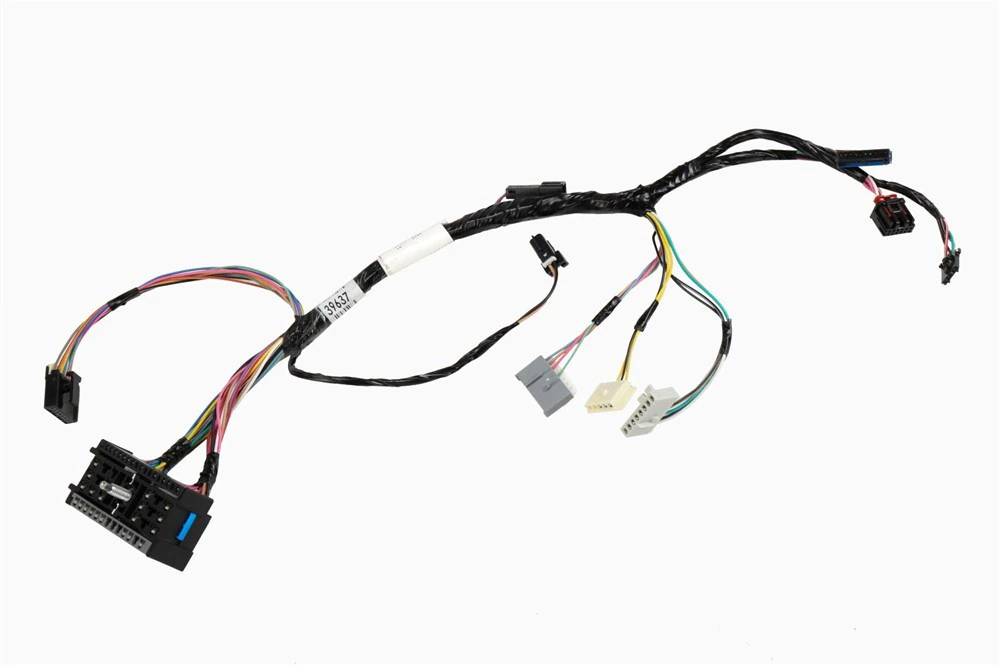
- Steering column harness movement can tug on a weak connector or rubbed-through wire.
- Ignition switch actuator wear on some columns can be sensitive to wheel or column movement.
- Electric power steering load can reveal a weak battery, alternator, or main connection, but the “only when turning” pattern is the big clue.
- Clockspring issues usually show up as horn, airbag, or steering-wheel control problems. It is not my first suspect for a whole cluster and radio blackout by itself.
Since your symptom happens while driving straight, start with connections, ignition feed integrity, and charging stability before chasing steering column parts.
Step by step plan
This is what I would do in my own driveway.
- Check battery clamps for movement and inspect for corrosion. Clean and tighten if needed.
- Inspect grounds: battery negative to body, body to engine, and any braided ground straps. Look for looseness, green corrosion, or broken strands.
- Look for aftermarket wiring: remote start, alarm, amp wiring, stereo harness adapters, add-a-fuse taps. If the symptom started after an install, that is not a coincidence.
- Watch for pattern: does it happen with bumps, heat soak, rain, or after hitting the brakes? Write it down.
- Scan for stored codes, even if the dash came back. Low-voltage and communication codes can confirm what your eyes saw for one second.
- Measure charging voltage at idle and with loads on, keeping clear of belts and fans. If it is unstable, address charging system and belt condition.
- Check fuse box connections if you are comfortable: look for heat damage and make sure high current fuses and main connections are secure.
- If still unresolved, have a shop perform a voltage drop test and drive with a scan tool logging system voltage and ignition status PID data.
When to get help
Intermittent electrical faults can turn into time sinks fast. I would hand it off to a trusted shop if:
- The car stalls or loses power steering assist
- The battery light comes on regularly
- You have repeated resets of the radio clock or trip odometer
- You see heat damage in a fuse box or smell burning
- You cleaned and tightened the battery and grounds and the problem persists
Ask for a voltage drop test on the main power and ground paths and a check of the ignition switch or ignition relay operation. Also ask them to scan for low-voltage and communication codes. Those steps catch problems that a simple alternator bench test can miss.
FAQ
Can a bad battery cause a one second dash blackout while driving?
Yes, especially if an internal battery connection is failing or the terminals are poor. But more often the battery is the victim and the real issue is loose clamps, bad grounds, or a charging problem.
Why does it come right back on like nothing happened?
If the circuit opens briefly and then reconnects, electronics will either flicker or reboot. A loose connection can behave exactly like a light switch you barely tapped.
Could this be the instrument cluster itself failing?
It can be, but I treat the cluster as suspect only after I verify power, ground, and charging stability. Clusters fail, but main feeds and grounds fail more.
If only the cluster goes dark but the radio keeps playing, is that the same problem?
Not usually. If the radio truly never cuts out, that points more toward a cluster power, ground, or internal cluster issue rather than a total ignition feed loss.
The takeaway
A dash and radio blink while driving is most often an intermittent power or ground connection problem, or an ignition run feed that drops out for a moment. Start simple: battery clamps, terminals, and ground straps. Then confirm charging voltage is behaving normally for your vehicle. If the engine ever stumbles or the event becomes more frequent, treat it as urgent. Electrical problems rarely heal themselves.
If you want, tell me your year, make, model, and whether the engine ever hiccups when the dash goes dark. That single detail narrows the suspect list a lot.