I have seen this one throw even experienced DIYers: you hop in, the radio powers up like nothing is wrong, but the instrument cluster is dark. No speedometer. No tach. Sometimes no warning lights at key-on. Other times the gauges still work, but the backlighting is out at night, so it looks dead until daylight.
The good news is this is usually not a “whole car has no power” situation. More often, it is split power, meaning one circuit has power (radio, dome lights, maybe the infotainment) while another circuit (cluster illumination, cluster logic power, or an ignition-switched feed) does not. There are exceptions, though, including an internal cluster failure or a network or gateway problem where other accessories still work.
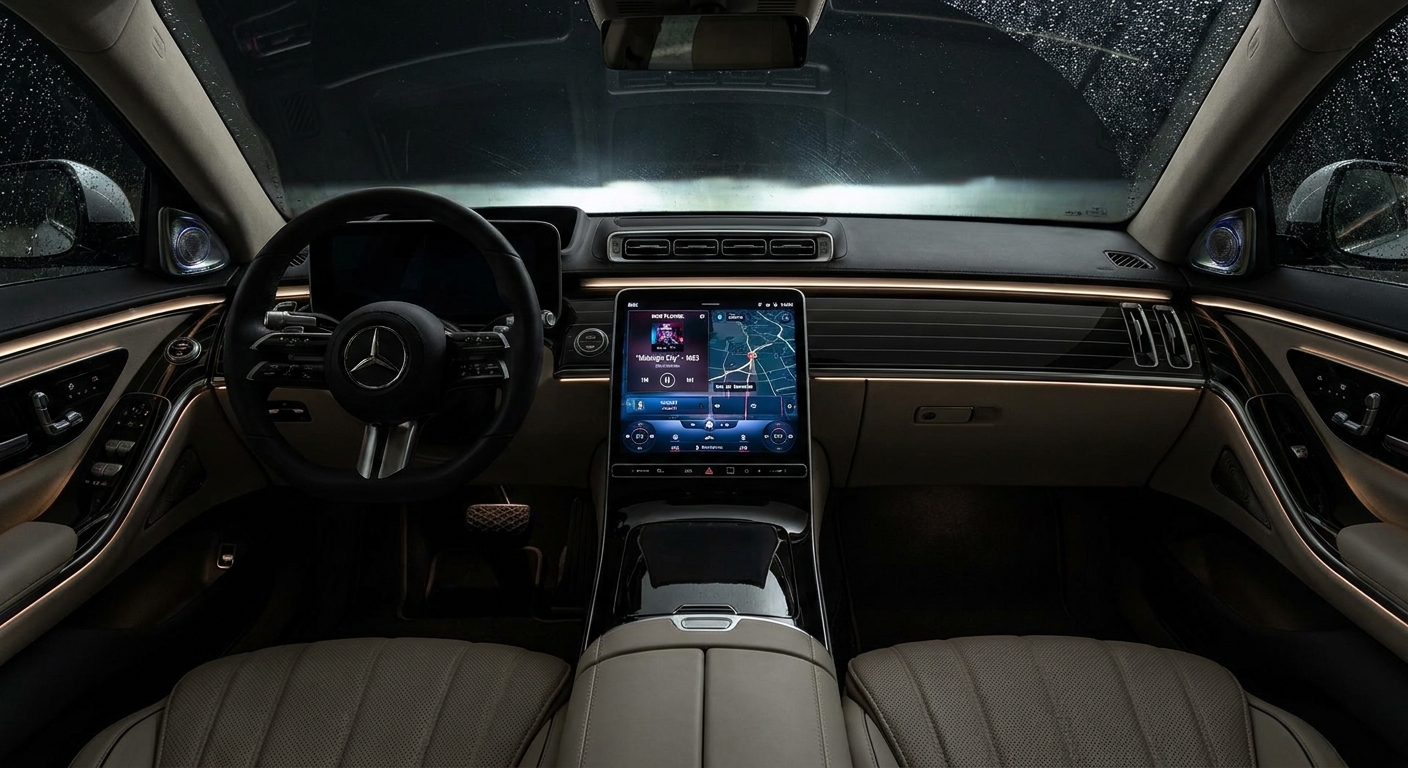
Let’s walk through the most common causes in the order I would check them in the bay.
First: confirm what is and is not working
Before you grab tools, take 60 seconds to note what is alive. This helps you choose the right path.
- Does the radio work in ACC and in ON? Some cars also have retained accessory power, where the radio stays on briefly after key-off until a door opens.
- Do the cluster warning lights come on at key-on? Most cars briefly light up icons (ABS, battery, oil, check engine). If none appear, the cluster may be unpowered, not waking up, or not communicating.
- Do the backlights work at night? You might have working gauges but no illumination.
- Do other interior lights work? Dome light, map lights, shifter light, HVAC backlights.
- Does it crank? No crank changes the likely culprits.
Important separation: If the dash is dark and the radio is dead, you are dealing with a more global power issue (battery connection, main fuses, fusible link, etc.). This article is for the opposite situation: the radio works, but the cluster is dark.
Quickest fix: dimmer turned down
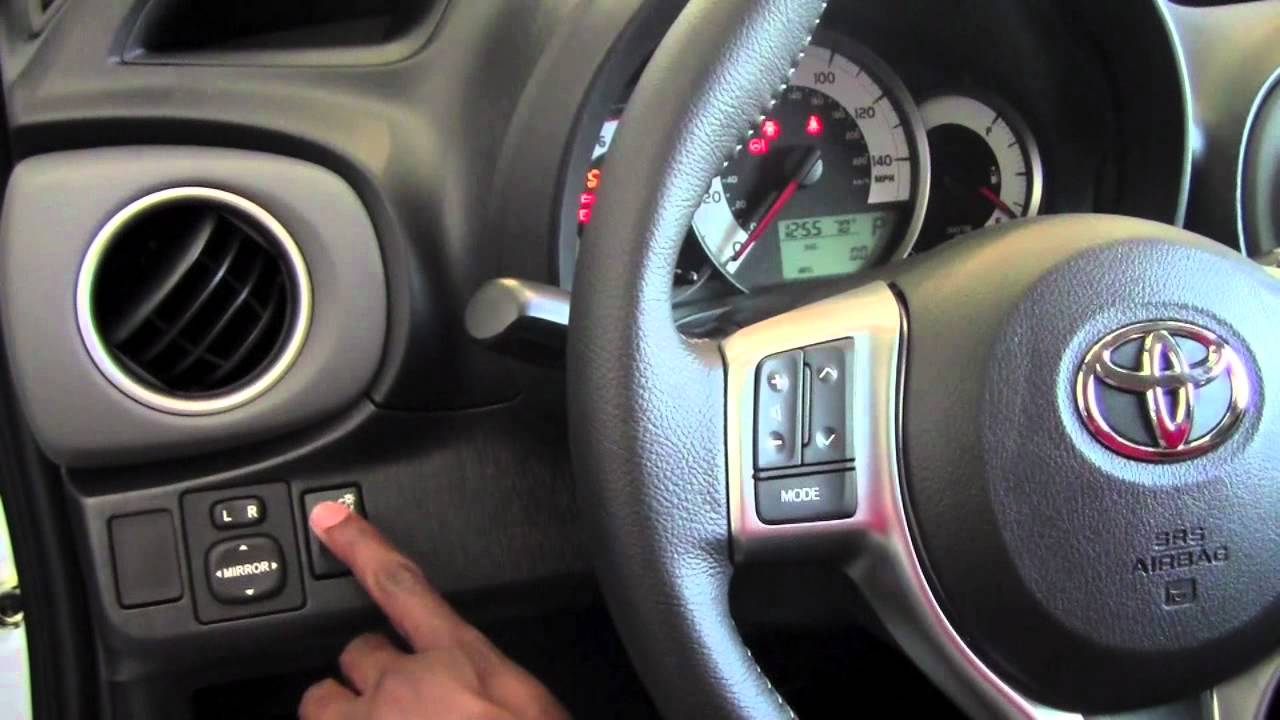
I know this sounds too easy, but I have “fixed” plenty of dark dashboards with nothing more than a finger twist. Many vehicles let you dim the cluster illumination very low and some will dim it all the way off. Some cars also have a separate cluster brightness setting in the infotainment menu.
What to do
- Turn the instrument panel dimmer wheel up and down several times. If it is dirty inside, sweeping it can bring the lights back.
- If your car has automatic headlights, try switching headlights fully on, then fully off, then on again.
- Check the infotainment: look for Display, Illumination, or Interior lighting settings.
Clue: If the cluster is readable in daylight but goes dark at night, this is more likely an illumination or dimmer issue rather than a dead cluster.
Aftermarket add-ons: common culprit
If the issue started after a stereo install, remote start, alarm, dash cam hardwire, trailer wiring, or any “quick splice” work, move this up your suspect list. Aftermarket wiring can blow the ILLUM or IGN fuse, backfeed circuits, or create a parasitic draw that leaves voltage too low for modules to wake up cleanly.
If you find non-factory wiring under the dash, be extra careful about probing random wires. It is easy to pop a module fuse or create a bigger problem.
Blown fuses: radio and cluster fuses differ
Your radio and your instrument cluster rarely share the same fuse. Radios are often powered by a constant battery feed (memory) and an accessory or ignition feed. The cluster usually has its own fuse for ignition power, and sometimes a separate fuse for illumination.
Fuses to check (common names)
Fuse names vary by make, but these are the usual suspects:
- Meter, Cluster, Combination Meter, Gauges
- IGN, IG1, IG2, Run/Start
- Panel, ILLUM, Tail (on some vehicles, illumination ties into the park or tail light circuit)
- BCM (body control module), ETACS, IPDM, Body
How to check them correctly
- Use a test light or multimeter if you can. Looking at a fuse is not always enough because hairline breaks happen.
- Check fuses in both fuse boxes: usually under-dash and under-hood.
- Pay attention to the key position: some fuses only get power in ON or START.
If you find a blown fuse: replace it once. If it blows again immediately, stop and track down the short (often aftermarket stereo wiring, trailer wiring, or a chafed harness behind the dash).
Ignition feed: ACC is not IGN
If the radio works but the cluster is completely dead in ON, I start thinking about the ignition switch circuits. Many vehicles feed the radio through ACC, while the cluster depends on a dedicated IGN output (sometimes IG1 or IG2). When part of the ignition switch or ignition feed fails, you can end up with accessories but no ignition-on power to the cluster and other modules.
Keyed ignition vs push-button
This section applies most directly to vehicles with a physical key and ignition switch. Push-button start systems usually use a start/stop switch plus body module logic and relays, but the symptom can look similar if an IGN relay, brake switch signal, or module wake-up circuit fails.
Symptoms that point to the ignition circuit
- Radio works in ACC, but in ON the dash stays dark and you get odd behavior.
- Intermittent issue, especially with the key wiggled or after years of heavy keychains (keyed systems).
- Car may not crank, or it cranks but there is no fuel or spark because modules are not waking up.
DIY checks you can do
- Try a second key if available (mostly helpful on keyed ignitions with worn keys or lock cylinders).
- With the car safely in Park or Neutral, gently rotate the key between ON and START while watching for cluster flicker (keyed systems).
- If you have a multimeter and a wiring diagram for your vehicle, check for 12V on the cluster ignition feed with the key in ON.
Pro tip from the shop: If the cluster wakes up when you slightly pull the key back from START toward ON, that is a classic hint that the switch contacts are worn.
Ground problems: cluster is picky
The instrument cluster can be picky about grounds. A corroded ground point can cause a cluster to go dark, reset randomly, or only partially work. Meanwhile, the radio might still function because it is grounded elsewhere or is less sensitive.
Common ground trouble spots
- Ground lugs under the dash near the steering column or kick panel
- Body ground strap from battery negative to fender
- Engine to chassis ground strap
What you can do safely
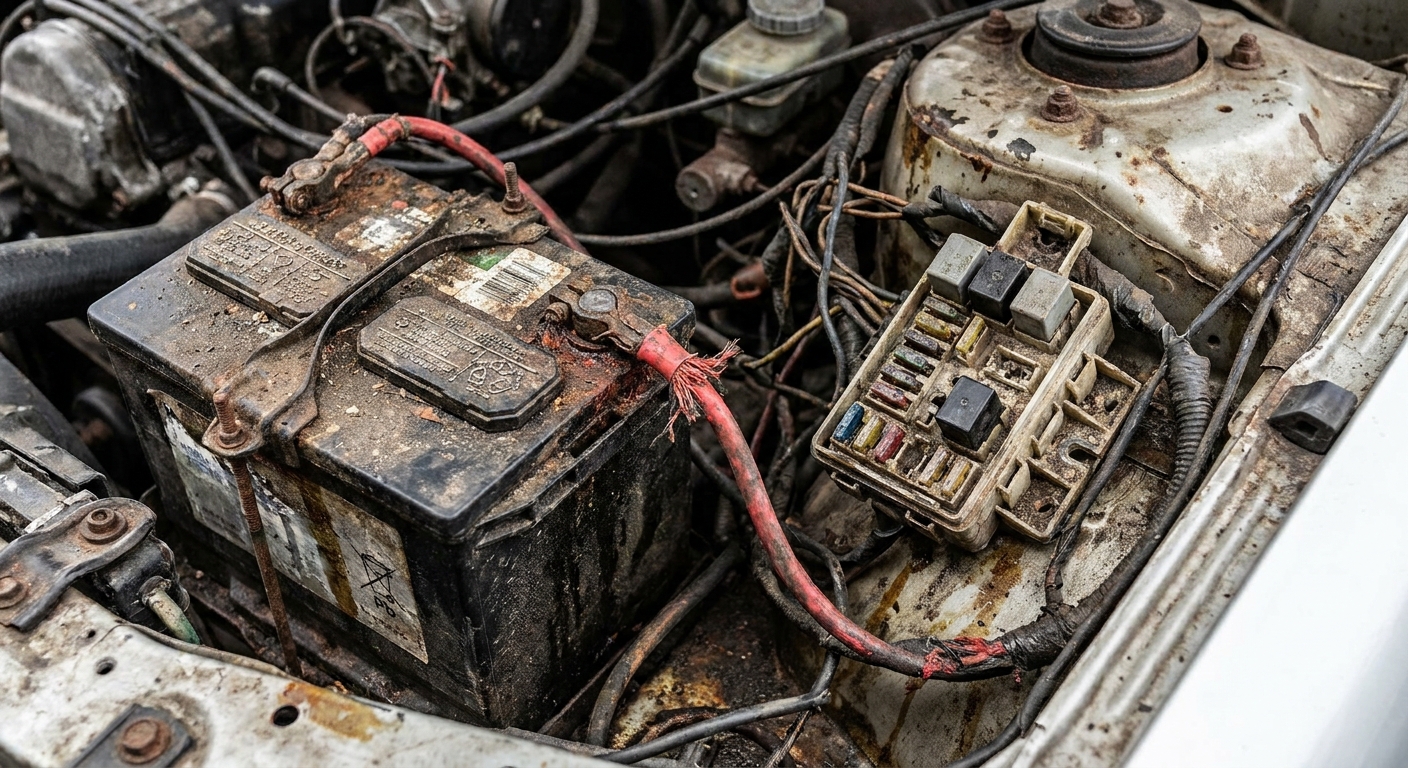
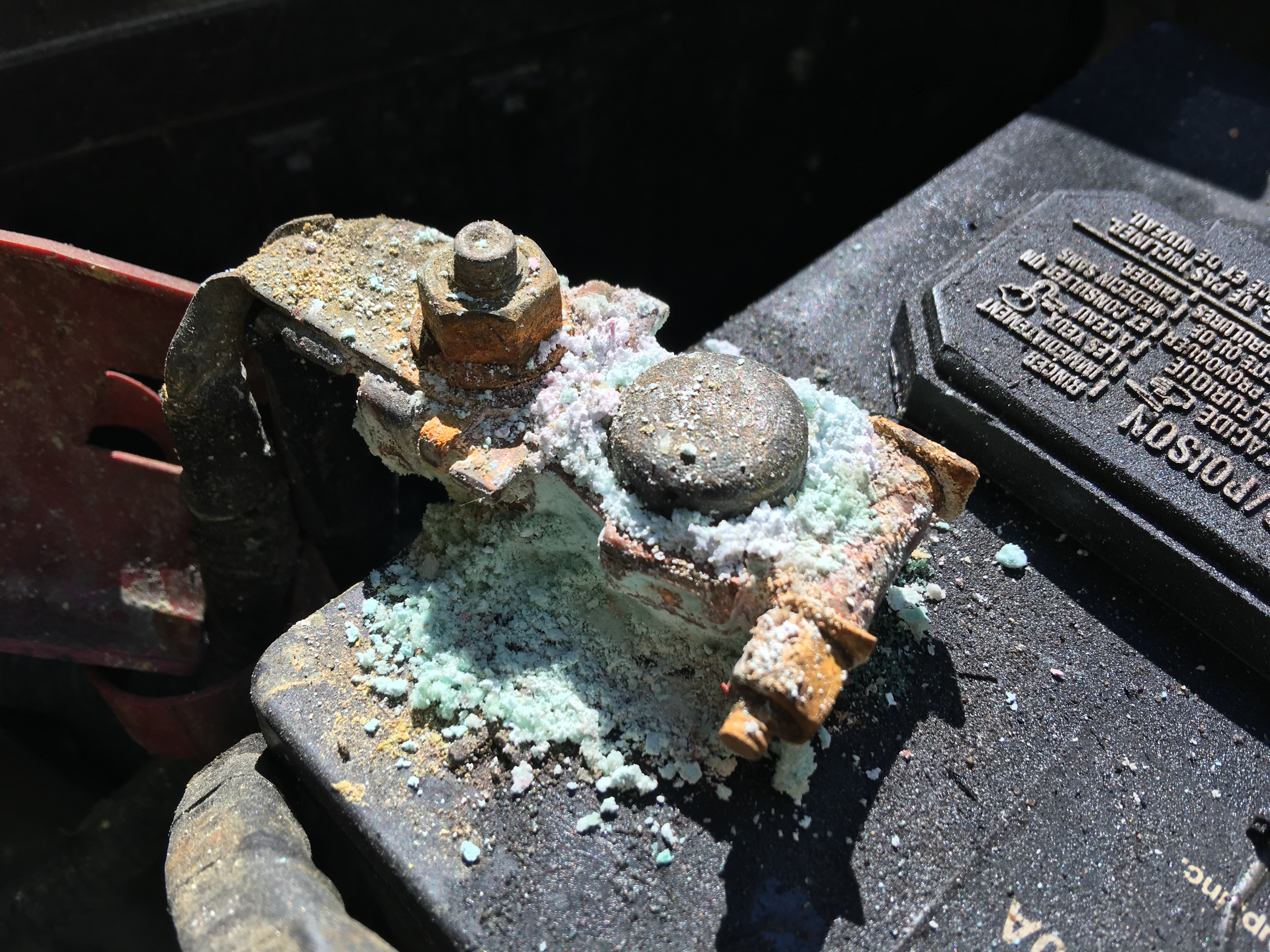
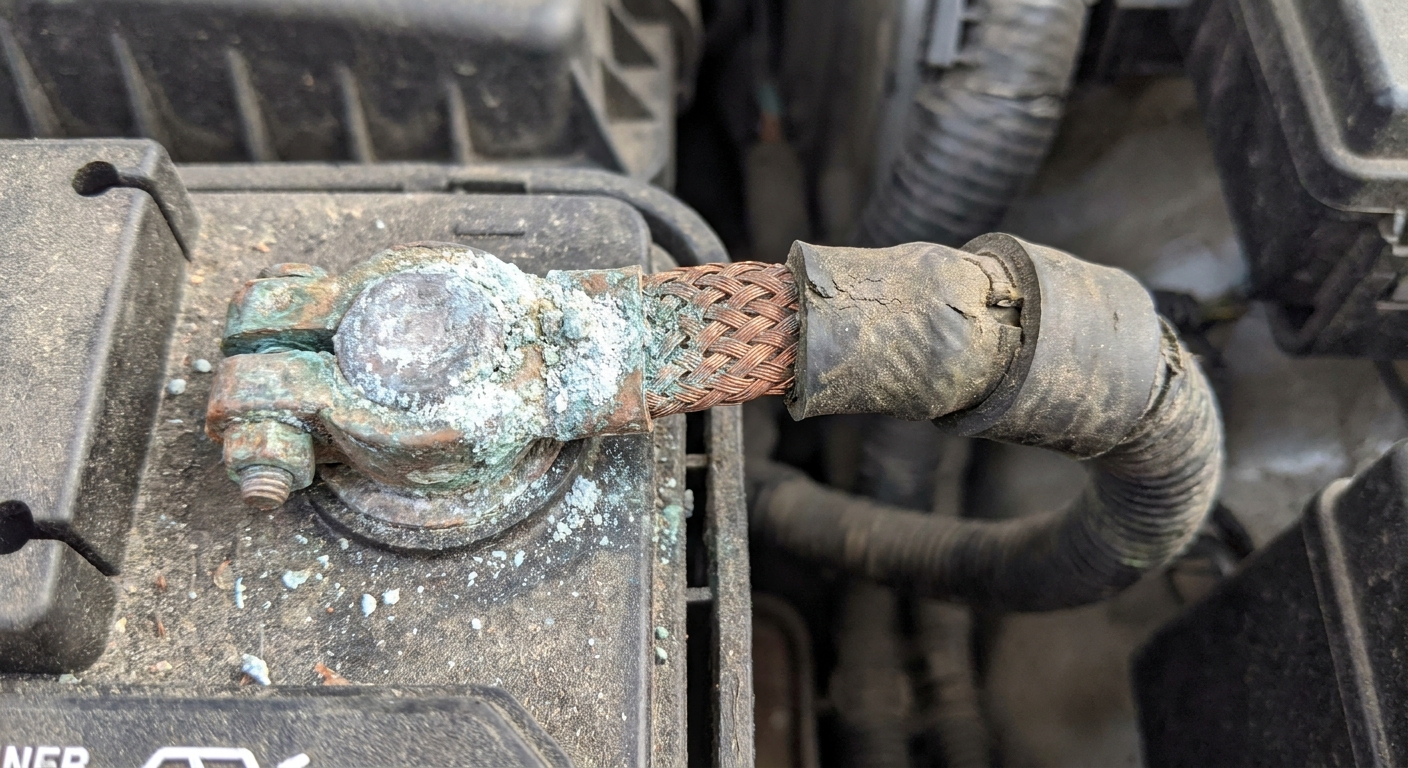
- Inspect the battery terminals for corrosion and looseness. Tighten as needed.
- Look for green crust or moisture at body ground points. Clean and resecure if you are comfortable.
- If the car sometimes does not crank, try a voltage drop test across battery negative to engine block while cranking. High drop suggests a ground issue.
Illumination vs power: not the same
Drivers often say “my dash is dark” when they mean one of two things:
- Illumination failure: the gauges and warning lights work, but the backlighting is out at night.
- Cluster power or communication failure: the cluster is dead. No warning light sweep, no odometer, no gauges.
If it is illumination only
- Recheck the dimmer and the ILLUM or TAIL fuse.
- Confirm tail lights work. On some vehicles, a tail light circuit problem can take out dash lighting.
- On older clusters with replaceable bulbs, a bulb or bulbs could be out. On many newer cars with LEDs, it is less common to lose all illumination from LEDs alone unless there is a circuit issue.
If the cluster is fully dead
- Focus on cluster or IGN fuses, ignition feed, ground, connector issues, and module communication problems.
Cluster connector: loose plug happens
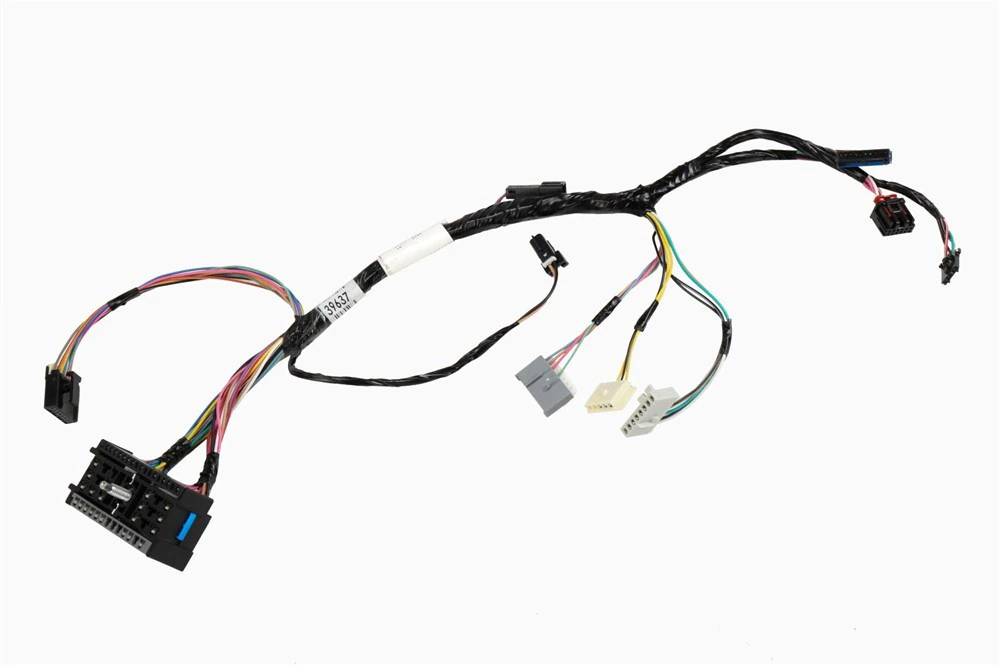
I have also seen a “dead” cluster caused by something simple: a partially unseated connector, bent pin, or a harness pulled tight after prior dash work. If someone was in the dash recently (stereo, remote start, heater core, airbags, steering column work), this moves up the list.
Caution: be careful around steering column trim and airbag components. If you are not confident, do not start pulling panels. It is not worth setting an airbag light, damaging clockspring wiring, or worse.
BCM and network issues
On many late-model vehicles, the cluster is not just a dumb gauge pack. It is a networked module on CAN bus and may receive wake-up commands, lighting commands, and in some designs even mileage or configuration data through other computers like the BCM. What lives where varies by manufacturer, and some store data redundantly.
If the radio works but the cluster is dead, the BCM is not always the culprit, but these patterns raise suspicion:
- Multiple unrelated electrical quirks at the same time (power windows acting up, interior lights weird, key fob issues).
- Cluster is dead but other warning indicators act strange.
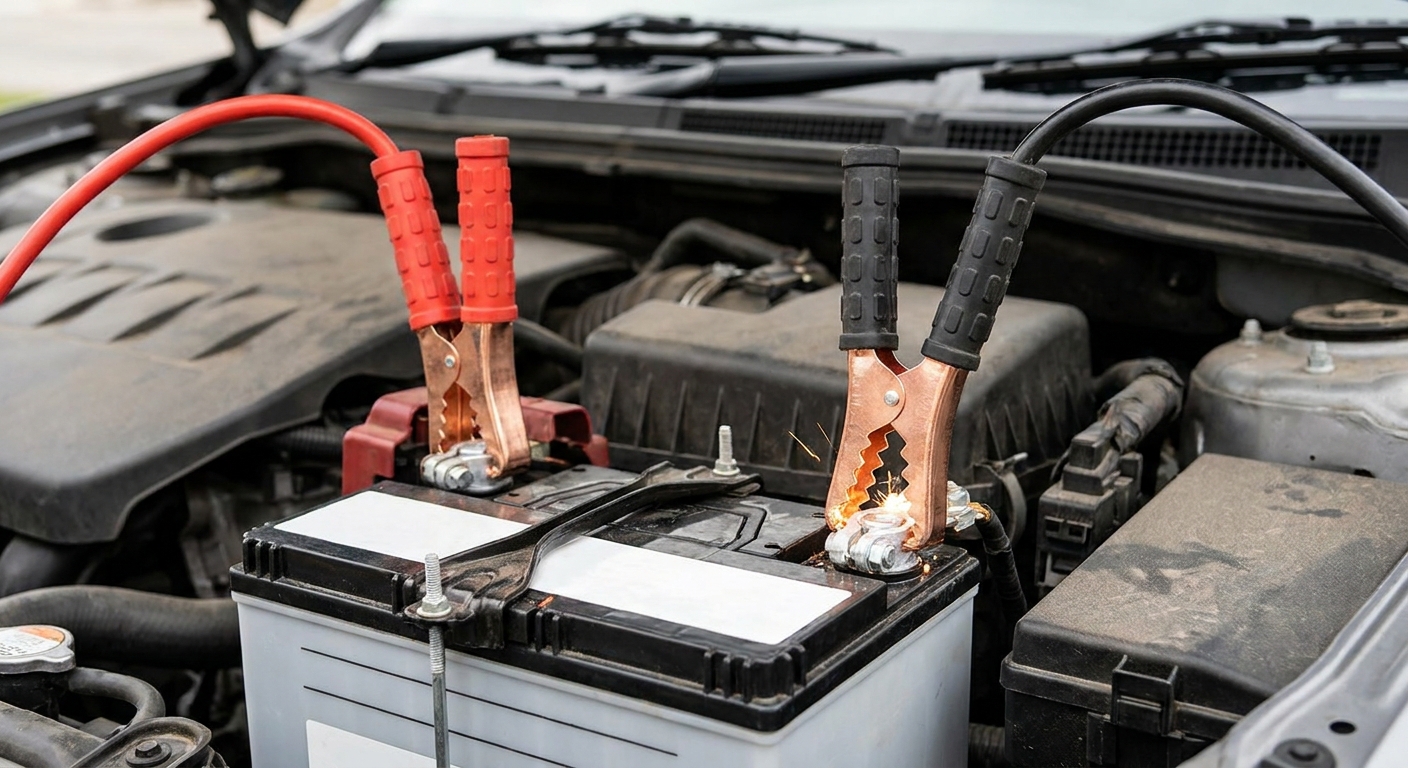
- The issue started after a jump start, battery replacement, or a water leak.
At this point, a scan tool that can read BCM and instrument cluster codes is the fastest path. A basic code reader that only checks engine codes may show nothing even when the network is unhappy.
If you do not have a scan tool, you still have options: many independent shops can do a quick network scan, some mobile mechanics will come to you, and some parts stores can at least check battery and charging basics on the spot.
If it also will not crank
A dark cluster plus a no-crank condition is a stronger sign that ignition-switched circuits are not coming alive, the car is not recognizing the key, or system voltage is too low for modules to behave.
Things to check
- Battery voltage first. You can have enough power for a radio but not enough for modules and a starter solenoid. For a typical lead-acid battery after it has been sitting 30 minutes or more, anything near or below 12.0V is suspicious. Around 12.2V is already significantly discharged. A healthy, fully charged battery is often around 12.6V, with some variation by battery type and temperature.
- Security or immobilizer behavior: if you see a flashing security light, the car might be blocking crank or start. Cluster behavior varies by model, so this is another case where a body scan helps.
- Neutral safety switch or brake switch issues (push-button starts rely on brake switch signals).
- Ignition feed, IGN relay, or start relay control as mentioned earlier.
Quick charging system note: If the problem shows up while driving, not just at startup, do not ignore charging issues. Undervoltage can cause module resets, and overvoltage from a failing alternator can create weird cluster behavior too.
Safety note: If you are doing any under-hood testing around the starter circuit, keep hands, tools, and clothing clear of belts and fans and make sure the car is in Park or Neutral with the parking brake set.
Simple flow
- Dimmer and settings: sweep the dimmer wheel, check display settings, turn headlights on and off.
- Tail lights: if tail lights are out, fix that circuit because it may also feed dash illumination on some vehicles.
- Aftermarket checks: think about recent stereo or remote start work, and look for disturbed wiring.
- Fuses: cluster, meter, gauges, ILLUM, IGN, BCM in both fuse panels. Use a test light if possible.
- Battery connections and grounds: clean and tighten. Look for obvious corrosion.
- Key states: does the cluster wake up in ON? Any flicker while moving the key on keyed ignitions?
- Scan for body and cluster codes: if fuses and grounds check out, scan tool time.
When to call a pro
If you have verified the dimmer, checked the obvious fuses, and confirmed good battery connections, the next steps often require:
- Wiring diagrams to identify the correct ignition feed and illumination feed
- Back-probing connectors without damaging terminals
- A scan tool that can access BCM and cluster data
Also, if you suspect water intrusion (wet carpet, musty smell, foggy windows), get it addressed quickly. Water in under-dash connectors can snowball into network and module issues.
FAQ
Can a radio work if the battery is weak?
Yes. A radio draws relatively little power compared to a starter, and some modules shut down sooner than others when voltage is low. A weak battery can create strange “some things work, other things do not” symptoms.
Could this be a failed instrument cluster?
It can be, especially on vehicles with known solder joint issues or failing internal components. Still, I check power, fuses, grounds, and basic network communication first, because a cluster can look dead when it is simply not being powered up or told to wake up.
Why does my dash go dark but the headlights still work?
Headlights and dash lighting are often on different circuits, and many cars run headlights through dedicated modules or relays. Dash illumination is commonly controlled through the dimmer circuit and sometimes the BCM.
Will disconnecting the battery reset a dead cluster?
Sometimes a reboot helps if the cluster software is hung, but it is not a fix for a blown fuse, lost ignition feed, or bad ground. If you disconnect the battery, make sure you have radio codes if your vehicle requires them.