I have seen this exact scenario more times than I can count in the shop: alternator goes in, tools get put away, you hop in feeling accomplished, then… click. Or worse, it cranks like a champ but never fires. The good news is that when the no-start happens right after an alternator replacement, the cause is usually a missed connection, a protection fuse that popped, or a battery that never got charged back up.
Below is the same quick, practical checklist I would walk a customer through over the counter, just with a little more detail so you can confidently verify your own work.
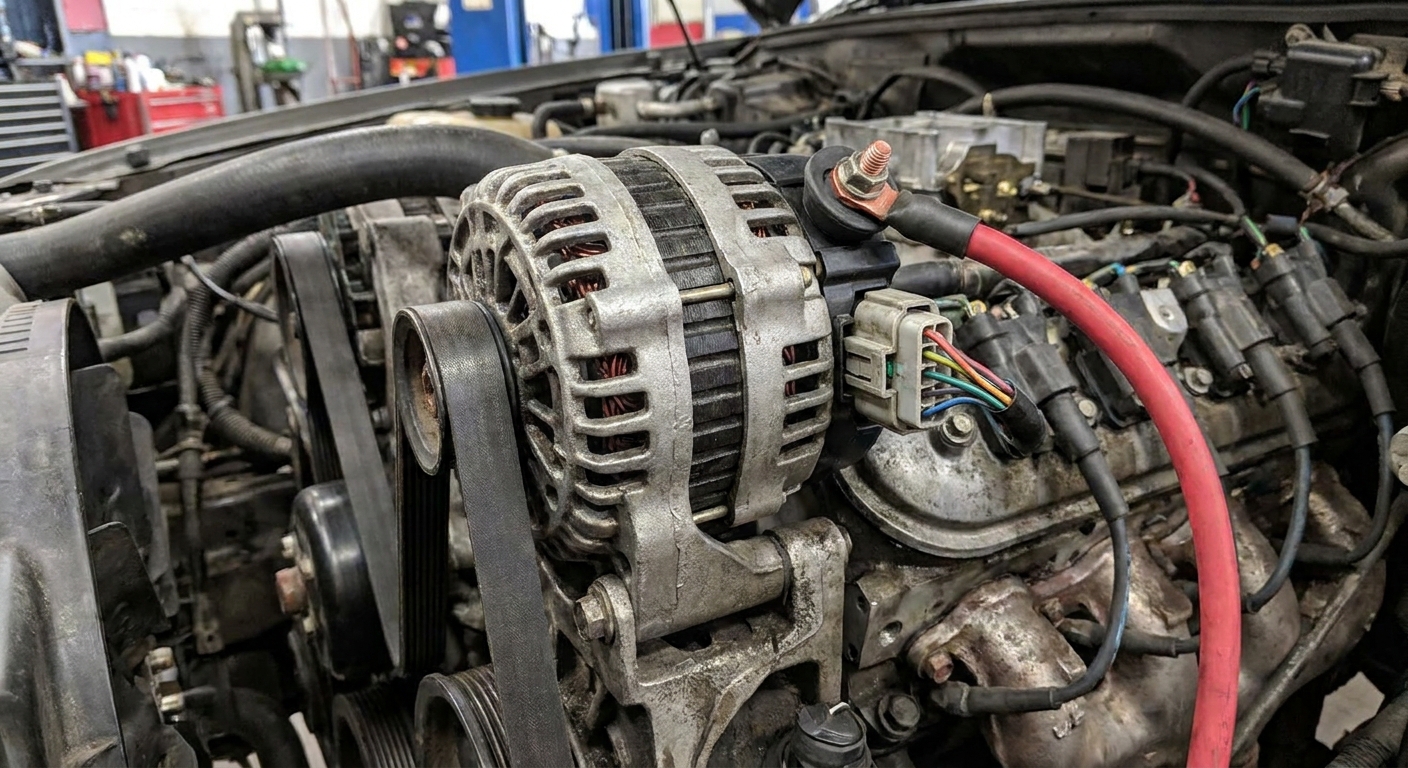
Two-minute triage
If you just want the fastest path to the most common fixes, do this in order:
- Charge the battery with a real charger (not just a jump).
- Check battery terminals for tightness and correct fit (this gets missed constantly).
- Verify belt routing and tension on the alternator pulley.
- Confirm the small regulator plug clicks in and stays latched.
- Confirm the alternator B+ cable is on the correct stud, tight, and insulated with the boot.
- Check the main charging fuse or fusible link (ALT, GEN, BATT, MAIN labels vary).
- Confirm grounds (battery to chassis, engine to chassis).
Start with the basics: what does it do when you turn the key?
Your first clue is the symptom. It helps you avoid chasing the wrong thing.
- No crank, no click: think dead battery, loose battery terminals, blown main fuse or fusible link, or a disconnected main alternator power cable causing a power distribution issue.
- Clicks once or rapid clicking: classic low battery voltage or poor battery cable connection.
- Cranks normally but won’t start: the starter circuit is doing its job, so now you are looking at “it’s not firing” basics (fuel, spark, air, or engine management). It is usually unrelated to the alternator itself, but it can happen if you knocked a connector loose, blew an engine control fuse, or created a major voltage drop or ground issue.
- Starts with a jump but dies later: charging system is still not working (belt, wiring, fuse, bad reman alternator).
If your lights and radio work but the engine will not crank, do not let that fool you. Accessories can run on relatively little power. The starter needs a lot.
Most common mistakes after an alternator install
1) The battery is still discharged (and it needs a real charge)
This is the number one “nothing is wrong” explanation. If the old alternator failed while driving, the car likely ran off the battery until it was drained. Installing a new alternator does not magically refill the battery.
What to do:
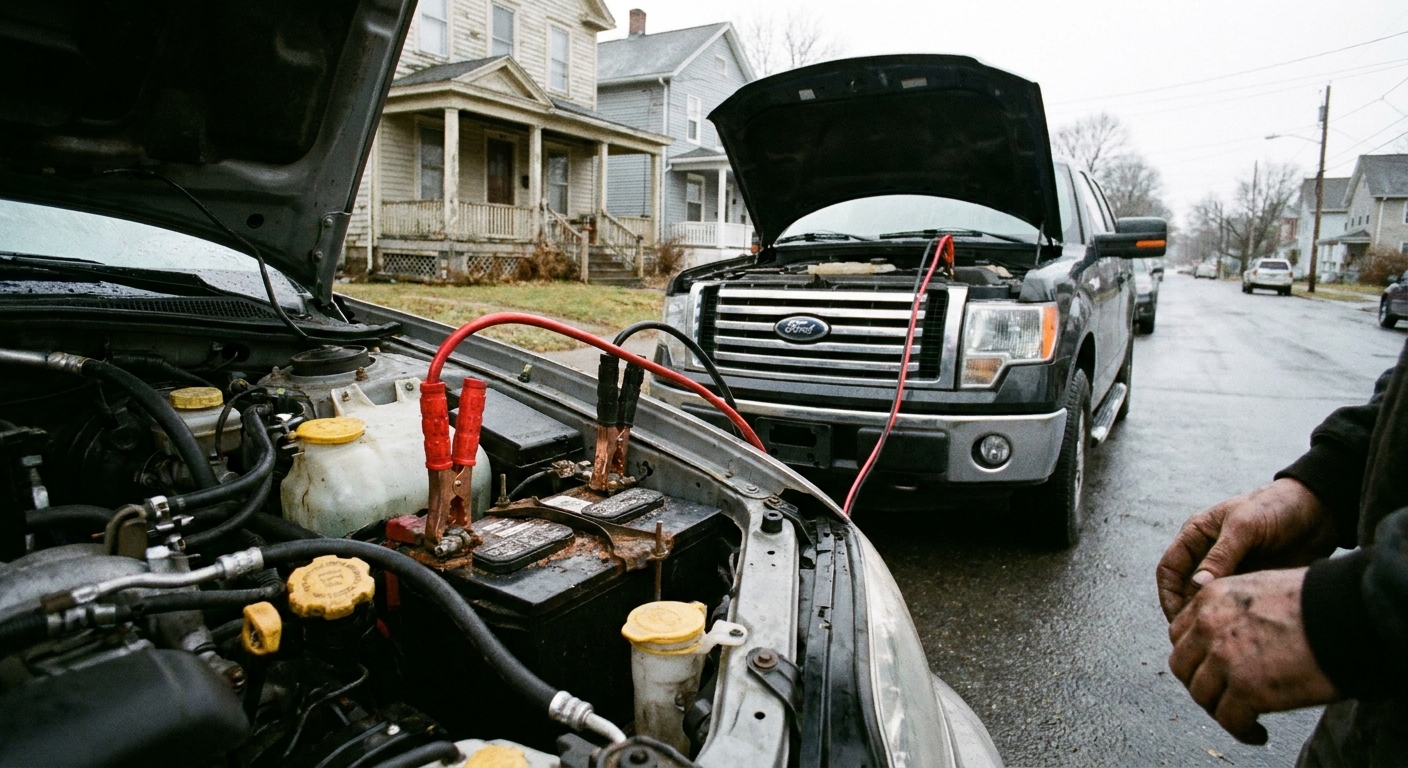
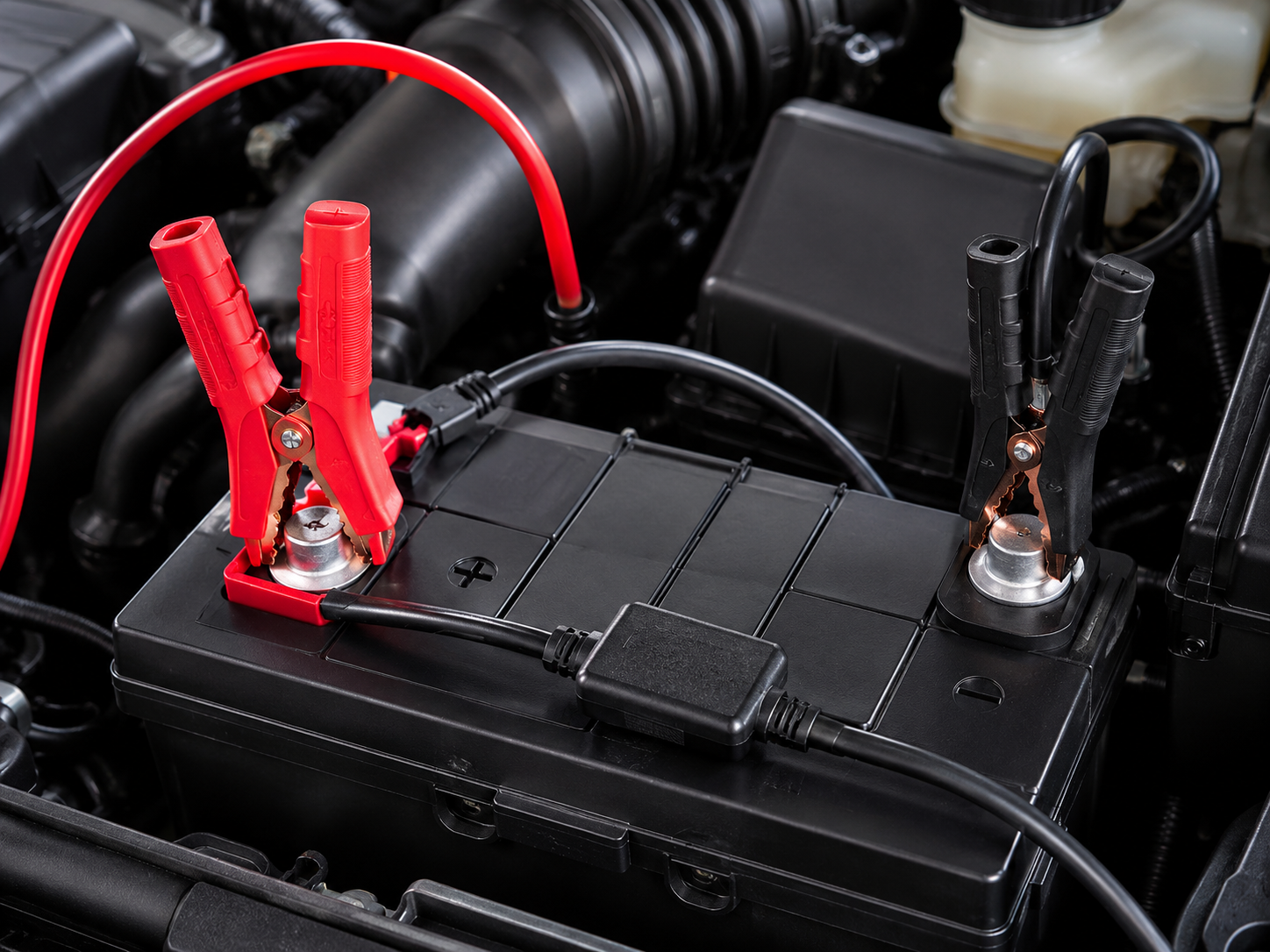
- Charge the battery with a proper charger before retesting. A jump start is not the same as recharging.
- If you have a multimeter, check battery voltage with the car off after it has rested a bit. Rough, temperature-dependent guidelines: about 12.6V is fully charged, about 12.2V is around half charge, and anything near 12.0V is very low for starting purposes.
When should you charge it before doing anything else? If the starter is clicking, cranking slowly, or you measured the battery under about 12.4V after it has rested for a bit, put it on a charger first. Otherwise you can misdiagnose a perfectly good installation.
2) Battery terminals are loose, dirty, or not clamping correctly
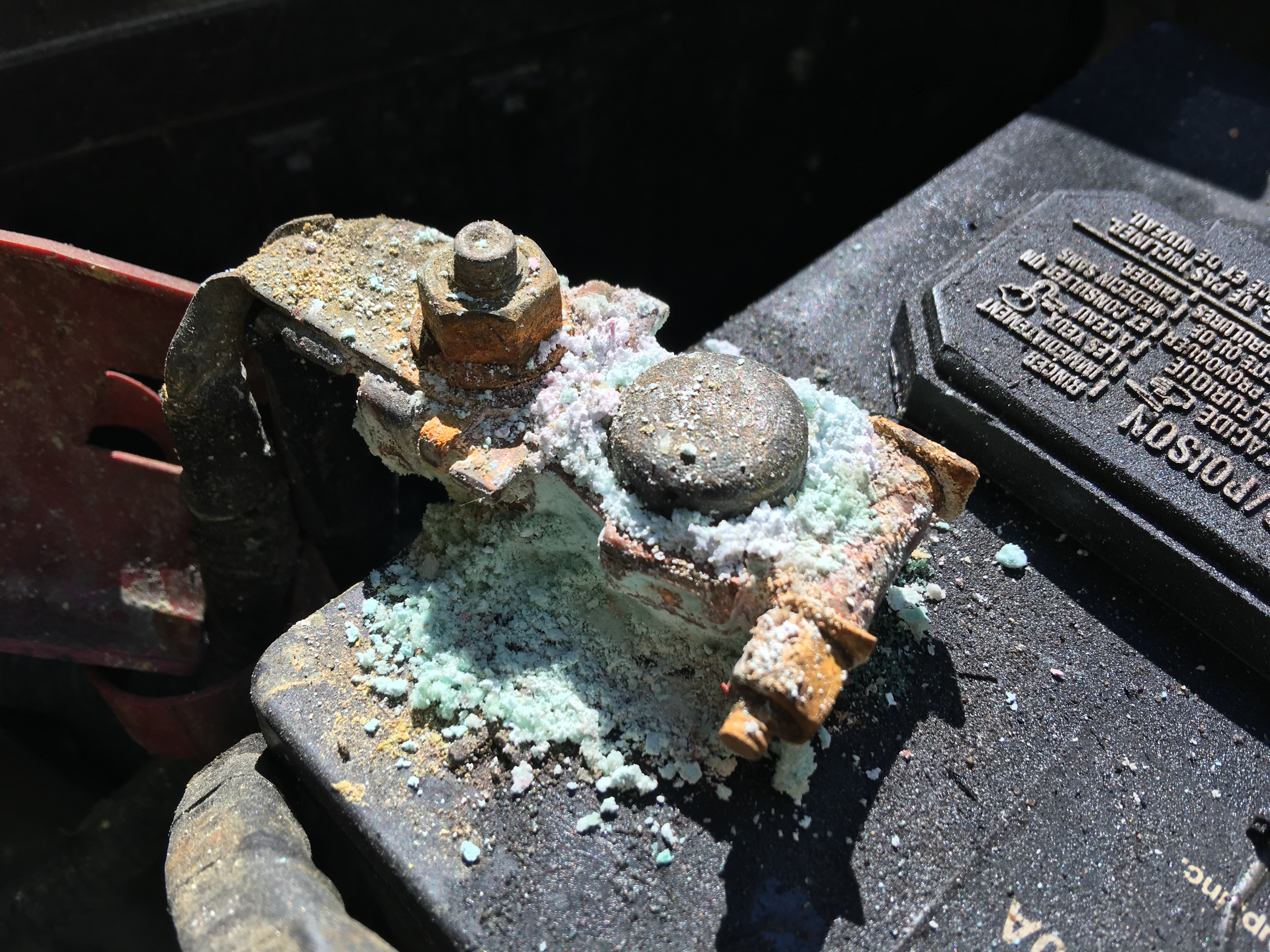
This one is so common after any under-hood job that I almost expect it. You can have dash lights and even a strong sounding click, but the starter will not get what it needs if the terminals are loose or corroded. Side-post batteries and add-on terminal adapters are especially good at fooling people.
What to check:
- Both terminals are tight and fully seated. If you can twist the terminal by hand, it is not tight enough.
- No crusty corrosion between the terminal and post (sometimes it hides under the terminal).
- Positive is on positive and negative is on negative. It sounds obvious, but I have seen swapped clamps create instant blown fuses and weird no-starts.
3) The serpentine belt is off, loose, or routed wrong
If the belt is not driving the alternator, the car may start (if the battery has enough in it) but it will not charge. If the belt is routed incorrectly or the tensioner is not set correctly, you can also get squealing, smoke, or rapid battery drain.
Quick checks:
- Visually confirm the belt is actually on the alternator pulley.
- Compare belt routing to the under-hood belt routing sticker (or a reputable routing diagram for your exact engine).
- Make sure the belt is seated in every pulley groove, not riding a rib.
- Check tensioner position. A weak tensioner can slip under load and mimic a bad alternator.

4) The regulator connector is unplugged or not fully seated
Most modern alternators have a small plug for the voltage regulator control and sense circuit. Forgetting this connector is common, especially when working by feel behind the alternator.
What it can cause: Usually a no-charge condition, an illuminated battery light, and odd electrical behavior. Rarely, low or unstable system voltage after the battery drains can contribute to starting or stalling complaints.
What to do: Unplug it and re-plug it until you feel and hear the latch click. Then gently tug to confirm it is locked.
5) The B+ cable is loose, on the wrong stud, or missing its insulating boot
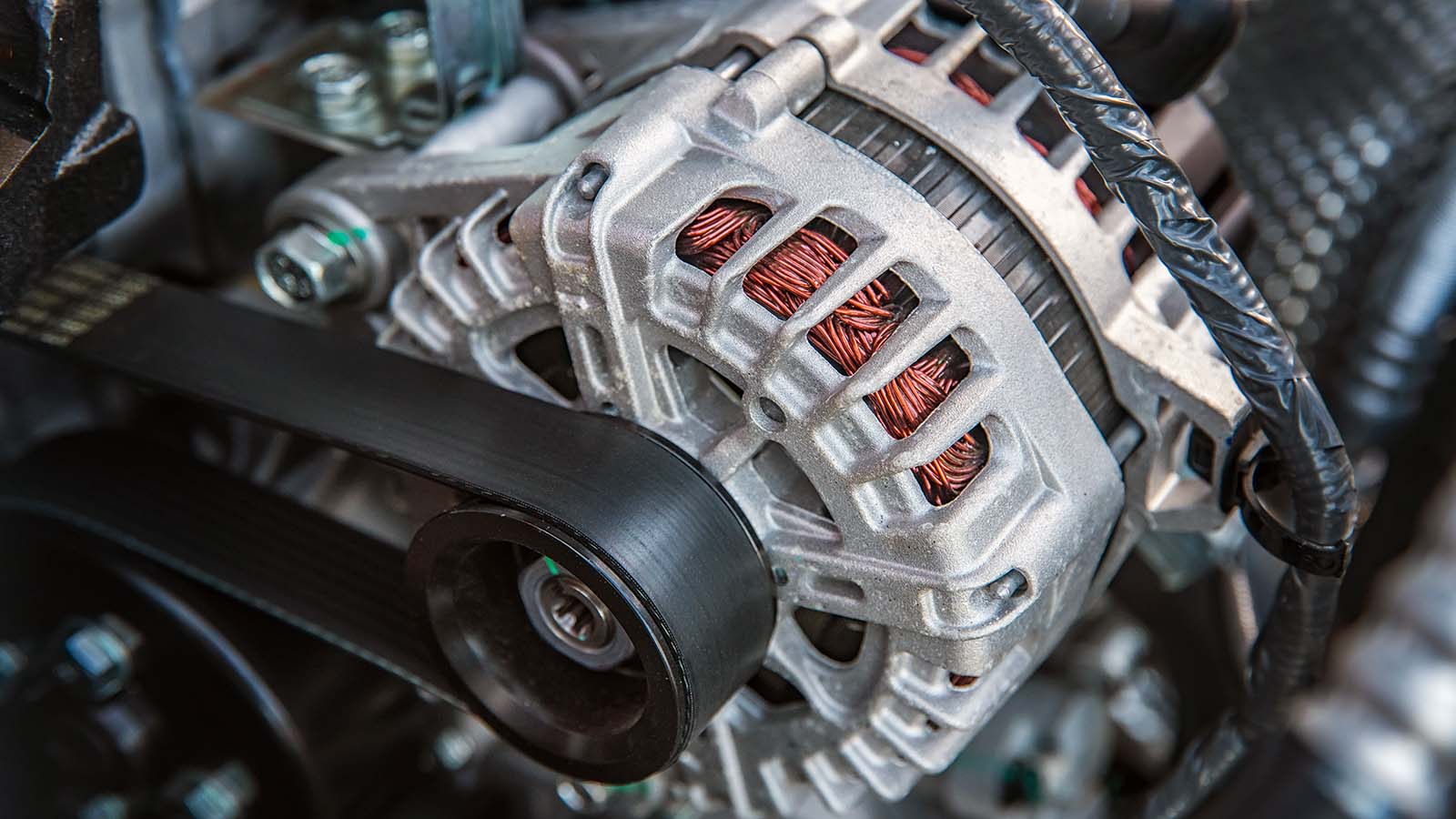
The thick cable on the alternator (often under a nut) is the main output to the battery. If it is loose or corroded, you can get anything from no-charge to intermittent no-start. If it is accidentally grounded during installation, you can blow a fusible link or main fuse instantly.
What to check (engine off):
- The cable eyelet is fully seated on the correct output stud.
- The nut is snug. Not “gorilla tight,” just secure. Overdoing it can strip the stud or crack the insulator on some units.
- The insulating boot is back in place so the stud cannot touch metal.
- The cable itself is not stretched tight or cracked internally.
6) A fusible link or main charging fuse blew during the swap
If the battery was not disconnected and the B+ lead touched ground, there is a good chance you popped a fusible link or a high-amperage fuse in the under-hood fuse box. Even with the battery disconnected, a pinched cable or misrouted output wire can do it.
Common clues:
- Sudden total loss of power to key systems, or power in the cabin but weird dead circuits under the hood.
- Car will jump start but shows low system voltage and battery light stays on.
- Alternator tests “good” but battery never charges.
What to do: Locate the alternator or charging system fuse (commonly high-amperage, often labeled ALT, GEN, BATT, or MAIN) and any fusible links. Check them with a test light or meter, not just your eyes. Some fuses crack where you cannot easily see it.
7) A ground strap was left loose (or you have a bad engine ground)
Alternators and starters live and die by grounds. If you removed a bracket that also anchored a ground strap, or the alternator case is not properly seated, you can get slow cranking, voltage spikes, or a no-start that looks like a bad battery.
What to check:
- Battery negative terminal is tight and clean.
- Battery negative to chassis ground is intact.
- Engine to chassis ground strap is connected and not broken.
8) Wrong alternator, wrong pulley, or plug mismatch
I wish I could say this is rare. Between engine options, trim levels, and mid-year changes, it is possible to get an alternator that bolts in but is not truly correct.
- Pulley differences: some vehicles use an overrunning clutch pulley. Swapping to a solid pulley (or the wrong pulley diameter) can cause belt noise, tensioner bounce, or weak charging at idle.
- Electrical differences: plug clocking and regulator control style can differ. If the plug “kind of” fits or the latch is wrong, stop and verify the part number.
- Amperage rating: not always a no-start issue, but the wrong output can create low voltage problems under load.
Charge the battery first, then retest the right way
Once you are confident the belt and wiring are correct, do a proper retest. This order prevents you from blaming a brand-new alternator for a battery that is simply empty.
- Fully charge the battery with a charger. If the battery is very low, slow charging is gentler and more likely to recover it.
- Start the engine (jump if needed, but only after charging for a while).
- Measure voltage at the battery with the engine running. Many vehicles will show roughly 13.5V to 14.8V depending on temperature, load, and charging strategy.
- Turn on headlights and blower and check voltage again. On many vehicles it will typically stay above about 13V, but smart-charging systems can dip or vary, especially at idle with a warm battery.
If readings are confusing, bring the RPM up to about 1,500 to 2,000 and watch the meter. A healthy system usually stabilizes and shows a clear charging increase. If it runs and you still see about 12.2V to 12.6V at the battery most of the time, the car is not charging. Go back to belt, regulator connector, B+ connection, grounds, and the charging fuse or links.
Quick voltage drop checks
If you want one simple test that catches a lot of “looks tight but isn’t” cable problems, do a basic voltage drop check with the engine running and electrical load on (headlights, blower):
- Positive side: measure from the alternator B+ stud to the battery positive post. Ideally this should be low (often under about 0.2V). Higher suggests resistance in the cable, fuse, or connections.
- Ground side: measure from the alternator case to the battery negative post. Again, low is the goal (often under about 0.2V). Higher points to ground straps or connections.
You do not need perfection here. You are looking for an obvious problem that turns a charging system into a battery drainer.
If it cranks but won’t start
This is less common, but it happens. Alternator access often requires moving the intake tube, engine cover, or wiring harnesses. If the engine cranks normally but will not fire:
- Look for unplugged sensors near the alternator path: MAF sensor at the air box, throttle body connector, crank sensor connector (vehicle dependent).
- Check fuses for ECM, ignition, and fuel pump. A short during the job can take out a smaller fuse too.
- Listen for the fuel pump prime when you turn the key to ON. No prime can point to a fuse, relay, or disconnected connector.
- Make sure vacuum hoses and intake ducting are seated. A major intake leak can cause a rough start or stall on some engines.

Safety notes I do not skip
- Disconnect the negative battery terminal anytime you are tightening the alternator B+ lead. That stud is hot at all times on most cars.
- Keep tools off the alternator output stud unless the battery is disconnected. One slip can weld a wrench and pop a fusible link in a heartbeat.
- Do not run the engine with the belt misrouted. You can overspin an accessory, shred the belt, or overheat quickly if the water pump is belt-driven.
When it is time to get help
If you have verified belt routing, all connectors, the B+ cable tightness, terminal condition, and the charging fuse or fusible link, and you still have a no-start or no-charge, it is reasonable to bring in a pro. Two common surprises I have seen:
- A defective replacement alternator out of the box, especially remanufactured units. It happens.
- A battery that was already on its last legs. A failing alternator can drain and stress a marginal battery until it will not recover, even after charging.
A shop can load test the battery, verify alternator output under load, and check for voltage drop on the main cables in one visit. That beats throwing parts at it.
Also, if you disconnected the battery during the job, do not be shocked if the first start comes with a rough idle or odd shift feel for a short time. Some vehicles need a little drive time to relearn idle and adaptations.
Quick FAQ
Can a new alternator cause a car not to start?
Indirectly, yes. The alternator itself does not “start” the engine, but an installation issue can cause low voltage, a blown main fuse, or a drained battery situation that leaves you with a no-crank or weak crank.
My lights come on, but it just clicks. Is my alternator wired wrong?
Most of the time, clicking with accessories working is a low battery or poor cable connection. Charge the battery fully, clean and tighten the terminals, then recheck.
How long should I charge the battery before retesting?
It depends on how discharged it is and your charger output. If the battery was run down from a failed alternator, give it enough time to recover properly, often several hours on a typical home charger. If the charger shows “full” quickly, be suspicious of a weak battery that cannot hold a charge.
What voltage should I see after the alternator replacement?
With the engine running, many vehicles will be in the 13.5V to 14.8V range at the battery terminals, but smart-charging systems can vary that number depending on conditions. A steady reading around 12.6V while running usually indicates no charging.