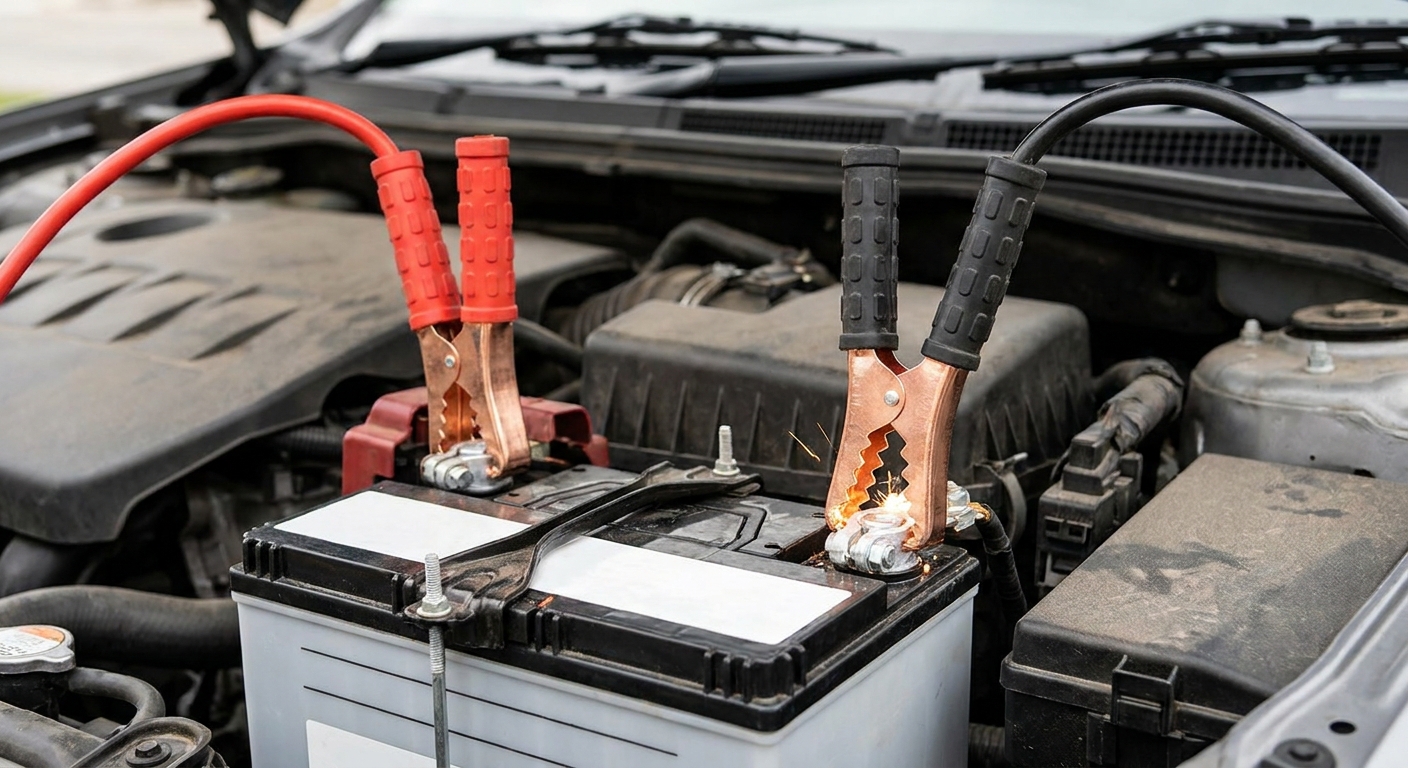
I have seen this one a lot in the shop: you hook up jumper cables, the engine fires right up, and you think you are in the clear. Then you pull the clamps off and the car instantly sputters and dies like someone flipped a switch.
That specific moment matters. If the engine will only run while the donor vehicle is still connected, your car is not supporting itself electrically. In plain terms, it is living off the other car’s power, and the moment that “life support” is removed, everything shuts down.
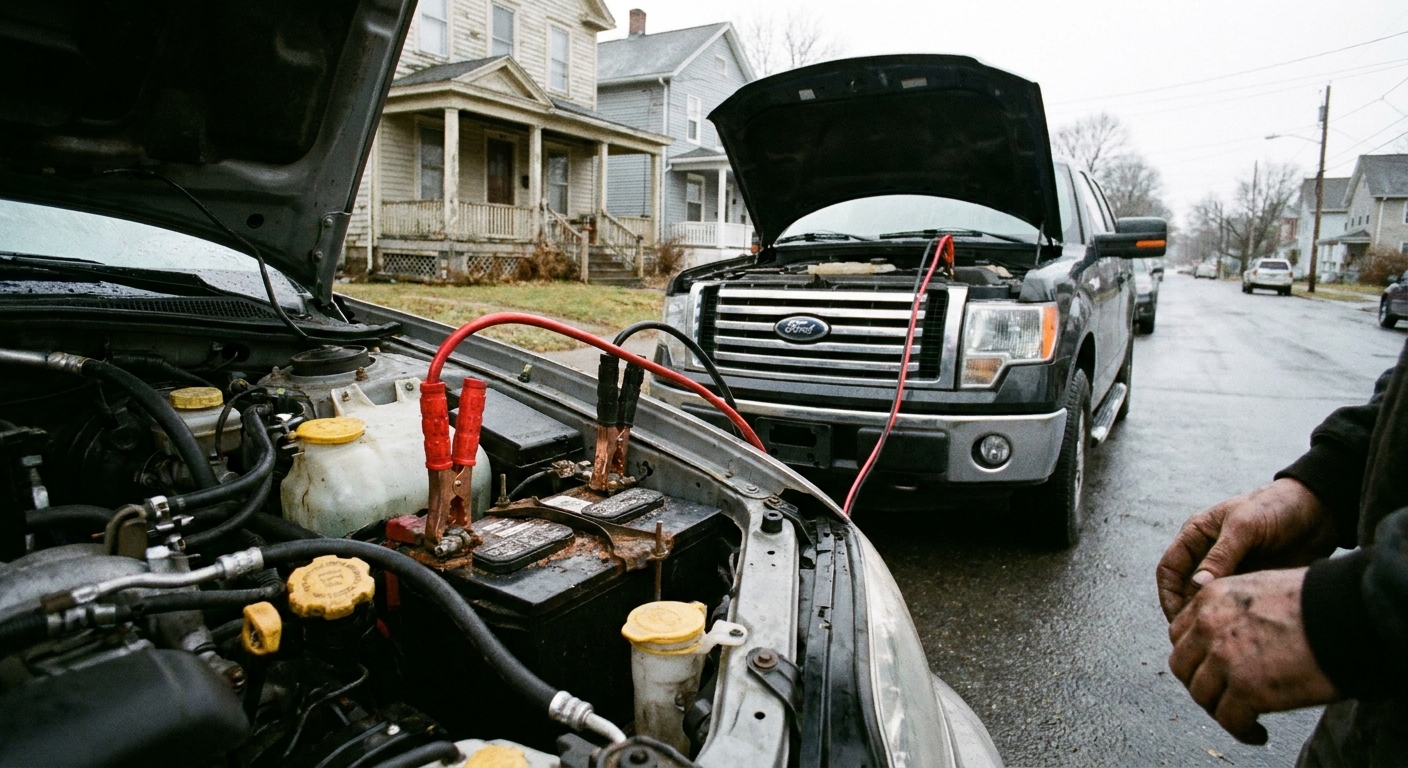
What it means when it dies as soon as the cables come off
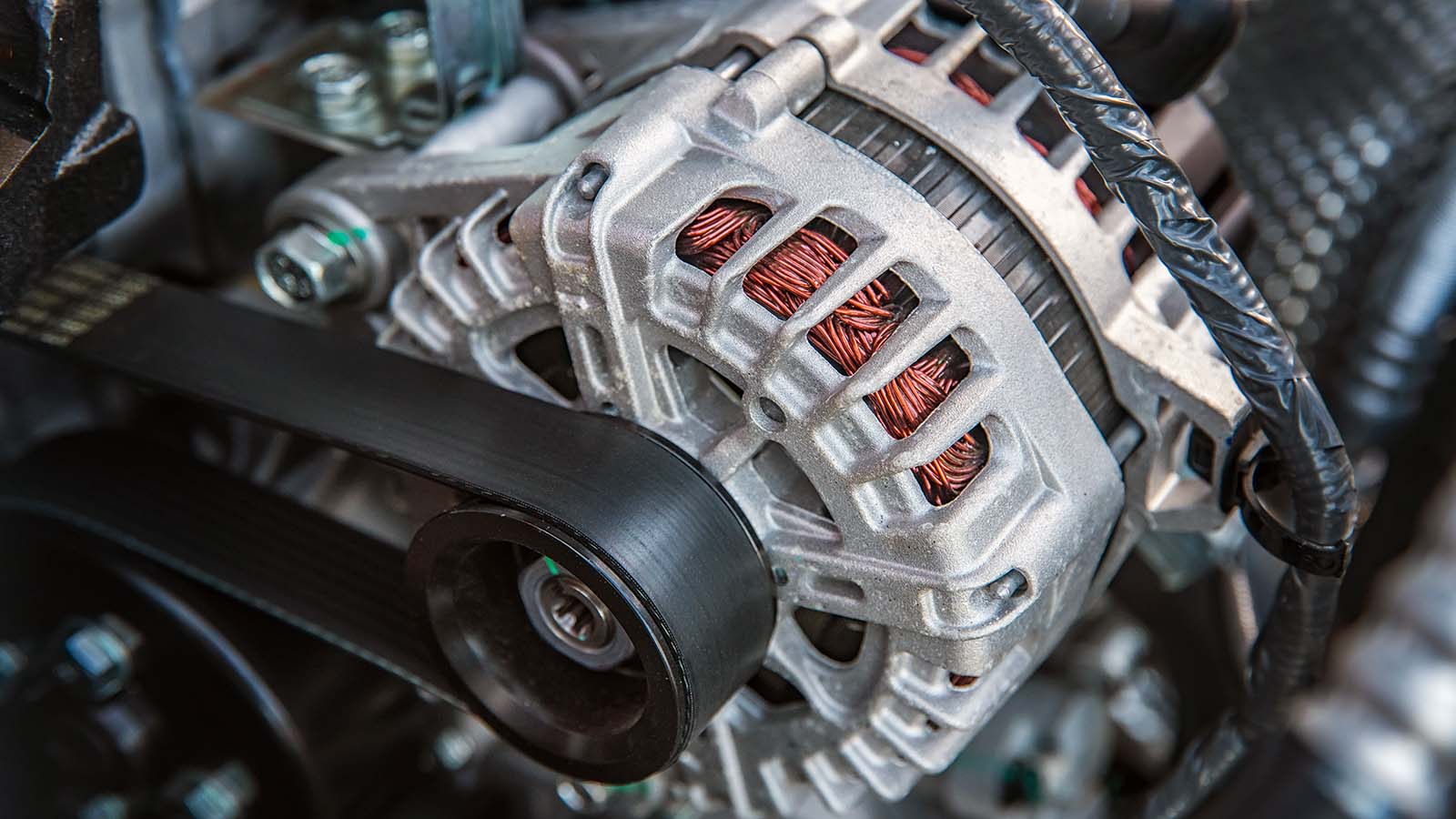
Once your engine is running, it normally stays running because the alternator takes over powering the car and recharging the battery. The battery is there to start the car and stabilize voltage, but it is not supposed to carry the whole load while you drive.
If your car dies immediately after removing the jumper cables, one of two big things is happening:
- The alternator is not producing enough power (or any power), so the engine and electronics cannot stay alive.
- The jumper cables temporarily completed a missing connection in your car, so when you remove them the car loses power to the vehicle electrical system.
A weak battery can contribute too, but the “instant die” symptom usually points to charging output or a major connection issue.
Quick safety check
If the car dies the instant you remove the cables, do not keep repeating jump starts over and over hoping it will “catch.” The bigger risk is overheating bargain jumper cables, arcing from poor connections, and stressing one or both batteries. In some cases, the donor vehicle’s charging system can also get worked hard if it is asked to carry a heavy load at low RPM.
If you smell burning rubber, see smoke, or notice the battery case is swollen or hot, stop and have the car towed. That is not the time for driveway troubleshooting.
The two most common causes
1) The alternator is not charging
This is the classic cause. The jump gets the engine turning and running, but once you disconnect the donor vehicle, your alternator is supposed to carry the car. If it cannot, the ignition system, fuel injection, and engine computers lose stable voltage and the engine stalls.
Common alternator-related failures I have diagnosed with this exact symptom:
- Worn brushes or internal regulator failure
- Open or shorted diode in the alternator rectifier
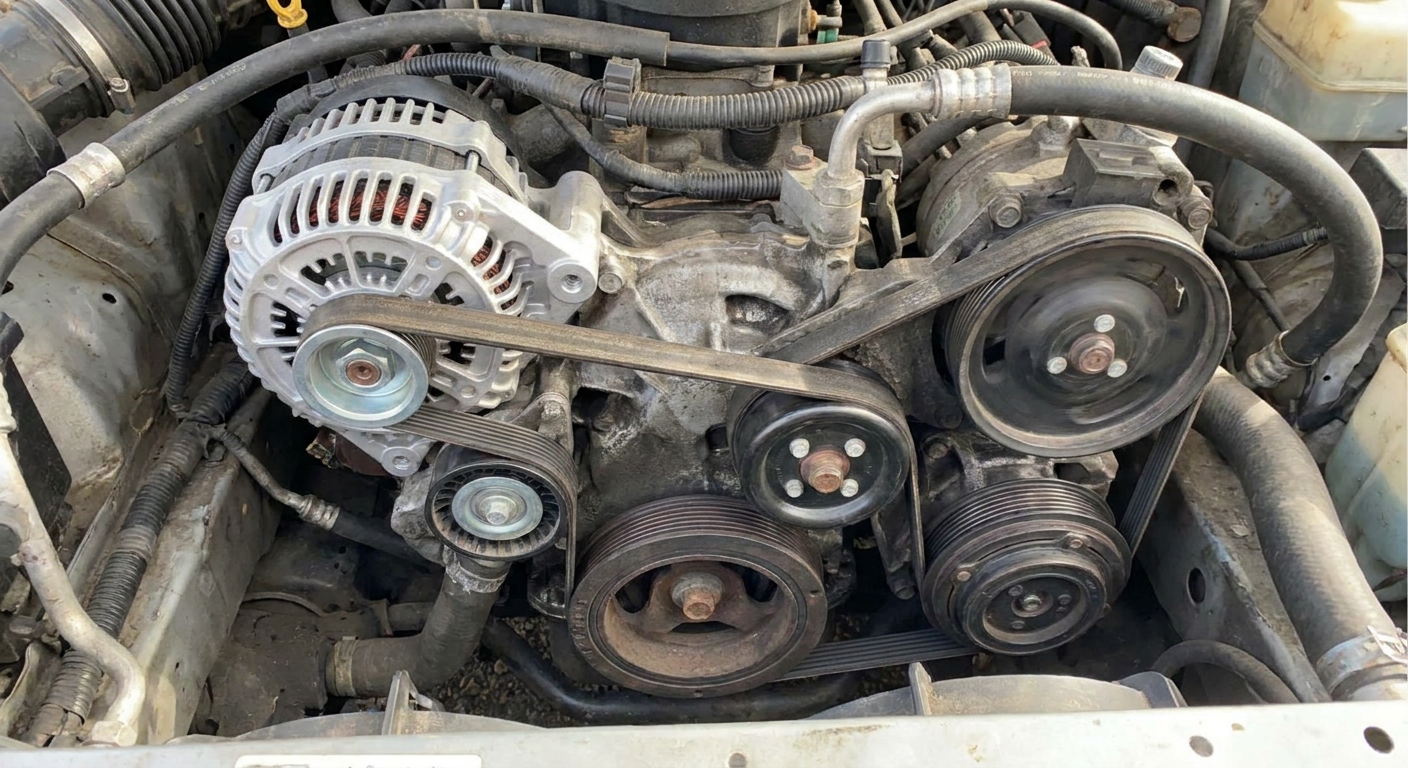
- Broken or slipping serpentine belt (or a belt tensioner not holding)
- Blown alternator fuse or fusible link
- Bad alternator ground or positive output cable
Also pay attention to the battery/charging warning light on the dash. If it is on with the engine running, that is a strong hint the charging system is not doing its job (with the caveat that bulb checks and cluster issues exist).
2) The jumper cables were acting like a missing connection
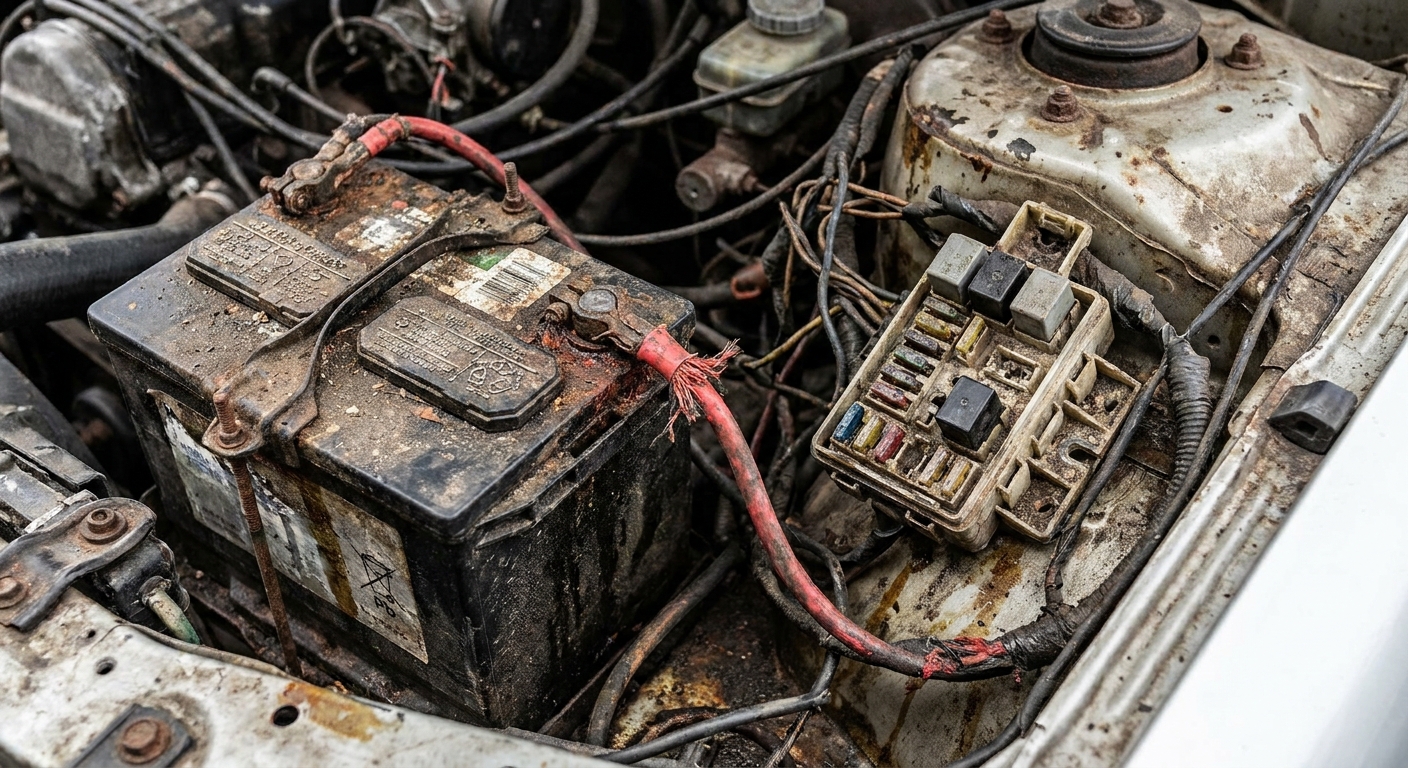
This one surprises people. If you have a loose or corroded battery terminal, a damaged battery cable, or a bad ground strap, your car might not actually be connected to its own battery the way it needs to be.
When you clamp jumper cables on, you can unintentionally create a solid electrical path that your own terminals cannot provide. Remove the cables, the path disappears, and the car dies.
Red flags for a connection problem:
- The battery terminals can be twisted by hand
- You see white or blue crusty corrosion on the terminals
- You hear rapid clicking when trying to start without a jump
- Dash lights flicker when you wiggle the cables
- The car acts totally dead until the jumper clamps are installed
One more simple thing that can fool you: if the negative jumper clamp is on a painted or dirty ground point, you can get weird behavior. Clamp the negative lead to clean, bare metal on the engine block or a solid bracket when possible.
Fast driveway tests
You can get a strong read on what is happening with just your eyes and a basic multimeter. If you do not have a multimeter, many parts stores will test a battery and alternator for free, but the car needs to stay running long enough to check charging output.
Test 1: Check terminals and grounds
Pop the hood and focus on the basics first.
- Battery terminals: Try rotating each terminal by hand. If it moves, it is too loose.
- Corrosion: Heavy corrosion can act like an insulator. The jumper clamps biting into it can temporarily bypass the issue.
- Ground cable: Follow the negative cable to where it bolts to the body or engine. Make sure that connection is tight and not rusted.
If you find a loose or crusty connection, fix that before condemning the alternator. I have watched people replace an alternator when all they needed was to clean and tighten battery terminals.
Test 2: Look for a belt problem
If the serpentine belt is missing, snapped, or clearly not turning the alternator pulley, the alternator will not charge. With the engine running, you should see the belt moving smoothly without squealing.
If the belt is present but glazed and squealing, or if the tensioner is bouncing, the alternator might be under-driven and not producing enough output.
Test 3: Check charging voltage
This is the quickest way to separate “battery is weak” from “alternator is not charging.”
- Engine off (after the battery has rested): A healthy, fully charged battery is often around 12.6V. Around 12.2V is often roughly 50 percent state of charge for many lead-acid batteries at room temperature, but it varies with battery type, temperature, and surface charge. 12.0V or less is very low.
- Engine running: Many vehicles will show roughly 13.7V to 14.7V at the battery terminals. On some modern smart-charging systems, the voltage can dip into the high 12s or low 13s at times and climb higher when the computer decides it needs to recharge.
If it stays near 12V while running, the alternator is not charging or the alternator output is not reaching the battery due to a blown fuse, fusible link, or wiring issue.
If it climbs above about 15V, the voltage regulator may be failing and overcharging. That can cook the battery and cause electrical glitches, module resets, misfires, and in some cases stalling.
Test 4: Watch what happens when you remove the jumpers
This is more of an observation than a formal test, but it is telling. If it is safe to do so, let the car run for about a minute at a slightly elevated idle, then remove the jumpers. That takes the edge off an immediate voltage sag and gives you a cleaner read on what the car can support on its own.
- If the engine dies instantly, suspect a major power or ground connection issue or an alternator that is completely offline.
- If it runs for 30 seconds to a couple minutes and then dies, suspect a very weak battery combined with a non-charging alternator, or a marginal connection that heats up and opens.
Tip if you are trying to keep it alive long enough to measure voltage: shut off non-essential loads like the blower motor, rear defrost, and headlights. That is not a fix, but it can buy you a minute.
Less common causes
Most cases are alternator or connections, but here are a few other issues I have seen that create a similar “runs only with external help” scenario:
- Blown main fuse or fusible link: The battery or alternator may be electrically disconnected from part of the vehicle’s power distribution. Jumper cables can sometimes feed power around the break temporarily, depending on where you clamp.
- Aftermarket audio or alarm wiring problems: Poorly installed power leads can loosen battery terminals or damage the main feed.
- Severely sulfated or internally failed battery: A battery with an internal open cell can act like it is not there. The car may run when jumpers are attached because the donor vehicle becomes the “battery.”
- Bad ignition switch or power distribution issue: Less common for a clean “dies when clamps come off” story, but possible if changing system voltage temporarily keeps a failing contact alive.
What to do next
If charging voltage is low
Plan on a charging system diagnosis. At that point, you are deciding between:
- Alternator replacement (common)
- Alternator wiring repair (output cable, ground, connector)
- Main fuse or fusible link repair (very common on some makes)
If the belt is slipping or the tensioner is weak, fix that too, or you can cook a new alternator quickly.
If terminals are loose or corroded
Clean and tighten them properly. If the terminals are the cheap clamp-on style or are cracked, replace them. Also inspect the cable ends for hidden corrosion under the insulation.
A quick rule from my shop days: if you can move the terminal by hand, you have not diagnosed anything else yet. Fix that first.
If the battery tests bad
Replace the battery, but do not stop there if the car also shows low charging voltage. A dead alternator can kill a new battery in a hurry, and then you are right back where you started.
When to stop and get help
If any of the following is true, I would call for a tow or mobile mechanic instead of continuing to jump it:
- The battery cables or terminals get hot to the touch
- You see smoke, melted insulation, or a burning smell
- The serpentine belt is missing or shredded
- The car dies in traffic and you cannot keep it running
- You measure overcharging (mid-15V range or higher) while running
FAQ
Can a bad battery cause the car to die when I remove the jumper cables?
It can, but the “dies immediately” version of this problem is more often alternator output or a bad main connection. A bad battery usually shows up as hard starting, needing a jump, and then maybe dying later if the alternator is not charging. The multimeter test is the fastest way to separate the two.
Why do the lights and radio work, but the car will not stay running?
Lights and radio need far less power than an engine management system, fuel pump, ignition coils, injectors, and all the sensors that keep a modern engine running. You can have enough juice for accessories and still not have stable voltage for the engine to stay alive.
Is it safe to let the car run while still connected?
For a short period to diagnose, usually yes, but I do not recommend leaving two vehicles linked any longer than necessary. If you have a short, a failing alternator, or a battery with an internal fault, you risk hot cables, arcing clamps, and stressing the donor vehicle. If you cannot get stable charging voltage quickly, move to proper testing or professional help.
What if it only dies when I remove the negative clamp?
That often points to a ground problem on your vehicle, such as a loose or corroded battery negative terminal, a bad engine ground strap, or a weak ground connection where the negative cable bolts to the body or engine. The jumper cable clamp may be providing the ground path your car is missing.