I have a soft spot for “sat cars.” My own projects have spent plenty of time parked while life got busy, and I have lost count of how many customer cars rolled into the shop on a tow truck after a long winter or a deployment. The good news is this: most no-starts after storage come down to a handful of predictable issues, and you can usually narrow it down in one afternoon with basic tools and a little patience.
This guide focuses on cars that have been sitting for several months. If your daily driver starts fine one day and then the battery is dead every morning, that is usually a parasitic drain problem and it is a different diagnostic path than storage-related no-starts.
First, what happens when you turn the key?
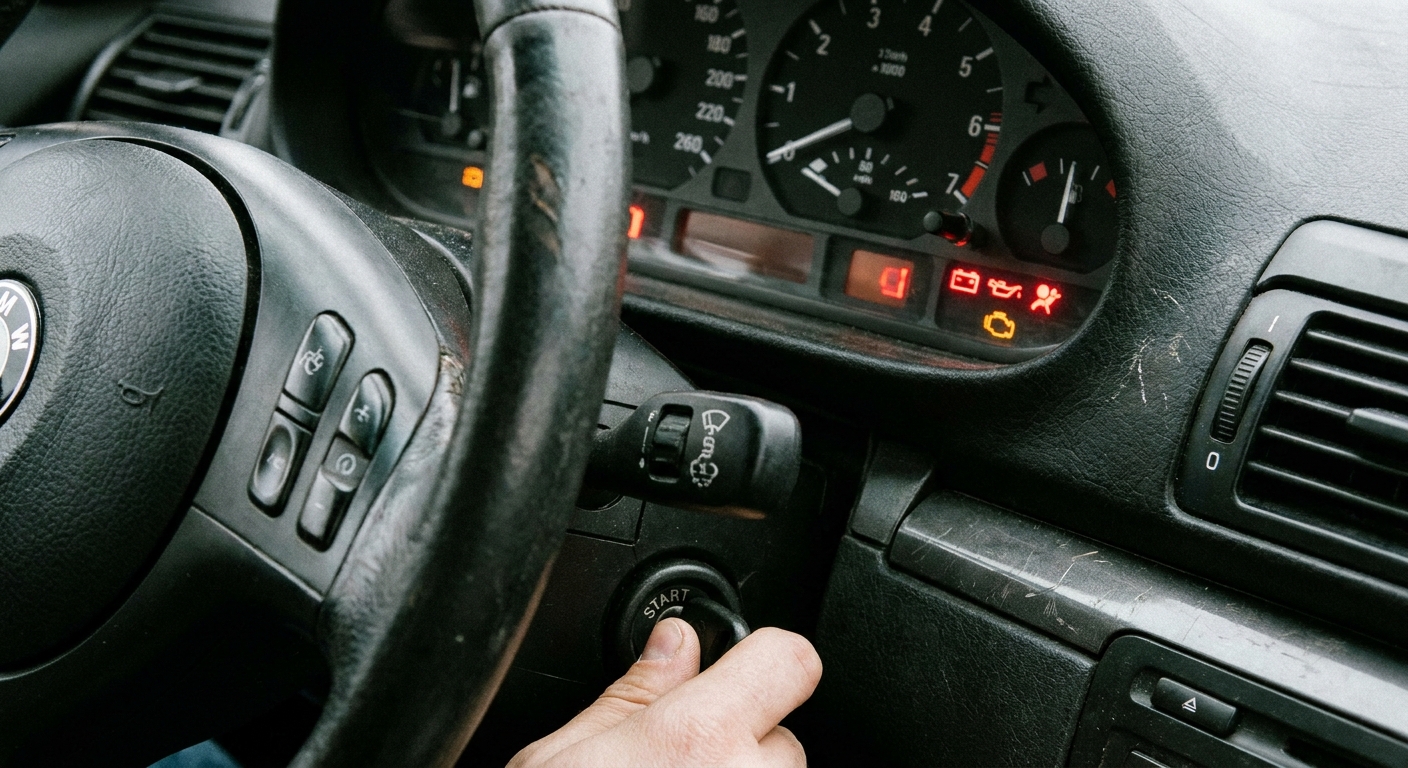
The fastest way to diagnose a long-sit no-start is to pay attention to the symptom. Try one normal start attempt (5 to 10 seconds max) and note what you get:
- Absolutely nothing (no click, no crank): battery, battery connections, main fuses, or ignition switch issues.
- Clicking (rapid clicks or one heavy click): weak battery, poor battery connections, or a starter that is struggling.
- Cranks but will not start: fuel and spark problems are most common after storage, especially stale fuel, an ignition issue, or a stuck fuel pump.
- Cranks very slowly or will not turn over: weak battery, poor connections, or mechanical drag. Stop and diagnose before you burn up a starter.
The most common culprit: a discharged battery
Even a healthy battery self-discharges over time. Add cold weather and a modern car’s always-on electronics, and a battery that was “fine when parked” can be too weak to crank months later.
Quick battery check
- Headlights test: If headlights are dim or go out when you try to crank, the battery is likely low.
- Listen: Rapid clicking is classic low battery.
- Best method: Measure voltage with a multimeter at the battery posts.
Battery voltage guide (at rest)
These numbers are for a typical 12-volt lead-acid battery at about 70 F, after the battery has been sitting with the engine off long enough for surface charge to dissipate (roughly 30 to 60 minutes after charging or driving). Temperature and battery type (AGM vs flooded) can shift the readings a bit.
- 12.6 V (about): fully charged
- 12.4 V: roughly 75 percent
- 12.2 V: roughly 50 percent
- 12.0 V or less: deeply discharged
What to do
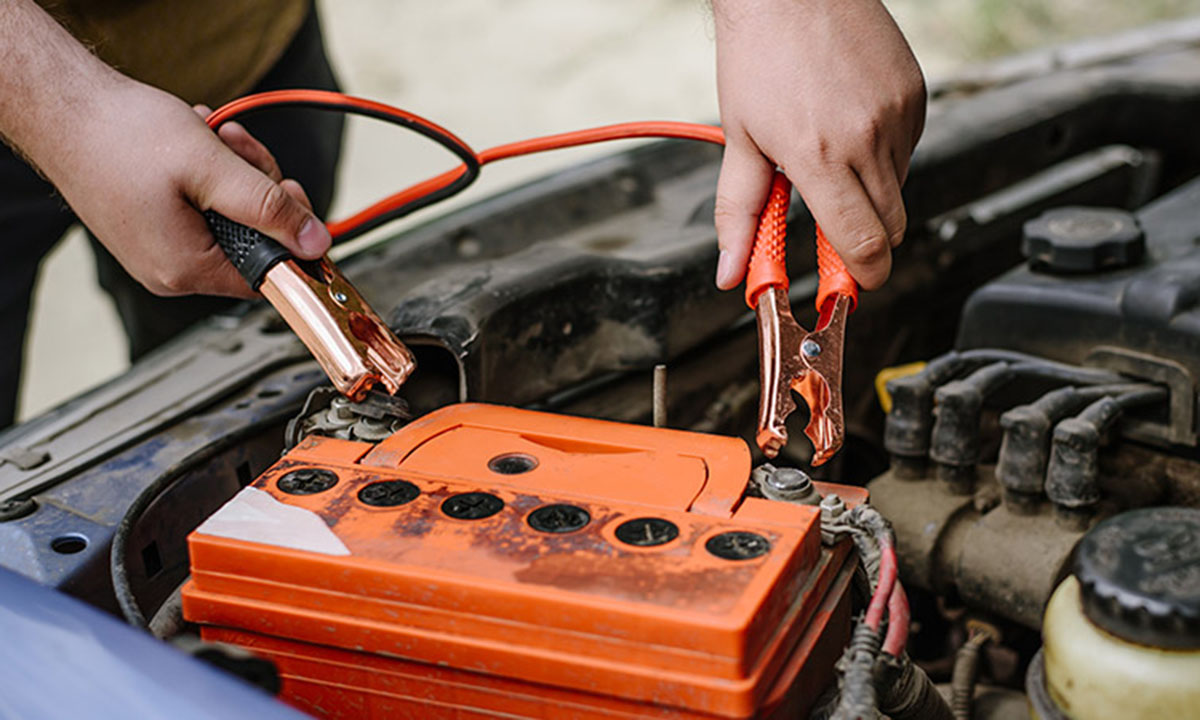
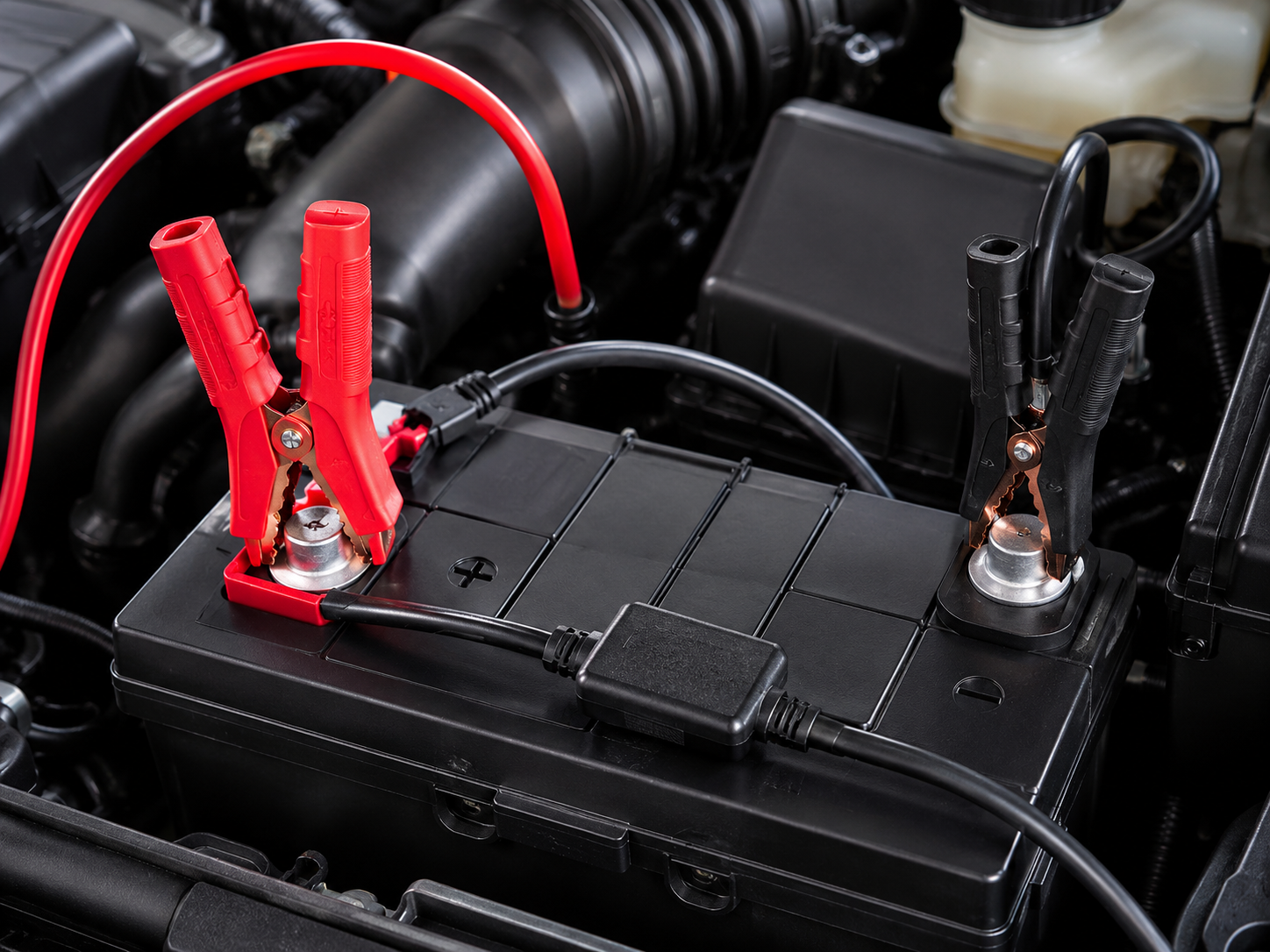
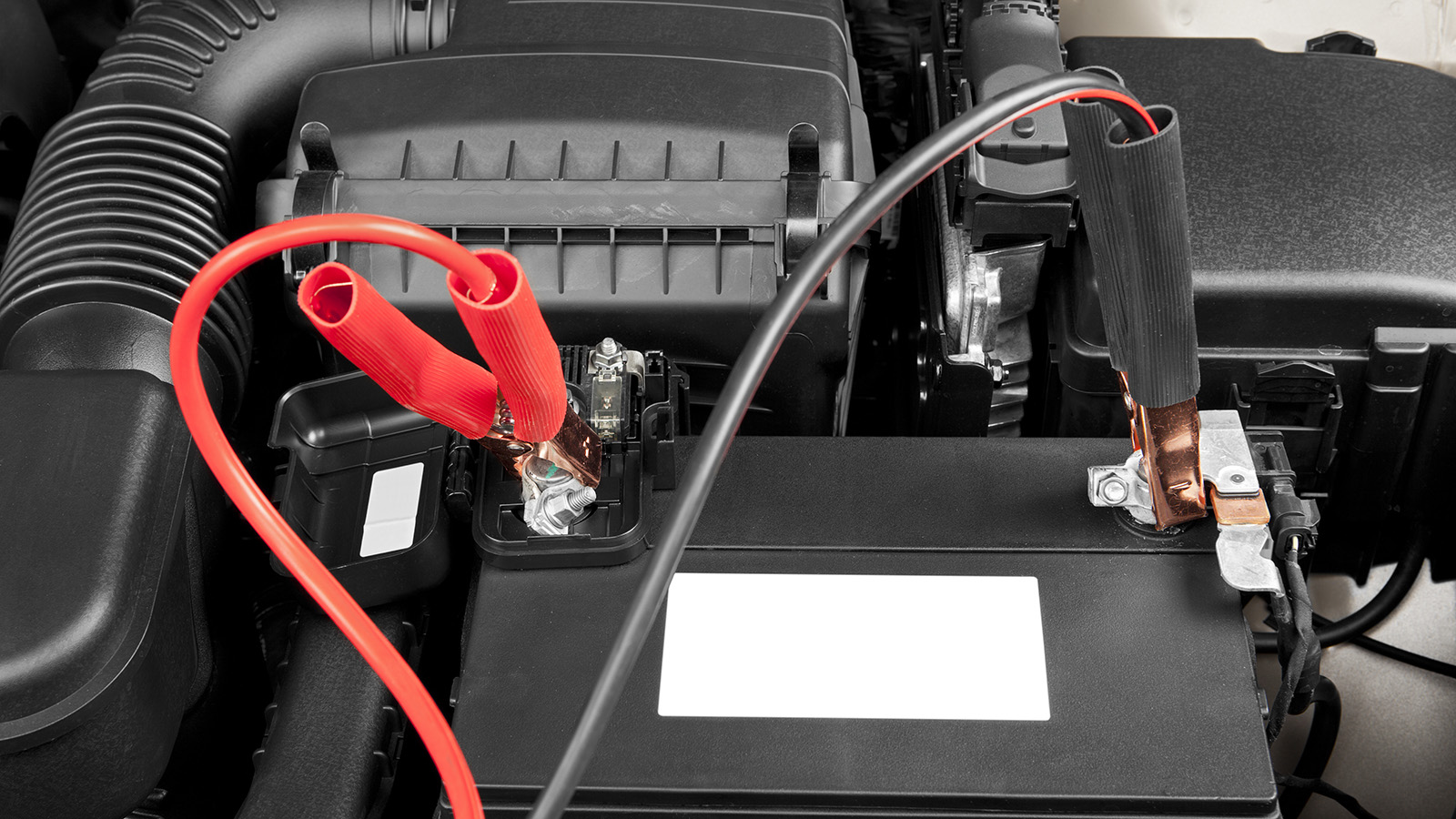
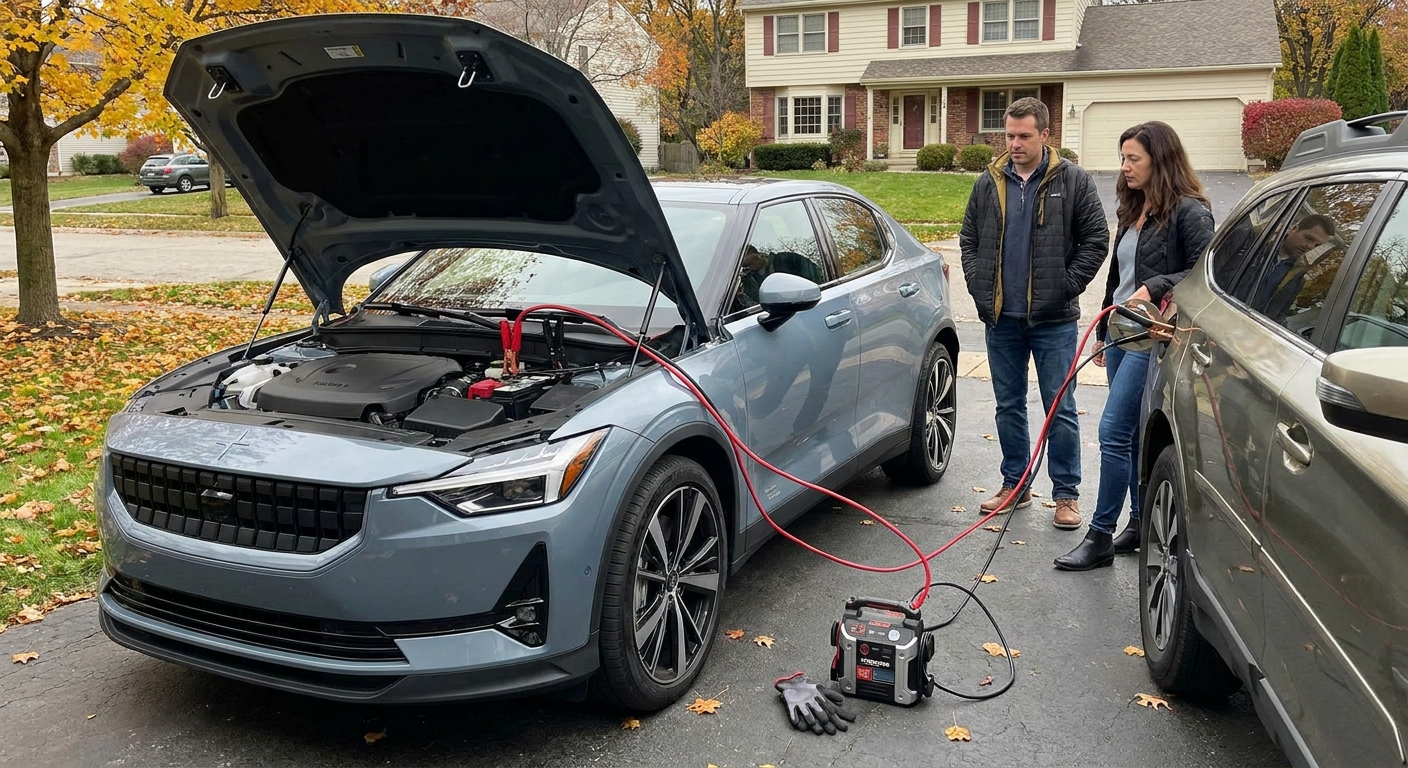
- Charge it with a smart charger, ideally overnight. Jump-starting can get you running, but it does not fix a weak battery.
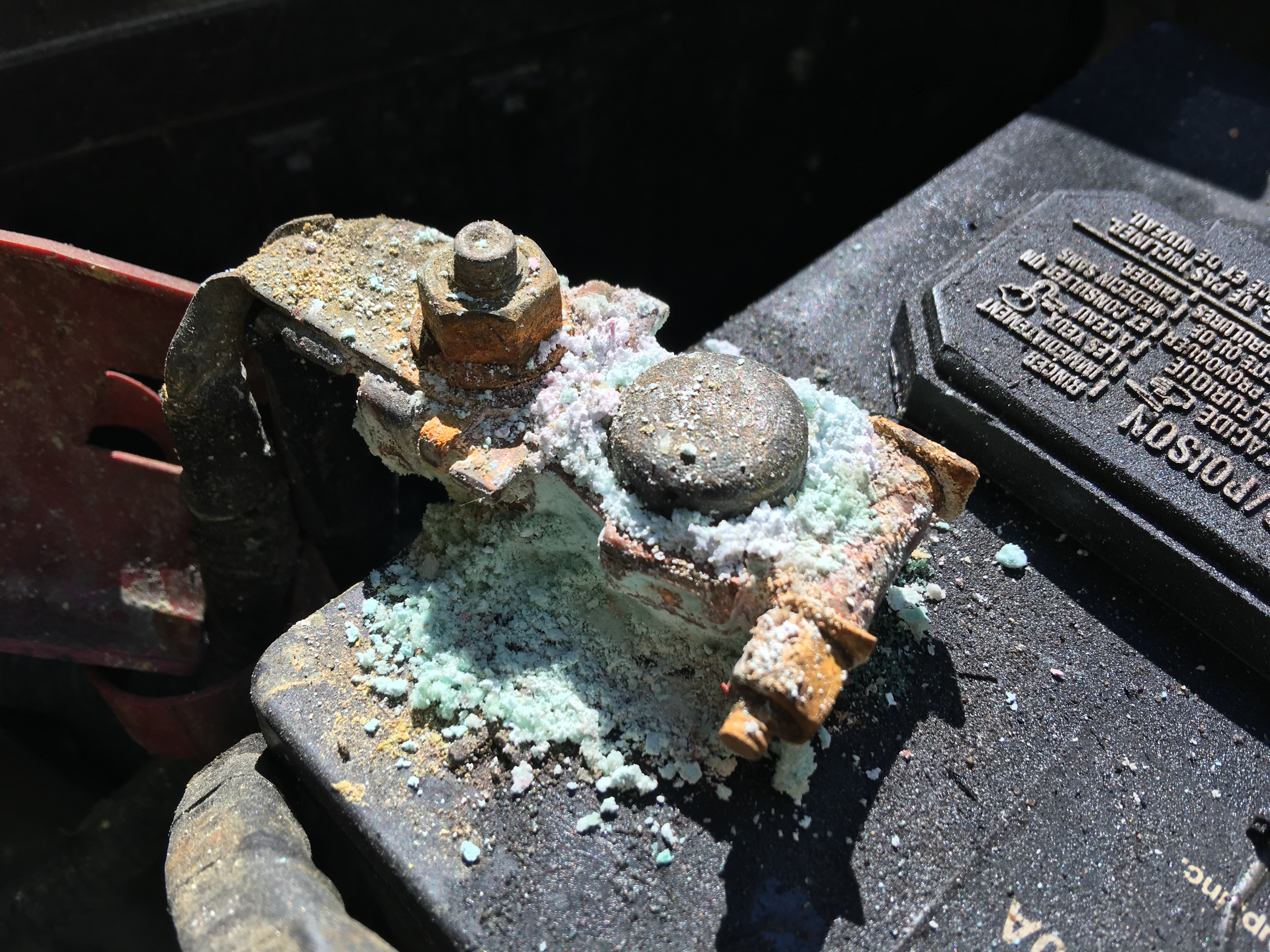
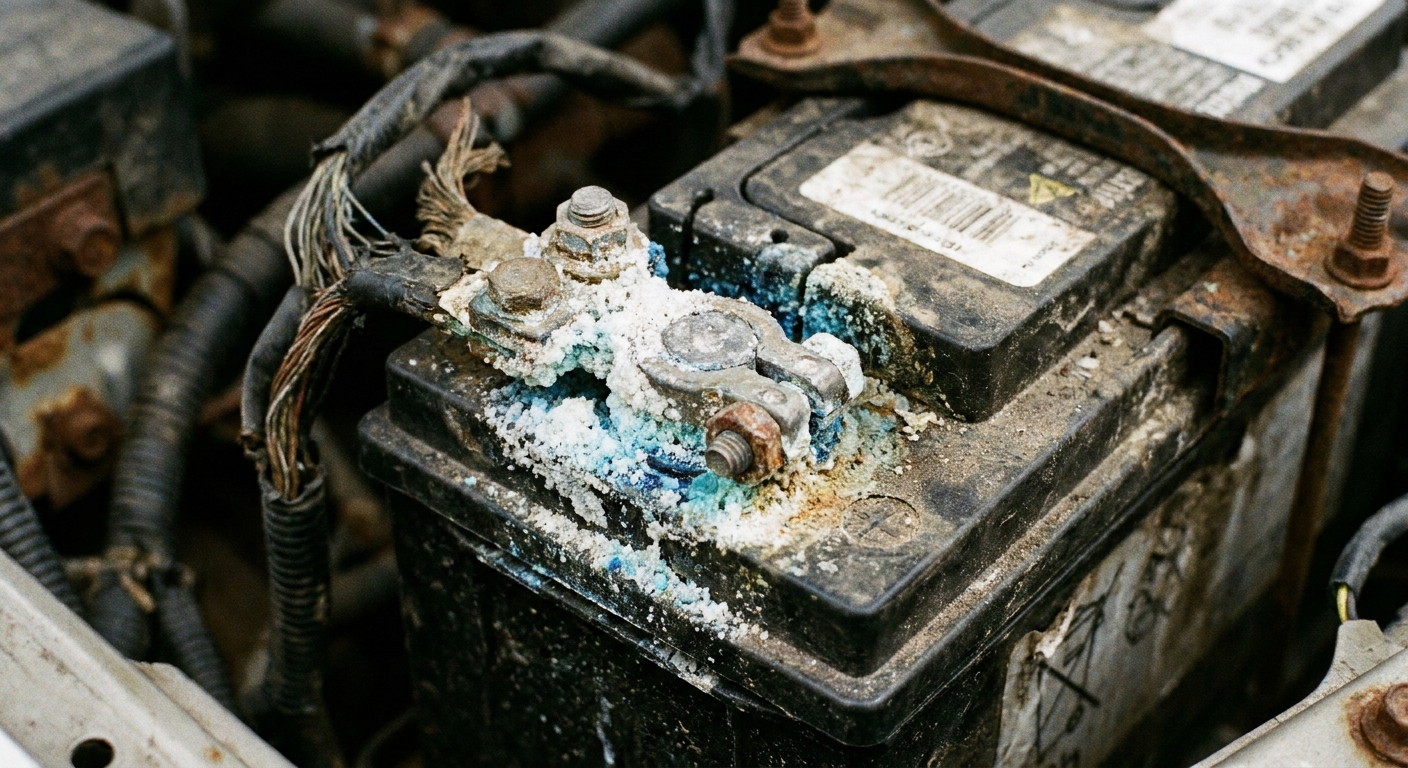
- Clean and tighten connections. Corrosion on terminals is common after sitting. Remove cables, clean until shiny, reinstall tight.
- Load test the battery if it charges but still struggles. Many parts stores will test it for free.
Important: If the battery is more than 4 to 6 years old, storage can be the event that finishes it off. A battery can show decent voltage and still fail under load.
Stale fuel: the silent no-start after storage
Gasoline can start to degrade in a few months, but the timeline varies a lot. Fuel lasts longer in cool conditions, in a sealed system, with ethanol-free gas, or with stabilizer. It tends to get problematic sooner with ethanol blends, heat, frequent venting, or a partially filled tank.
Signs you are dealing with old gas
- The engine cranks normally but will not catch.
- It tries to start with starting fluid, then dies.
- Rough running or surging if it does start.
- A sharp “varnish” smell from the fuel filler area.
What to do (safest options first)
- Add fresh fuel if the tank is near empty. Sometimes a few gallons of fresh gas is enough to get it to fire.
- Use a fuel stabilizer next time. It is cheap insurance for seasonal vehicles.
- If the tank is mostly old fuel, the best fix is usually to drain it or dilute it heavily with fresh fuel. On badly degraded fuel, you may also be looking at a clogged fuel filter or contaminated injectors.
Ethanol note: Ethanol blends can absorb moisture over time. It is not guaranteed to cause trouble, but higher humidity, longer storage, and a partially filled tank can raise the risk of water contamination and phase separation.
Diesel note: Diesel can also go bad (especially with water contamination or microbial growth). If you suspect old diesel, do not keep cranking. You can plug filters quickly.
A stuck fuel pump is more common than you think
When a car sits, the fuel pump can stick, especially on older vehicles or ones that were parked with a low tank. The pump may not prime, so you get a crank-no-start with no fuel pressure.
How to check if the fuel pump is running
- Turn the key to ON (not start) and listen near the rear seat or fuel tank area. Many cars run the pump for 2 to 3 seconds to prime. You may hear a brief hum.
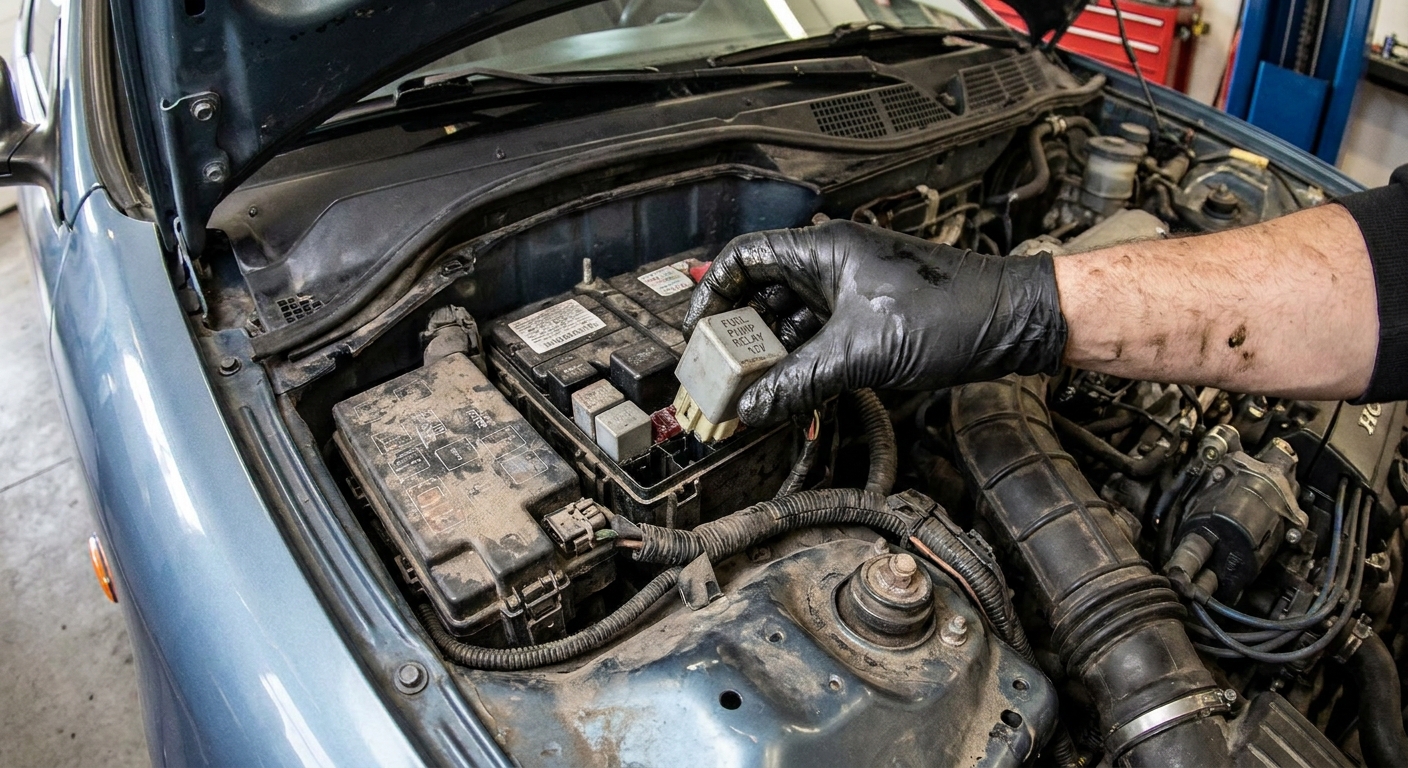
- If you hear nothing, check fuel pump fuse and fuel pump relay.
Try this before towing it
- Cycle the key ON to OFF a few times. This can build pressure on some systems.
- Tap-test (limited cases): On some older vehicles, a gentle tap on the bottom of the tank while someone cranks can temporarily unstick a brushed-motor pump. Do not hit hard, do not use metal tools that can spark, and do not do this around fuel leaks or fumes. Many modern in-tank modules are not realistically “tap-fixable,” so treat this as a last-ditch, get-you-home trick, not a repair.
When to stop: If you suspect a pump issue, avoid extended cranking. It can overheat the starter and drain your battery fast.
Spark and security checks
If the engine cranks normally but will not start, you need three basics: fuel, spark, and the right signals to allow spark and fuel. After storage, I like to check the easy stuff first, then verify spark, then let the scan tool point me where to go next.
Quick spark check
- Best DIY method: Use an inline spark tester. Crank the engine and look for a consistent spark. Keep hands clear and do not hold a plug wire while cranking.
- Visual basics: Make sure coil connectors are seated, plug wires are on the right cylinders (if applicable), and nothing is chewed or unplugged.
Immobilizer and key issues
Some cars will crank but refuse to start if the security system is unhappy. Common clues are a flashing key icon, “security” light behavior that is different than normal, or an engine that fires for a second and stalls. If you have a spare key, try it. A weak key fob battery can also cause weirdness on some push-button cars.
Scan it if you can
A basic OBD-II scanner is worth its weight in gold here. Even if the check-engine light is off, stored codes can point to a crank sensor issue, cam sensor issue, throttle body problems, or misfires. One simple tip: watch engine RPM on the scanner while cranking. If it stays at 0, the ECM may not be seeing a crank signal, and many cars will not spark or inject fuel without it.
Starting fluid caution
Starting fluid can be a useful test, but it is easy to overdo. Use a small burst only, follow the product instructions, and keep clear of backfire risk. Avoid using it on diesel engines with glow plugs or intake heaters, and be cautious on engines where the manufacturer warns against it.
Rodent damage: the storage problem nobody wants
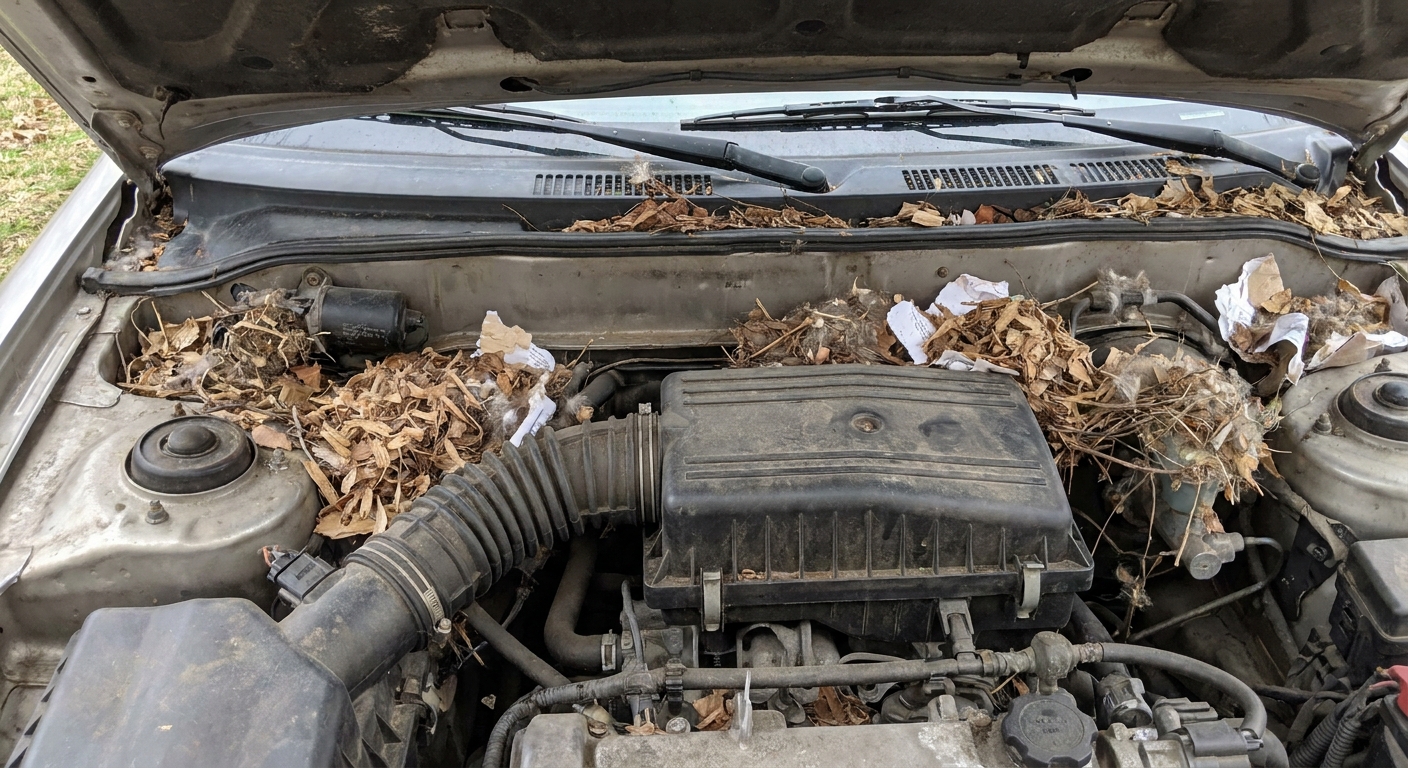
If your car was parked outside, in a barn, or even in a quiet garage, rodents can move in. I have seen nests on top of intake manifolds, shredded cabin filters, and chewed injector wires that caused dead misfires and no-starts.
Clues you have rodents
- Chewed insulation, droppings, or nesting material under the hood
- Strong musty smell in the cabin or vents
- Mystery warning lights, blown fuses, or a no-crank condition with a known-good battery
Where to look first
- Top of the engine, especially near the intake and fuel rail
- Airbox and intake snorkel for nesting or blockage (a packed airbox can be a literal no-start)
- Wiring looms along the firewall and near the battery
- Ground straps (a damaged ground can mimic a dead battery)
Safety note: Wear gloves and a mask when cleaning nests or droppings. Hantavirus risk is real in some regions.
Stuck brakes can stop the car from moving
After months sitting, especially in damp conditions, brake pads can rust-bond to rotors, or drum brakes can stick. Most of the time, this shows up after you get the engine running: the car will not roll, or it feels like you are dragging an anchor.
Quick checks
- Can you push the car on flat ground (in neutral, parking brake off)?
- Do you hear a loud pop when it finally moves? That can be pads releasing from rotors.
- After a short tow or push, is one wheel dragging or getting hot?
What to do
- If it is safe, try to rock the car gently forward and back to break light sticking free.
- If a wheel is clearly locked, the best move is to inspect that corner. You may need to remove the wheel and address a seized caliper, rusted rotor, or stuck parking brake cable.
Note: In some cases, especially on manual transmission cars that are left in gear or if something in the driveline is binding, extra drag can make cranking harder. That said, stuck brakes are far more likely to be a “won’t move” problem than a true no-crank.
Do not keep trying to drive through a locked brake. You can overheat components fast and turn a minor issue into a major one.
Could the engine actually be seized?
True engine seizure is less common than dead batteries and bad fuel, but it is absolutely on the list after long storage, especially if the engine had internal rust issues, low oil, coolant intrusion, or it sat for years rather than months.
Warning signs
- The starter clicks once or strains, but the engine will not rotate.
- The crank pulley does not move at all during a start attempt.
- You had known issues before parking it, like overheating, low oil pressure, or knocking.
A safer way to test (basic approach)
With the ignition disabled (varies by vehicle) and the car in Park or neutral with the parking brake set:
- Use a socket and breaker bar on the crankshaft pulley bolt and try to turn the engine by hand.
- If it will not budge, stop. Forcing it can break a bolt or damage components.
Also check for hydrolock
On some engines, a leaking injector or coolant intrusion can fill a cylinder with liquid. Liquids do not compress, so the engine stops hard. If you suspect this, do not keep cranking.
A common safer check is to remove the spark plugs and then crank briefly to see if fuel or coolant sprays out of a cylinder. Do this with ignition and fuel disabled where possible, keep rags over the plug holes, and keep clear of moving parts. If you find fluid, the next step is figuring out how it got there before you try to start it again.
If you are at this point, it is usually worth getting a professional diagnosis. The next steps depend heavily on the specific engine and what caused the lockup.
A simple step-by-step no-start plan (storage edition)
If you want a straightforward order of operations, here is how I would approach a car that sat for several months:
- Verify battery condition: charge it fully, clean terminals, then check voltage at rest after it sits for a bit. Aim for at least about 12.4 V.
- Listen for crank behavior: normal crank vs slow crank vs no crank.
- Scan for codes if you can, and check RPM signal while cranking.
- Check for fuel pump prime and verify fuel pump fuse and relay.
- Consider the fuel age: add fresh fuel if low, plan to drain or dilute if the tank is mostly old.
- Confirm spark with an inline tester if it cranks but will not start.
- Watch for immobilizer clues: security light behavior, starts then stalls, key icon flashing.
- Inspect for rodent damage: visible chews, nests, blown fuses, damaged grounds, blocked airbox.
- Make sure the car rolls freely: rule out stuck brakes (mostly a “won’t move” issue).
- If it still will not turn over, stop and test for a locked engine or hydrolock.
When to call for a tow or a pro
Some situations are “stop now” moments. I recommend professional help if:
- The engine will not rotate by starter and you suspect seizure or hydrolock.
- You find chewed wiring in multiple areas or melted fuse boxes.
- You smell strong fuel and suspect flooding or a fuel leak.
- The vehicle starts but runs dangerously rough, backfires, or has flashing warning lights.
How to store a car next time so it starts again
If you are planning to park a vehicle for months, a few small steps prevent most of the headaches above:
- Use a battery maintainer (not just a trickle charger) or disconnect the negative terminal if appropriate for your car.
- Fill the tank and add fuel stabilizer, then run the engine long enough to circulate treated fuel.
- Block rodent entry points where possible and avoid storing pet food nearby.
- Release the parking brake for long storage if safe to do so, and use wheel chocks instead.
- Start and move it occasionally if you can, but only if you can bring it fully up to temperature. Short idling sessions can do more harm than good.
FAQ
My lights and radio work. Why won’t it start after sitting?
Lights and a radio can work with a weak battery because they draw far less current than a starter. After months of sitting, the battery may have enough power for accessories but not enough cranking amps to spin the engine. Fully charge the battery and check the connections at the battery and engine ground.
Should I jump-start it or charge the battery?
If you have time, charge it. Jump-starting is fine to confirm the problem, but a deeply discharged battery often needs a full charge to recover, and some batteries never come back after sitting flat.
How long does gasoline last in a parked car?
It varies by fuel blend and storage conditions. In real-world conditions, you can start to see problems in the 3 to 6 month range, especially with ethanol blends and warm storage. With stabilizer and cool storage, it can last longer.
Can a fuel pump really get stuck from sitting?
Yes. It is not the most common failure, but it is common enough that I always listen for prime and check the fuse and relay on a long-sit no-start.
Is it safe to keep cranking?
Not indefinitely. Long cranking can overheat the starter, drain the battery, and if the engine is hydrolocked or mechanically stuck, you can create more damage. If cranking speed changes suddenly or the engine stops hard, pause and diagnose.