The first time I ran into this as a young tech, the customer swore the car was “possessed.” It idled fine in park, revved fine, drove fine. But the second they cranked the steering wheel at a stop, the engine would drop on its face and stall. Restart, repeat.
If that sounds like your situation, don’t worry. This is one of those problems where the symptom is actually a pretty useful clue. Turning the wheel adds load to the engine through the power steering system. A healthy engine compensates by bumping idle torque. A struggling engine cannot, so it stalls.
Below is how I’d diagnose it in a driveway first, then what a shop will typically test next. I’ll also call out the red flags that point to an electrical cut or a steering system problem rather than a simple idle issue.
What should happen when you turn
On most gas vehicles with hydraulic power steering, turning the wheel makes the power steering pump build pressure. That takes power, which is extra load on the engine. To prevent a stall, the car compensates in one of these ways:
- Many older setups: a power steering idle-up solenoid/valve (sometimes vacuum-operated, sometimes electronically controlled) bumps idle when steering pressure rises.
- Modern setups: the ECU commands the idle air control (IAC) valve or electronic throttle to add air and fuel.
- Some cars: a power steering pressure switch/sensor tells the ECU, “Hey, steering load is high, raise idle.”
If any part of that system is missing, sticking, leaking, or misreading, you can get a stall that happens only when you turn the wheel near full lock or even with small inputs at a stop.
Quick safety checks
- If it stalls in intersections or while parking: treat it as a safety issue. Avoid driving until you’ve narrowed it down.
- Do not hold the steering at full lock: on hydraulic systems that can spike pressure and overheat fluid even on a healthy car.
- Keep hands clear of belts and fans: a lot of these checks happen with the engine running.
Sort the symptom first
Bucket A: “It stumbles and dies, but the dash stays lit”
This usually points to an idle control or load compensation problem, vacuum leak, dirty throttle body, or a power steering system that is dragging the engine down too hard.
Bucket B: “The engine dies and the dash or radio also goes out”
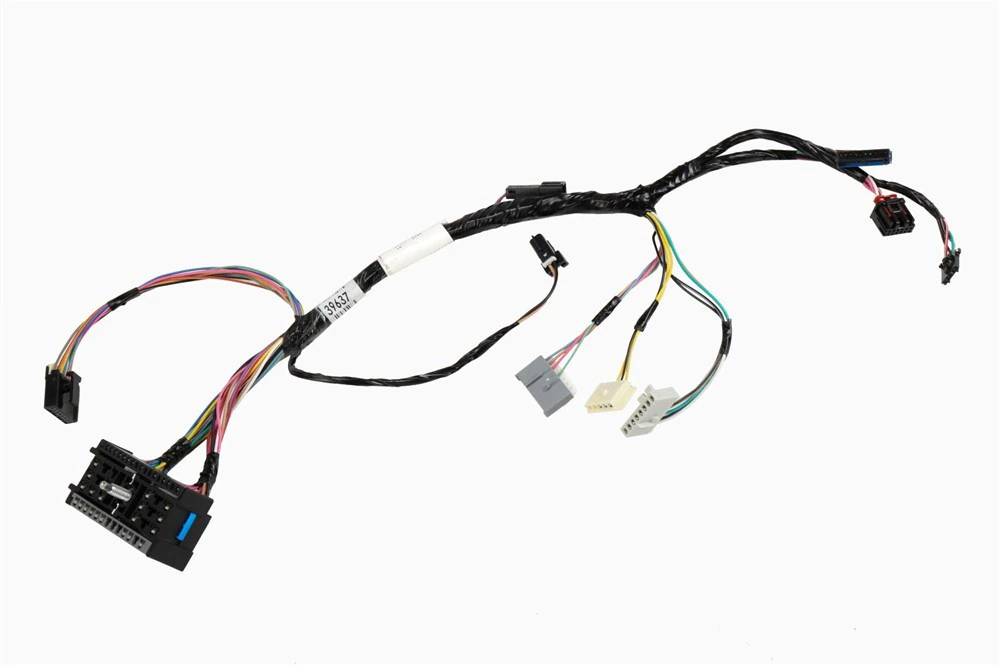
That’s a different animal. If turning the wheel makes the cluster flicker, radio cut, or everything reset, think electrical power or ignition feed being interrupted. Common culprits include a loose battery cable, weak main grounds, a failing ignition switch, a steering column harness issue, or a poor connection at a fuse box or main junction. Track the electrical side first.
Bucket C: “It stalls every time you come to a stop, turning or not”
If it dies at stops even with the wheel straight, you’re chasing a general idle quality or fuel/air problem rather than a steering-specific trigger. Fix the base idle issue first, then re-check the steering load behavior.
Most common cause: weak idle
If the car idles a little low, a little rough, or drops RPM when you shift into drive, turning the wheel can be the final straw.
What you’ll often notice
- Idle RPM is already low or hunts a bit
- Turning the wheel at a stop causes a big RPM dip
- It may be worse with headlights, A/C, rear defrost, or fan on high
At-home checks that help
- Watch RPM: With the car warmed up, hold the brake, put it in drive (automatic) and gently turn the wheel. A small dip can be normal. On many vehicles, roughly 50 to 150 RPM is not alarming. A 300+ RPM drop, repeated near-stalls, or an immediate stall is not.
- Manual vs automatic matters: A manual can “hide” this because pushing the clutch removes load. If you can only reproduce it with the clutch engaged at a stop, you’re still dealing with idle control versus load.
- Try it with A/C off and on: If adding A/C load makes it much worse, your base idle control is probably marginal.
- Listen for vacuum leaks: Hissing near the intake, PCV hoses, brake booster hose, or vacuum lines. A small leak can become a big deal when load hits.
Likely fixes
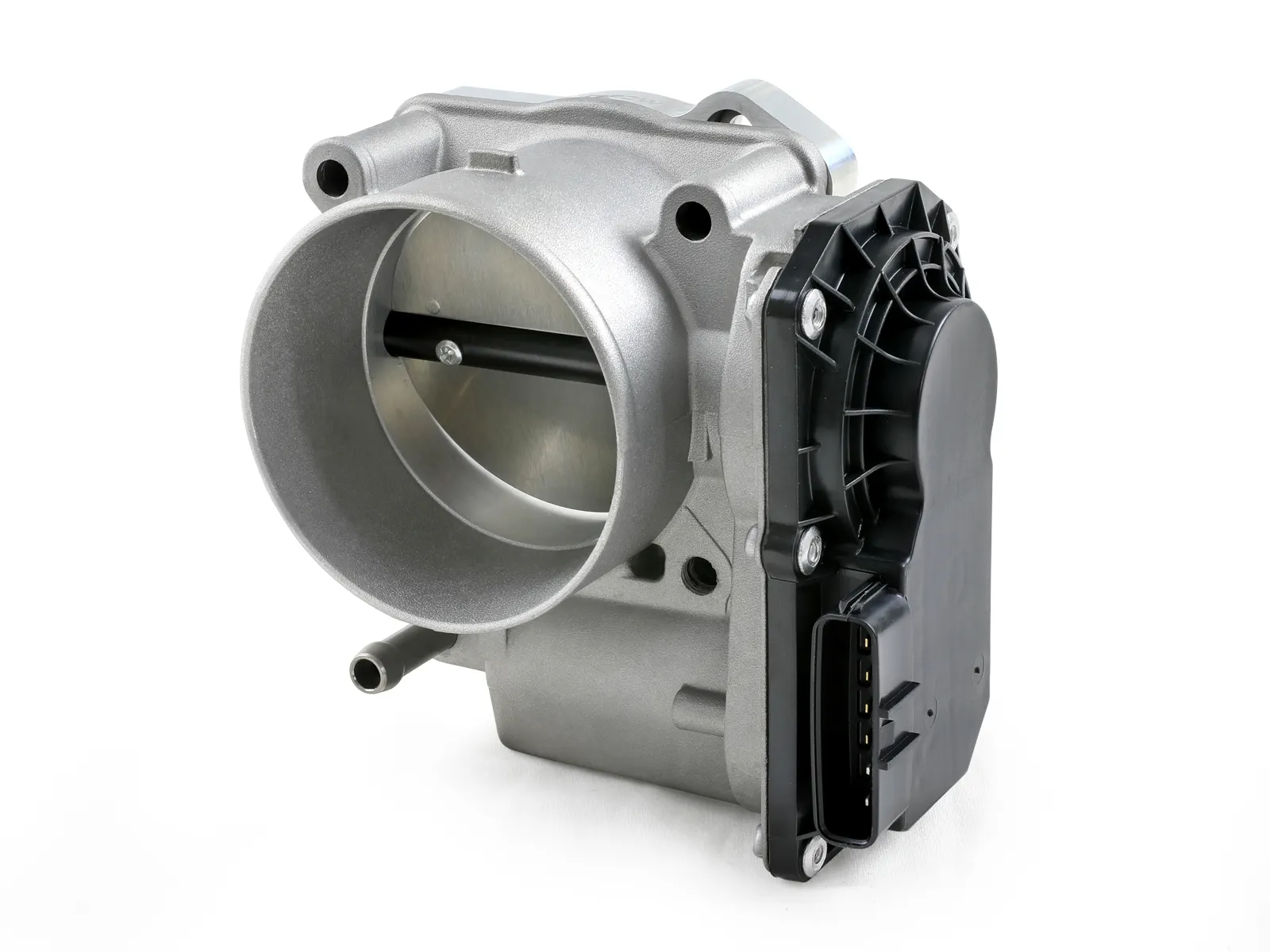
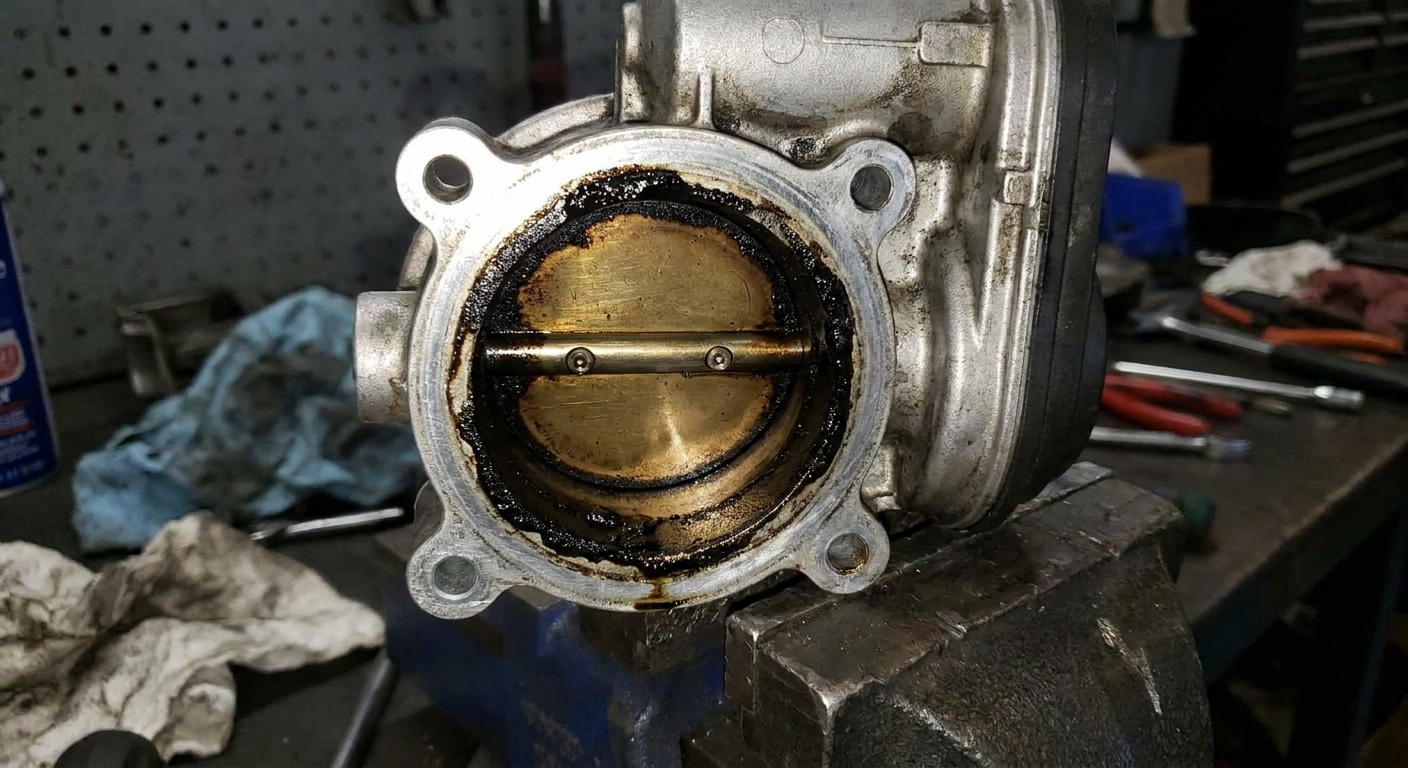
- Clean the throttle body: Carbon buildup around the throttle plate can choke airflow at idle. On electronic throttles, follow the correct procedure and do not force the plate open.
- Idle relearn: Some vehicles need an idle relearn after cleaning, battery disconnect, or throttle work. If you don’t have a scan tool, follow service information for your exact model. Guessing here can create new problems.
- Test or clean the IAC (if equipped): A sticky IAC can respond too slowly to steering load.
- Repair vacuum leaks and PCV issues: Especially cracked elbows and hardened hoses.
In the shop, I’d also look at fuel trims, commanded idle, and whether the ECU even sees the steering load input.
Steering problems that add load
Sometimes the engine is fine. The steering system is what’s overloading it.
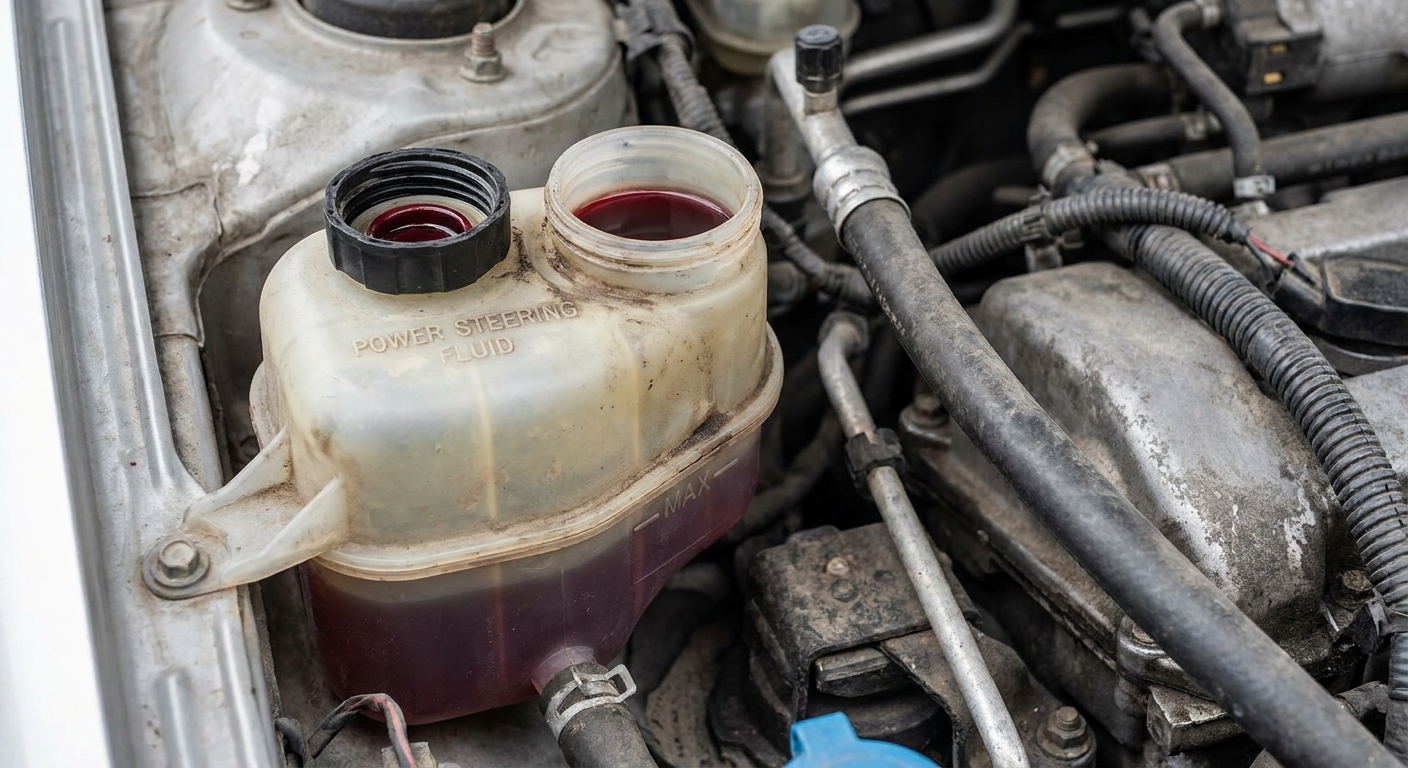
1) Low or aerated power steering fluid
Low fluid can cause the pump to cavitate and load the engine erratically, especially at low RPM.
- Check the reservoir level with the engine off, following the hot or cold marks on the dipstick cap if equipped.
- Look for foam or bubbles in the fluid. Aerated fluid often comes with a groaning pump noise.
- Look for leaks at hose crimps, rack boots, pump shaft seal, and reservoir seams.
If it’s low, top up with the correct fluid type. Many vehicles require a specific power steering fluid or ATF type. Using the wrong one can cause noise, seal problems, and weird assist behavior.
If the fluid is foamy, you may also need to bleed air out of the system. A common method is to safely lift the front wheels off the ground, then slowly turn lock-to-lock several times without holding full lock, topping up as needed. Some vehicles have a specific bleeding procedure, so confirm for your model.
2) Binding power steering pump
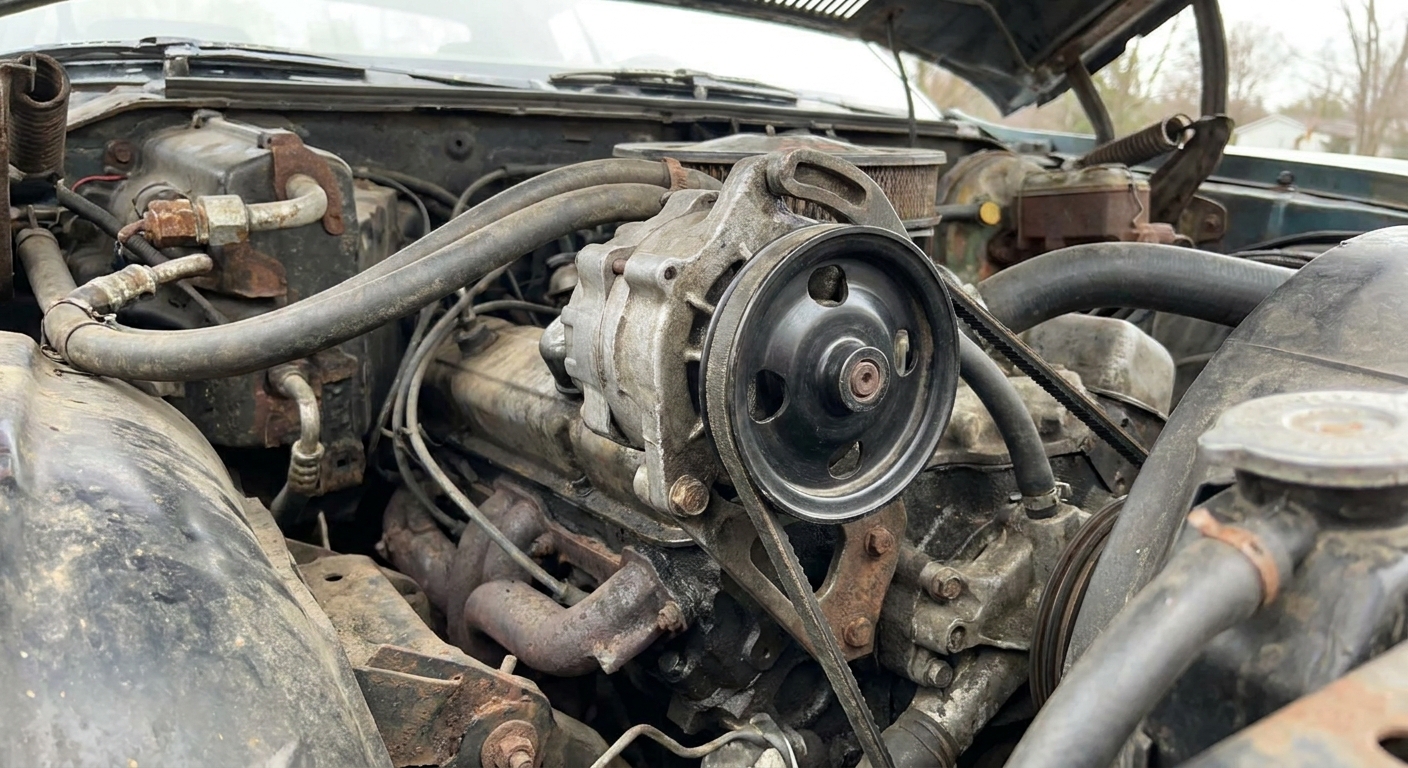
A failing pump can create excessive drag. You’ll often hear a loud whine or growl when turning, and the steering may feel jerky.
- Does it get worse near full lock? That is classic for a pressure spike load.
- Does the belt squeal when you turn? That can be pump drag, a weak tensioner, or a glazed belt.
3) Belt slip or weak tensioner
If the pump loads up and the belt slips, you can get squeal and a sudden drop in alternator output. By itself, belt slip is more likely to cause noise and low charging, but it can contribute to stalling when the idle is already marginal.
- Inspect belt condition for cracks, glazing, or contamination
- Check tensioner movement and spring force (if applicable)
- Listen for squeal exactly when steering load is applied
4) Steering rack binding
Less common, but a rack that is binding internally or a severely misaligned front end can increase steering effort and pressure demand.
If steering effort is unusually high or inconsistent, the steering system deserves a closer look before you chase engine sensors.
Idle-up signal problems
On many vehicles with hydraulic steering, there’s a power steering pressure switch or sensor. When you turn the wheel and pressure rises, it changes state and the ECU bumps idle. If that input fails, the ECU never compensates and the engine can stall.
Clues this is your issue
- Base idle is mostly OK, but it does not rise at all when you turn the wheel
- No major vacuum leak symptoms
- Stall happens most in parking maneuvers
How it’s confirmed
A shop will typically check live data to see whether the steering pressure switch toggles or the sensor value changes during steering input. If the signal is stuck or erratic, you’ve found a strong lead.
On some cars, a misrouted or damaged connector near the pump or rack (often after other repairs) causes this exact “turn the wheel, die” complaint.
Other contributors to check
Steering load doesn’t create problems out of thin air. It exposes weaknesses that only show up at idle under load.
Dirty MAF sensor or intake leak after the MAF
If unmetered air enters after the MAF, idle fueling can get shaky. Add steering load and the correction may not keep up.
EGR valve stuck slightly open
A slightly open EGR at idle can cause stalling and roughness. Steering load just pushes it over the edge.
Weak alternator or low voltage
At idle, voltage is already at its lowest. If your alternator is weak and the pump load drops RPM further, voltage can dip enough to upset idle control and ignition performance.
- If you have a voltmeter, many vehicles will show somewhere around 13.5 to 14.7 volts at idle, but smart charging systems can run lower or vary based on temperature and load. What matters is whether voltage is stable and whether it drops hard right when you turn.
- Big dips when turning the wheel can point to belt slip, poor connections, weak charging, or a steering system that is overloading the engine.
Codes you might see
You might get no codes at all. But if the check engine light is on, common ones around this problem include idle control codes (like P0505), lean codes (P0171/P0174), and airflow-related codes (often MAF-related). Codes are clues, not verdicts.
Driveway step-by-step
- Warm it up fully and reproduce the stall in a safe spot.
- Listen and watch: note RPM drop, belt squeal, pump whine, and whether the dash stays normal.
- Check power steering fluid level and condition (low, dark, foamy, burnt smell).
- Inspect the belt and tensioner for wear or wobble.
- Clean the throttle body if it is clearly dirty and follow the correct relearn procedure for your vehicle.
- Check for vacuum leaks with a careful visual inspection of hoses and intake boots.
- If it still stalls: plan for scan tool diagnostics to check commanded idle, IAC counts (if applicable), throttle angle, fuel trims, and steering pressure input (if equipped).
If you are not comfortable working around a running engine or you cannot reproduce the issue safely, that’s your sign to hand it to a trusted shop.
When to drive and when not
Usually OK to drive to a shop if
- It only happens in tight parking maneuvers
- You can keep it running by lightly feathering the throttle
- Steering and brakes still feel normal
Do not drive if
- It stalls unpredictably while moving
- Steering assist cuts out and you cannot safely control the car
- You smell burning, see smoke, or hear severe belt squeal
- The dash goes dark or the car loses electrical power when turning
- Repeated stalls are making the brake pedal go hard (loss of brake booster assist), increasing stopping distance
If you have to limp it to a shop, use hazard lights, pick low-traffic routes, and avoid left turns across traffic.
FAQ
Why does it stall more at full lock?
Full lock is where the pump sees the highest pressure demand. On many systems, holding full lock briefly causes a noticeable load spike. If your idle control is weak or the pump is binding, that spike can stall the engine.
Could this be my battery?
A weak battery usually causes starting problems, not “only while turning” stalls. But low system voltage from a weak alternator, belt slip, poor grounds, or bad connections can contribute, especially at idle when you add steering load.
My steering is electric. Can this still happen?
Yes, but the causes shift. Electric power steering loads the electrical system rather than a hydraulic pump load on the belt. In that case, I look harder at charging voltage, grounds, and whether the EPS motor is drawing excessive current due to a problem in the steering gear or the EPS unit.
If it restarts right away, is it serious?
Not necessarily, but don’t dismiss it. Quick restarts are common with idle control and load-related stalls, but stalling in low-speed steering maneuvers can still be a real safety concern, especially in traffic, on hills, or when you need power assist.