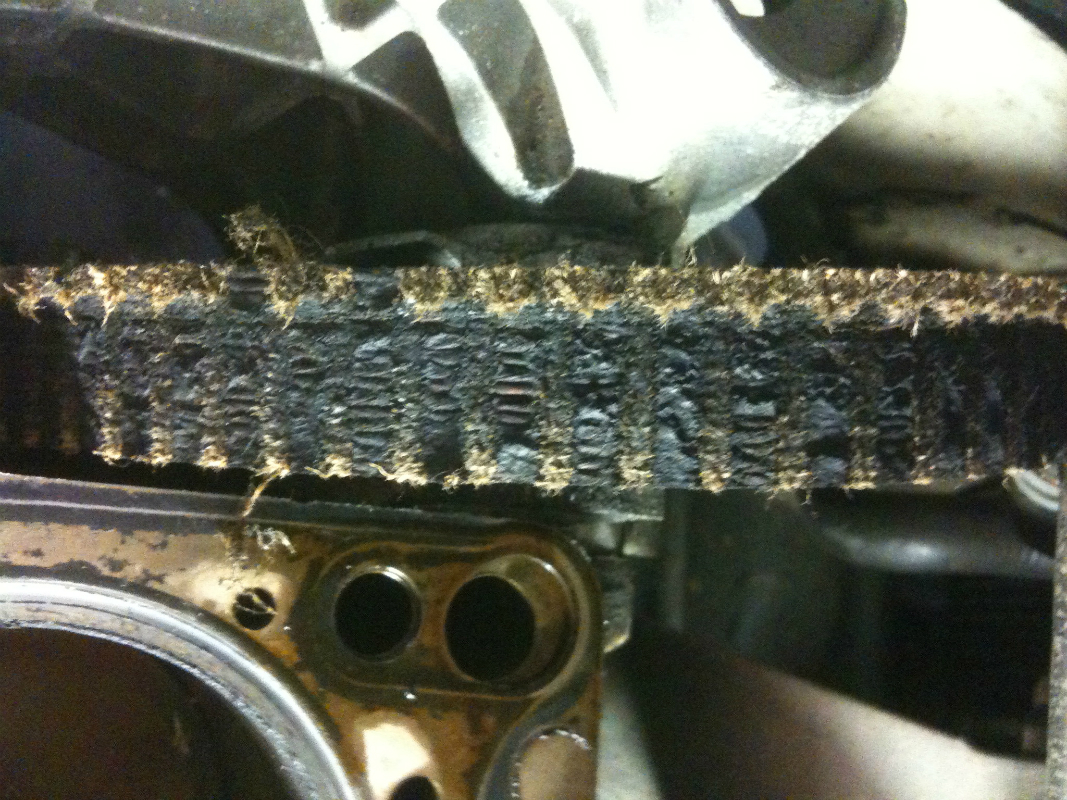
I have heard a lot of “morning ticks” over the years, usually in the first 30 to 120 seconds after start-up when the oil is thick, metal parts have contracted, and everything is waking up. The good news is that a tick that’s loud on a cold start and fades as the engine warms is often explainable, and many times it’s not catastrophic.
The key is to identify the type of tick, how long it lasts, and whether it changes with engine speed. In this guide I’ll walk you through the most common causes, starting with the simplest: oil level and oil viscosity.

First check: oil level and viscosity
If your engine ticks on cold start and then quiets down, think “oil supply and oil pressure first.” Hydraulic lifters, cam phasers, and timing chain tensioners all depend on oil pressure. When oil is low, old, or not the right viscosity for the conditions, it can take longer to get oil where it needs to go.
Step 1: verify oil level the right way
- Follow your owner’s manual procedure if it specifies a check method or wait time.
- If you have a dipstick, a common rule of thumb is to park on level ground, shut the engine off, and wait about 5 minutes so oil can drain back.
- Pull the dipstick, wipe it, reinsert it fully, then read it.
- If it’s below the safe range, top it up with the correct oil, then recheck.
If you find the level is notably low (for example, near or below the add mark), the ticking might be your first warning sign of a leak or oil consumption. Correcting the level may quiet it immediately, but you still need to figure out where the oil went.
Step 2: confirm you are running the correct viscosity
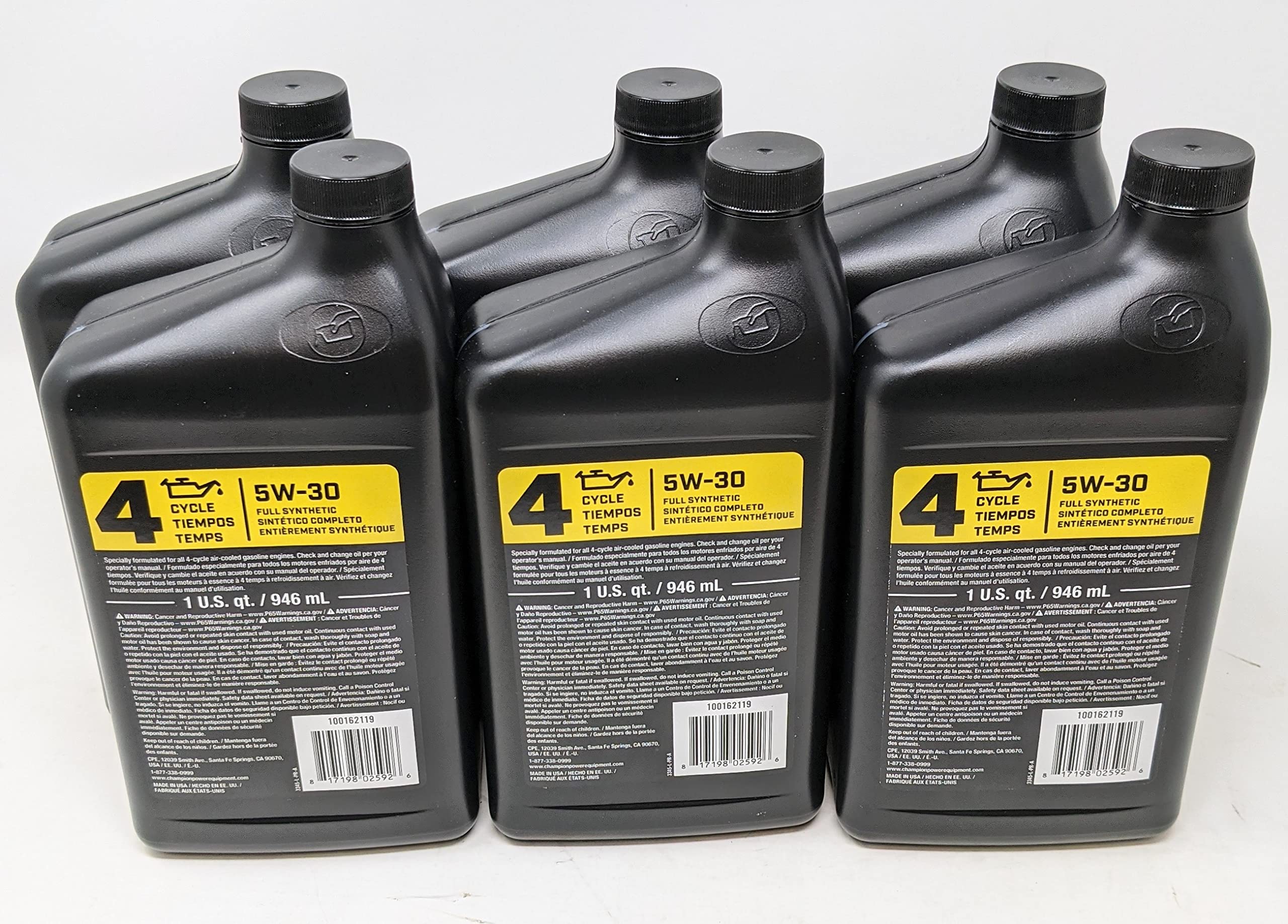
Oil viscosity is the “thickness” rating, like 0W-20 or 5W-30. The first number (with the W) matters a lot on cold starts because it affects cold cranking and pumpability. The second number matters at operating temperature and can influence how the engine sounds once warm.
- If the tick started after an oil change, double-check the invoice or what you poured in.
- If temperatures dropped and you are running a thicker grade than recommended, you may hear more cold-start noise.
- If the oil is overdue, sludge and varnish can restrict oil passages, slow return flow, and aggravate lifter or tensioner issues.
Stick with the viscosity printed on your oil cap or owner’s manual unless you have a specific reason not to. Modern engines can be picky, especially those designed around low-viscosity oils.
Lifter bleed-down
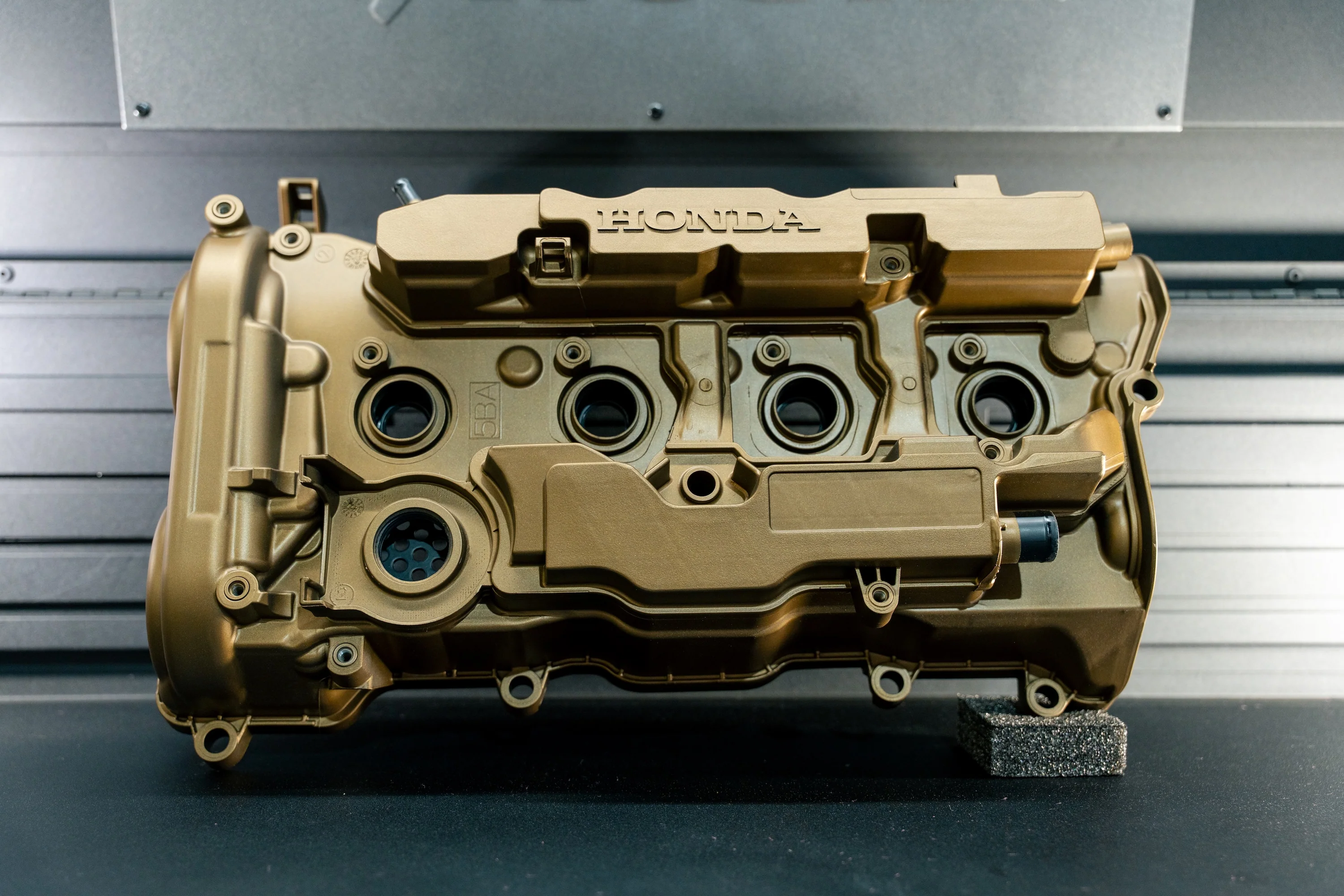
A very common cold-start tick is hydraulic lifter bleed-down. Hydraulic lifters use oil pressure to maintain proper valve lash. After the engine sits, a lifter can leak down internally and lose its “prime.” On the next start, that lifter may tick until oil pressure refills it.
What it sounds like
- A sharp, rhythmic tick that matches engine RPM
- Often strongest near the top of the engine (valve cover area)
- Usually fades within 10 seconds to a few minutes
Common reasons it happens
- Dirty oil or extended oil change intervals
- Wrong viscosity
- Normal wear inside the lifter on higher-mile engines
- Low oil level causing aeration and delayed pressure
- Oil filter drainback on engines where the filter design and orientation relies heavily on a good anti-drainback valve
What you can do
- Bring oil maintenance up to date. Fresh oil and a quality filter can make a noticeable difference.
- Use a quality oil filter, especially if your engine tends to tick after sitting. A weak anti-drainback valve can allow oil to drain out of the filter overnight on some setups.
- Listen for a pattern. If it’s getting longer or louder over weeks, it’s time for diagnosis.
If the tick persists warm, returns at hot idle, or comes with a misfire, that’s no longer a simple cold-start quirk.
Exhaust manifold leak
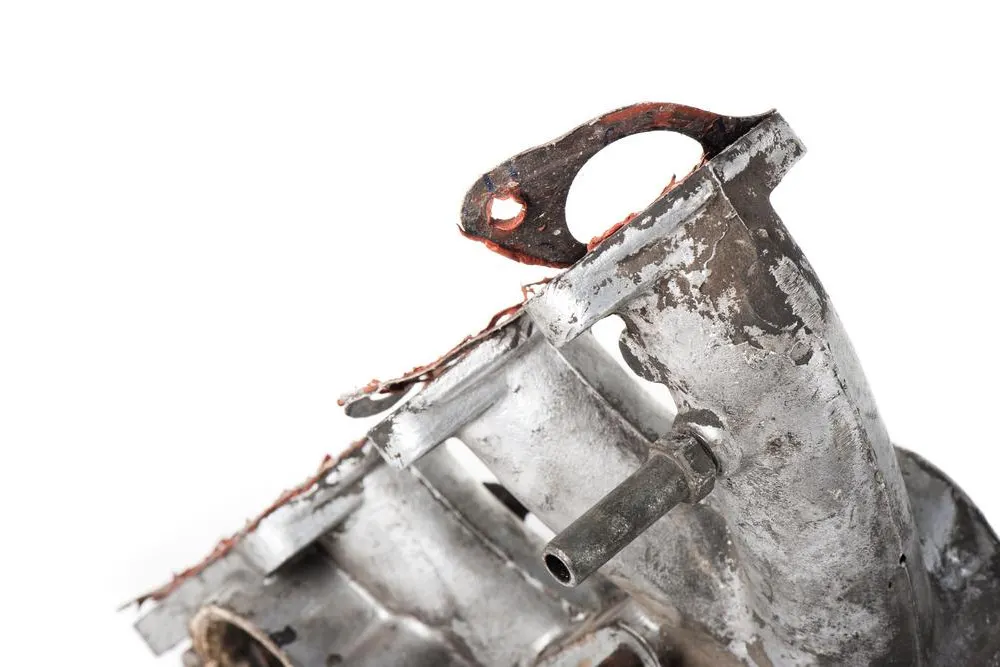
A small exhaust manifold leak can sound exactly like a lifter tick, especially when cold. As the manifold and cylinder head heat up, metals expand and the leak can seal up, making the tick fade away.
Clues it’s an exhaust leak
- The tick is often more of a puffing tick than a metallic click
- It may be loudest near a wheel well or the side of the engine
- You might smell exhaust under the hood briefly
- In some cases you’ll see black soot near the manifold flange or gasket area
Quick checks you can do
- Cold start listening test: with the hood open, listen near the manifold area, keeping hands and clothing away from belts and fans.
- Visual inspection: look for missing fasteners, cracked heat shields, or soot trails around the manifold and downpipe connection.
- Helper method: have someone start the car while you listen from the side of the engine bay, not leaning over moving parts. Keep in mind exhaust parts get hot fast, so do your “touching” inspection only when the engine is fully cool.
Don’t ignore exhaust leaks. Besides noise, they can allow fumes into the cabin and they can overheat nearby wiring, plastic looms, or boots in tight engine bays.
Normal injector tick
Many modern engines have fuel injectors that are simply loud. Direct injection systems in particular can produce a steady clicking sound that’s most noticeable at idle and low RPM. Sometimes it seems louder on a cold start because idle speed is higher and the engine bay is “quiet” before you drive off.
How injector tick behaves
- Fast, consistent clicking that is even across cylinders
- Often noticeable even when warm, though cold idle can make it stand out
- Often sounds like it’s coming from the top center of the engine
If your tick is consistent, doesn’t come with a rough idle, and does not suddenly worsen, it may be normal. When in doubt, compare your engine to another similar vehicle or ask a shop to confirm with a stethoscope.
Accessory drive ticks
Not every “engine tick” is inside the engine. A surprising number of cold noises come from the front of the motor where the belt and pulleys live.
Common culprits
- Serpentine belt that is glazed or stiff in cold weather
- Idler pulley or belt tensioner bearings starting to go
- Alternator decoupler pulley (on some vehicles) making chatter at idle
- A/C compressor clutch noise that changes when the A/C cycles
Clues it’s belt-side
- The noise is loudest at the front of the engine, not under the valve cover
- It may change when you turn the steering wheel, switch the A/C on, or electrical load changes
- It can sound more like a light rattle, chirp, or rapid tick than a clean valve-train click
A shop can pinpoint these quickly with proper tools. If you are trying to localize it yourself, keep clothing, hair, and hands away from rotating parts.
Piston slap
Some engines have a cold-start knocking or ticking that goes away as the pistons warm up and clearances normalize. That’s usually described as piston slap. It is very engine-design-dependent: on some models it’s considered normal, on others it’s a sign of wear.
My rule of thumb: if it’s a light cold noise that fades quickly and the engine runs strong with clean oil and no warning lights, it may be livable. If it’s getting louder, lasting longer, or you also have oil consumption, it’s worth a closer look.
Timing chain rattle
A tick that fades as the engine warms is one thing. A timing chain rattle on start-up is another, and it matters because a timing issue can become expensive quickly.
What it sounds like
- A brief rattling or clattering from the front of the engine
- Most noticeable in the first one to two seconds after start
- More like a loose chain slapping than a precise tick
Why it happens
- Oil pressure takes a moment to build and the chain tensioner may be oil-fed
- A worn tensioner, guides, or chain can make that momentary rattle more pronounced
- Low oil level or the wrong viscosity can make it worse
If you hear a repeated rattle on every cold start, if it’s getting longer, or if you have a check engine light with cam timing-related codes, get it checked sooner rather than later.
Noises mistaken for ticking
A lot of people describe any ugly morning noise as “ticking.” Two common mix-ups are starter issues and loose heat shields.
Starter grind
- Happens only while the key is held to start or the button is pressed
- Sounds like a grinding, whirring, or scraping
- Stops once the engine catches and starts
If your noise begins after the engine is already running and then fades, that’s typically not a starter issue.
Loose heat shield
- Often a tinny tick or rattle near the exhaust
- May change with engine vibration and RPM
- Sometimes worsens over bumps or at certain RPM ranges
A quick sound ID sheet
- Tick for 10 to 120 seconds, then quiet: often oil viscosity, lifter bleed-down, a small exhaust leak, or piston slap.
- One to two seconds of rattle right at start: possible timing chain tensioner bleed-down or chain guide wear.
- Clicking that is steady even when warm: often normal injector noise.
- Noise loudest at the front of the engine: belt, pulleys, tensioner, alternator pulley, or A/C clutch.
- Grinding only while starting: starter drive or flywheel or flexplate engagement issue.
When to stop driving
Most cold-start ticks are not an emergency, but there are exceptions. Shut it down and investigate if you notice any of the following:
- Oil pressure warning light or low oil pressure message
- Tick that gets louder with load and does not fade warm
- Deep knocking instead of a light tick (bottom-end noise is serious)
- Misfire, shaking, or flashing check engine light
- Burning oil smell or visible smoke from under the hood
Next steps before a shop visit
1) Check oil level and condition
If it’s low, correct it. If it’s dirty and overdue, schedule an oil change with the correct viscosity and a quality filter.
2) Record the noise
Use your phone to record a cold start with the hood open. Capture the first 30 seconds, then a clip at 2 to 3 minutes. That before-and-after is gold for diagnosis.
3) Note where it’s loudest
- Top of engine: lifters, injectors
- Front of engine: timing chain area, accessory drive
- Side of engine or wheel well: exhaust manifold leak
4) Look for obvious soot or loose shields
A quick visual check around the manifold and downpipe flange, plus any loose heat shields, can save you a lot of guesswork.
5) Localize it safely
A mechanic’s stethoscope or even a length of hose can help you narrow down where the sound is coming from. Keep the probe and your hands well clear of belts, fans, and pulleys, and do not touch hot exhaust parts.
FAQ
Is it safe to drive if my engine ticks only on cold start?
Often, yes, if it lasts briefly and the car runs normally. But if it’s getting worse, lasts several minutes, or comes with warning lights, investigate sooner. Low oil pressure warnings are not something to gamble on.
Will thicker oil stop a lifter tick?
Sometimes thicker oil can mask noise, but it can also make cold-start lubrication worse if your engine was designed for a thinner grade. I recommend starting with the manufacturer-specified viscosity and fixing the real cause instead of chasing noise with thicker oil.
Can an exhaust manifold leak really sound like valve ticking?
Absolutely. Small leaks can create a sharp tick that speeds up with RPM, then quiets as parts expand with heat. Soot marks near the manifold are a big clue.
Why is the tick louder in winter?
Cold oil flows slower, clearances are slightly larger, and idle speed is often higher right after start. All of that makes normal noises more noticeable and oil-fed components slower to quiet down.
If you want my simple rule from the shop days: start with oil level and correct oil, then decide if it sounds like valve train, exhaust, injector, or accessory-drive noise. If you can describe how long it lasts and where it’s loudest, you are already ahead of the average diagnostic appointment.