
Walk down the oil aisle and it feels like you need a decoder ring. Full synthetic, synthetic blend, high mileage, “advanced protection” buzzwords everywhere. Here’s the truth from the shop floor: for most engines, oil choice comes down to how well it protects during cold starts, how stable it stays when things get hot, and how your driving habits stress the oil. Price matters too, but it is not the whole story.
Let’s break down synthetic vs. conventional oil in plain language, then I’ll give you a quick decision guide for daily drivers, older cars, and high-mileage vehicles.
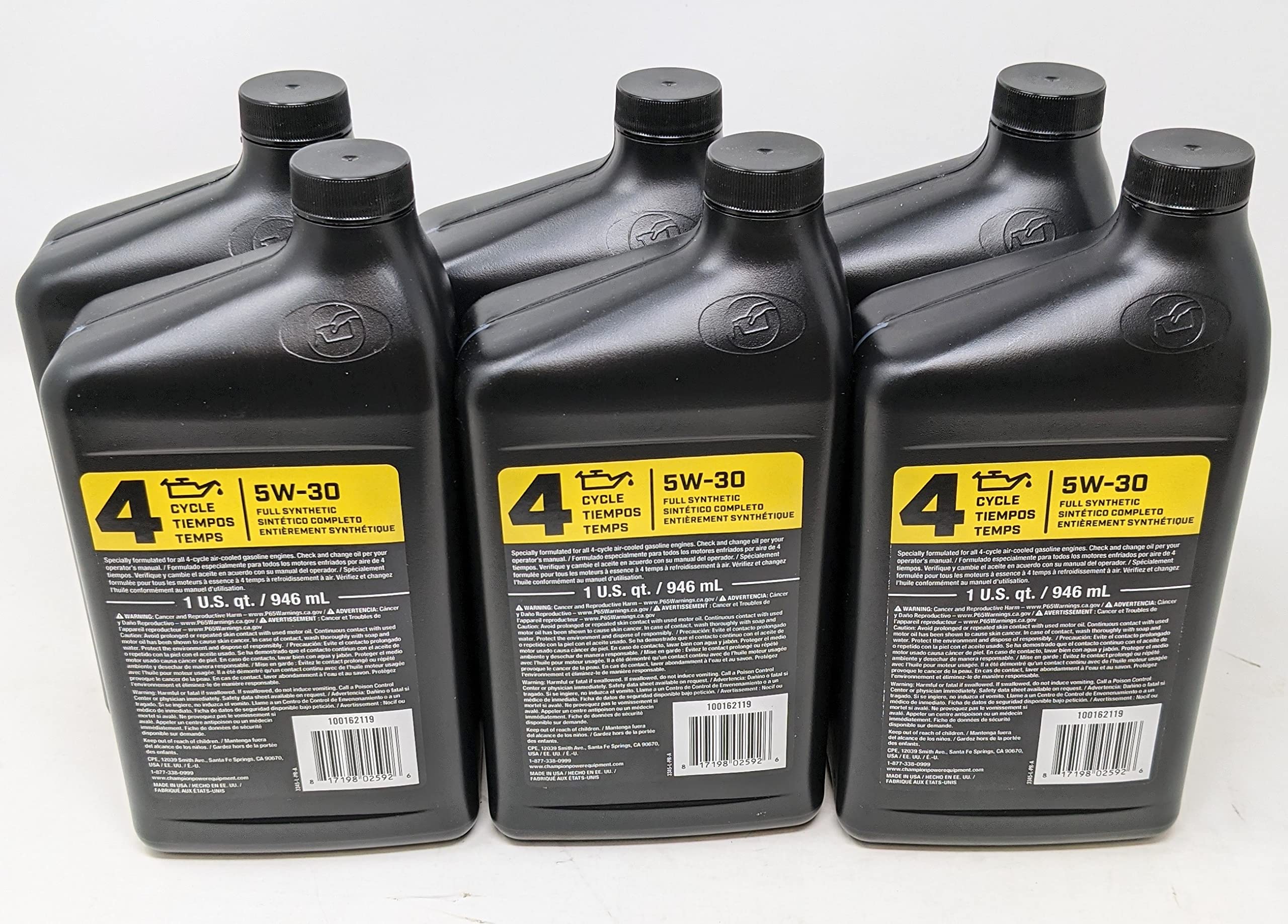
What’s the real difference?
Conventional oil
Conventional oil is refined from crude oil. It works, it is affordable, and it has protected engines for a long time. But the base oil molecules vary more in size and shape, which can make it less consistent under extreme heat and cold.
Synthetic oil
Synthetic oil is built to a tighter spec. The base oil is engineered to be more uniform, and the additive package is typically designed for better stability and cleanliness. In the real world, that usually means:
- Better cold performance (less wear when the engine is most vulnerable)
- Better resistance to heat (less thinning and breakdown)
- Better deposit control (helps reduce sludge and varnish over time)
There is also synthetic blend, which sits between the two. The synthetic portion varies widely by brand and is not standardized or always disclosed, so performance can range from a modest bump over conventional to very close to full synthetic.
What matters for protection
Cold starts: hard on engines
A lot of engine wear can occur in the first moments after startup, when oil has not fully circulated and parts are still transitioning out of boundary lubrication. Synthetic oils often help here, but one detail matters more than the label: the viscosity grade.
At the same SAE grade (say, 5W-30 vs 5W-30), synthetic typically has stronger low-temperature flow characteristics. But a 0W-20 conventional can flow better in deep cold than a 10W-40 synthetic, simply because the grade is lighter. So if your mornings are regularly below freezing, choosing the correct “W” rating and a quality oil that meets spec is where the real benefit is.
High heat: turbos, towing, mountains, traffic
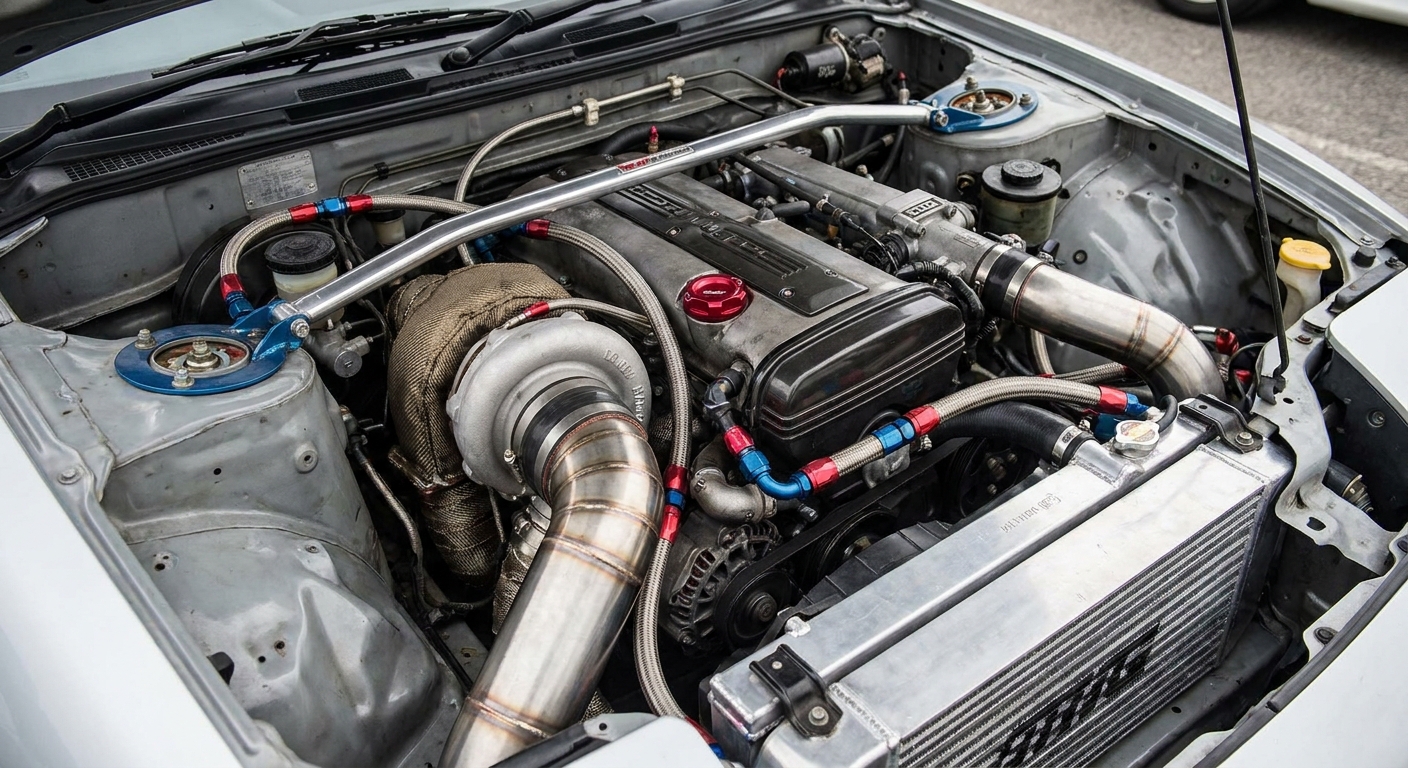
Heat is oil’s enemy. It thins oil, burns off additives, and accelerates oxidation. Synthetic typically holds viscosity better and resists breaking down when you are:
- Running a turbocharged engine
- Towing or hauling heavy loads
- Driving long grades or mountain roads
- Sitting in stop-and-go traffic in hot weather
Climate and driving: how to choose
If you do lots of short trips
Short trips are tough on oil. The engine may not fully warm up, which means moisture and fuel dilution can build up in the oil. Synthetic tends to tolerate this abuse better and keep deposits in check.
One important note: synthetic does not automatically mean longer oil-change intervals. Follow your owner’s manual and oil life monitor, and remember “severe service” usually means shorter intervals, not longer.
If you do mostly highway miles
Steady highway driving is easier on oil. In many non-extreme climates, a quality conventional oil can do a solid job as long as you change it on time and use the correct viscosity and spec for your engine.
If your climate swings wildly
Big seasonal swings are where synthetic shines. It stays more consistent from cold winter starts to hot summer commuting. If you are tired of second-guessing viscosity for winter vs. summer, synthetic paired with the correct grade is often the easiest set-it-and-forget-it option.
Cost: when synthetic is worth it
Synthetic usually costs more per quart. Whether it is “worth it” depends on what you are buying with that extra money.
It is worth it when:
- Your owner’s manual calls for it or effectively requires it through an OEM spec (common examples: GM dexos1, API SP, ILSAC GF-6, or European approvals like VW 504 00/507 00)
- You drive in very cold or very hot conditions
- You tow, haul, or drive mountains regularly
- You keep cars a long time and want the best odds against deposits and wear
- You have a turbocharged direct-injection engine or any engine known to run hot or be oil-sensitive
You can often save money with conventional when:
- Your engine is designed for it and the manual allows it
- Your driving is mostly easy highway miles
- You change oil on time and do not run extended intervals
One shop-floor reality: the most expensive oil is still cheaper than a timing chain job, turbo replacement, or sludge cleanup. If your engine is known for running hot or being picky about oil, synthetic is usually a smart bet.
Older engines and leaks
This question comes up constantly, especially with cars from the 1990s and early 2000s. Modern synthetic oil does not “eat” seals. What can happen is simpler: synthetic often cleans better. If an older engine has deposits around a tired seal, switching to a detergent-rich oil can wash away the gunk that was acting like a bandage.
Also worth knowing: seal swell and shrink is largely additive-driven, and modern oils (synthetic and conventional) are generally formulated to be seal-compatible. The bigger risk is that a switch can reveal a leak that was already there.
If your engine is dry and healthy, switching is usually fine. If you already have seepage, synthetic will not magically fix it and it might show existing weakness sooner.
Good approach for older cars
- Follow the manual viscosity first. The number on the bottle matters more than synthetic vs. conventional.
- If you are nervous, consider high-mileage oil (available in synthetic, blend, and conventional). It often includes seal conditioners and an additive package tailored for worn engines.
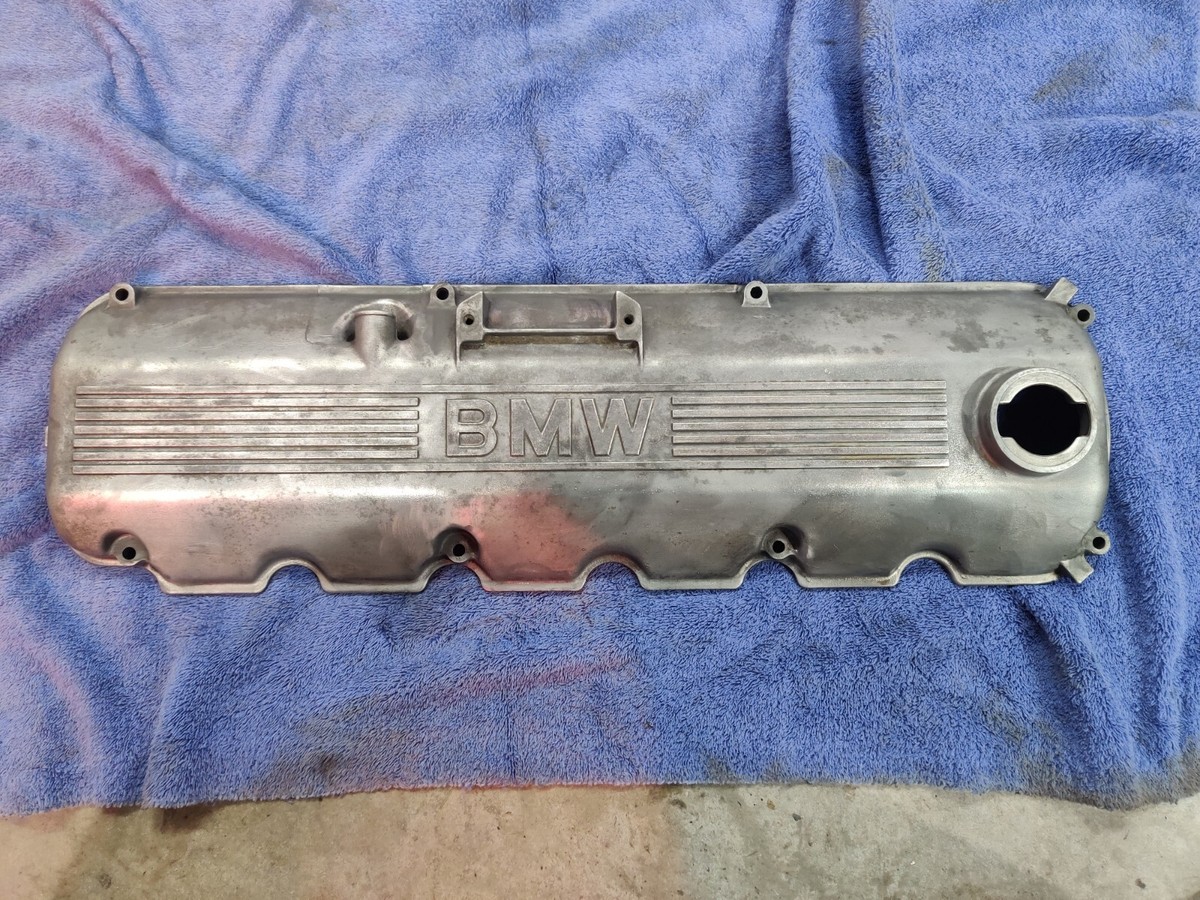
- Check for leaks before and after the switch. Look around the valve cover, oil pan, and front timing cover areas.
High-mileage oil
High-mileage oil is not snake oil. It is typically a formulation with an adjusted additive package, often including:
- Seal conditioners to help reduce minor seepage
- Deposit-control additives aimed at keeping varnish and sludge in check
- Viscosity modifiers tuned to help maintain film strength in worn engines
If your vehicle has 75,000 miles or more and you are seeing light consumption or small leaks, high-mileage oil can be a practical middle ground. Just remember: if you are adding a quart every 500 miles, that often points to an underlying problem that deserves diagnosis, not just a different bottle.
Do not ignore viscosity and specs
Oil type matters, but viscosity and manufacturer specs matter more. Your owner’s manual is the law here. The wrong viscosity can cause noisy operation, poor lubrication on cold starts, or oil pressure issues.
Two quick rules
- Use the viscosity your manual calls for (like 0W-20, 5W-30, 5W-40)
- Match required specs if listed (examples include dexos, API SP, ILSAC GF-6, and various European approvals)
If your cap says 0W-20, do not “thicken it up” to 10W-40 as a band-aid unless a qualified mechanic has a specific reason. Thick oil can hide symptoms while starving parts that rely on fast flow.
Quick decision guide
Daily driver
- Mild climate, mostly highway: Conventional or blend is usually fine if the manual allows it and you change on schedule.
- Short trips, stop-and-go: Synthetic or a strong blend is worth considering. Keep intervals conservative if your driving is severe.
- Cold winters or hot summers: Synthetic is often the simplest “set it and forget it” choice, as long as the viscosity grade is correct.
Older car
- No leaks, runs great: Synthetic is generally fine if viscosity and specs are correct.
- Minor seepage or light consumption: High-mileage (synthetic or blend) is a good starting point.
- Already leaking: Fix the leak when you can. Oil choice can help manage, not cure.
High-mileage vehicle
- You want maximum deposit control: Full synthetic or high-mileage synthetic.
- You are budget-focused: High-mileage blend or conventional, changed on time, can still treat you well.
- You tow or drive hard: Synthetic is the safer move.
Common myths
“Synthetic lets me go 15,000 miles between changes.”
Sometimes, but only if your car’s oil life monitor and manual support it and your driving matches “normal” service. Severe service (short trips, heavy traffic, extreme temps, towing) shortens intervals. Clean oil is cheap insurance.
“Once you go synthetic, you can’t go back.”
You can switch back and forth as long as you use the correct viscosity and specs.
“Mixing oils will ruin my engine.”
Topping off with a different brand is generally fine if it meets the same viscosity grade and required specs. Mixing different viscosities can change the end result in unpredictable ways, so do it only when you have to, then get back to the correct oil at the next change.
“Conventional oil will ruin a modern engine.”
If the manual allows conventional and the oil meets the required specs, it can be perfectly acceptable. Many newer engines, especially some turbos, specify synthetic or specific approvals for a reason.
My shop-floor recommendation
If you want one simple rule that works for most people: use the oil type your manufacturer recommends, prioritize the correct viscosity and spec, and change it on time.
When you are choosing between conventional and synthetic on a shelf with your wallet in mind, here’s the practical tie-breaker: if your engine runs hot (turbo, towing, mountains), your climate is extreme (very cold or very hot), or you do lots of short trips, synthetic is usually money well spent. If your driving is easy and your manual allows it, conventional can still be a perfectly responsible choice.
FAQ
Is synthetic oil better for every car?
It is “better” in terms of stability and cold performance, but it is not always necessary. For many older, naturally aspirated engines in mild climates, conventional oil changed regularly can deliver a long life.
Can synthetic oil stop oil consumption?
Sometimes it can reduce consumption slightly if the engine responds well to the additive package, but it will not fix worn rings, valve seals, or PCV issues. If consumption is increasing, get it checked.
Should I use synthetic in a brand-new engine?
Follow the manual. Many new cars come from the factory with synthetic or a synthetic blend. Break-in is handled by modern machining and factory procedures, not by avoiding synthetic.
Does brand matter as much as synthetic vs. conventional?
Meeting the correct viscosity and spec matters most. After that, stick with reputable brands and avoid bargain oils that do not clearly list approvals and standards.