Walk into a dealership around 30,000, 60,000, or 90,000 miles and you will hear the same line: “You’re due for the big service.” Sometimes that’s absolutely true. Other times, it’s a bundle of high-margin add-ons riding on the back of a few legitimate, factory-recommended items.
I spent years on the shop floor writing estimates and explaining them at the counter. Here’s the practical way to separate essential maintenance from nice-to-have and no-thanks, without turning car ownership into a second job.

First, what “30k/60k/90k service” really means
There is no universal 30k, 60k, or 90k package that applies to every vehicle. Those mile markers are just common checkpoints where multiple wear items tend to line up. The only schedule that matters is the one written for your exact year, make, model, engine, and drivetrain in the owner’s manual.
Two quick examples I’ve seen a thousand times:
- One SUV needs spark plugs at 60,000 miles. Another goes 100,000 to 120,000 miles on the original set.
- One transmission requires fluid service at 60,000 under “severe” use. Another has no scheduled interval under normal conditions, but still may benefit from a smart drain-and-fill before 100,000 if you tow or sit in traffic daily.
Takeaway: the mileage milestone is a reminder to check the factory list, not a permission slip for a one-size-fits-all upsell menu.
Before you buy anything: check your history
The easiest way to waste money is to pay twice. Before you approve a “big service,” look at what you have already done and when. If the car is new to you, ask for service records, run a Carfax-style history report, and check any maintenance reminders in the infotainment system.
Dealers and shops are usually working from mileage and a menu. You are the only one in the room who can connect the dots across the full history.
The essentials: what usually matters at 30k/60k/90k
These are the items that most often protect longevity and prevent the expensive stuff, like transmission failures, overheating, or premature suspension wear. Your manual may call for them earlier or later, but the logic holds.
Fluids that keep expensive parts alive
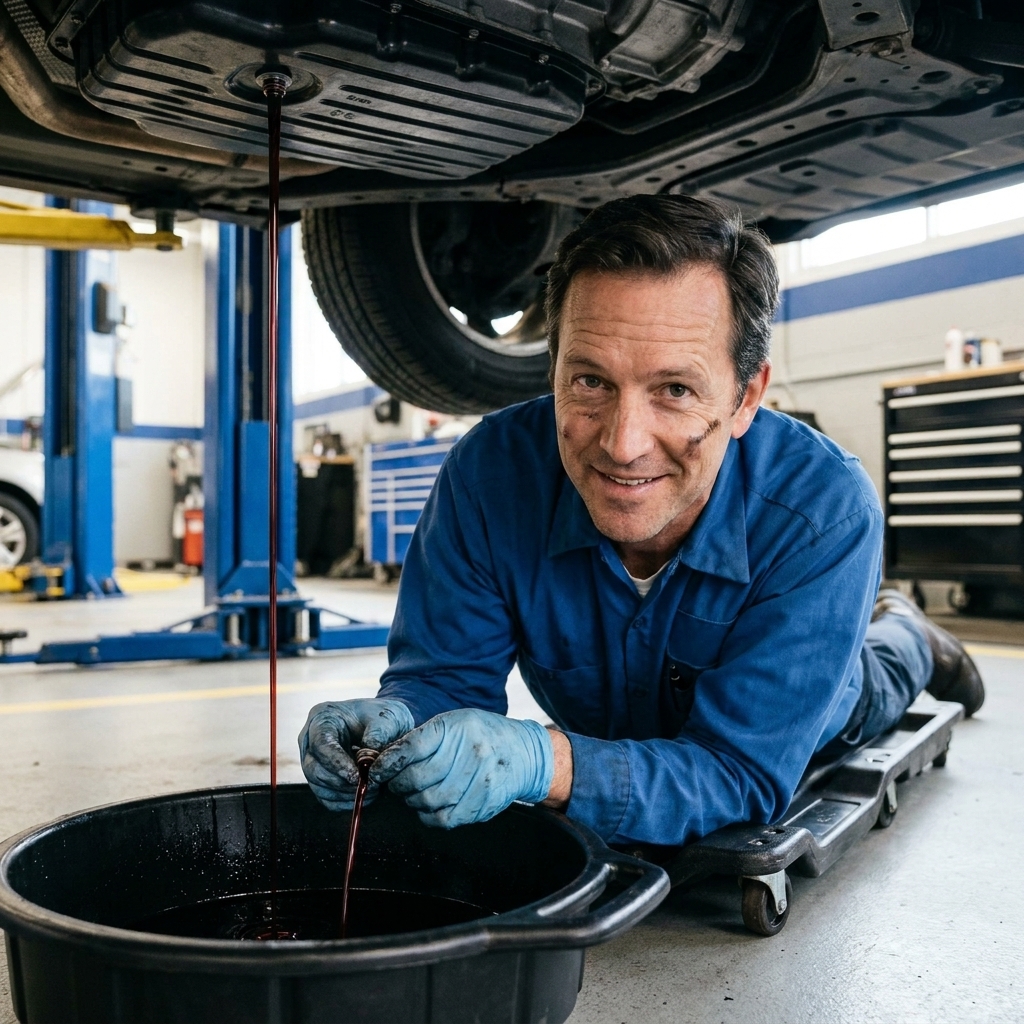
- Engine oil and filter: obvious, but still the biggest driver of engine life. Use the correct spec, not just the right weight.
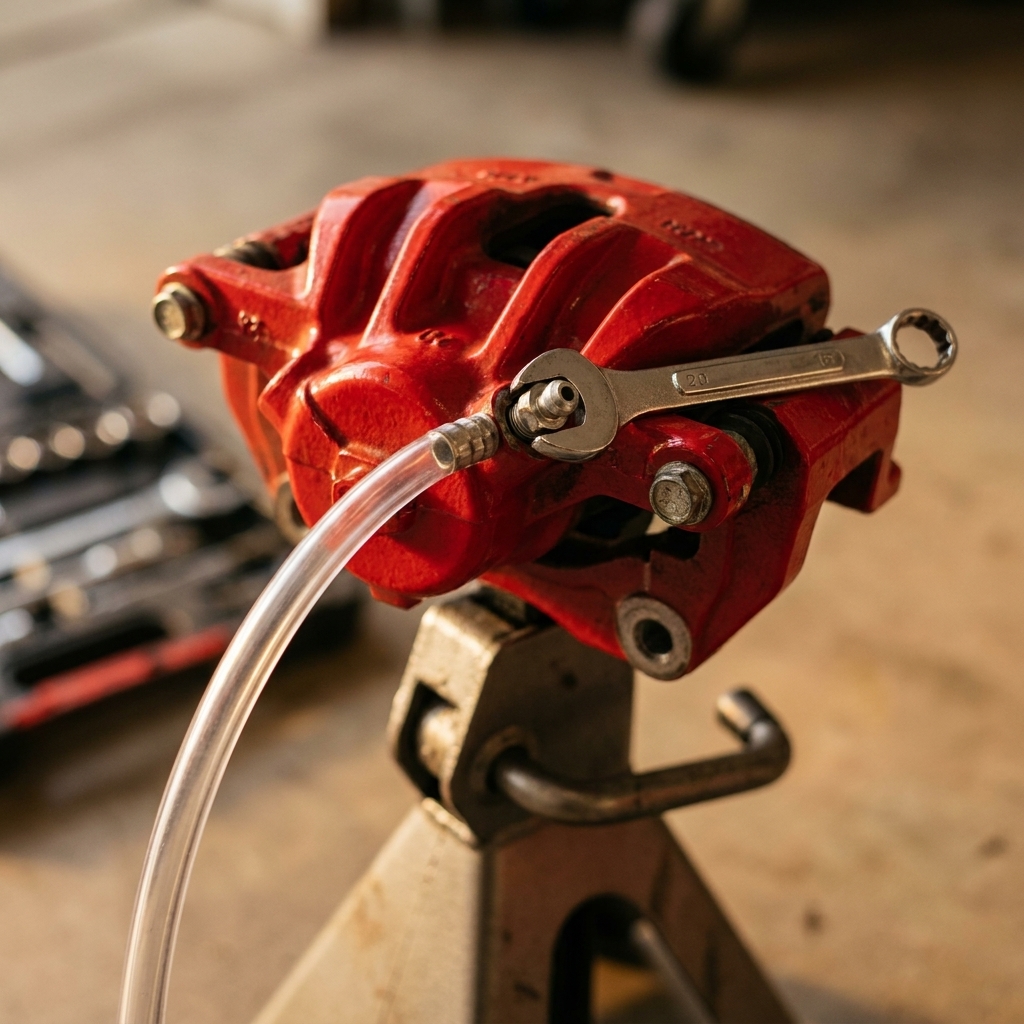
- Brake fluid (often every 2 to 3 years) : brake fluid absorbs moisture. That moisture lowers boiling point and corrodes ABS components internally. Many manufacturers specify an interval, others recommend testing. Follow your manual or test results.
- Coolant: modern coolants can last a long time, but “long time” is not “forever.” Old coolant loses corrosion protection and can eat away at radiators, water pumps, and heater cores.
- Transmission fluid: if your manufacturer specifies a service interval, follow it. If it doesn’t, consider your use. Towing, short trips, city heat, and mountain driving all count as severe.
- Differential and transfer case fluid (AWD/4WD): these are frequently forgotten until they howl. If you have AWD or 4WD, pay attention here.
Filters and basics that affect performance and wear
- Engine air filter: a clogged filter can reduce power and fuel economy, and can skew some sensor readings. Easy to inspect yourself.
- Cabin air filter: not critical to engine health, but it matters for HVAC airflow and windshield defogging. Also one of the easiest DIY wins.
- Fuel filter: many modern cars have lifetime in-tank filters, while some trucks and older designs still have scheduled replacements. Follow the manual.
- PCV valve (on some engines): cheap part, big impact when neglected. A stuck PCV can contribute to oil leaks, sludge, and rough running on certain engines.
Ignition and timing items (where the real money is)
- Spark plugs: if your schedule calls for plugs at 60k or 100k, do them on time. Worn plugs can increase coil stress and can raise the odds of misfires that take out coils or damage the catalytic converter.
- Ignition coils: most modern cars are coil-on-plug. Coils are not usually a routine maintenance item. Replace them when a test points to a failing coil, not because a package says “due.”
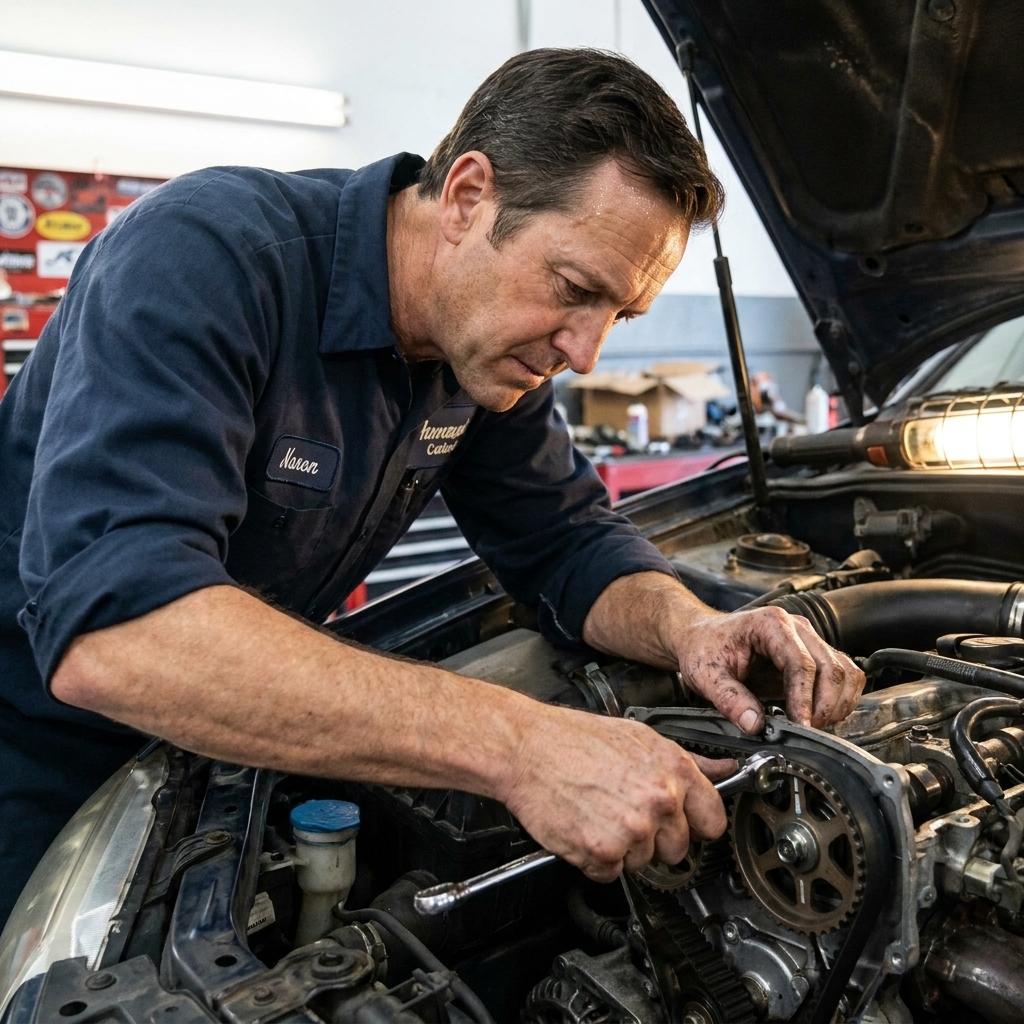
- Timing belt service (if equipped): this is non-negotiable. If your engine uses a timing belt and it’s an interference design, a snapped belt can destroy the engine. Timing chains are different, but they are not immune to issues.
If you’re not sure whether you have a timing belt, look it up in the manual or ask a shop to verify. I’d rather you ask a “basic” question than gamble an engine repair that can cost several thousand dollars.
Belts and engine-side wear items
- Serpentine or drive belt: this is not the same as a timing belt. Many cars want it inspected regularly and replaced by condition or at a specified interval. A cracked belt can leave you stranded and can take out accessories.
- Valve adjustment (some engines): this is a legit “big service” item on certain makes and engines. It is very vehicle-specific, so it’s the perfect example of why the manual matters.
Tires, brakes, and steering
- Tire rotation and pressure check: rotations extend tire life and keep wear even. If you skip rotations, you often buy tires early.
- Alignment check: not always “due,” but if you have uneven tire wear, a pull, or you hit potholes often, an alignment saves tires.
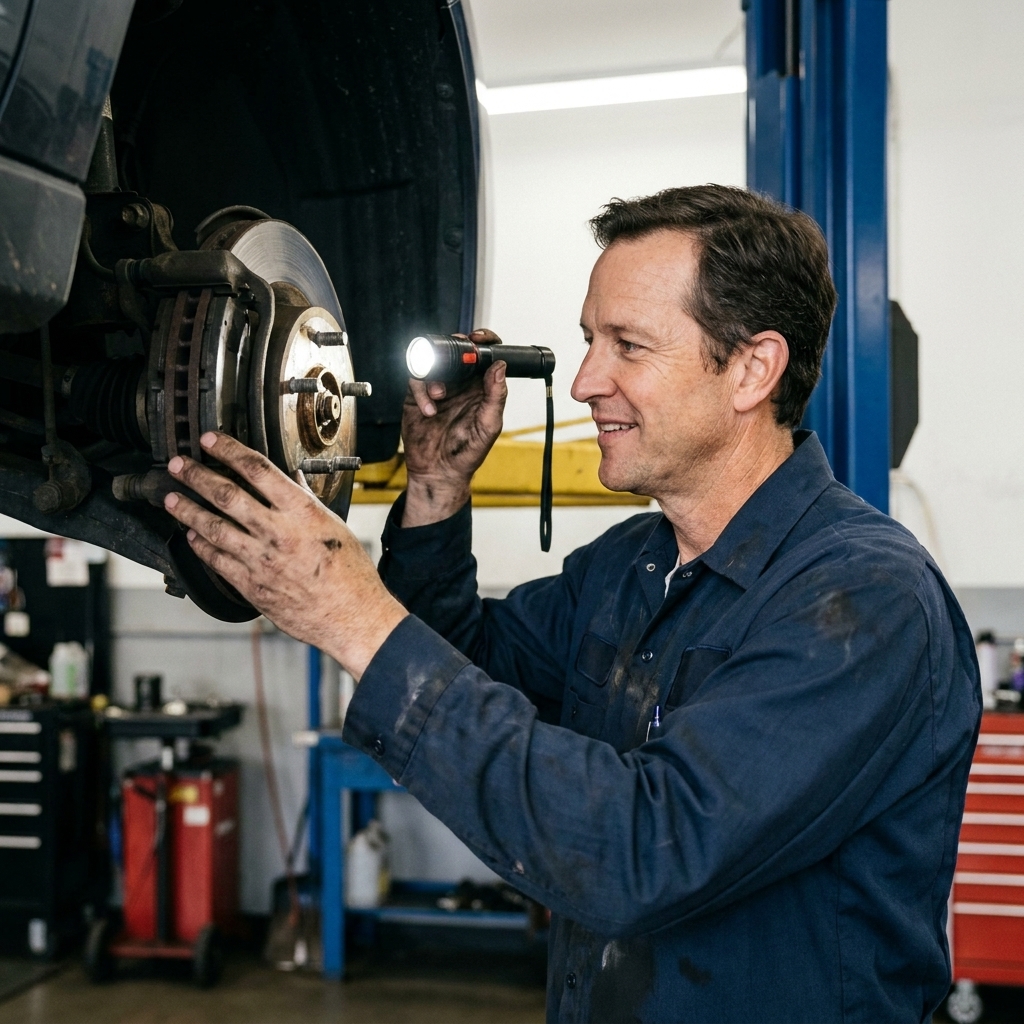
- Brake inspection : pad thickness, rotor condition, caliper slide movement, and brake hose condition. You want an inspection that includes measurements, not just “looks good.” Brake pads and rotors are usually condition-based, not replaced strictly by mileage.
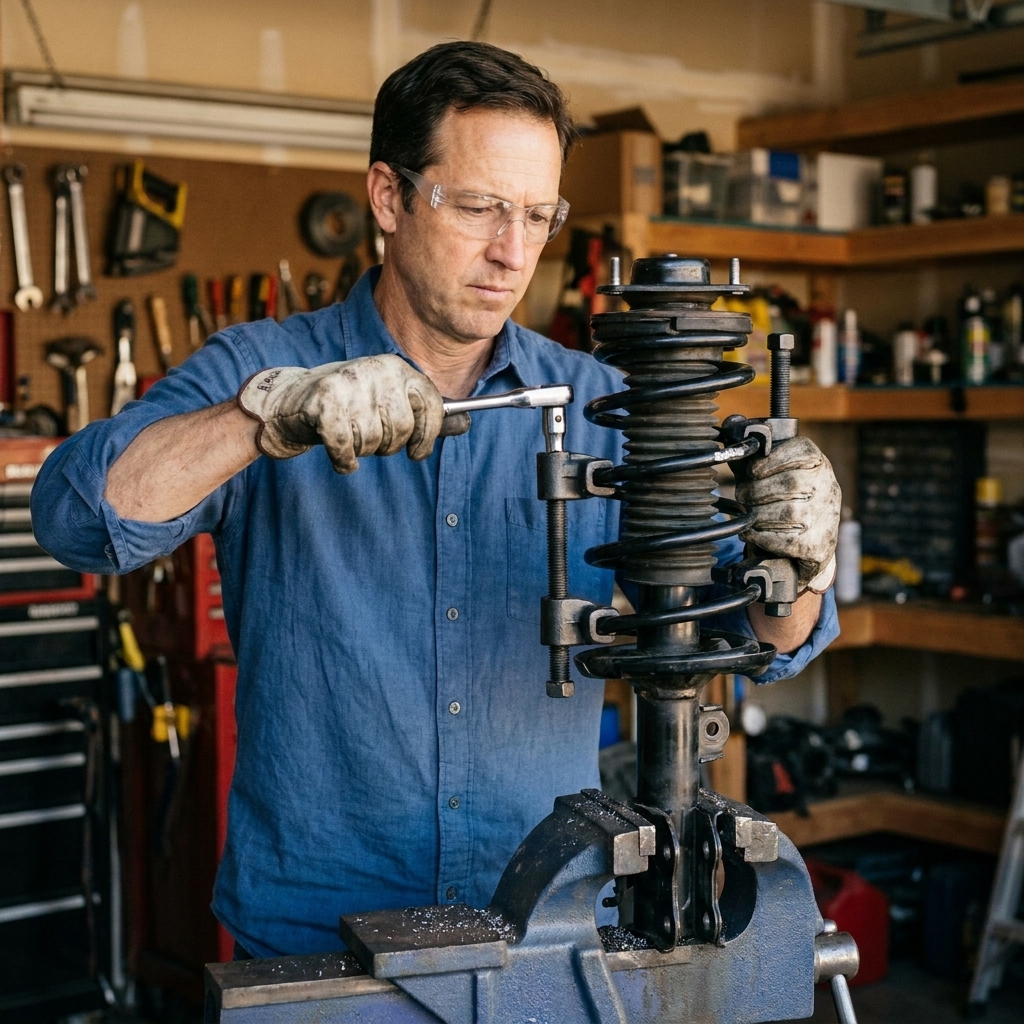
- Suspension and steering inspection: ball joints, tie rods, bushings, and struts. Catching looseness early can prevent uneven wear and clunks that turn into bigger problems.
Common upsells you can often skip
Some add-ons are helpful in specific situations. The problem is they’re frequently sold as “required” when they’re not. Here are the repeat offenders I’d question first.
Fuel system service or injector cleaning packages
If your car runs well, has no misfires, and you’re using decent fuel, you probably don’t need a pressurized cleaning service at 30k or 60k. Modern fuels already contain detergents, and most engines stay clean with normal driving.
When it might be worth it: direct-injection engines with proven intake valve deposits, rough idle, cold-start stumbling, or a diagnosed issue where cleaning is part of the fix. Even then, you want the shop to explain why it’s needed and what symptom it targets. If an OEM specifies a particular cleaner or procedure for a known problem, that is a different story than a generic “clean it because you hit 60k.”
Throttle body cleaning “due now”
Throttle bodies do get dirty, but many late-model vehicles self-manage idle and airflow enough that routine cleaning is not necessary on a schedule. If the car idles fine and there’s no related code, this is often optional.
Transmission flush when the manual calls for drain-and-fill
Words matter. A drain-and-fill (or pan drop and filter on certain transmissions) replaces a portion of fluid and is simple and gentle. A machine fluid exchange uses equipment to swap more of the old fluid for new, typically circulating fluid through the cooler lines. Some manufacturers approve an exchange. Some do not.
If your manual says drain-and-fill, I’d stick with that. If the shop insists on an exchange, ask for the manufacturer procedure and the exact fluid spec in writing. If they can’t provide it, that’s your cue to decline.
Also worth saying: the biggest risk is often not the machine itself. It’s the wrong fluid, the wrong procedure, or doing an aggressive service on a neglected, high-mile transmission without a plan.
Power steering flush on electric power steering
Many modern vehicles use electric power steering and have no power steering fluid to service. This upsell is less common now, but I still see it on generic menus.
Engine oil additives and “engine restore” treatments
Most “restore” additives aren’t necessary if you use the correct oil spec and change it on time. Some manufacturers do specify an additive for a documented issue or a repair procedure, and that is the only time I’d consider one. Otherwise, additives can mask problems, swell seals, or create compatibility issues.
Lifetime wiper blades, nitrogen fills, and protection packages
Wiper blades are cheap and easy. Nitrogen is fine but regular air is already mostly nitrogen. Paint and fabric protection can be worth it for some owners, but it’s not maintenance and it’s rarely a great value at dealership pricing.
What each milestone often looks like
These are typical themes, not universal lists. Always cross-check your manual and your maintenance history.
30,000 miles
- Oil and filter, rotate tires, check brakes
- Engine and cabin air filters as needed
- Brake fluid may be due by time, not miles
- Inspect drive belt, hoses, suspension, and battery
What I’d challenge: aggressive fuel system services, “premium” filter upgrades, and add-on additives unless there is a symptom.
60,000 miles
- Often spark plugs on many vehicles
- Transmission fluid service if specified, especially under severe use
- AWD/4WD: differential and transfer case fluids frequently come due
- Coolant may be due on some models
- Some engines have valve adjustment intervals around here
What I’d challenge: exchange services that conflict with factory procedure, and bundling unrelated services into one pricey package.
90,000 miles
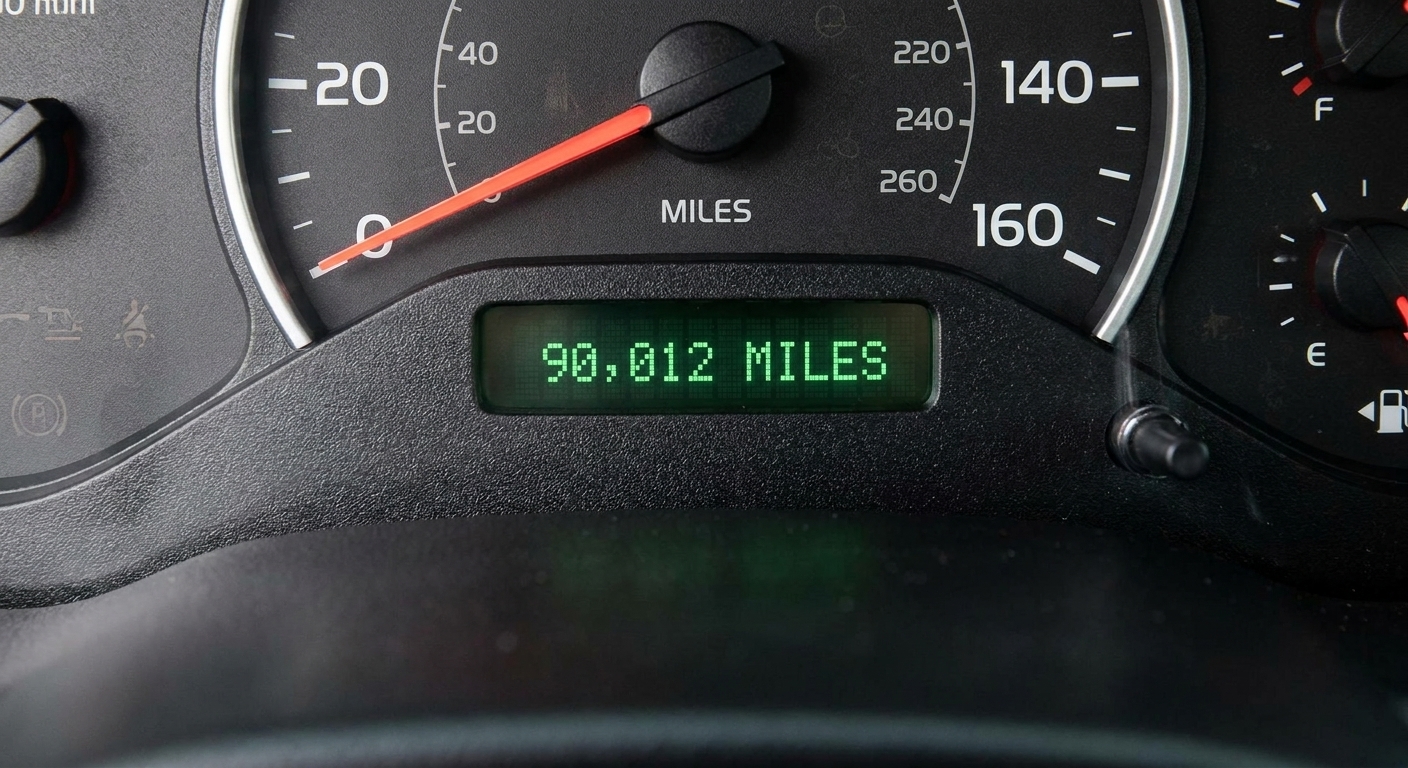
- Timing belt service if equipped (commonly 90k to 105k)
- Cooling system service on some vehicles
- Suspension wear becomes more common: struts, control arm bushings, tie rods
- Second round of certain fluids depending on intervals and driving
- Drive belt replacement may be due by condition or interval
What I’d challenge: selling “everything” simply because the odometer number feels big. At 90k, condition-based inspections matter a lot.
How to read your owner’s manual like a mechanic
If you want to avoid upsells without neglecting the car, this is the simplest system I know.
Step 1: Find the schedule tables
Most manuals have two: normal and severe. “Severe” does not mean you race. It usually includes short trips, lots of idling, dusty roads, extreme temps, towing, and stop-and-go commuting. That’s a big chunk of real life.
Step 2: Match it to your driving
If you do mostly short trips and city traffic, follow severe. If you do steady highway miles and keep up with oil changes, normal may apply.
Step 3: Track time-based items
Brake fluid, coolant, and some filters are often due by years as much as by miles. If you drive 5,000 miles a year, you can still be overdue.
Step 4: Ask for measurements
- Brake pad thickness in millimeters
- Tire tread depth in 32nds
- Battery test printout or recorded results
- Fluid condition notes and leak source, not “seeping” with no context
Questions to ask before you approve a big service
These keep the conversation friendly while making sure you pay for results, not just a menu bundle.
- “Can you show me where this is listed in the factory schedule?”
- “Is this mileage-based or time-based?”
- “What problem does this prevent, and what symptoms would I notice if it were needed?”
- “Is this a drain-and-fill or a machine exchange, and what does the manufacturer recommend?”
- “Are there any recalls, service bulletins, or warranty extensions related to this?”
- “Has any of this already been done on this car, based on the service history?”
If the answer is pressure, vague fear, or “we do it on all cars,” you can pause and get a second opinion. A good shop will respect that.
Special note for hybrids and EVs
Hybrids and EVs still have maintenance, but the “big service” often looks different.
Hybrids
- Oil changes still apply on most hybrids (unless it’s a full EV)
- Brake fluid still matters, even if pads last longer due to regen braking
- Engine air filter and cabin air filter still exist
- Some hybrids have dedicated cooling loops for power electronics that have their own coolant intervals
EVs
- No engine oil, spark plugs, or timing belts
- Cabin air filter, brake fluid, tires, alignment, and suspension checks are still real
- Battery thermal management coolant service may be required depending on the manufacturer, and some EVs have multiple coolant loops
- Some EVs have a reduction gear unit that may have a specified fluid service
EV tires can wear quickly because of weight and torque. Rotations and proper inflation are not optional if you want decent tire life.
A simple keep-it-honest plan
If you want a practical rule without memorizing your whole manual, use this:
- Every visit: oil change as needed, tire pressures, rotate when due, inspect brakes and leaks
- Every 2 to 3 years (or per OEM or test): brake fluid on many vehicles, plus coolant or transmission checks depending on your model
- At factory mileage milestones: do the items the manual calls for, and skip anything the advisor can’t tie back to the schedule or a documented symptom
FAQ
Is the 30k/60k/90k service required to keep my warranty?
You’re required to follow the manufacturer’s maintenance requirements, not a dealership’s bundled package. Keep receipts and records. If you’re unsure, ask the dealer to point to the exact manual line item.
Will skipping a “recommended” service hurt resale value?
Skipping legitimate factory items can. Skipping vague add-ons usually won’t. Buyers like to see oil changes, major scheduled items (like plugs, coolant, timing belt), and regular inspections documented.
Should I service transmission fluid if my car says “lifetime”?
“Lifetime” is vague, and it’s not a universal engineering standard. In practice, it often means there is no scheduled interval under normal conditions. If you plan to keep the car long-term or you drive under severe conditions, a conservative drain-and-fill at a reasonable interval can be smart. The safest move is to follow the factory guidance, then tailor based on how you drive and what a trusted shop sees in the fluid condition.
Bottom line
The big mile services are not a scam, but the packages can be. Anchor everything to your owner’s manual and your service history, pay for maintenance that protects high-dollar components, and require a clear reason for any add-on beyond the factory list.
If you do that, you’ll spend less over the life of the car and you’ll drive something that feels better at 90,000 miles than most vehicles do at 40,000.