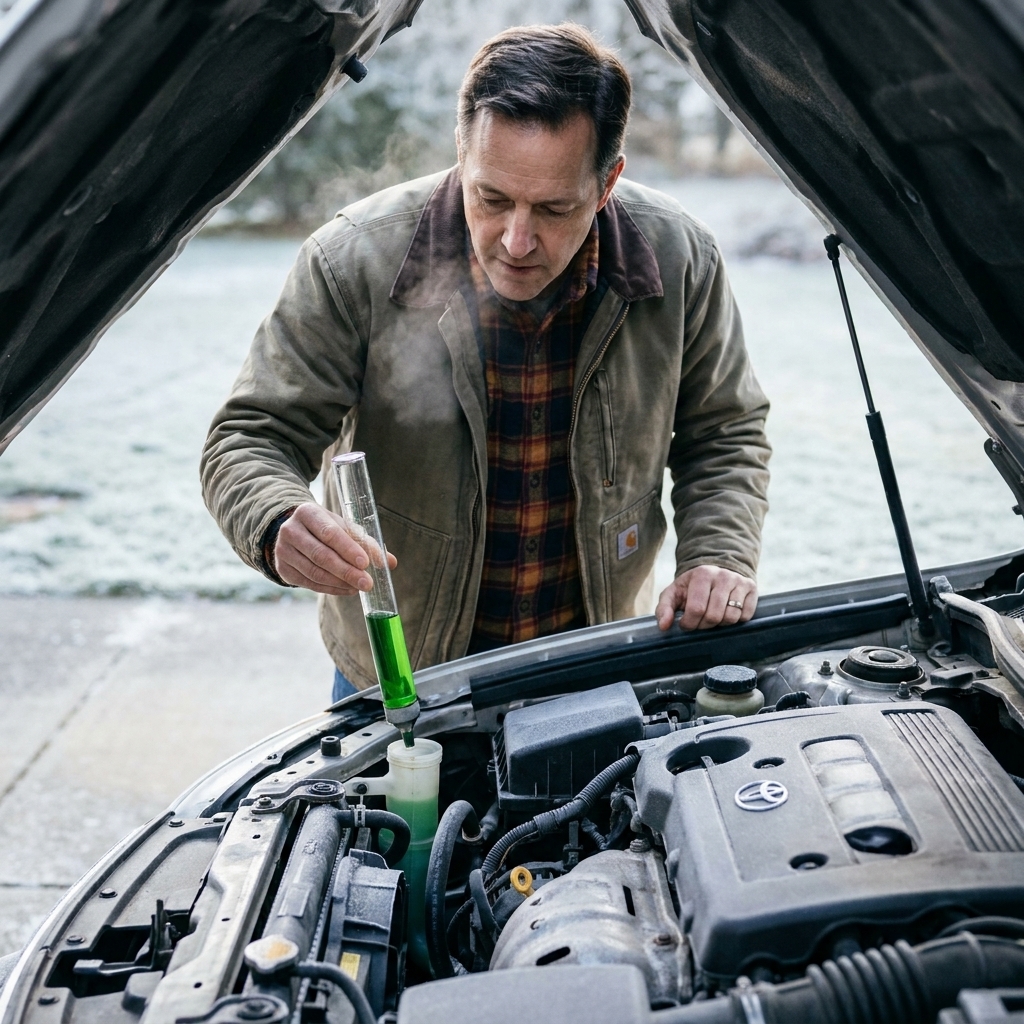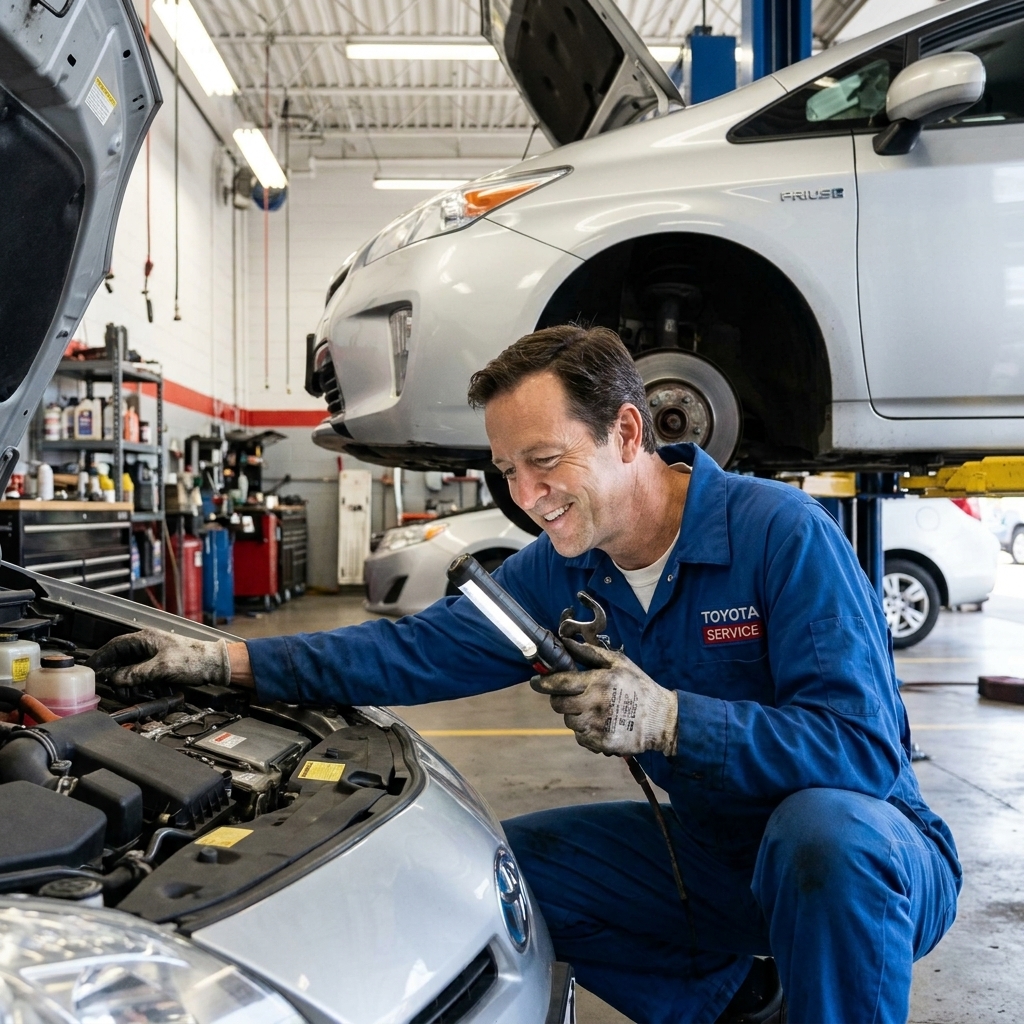
If you have ever sat in a service waiting area staring at a “30k, 60k, 90k package” menu, you have seen how confusing maintenance can get. The truth is those mileage milestones are real, but the one size fits all packages often bundle in stuff your car may not need yet.
Below is how I explain it in the shop: what is typically worth doing at each interval, what is condition-based, and what is commonly sold as an upsell. I will also call out differences for gas, hybrid, and EVs, plus what changes if you drive in harsher conditions.
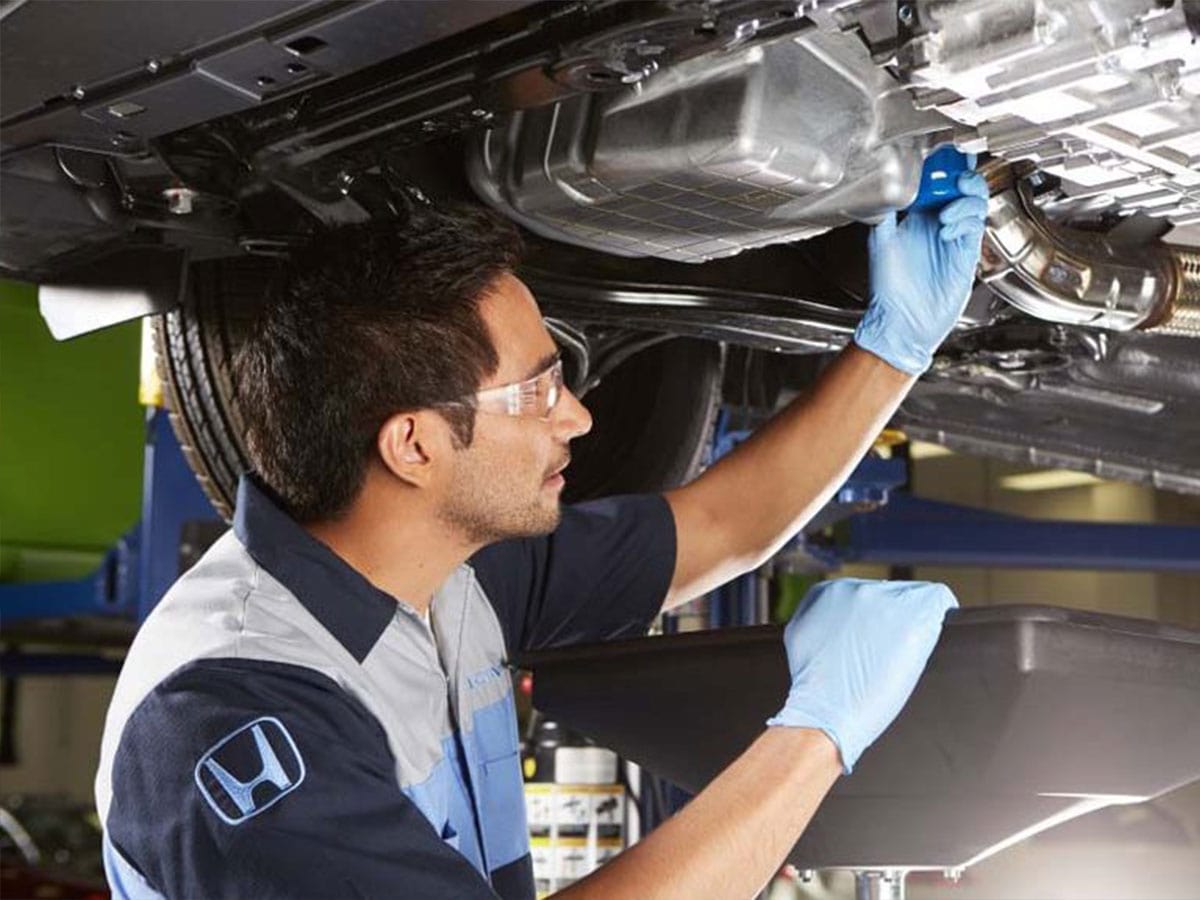
First, find your baseline
Before you commit to any package, do two quick checks:
- Use your owner’s manual maintenance schedule. It is still the most accurate starting point for your exact engine, transmission, and driveline.
- Match the schedule to how you drive. Many schedules have two columns: normal and severe. More drivers than you would think fall into severe, but the exact definition varies by manufacturer.
In plain terms, “severe service” usually includes things like frequent short trips, stop-and-go commuting, very hot or very cold climates, towing, lots of idling, dusty roads, steep hills, or heavy loads. If any of those describe your life, plan on fluid services sooner, not later.
30,000-mile service: catch up and protect
At 30k, the goal is to keep the basics tight: clean air in, clean fluids, and an early look at wear items before they get expensive.
Usually worth doing at 30k
- Engine oil and filter (follow oil life monitor or interval in the manual).
- Tire rotation and tread check, plus set pressures.
- Multi-point inspection: brakes, steering, suspension, boots, hoses, belts, battery, leaks.
- Cabin air filter (commonly due by now).
- Engine air filter (often due, especially in dusty areas).
- Brake inspection with pad measurement, not just a glance.
- Wipers, washer fluid, and all exterior lights (small stuff, but it is what keeps you safe and avoids tickets).
Condition-based at 30k (sometimes, not always)
- Brake fluid test and possible exchange. Some manufacturers (especially European brands) specify brake fluid every 2 to 3 years regardless of miles. Others call for testing or inspection. Either way, if it tests high for moisture, exchange it.
- Wheel alignment check if you see uneven tire wear, steering pull, or a crooked steering wheel.
- Transmission fluid service on some vehicles and driving styles, especially if you tow or do lots of stop-and-go. Some transmissions are labeled “lifetime” fill on paper, but “lifetime” usually means under specific conditions. Many OEMs still have severe-service guidance, and fluid condition and history matter.
Common 30k upsells to be skeptical of
- Fuel system cleaning as a guaranteed need. If you have direct injection and lots of short trips, intake valve deposits can be a real issue, but a generic “pour in a bottle” treatment is often oversold. Diagnose symptoms first.
- Throttle body service on every car. Some buildup is normal. Clean it if there are drivability symptoms or known issues on your model.
- Injector cleaning without evidence. Misfires, poor fuel trims, or a confirmed clog justify it. Otherwise it is often padding.
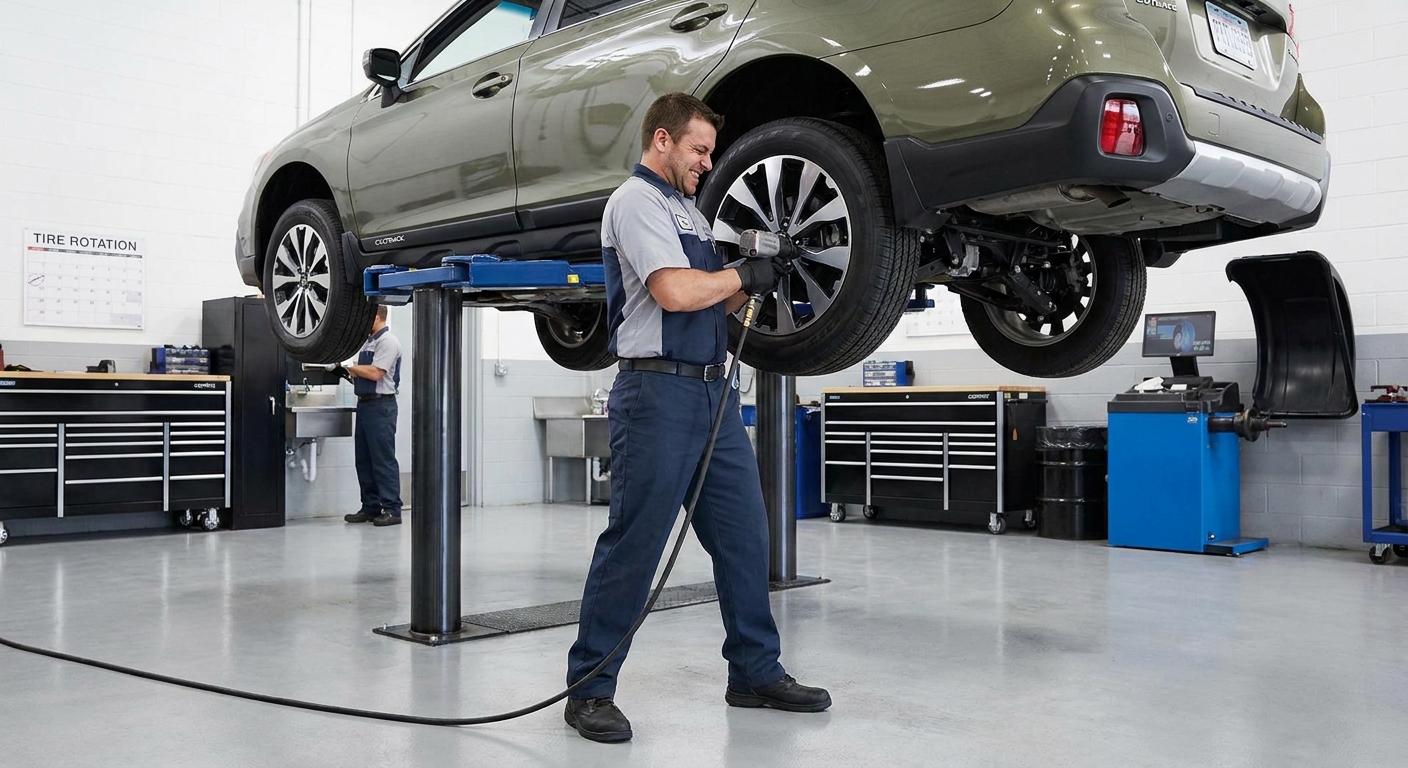
60,000-mile service: fluids start to matter
At 60k, you are often at the point where “inspect” becomes “replace” for certain fluids and components, depending on make and driving conditions.
Usually worth doing at 60k
- Oil and filter, tire rotation, and a thorough inspection again.
- Engine air filter and cabin air filter if not done recently.
- Brake service as needed (pads, rotors, cleaning and lubrication). Many drivers commonly hit their first full brake job somewhere between 40k and 80k, but it varies a lot by driving style, terrain, and corrosion.
Often due around 60k (check your manual)
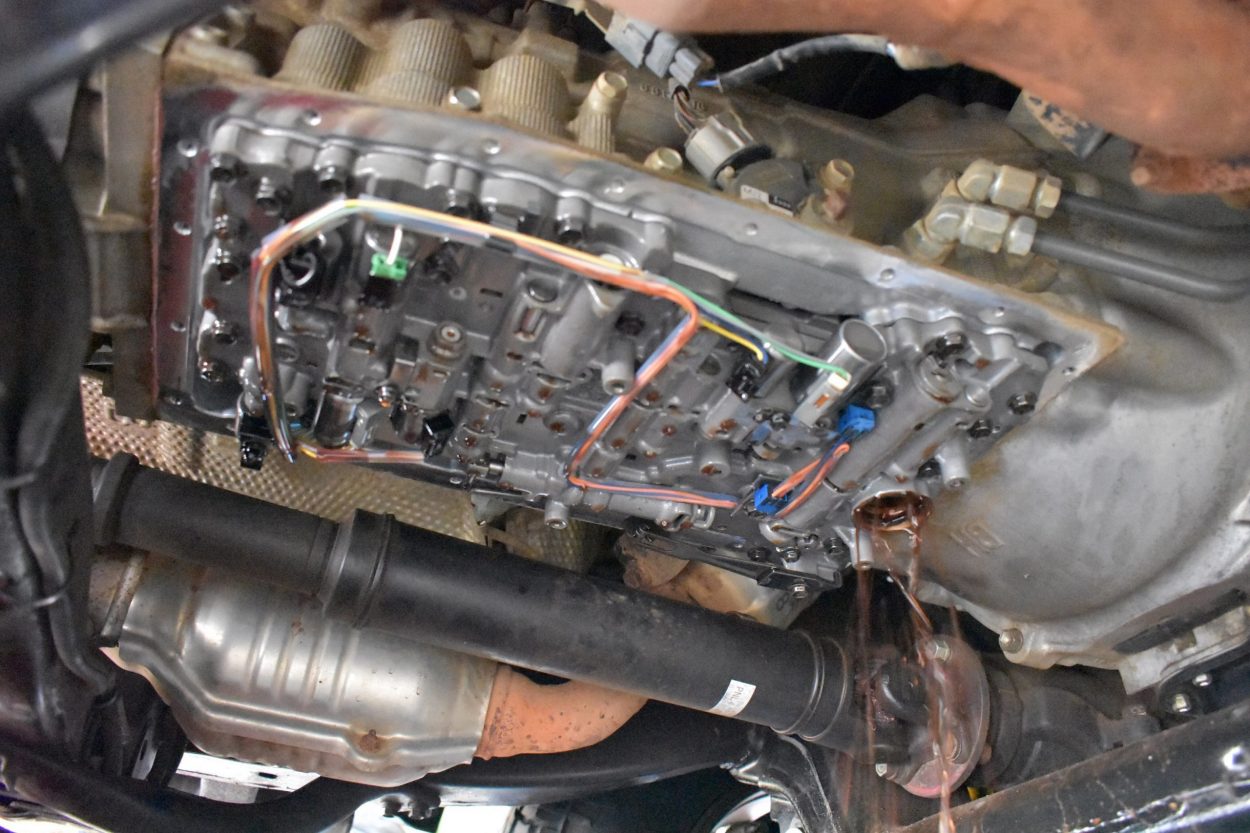
- Transmission fluid service: a common interval for many automatics and CVTs, especially under severe conditions. Use the correct OEM spec fluid, not a universal catch-all.
- Front and rear differential fluid on AWD/4WD vehicles, plus transfer case fluid where applicable.
- Coolant exchange on some makes. Others push first coolant service closer to 100k or 10 years. Time matters as much as mileage.
- Spark plugs on some vehicles (many modern iridium plugs go 80k to 120k, but not all).
- Brake fluid exchange if it has been 2 to 3 years, or sooner if testing shows moisture or contamination.
Common 60k upsells to be skeptical of
- Power steering flush when your vehicle uses electric power steering and has no serviceable fluid. This still gets pitched surprisingly often.
- “Induction service” sold as mandatory without symptoms or a manufacturer recommendation.
- Coolant flush too early on long-life coolant systems, unless the time interval is met or testing shows a problem. In most cases, if coolant service is due, you want an OEM-correct coolant exchange, not a chemical flush.
90,000-mile service: prevent the big bills
By 90k, the car is usually still in its prime if maintenance has been consistent. This is where you can prevent the expensive stuff: timing components (where applicable), overdue fluids, and any ignored leaks or suspension wear.
Usually worth doing at 90k
- Oil and filter, tire rotation, brake inspection, and a deeper undercarriage inspection for leaks, torn boots, and bushing wear.
- Transmission and driveline fluids if they were not done at 60k, or if your usage is severe.
- Coolant exchange if your time or mileage interval lands here.
- Spark plugs for many vehicles if they were not due earlier.
Critical item on many engines
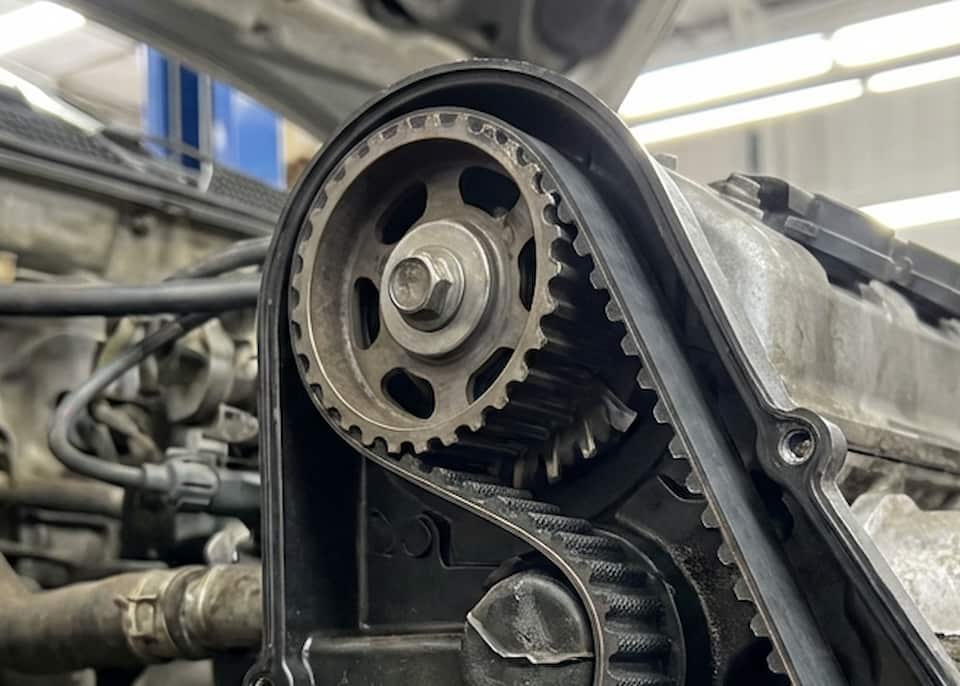
- Timing belt service if your engine uses a belt. Do not guess. Verify whether your engine is belt or chain. Intervals vary widely by engine and OEM. Some are around 60k or 7 years, some are closer to 90k to 110k, and some go longer. When it is due, the job often includes the belt, tensioners, idlers, and commonly the water pump.
If your engine has a timing chain, there is usually no scheduled replacement interval. Chains can still stretch or guides can wear, but you handle that based on symptoms and diagnosis, not mileage alone.
Common 90k upsells to be skeptical of
- “Replace all suspension components” packages. At 90k, you may need struts, control arms, or links, but it should be based on play, leaks, torn boots, ride issues, or tire wear patterns.
- Battery replacement by mileage alone. Test it. Ask for a conductance or load test result, and consider age and climate. In a lot of climates, 3 to 5 years is a common battery lifespan, but heat and short trips can shorten that.
- AC service when the system is cooling normally and pressures and vent temps are fine.
Quick scan: by vehicle type
Gas (ICE) vehicles
- Air filters, spark plugs, and oil services remain the core recurring items.
- Transmission and driveline fluids are the big longevity plays, especially on CVTs and AWD systems.
- Timing belt (if equipped) is the big scheduled expense.
Hybrids
- Engine oil still matters, even if the engine runs less.
- Brakes often last longer due to regenerative braking, but brake fluid still absorbs moisture and needs periodic service based on the manual or testing.
- Use the friction brakes on purpose sometimes (when safe). A few firm stops can help keep rotors clean in rust-prone climates.
- Hybrid battery cooling fan and intake may need cleaning on some models, especially if you have pets or drive in dusty areas.
- CVT or eCVT fluid service intervals can be different. Use OEM guidance and the correct fluid.
EVs
- No oil changes or spark plugs, but you still have tires, brakes, suspension, cabin filter, and coolant (battery and power electronics cooling loops on many EVs).
- Brake service is still real. EV brakes can rust from lack of use. Periodic cleaning and lubrication, plus occasional friction-brake use, can be more important than pad wear.
- Gear oil in some drive units may have a service interval. Not all do, but it is worth checking the manual.
- Cabin filters can be more frequent for some drivers since HVAC use is constant and the cabin is sealed up tight.
Quick scan: harsh conditions
If your driving matches any of these, lean toward earlier intervals for fluids and filters, and be extra serious about inspections.
- Short trips and lots of idling: oil contamination increases, moisture builds up in the crankcase. Oil changes and brake fluid checks matter more.
- Dusty or gravel roads: engine air filter and cabin filter clog faster, suspension and steering wear faster.
- Mountain driving and towing: transmission, differential, and brake heat goes up. Earlier fluid services pay off.
- Extreme heat: batteries die sooner, tires wear faster, coolant health is more important.
- Road salt and winter: brake hardware corrosion, seized slide pins, and rusty rotors become common. Ask for a real brake hardware inspection.
How to spot an upsell
I am not anti-service. I am anti “mystery service” with no measurements. Here is what you can ask for on the spot:
- “Can you show me the spec and the measurement?” For brakes, that means pad thickness in millimeters and rotor thickness compared to minimum spec.
- “Is this time-based or mileage-based in the manual?” Brake fluid and coolant are often time-based. That is legitimate. If it is neither, ask why now.
- “What problem does this prevent, and how will we verify it helped?” Great question for injector cleaning, induction services, and additives.
- “Is this required to maintain warranty?” If the answer is yes, request the written requirement from the manufacturer schedule.
Mechanic’s rule of thumb: fluids are cheap compared to hard parts. But if someone cannot tell you what fluid, what spec, and why now, slow down.
No-regrets priority list
If you are trying to budget, these are the items that most often prevent the big bills:
- Oil changes on time with the correct oil spec.
- Tires: keep them rotated and properly inflated, and align when wear patterns show up.
- Brake fluid every few years based on your manual or moisture testing (commonly 2 to 3 years for many makes in many climates).
- Transmission and driveline fluids according to your manual, sooner if severe service.
- Timing belt service if your engine uses one.
- Tire age checks: look at the DOT date code. Many manufacturers advise extra inspection once tires hit 5 to 6 years, and replacement somewhere around 6 to 10 years depending on condition, climate, and tread.
FAQ
Is a 30k, 60k, or 90k service package required?
No. What matters is completing the manufacturer’s required maintenance items by time and mileage. Packages can be convenient, but only if they match your actual schedule and exclude fluff.
Should I flush my transmission at 60k?
Some vehicles call for a drain and fill, some specify a fluid exchange, and some warn against power flushing on certain high-mileage units. The right move depends on the transmission design, service history, and OEM guidance. When in doubt, a gentle drain and fill with the correct fluid is often the safer starting point than an aggressive flush.
Do I need fuel injector cleaning every 30k?
Not automatically. If you have rough idle, misfires, poor fuel economy with supporting data, or a known issue on your engine family, it can help. Otherwise, it is commonly oversold.
Do I need a fuel induction service on a direct-injection engine?
Sometimes, but it should be based on your engine design and symptoms, not a generic interval. Some direct-injection engines are known to build intake valve deposits, and the real fix can be a model-specific procedure (like intake cleaning or walnut blasting), not just an additive. If the car runs well and fuel trim data looks good, I would not treat it as an automatic 30k item.
My car is low mileage but old. What matters more, miles or time?
Time matters a lot for brake fluid, coolant, tires (age cracking), and batteries. A 10-year-old car with 40k miles can still need age-based services.