I have lost track of how many times someone has told me, “The dash lights up, the radio works, but my hybrid won’t start.” On a regular gas car, that usually turns into a starter or ignition conversation. On a hybrid, the game is different. When you press the Power button (or turn the key on older models), the car has to run a safety check, confirm you are stepping on the brake, verify high-voltage (HV) safety interlocks are closed, then close the HV battery main contactors before it will show READY.
If you are getting lights on the dash but never getting READY (or whatever your make calls its “drive enabled” indicator), this guide will walk you through the most common, most checkable causes I see in the real world.
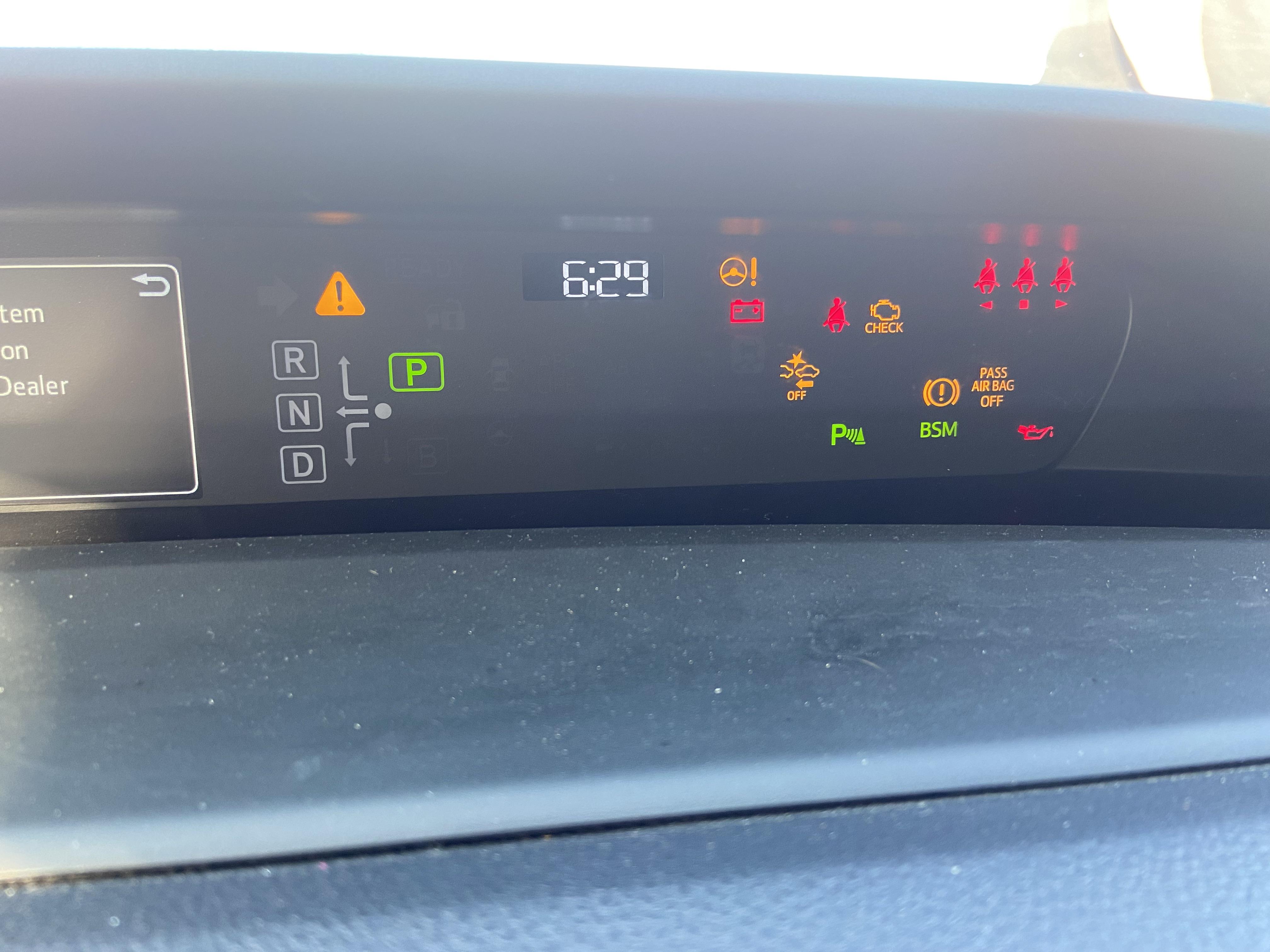
What READY means
READY is the hybrid’s version of “the vehicle is safe to drive and the high-voltage system is online.” The gas engine might be off and silent in READY, and that is normal. If READY never comes on, the car is refusing to bring the high-voltage system online. That is why you can have a fully lit dash and still be stuck.
One quick note: Toyota and Lexus commonly show a green READY light. Other makes may use different wording or a different indicator, but the idea is the same.
Two safety notes
- Do not open orange high-voltage cables or HV connectors. If you are not trained and properly equipped, stay out of HV hardware.
- If you smell burning, see smoke, or get a “Stop the vehicle” type message, stop troubleshooting and tow it.
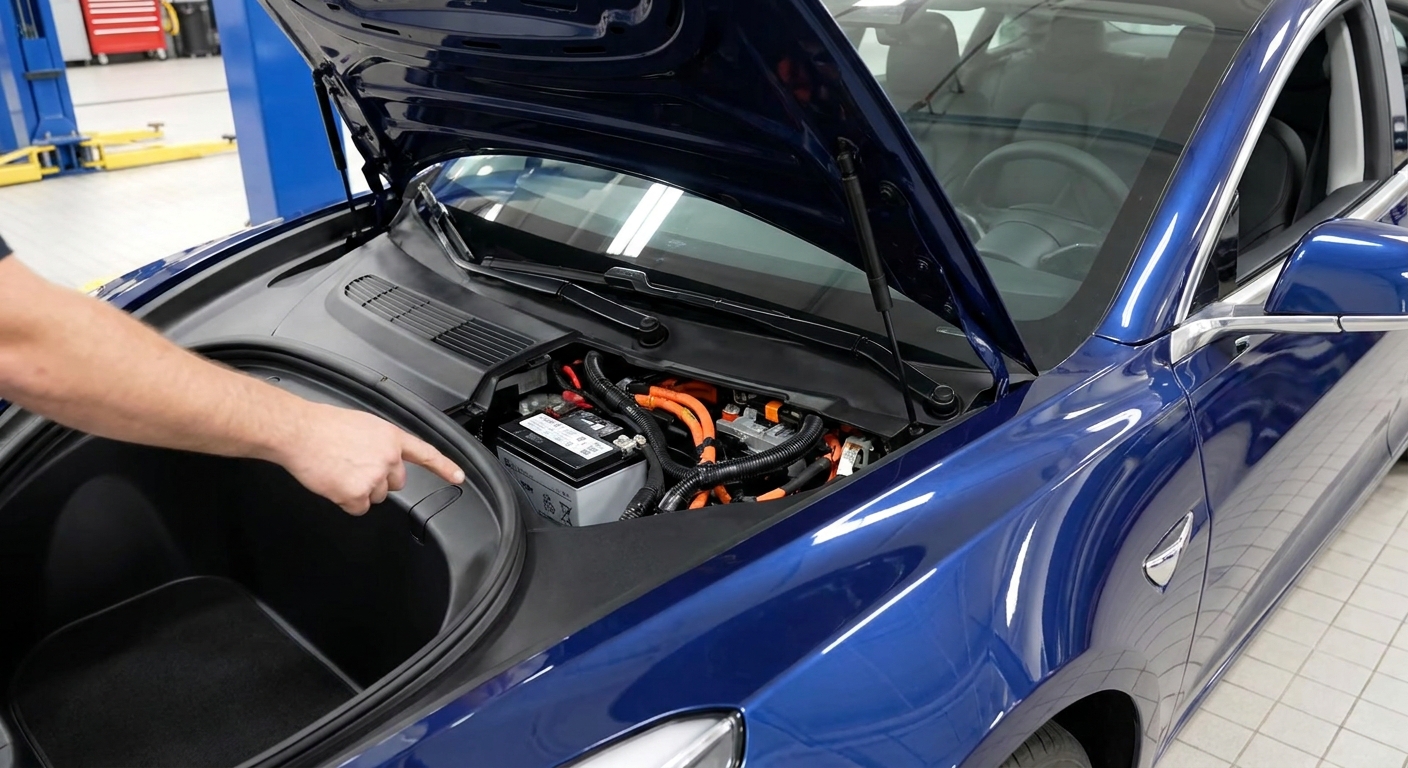
Start here: weak 12V battery
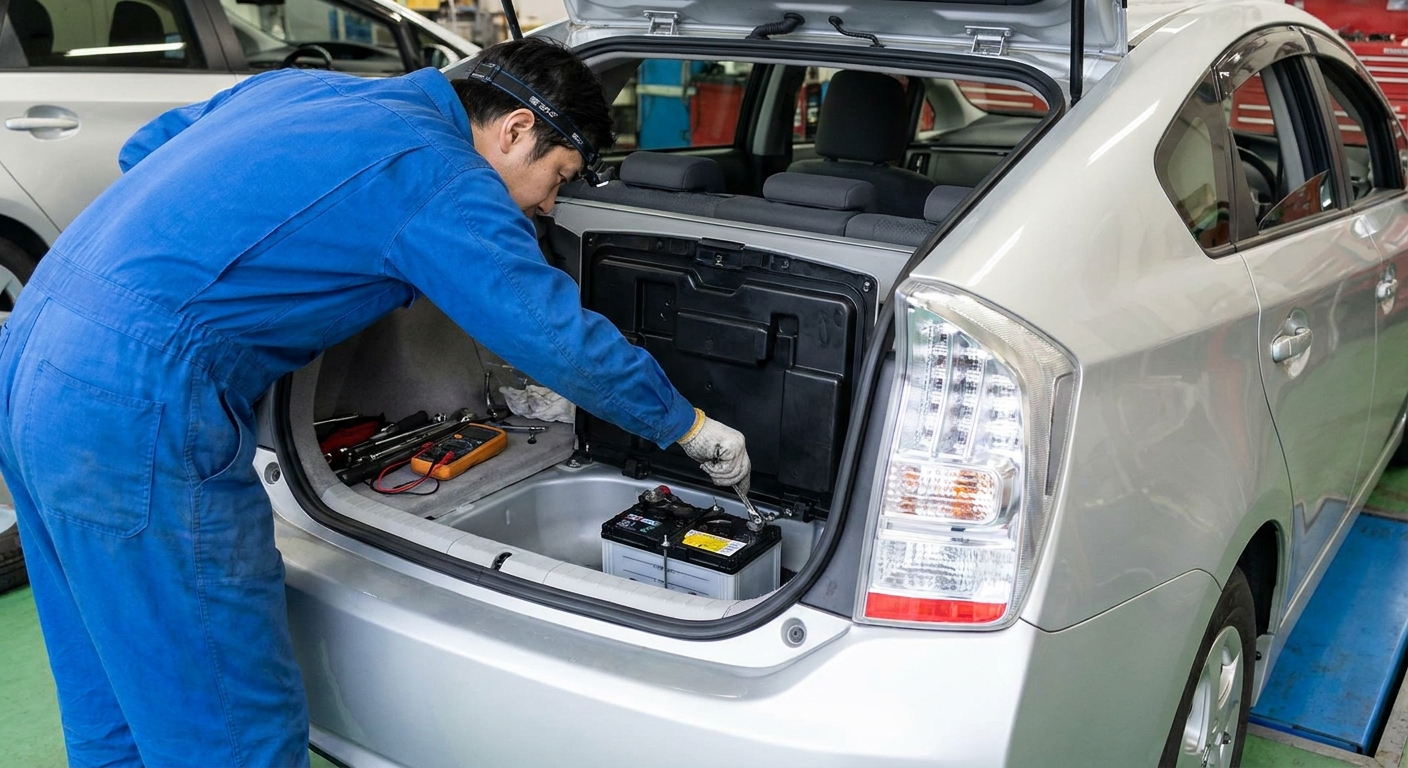
This is number one for a reason. Hybrids rely on the 12V battery to boot computers, power relays, and run the pre-checks that allow the HV contactors to close. A weak 12V can light the dash and still fail under load, which keeps the car from ever reaching READY.
Strong signs it is 12V
- READY never appears, and the dash behaves oddly (flickering, multiple random warnings).
- Power button needs multiple presses, or the car cycles between ACC and ON but not READY.
- Interior lights are dim, windows slow, or the car has been sitting for days or weeks.
What to do
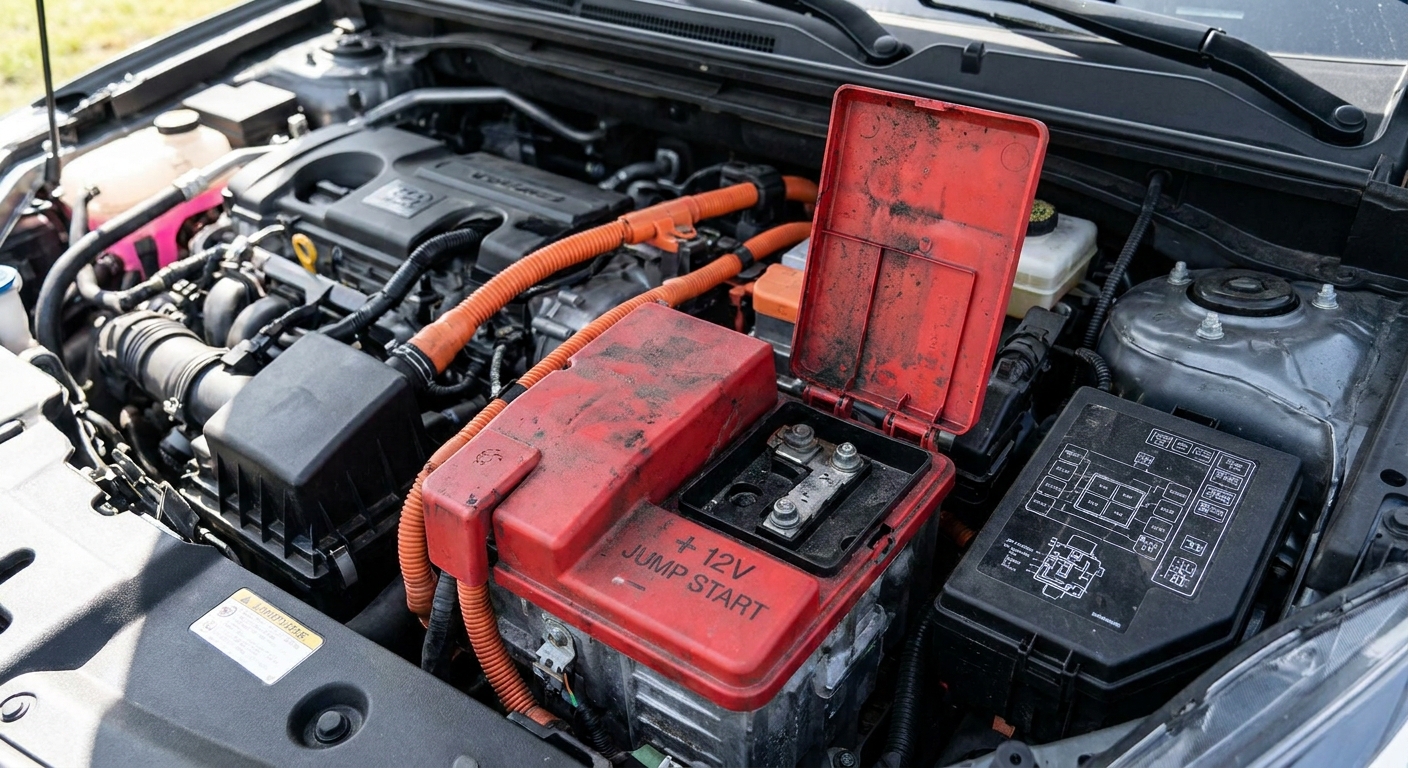
- Measure voltage with a multimeter at the jump points or battery terminals.
- Car off: roughly 12.6V is healthy, 12.2V is borderline, and 12.0V or less is essentially discharged. These are typical readings at around room temperature after the car has sat a few hours, not immediately after charging or driving.
- Key on / IG-ON (not READY): if it drops hard (often into the 11V range or lower), that is a red flag.
- Load it a little: turn the headlights on for a minute, then re-check voltage. If it falls off a cliff, the battery is not keeping up.
- Try a jump start from a known-good 12V source. If it suddenly goes READY, you learned something useful, but remember a jump can also temporarily mask dirty terminals or a weak ground.
- Use correct polarity and the designated jump points per your owner’s manual.
- You are jump-starting the 12V system, not the HV battery. Do not attempt to access HV components.
- Clean and tighten terminals, especially the ground connection. A loose or corroded ground can mimic a bad battery.
If your 12V is old (4 to 6 years is a common lifespan, sometimes less in heat), replacement often fixes a no-READY complaint instantly.
Brake input problems
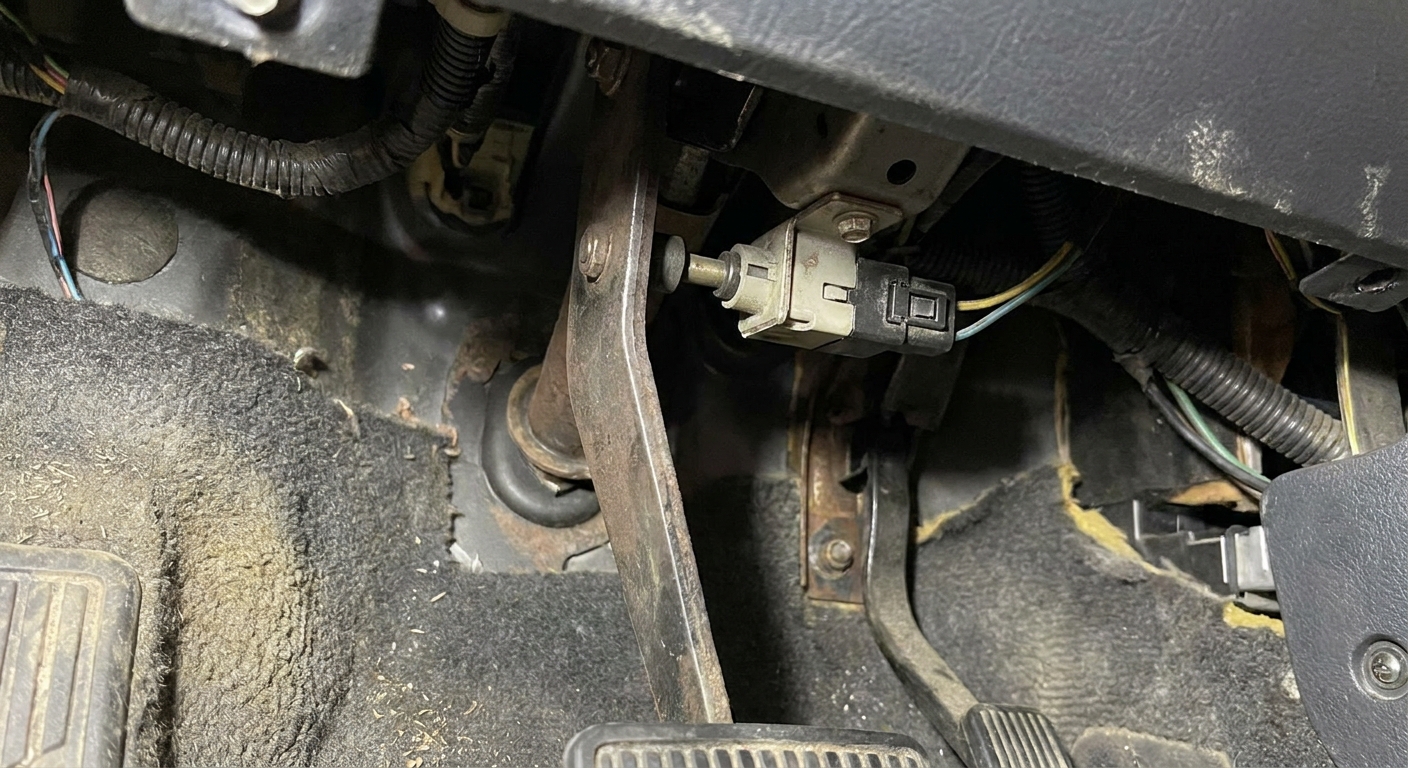
Many hybrids require a valid brake signal to enter READY, although the exact logic varies by model. If the brake light switch is misadjusted, failed, or the pedal sensor signal is missing, the car may power up but refuse READY.
Quick checks
- Do your brake lights turn on? Have someone watch, or back up to a wall at night and look for the glow. No brake lights often equals no READY.
- Check the brake-light fuse if the lights are out. A blown fuse can take away the signal the hybrid control wants to see.
- Press harder than normal and try again. If an extra firm press makes it go READY, the switch may be borderline or misadjusted.
- Look for floor mats bunching under the pedal. I have seen thick all-weather mats prevent full pedal travel enough to confuse the system.
What a shop will check
With a scan tool, a tech can view the brake switch status (ON or OFF) in live data. If the signal is inconsistent, the fix can be as simple as adjustment, or it may need a new switch or pedal sensor calibration depending on the model.
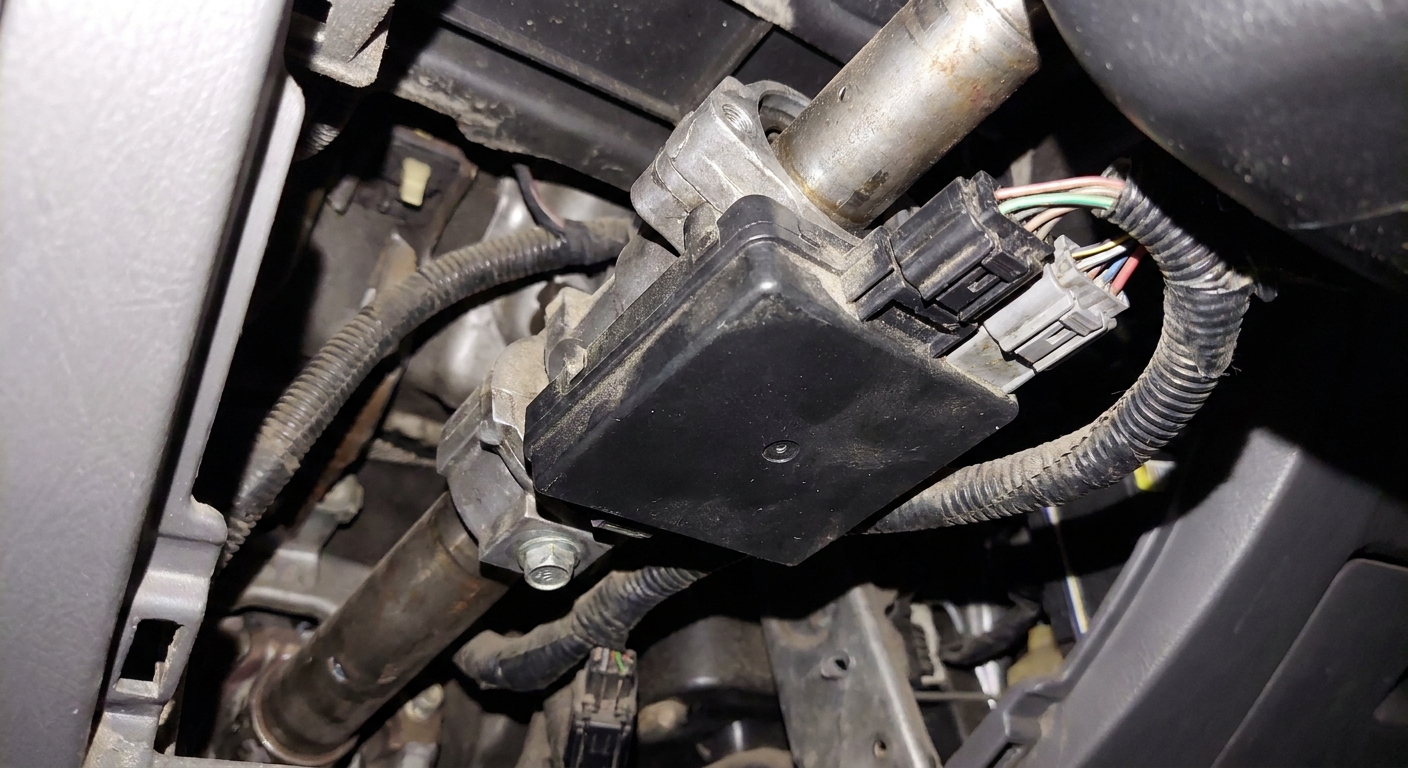
Key and immobilizer issues
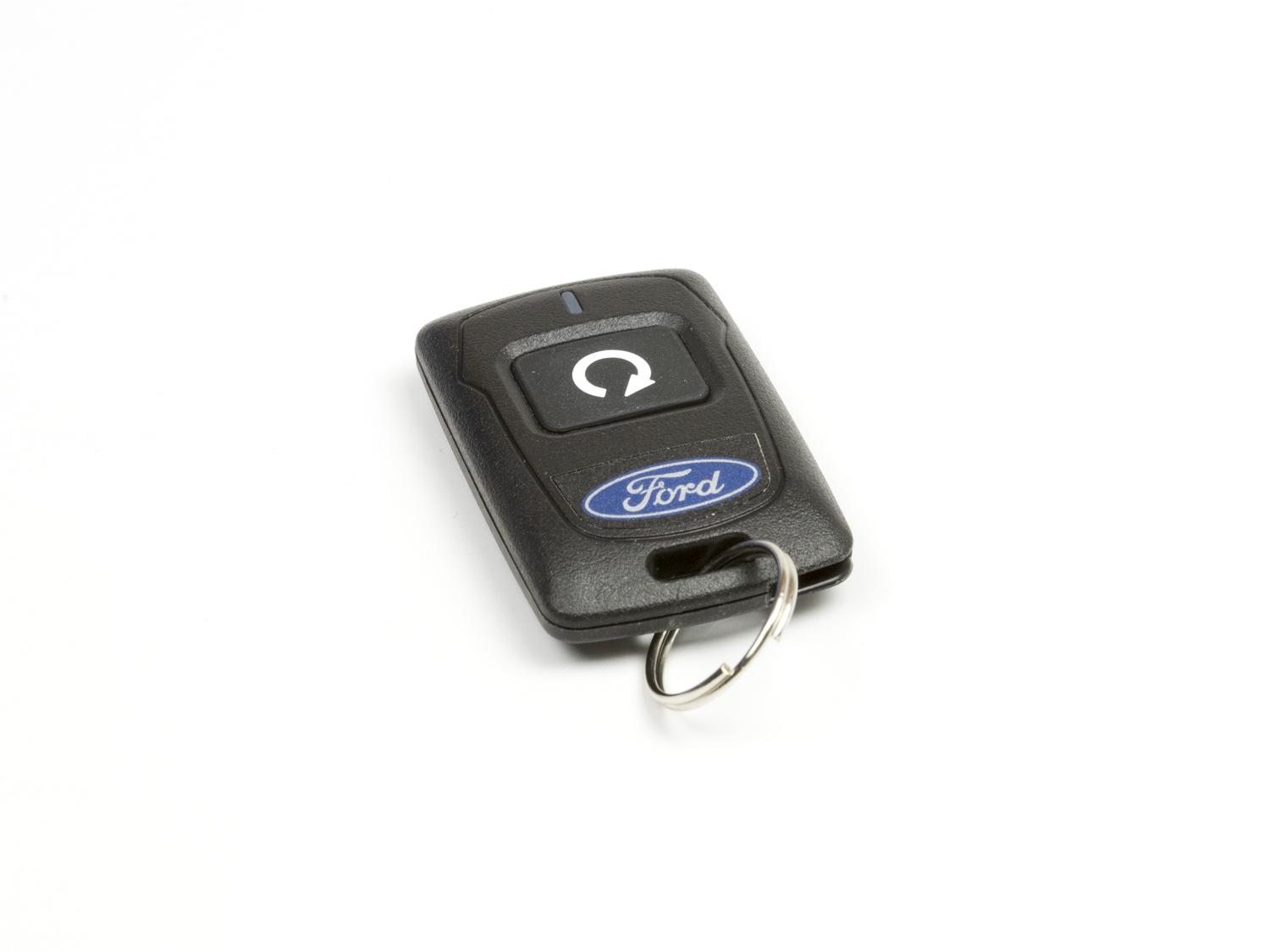
If the car powers up but acts like it does not “trust” the key, it may never allow READY. This can be as simple as a weak key fob battery, or as complicated as an antenna or immobilizer fault.
Quick things to try
- If you see a message like Key not detected, try the spare key if you have one.
- Replace the key fob battery if it is old. It is a cheap experiment.
- On many push-button cars, you can hold the fob against the start button and press. That allows a backup RFID read on some models.
- Make sure the car is fully in Park and your foot is firmly on the brake, then try again.
HV interlock or service plug
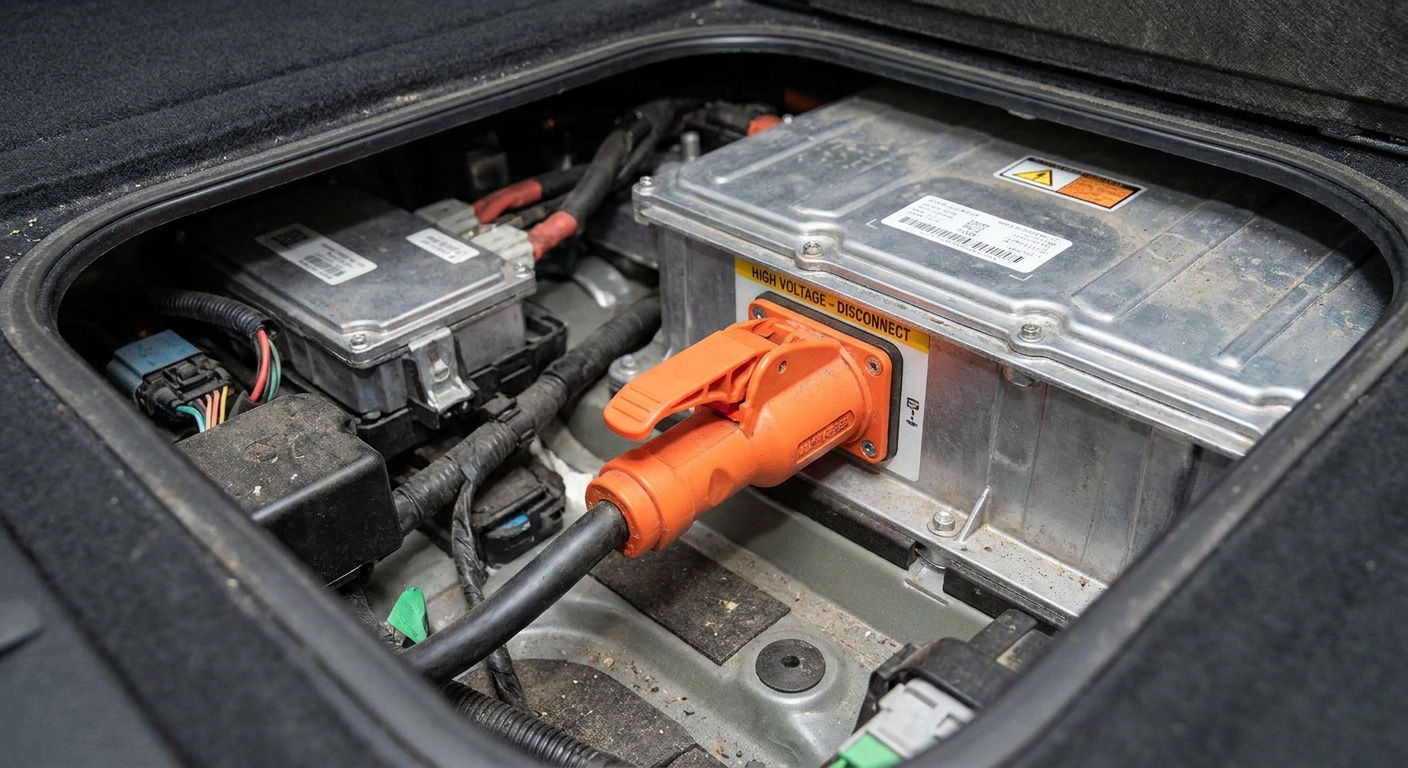
Hybrids have safety interlock circuits that confirm HV components are closed up and secure. If the system detects an open interlock, it will refuse to close the contactors. The most common DIY-related cause is the service plug (sometimes called a service disconnect) not fully latched after someone has been in the hybrid-battery area.
Common scenarios
- Recent work near the hybrid battery area (inspection, fan cleaning, battery service) and soon after the car will not go READY.
- Body work or rear interior work happened near HV wiring, and an interlock connector was left loose.
- The 12V battery was disconnected for service, and during the same job someone accessed the rear area or disturbed panels near HV components.
What you can do safely
- Ask: was anything touched recently? If yes, retrace steps before assuming major failure.
- Do not disassemble HV covers. If you suspect the service plug is not latched and you know exactly where it is on your vehicle, follow the owner’s manual procedure for your model. Some vehicles require a specific sequence such as insert, rotate, then push down to lock. If you are unsure, stop and get help.
If the interlock is open, you will often see a hybrid warning message, a master warning light on some models, or a “Check Hybrid System” style alert.
If it is a plug-in hybrid
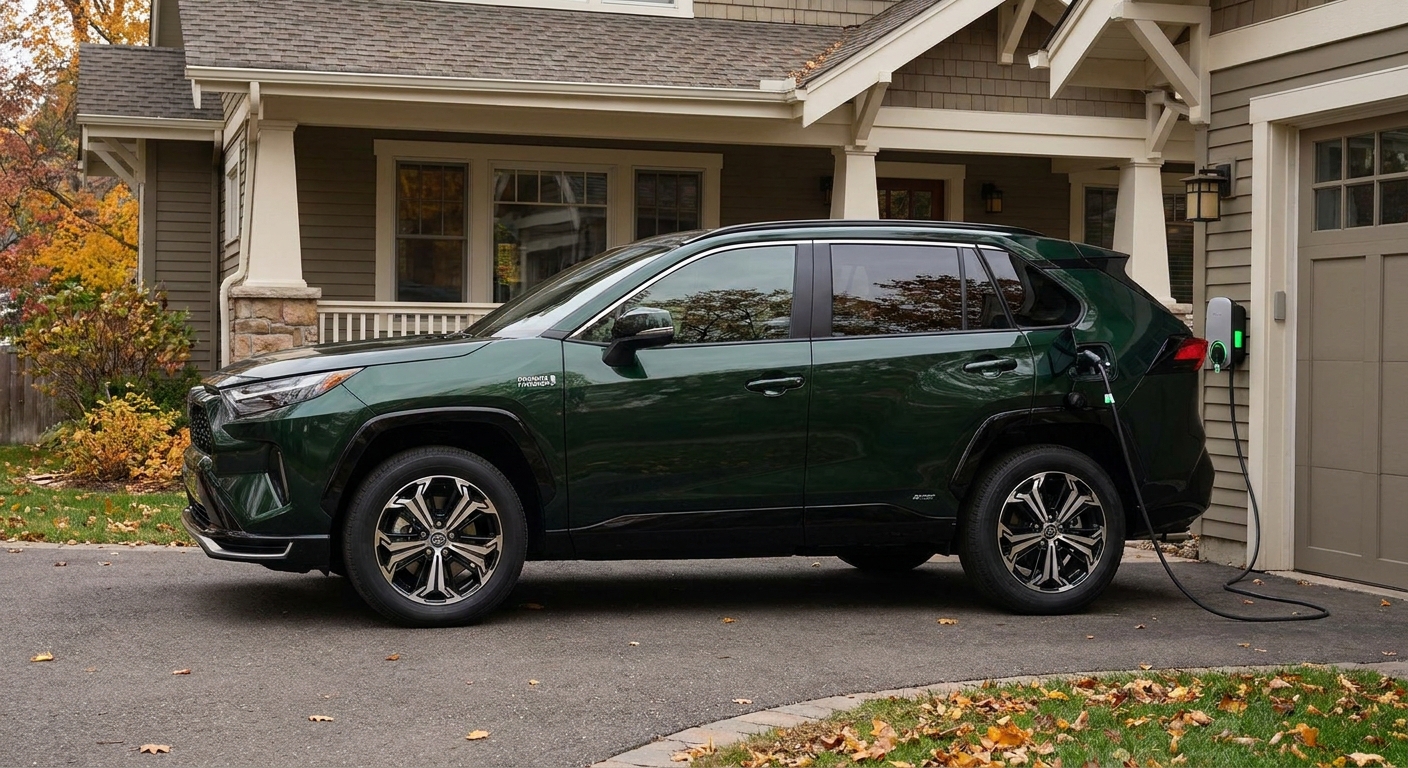
On many plug-in hybrids (PHEVs), the car will not go READY if it thinks the charge connector is still engaged, still locked, or the charge door switch is reporting an incorrect status. The exact behavior varies by model, but charge-port status is absolutely worth checking.
What to try
- Unplug the charge cable and close the charge door fully.
- Lock and unlock the car, then retry READY. Some systems reset the charge lock logic with a lock cycle.
- Look for a charge connector lock setting in vehicle settings. If the lock is stuck, switching the setting can sometimes release it.
- If the car just finished charging, wait a few minutes and retry. I have seen intermittent modules hang briefly after charge completion.
If the dash explicitly says anything like “Shift to P” or “Charging system active,” believe it and focus on charge-port status first.
Warnings that block READY
Sometimes the car is telling you exactly why it will not go READY, but the message is easy to misread. “Check Hybrid System,” “Hybrid System Malfunction,” “EV System Warning,” or a master warning light generally means the computer detected a condition that blocks contactor closure or safe operation.
What to do next
- Do a full power cycle: turn the car off, open the driver door, wait 30 to 60 seconds so modules can go to sleep, then retry.
- Scan for codes with a scan tool that can read hybrid control modules, not just generic engine codes. Many basic readers only show powertrain P-codes and miss the information you actually need.
- Write down the exact message and any lights (ABS, brake, steering, immobilizer indicator). Those combinations matter.
Examples of what blocks READY
- Immobilizer or key authorization issues: weak key fob battery, antenna problems, or security faults can prevent READY even when the cabin powers up.
- Transmission range or Park signal problems: if the car does not confirm it is in Park, it may refuse READY or refuse shifting after READY. Make sure the shifter actually clicks into Park and the Park indicator matches.
- Brake system faults: on some hybrids, a brake actuator or pressure fault can block READY for safety reasons.
Important: this page is focused on no-READY events. If your concern is overall battery aging, capacity loss, or reduced EV range, that is a separate diagnosis path.
No-READY checklist
- 12V battery voltage (meter it, do not guess). Watch voltage in IG-ON, not just at rest. Try a jump start if borderline.
- Brake lights work? If not, suspect brake switch or brake-light fuse.
- Key issues: try spare fob, replace fob battery, try fob-to-button start method if your model supports it.
- PHEV charge cable fully unplugged and door closed, then lock and unlock.
- Recent work? Anything involving the hybrid battery area or rear interior. If yes, suspect service plug latch or an interlock connector.
- Scan for hybrid-related codes if any warning messages are present.
When to stop and tow
I am all for DIY checks, but there is a line where it is smarter and safer to let a hybrid-capable shop take over.
- You see a message like “Stop the vehicle” or “Pull over safely”.
- There is a strong electrical smell, smoke, or visible heat from underhood or the battery area.
- The car went no-READY immediately after a collision or flood exposure.
- You suspect a high-voltage issue and you are not trained to work around HV components.
A tow to a shop that understands hybrids is often cheaper than guessing your way into a bigger problem.
FAQ
My hybrid has power but won’t start. Is the hybrid battery dead?
Not necessarily. A weak 12V battery is more common and can prevent READY even if the hybrid battery is fine. Start with 12V voltage and brake input checks before assuming the HV pack is the culprit.
Can I jump-start a hybrid that won’t go READY?
Yes, in many cases you can jump the 12V system using the designated jump points. You are not jump-starting the high-voltage battery. Follow your owner’s manual for the correct connection points and procedure.
Why does my hybrid click but still won’t go READY?
Clicks can be relays trying to engage. If READY does not follow, the system may be failing a safety check, seeing low 12V voltage under load, detecting an interlock issue, or logging a fault that blocks contactor closure.
Do I need a special scan tool?
For basic checks, no. But for a real no-READY diagnosis with warning lights, you want a scanner that can access hybrid control modules and read codes beyond generic engine faults.