If you were into cars in the 1990s, chances are you remember the moment it all clicked. A turbo whistle you could hear from the sidewalk. A set of deep-dish wheels tucked just right. A tail-happy corner exit that looked impossible until you saw it happen twice.
And before the comment section warms up, a quick clarification: when people say “JDM” in casual car talk, they often mean “Japanese performance icons” more than “Japan-only market cars.” This list is about the 1990s Japan-origin platforms and halo cars that shaped the tuning scene worldwide, whether you saw them in Japan, in magazines, on Option videos, in Gran Turismo, or later through the import boom.
The 1990s tuning scene was not just about going fast. It was about learning, experimenting, and building a whole personality around a platform you could wrench on after school or after your shift. These cars mattered because they arrived with strong engineering, tons of aftermarket support, and drivetrains that begged to be modified.
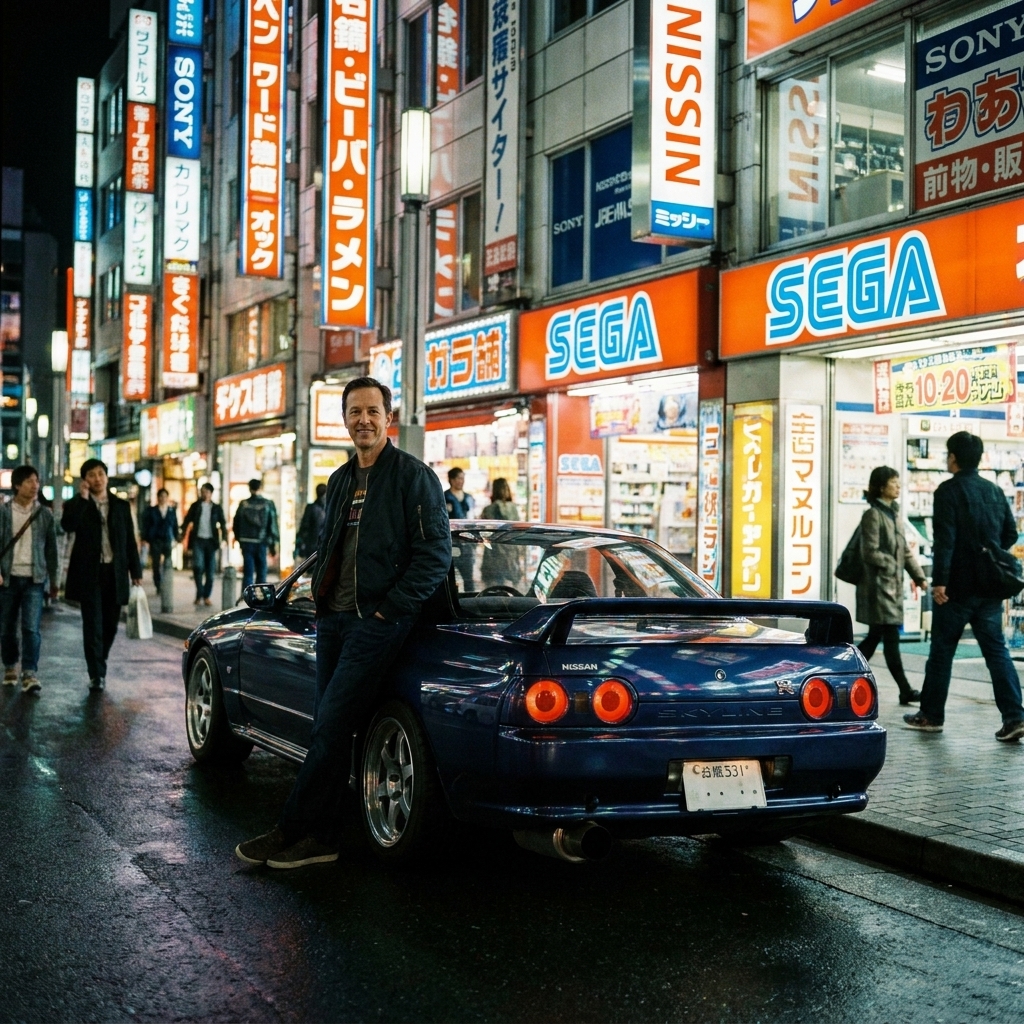
Here are 10 Japanese icons that defined the decade and still shape how we tune, build, and talk about cars today.
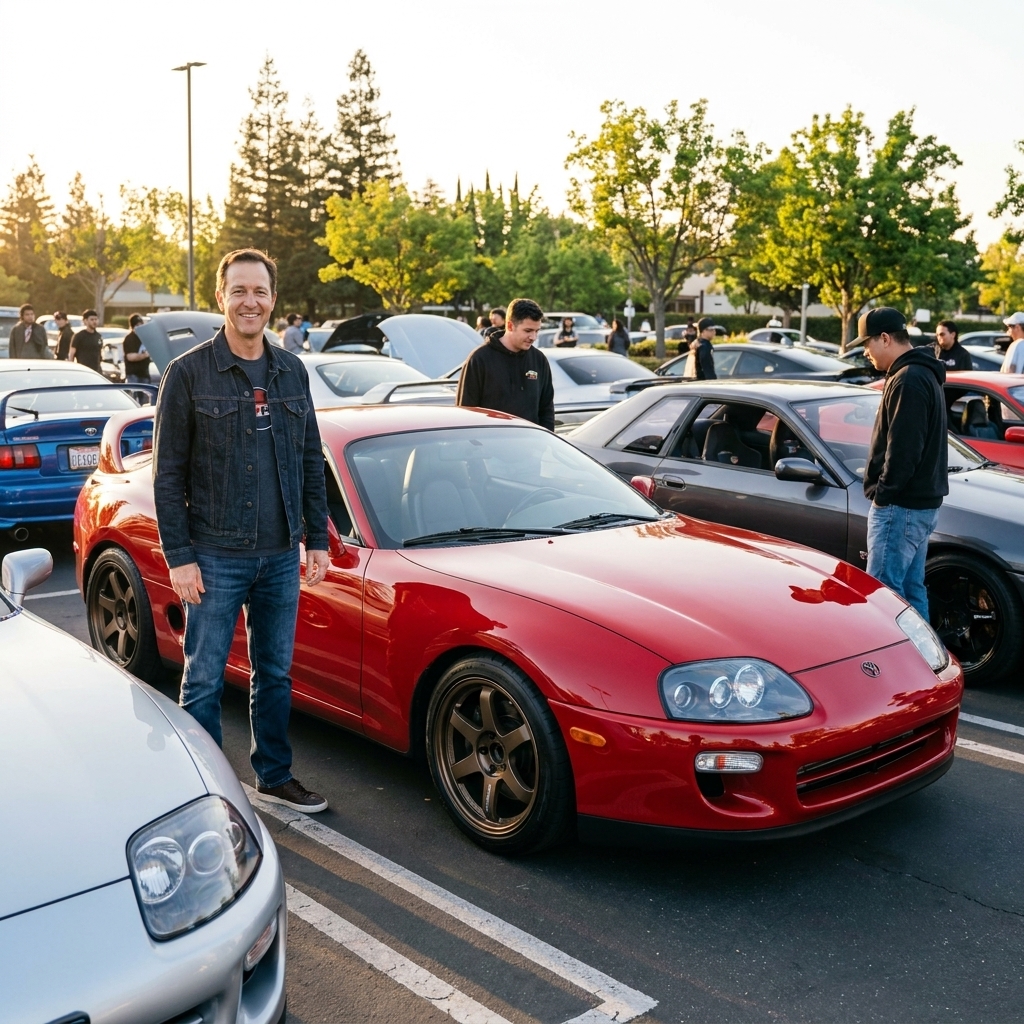
1) Toyota Supra Mk4 (A80)
The A80 Supra is the poster child for 1990s turbo tuning, and it earned that status by arriving with a drivetrain that tolerated substantial power increases when the supporting mods and tuning were handled properly. The 2JZ-GTE straight-six is legendary not because it is magical, but because it is robust, boost-friendly, and backed by a massive ecosystem of parts and knowledge. In many markets it also came with factory sequential twin turbos, which set the tone for the era.
Why it mattered
- 2JZ-GTE headroom: Known for taking meaningful boost increases on stock long blocks with the right fuel, cooling, and calibration. Results vary, but the reputation is earned.
- Street to strip range: The same car could be a clean show build, a highway bruiser, or a drag setup without changing its identity.
- Culture impact: The Supra became global shorthand for “JDM power,” helping pull Japanese performance into the mainstream.
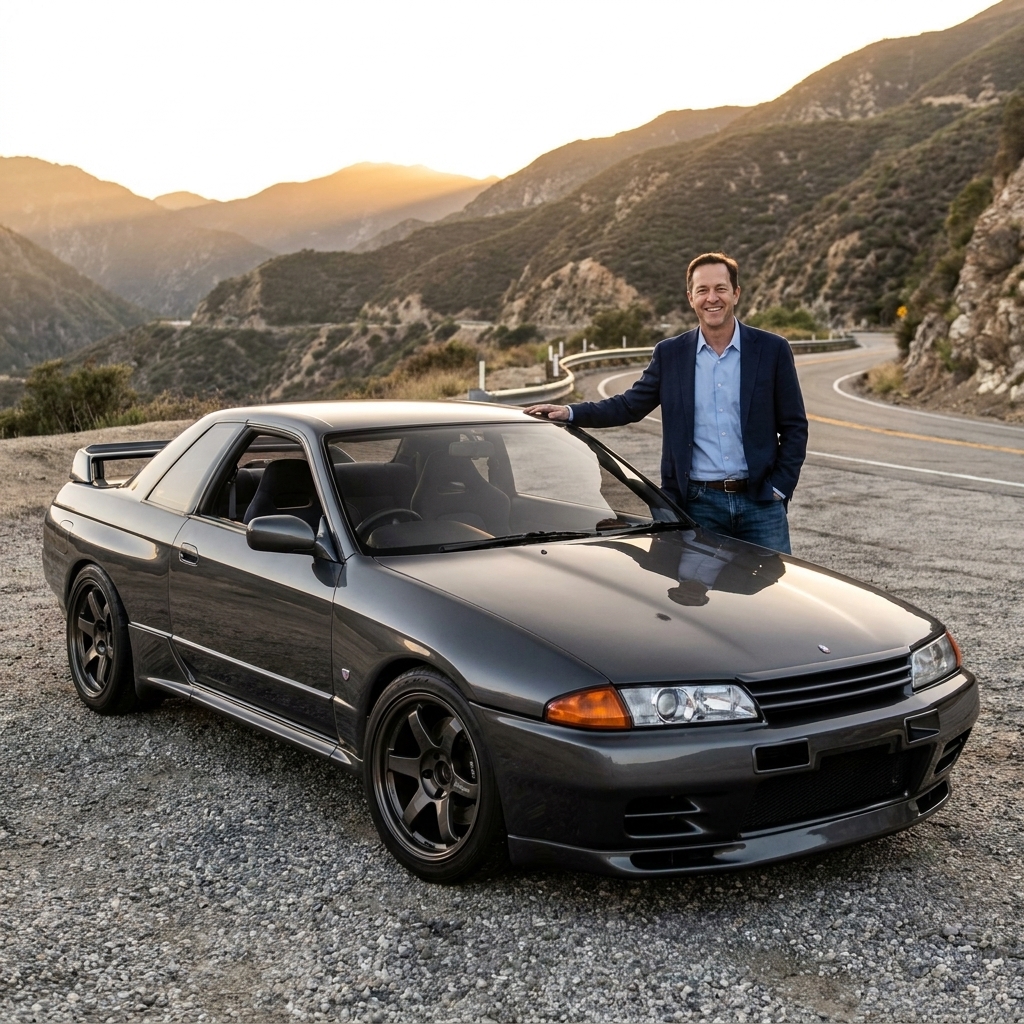
2) Nissan Skyline GT-R (R32 to R34)
Instead of splitting the GT-R into three slots, here is the truth most 90s fans agree on: the R32, R33, and R34 are one continuous legend. The recipe stayed consistent and got sharper over time: RB26DETT power, ATTESA all-wheel drive, and rear steering on many models. The details changed depending on year and trim, and the AWD system evolved across generations, but the core idea did not.
Why it mattered
- “Godzilla” reputation: Motorsport dominance built instant mythology and made AWD feel like the cheat code everyone wanted.
- RB26DETT tuning: Responds beautifully to supporting mods, turbo upgrades, and proper ECU calibration.
- Grip-first performance: It normalized putting big power down in real conditions, not just perfect weather and perfect roads.
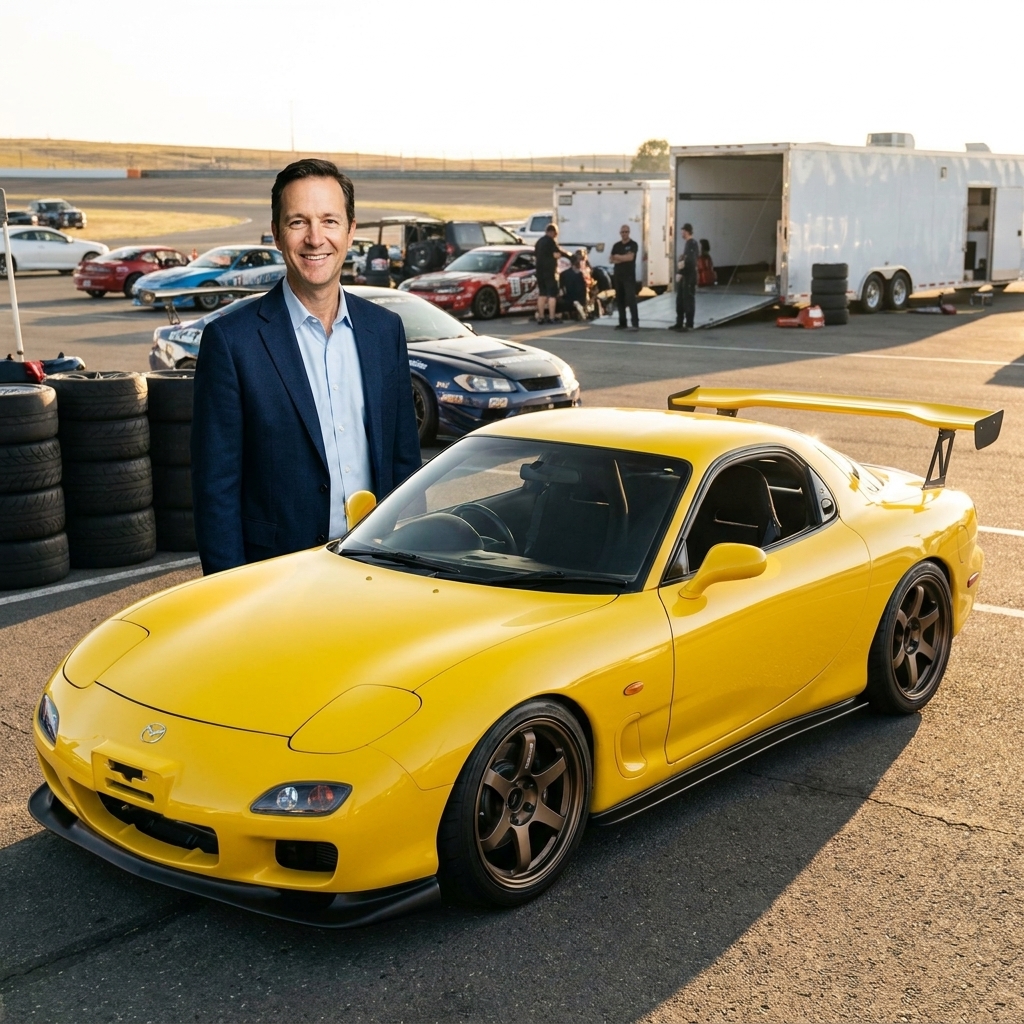
3) Mazda RX-7 (FD3S)
The FD RX-7 is what happens when a manufacturer builds a sports car around lightness and driver feel, then adds a rotary that loves to rev and a factory sequential twin-turbo system. It is also a car that taught a whole generation the difference between “fast” and “fast, but maintained properly.”
Why it mattered
- Rotary tuning culture: Porting, intercooling, and engine management became a rite of passage.
- Handling-first vibe: The FD made corner speed cool, not just straight-line numbers.
- Distinct identity: No piston engine sounds like an RX-7 on boost, and everyone remembers the first time they heard one.
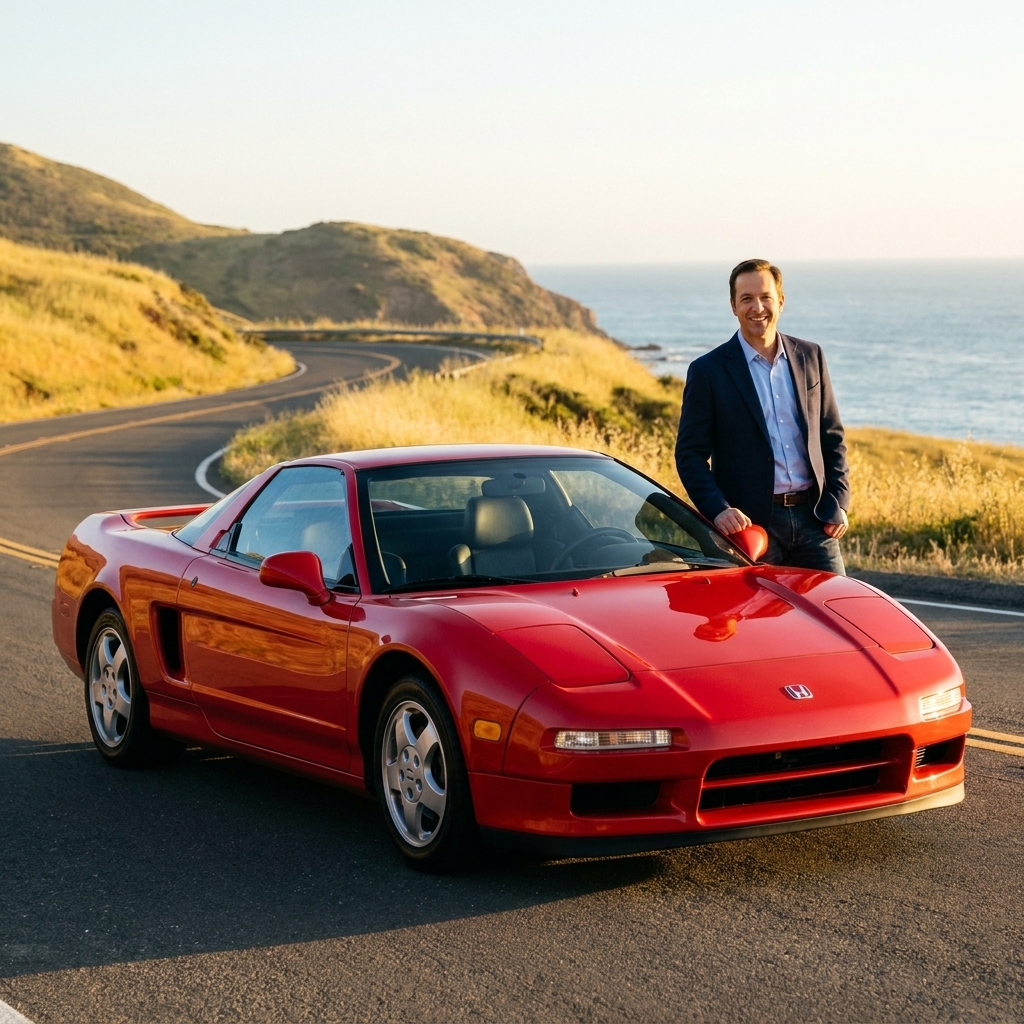
4) Honda NSX (NA1/NA2)
The NSX was a supercar that did not punish you for driving it. Mid-engine balance, Honda build quality, and ergonomics that made sense. In a decade where a lot of fast cars felt temperamental, the NSX proved you could have performance and day-to-day usability in the same package, even if service and parts still carried supercar-level pricing.
Why it mattered
- Precision engineering: It raised expectations for build quality across the performance world.
- Smart tuning choices: Many builds focused on suspension, brakes, and intake and exhaust, because the base car was already sorted.
- Track-day template: It helped define the “drive it hard, drive it home” philosophy.
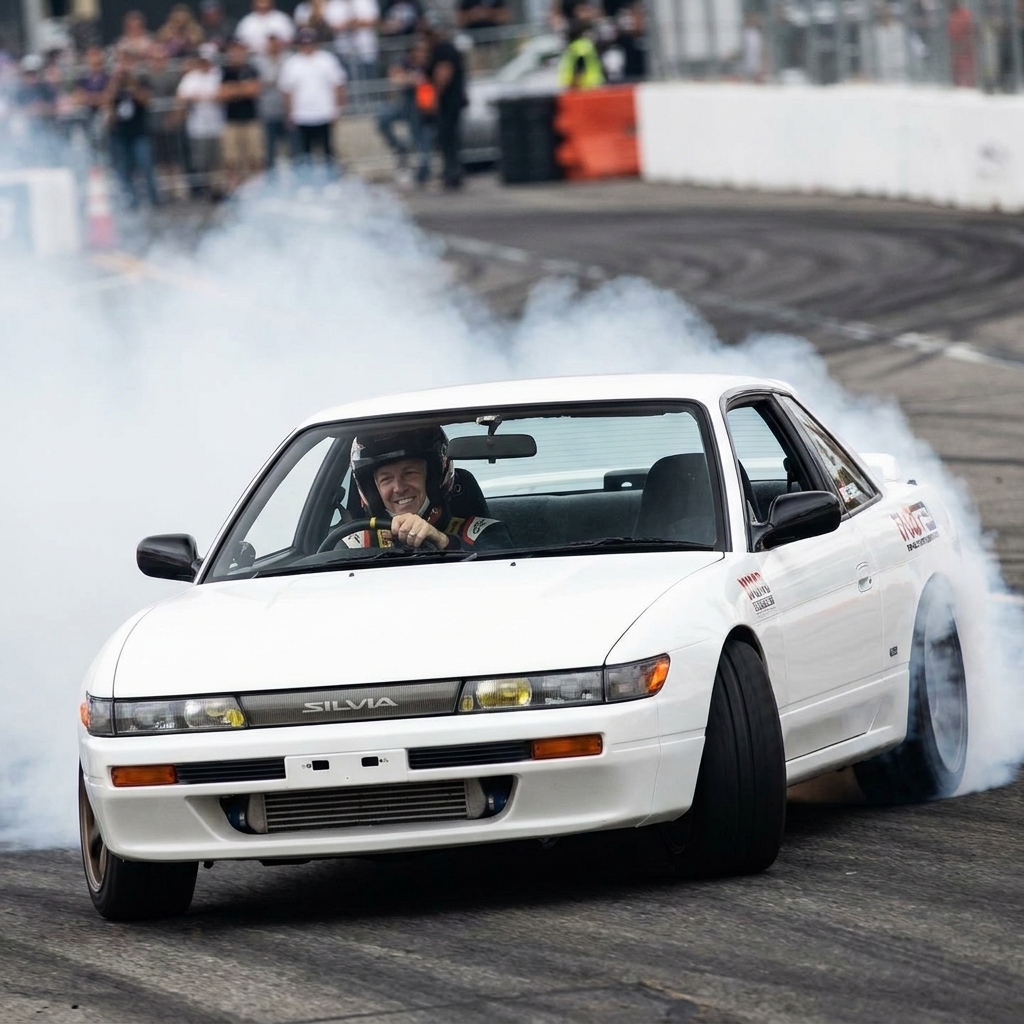
5) Nissan S-Chassis (S13 and S14)
The S-chassis deserves one slot because the impact is bigger than any single generation. The S13 brought the light, simple, rear-drive feel that made learning fun. The S14 added stiffness and stability that suited higher speed grip and more composed drift setups. Together, they became the backbone of drifting as it grew from underground to organized events.
Why it mattered
- SR20DET and swaps: Turbo four-cylinder goodness, plus endless interchangeability across Nissan platforms.
- Chassis balance: Easy to rotate, easy to learn, and friendly enough to progress without fear.
- Aftermarket explosion: Coilovers, diffs, arms, and body kits turned the S-chassis into a build-your-own identity car.
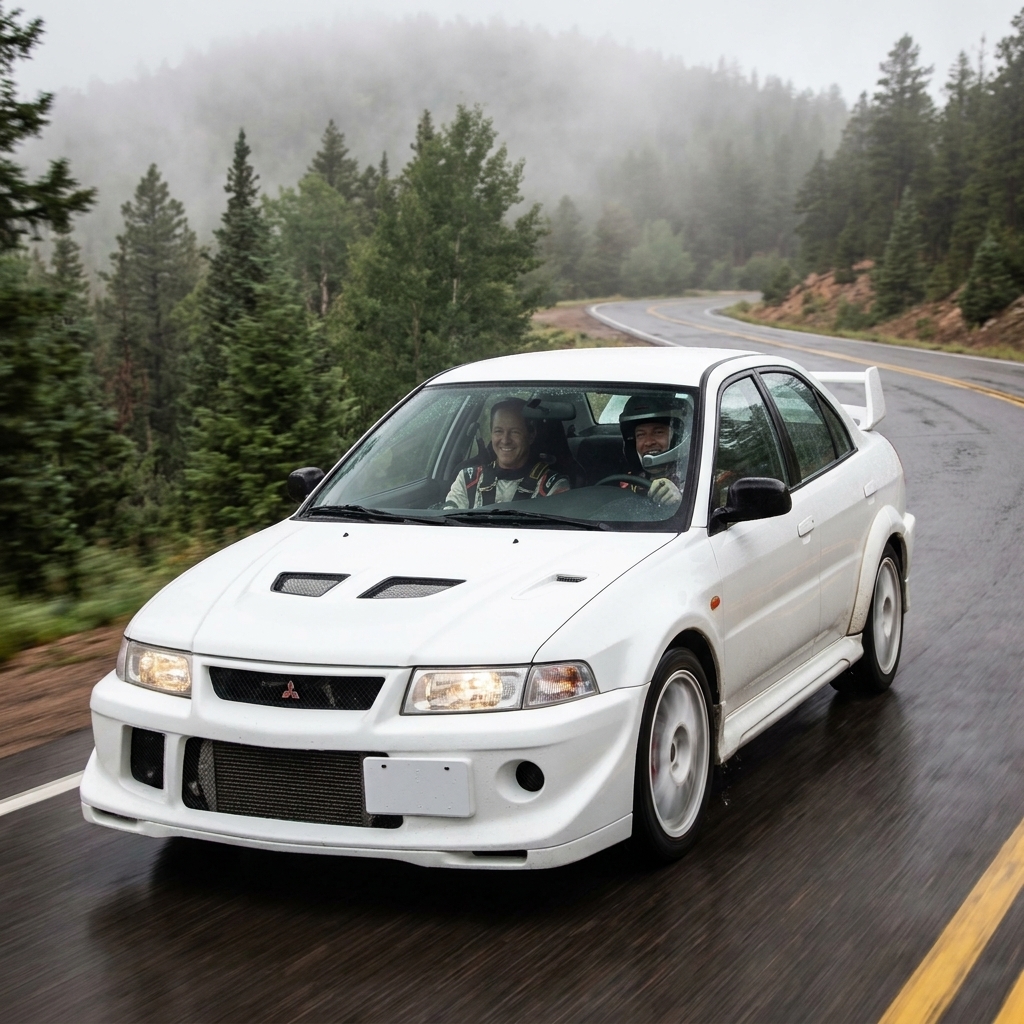
6) Mitsubishi Lancer Evolution VI
By the late 1990s, the Evo was the street-legal rally weapon everyone wanted a turn with. It was born from homologation thinking, even if where you could actually buy one depended heavily on your region. Turbocharged 4G63 power, aggressive AWD hardware, and a chassis that felt like it was daring you to brake later made all-weather speed feel attainable.
Why it mattered
- Rally to street pipeline: It brought motorsports tech straight into the tuner driveway.
- Boost-friendly 4G63: Big community, big results when tuned correctly and kept cool.
- AWD tuning playbook: Diffs, tires, and suspension setup became as important as horsepower.
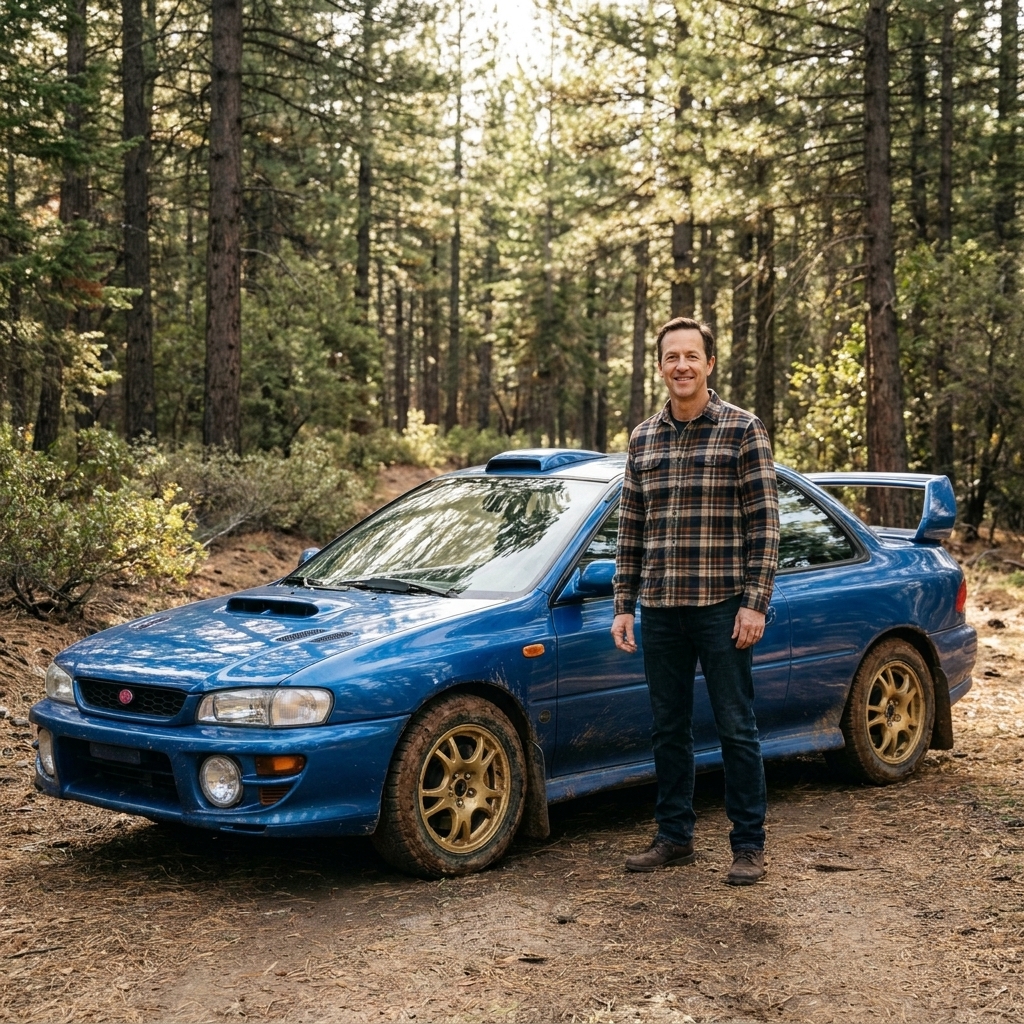
7) Subaru Impreza WRX STI (GC8)
If the Evo was the late-90s sledgehammer, the GC8 STI was the scalpel with mud on its boots. Compact, urgent, and built around rally DNA, it helped cement the idea that an AWD sedan could be a serious tuner platform with a personality all its own.
Why it mattered
- Rally-bred hardware: Turbo power and AWD traction that begged for backroad runs and gravel inspiration.
- Tuning community: Boost control, intercooling, and ECU tuning became common language for a new wave of enthusiasts.
- Global reach: Subaru’s motorsport image helped spread the scene far beyond Japan.
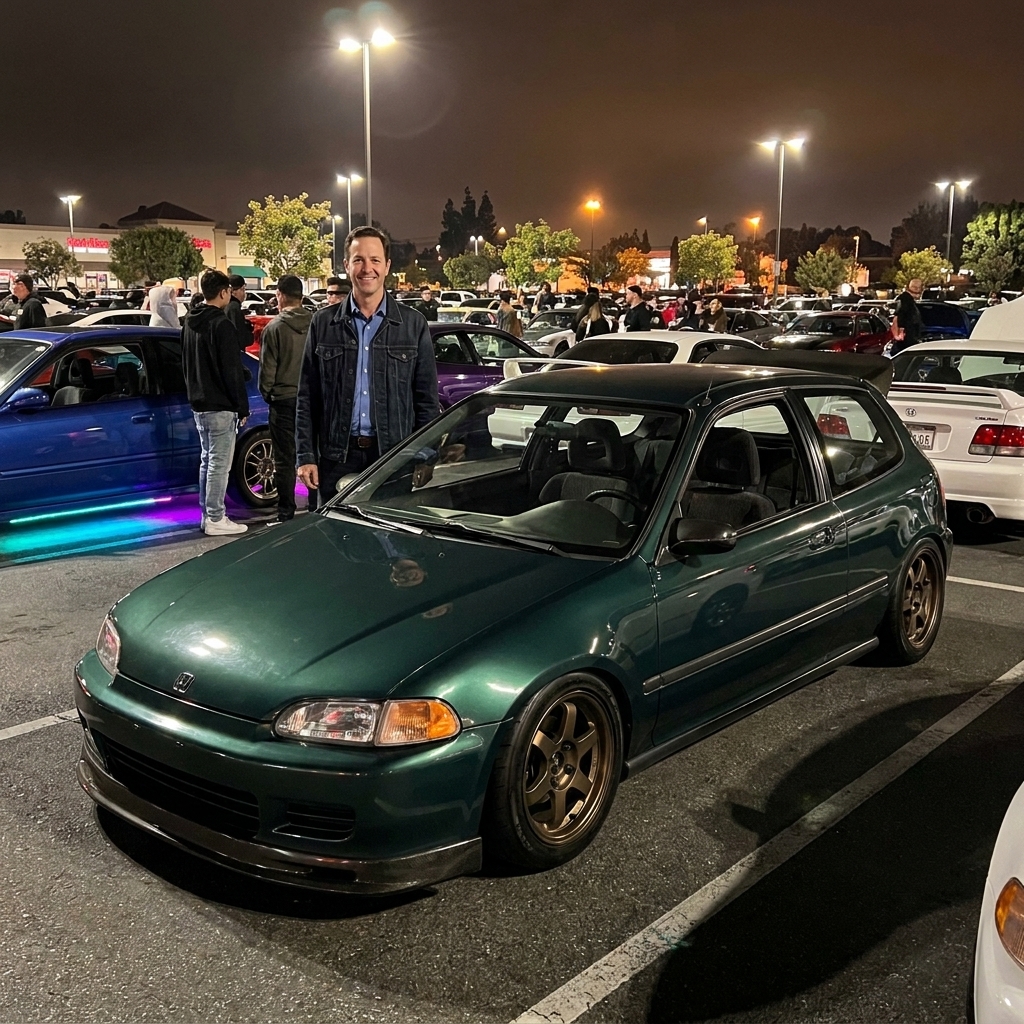
8) Honda Civic (EG and EK)
The Civic was the people’s tuning platform of the 1990s. Light, cheap, and endlessly moddable, it showed what happens when a car is simple enough to learn on and good enough to keep improving. The EG and EK era also turned engine swaps into normal conversation.
Why it mattered
- Accessible performance: Intake, header, exhaust, suspension, and tire upgrades actually transformed the car.
- Swap culture: B-series and beyond made the Civic a build-your-own blueprint.
- Scene building: Meets, forums, and DIY knowledge grew fast because so many people could participate.
9) Toyota MR2 (SW20)
The SW20 MR2 gave the 1990s scene something different: mid-engine balance in a package you could realistically own. Turbo models brought serious punch, and even the naturally aspirated cars taught drivers the value of chassis setup, tire choice, and respect for weight transfer.
Why it mattered
- Mid-engine education: It rewarded smooth inputs and punished sloppy ones, which made it a teacher.
- Turbo potential: The boosted versions delivered real tuning upside with the right supporting mods.
- Unique lane: It was not a Skyline, not a Supra, not a Civic, and that was the point.

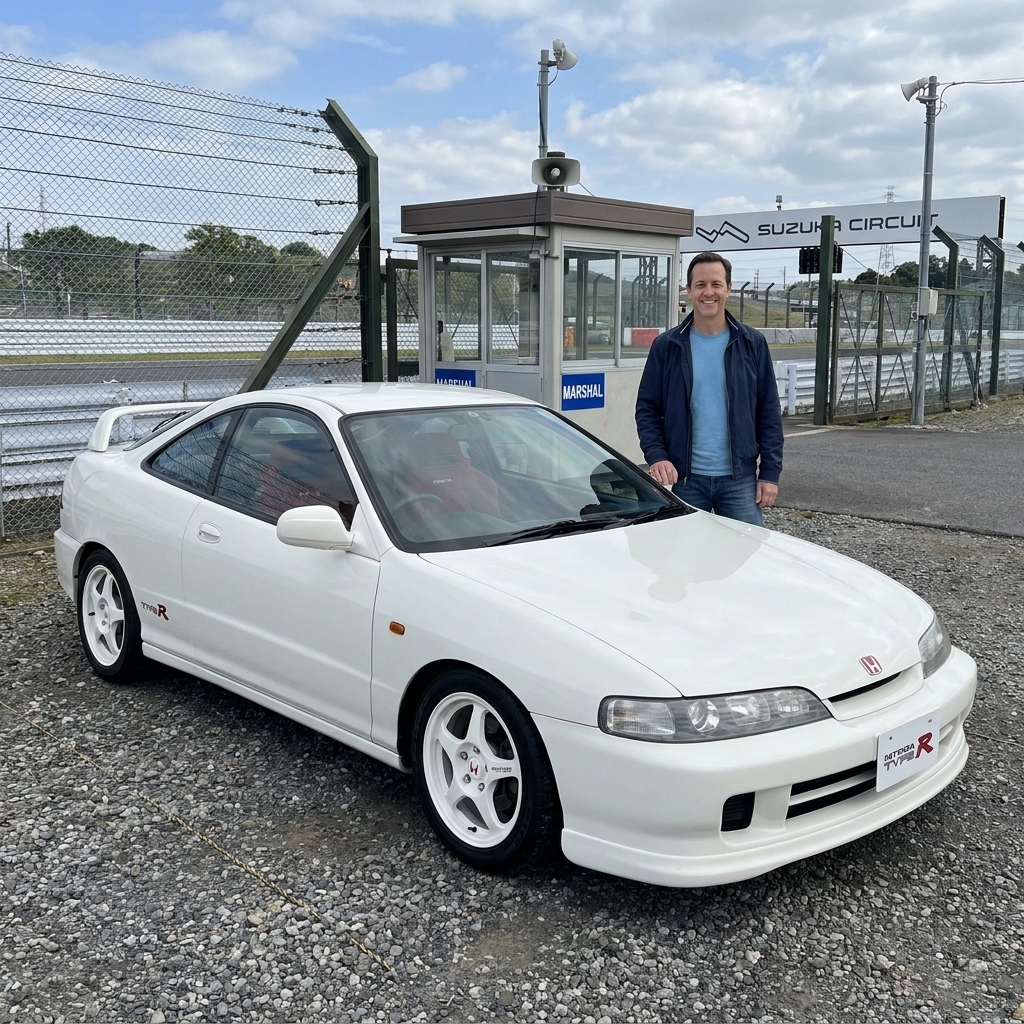
10) Honda Integra Type R (DC2)
The DC2 Integra Type R is proof that you do not need a turbo to be a tuning icon. Type R models came with a high-revving VTEC engine, close gearing, and a factory limited-slip differential in most markets, paired with chassis tuning that made it feel alive at sane speeds. It made momentum driving feel like a flex.
Why it mattered
- NA performance culture: Headers, intake, exhaust, cams, and weight reduction were the path.
- Handling focus: It made alignment settings, tires, and driver skill part of the conversation.
- Track credibility: Few 1990s cars felt as ready to rip straight from the factory.
What changed
Looking back, the common thread is not a badge or a body style. It is the way these platforms invited participation. You could buy one, learn it, break something, fix it, upgrade it, and meet people along the way. That cycle built the tuning scene as much as any dyno number.
- Aftermarket matured: Turbo kits, ECUs, suspension, and aero became more standardized and widely available.
- Communities formed: Magazines, VHS tapes, early forums, local meets, and track days turned knowledge into culture.
- Styles evolved: Drag, grip, drift, and show builds all grew around the same core icons.
If you are already drafting your “but what about…” comment, fair. The 1990s were stacked. Near-miss legends like the 300ZX Z32, JZX90 and JZX100 Chaser and Mark II, and the NA and NB Miata absolutely belong in the conversation depending on what corner of the scene you grew up in.
And if you are just getting into the scene now, that is the best part: these cars are still teaching. The tools are better, the information is easier to find, but the thrill of building something that feels like yours has not changed one bit.
Quick FAQ
Were all of these sold in the US in the 1990s?
No. Several were Japan-market or region-limited in period, and availability varied heavily by country. That scarcity, plus the way media and games spread the hype, is part of why they became so legendary.
Which is best for beginners?
If you want rear-wheel drive and a massive learning community, the S-chassis is hard to beat. If you want a friendly front-wheel-drive platform with huge parts support, the Civic path is one of the most approachable. The best choice depends on budget, goals, and how comfortable you are with maintenance.
What made 1990s Japanese cars so tunable?
Strong factory engineering, simple mechanical layouts, and engines designed with performance headroom. Add a booming parts ecosystem and a generation of owners willing to wrench, and you get an era that still influences builds today.
What should you check before buying one today?
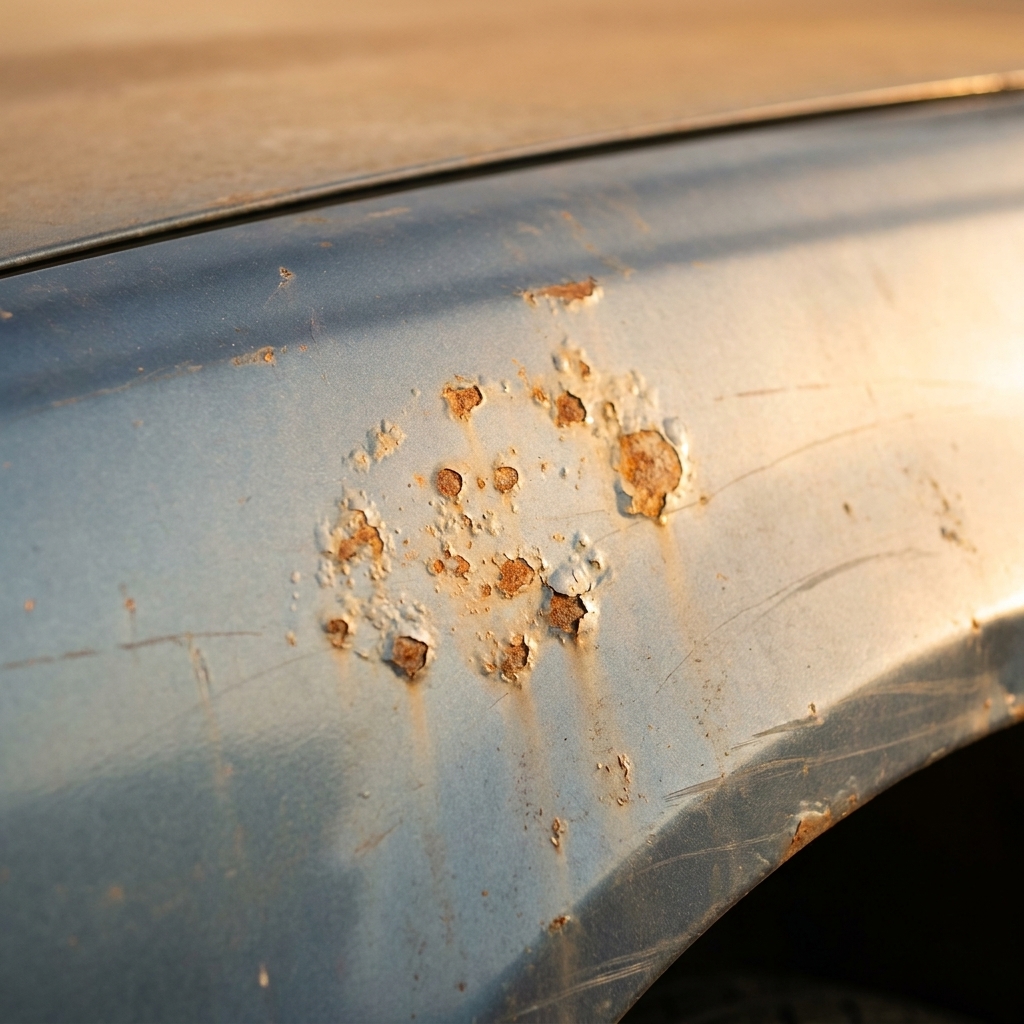
Start with the basics: rust, crash repairs, wiring quality, cooling system health, and signs of hard use. Then get platform-specific: compression and leakdown on turbo cars, rotary health checks on RX-7s, AWD system maintenance history on GT-Rs and rally sedans, and proof of quality tuning rather than mystery parts. A clean, well-documented car is almost always cheaper than a “deal” that needs sorting.