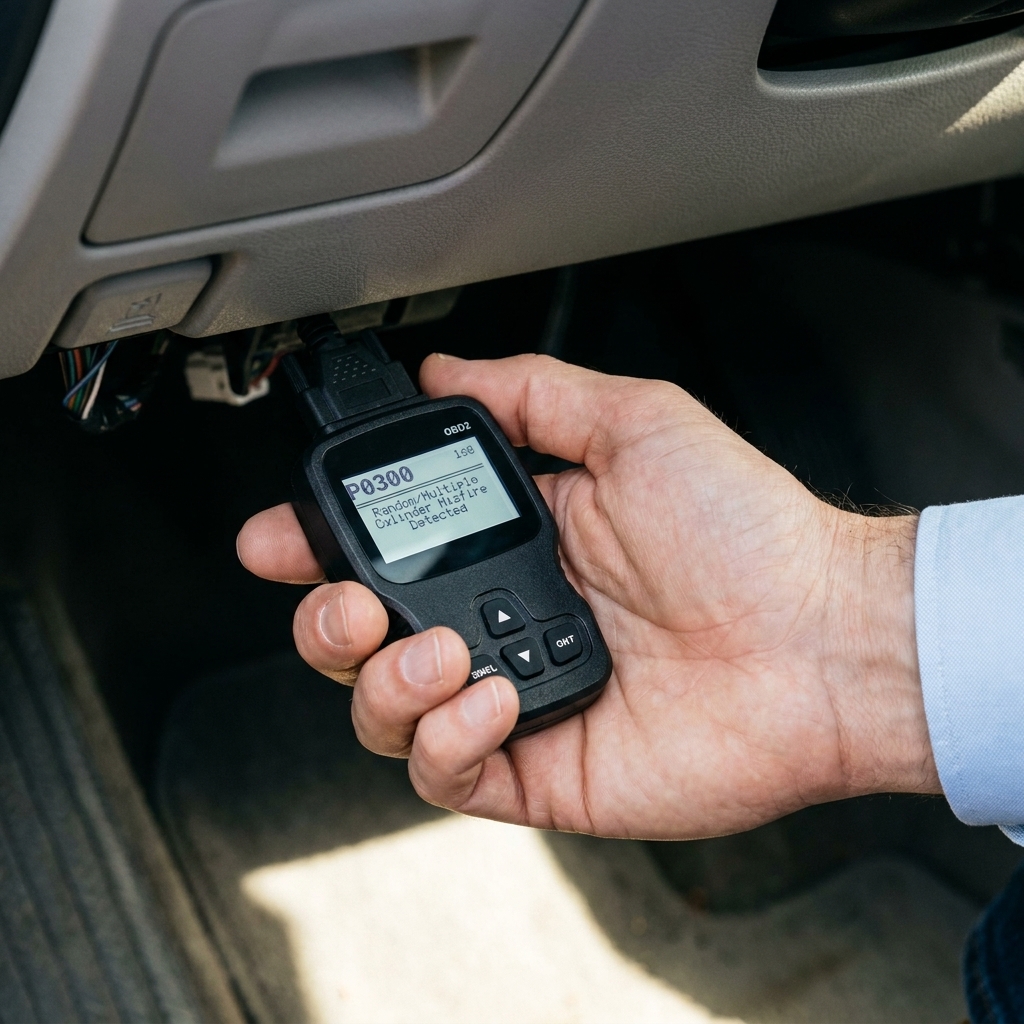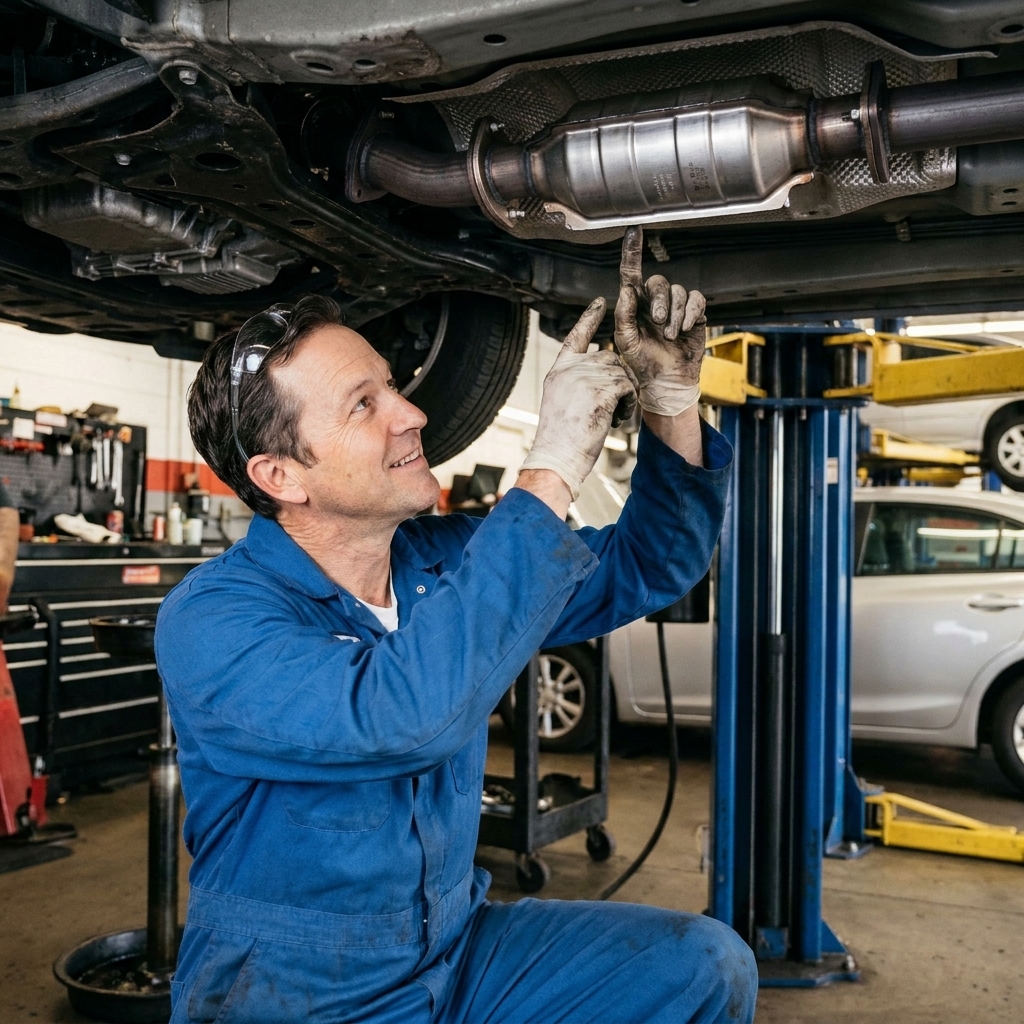
If you've been wrenching lately, you already know the frustration: the part you need is either on indefinite backorder, priced like a collector item, or only available from a seller you've never heard of. The good news is that in many regions, 2024 feels more manageable than the peak disruption years. The bad news is that shortages have gotten pickier. Instead of “everything is unavailable,” it’s often specific components tied to certain trims, option packages, and build dates.
Below is a grounded 2024 update on what still gets tight, plus the same sourcing playbook I used in the shop when a customer needed their car back yesterday. We'll cover OEM, aftermarket, salvage, and rebuild options, along with how to avoid counterfeits.
Note: Availability swings by make, model, and region. For broader trend context, industry groups like MEMA and repair network data providers such as CCC have documented improving supply conditions overall while certain categories remain constrained or volatile.
What still causes delays in 2024
Supply chains are steadier than they were, but a few realities still make certain parts hard to get:
- Vehicle complexity and trim variation: One model year can have multiple brake packages, sensor revisions, different infotainment modules, and multiple ECU calibrations. A small change can make parts non-interchangeable.
- Electronics bottlenecks: Modules and sensor-heavy components often involve specialized chips, tighter supplier pipelines, and smaller production runs. Think radar sensors, camera assemblies, infotainment screens, control modules, and some electronically regulated charging systems (which can be affected depending on platform).
- Crash-related demand: Body and lighting parts can surge in demand regionally. Headlamps, LED tails, bumper components, active grille shutters, and ADAS hardware can become “unobtanium” quickly.
- Aftermarket catch-up time: For newer vehicles, the aftermarket can lag while tooling, validation, and inventory ramp up. That gap is where you feel the pain.
- Regional distribution gaps: A part can exist, but not where you are. One warehouse has it, your local store can't get it, and the dealer claims national backorder.
Bottom line: shortages in 2024 are less about broad shutdowns and more about specificity. The more specialized the part, the more likely you'll wait.
Parts that are often scarce
This varies a lot by make and model, but these categories still commonly go long-lead:
- Body and lighting: LED headlamps, adaptive headlights, tail lamp assemblies, bumper covers, active grille shutters, mirrors with cameras.
- ADAS components: radar sensors, windshield-mounted camera modules, parking sensor harnesses, bracketry that must be exact.
- Powertrain electronics: engine control modules, transmission control modules, throttle bodies, electronic wastegate actuators.
- Hybrid and EV items: DC-DC converters, onboard chargers, battery cooling components, certain high-voltage contactors and sensors.
- Emissions components: OEM catalytic converters, DPF-related pieces, and certain newer-application O2 sensors. Availability and what you're allowed to install can be jurisdiction-dependent (CARB vs federal, country rules, and anti-theft-driven demand spikes).
If your repair touches any of those, plan on spending more time sourcing than turning bolts.
Lock in the right part number
Before you chase inventory, lock down exactly what the vehicle needs. When I was diagnosing cars all day, a big chunk of “parts shortages” were really “wrong part number” problems.
Do this first
- Pull the VIN and decode it with a reliable catalog. Trim and production date matter.
- Read the part number off the old part whenever possible. Modules, sensors, alternators, and even some suspension parts often have a sticker or casting number that's more reliable than a web listing.
- Check supersessions: OEMs replace old part numbers with new ones all the time. Ask the dealer parts counter to confirm the latest superseded number, even if you don't buy from them.
- Note coding needs: Some modules are plug-and-play, others need coding or programming (sometimes called flashing), immobilizer pairing, or configuration.
Tip: If the car has option packages (tow, premium audio, adaptive suspension, LED vs halogen), write them down. Two parts that look identical can behave very differently.
Have your info ready
If you're calling dealers, emailing recyclers, or messaging sellers, having the right documentation up front saves hours.
- VIN and build date (door jamb label)
- Option codes if your make uses them (or a clear list of installed packages)
- Photos of the old part label (part number, revision, supplier code)
- Photos of connectors and mounting tabs, especially on lighting and ADAS parts
- Any fault codes and notes on symptoms for rebuilders
Best moves when OEM is backordered
Here are the methods that work most often, in the order I usually try them.
1) Expand your OEM search
Dealers have access to different regional inventories, and not all of them look equally hard. Call two or three and ask them to check:
- Regional depots and dealer-to-dealer locator systems
- National backorder status with estimated ship dates (if available)
- Any reman program (common for alternators, starters, some modules)
If you find a dealer that can special order, ask for the order confirmation and expected ship window in writing. It helps if dates slip.
2) Use reputable online OEM wholesalers
Many dealer groups run online storefronts that sometimes show inventory your local counter doesn't. The key is verifying it's a real dealer or authorized wholesaler, not a random marketplace listing.
- Confirm the seller has a physical dealer address and a phone number that reaches a parts department.
- Ask if the part is in-hand or “available to order.” Those are very different things.
3) Cross-reference interchange
Sometimes the exact OEM component is shared across:
- Multiple model years
- A sister brand under the same parent company
- Different trims where only the bracket or connector pigtail changes
This is where you lean on interchange tools, knowledgeable parts counters, and the part number on the component itself. If you're not 100 percent sure, don't force it. Especially with airbags, seat belt pretensioners, steering components, and ADAS parts.
4) Reman and rebuild services
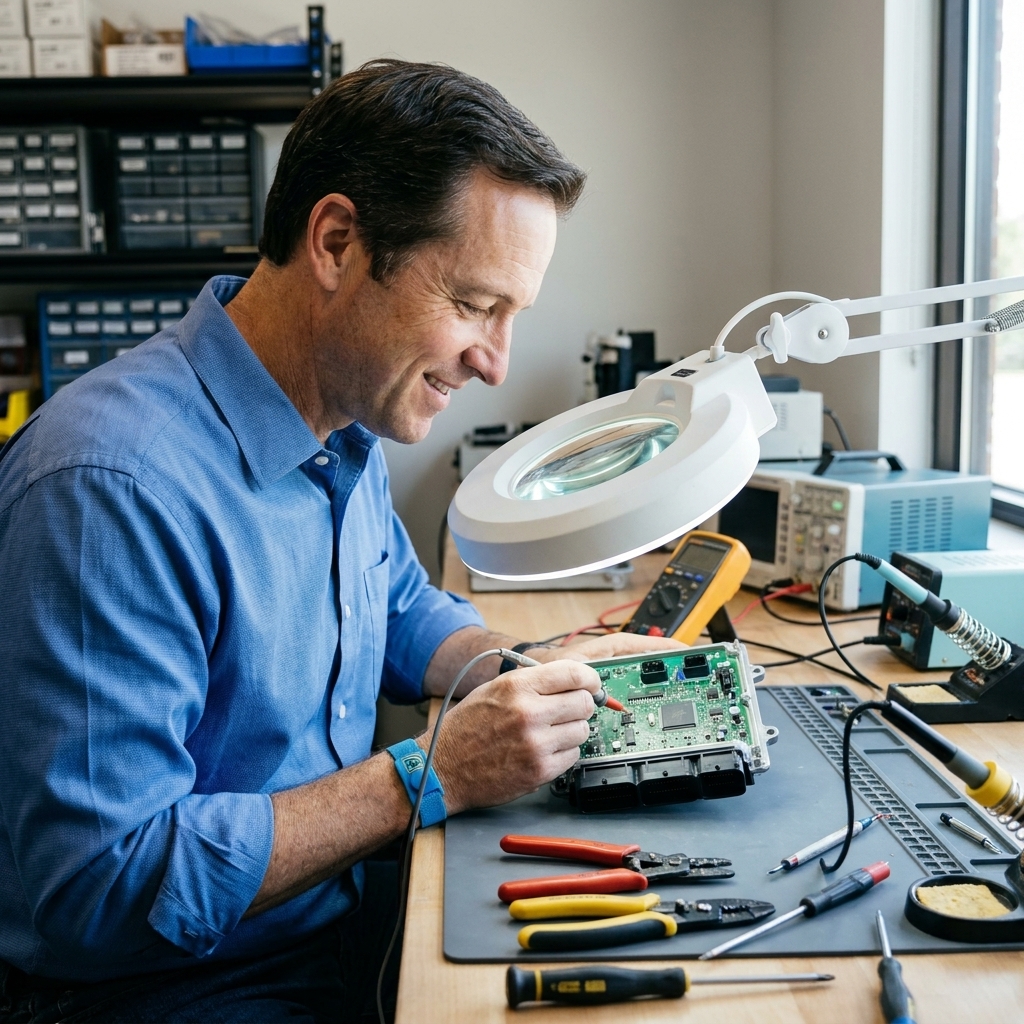
Reman can be a lifesaver for alternators, starters, steering racks, some turbo actuators, and certain modules. For electronics, there are also reputable specialty rebuilders who repair your exact unit and send it back.
What to ask before you ship anything:
- Turnaround time and whether they offer expedited service
- Warranty terms and what voids coverage
- Whether they test the unit under load, not just “powers on”
- Whether your vehicle will need coding after reinstall
Salvage yards without getting burned
Salvage isn't a last resort anymore. For certain parts, it's the fastest route back to a running car, and sometimes the only route.
When salvage makes sense
- Body parts, mirrors, interior trim
- Wheels and suspension components (with careful inspection)
- Hard-to-get lighting assemblies
- OEM sensors and brackets that are discontinued or on long backorder
How to buy salvage like a pro
- Get donor vehicle details: year, trim, engine, and VIN if possible.
- Match connector styles: a different plug can ruin your day.
- Ask for high-res photos of tabs, mounting points, and labels.
- Confirm return policy before you pay, especially for electronics.
- Inspect for water damage: musty smell, corrosion on pins, fogging inside lamp housings.
For modules, remember immobilizer and coding. And for ADAS sensors and cameras, assume you'll need calibration after install even if it bolts right in. Also watch for VIN-locking: some lighting modules and control units on certain makes won't fully function in a new vehicle without dealer-level steps (or they simply won't transfer at all).

Aftermarket: when it's great
I'm not anti-aftermarket. I'm anti-bad-aftermarket. In 2024, there are plenty of high-quality brands, but you need to choose the category wisely.
Aftermarket tends to be solid for
- Brakes (pads, rotors, calipers from reputable brands)
- Filters, fluids, belts, hoses
- Ignition and maintenance items (again, reputable brands)
- Suspension wear items (tie rods, links, bushings) if you pick proven manufacturers
Be cautious with aftermarket for
- ADAS sensors and cameras: fit, aiming, and calibration can be picky
- Cheap lighting assemblies: sealing, condensation, and beam pattern issues are common
- Critical engine sensors: low-quality sensors can create new diagnostic headaches
- Catalytic converters: legality, fitment, and longevity vary widely. Make sure what you buy matches your emissions requirements (CARB vs federal) and is legal where you register and inspect the vehicle.
If you go aftermarket, look for clear warranty terms and buy from a seller with real support. Saving $40 isn't a win if you have to do the job twice.
Spotting counterfeits and bad listings
Counterfeit parts aren't just an internet rumor. I've seen fake “OEM” sensors and ignition components that looked convincing until the car ran worse than it did before.
Red flags
- Price is dramatically lower than every other seller
- Stock photos only, no real photos available on request
- Packaging looks wrong or generic
- Misspellings on labels, inconsistent fonts, or blurry printing
- No clear return address or warranty process
Protect yourself
- Prefer authorized dealers, known wholesalers, and established parts retailers
- Pay with a method that offers buyer protection
- For critical components, compare markings to your original part
- Keep receipts and take photos when the package arrives
If you suspect a counterfeit part, stop using it and report it through the marketplace's process, the seller platform, and where appropriate the brand's anti-counterfeit channel. For safety-critical parts, don't mess around.
Workarounds that keep things moving
Sometimes the best solution isn't “find the exact same part today,” it's “get the vehicle safely mobile while you wait.” A few options, depending on the repair:
- Rebuild instead of replace: calipers, steering racks, driveshafts, certain alternators and starters
- Repair harnesses and connectors: pigtails, terminals, and proper crimping can solve what looks like a “module failure”
- Used temporarily, new later: a salvage mirror or headlamp now, new OEM later if the car needs to be back on the road
- Buy the subcomponent: sometimes the whole assembly is backordered, but a bracket, gasket, sensor, or actuator is available
Important: don't compromise safety. If the shortage touches brakes, steering, airbags, seat belt pretensioners, or structural components, do it right or park it.
Quick pre-buy checklist
- Do I have the correct part number and any superseded numbers?
- Have I confirmed engine code, trim, and build date?
- Do I know whether coding or calibration is required?
- Is the seller reputable, and is the part truly in stock?
- What's the return policy if it doesn't fit or arrives damaged?
- If used, have I checked photos for damage, corrosion, and broken tabs?
Tools and resources
- OEM parts diagrams and catalogs for your make (great for supersessions and fastener notes)
- Factory service info (to confirm programming, calibration, and torque procedures)
- Interchange databases used by recyclers and shops (helpful for “same part, different box” wins)
- Collision and insurer networks (body and lighting availability often shows up there first)
FAQ
Are auto parts still on backorder in 2024?
Yes, but it's more targeted. Common maintenance parts are usually available, while specific electronics, ADAS components, and certain body and lighting assemblies can still have long lead times.
Is it OK to use salvage parts for sensors or modules?
Sometimes. Many sensors work fine used, but modules may require coding and some are locked to the original vehicle. ADAS components often require calibration after install. Buy from a yard with a solid return policy and match part numbers whenever possible.
How do I know if a part needs programming?
A good parts counter can often tell you, and service info forums can help, but the safest method is checking factory service info for your exact year and drivetrain. Common offenders are ECUs, TCMs, BCMs, immobilizer-related components, and some steering angle sensors, cameras, and lighting modules.
What's the fastest way to find a rare part?
In my experience: confirm the exact part number, call multiple dealers to check regional inventory, then check reputable OEM wholesalers. If that fails, salvage with verified interchange is often the quickest path.
My take from the shop floor
Parts shortages are less of a wall in 2024 and more of an obstacle course. If you slow down at the start, confirm part numbers, and use multiple sourcing lanes, you can usually keep a DIY repair moving. The goal isn't just to find a part, it's to find the right part the first time.
If you want, tell me the year, make, model, engine, and the part you're chasing. I can suggest the best interchange angles and what to watch out for before you spend money.