There are car events you attend, and then there are car events that recalibrate your standards for the rest of your driving life. The kind where the smell of hot brakes follows you back to the hotel, where you meet the exact stranger who knows your obscure platform, and where you leave with a phone full of photos and a head full of future plans.
I’m Ben. I spent a lot of years in shops listening to customers come back from “that one trip” and you could always tell. They talked faster, smiled more, and suddenly the oil change appointment turned into a half-hour story about a straight-piped GT3 or a rain-soaked lap they will never forget.
Here’s my curated list of eight must-visit automotive festivals and track days for hardcore gearheads, with practical planning tips so you can actually pull it off.
How to plan the trip
Before we dive into the list, here are a few real-world pointers that save money and headaches.
- Book lodging first for small towns. Events like Goodwood and Spa can swallow nearby hotels fast. Lock a cancellable room early, then sort tickets and flights.
- Decide your role: spectator, participant, or both. Track days and festivals often have separate passes, paddock access upgrades, and participant requirements.
- Bring ear protection. Not optional for all-day pit lanes, drift pads, and hillclimbs. Your future self will thank you.
- Pack for weather, not optimism. Sunscreen and a light rain shell cover most scenarios at outdoor motorsport events.
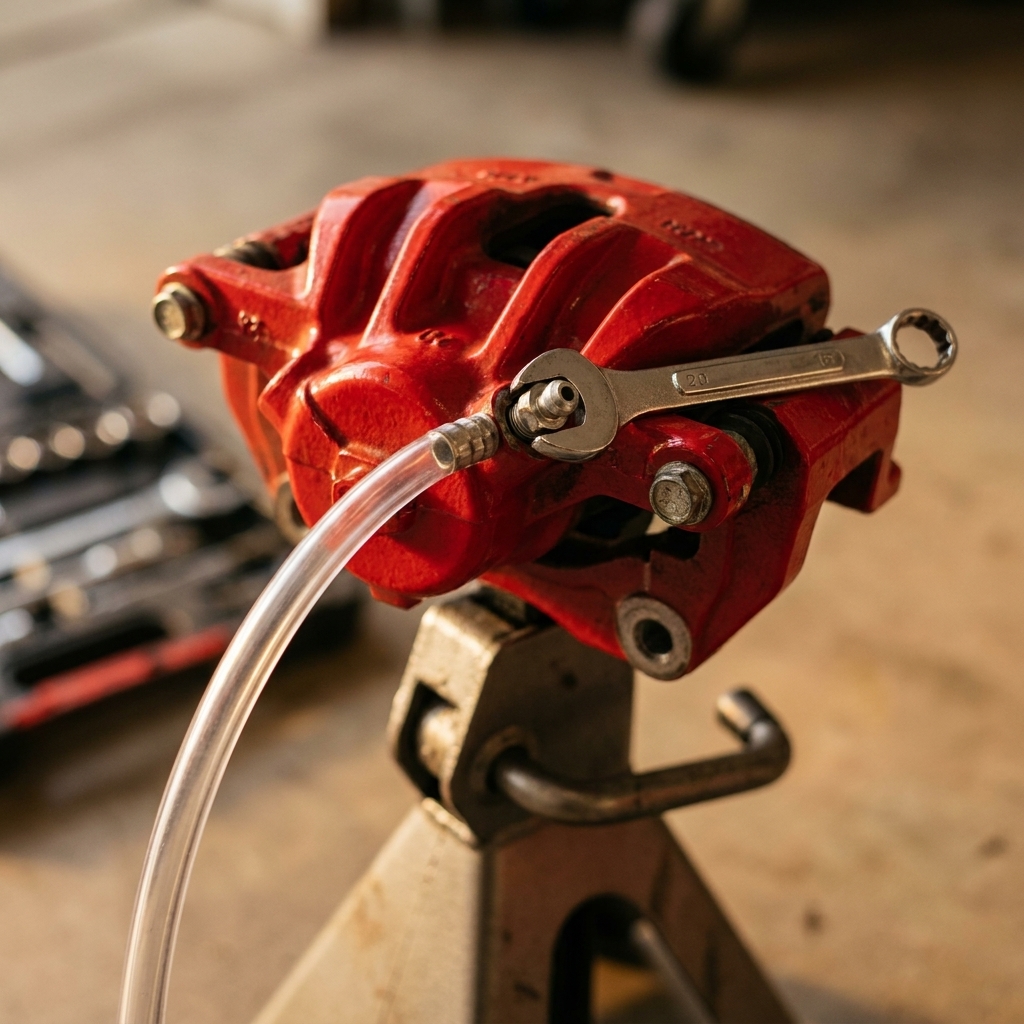
- If you are driving on track, arrive with consumables sorted. Fresh brake fluid, good pads, healthy tires, and a basic torque wrench setup are the difference between a dream day and a tow bill.
1) Goodwood Festival of Speed (England)
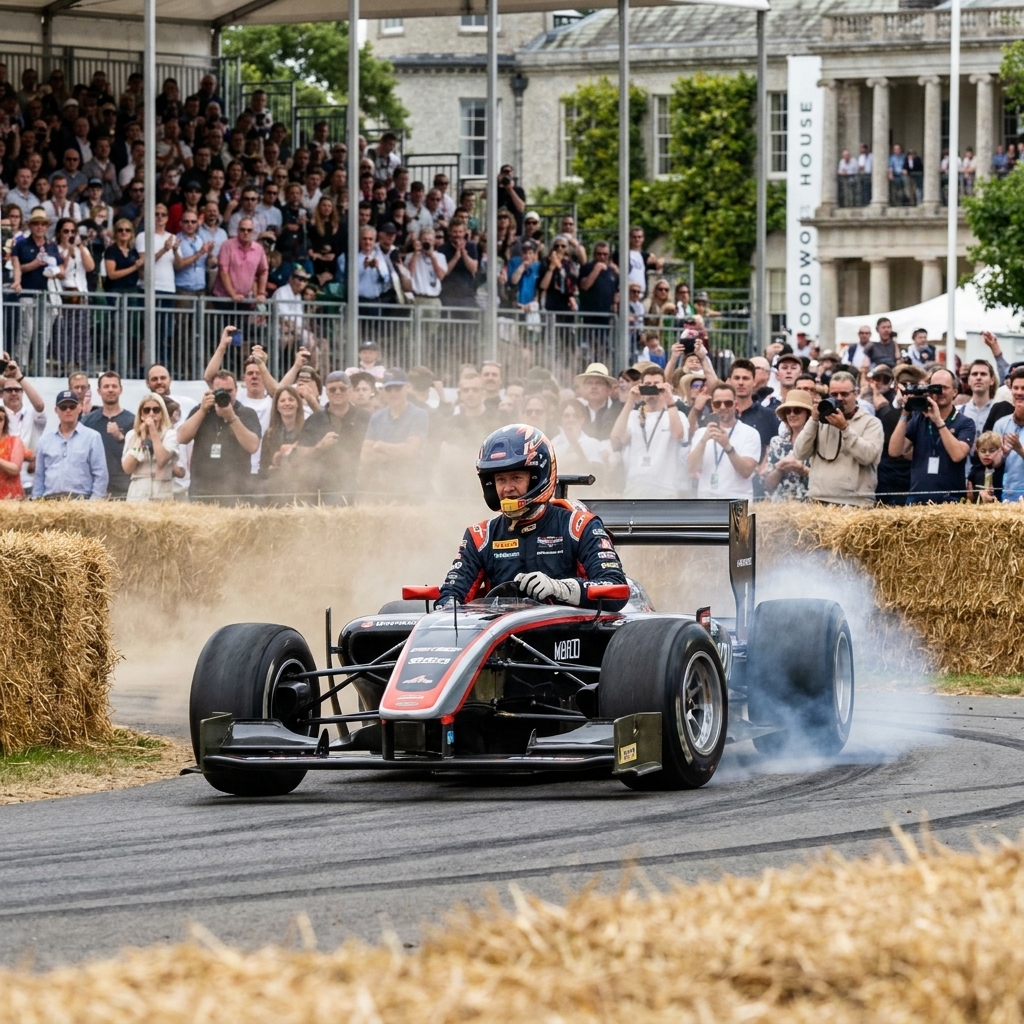
If you only choose one event that blends motorsport history, modern performance, and pure spectacle, Goodwood is the one. It’s a hillclimb in West Sussex near Chichester, but it feels like an automotive world’s fair. F1 cars, Le Mans prototypes, rally legends, hypercars, motorcycles, and wild one-offs all share the same few days and the same ribbon of tarmac.
Why it belongs on your list
- You can get surprisingly close. The paddocks feel intimate for an event this famous, and you will spend the day bouncing between cars that should not be in the same sentence, let alone the same weekend.
- It’s every era at once. One minute you’re watching a pre-war car, the next you’re hearing a modern hybrid-era F1 car crackle on throttle.
- The manufacturer presence is legit. Even if you are not a brand loyalist, the displays and debuts are worth the trip.
Ben’s planning tip
Stay outside the immediate Goodwood bubble and plan transport in advance. Trains plus a shuttle or a rental car can be easier than fighting parking at peak hours.
2) SEMA Show (Las Vegas, USA)
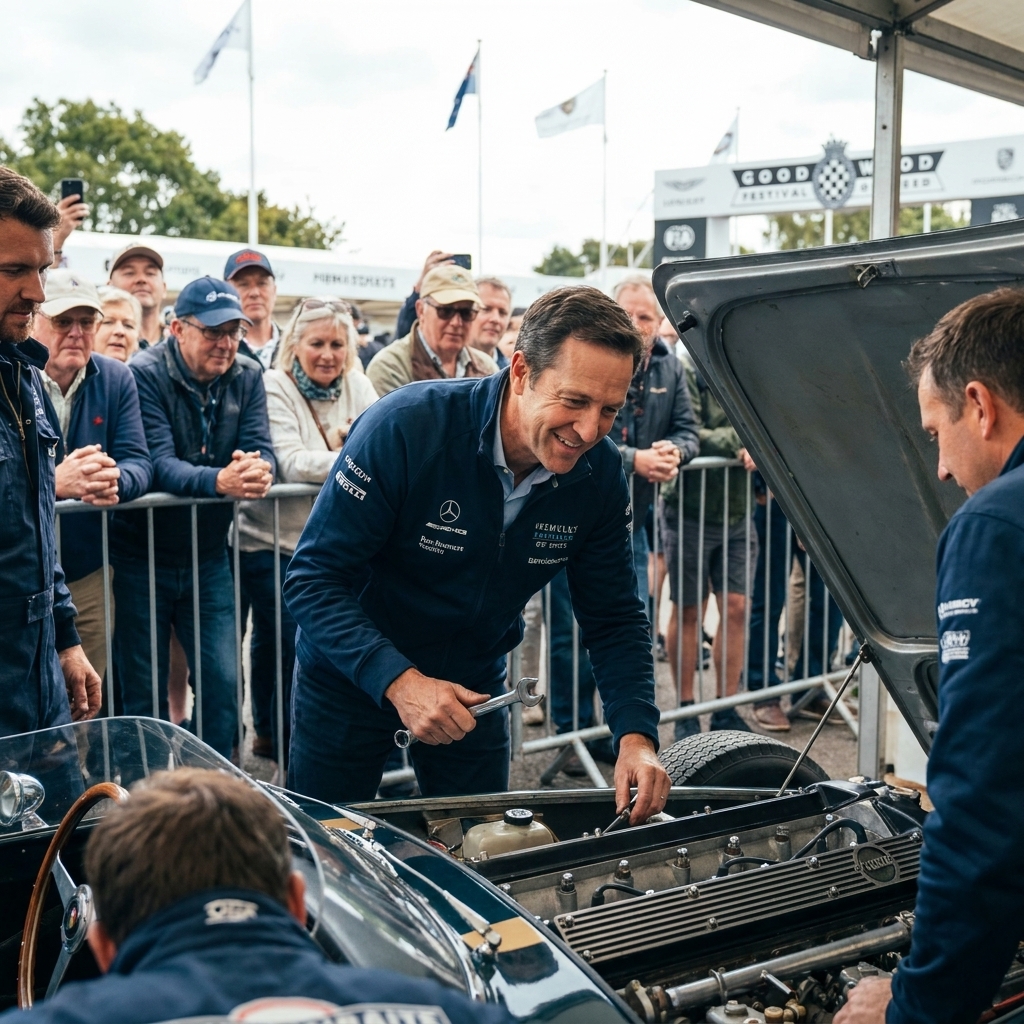
SEMA is the aftermarket’s Super Bowl. One important detail: it’s an industry trade show and not generally open to the public. Most enthusiasts who attend do it through trade credentials, exhibitor relationships, media access, or by building a trip around the public events that orbit SEMA week in Las Vegas.
If you have ever said “How did they even make that?” SEMA is where you go to see the answer up close. Restomods, widebodies, off-road builds, EV swaps, and subtle OEM-plus cars all show up with the lights turned all the way up.
Why it belongs on your list
- Build quality is off the charts. The craftsmanship is the point, and it shows.
- You can learn a lot fast. New tools, coatings, tuning tech, and suspension solutions are everywhere.
- Vegas logistics are easy. Flights and hotels are plentiful compared to smaller venue events.
Ben’s planning tip
SEMA week is huge. If you can, build your trip around one focused goal per day: one hall, one theme, one brand list. Otherwise you will walk ten miles and feel like you saw nothing. Also, confirm your access plan early, and if you cannot get in, aim at the surrounding shows and meets that pop up all over town.
3) Gridlife (USA, multiple tracks)
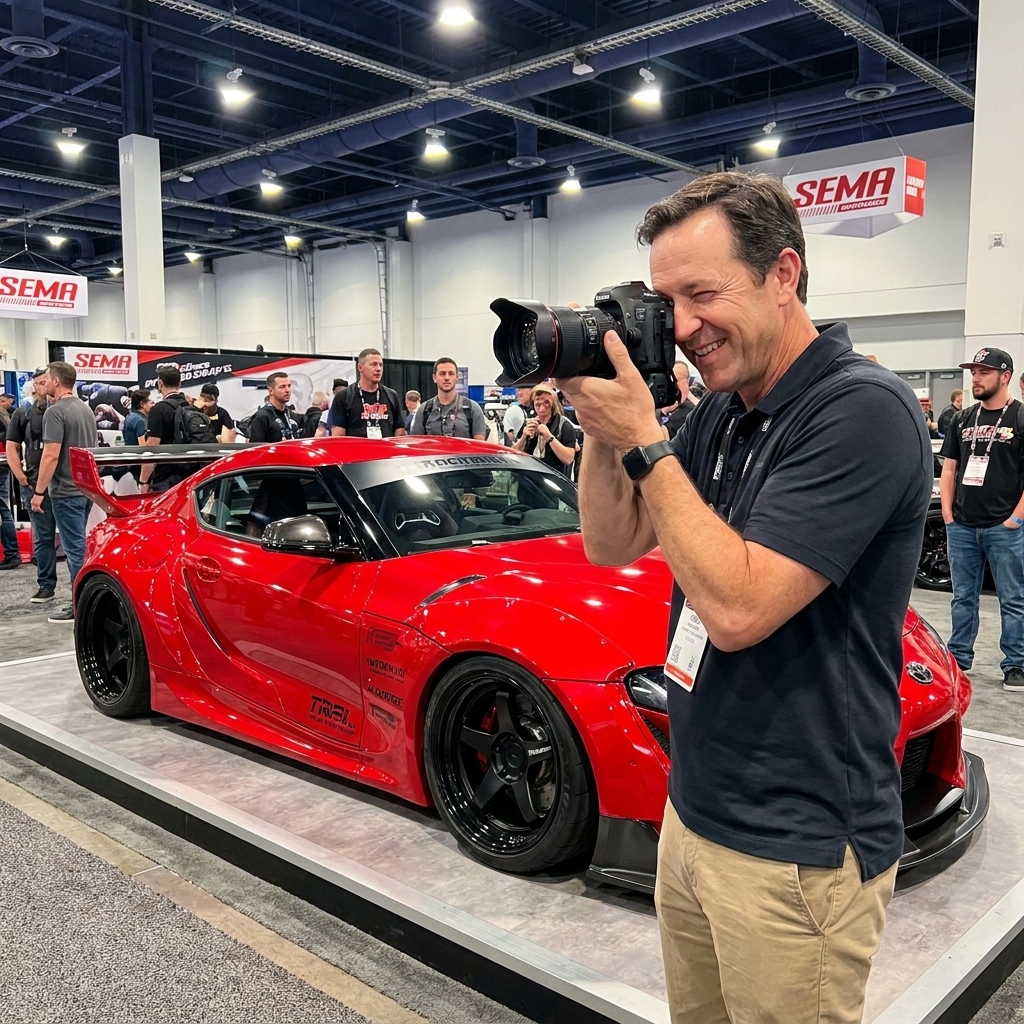
Gridlife is what happens when track day culture, time attack, drifting, and a music festival decide to share the same weekend. It’s modern enthusiast culture at full volume, and it attracts a mix of serious drivers and fans who just want to be near loud cars and good vibes.
Why it belongs on your list
- Variety in one weekend. Time attack sessions, drifting, community events, and sometimes wheel-to-wheel racing depending on the venue and year.
- Approachable paddock energy. It’s easy to strike up conversations, compare setups, and get pulled into the scene.
- Great for photographers and first-timers. You get constant action without needing deep motorsport knowledge.
Ben’s planning tip
If you are driving, show up with cooling and brakes in order. Gridlife weekends are busy, and you do not want to spend them chasing overheating or a long brake pedal. Flush fluid, inspect hoses, and bring spare pads if your car is pad-hungry.
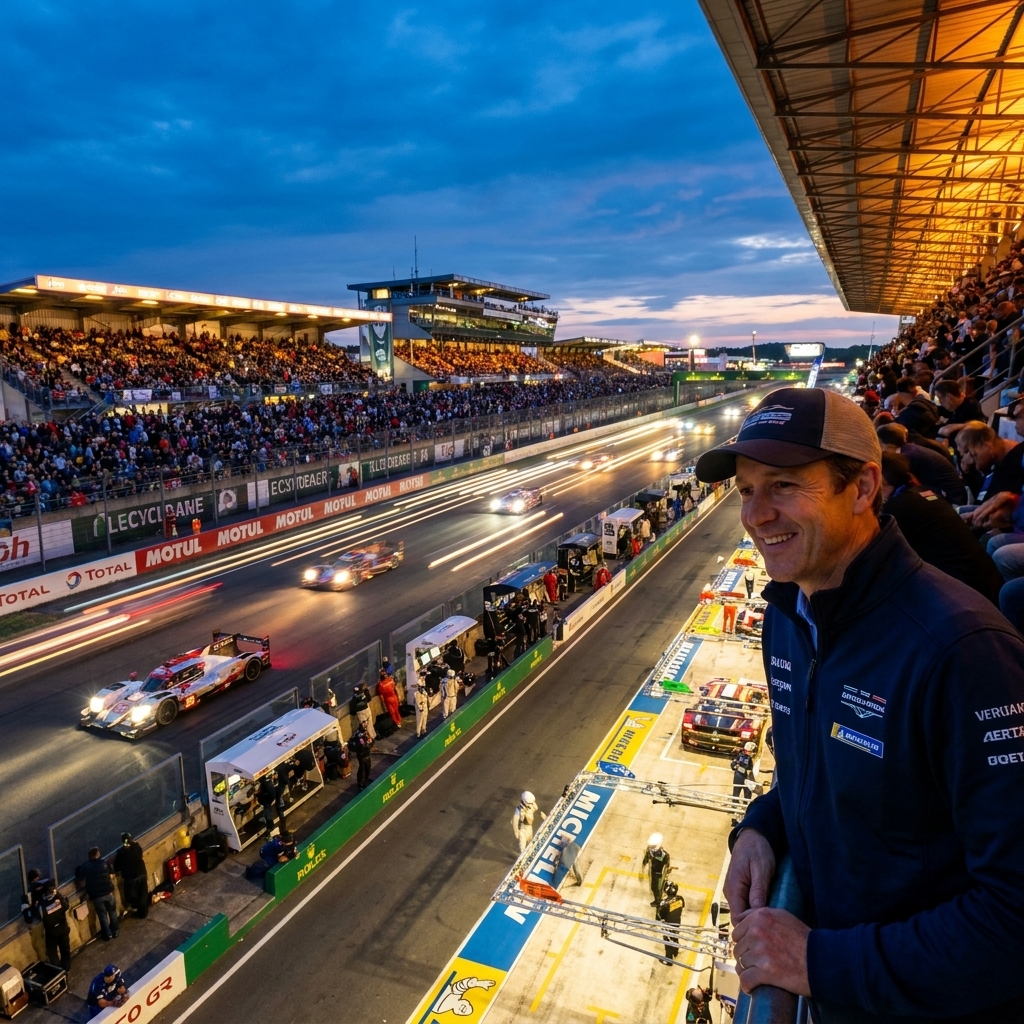
4) 24 Hours of Le Mans (France)
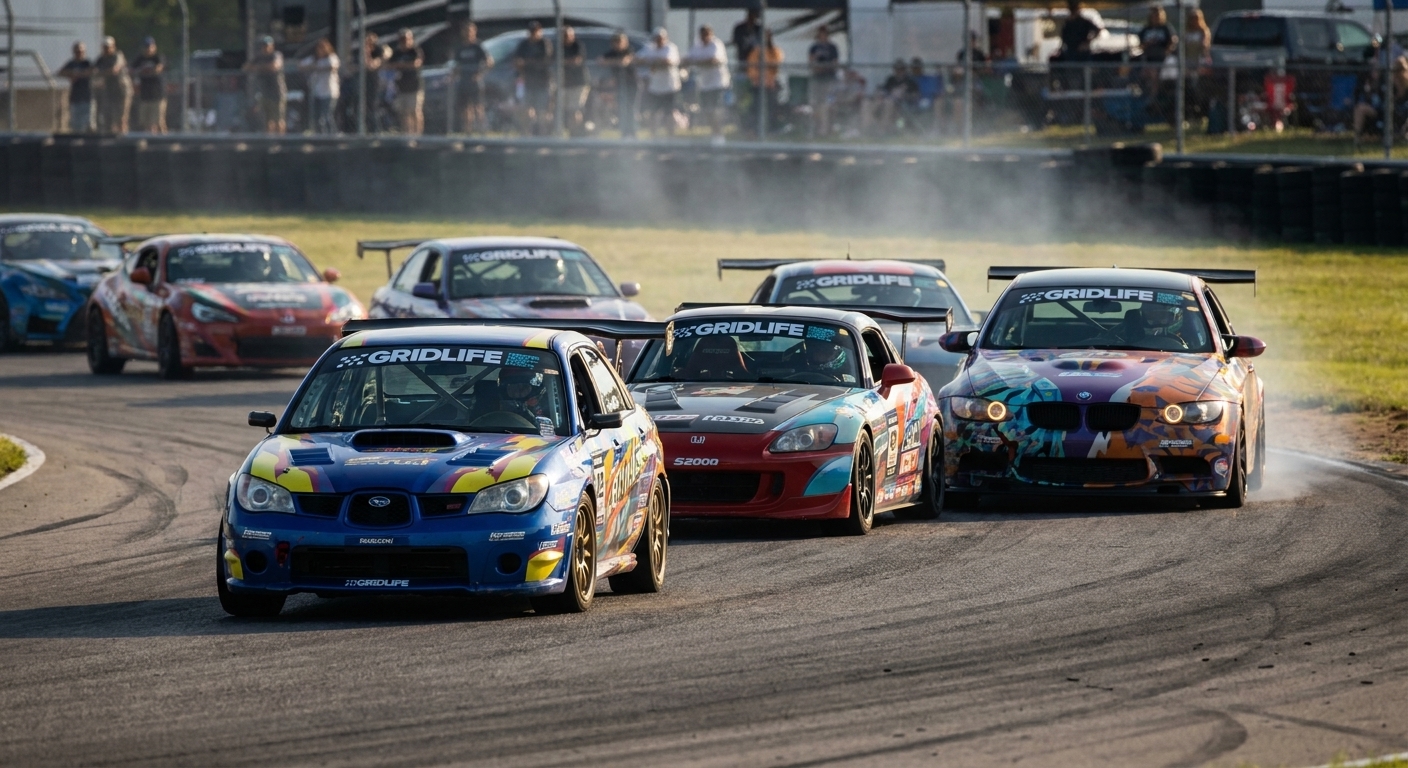
Le Mans is not just a race, it’s a living, breathing city of endurance fans for race week. Even if you never set foot in the grandstands, you feel the scale in your chest when prototypes howl down the straights and the night air turns the whole place electric.
Why it belongs on your list
- Endurance racing hits different in person. Day to night to day again, with weather swings, strategy, and constant motion.
- Massive fan culture. Campsites, flags, traditions, and crews who plan all year.
- Manufacturers bring their best. It feels like motorsport’s main stage when the top classes are stacked.
Ben’s planning tip
Pick one viewing area for night hours and commit to it. Bring a small folding seat, ear protection, and a power bank. The “I’ll just wander” plan sounds fun until your legs quit at 2 a.m. Also, build in extra time for shuttles and walking. Le Mans is big, and moving between spots takes longer than you think.
5) Nürburgring Touristenfahrten (Germany)
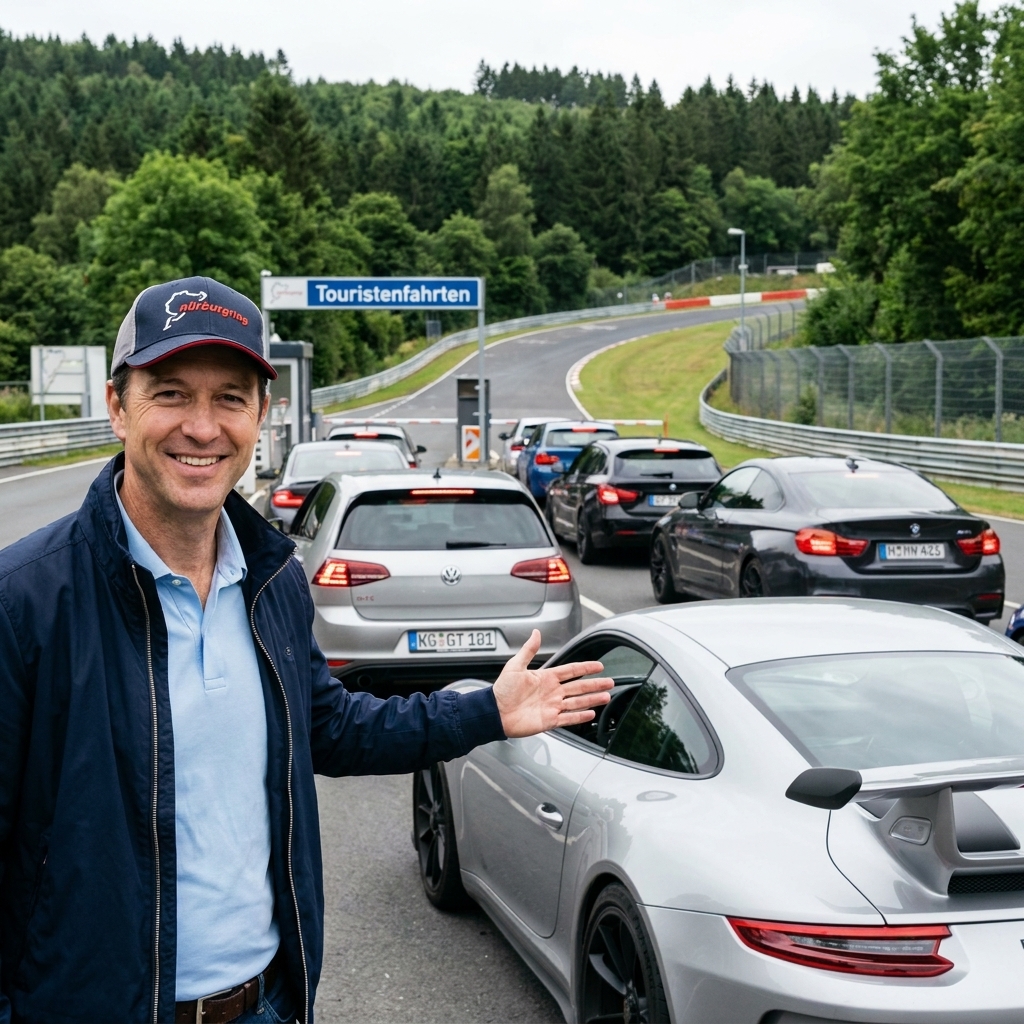
If you are the kind of gearhead who hears “Green Hell” and gets goosebumps, tourist sessions at the Nürburgring Nordschleife are as bucket list as it gets. These are public driving sessions on one of the most challenging and famous circuits on earth.
Key mindset shift: during Touristenfahrten it is treated like a public toll road, with rules, right-of-way expectations, and real consequences. Closures happen, liability can be expensive, and many insurance policies exclude it.
Why it belongs on your list
- It’s the Nordschleife. The elevation, the corners, the history, the vibe. Nothing else feels like it.
- Car spotting is unreal. Rentals, track-prepped hatchbacks, superbikes, and occasionally something that belongs in a museum.
- You can drive it during open sessions. You do not need a race license, but you do need to respect the rules and the risk.
Ben’s planning tip
Do not make your first laps a hero run. Treat it like a mountain road with consequences. Go early in the day, run a conservative pace, and build up slowly. Also, understand insurance and potential costs. Many standard policies and credit card coverages do not apply during tourist sessions.
6) Spa Classic (Belgium)
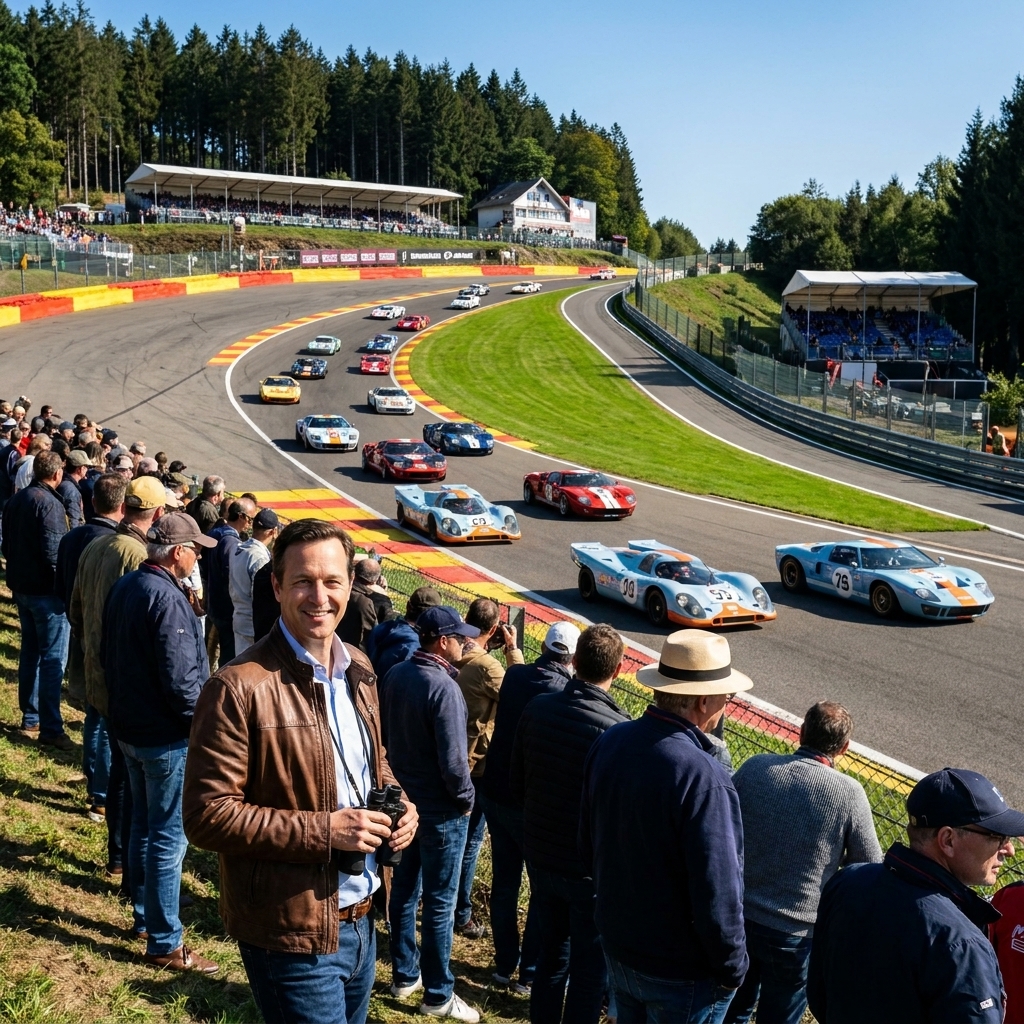
Spa-Francorchamps is one of those circuits that feels sacred, and Spa Classic is a time machine weekend where historic racing takes over. Think classic touring cars, endurance legends, and vintage single-seaters charging through Eau Rouge and Raidillon like they have something to prove.
Why it belongs on your list
- Historic racing, real pace. These are not slow parades. Many of these cars are driven hard.
- Beautiful setting. The Ardennes forests and the elevation changes make every corner photogenic.
- Analog motorsport at its best. Mechanical noise, tire smoke, and drivers working for it.
Ben’s planning tip
Spa weather is famous for mood swings. Pack layers and waterproof shoes. If the forecast says “maybe rain,” assume “definitely rain at some point.”
7) Monterey Car Week and Pebble Beach (California, USA)
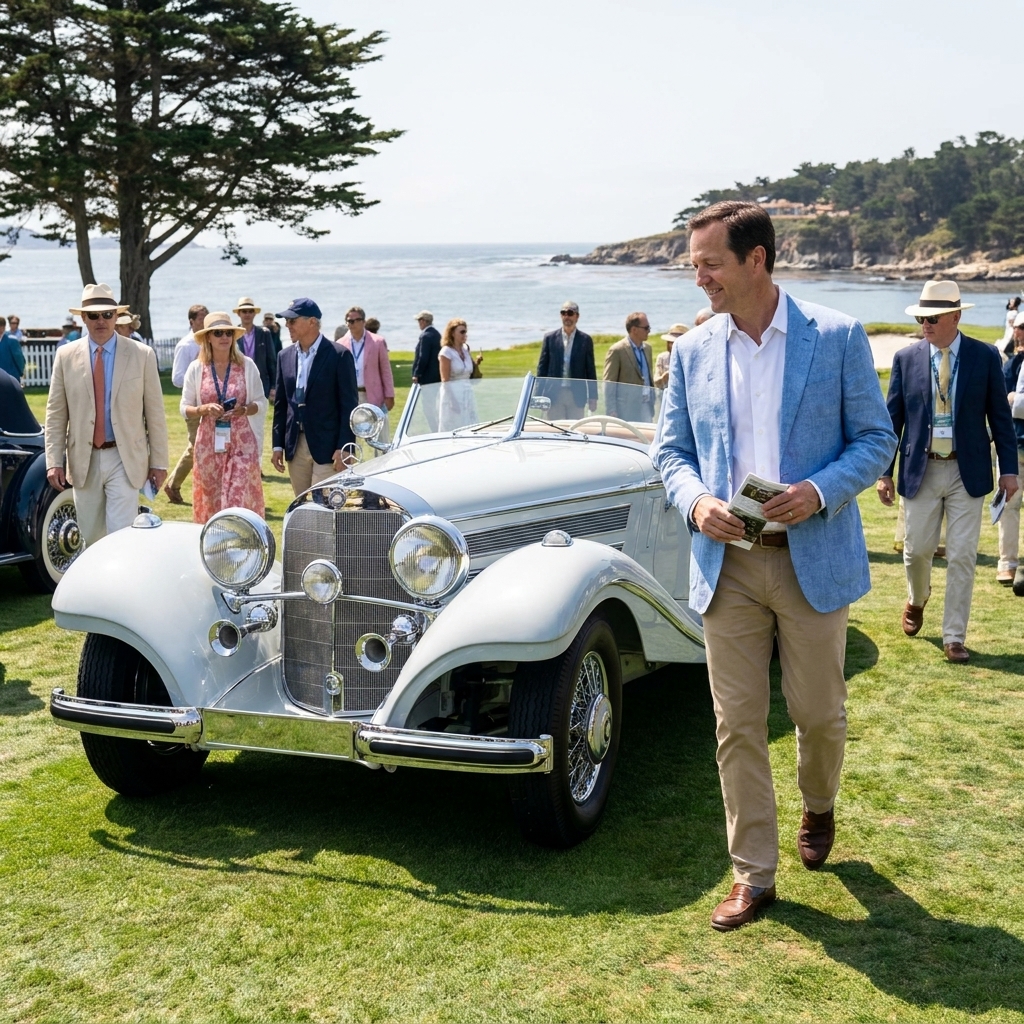
Monterey Car Week is the car world’s high-gloss week, but it’s not just for concours folks. Yes, Pebble Beach is the crown jewel, but the surrounding events, auctions, manufacturer showcases, and informal gatherings turn the whole peninsula into a rolling car show.
Why it belongs on your list
- The density of rare cars is absurd. You will see the kind of stuff that normally lives behind ropes.
- Multiple vibes in one place. Concours perfection, enthusiast meets, track action at Laguna Seca, and evening cruises.
- Great for couples and groups. Even non-gearheads can enjoy the scenery, food, and atmosphere.
Ben’s planning tip
Budget realistically. Monterey during Car Week is not cheap. The hack is to stay farther out and plan day trips, or pick one or two anchor events instead of trying to do everything. Traffic and parking can be a grind, so plan early starts, shuttles where available, and more walking than you think you signed up for.
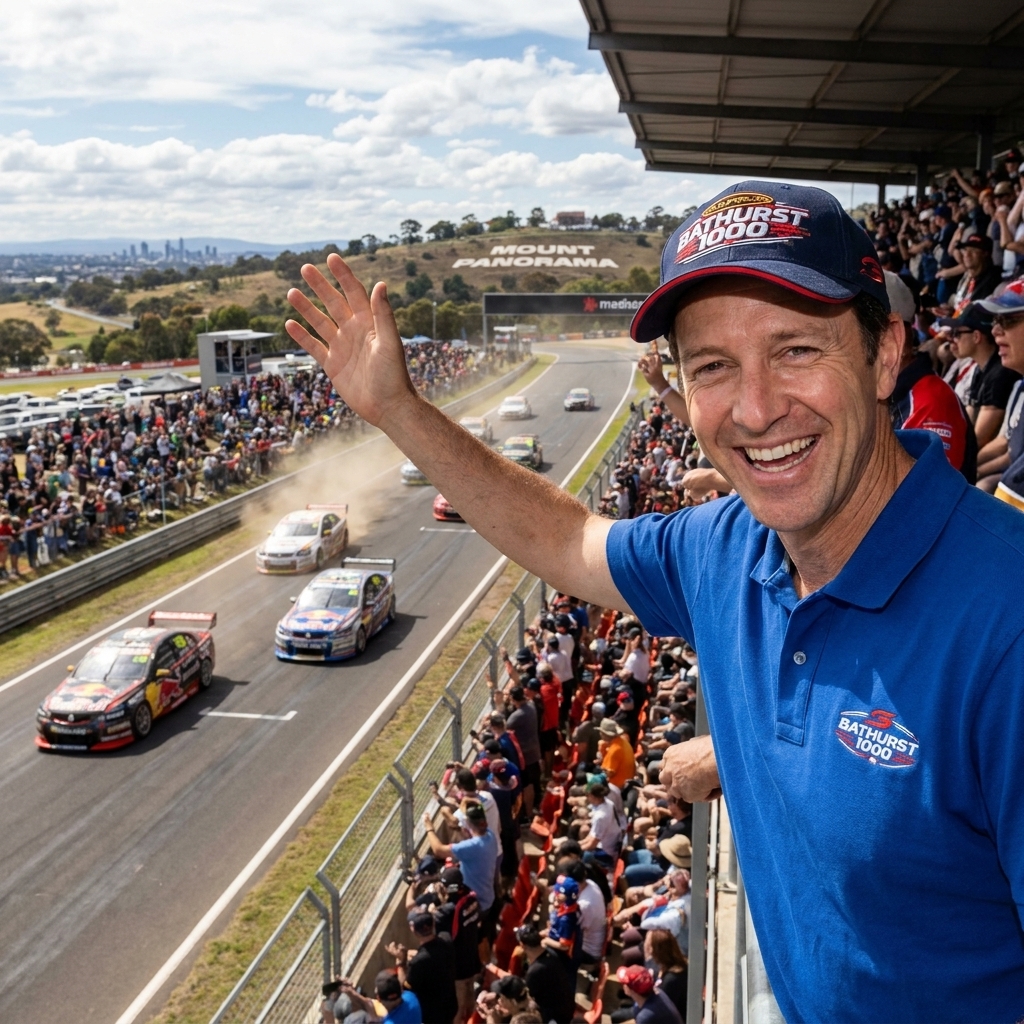
8) Bathurst 1000 and Mount Panorama (Australia)
Mount Panorama is a public road most of the year and a legendary circuit when it matters. The Bathurst 1000 is the event that puts it on every hardcore fan’s map, with a brutal, fast layout that rewards bravery and punishes sloppy driving.
Why it belongs on your list
- One of the world’s great circuits. The mountain section is intense in person, and the elevation is no joke.
- Fan culture runs deep. This one has traditions, camps, and generational loyalty.
- It’s close, fast, and unforgiving. Walls feel near, speed differentials are real, and the whole lap looks like it was designed to keep drivers honest.
Ben’s planning tip
If you make the trip, give yourself time to drive the Mount Panorama road loop legally when it’s open to the public. Go slow, take it in, and remember you’re on normal roads with normal rules. It’s a cool moment for any enthusiast.
Track-day prep checklist
If your list includes driving, here’s a quick, shop-tested set of basics that prevents the most common avoidable issues.
Before you leave home
- Brake fluid: flush with a high-temp fluid if your current fluid is older or unknown.
- Brake pads: confirm you have enough material left for the day, not just the drive there.
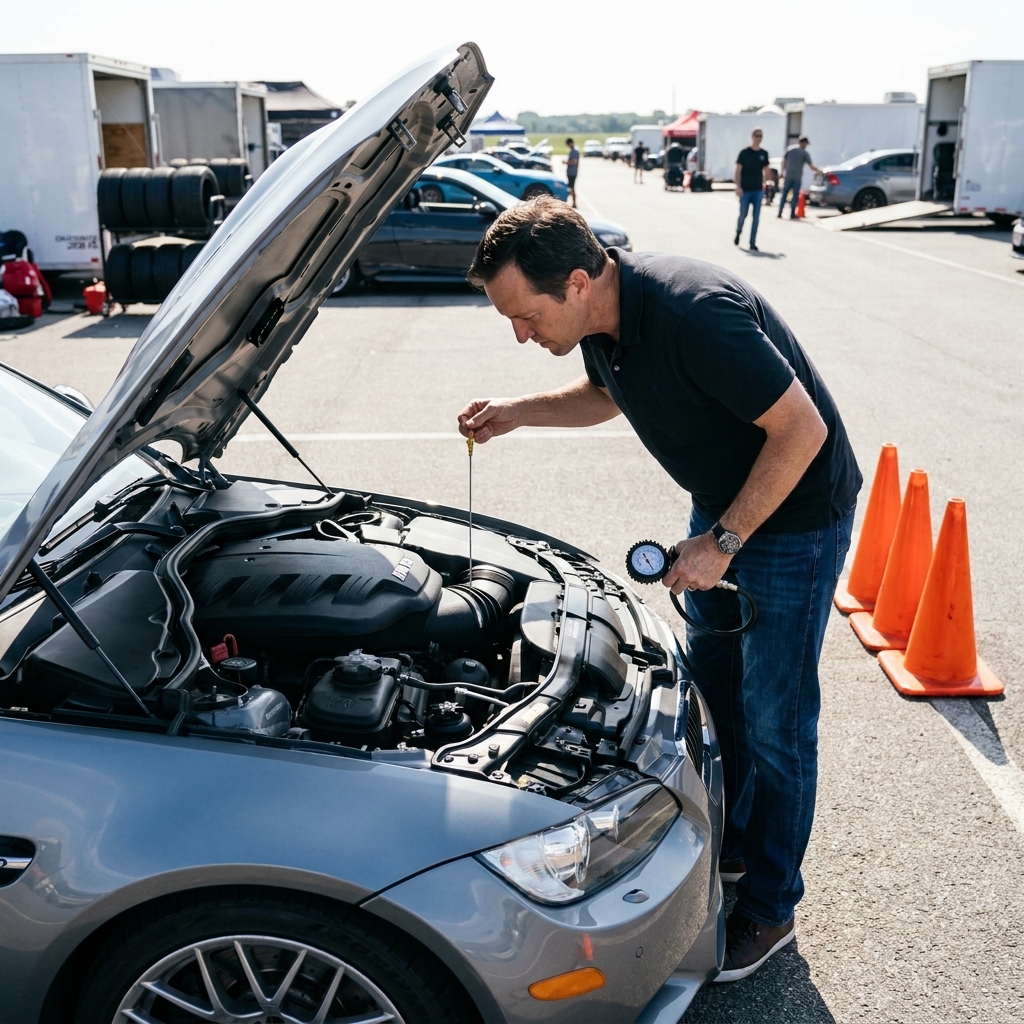
- Tires: inspect for cords, bubbles, and uneven wear. Set a baseline cold pressure and bring a gauge.
- Torque: torque lug nuts properly and re-check when the wheels cool after your first sessions.
- Oil and coolant: verify levels and look for leaks. A small seep at home can become a big problem at sustained RPM.
- Safety basics: helmet rules vary by organizer, and some require automotive-rated helmets (often Snell SA standards) rather than motorcycle-only ratings. Check requirements ahead of time.
In the paddock
- Bring water and snacks. Driver fatigue creates mistakes.
- Let the car cool. Pop the hood between sessions if temps are creeping.
- Log notes. Hot pressures, alignment feel, brake pedal changes. You’ll learn faster.
My rule from the shop days: if you are going to “send it,” send it with maintenance. Track time is expensive. Blowing a session over a worn pad or old brake fluid is the kind of regret that sticks.
FAQ
Which event is best for a first-time traveler?
If you want pure spectacle with approachable access, Goodwood is hard to beat. If you want a big-city trip with easy logistics (and you have a legit way in), SEMA in Las Vegas is straightforward. If you want a modern enthusiast festival that feels welcoming, Gridlife is a great first dive.
Do I need my own car to enjoy track culture?
Not at all. Some of my favorite weekends have been as a spectator with a backpack, ear protection, and a good spot at a braking zone. And at places like the Nürburgring, you can rent a car built for the job if you want the experience without shipping your own.
How far in advance should I plan?
For the biggest dates like Le Mans, Goodwood, and Monterey, I’d start planning 6 to 10 months out if you want good lodging options. For many regional track festivals, 2 to 4 months is usually workable, especially if you are flexible.
Your next move
Pick one event that’s realistic for your calendar and budget, then build the trip around it. Lock lodging, buy tickets early when possible, and if you’re driving, treat prep like part of the fun. The best car weekends are the ones where you spend your time watching, driving, and talking cars, not scrambling for parts in a parking lot.
If you want a cleaner plan, pick your region and whether you want to spectate or drive, then build the trip around one anchor day. One great viewing spot beats five rushed ones.