Not long ago, “racing games” were mostly an excuse to hang out with friends and mash the throttle button. Today, modern sim racing has grown into something else entirely: a training ground, a social hub, and for plenty of people, a legitimate on-ramp into real-world motorsports and track days.
As a former shop guy who spent years explaining to customers why their brakes smelled like a campfire after one spirited downhill run, I love this shift. Sims are teaching a new generation that speed is a skill, not a personality. And the coolest part is watching it translate into real track-day participation, safer driving, and a broader, more welcoming car culture.
You can see the pipeline in public, too. iRacing has supported real-world initiatives like its eNASCAR ladder, and plenty of drivers have parlayed sim experience into coaching, karting, endurance racing, and club-level competition. No, it is not the default path for everyone, but it is real enough now that track paddocks have started to recognize the sim crowd on sight.
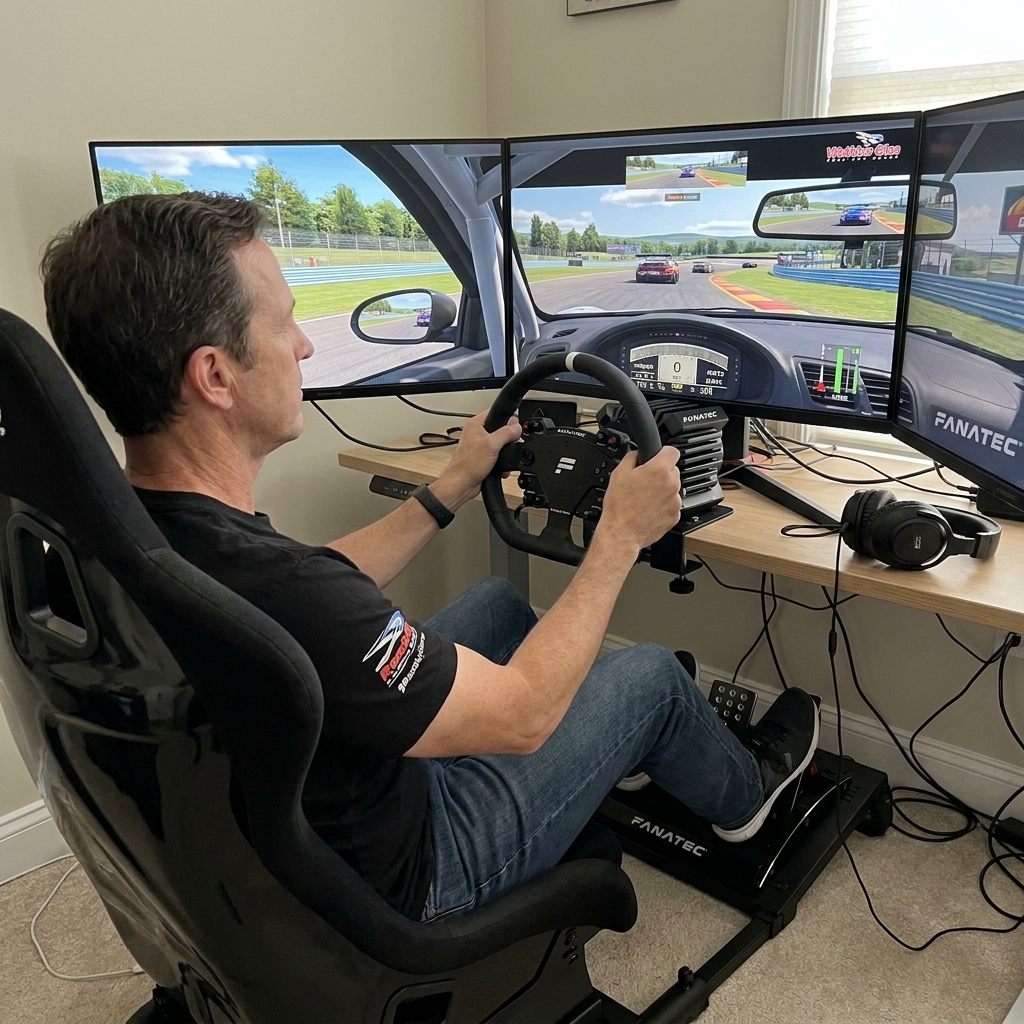
Why sim racing feels real
The big difference between a sim and an arcade racer is simple: consequences. Not consequences like hospital bills, obviously, but consequences like tire temperatures, brake fade, weight transfer, and a car that behaves differently when it is light on fuel, heat-soaked from repeated hard laps, or stuck behind traffic.
Modern sims lean hard into physics and data. They model grip changes as tires heat up, how curbs upset the chassis, how ABS behaves when you stomp the pedal, and how aero balance matters at speed. If you get greedy on corner entry, you do not just “lose a little speed.” You rotate the car more than you intended, miss the apex, and suddenly the whole lap is compromised.
The gear finally matters
A wheel and pedal set used to be a nice-to-have. Now, with better force feedback and load-cell brakes, the hardware can teach real habits.
- Load-cell brake pedals reward consistent pressure, not just pedal travel. That is much closer to how threshold braking feels in a real car.
- Direct-drive wheels often deliver higher fidelity and faster detail, so you can feel the front end getting vague earlier. It is still force feedback, not real steering torque, and how it “feels” depends on the sim and your settings, but the signal is usually clearer.
- Quality seating and positioning help people build repeatable inputs, which is most of the game in real driving.
Is it identical to a real car? No. You cannot fully replicate g-forces in your living room. But you can absolutely build the mental model: braking points, vision, patience on throttle, and the discipline to drive within the grip you have.
How virtual laps become skills
I have watched plenty of first-timers show up to a track day with confidence but not much control. That is usually when the wallet starts sweating. What sim racers tend to bring is a different flavor of confidence: the kind rooted in repetition and learning.
Awareness and etiquette
Even if you never touch a real race car, online racing forces you to think about other drivers. You learn quickly that you cannot dive-bomb every corner and expect people to applaud. The better communities enforce etiquette, and the best drivers survive by being predictable.
- Holding a line through corners
- Knowing when to yield versus defend
- Anticipating closing speeds
- Understanding that your mirror is information, not permission
Those habits are gold at a real open track day, where predictability is safety.
Braking discipline and consistency
Most new track-day drivers over-drive the brake pedal early in the session. Sims teach something instructors preach constantly: build your braking in a straight line, be deliberate, and be smooth as you release the pedal.
And then, as you progress, that smooth release becomes the doorway to trail braking. You already mention it in sim terms because it is real. In HPDE, the beginner version is “do your braking early and tidy.” The advanced version is “blend off the brake to help the car rotate.” Same family, different stakes.
Even if the exact pedal feel is different, the sequencing and timing translate surprisingly well.
Learning lines without paying for tires
On track, every “learning lap” costs something. Pads, tires, fuel, and sometimes your pride. In a sim, you can grind out 50 laps and experiment with different approaches:
- Early apex versus late apex
- Different turn-in points
- Trail braking progression
- How a bad exit ruins the next straight
By the time a sim racer goes to a real circuit, they often understand the idea of the racing line. Then an instructor can focus on the real-world stuff: vision, reference points, and managing risk.
I have also seen the reverse in real time. A newer driver I chatted with at an HPDE had been running the same track for weeks in Assetto Corsa. On his first session, he was not fast, but he was calm. He knew the corner order, he knew where things tightened, and he was ready to listen instead of guess. That is a huge head start.
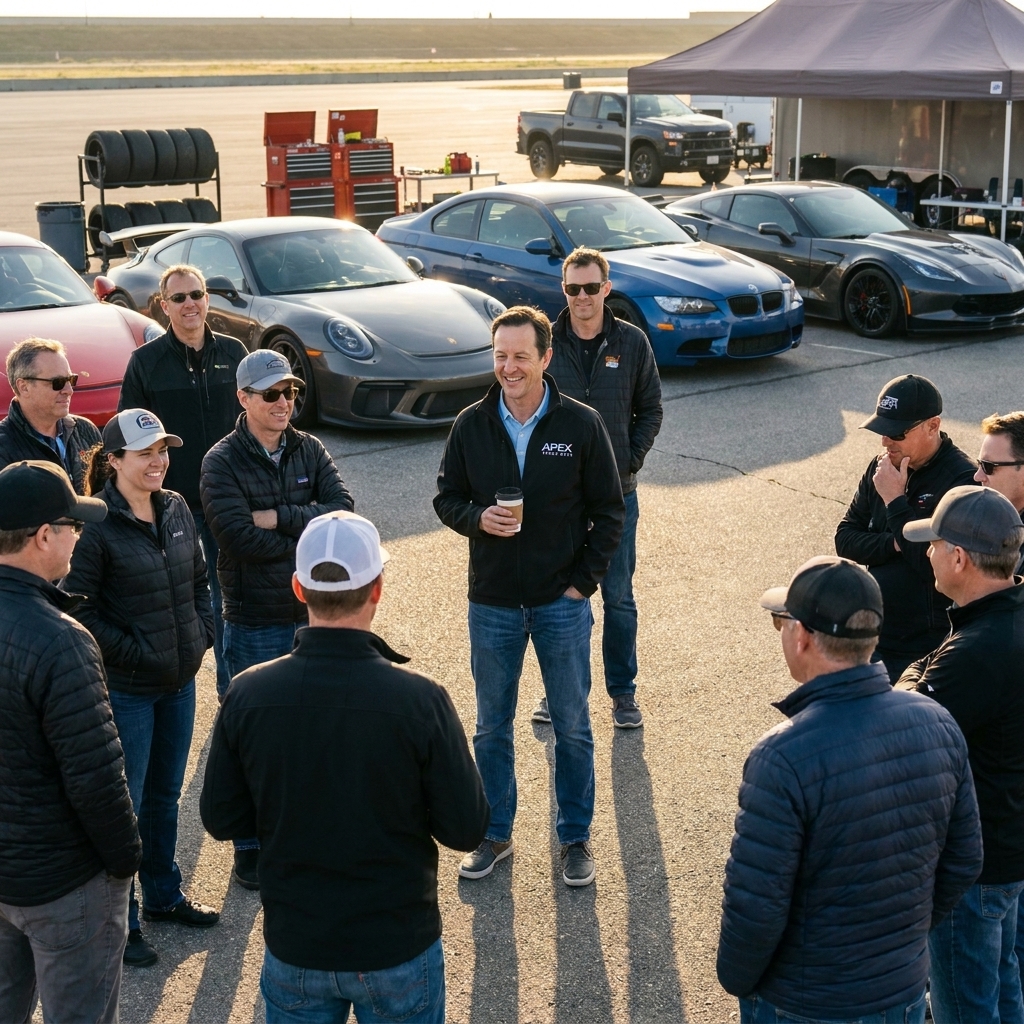
The biggest translation: showing up
The hardest part of getting into track days is not driving. It is walking into an unfamiliar world and thinking you do not belong.
Sim racing lowers that barrier. People learn the language before they ever arrive:
- What an apex is
- What lifting does to weight transfer
- Why sudden mid-corner braking can upset the car when you are learning
- What understeer and oversteer actually feel like
That mid-corner point is worth being honest about. You absolutely can brake in a corner in real driving, and trail braking is a thing for a reason. The beginner takeaway is simpler: do not make abrupt, panicked corrections mid-corner. Be smooth, be intentional, and let the car stay settled.
They also learn that everyone starts somewhere. When you have already spun in Turn 3 a hundred times online, you are less likely to panic if the car gets a little light in real life.
Online friends, real paddocks
This is my favorite part. Sim leagues, Discord servers, and platform forums have become modern-day garages. People trade setup notes, argue about tire pressures, and celebrate clean racing. Then they start meeting up in the real world.
It is not unusual now to see a group roll into a track day together after months of racing the same circuit virtually. That social glue is powerful, especially for newer enthusiasts who did not grow up with a neighbor who had a jack stand and a spare 10 mm.
What sims get right and miss
Let’s be honest about the limits. If you treat a sim like a guaranteed shortcut to being fast in real life, the track is going to humble you.
What sims get right
- Racecraft basics: awareness, predictability, and managing traffic
- Reference points: braking markers, turn-in points, apex targets
- Repetition: building consistency lap after lap
- Mental processing: scanning ahead, staying calm when things go sideways
What real life still owns
- G-forces and seat feel: the body cues that tell you grip is changing
- Fear and risk management: crashing costs more than a reset button
- Heat and wear: real tires and brakes have very real temperature limits
- Mechanical sympathy: real drivetrains, fluids, and components punish abuse
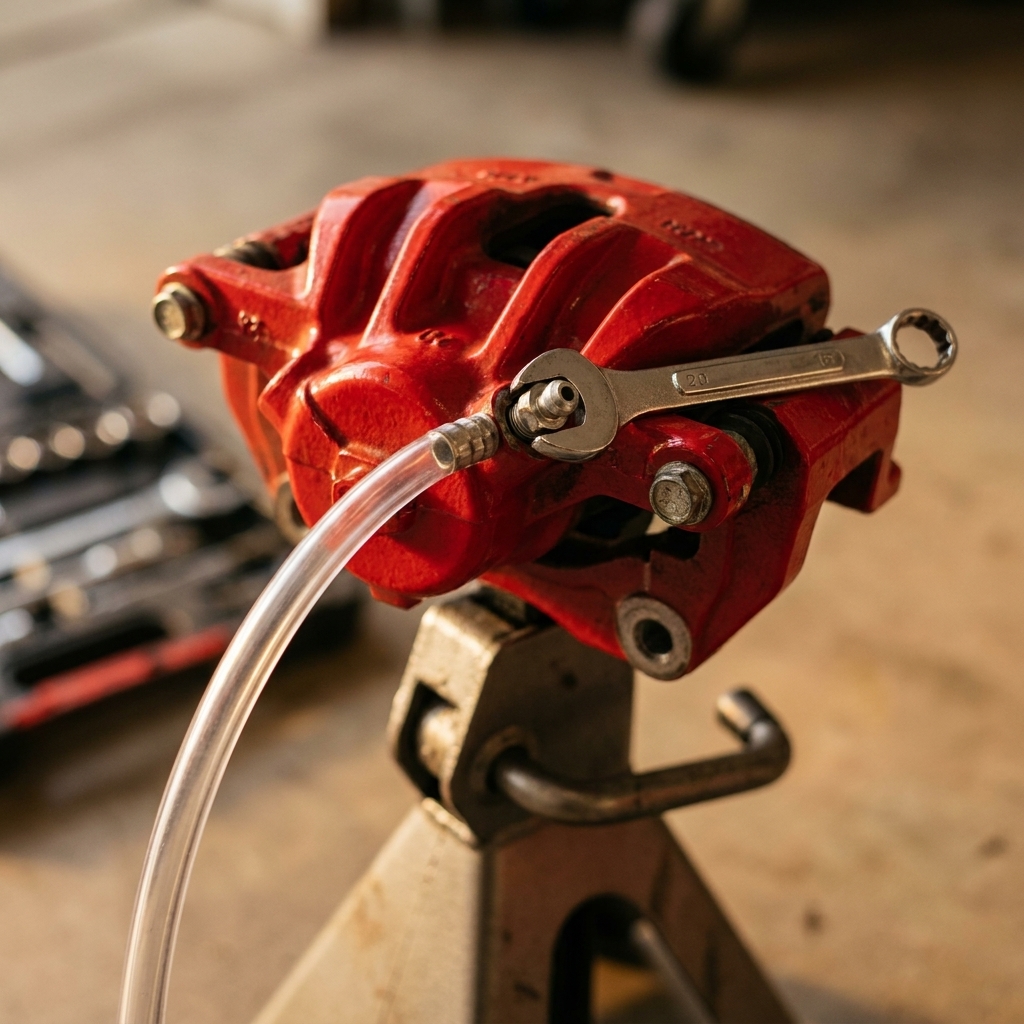
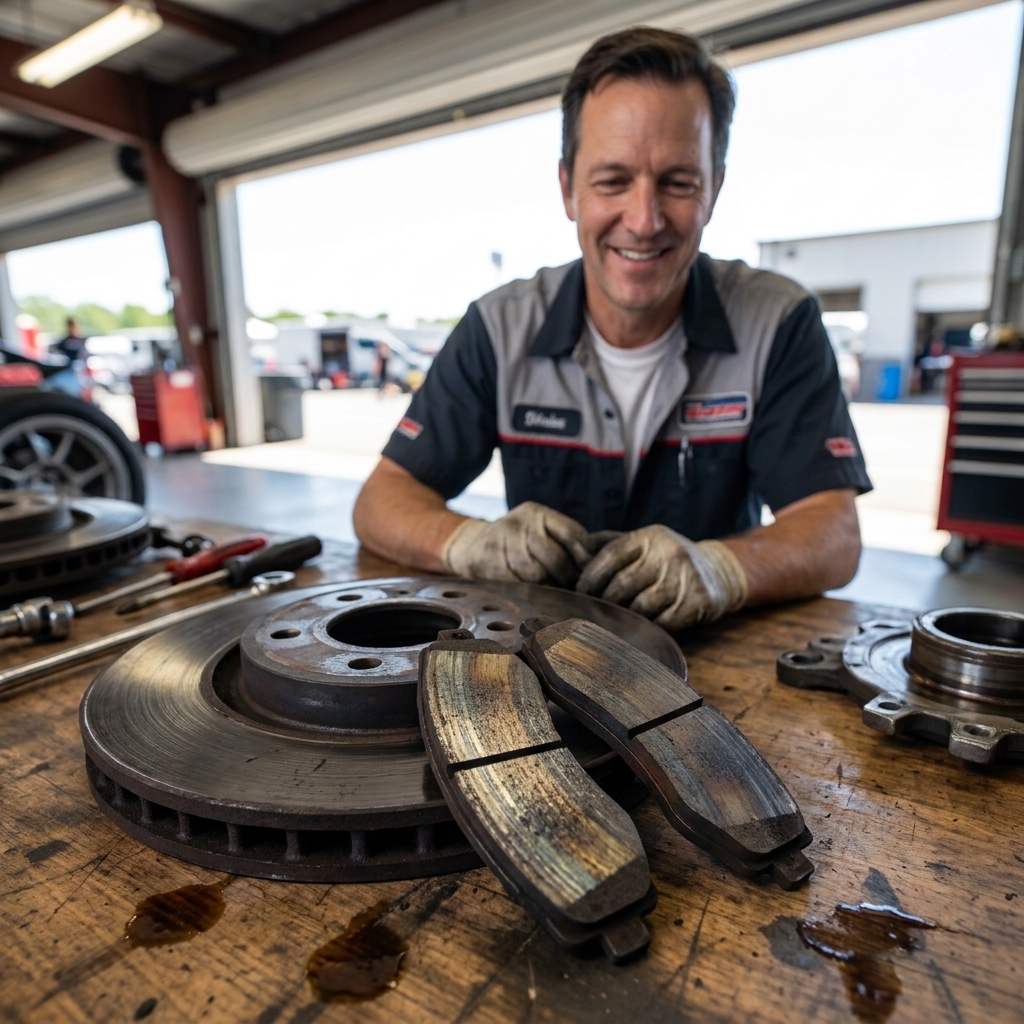
That heat and wear point is not abstract. Boil your brake fluid and your pedal can go long at exactly the wrong time. Overcook pads and you can glaze them into a hard, slippery mess that does not want to bite. In a sim, money shifts from “I cooked my pads” to “I want better pedals.” In real life, overheated fluid and shaved tires are your weekend budget.
How track days are changing
Track day organizers and instructors are seeing the effect. More attendees are arriving with baseline knowledge, not just raw enthusiasm. That changes the vibe in a good way.
Better questions, faster learning
Instead of “Where do I go fast?” the new questions sound like:
- “Should I use a later apex here to open the exit?”
- “Am I over-slowing the car on entry?”
- “How do I manage brake temps in longer sessions?”
Those are the questions of someone ready to learn, not just someone ready to send it.
More ways into the hobby
Old-school car culture often required access: tools, space, a mentor, and a car you could afford to break. Sim racing is a cheaper starting line, and it is bringing in people who might have never walked into a shop or a meet-up otherwise.
When those folks show up to a real track day, they are not “outsiders.” They are enthusiasts who have already put in the time, just in a different way.
Which sims people mean
Not every “sim” feels the same, and that matters for expectations.
- iRacing is the king of structured online racing and etiquette systems. It is also where a lot of the sim-to-real-world conversation lives.
- Assetto Corsa is a sandbox with endless cars and tracks. Great for practice and experimentation.
- Assetto Corsa Competizione is more focused, more serious, and heavily GT-oriented.
- rFactor 2 has a reputation for strong physics feel, especially in how cars move around on the limit.
- Gran Turismo lives in the sim-ish zone, but it has introduced a ton of people to proper lines, braking markers, and racecraft.
The point is not to crown a winner. The point is to pick one that encourages good habits: consistency, clean laps, and respect for other drivers.
Sim to track, like a grown-up
If sim racing lit the spark and you are thinking about a real track day, here’s the practical path I recommend.
1) Start with HPDE
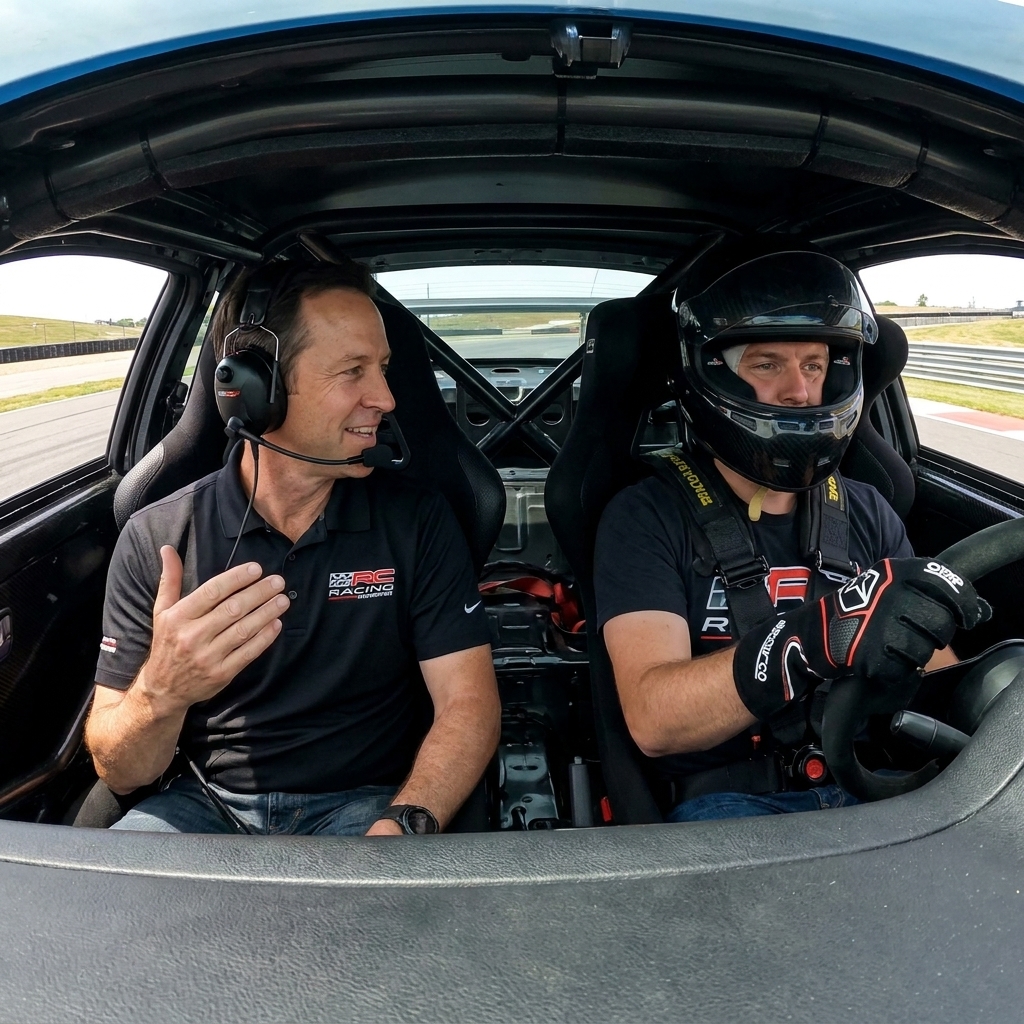
Look for High Performance Driver Education days with instructors. You will learn more in one coached weekend than in months of guessing.
2) Learn the rules first
Track days are not all the same. Passing rules vary by organizer and run group. Flags matter. Driver’s meetings are not optional. Many events also require a tech inspection and a helmet meeting a specific standard, so check the requirements before you show up.
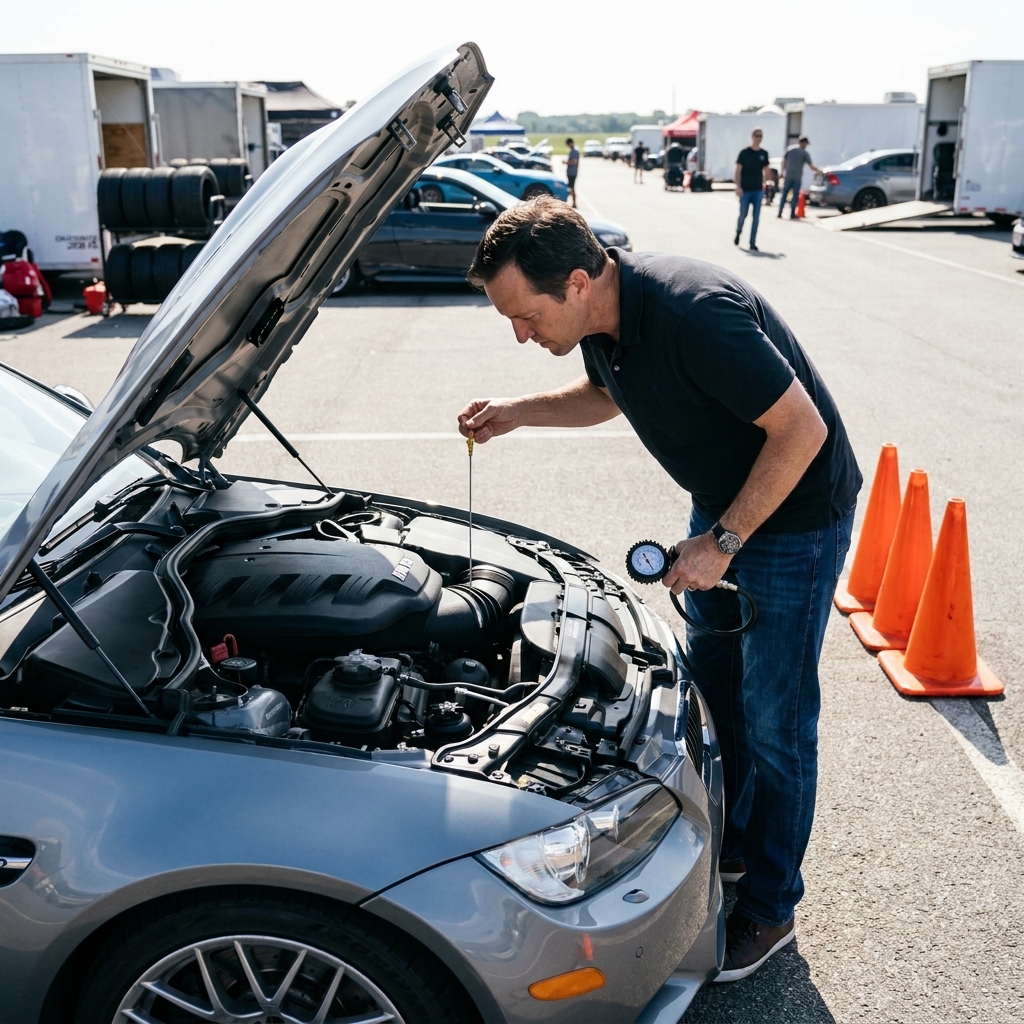
3) Prep the car, not “mostly fine”
- Fresh brake fluid (high-temp if possible)
- Brake pads with plenty of material left
- Tires in good shape, properly torqued wheels
- No fluid leaks, no mystery noises
Track days are not the time to discover your coolant hose was living on borrowed time.
4) Bring your habits, leave your ego
Use your strengths: vision, references, and smooth inputs. But respect the differences: speed builds faster than courage, and the consequences are real.
5) Use the sim for the exact track
If you know where you’re going, run that track in the sim. Learn the corner sequence and where the track tightens or opens. Then treat your first real sessions as confirmation, not conquest.
6) Upgrade gear in the right order
If you are building a rig for learning, prioritize like this:
- Pedals first, especially a load-cell brake
- Solid seat and mounting so your inputs are repeatable
- Wheelbase for better detail and control
- Monitor placement or VR for vision and depth, once the basics are locked in
The bigger picture
There is a narrative that car culture is shrinking or that enthusiasts are fading out. From where I’m standing, it is evolving.
Sim racing has created a bridge between gaming and grease under the fingernails. It gives people a way to fall in love with driving dynamics before they even own a performance car. It teaches respect for skill. And it funnels that energy into real-world events, where people meet face-to-face, wrench together, and build community.
Whether you drive a beat-up Civic on all-seasons, a track-prepped BRZ, or you’re saving for your first EV that can handle a lapping day, there’s room in this hobby for you. If virtual laps are what get you to your first driver’s meeting at 7 a.m., I’m all for it.
Sim racing does not replace real driving. It makes real driving feel less intimidating, more achievable, and a whole lot more communal.
FAQ
Can sim racing actually make you faster on track?
It can make you better prepared, which often translates into getting up to speed faster and more safely. Sims help most with track knowledge, consistency, and awareness. The final few tenths in real life still come from seat time and coaching.
Do you need an expensive rig to benefit?
No. A basic wheel and pedal set is enough to learn lines and build smoother inputs. The biggest upgrade for skill is usually a brake pedal that rewards consistent pressure, not just a stronger force feedback wheel.
What’s the safest first step after sim racing?
Sign up for an instructor-led HPDE and focus on fundamentals. Treat it like school, not a race. A calm, coachable mindset will save you money and keep everyone safer.
Is drifting in a sim useful for real car control?
It can help with counter-steer timing and comfort with slip angle. Just remember: the way grip breaks loose, and how quickly it comes back, can feel different in a real car. Use it as a tool, not a guarantee.