I have seen this one a lot in the shop: a manual-transmission car that seems totally dead at the key (no crank, often no click), but only when the clutch pedal is pressed the “normal” way. Then you mash the clutch harder, pull the pedal up with your toe, or wiggle it just right and suddenly it cranks.
That pattern very often points to the clutch safety switch (also called the clutch interlock switch) or the pedal not traveling far enough to trigger it. It is not the only possibility though. A flaky ignition switch, starter relay issue, aftermarket alarm or remote-start interlock, or even a marginal battery cable or ground that opens up with body flex can create similar headaches. The good news is you can still diagnose the clutch-pedal side of it with basic tools and a little patience.
No crank vs no start
Quick guardrail before you dive in: this article is about a no crank problem (starter does not spin the engine). If the engine cranks normally but will not fire, you are chasing fuel, spark, immobilizer, or compression issues, not a clutch interlock.
What the clutch safety switch does
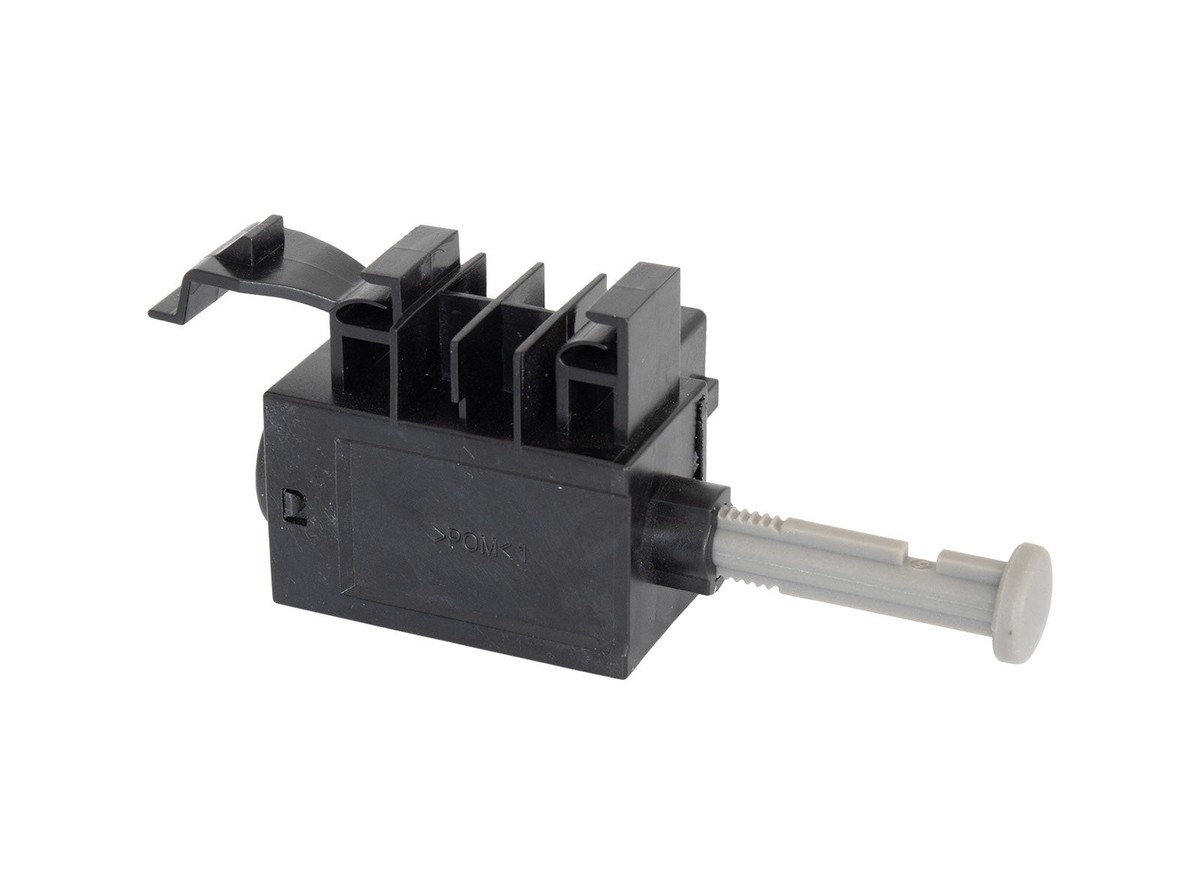
On most modern manuals, the starter circuit is blocked unless the car “sees” the clutch pedal pressed. That is the clutch safety switch’s job. When you press the clutch, the pedal arm moves far enough to:
- Close a switch (or trigger a sensor), which then allows the starter relay to energize.
- Sometimes tell the ECU you are pressing the clutch, depending on the vehicle.
If the switch never closes, the car will not crank. If it closes only sometimes, you get the maddening “press harder” or “lift the pedal” behavior.
Also note that some vehicles have two clutch-related switches: one for the start interlock, and another for cruise cancel or pedal position logic. Make sure you are testing the one that actually affects cranking.
Safety first
That switch exists for a reason. If a vehicle can crank without the clutch pressed, it can also crank while in gear. That can launch the car forward or backward immediately, which is a real injury and property-damage risk in a garage or parking lot.
If you ever discover your car will start in gear without the clutch down, treat it as urgent:
- Assume it can lurch unexpectedly.
- Do not remote start it if equipped.
- Get the switch adjustment or wiring fixed as soon as possible.
Quick checks first
1) Make sure the pedal is going all the way
Sounds obvious, but floor mats, worn shoes, and awkward seating positions can keep the pedal from hitting full travel. Try this:
- Slide the seat back so your knee is not jammed against the wheel.
- Press the clutch all the way to the floor, then turn the key.
- If it cranks only when you “extra mash” the pedal, suspect a pedal adjustment issue or a switch that is barely out of range.
2) Feel for slop or a weird return
If the pedal has excessive free play, feels loose at the top, or does not return crisply, the switch may not be getting fully actuated. Causes include:
- Worn pedal bushings
- A bent pedal bracket (rare, but I have seen it)
- Misadjusted clutch pedal stop or pushrod (varies by vehicle)
3) Watch for intermittent clues
These are classic signs the switch is not consistently closing:
- Car cranks only if you lift the clutch pedal up with your toe first
- Car cranks only if you press the clutch slowly or harder than normal
- Problem changes with temperature or heat soak (marginal contacts, connector fit, relay issues, or a switch/bracket that shifts slightly)
Where the switch usually is
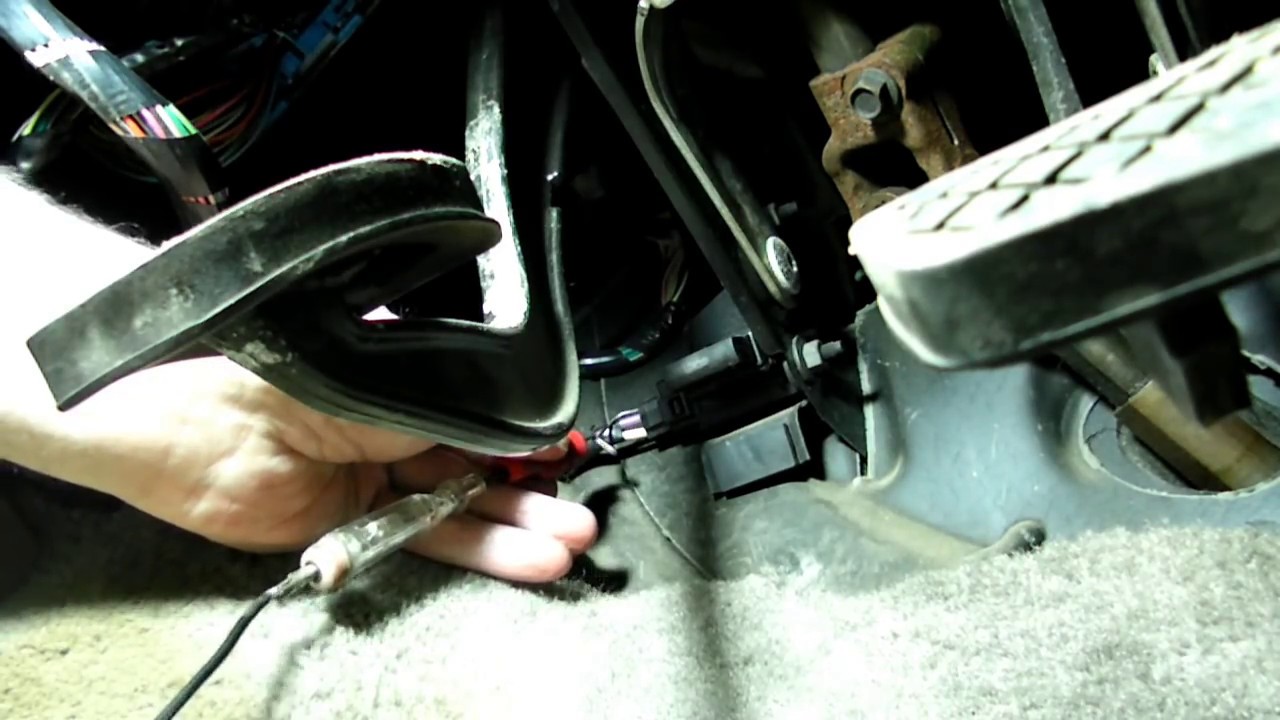
Most clutch safety switches are mounted under the dash at the top of the clutch pedal arm. You will typically see:
- A small plunger-style switch that the pedal presses in and out
- A two-wire (sometimes more) electrical connector
- Sometimes a second switch nearby for cruise cancel or pedal position logic
On some cars you may need to remove a lower dash panel or knee bolster to get a clear view and decent access.
Common causes
Cause 1: The switch never closes
If the switch is internally bad, broken, or the connector is damaged, the starter interlock signal never happens. Symptoms usually include:
- No crank, often no click, but everything else powers up normally
- Pressing the clutch changes nothing, no matter how hard
Sometimes you will still hear a relay click or see dash lights dim slightly, but many cars will simply do nothing because the starter relay is never allowed to energize.
Cause 2: The switch is fine, but pedal travel is not
Many switches are adjustable or rely on a pedal stop adjustment. If the switch is positioned too far away, the pedal does not depress the plunger far enough to close the circuit.
Symptoms usually include:
- Car cranks if you press the pedal unusually hard
- Car cranks if you push the pedal sideways slightly or pull it upward before starting
- Problem comes and goes with vibration, temperature, or after interior work near the pedals
Cause 3: Wear changes the geometry
Worn bushings or a tired return spring can change how the pedal sits at rest and how it travels near the top of its stroke. That can create a situation where the switch is right on the edge.
Continuity test at home
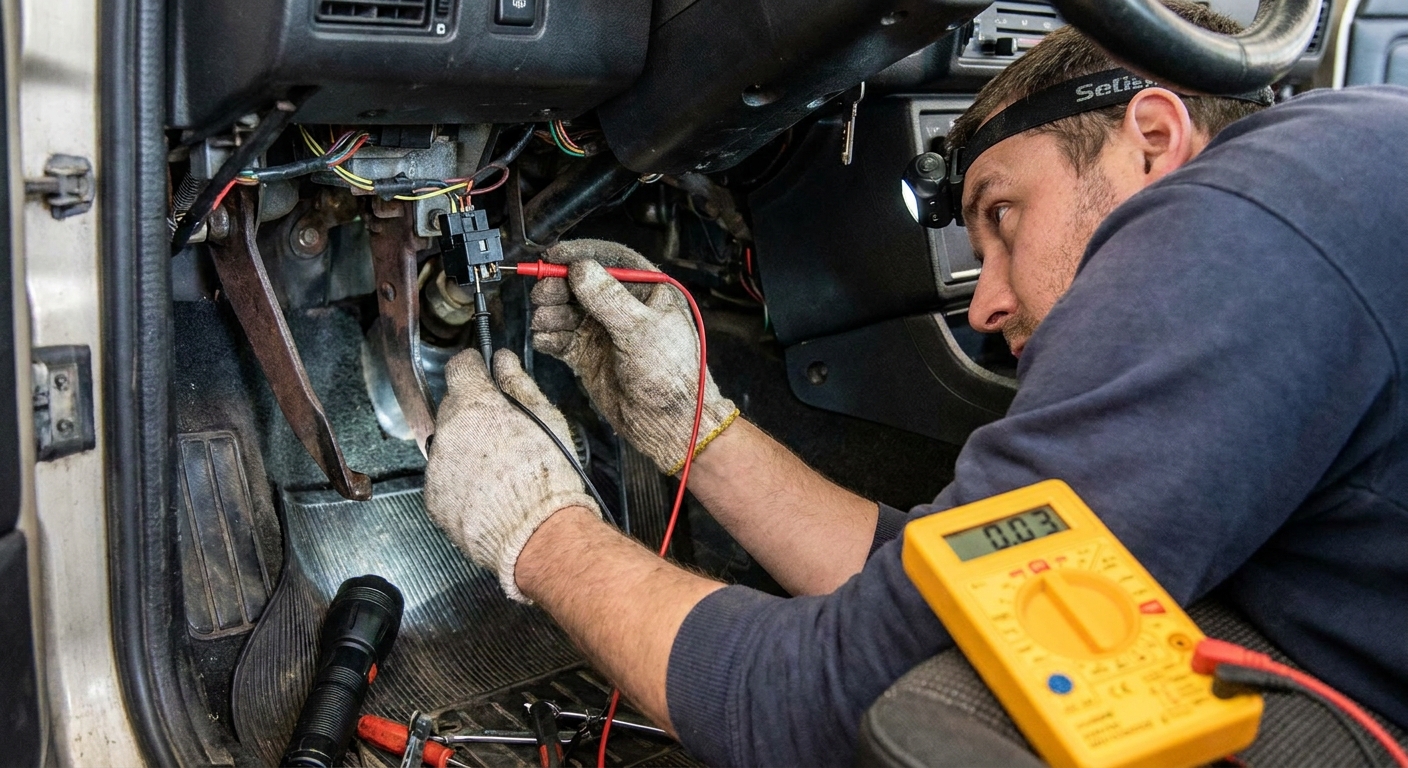
If you are comfortable using a multimeter, you can verify whether the switch is actually changing state when the clutch is pressed. You will need a basic digital multimeter that can read continuity or resistance (ohms).
Step-by-step
- Park safely: parking brake set, transmission in neutral, wheels chocked or blocked if you are on any slope.
- Key off: you do not want power on the circuit while measuring resistance or continuity.
- Locate the clutch safety switch above the clutch pedal.
- Unplug the connector from the switch.
- Set your multimeter to continuity (beep mode) or the lowest ohms range.
- Touch the probes to the two switch terminals (on the switch side, not the harness side).
What you should see
Some vehicles use a simple normally open switch, others use normally closed logic, and some use a sensor that feeds the BCM or ECU. So do not guess if your readings look backwards. If you can, check a wiring diagram for your exact car.
That said, many clutch start interlocks are normally open, meaning:
- Clutch released: no continuity (infinite resistance, no beep)
- Clutch fully pressed: continuity (very low resistance, beep)
If you never get continuity with the clutch pressed, the switch is bad, out of adjustment, or the pedal is not reaching it.
If the continuity is intermittent, move the clutch pedal slowly and watch the meter. If it only beeps at the very end of travel, you are likely dealing with an adjustment or pedal wear issue.
Switch vs adjustment in a minute
The hand-press check
With the car off and the key out, reach up to the switch and gently press the plunger by hand. You are looking for consistent movement and a crisp feel.
- If the plunger feels sticky, gritty, or does not spring back well, the switch may be failing.
- If the plunger feels fine, but the clutch pedal barely touches it or only hits it at the floor, you likely have an adjustment or wear issue.
The “lifting the pedal” clue
If pulling the clutch pedal upward with your toe suddenly lets the car crank, I put my money on switch position, a worn pedal bushing, or a pedal stop setting. The switch is living right at the edge of its activation point.
If the switch tests good
If your switch shows it is changing state reliably, but the car still will not crank, shift your focus to the harness side and the rest of the start circuit:
- Connector fit: loose terminals can open the circuit even if the switch is fine.
- Broken wires near the pedal: the harness flexes every time the clutch is used.
- Misrouted wiring: a wire can get tugged after interior work or stereo installs.
- Starter relay or ignition switch: intermittent contact can feel like a clutch problem if you only notice it when your body position changes.
- Battery cables and grounds: marginal connections can act up with vibration or slight flex.
A wiring diagram and a voltage test at the starter relay circuit is the clean way forward, but most clutch-pedal-related no-crank issues are still switch, adjustment, or pedal wear problems.
If you have a scan tool and your vehicle reports it, checking live data for a “clutch switch” or “clutch pedal” PID can also be a nice, no-drama way to confirm whether the car is seeing the pedal press.
About adjustment
Adjustment varies a lot by make and model. Some switches are twist-lock and self-adjusting (ratcheting plunger). Others use locknuts or a bracket position. If you are not sure, look up the factory procedure for your car so you do not end up with a switch that is always engaged or never engages.
If it starts without the clutch
This is the flip side problem, and it is more dangerous. If your manual starts with the clutch pedal released:
- The switch may be stuck closed.
- The switch may be misadjusted so it is always “pressed.”
- Someone may have bypassed it intentionally.
Do not ignore it. A manual that can start in gear is one distracted key turn away from jumping forward.
When to call a pro
Get help if:
- You cannot access the switch safely (some pedal boxes are tight, and working upside down is no joke)
- The switch tests good, but you still have an intermittent no-crank (possible relay, module, or wiring fault)
- Your clutch pedal feel is abnormal, very low engagement, or the pedal does not return fully (you may have a hydraulic or mechanical clutch issue alongside the interlock problem)
In most shops, diagnosing and replacing or adjusting a clutch safety switch is straightforward and usually cheaper than chasing the problem by guessing at starters and batteries.
FAQ
Can a bad clutch safety switch look like a bad starter?
Yes. A failed clutch safety switch can cause a no-crank with no starter noise at all, which many people assume is a starter. The giveaway is that the problem is tied to clutch pedal position.
Why does pumping the clutch sometimes make it crank?
Pumping can momentarily change pedal rest position or move a sticky switch plunger enough to close the circuit. It is a classic sign the switch is failing or right at the edge of adjustment.
Is it okay to bypass the clutch safety switch?
I do not recommend it. Beyond the safety risk, bypassing can create liability issues and can cause weird behavior on some cars where the ECU expects a clutch input.