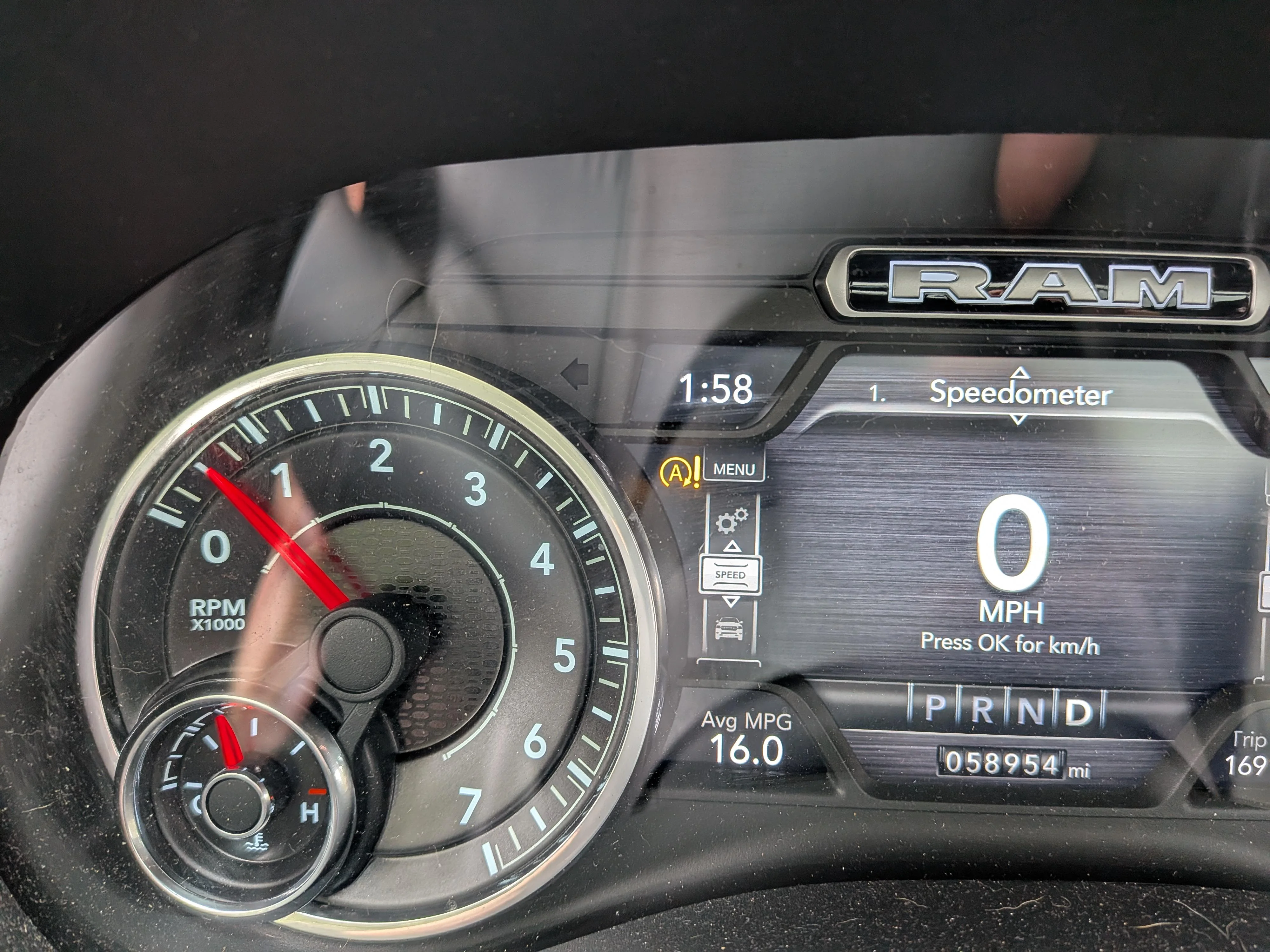
I have lost count of how many times a driver has told me, “I just put a new battery in and the auto start-stop is acting weird.” Most of the time, the battery is physically the right size and the car starts fine, but the chemistry is wrong for how a start-stop system charges and discharges. Start-stop is picky, and for good reason.
So, does a start-stop car need an AGM battery? Sometimes yes, sometimes an EFB will do, and a basic flooded battery is usually the wrong call if the vehicle came with start-stop from the factory. The safest move is to match what the car was designed for.
Quick answer
If your car came from the factory with start-stop, it typically expects either:
- AGM (Absorbent Glass Mat), or
- EFB (Enhanced Flooded Battery)
Which one depends on the specific vehicle, charging strategy, and electrical load. Replacing an AGM with a standard flooded lead-acid battery commonly leads to start-stop being disabled, short battery life, and “it starts, but something feels off” complaints.
Why start-stop cares about battery type
A traditional car battery’s job is mostly to crank the engine, then get topped back up by the alternator. A start-stop car lives a different life:
- Many more engine starts per trip (sometimes dozens in city traffic).
- More time with the engine off while accessories are still running (blower motor, lights, infotainment, defrosters).
- A tighter state-of-charge window because the car has to keep enough reserve to restart instantly.
That means the battery is constantly cycling: discharge, charge, discharge, charge. Whether it survives depends on how it is built and how well it matches the vehicle’s charging strategy.
AGM vs EFB vs flooded
AGM (Absorbent Glass Mat)
AGM batteries are still lead-acid, but the electrolyte is absorbed into glass mat separators. In the real world, that gives you:
- Better cycle life than standard flooded.
- Lower internal resistance, which helps deliver strong starts and typically accept charge faster.
- More tolerance for frequent partial discharge and recharge.
AGM is common on higher electrical-load vehicles, and on many European models that use start-stop aggressively.
EFB (Enhanced Flooded Battery)
EFB is a beefed-up version of a conventional flooded battery. It is designed specifically to handle more cycling than a basic flooded battery.
- Better cycle life than standard flooded, but typically not as strong as AGM.
- Often used on lighter-duty start-stop systems (varies by manufacturer).
Standard flooded (conventional lead-acid)
This is the classic, cheaper battery most of us grew up with. It can work great in a non-start-stop car, but in a factory start-stop vehicle it often fails early because it is not built for constant cycling and rapid charge acceptance.
How to tell what your car needs
Do not guess. Here are the practical ways I tell people to verify battery type.
1) Check the label on the current battery
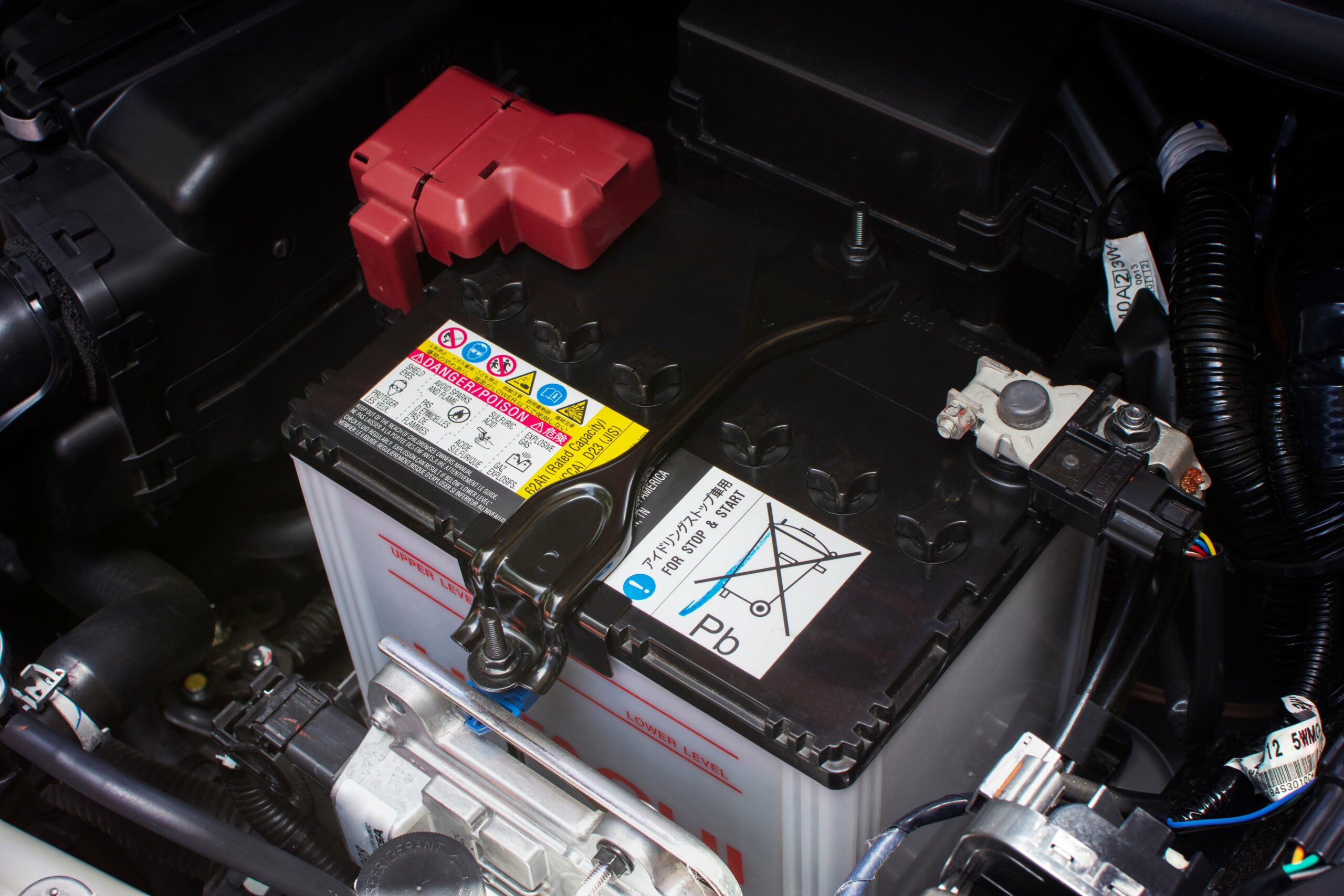
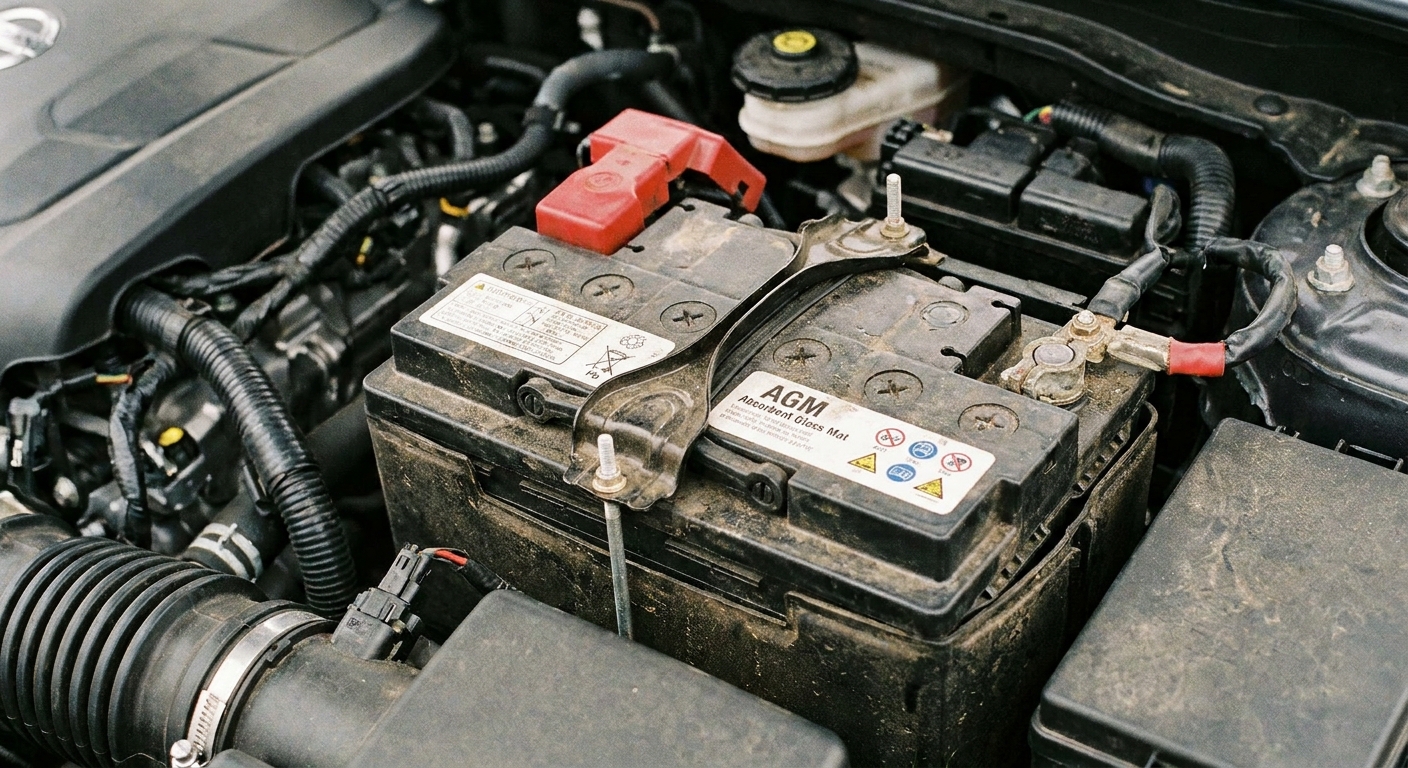
Factory batteries are usually marked clearly: AGM or EFB. If the battery says AGM, replace with AGM. If it says EFB, replace with EFB or AGM (AGM is often an acceptable upgrade, vehicle-dependent).
2) Use the owner’s manual or OEM parts listing
The manual will sometimes specify battery type and capacity. OEM parts catalogs will be even clearer, especially for vehicles that offered multiple electrical packages.
3) Look at the battery sensor and charging system
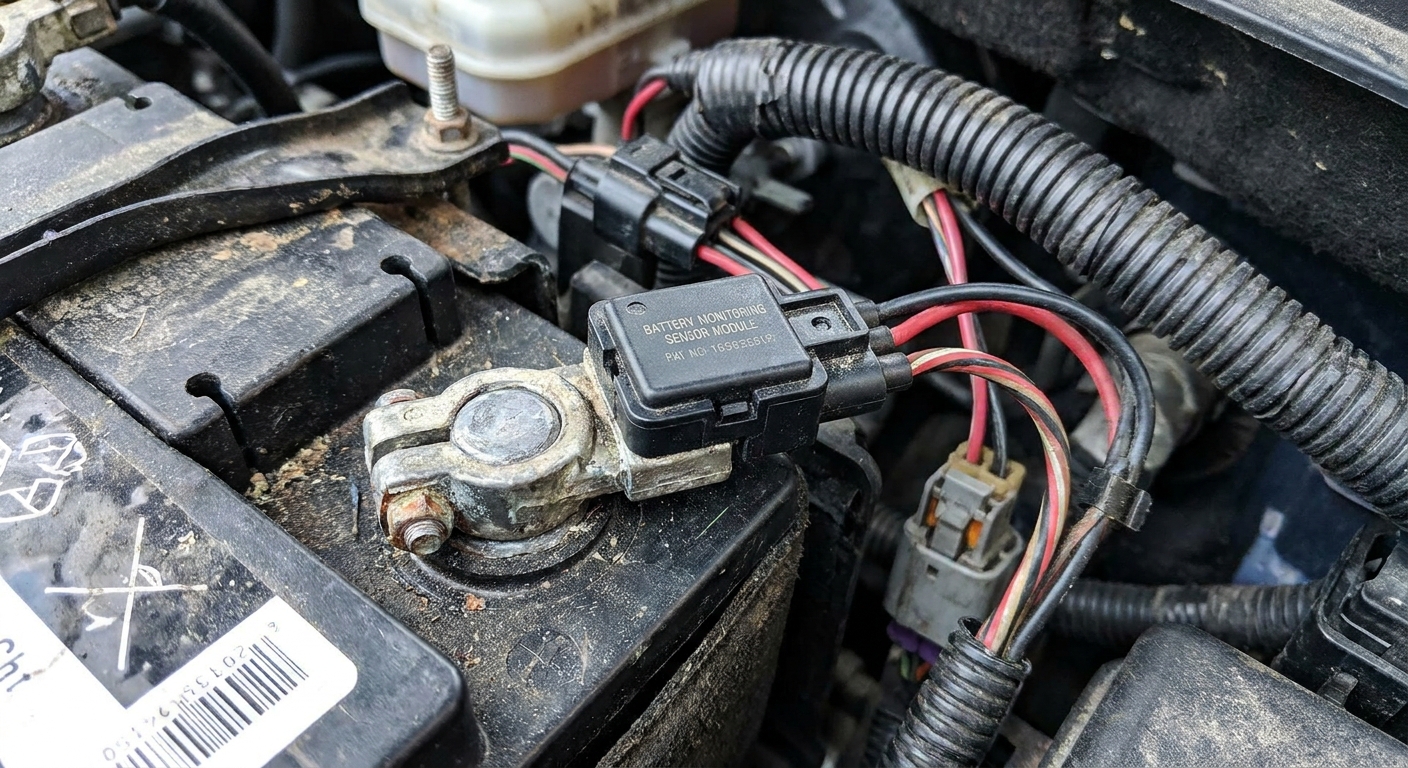
Many start-stop cars use a battery monitoring sensor (often on the negative terminal) and an ECU charging strategy that assumes a certain battery behavior. That is one reason the correct chemistry matters and why some cars need a battery “registration” or reset after replacement.
This also ties into battery location. If your battery is in the trunk, under a seat, or otherwise inside the cabin area, the OEM often cares a lot about venting and battery type. That is not the place to improvise.
What goes wrong with the wrong battery
This is the part that frustrates drivers: the car might still start and drive normally at first. The problems show up over weeks and months.
Start-stop gets disabled or inconsistent
The system may stop working because the car decides the battery state-of-charge is too low, battery temperature is out of range, or the battery cannot supply enough reserve for a reliable restart.
If your issue is specifically that the engine shuts off at a stop and then does not refire when you lift off the brake, that is a different symptom chain. I covered that here: Why Your Auto Start-Stop Won't Restart the Engine.
Premature battery failure
A standard flooded battery in a start-stop application often dies early because it is forced into deeper cycling than it was designed for. You will see:
- Slow cranking sooner than expected
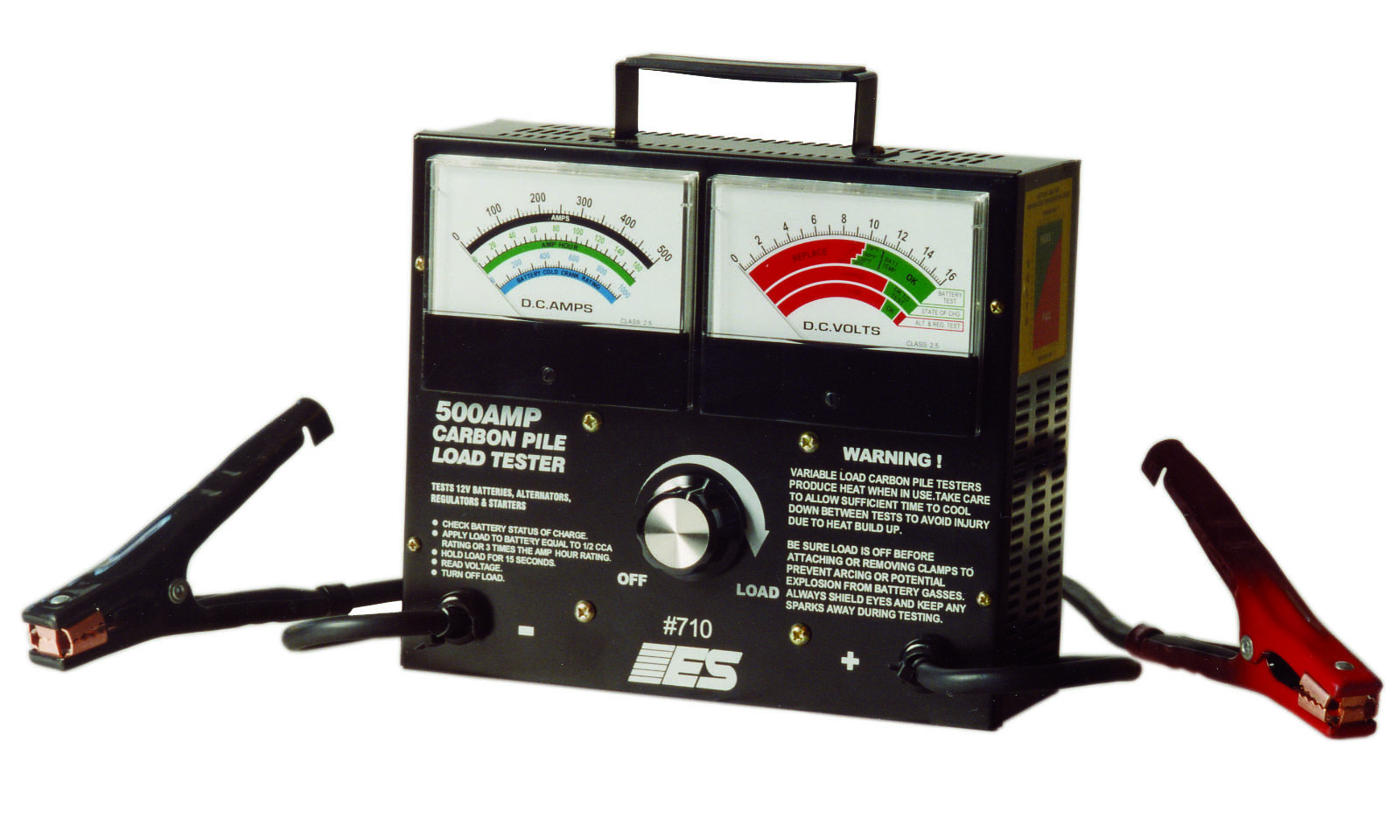
- Battery that tests “weak” after a relatively short time
- More frequent low-voltage warnings and electrical oddities
Charging issues and electrical weirdness
Modern alternator control is not just “14 volts all the time.” Many systems vary charging voltage based on conditions like braking, acceleration, battery temperature, and battery state-of-charge. If the battery’s charge acceptance does not match what the ECU expects, you can end up chronically undercharged, or you can make the charging system work harder than it should.
Venting and fitment problems
Some vehicles use a vent tube (especially when the battery is in the trunk or under a seat). Installing a battery that does not accept the vent tube correctly is a safety issue. Even if it bolts down, it is not “right.”
Upgrading EFB to AGM
Often, yes. Many vehicles that came with EFB can run AGM successfully, and AGM can offer longer life in harsh conditions (lots of short trips, heavy accessory use, hot climates).
That said, I still recommend confirming via your OEM spec or a high-quality parts catalog. The key is not just physical group size. It is also capacity and performance ratings.
Important: If your vehicle requires battery registration, coding, or a battery management reset, do it after the swap. Some vehicles want this step every time a battery is replaced. Others mainly need it when you change battery type (EFB to AGM) or capacity (Ah rating). If you skip it on a car that expects it, the system can charge the new battery as if the old one is still installed, which can shorten battery life and make start-stop act up.
Specs that still matter
Battery chemistry is the first gate, but it is not the only one. When I am matching a start-stop battery, I pay attention to:
- Group size (must fit the tray and hold-down)
- Terminal layout (correct orientation and type)
- CCA (cold cranking amps) for reliable starts in cold weather
- Ah rating (amp-hours) or reserve capacity, especially for accessory loads
- Vent provisions if the vehicle uses a vent tube
If you want the actual battery swap steps, I wrote those separately so this page can stay focused on selection: How to Replace a Car Battery.
FAQ
My car has start-stop, but it has a normal flooded battery. Is that possible?
Yes, it happens a lot after an incorrect replacement. The car may still run, but you are likely to see reduced battery life and start-stop that works only occasionally or not at all.
Will the car be damaged if I use a standard battery?
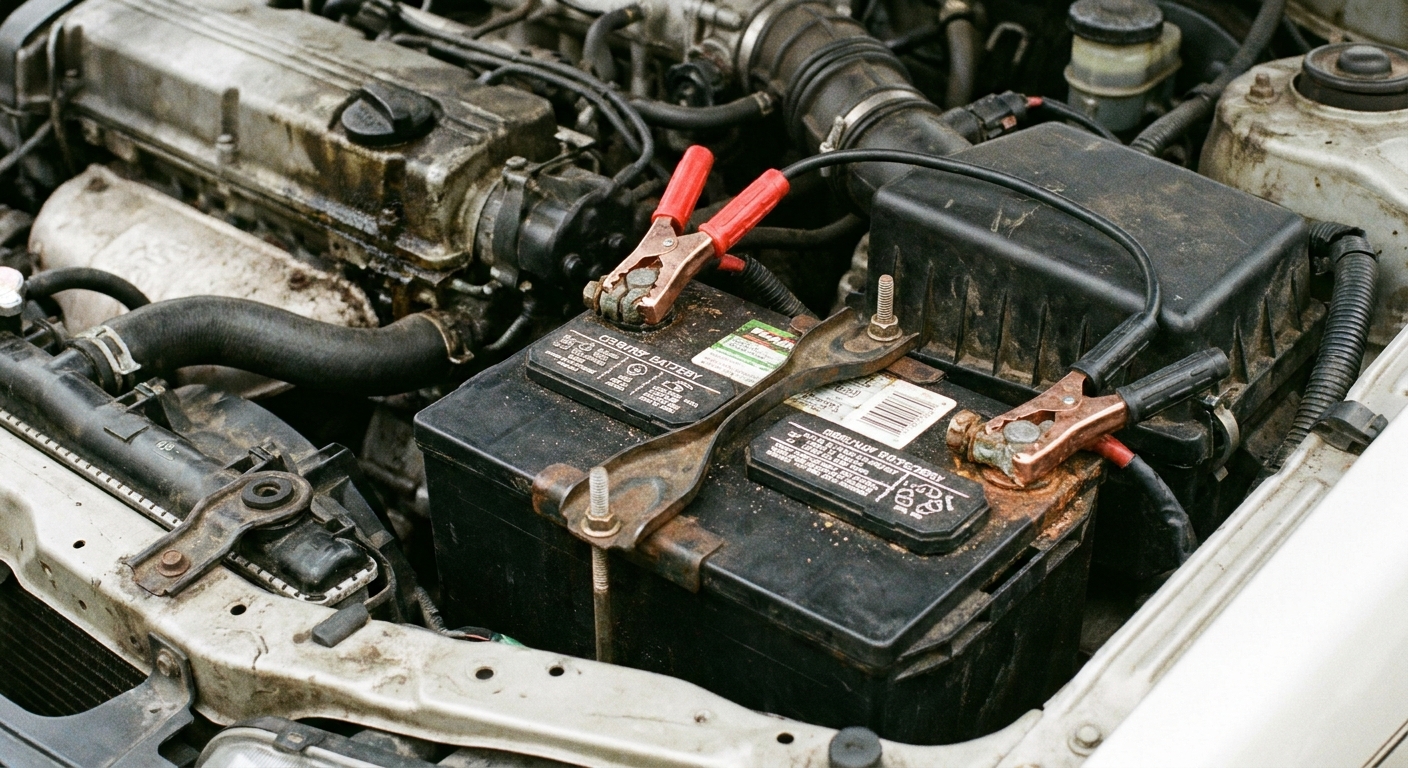
You usually will not “damage” the engine, but you can create a cycle of chronic low voltage, repeated jump starts, and shortened battery and alternator life. The system may also disable start-stop to protect itself.
Is AGM always better?
AGM is often more durable for start-stop cycling, but “better” only matters if the vehicle charges it correctly and the size and ratings match what the car needs. When in doubt, match what the vehicle came with from the factory, then consider an AGM upgrade if it is approved for your application.
Do I need to program the battery after replacement?
Many start-stop cars do. Some call it battery registration, battery adaptation, coding, or a BMS reset. If your vehicle has a battery monitoring sensor and smart charging, assume it might require it and verify for your specific make and model.
The takeaway
Factory start-stop systems are designed around batteries that can handle frequent cycling and specific charging strategies. Most start-stop cars want AGM or EFB, and installing a basic flooded battery is a common reason the feature stops working or the battery dies early.
If you are standing at the parts counter, my mechanic advice is simple: match the battery type printed on the old battery unless you have verified an approved upgrade path. Your start-stop system, and your wallet, will thank you.