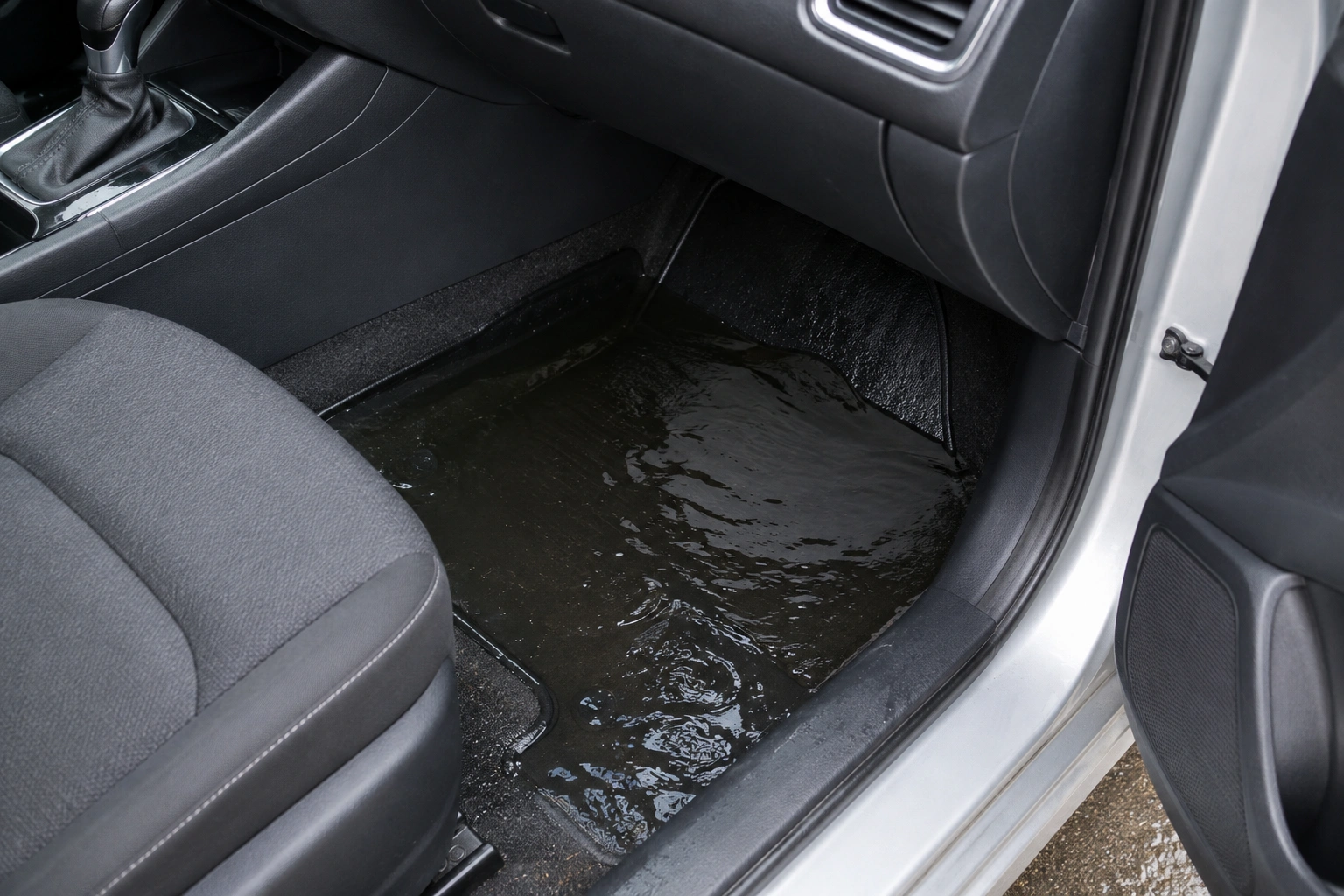
If you only notice a wet passenger floor after the air conditioner has been running, you are usually dealing with a simple problem that looks scarier than it is: the A/C is making condensation like it always does, but instead of draining outside the car, that water is dumping into the cabin.
Back when I was turning wrenches every day, this was one of those repeat customers that showed up right after the first hot week of the year. The A/C would be blowing cold, everything seemed normal, and then a few commutes later the passenger carpet felt like a sponge.
Let’s walk through what is happening, how to confirm the liquid is plain water, and how this differs from a rain leak or a coolant leak.
Why it happens: condensation has nowhere to go
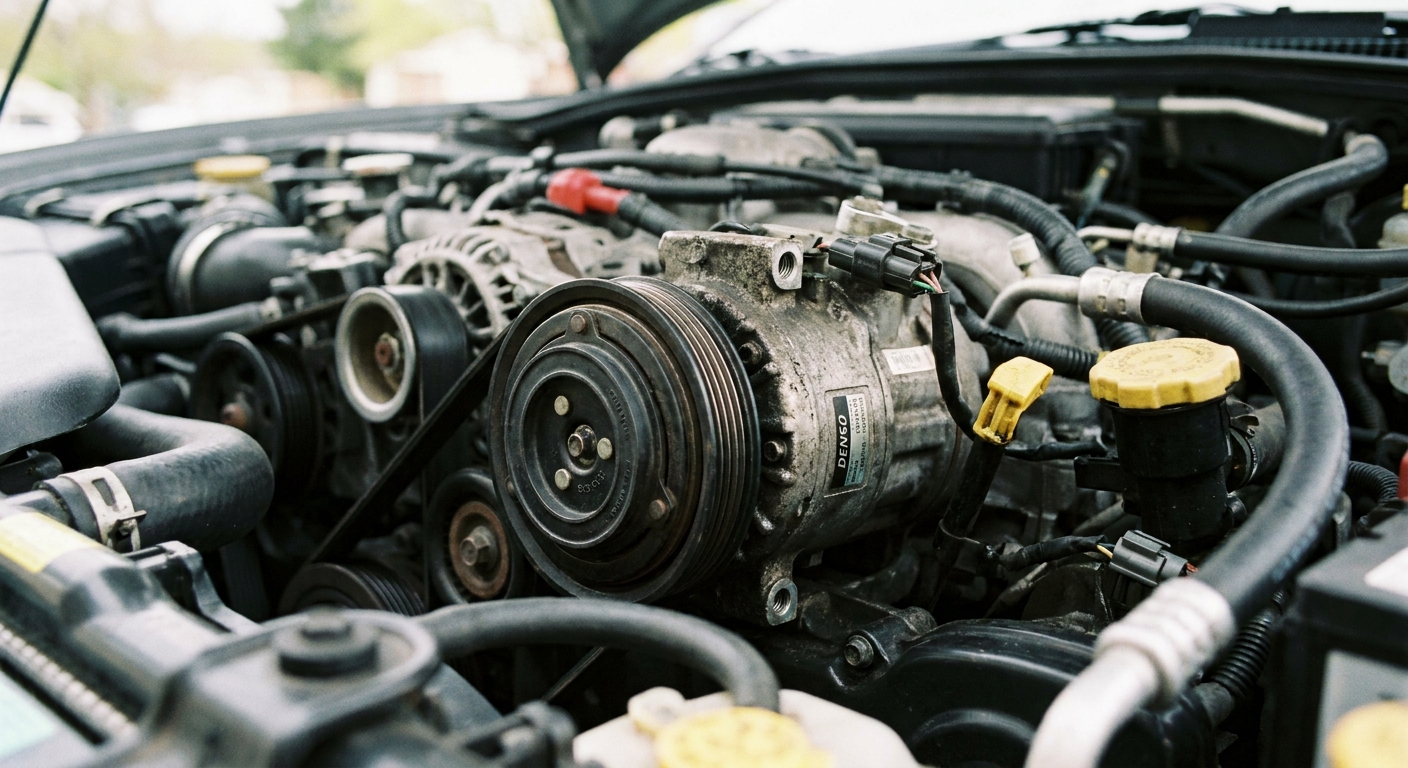
Your A/C system does more than cool. It also removes humidity. Warm, humid air passes over the cold evaporator core inside the HVAC box (usually behind the dash on the passenger side). Moisture condenses on that cold surface, drips into a small tray, and is supposed to exit through an evaporator drain that passes through the firewall to the outside of the car.
When that drain gets restricted, condensate backs up and finds the next easiest path, which is often a seam in the HVAC case. Gravity does the rest and you end up with:
- Wet passenger carpet or floor mat
- Dripping from behind the glove box area
- Foggy windows and a musty smell after the car sits
What clogs the evaporator drain?
Most commonly:
- Dust and debris that turns into sludge
- Leaf fragments that make it past the cowl intake
- Mold growth in the drain path
- Occasionally a pinched drain grommet after body work or a repair
First step: confirm the liquid is plain water
Before you chase a drain clog, confirm what you are actually dealing with. Three quick checks usually tell the story.
1) Look and feel
- A/C condensate (water): clear, thin, no oily feel
- Engine coolant: can be green, orange, pink, blue, or yellow depending on type, and often feels slightly slippery
- Rainwater leak: usually clear like water, but timing is tied to rain, car wash, or parked angle more than A/C use
2) Smell test (do not taste)
- Water: basically no smell, or a musty carpet smell if it has been there a while
- Coolant: distinct sweet odor, sometimes described as syrup-like
3) Check coolant level
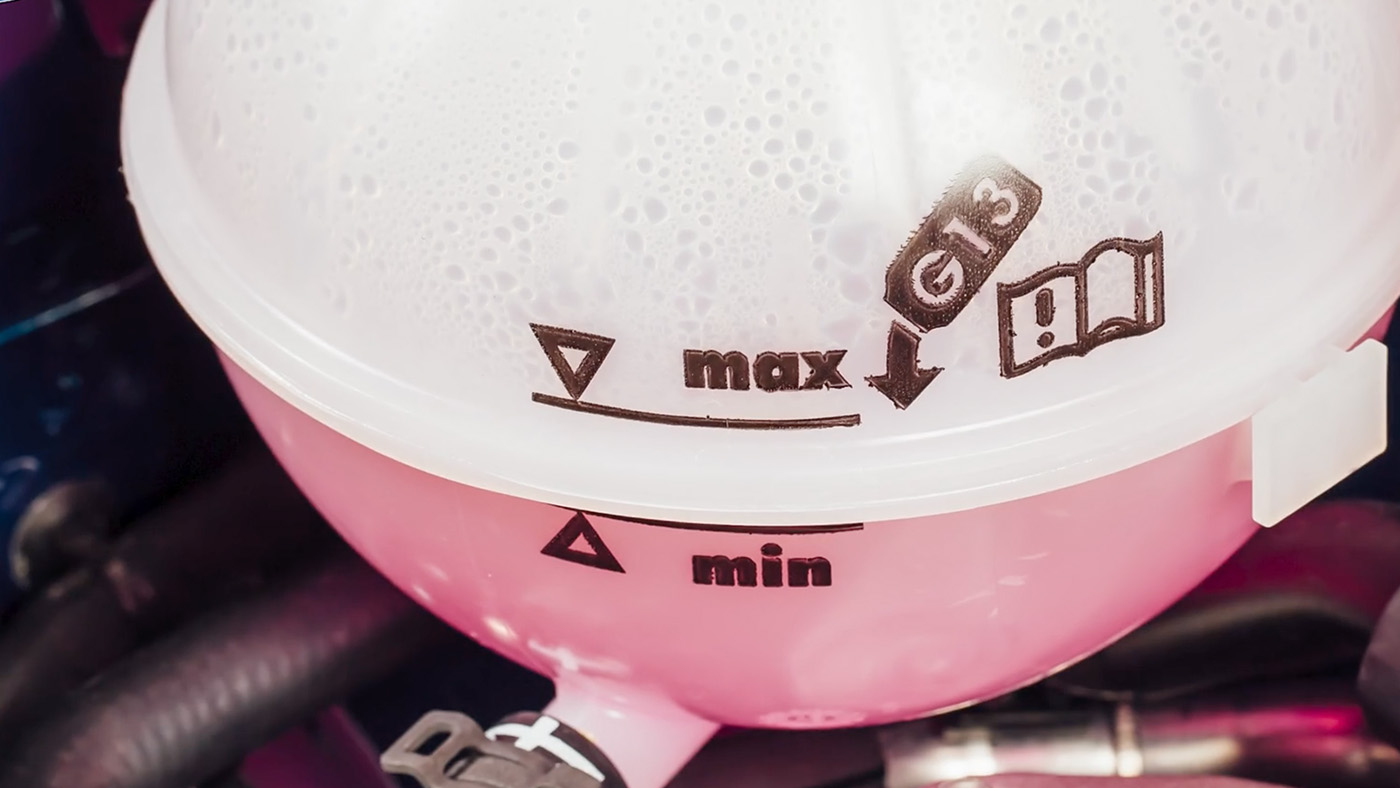
Pop the hood when the engine is cold and check the coolant reservoir level. If the passenger floor is wet and the reservoir keeps dropping over days or a week, you need to think heater core leak or related cooling system issue, not an A/C drain problem.
Important: A/C drain leaks can soak carpet fast, but they do not make the coolant level drop.
How to tell it’s the A/C drain without tearing the dash apart
Here are a few practical checks I use before reaching for tools.
Check for the missing puddle under the car
On a humid day, a healthy system usually leaves a small puddle under the car after 5 to 15 minutes of A/C use. If you run the A/C on a warm, humid day and see no dripping under the passenger side, yet the carpet is wet, that is a strong hint the drain is blocked or disconnected.
Listen for sloshing behind the dash
If you hear water sloshing when turning or braking, that can be condensate trapped in the HVAC case. Not every car makes this obvious, but when it does, it is a big clue.
Inspect the passenger footwell area
Pull back the floor mat and feel higher up the carpet and underlayment near the center console and firewall area. With an A/C drain issue, the wettest area is often:
- High on the passenger side, closer to the firewall
- Near the transmission tunnel where the HVAC case sits
How the evaporator drain works and where to find it
Most vehicles route the evaporator drain through the firewall on the passenger side. From underneath the car, you may see:
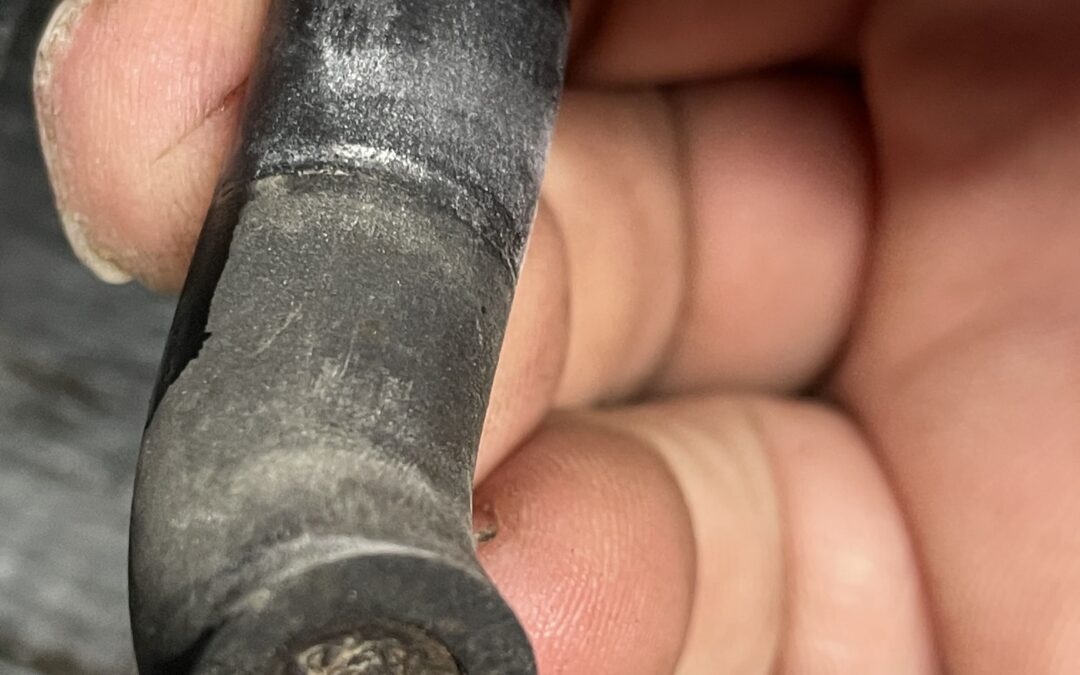
- A short rubber elbow or nipple protruding from the firewall
- A small plastic spout on the HVAC case
- A drain that exits above a heat shield or subframe area
Access varies wildly by model. Some cars make it easy. Others tuck the drain above panels and exhaust shielding.
Quick DIY clearing methods (careful and gentle)
If you can locate the drain outlet under the car, you can often clear minor clogs without disassembly. A few shop-proven methods:
- Compressed air, lightly: A short burst can push sludge out. Keep pressure low and do not seal the nozzle tightly against the drain. Too much pressure can blow the drain hose off inside the dash, which creates a bigger mess.
- Soft plastic line: Something like flexible weed trimmer line can be gently worked into the drain to break up gunk. Do not use metal coat hangers or anything sharp that can puncture the evaporator case.
- Vacuum from the outlet: A wet-dry vac held near the drain outlet can sometimes pull debris out rather than pushing it inward.
If the clog clears, you will often get an immediate gush of water from the drain and the interior leak stops.
When the drain is not clogged, just disconnected
Sometimes the drain is fine, but the rubber elbow or short hose has come loose from the HVAC case. That usually happens after:
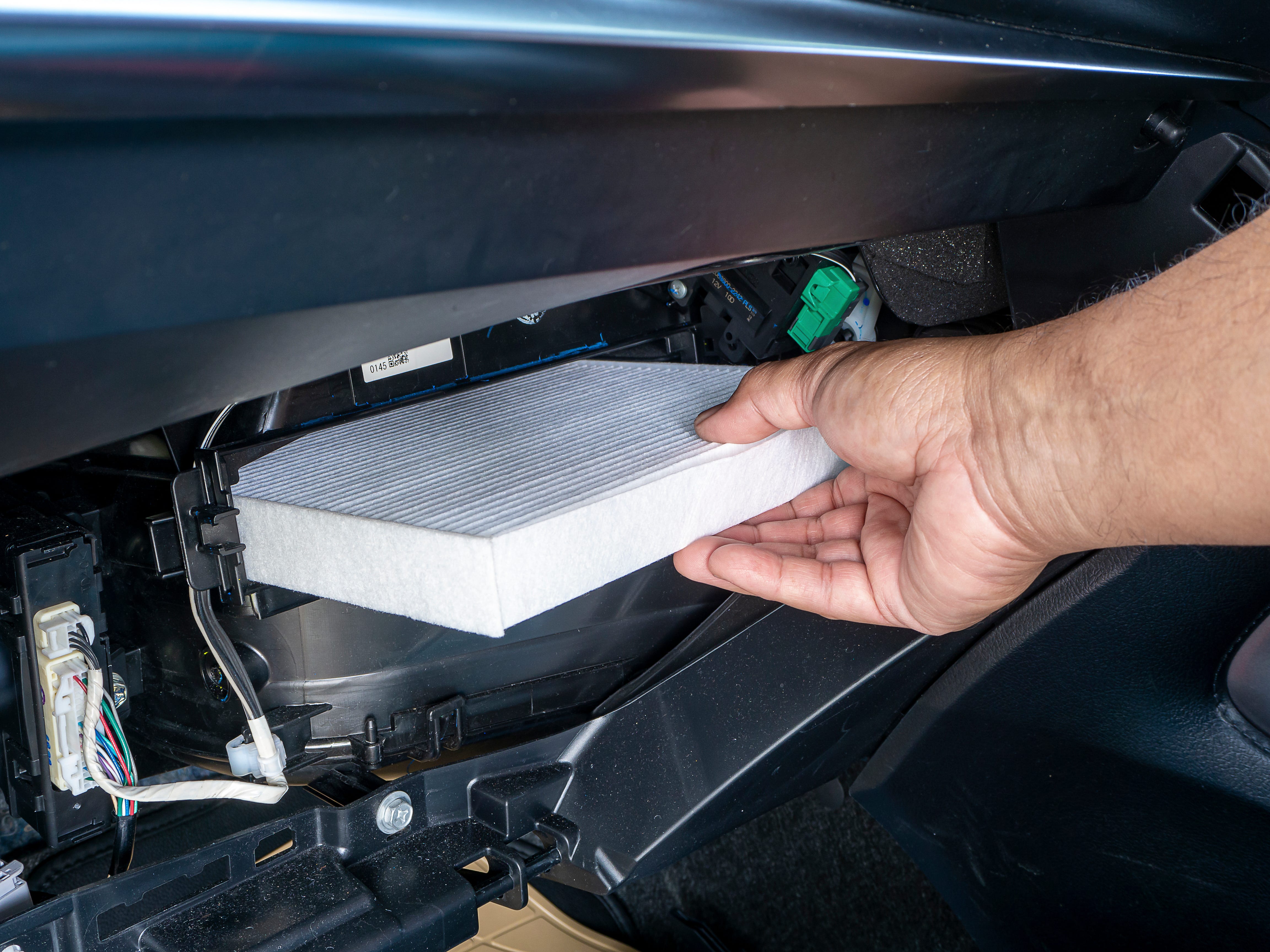
- Cabin air filter service on certain models
- Dash or glove box work
- Body work or repairs near the firewall
In that case, condensate can pour into the footwell even though the drain outlet under the car looks dry and clean. Fixing it may require removing lower dash trim or the glove box to re-seat the drain connection.
How this differs from a rain leak
A lot of people assume “wet carpet” equals a windshield leak, and sometimes they are right. But rain leaks behave differently than A/C condensate leaks.
Signs it’s a rain leak instead
- The carpet gets wet after rain or a car wash, even if the A/C was not used
- Water tracks start higher up, like the kick panel, A-pillar, or behind the glove box
- You find wet headliner edges, damp door sills, or water in the spare tire well
Common rain leak sources that can soak the passenger floor
- Clogged sunroof drains (water can run down pillars and land on the passenger floor)
- Windshield seal issues (especially after a windshield replacement)
- Cowl intake or cabin air filter housing leaks (water gets into the HVAC intake area)
- Door vapor barrier failure (water inside the door escapes onto carpet)
A helpful test is to leave the car parked, do not run the A/C, and gently hose the windshield and cowl area while someone watches inside with a flashlight. If water appears, it is not the evaporator drain.
How this differs from a coolant leak (heater core)
If the passenger floor is wet and it smells sweet, do not ignore it. A heater core leak can soak the carpet and it will keep getting worse. It also can cause overheating if the coolant level drops far enough.
Signs you are dealing with coolant
- Sweet smell inside the cabin, especially with heat on
- Greasy film on the inside of the windshield that is hard to wipe away
- Coolant reservoir level dropping over time
- Wetness that feels slightly slippery
Heater core diagnosis and replacement can be a big job on many vehicles, so if you suspect coolant, it is worth getting it confirmed quickly.
What to do right now if your carpet is soaked
Even if you fix the drain, you need to deal with the water that is already in the cabin. Otherwise, you are inviting mold, corrosion, and that permanent sour-car smell.
Drying steps that actually work
- Remove the floor mat and blot up what you can with towels.
- If possible, lift the carpet edge near the door sill and check the foam underlayment. The foam holds a shocking amount of water.
- Use a wet-dry vacuum to extract moisture from carpet and foam.
- Run a fan or dehumidifier with windows cracked in a safe location.
- If the underlayment is saturated, you may need to pull trim and lift carpet more to dry it fully.
If you live in a humid area, drying can take longer than you expect. The goal is to get the padding dry, not just the carpet surface.
When to stop DIY and call a shop
Clearing a drain outlet is often a straightforward driveway fix, but a few situations deserve pro help:
- You cannot locate the drain outlet safely without lifting the vehicle.
- You suspect the drain hose is disconnected inside the dash.
- The carpet keeps getting wet even though the drain is dripping normally outside.
- You have any signs of coolant loss or sweet odor.
- You see water near electrical modules under the passenger seat or along the rocker panel. Some vehicles mount sensitive electronics low in the cabin.
Quick FAQ
Is it normal for water to drip under my car with the A/C on?
Yes. That is usually condensate and it is a good sign the evaporator drain is doing its job. No drip outside plus wet carpet inside often points to a drain restriction or disconnection.
My A/C still blows cold. Can the drain still be clogged?
Absolutely. Cooling performance can be totally normal while the condensate drainage is not.
Can a dirty cabin air filter cause this?
A clogged cabin filter usually reduces airflow and can contribute to odd HVAC behavior, but it does not directly cause water to dump onto the floor. However, debris around the cowl or filter housing can end up in the evaporator drain area on some cars.
Will running the heat fix it?
Running heat might evaporate some moisture temporarily, but it does not clear a clogged drain and it does not dry soaked padding quickly. Focus on fixing the drain path and drying the carpet properly.
The simple takeaway
If the passenger floor gets wet only when the A/C is on, the most likely culprit is a blocked or disconnected evaporator drain letting normal condensation spill into the cabin. Confirm the liquid is plain water, look for the missing drip under the car, and clear the drain gently. If you smell coolant or your coolant level is dropping, treat it as a different problem and get it checked before it turns into an overheating situation.