I’ve lost track of how many cranks-but-won’t-start cars I’ve diagnosed where the biggest clue wasn’t under the hood at all. It was on the dash. If the starter is spinning the engine and your tachometer stays glued to 0 RPM, that’s not just “interesting.” It can mean the computer is not seeing an engine speed signal, or the gauge cluster is not being told what the RPM is.
On many modern EFI engines, when the ECU cannot see a valid RPM input during cranking, it often will not trigger spark or injector pulse. In plain terms: no usable RPM signal to the ECU, often no start. But a dead dash tach by itself is not proof the ECU has no RPM. You still have to separate “no RPM signal” from “no tach display.”
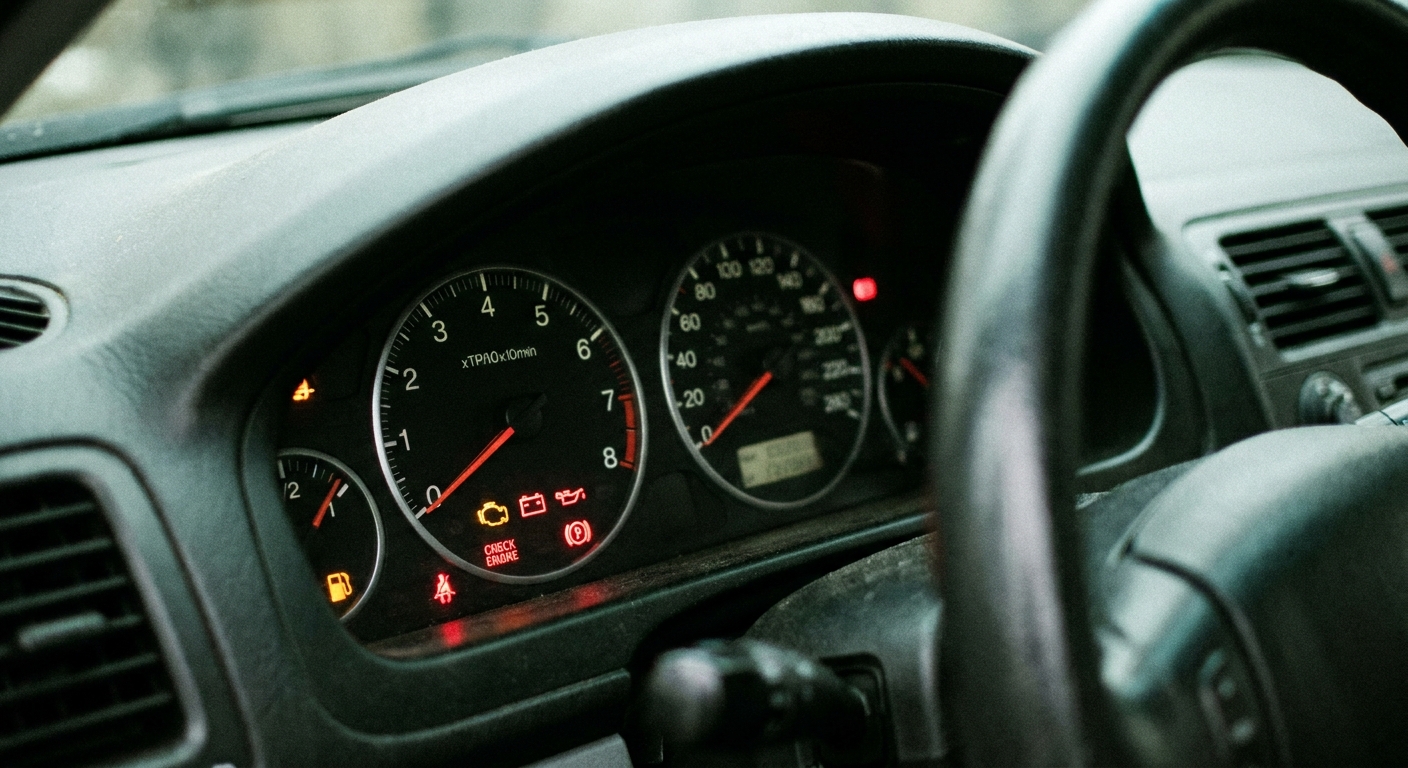
What the tach should do while cranking
On most vehicles, the tachometer does not need the engine to be running to show RPM. It only needs the engine to be rotating and a valid speed signal to make it to whatever drives the tach (ECU, cluster network message, or sometimes an ignition tach feed on older designs).
During a normal start, you’ll typically see the tach jump into the low hundreds of RPM while cranking. Depending on the engine and conditions, something like 80 to 250+ RPM is common. If you see that bump, it tells you something important: the system is detecting crankshaft rotation through whatever RPM source that vehicle uses.
Why the tach can stay at zero
There are a few common patterns that lead to a dead tach during cranking. Some are “no-spark, no-injector” problems. Others are “the engine is fine but the dash isn’t being told.” The trick is separating those quickly.
1) Missing crankshaft position (CKP) signal
This is the big one on many EFI cars. The crankshaft position sensor tells the ECU where the crank is and how fast it’s turning. If that signal is missing, many engines will crank all day with no spark and no injector pulse as a safety and timing requirement.
- Common causes: failed CKP sensor, damaged wiring near the crank pulley or bellhousing, sensor connector not seated, sensor hit by debris, incorrect air gap (on certain designs).
- How it usually feels: strong, normal-speed crank, but never even tries to catch.
- Typical extra clue: no RPM showing on a scan tool while cranking.
On many vehicles, the ECU is what drives the tach (directly or through the cluster), so when the ECU sees 0 RPM, the tach stays at 0 too.
2) Blown fuse or dead main relay (ECU power)
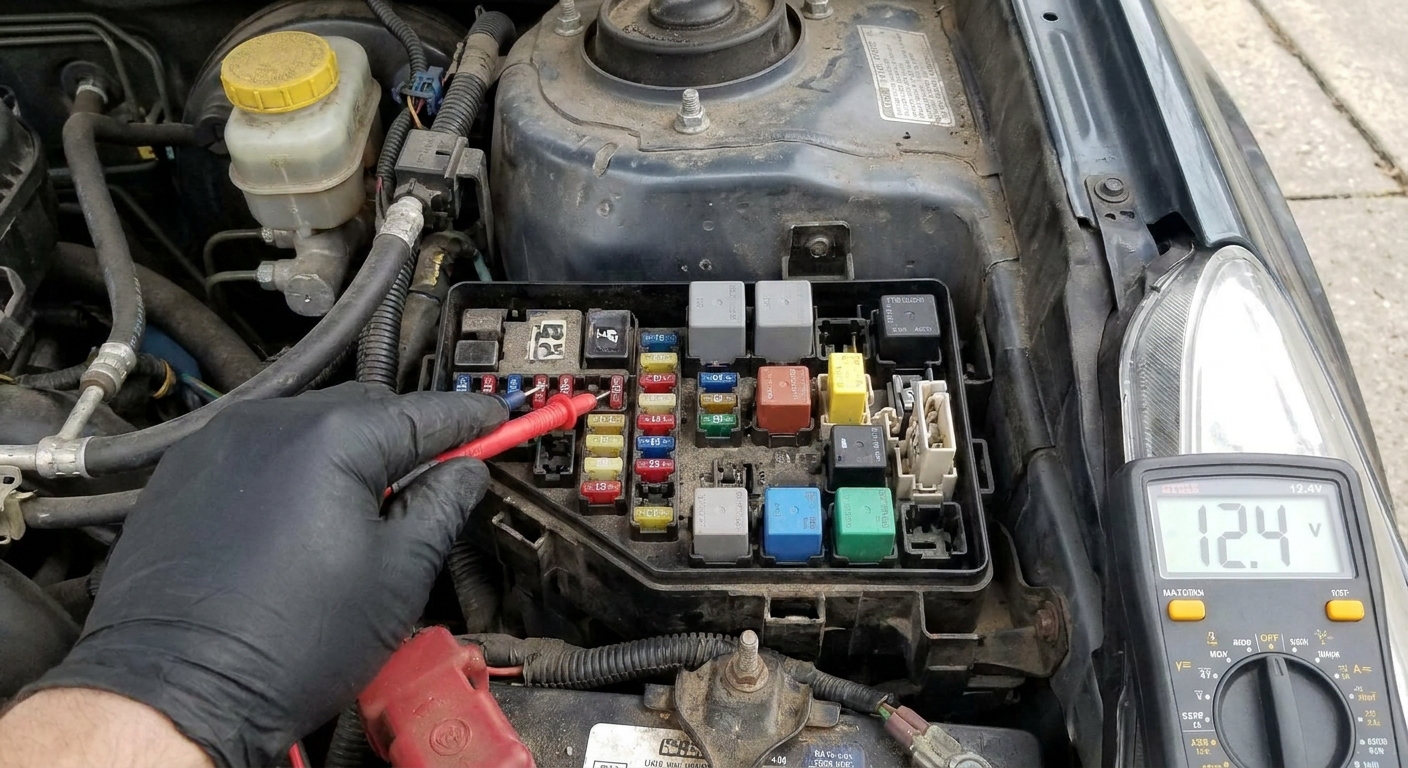
A blown fuse can knock out power to parts of the ignition system, the ECU’s sensor reference circuit, the coils, the injectors, or even the ECU itself. The starter can still crank because it’s on a different high-current circuit, so it’s easy to get fooled into thinking “everything has power.”
- Common fuses to check: ECM/PCM, IGN, INJ, COIL, EFI, ENG, or similar labels in the under-hood fuse box.
- Also check relays: ECM relay, EFI relay, main relay, or ignition relay. A bad relay can mimic a blown fuse with the same end result: ECU offline or missing sensor power.
- Why it can cause 0 tach: the ECU may be offline or unable to process RPM input, so it never outputs RPM to the cluster.
If you replace a fuse and it pops again immediately, stop there and look for the short. Repeated fuse replacement can turn a simple wiring fault into a bigger one.
3) The cluster is not receiving an RPM signal
On many modern cars, the tach is not wired directly to the crank sensor. The ECU calculates RPM and sends it to the instrument cluster over a network (often CAN). If that message never arrives, the tach can stay at zero even if the ECU is seeing RPM.
- Common causes: ECU not powered up, network communication issue, cluster failure, aftermarket remote start or alarm wiring problems, loose grounds.
- What makes this tricky: the engine can still have spark and injector pulse, but the tach stays dead because the dash is the weak link.
4) Tach signal source varies by vehicle
This is where people get tripped up. On some older vehicles, the tach is driven by ignition events (coil negative, igniter, or a dedicated tach output) rather than a CAN message. On those, a zero tach can point you toward an ignition module, coil driver, or tach circuit issue instead of the crank sensor. On newer vehicles, it is more often ECU and network message based. Platform matters.
5) Camshaft position (CMP) sensor issues on some engines
Usually, an engine can start with a failed cam sensor (it may just crank longer). But on certain designs, especially some distributorless setups and some European applications, a cam signal is more critical for start synchronization. A CMP failure can cause extended crank, misfires, or a no-start, and depending on how RPM is calculated and shared, the tach behavior can be odd.
Still, if I had to bet when the tach is dead during cranking, I’d start with CKP power, ground, signal, and ECU RPM data first.
How this differs from other no-starts
The tach clue matters because it helps you avoid chasing the wrong problem.
Normal-speed crank with spark present
If the engine cranks normally and you confirm you have strong spark, the ECU is usually seeing some kind of crank signal. In many vehicles the tach will flicker off zero during cranking, but not always. Remember, the dash tach is a display of an RPM signal path, not a direct sensor reading.
A tach that moves during cranking does not guarantee the crank sensor is perfect, but it does suggest the system is receiving a usable speed input somewhere.
Slow cranking
If the starter is dragging and the engine is barely rolling over, the tach may not move much or at all simply because cranking RPM is too low and the signal quality is poor. That is a different problem than “no RPM signal.” Slow crank points you toward:
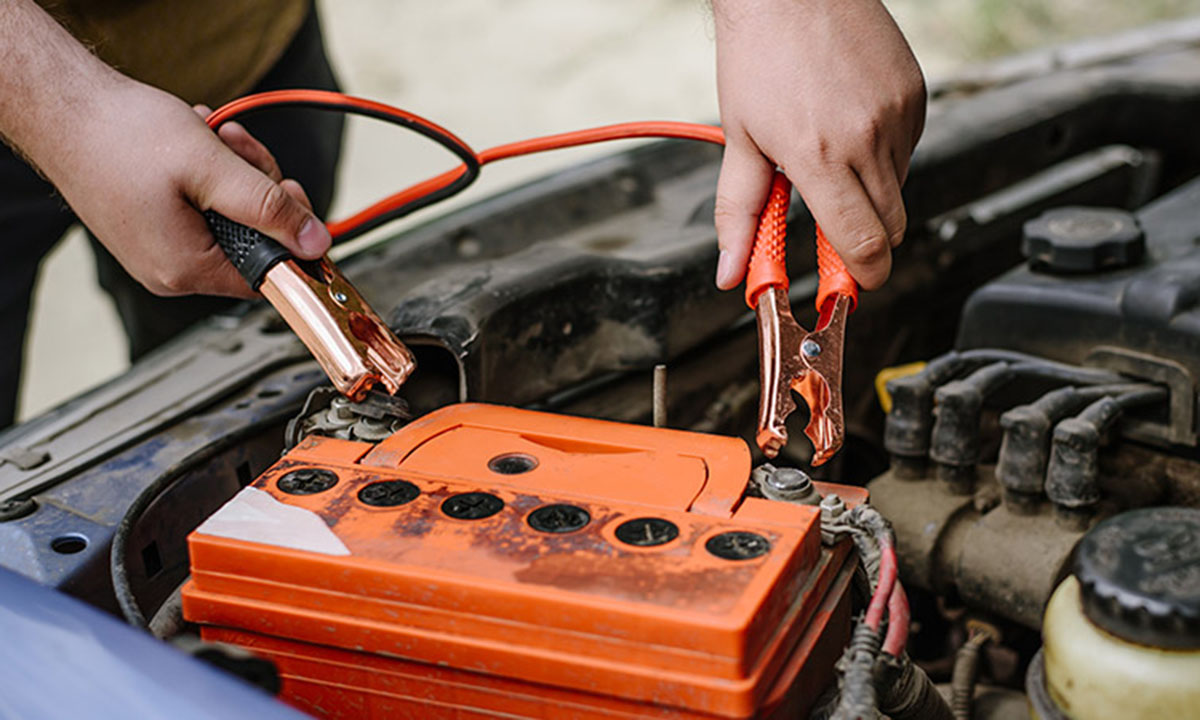
- weak battery or bad battery connections
- high resistance in ground or positive cables
- failing starter
- engine oil too thick for temperature
Starter only clicks
If you only get a click and the engine is not actually being spun by the starter, the tach staying at zero is meaningless. The crankshaft is not rotating, so there is no RPM to report. That situation points toward battery state of charge, terminal corrosion, starter relay or solenoid, or a seized starter or engine.
Quick checks in the driveway
You do not need a full lab of tools to get value out of the tach-at-zero clue. Here’s the order I like because it gives fast answers without making the problem worse.
1) Confirm it is actually cranking normally
- Does the engine sound like it is rotating at a steady speed?
- Do the headlights dim severely or does cranking slow down after a second?
If it sounds strong and steady, move on.
2) Check battery voltage during cranking
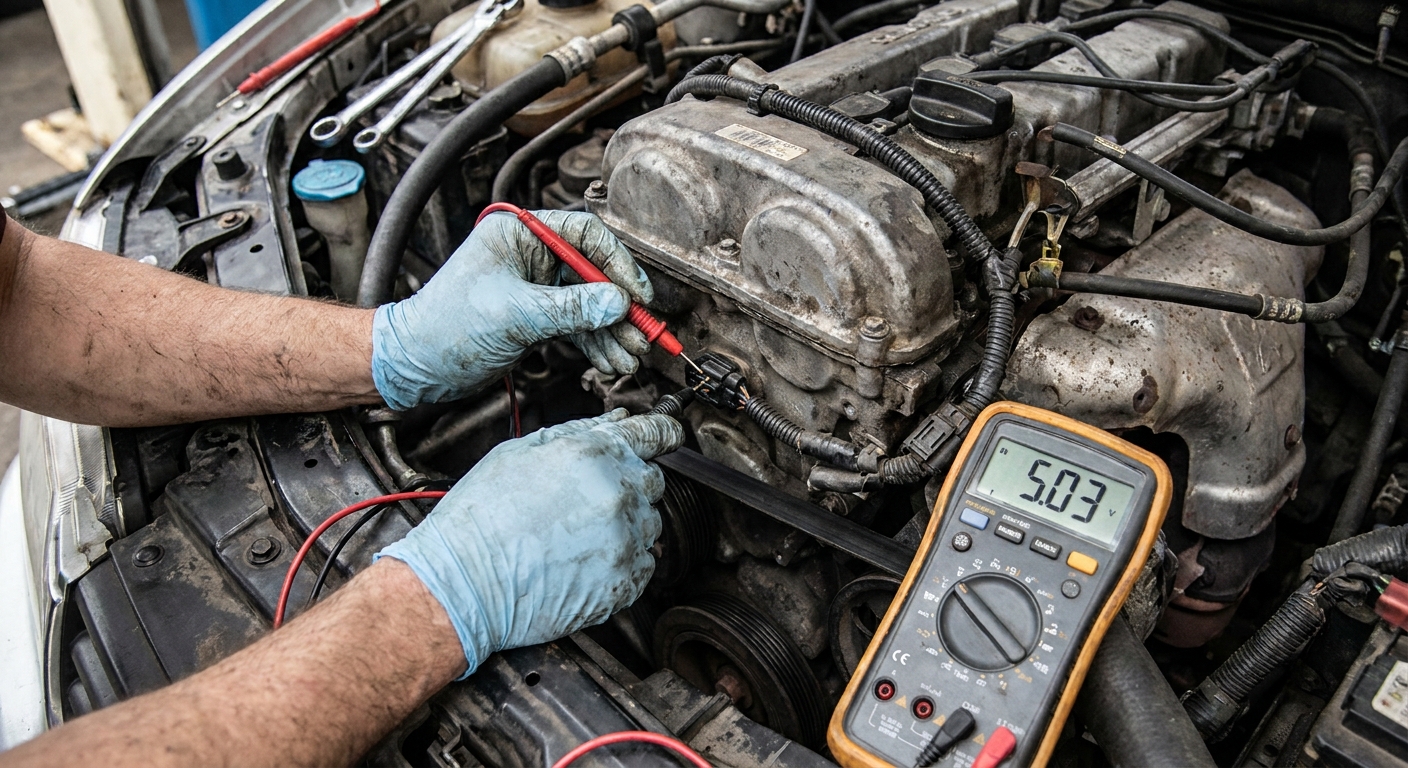
If you have a multimeter, watch battery voltage while someone cranks.
- If voltage stays healthy: you can trust module behavior and scan data more.
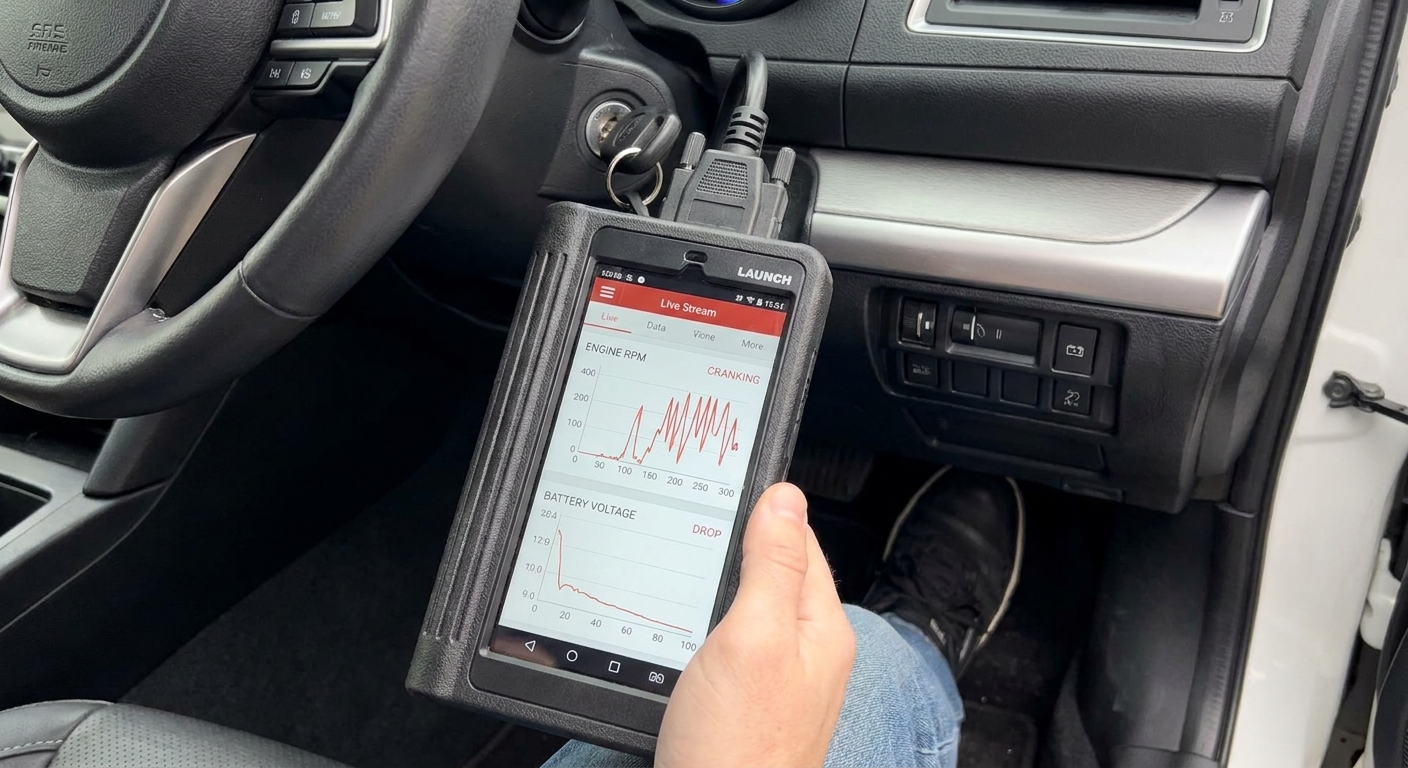
- If voltage drops very low: modules can brown out or reboot. The starter might still turn, but the ECU or cluster may go offline and show 0 RPM, no communication, or nonsense data. That pushes you back toward battery, cables, and grounds.
3) Watch RPM on a scan tool while cranking
A basic OBD2 scanner that can show live data is perfect here. Look for Engine RPM (or “RPM”) while someone cranks.
- If scan tool RPM stays at 0: suspect crank sensor signal, crank sensor power or ground, a dead sensor reference, ECU power or ground, or an ECU that is not staying online.
- If scan tool RPM shows cranking RPM but the dash tach stays at 0: suspect cluster issues, a network or communication problem, the ECU-to-cluster RPM message path, or simply a design where the tach is driven differently than you expect.
One nuance: some scan tools show a calculated or filtered RPM PID that can lag or behave differently than what the cluster receives. Treat scan tool RPM as a strong clue, not a final verdict.
4) Check the right fuses and relays
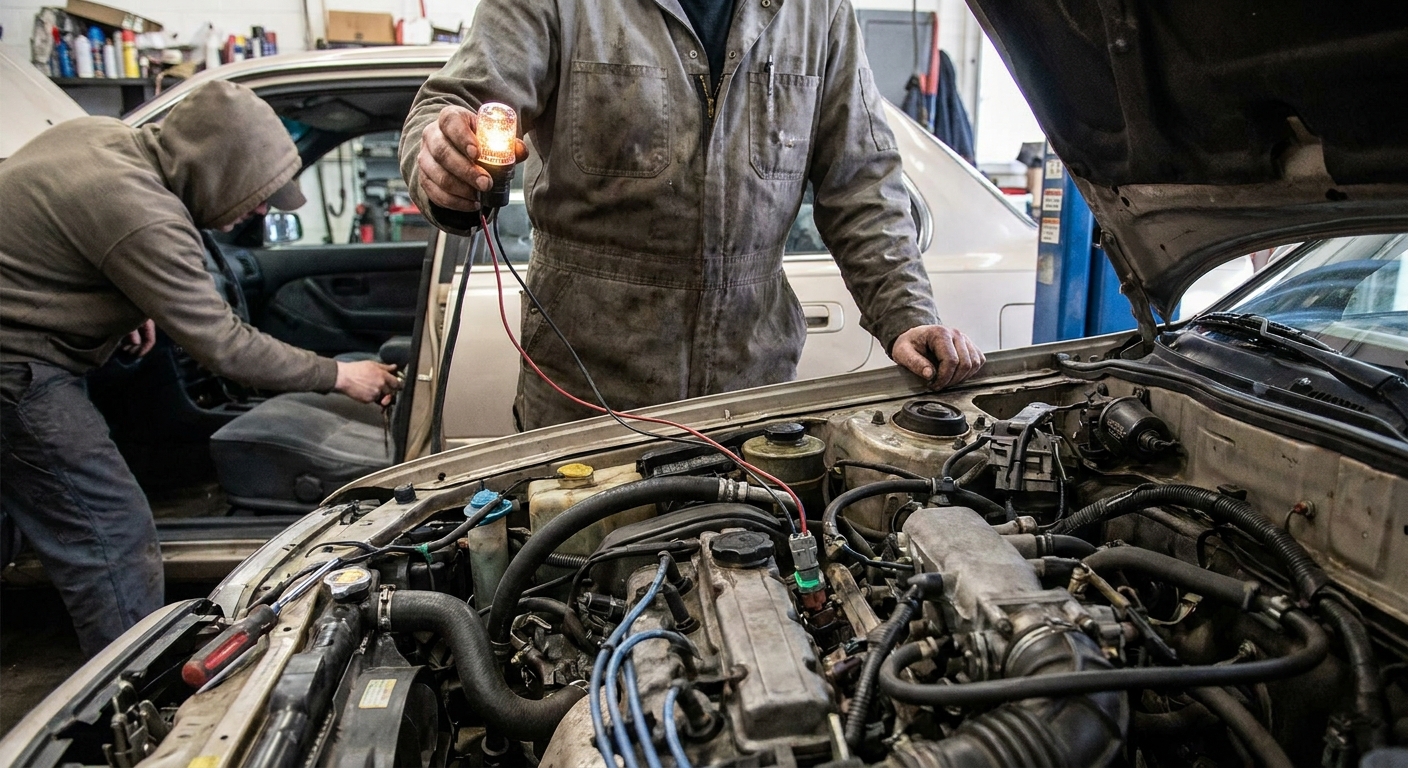
Pull the fuse box cover and look for anything labeled ECU/ECM/PCM, IGN, EFI, INJ, COIL. Use a test light or multimeter if you have one. Visual checks miss hairline breaks.
If you find a blown ignition or ECU fuse, that is not a “replace and forget” moment. Ask why it blew. Recent engine work, a mouse-chewed harness, or a shorted coil are common stories.
5) Do a spark check (carefully)
If the tach is stuck at zero and you also have no spark, that lines up well with the “ECU is not seeing crank signal” theory on many systems. If you have spark, then you may be dealing with a dash communication issue, a fuel problem, or a setup where the tach signal source is separate from what is needed for spark.
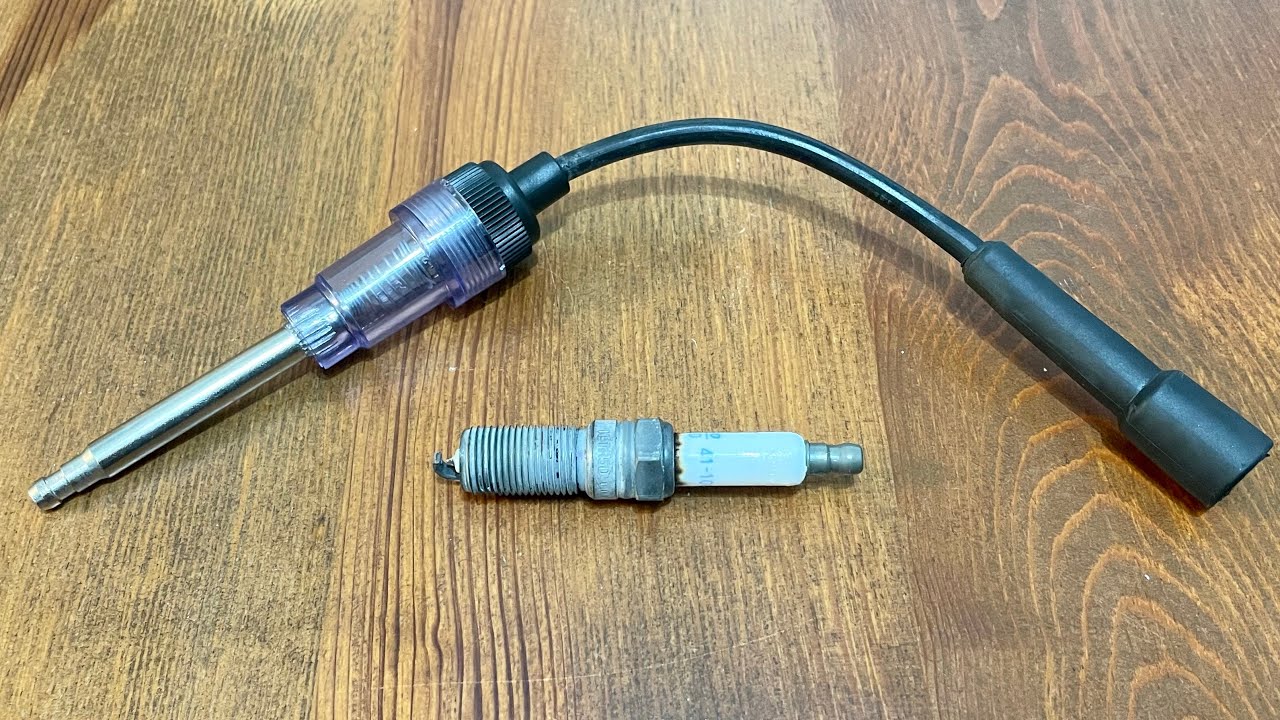
- Use a proper spark tester if possible.
- Avoid holding a plug wire with your hand. Modern ignition systems can bite hard.
6) Inspect crank sensor wiring where it fails most
Crank sensor harnesses live in rough neighborhoods. Look for rubbing near the crank pulley, oil saturation, broken clips, or a connector that is half-latched. If the sensor sits near the transmission bellhousing, check for damaged wiring from road debris.
Symptoms that pair with 0 RPM
- No spark and no injector pulse (common on many EFI strategies)
- No RPM signal on scan tool
- Sudden stall while driving, then a crank-no-start with a dead tach
- Intermittent no-start that becomes permanent as a sensor fails
- No fuel pump prime on some designs where the ECU will not command prime under certain missing-input conditions (this varies widely by manufacturer)
That stall-then-no-start pattern is classic crank sensor failure on a lot of vehicles I saw in independent shops.
When it may not be the crank sensor
A zero tach is suggestive, not a conviction. A few situations can mimic it:
- Vehicle design: some cars do not drive the tach during cranking, or the tach may move only slightly. Always compare to how the car behaved when it was healthy if you can.
- Tach source differences: on older ignition-driven tachs, a dead tach can be pointing at an igniter, coil driver, or tach circuit rather than CKP.
- Cluster problems: if scan data shows RPM while the tach stays dead, your engine speed signal exists. The problem is downstream.
- Low voltage during crank: if voltage drops far enough, modules can brown out. The starter may still turn, but the ECU or cluster may reboot or drop offline.
Should you keep cranking?
If the engine is cranking strong but the tach never budges, I recommend limiting crank attempts. Repeated long cranks can overheat the starter and flood the cylinders on some setups.
- Crank for 5 to 10 seconds max per attempt.
- Wait 30 to 60 seconds between attempts.
- If you smell fuel strongly, stop and diagnose rather than continuing.
FAQ
Can a bad crank sensor still show RPM sometimes?
Yes. A crank sensor can fail intermittently with heat, vibration, or internal cracking. You might see the tach flicker once in a while, or the car might start when cold and die hot. That is why checking live RPM data during the actual no-start is so useful.
If my tach stays at zero, does that mean I have no spark?
Often on many modern EFI engines, but not always. Many ECUs will not trigger spark without a valid crank signal, so a dead tach and no spark commonly go together. But if scan data shows RPM and you have spark, the issue may be cluster communication or fuel delivery, or a tach signal path problem.
Could this be the immobilizer?
An immobilizer issue can cause a crank-no-start, but it usually does not make the ECU lose RPM input. Many immobilizer problems still show RPM during cranking. Look for a security light behavior change, key recognition issues, or relevant codes.
What codes might show up?
You may see codes related to crank or cam sensors (often P0335 family for CKP), engine speed input, or ECU communication. Not every failed sensor sets a code immediately during cranking, especially if the ECU never sees a signal to begin with.
The takeaway
A tachometer that stays at zero while the starter is clearly spinning the engine is one of the cleanest clues in no-start diagnostics. Most of the time it points you toward a missing crankshaft position signal, a power supply issue like a blown fuse or failed main relay, or a cluster that is not receiving the RPM message.
If you want the fastest next step, grab a scan tool and see whether the ECU shows RPM during cranking, and if possible watch battery voltage at the same time. Those two checks usually tell you whether to head toward sensors and wiring, or toward power, cluster, and communication.