The most common reason your car smells musty the moment you turn the A/C on is simple: water is sitting somewhere it should not, and the dark, cool HVAC box becomes a perfect little mildew farm. The part that surprises people is that the air can still be ice cold and still smell like a damp basement.
Back when I was turning wrenches full time, I saw this constantly on cars that were otherwise “fine.” No warning lights, no weak cooling, just that first blast of funky air when the blower kicks on. The good news is most musty A/C smells come from a short list of causes, and you can work through them in a safe order without tearing your dash apart.
What that musty smell is
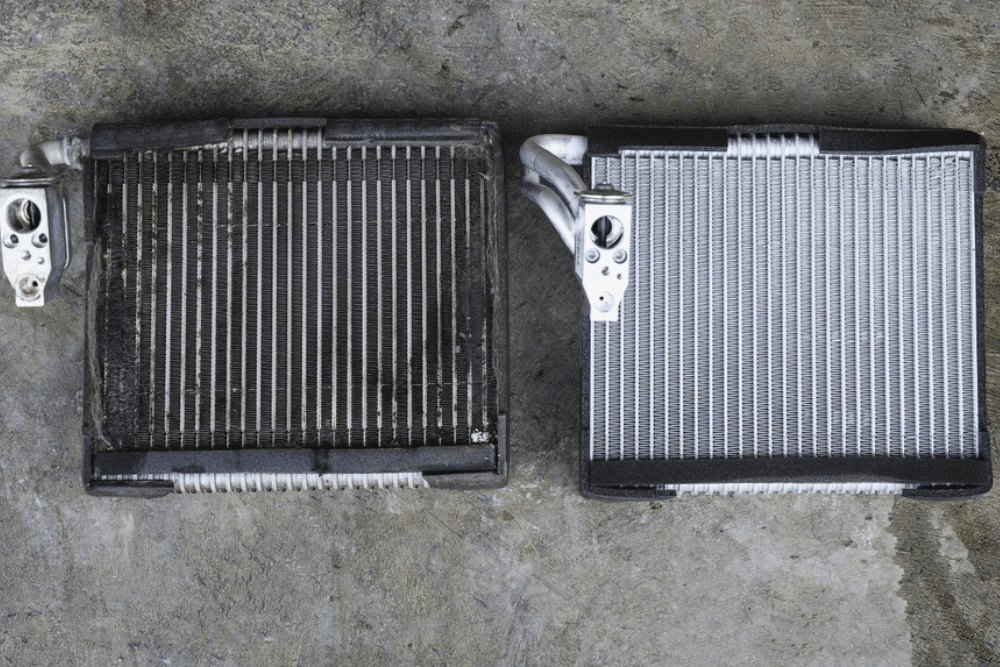
That “mildew” or “wet socks” odor is usually microbial growth (mold) feeding on moisture and the light film of dust and organic debris that naturally makes it past your vents. The evaporator is the prime suspect because it is literally designed to pull humidity out of the air. When the system shuts off, that condensation can sit and stink.
You will often notice it most:
- Right at startup, then it fades after a minute or two
- After humid weather or rainy days
- After short trips where the A/C never got a chance to fully dry out
- Even when the air is cold, because odor and cooling performance are separate issues
Top 3 causes
1) A damp evaporator core (usual suspect)
Your evaporator core sits inside the HVAC case behind the dash. When A/C is running, the evaporator gets cold, moisture condenses on it, and that water is supposed to drip into a tray and out a drain tube under the car.
Two things make evaporators stink:
- They stay wet too long after shutdown
- They collect gunk that holds moisture and gives mold something to grow on
If the smell is strongest for the first 10 to 30 seconds and then improves, that is classic evaporator funk.
2) A clogged A/C drain (water stuck in the case)
If the drain tube clogs with debris, algae, or sludge, the HVAC case can stay wet all the time. That turns a quick “startup smell” into a persistent musty odor and can lead to bigger symptoms:
- Wet passenger-side carpet or damp padding (sometimes hidden under mats)
- Foggy windows that keep coming back
- Sloshing sound in turns as water shifts inside the HVAC case
- No puddle under the car after running A/C on a humid day (not foolproof, but a clue)
A blocked drain is one of those issues you want to catch early, because standing water can damage insulation, encourage mold, and in some cars can even threaten electronic modules located low in the cabin.
3) A cabin air filter holding moisture and odor
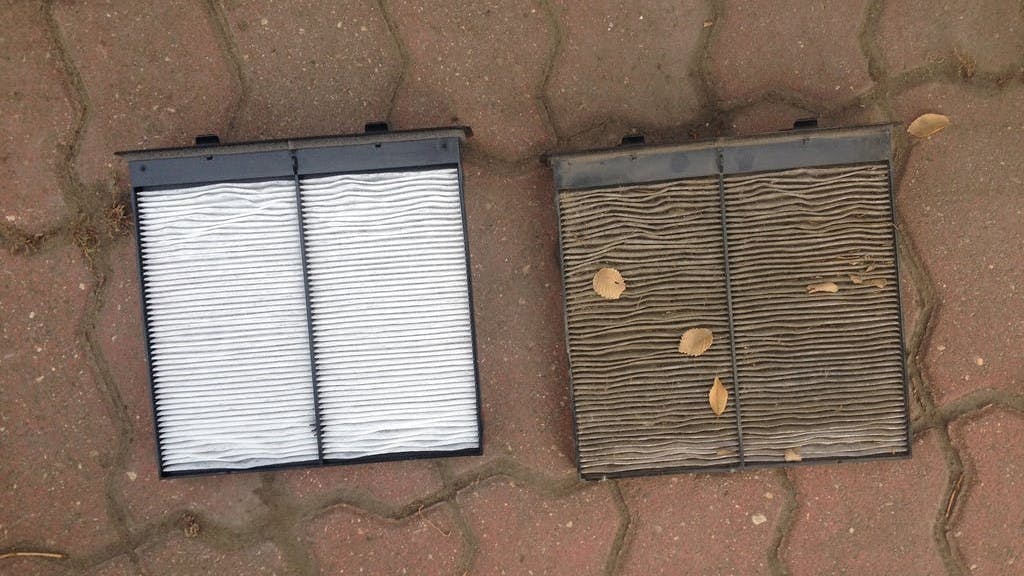
Your cabin air filter can act like a sponge. If it is loaded with dust, leaves, and pollen, it can hold humidity and start to smell. Sometimes the odor is strongest with fresh or recirculated air because the airflow is passing right through that contaminated filter.
A filter problem is especially likely if:
- You park under trees and the cowl area collects leaves
- You have not changed the cabin filter in a long time
- You smell it with heat as well as A/C
- The blower airflow seems weaker than it used to be
Other causes to keep in mind
If you work through the basics and the smell still does not add up, a few less-common issues can mimic “A/C mildew”:
- Blocked cowl or plenum drains that let rainwater pool near the cabin filter intake, soaking the filter or ducting.
- Water leaks unrelated to A/C (sunroof drains, door seals, windshield leaks) that leave carpet or insulation damp. When the fan runs, it can pull that musty odor into the cabin.
- Deteriorating foam or insulation in older HVAC ducting that holds odor and moisture.
If you find wet carpet or standing water anywhere in the cabin, address that first. Otherwise you will keep chasing smells that just come back.
A safe fix order
If you want the best shot at fixing the smell without creating new problems, here is the order I recommend. It starts with low-risk, high-payoff steps and only escalates when the evidence points that way.
Step 1: Make sure it is HVAC related
Before you chase the A/C, do a quick sniff test:
- Does it happen with A/C off but blower on? That can still be a damp evaporator from last use, but it also points toward the cabin filter, ducting, or a general interior moisture issue.
- Does it happen only with A/C on? Stronger suspicion on the evaporator and drain system.
- Does it smell sweet instead of musty? That can be coolant from a heater core leak, which is a different repair.
- Does it smell like exhaust or fuel? Stop and address that as a safety issue before worrying about mustiness.
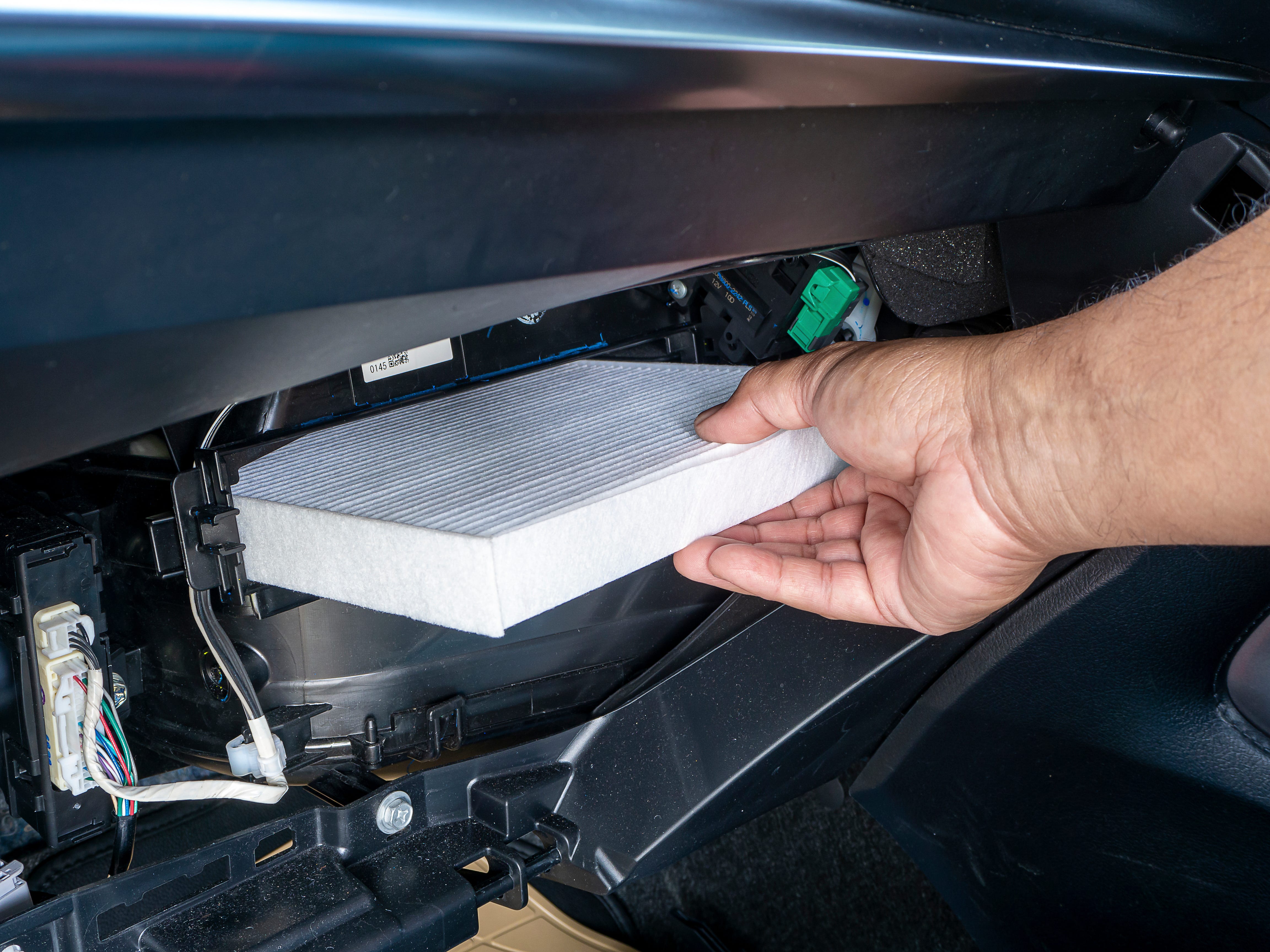
Step 2: Replace the cabin air filter
This is cheap, quick, and it removes one of the easiest odor sources. Even if it is not the root cause, a fresh filter helps keep any evaporator cleaning you do later from getting re-contaminated.
Tips that actually matter:
- Install it in the correct airflow direction (look for the arrow on the frame).
- If your car supports it and you are sensitive to smells, a charcoal-activated cabin filter can help with odor control.
- Vacuum out leaves and debris in the filter slot and cowl intake area if you can access it.
Step 3: Check that the A/C drain is draining
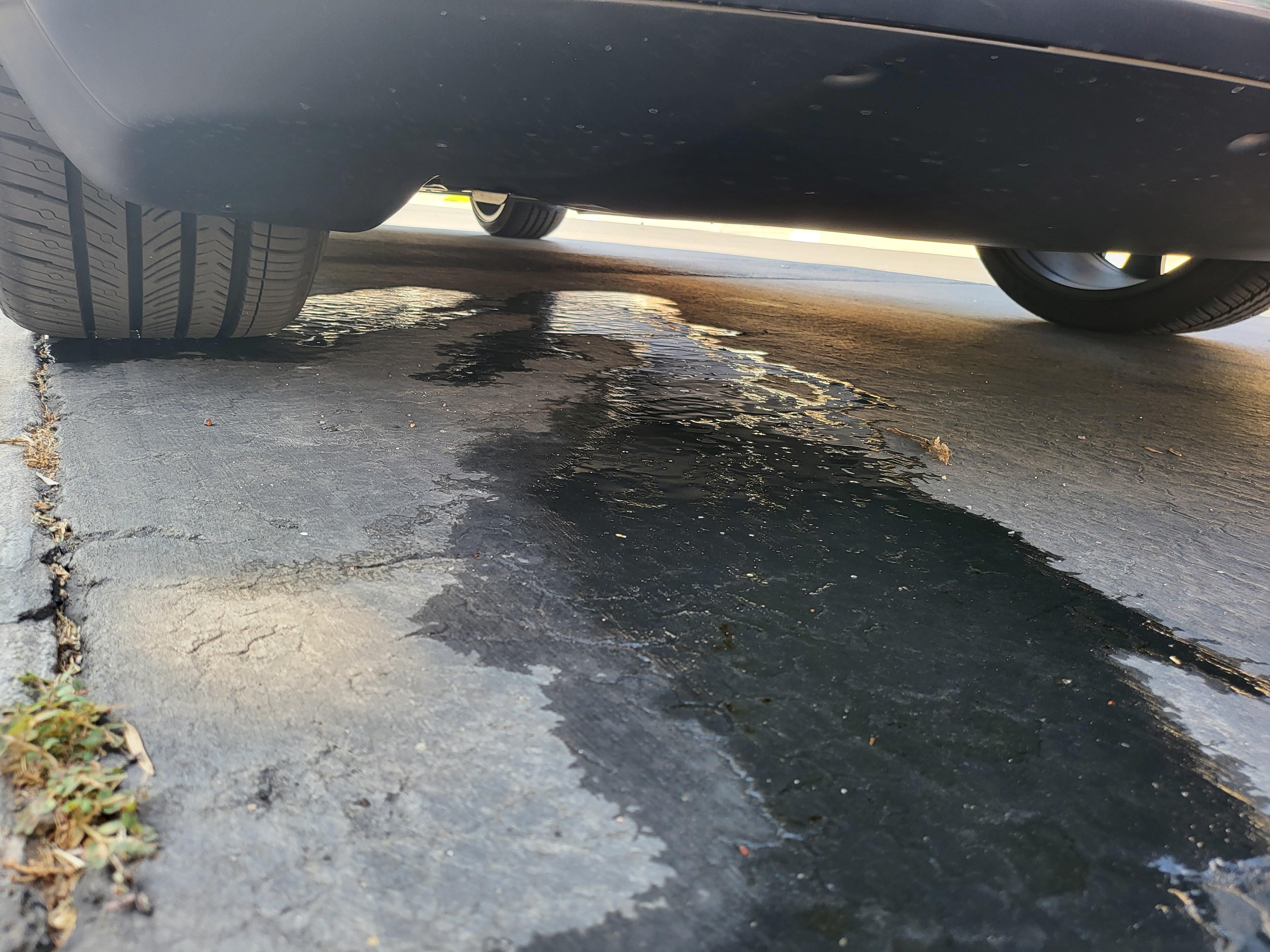
Run the A/C on a warm, humid day for 10 to 15 minutes, then park and look underneath near the passenger-side firewall area. Many cars will leave a noticeable drip or small puddle.
If you suspect a clog:
- Do not ram a coat hanger up the drain. You can puncture the drain tube or damage the evaporator tray.
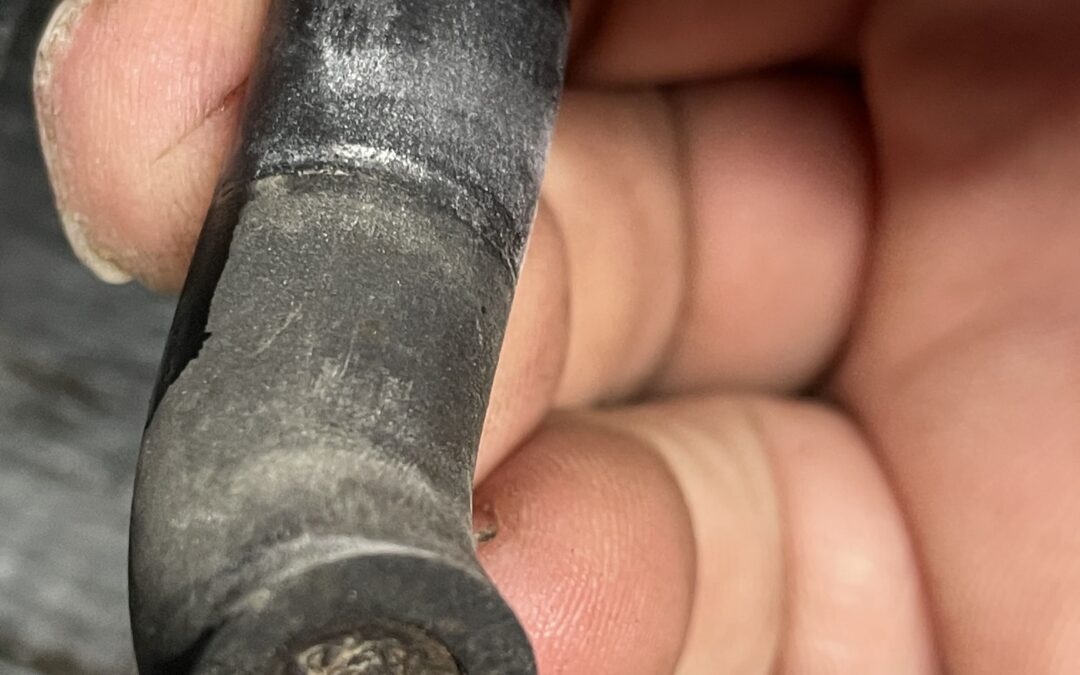
- Look for the rubber drain elbow or tube and gently squeeze it to see if it releases sludge.
- If you have access to low-pressure compressed air, use very gentle pressure, preferably from the outlet side. Too much pressure can blow the drain tube off inside the dash or aerosolize dirty water into the cabin.
If carpet is wet, you cannot find the drain outlet, or you suspect the case is already holding water, it is often faster and safer to have a shop clear it. They can confirm the tube is attached and the drain pan is doing what it is supposed to do.
Clean the evaporator
If the cabin filter is new and the drain is working but the smell returns, the evaporator likely has biofilm on it. The goal is to clean the evaporator and the inside of the HVAC case without soaking electronics or leaving chemical residue.
Use the right cleaner
Look for an automotive product labeled specifically for evaporator or HVAC box cleaning, often a foaming cleaner with a small tube. The foam is designed to expand, contact surfaces, then liquefy and drain out the evaporator drain.
General safety notes:
- Follow the product directions and ventilate the cabin.
- Do not mix cleaners (especially anything involving bleach or ammonia).
- Avoid spraying random household disinfectants into vents. Many are not meant for HVAC plastics, and some leave sticky residue that attracts more dirt.
- If you have significant mold sensitivity or asthma, consider having a shop handle the chemical step, especially if you already have moisture issues inside the cabin.
Where to apply it
On many vehicles, the best access is:
- Through the blower motor opening (after removing the blower), or
- Through the cabin filter opening if the filter slot feeds directly toward the evaporator (varies by model)
The blower-motor method tends to work better because you can aim the tube deeper into the case and get more even coverage. If you are not comfortable removing the blower motor, stop at the filter and drain steps and consider a shop for the evaporator cleaning.
A dry-out habit that helps
This old shop trick still works on a lot of vehicles: run the fan for the last minute or two of your drive with A/C off. Some drivers also switch from recirc to fresh air near the end to help dry the box.
One caveat: on some cars, certain modes (especially defrost and defog) can command the compressor on automatically. If you are trying to dry things out, make sure your settings actually allow the compressor to disengage.
When to call a shop
Most musty A/C smells are fixable without opening the HVAC case. But there are times when the only real fix is deeper service, and that is not a weekend job on most cars.
Plan on professional help if:
- The odor returns quickly even after a proper evaporator foam cleaning
- Water is leaking into the cabin and a simple drain clear does not fix it
- You hear water sloshing in the dash area
- The blower motor or resistor keeps failing (sometimes due to moisture damage)
- There is visible mold on ducting you can see, suggesting a bigger contamination problem
- You already have soaked carpet near low-mounted electronics and you do not know how long it has been wet
“Opening the housing” can mean removing parts of the dash to split the HVAC case, properly clean or replace the evaporator core, replace foam seals, and confirm the drain pan and drain tube are intact. It is labor-heavy, but it is also the way to truly reset a badly contaminated system.
Quick FAQ
Why does it smell musty even when the air is cold?
Because cooling performance depends on refrigerant flow and heat exchange, while odor depends on what is growing in the HVAC box. A perfectly cold evaporator can still be coated in a thin layer of mold.
Is a musty A/C smell dangerous?
Usually it is more unpleasant than dangerous, but it can aggravate allergies or asthma. If you see heavy mold growth, have persistent respiratory irritation, or find standing water in the cabin, take it seriously and get it addressed.
Can I just spray deodorizer into the vents?
Vent deodorizers can mask smell temporarily, but they rarely remove the root cause. The evaporator core and drain system are where the odor typically originates.
How often should I change my cabin air filter?
A good rule is once a year or every 12,000 to 15,000 miles, sooner if you drive in dusty areas or park under trees. If you notice reduced airflow or odor, it is worth checking early.
The simple plan
If you want the short version I would give a friend at cars and coffee, it is this:
- Replace the cabin air filter and clean any leaf debris around the intake.
- Confirm the drain is working and address any wet carpet immediately.
- Clean the evaporator with a proper HVAC foam cleaner if the smell persists.
- Go to a shop if water is pooling, the smell comes back fast, or you suspect heavy contamination inside the HVAC case.
Handle it in that order and you will fix the majority of musty A/C complaints without guesswork or unnecessary parts.