I still remember the first time I fired up the A/C on my old 280Z after a long break and saw a little puddle under the car. My first thought was the same as yours: “Great, what’s leaking now?” In a lot of cases, that drip is completely normal. It is just water pulled out of the air by your A/C system.
The trick is knowing what a normal A/C condensate puddle looks like, where it should land, and what signs mean you might be looking at coolant, refrigerant oil, or something else that deserves attention.
Why A/C water dripping happens
Your car’s air conditioning does more than cool the cabin. It also dehumidifies.
When warm, humid air passes over the cold A/C evaporator (inside the HVAC box behind the dashboard), moisture in that air condenses into liquid water. That water collects in a tray and exits the car through an evaporator drain tube, dripping harmlessly to the ground.
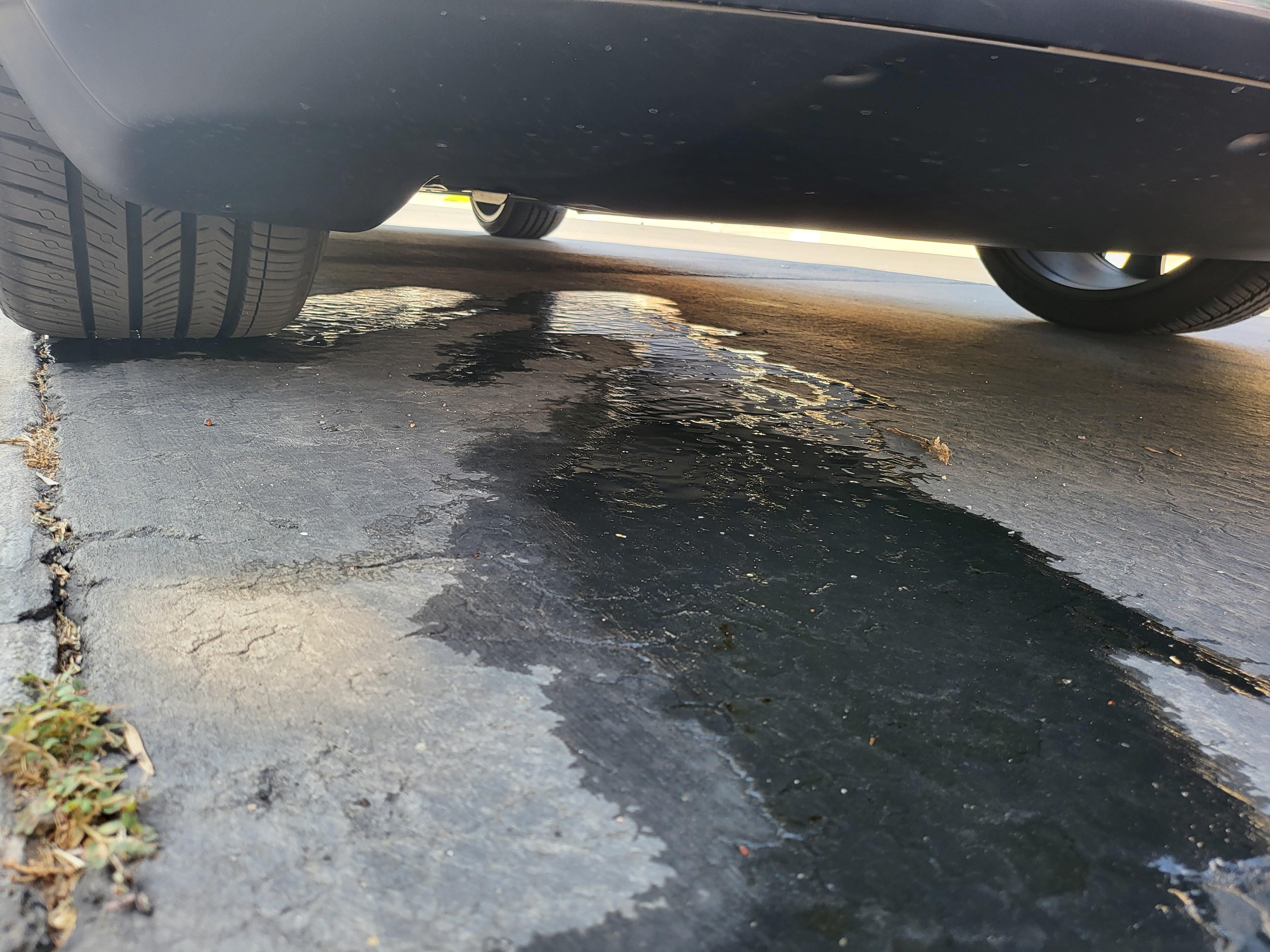
On a humid day, it can be surprisingly dramatic. I have seen perfectly healthy systems leave a puddle that looks like a small pet had an accident under the car. Normal.
What “normal” A/C condensation looks like
If the A/C was running recently and you see a puddle under the car, here’s what typically points to normal condensate:
- Clear and watery (looks like plain water)
- No strong smell (maybe a faint “wet” smell, but nothing sweet or chemical)
- Not oily (it should not feel slick between your fingers)
- Drips for a short time after parking, then stops
- Location is consistent, often near the passenger-side firewall area (but it varies by model)
Quick driveway test: Put a clean white paper towel under the drip for a few seconds. Normal A/C water leaves little to no residue and dries without color.
Where the puddle should be
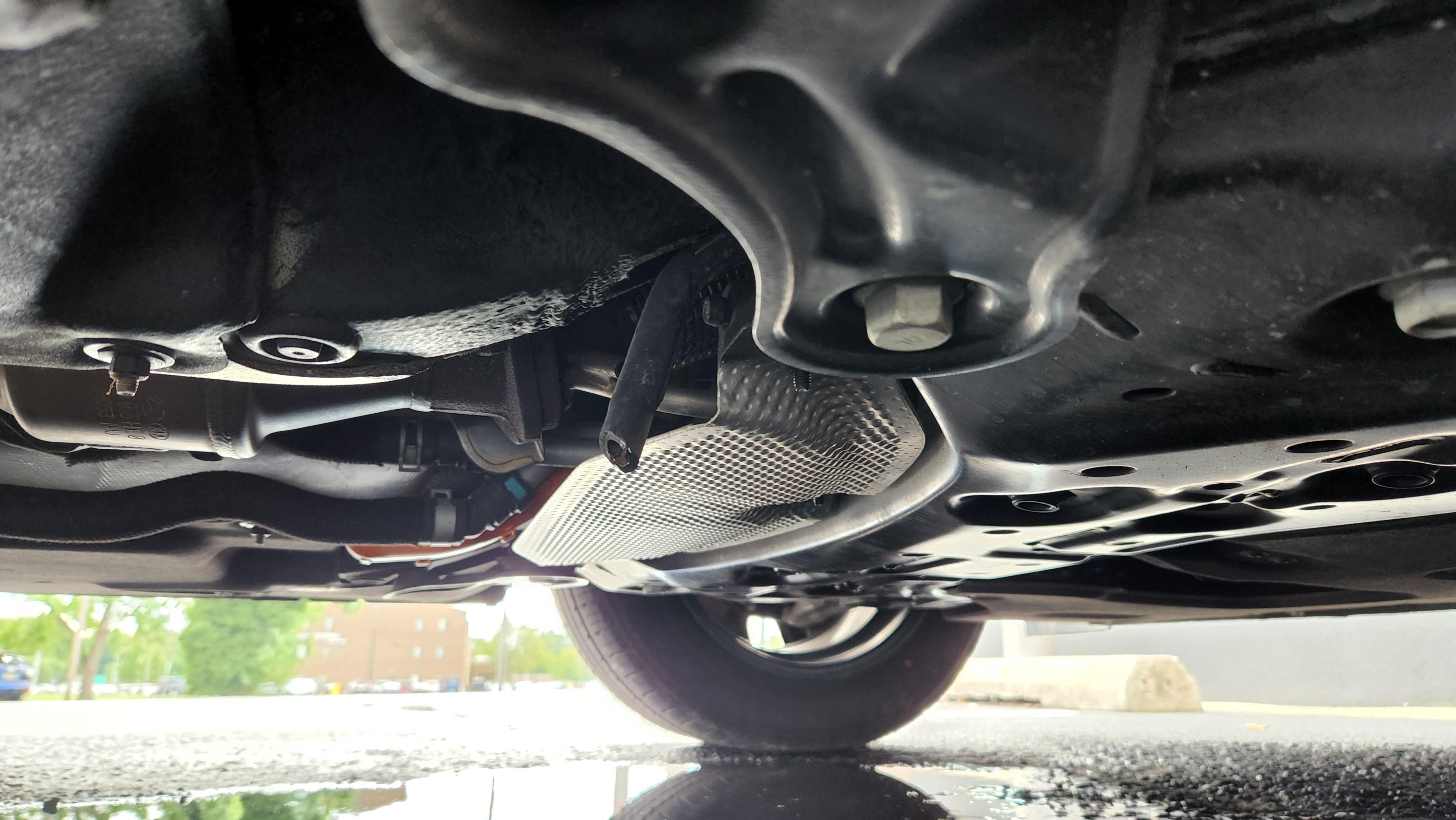
Many vehicles drain A/C condensation near the firewall (the divider between the engine bay and the cabin). On left-hand-drive vehicles, it is often on the passenger side, but some drain closer to the centerline and a few route differently. So use the location as a clue, not a final verdict.
Common puddle spots include:
- Just behind the front wheels, slightly to one side
- Near the middle of the car, under the dash area
- Sometimes it looks like it is coming from “nowhere” because the drain outlet is tucked above splash shields
If the drip is front-center under the radiator area, or all the way at the rear, that does not automatically mean “bad,” but it does mean you should verify what fluid you are seeing.
When a drip is not normal
If what’s dripping is anything other than clear, mostly odorless water, slow down and investigate. Here are the big red flags.
Sweet smell or colored liquid: possible coolant
Engine coolant (antifreeze) often has a sweet odor. It can be green, orange, pink, blue, or yellow depending on the type.
- Texture: slightly slippery
- Where it shows up: often toward the front of the car, under the radiator area, or under hoses near the engine
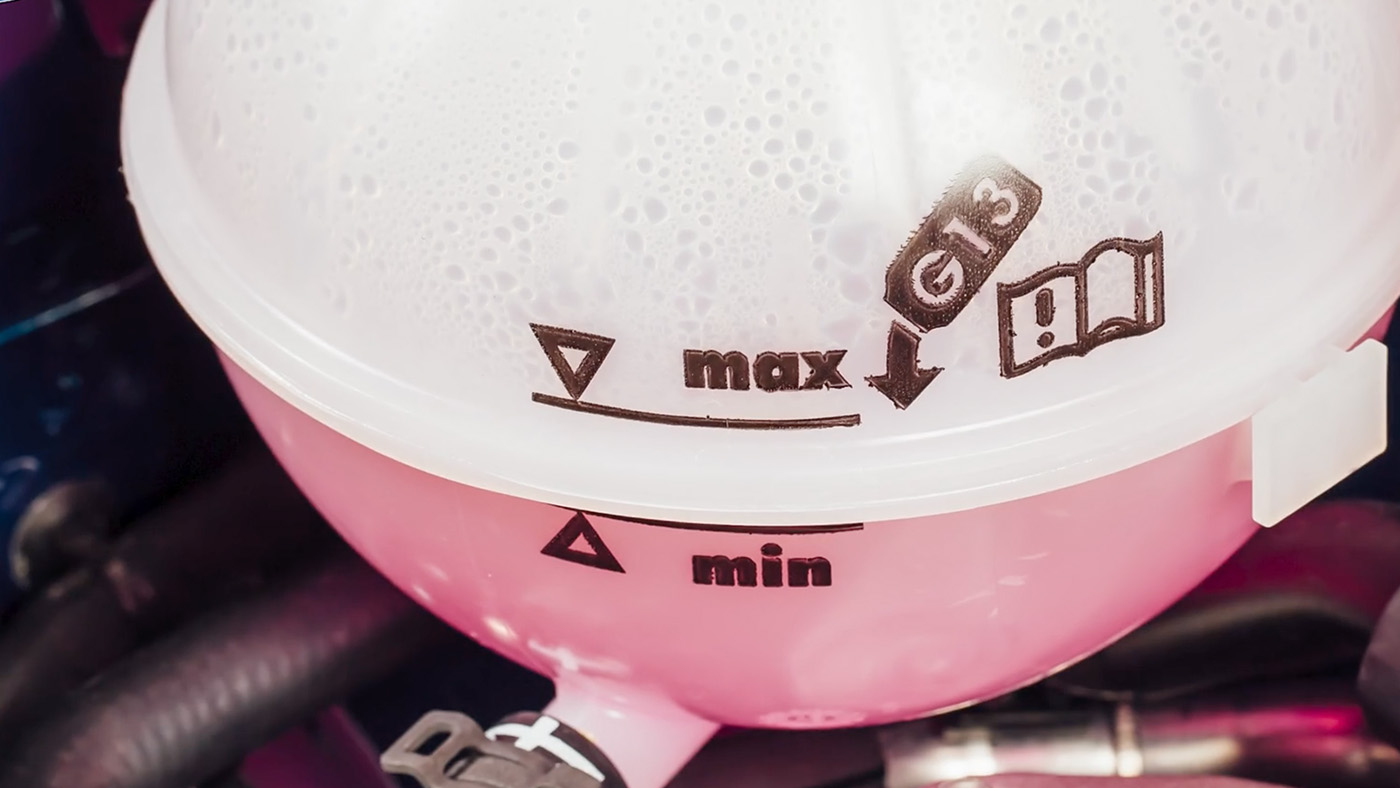
- What to check first: coolant level in the overflow bottle (only when the engine is cool). Do not open a hot radiator cap.
If your puddle is colored or smells sweet, treat it like a real leak until proven otherwise. Coolant leaks can turn into overheating problems fast.
Oily feel or greasy spots: possible refrigerant oil or engine oil
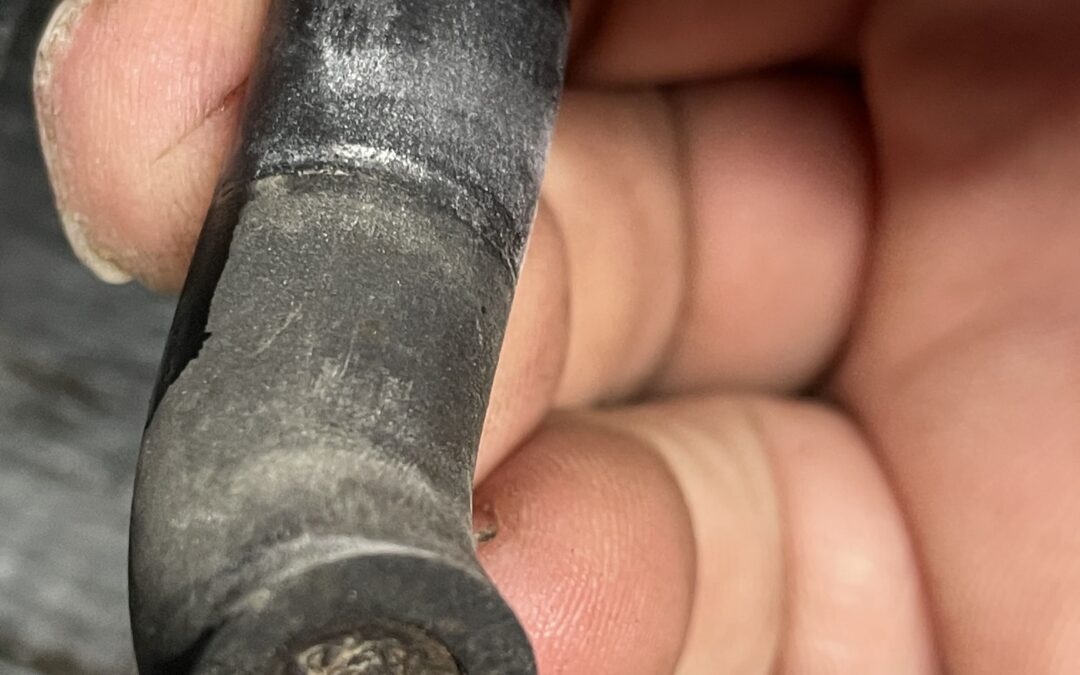
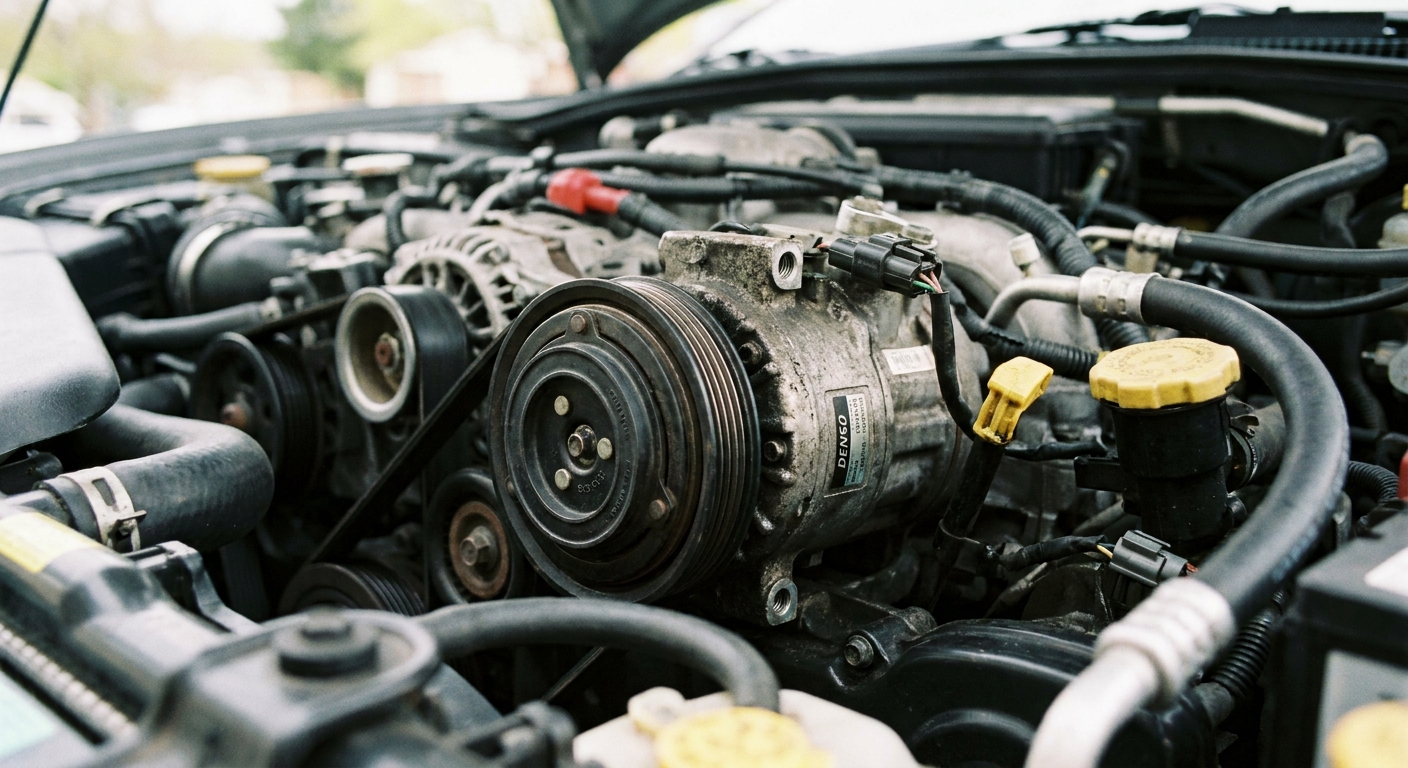
A/C refrigerant is under pressure and circulates as a liquid and vapor mix inside the system, but the practical point is this: you typically will not see a clear “refrigerant puddle” on the ground. What you can see is refrigerant oil seeping out with a leak and leaving a greasy, oily residue around fittings, hoses, or the A/C compressor.
- Texture: slick, oily
- Color: clear to amber, sometimes dark if it collects dirt
- Where to check first: around the A/C compressor, hose connections, and condenser (front of the car)
If the drip looks oily, you can also be dealing with engine oil, power steering fluid (on older hydraulic systems), or transmission fluid. Those are usually not near the evaporator drain, but airflow and splash patterns can fool you.
Fuel smell: treat it as urgent
If you smell gasoline or diesel and it is strong or persistent, or you see visible dripping, stop treating this like a harmless puddle. Fuel leaks are a safety issue. Do not start the car. Get it inspected or towed.
Other clear drips to consider
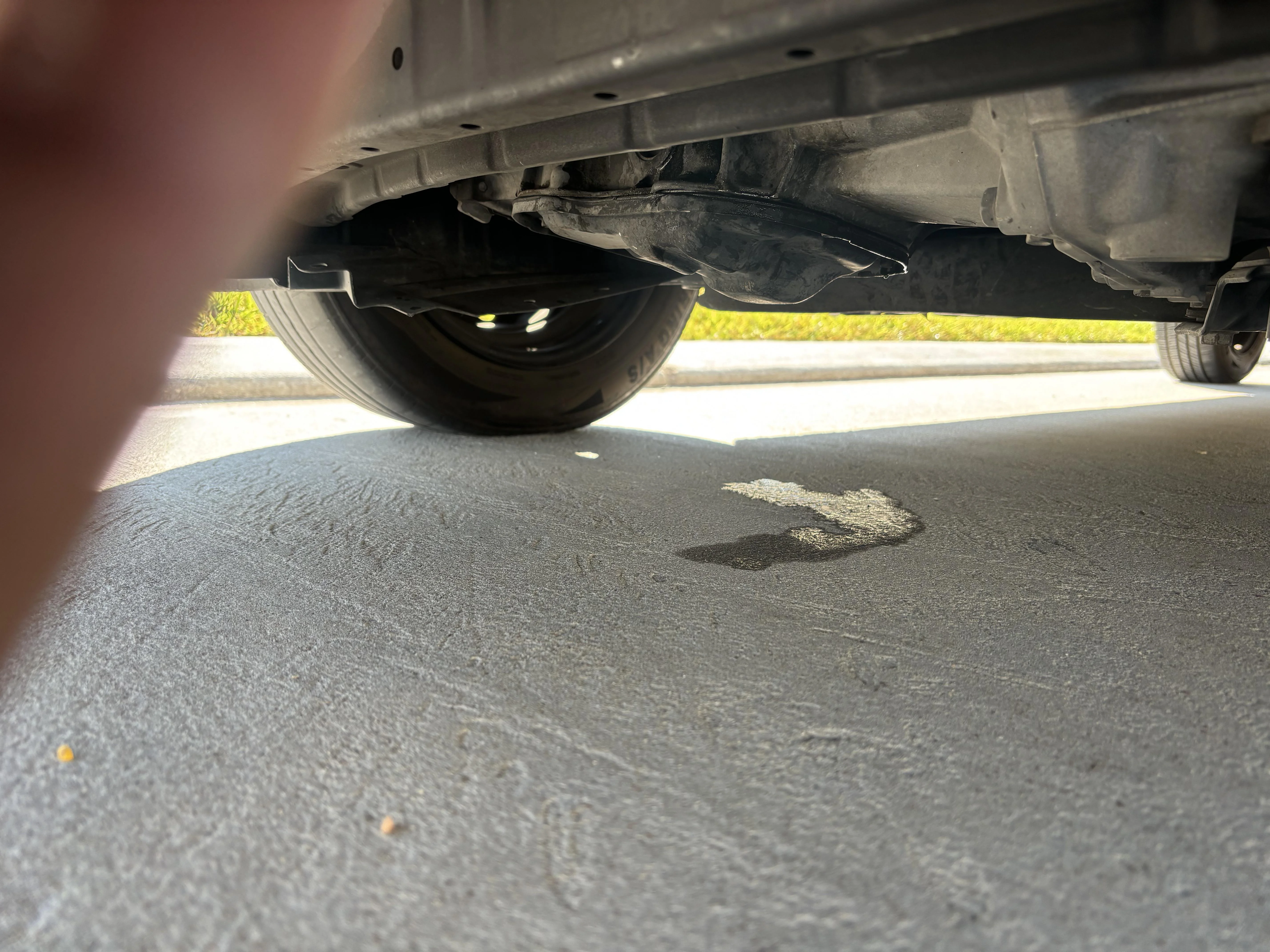
Not every clear puddle is from the A/C. A few other common ones can look similar at first glance:
- Tailpipe condensation: On cool starts, it is normal for water to drip from the exhaust, usually near the rear of the car.
- Windshield washer fluid: It can be clear or blue and often smells like alcohol or cleaner. Leaks may show up near a front wheel or under the washer reservoir.
- Rainwater drains: Sunroof drains, cowl drains, and door drains can dump water after a storm or car wash. That puddle tends to show up even if you never touched the A/C.
Quick checks before you assume the worst
If the puddle has you worried, these checks can help you quickly separate “normal A/C water” from “I need to schedule a repair.”
1) Confirm the A/C or defrost ran recently
Condensation usually shows up after you have had the A/C on for at least 10 to 15 minutes, especially on humid days. Also note that many cars run the A/C compressor automatically in defrost or defog modes, even if the A/C button is off. So if you used defrost recently, an A/C-style puddle can still be normal.
2) Find the drip point, not just the puddle
Puddles spread. Use a flashlight and follow the wet trail upward. Normal A/C water drips from a small drain outlet near the firewall area, often above a splash shield.
3) Check the coolant reservoir level (engine cold)
With the engine cool, look at the coolant overflow bottle and note the level. If it is consistently dropping week to week and you see a puddle, that is a strong hint you have a coolant leak.
4) Look for dried residue
Coolant often leaves a crusty or chalky residue once it dries. Plain water does not.
5) Watch for “passenger floor is wet” symptoms
This one surprises people. If the A/C drain is clogged, water can back up and soak the passenger-side carpet instead of dripping outside.
- Foggy windows that keep coming back
- Musty smell from the vents
- Damp passenger floor mat
If you are seeing those signs, the dripping might be minimal outside because the water is going inside.
If the A/C drain is clogged
If you suspect the drain is blocked, keep it simple and gentle. I have learned the hard way that “more force” is not always your friend here.
- Look for the drain outlet under the car near the firewall area and check for obvious debris or mud buildup around it.
- Avoid high-pressure air shoved up into the drain. It can pop a hose loose or damage the HVAC case seals, which can make the mess worse.
- If the carpet is wet or you cannot locate the drain outlet easily, it is worth having a shop clear it properly.
How much A/C water is normal?
It depends on humidity, fan speed, and how hard the system is working. In hot, humid weather, a healthy system can drip steadily and leave a puddle the size of a dinner plate after a drive.
In dry climates, you might barely notice anything.
Also, many cars will “dump” a little more water right after you park, because water that was clinging to surfaces inside the HVAC box finally runs down and out.
FAQ
Is A/C water supposed to be under the passenger side?
Often, yes, especially on left-hand-drive vehicles. But drain routing varies by model, and some vehicles drip closer to the center or even the driver side. The more reliable clue is that it only happens after A/C or defrost use, and the liquid is clear and not oily.
Can refrigerant leak out as a puddle?
Not in the way water does. Refrigerant circulates under pressure, and leaks more commonly show up as weak cooling and sometimes an oily residue at the leak point, not a clear puddle on the ground.
Why is there water under my car even when the A/C is off?
If it truly is water, it could be leftover condensate finishing its way out after you turned the car off. Also, if you used defrost or defog mode, your car may have run the A/C compressor automatically. If it continues long after, shows up after rain, or appears when you have not used A/C or defrost at all, verify it is not coolant or another fluid.
What if the puddle is clear but feels slightly slippery?
Water alone will not feel oily. A slightly slippery feel can point to coolant, washer fluid, or oil contamination. Use the white paper towel test, note any smell, and check your fluid levels to narrow it down.
When to get it checked
Condensation is normal. But I recommend an inspection soon if you notice any of the following:
- Drip is colored, sweet-smelling, or oily
- Your coolant level is dropping
- The engine temperature runs hotter than normal
- The passenger carpet is wet or you smell mildew when using the A/C
- The A/C performance suddenly changes and you see oily residue near A/C components
If you are ever in doubt, slide a clean piece of cardboard under the car when you park. It will show you exactly where the drip lands and what color it is. That little trick has saved me hours of guessing in my own driveway.