The first time I ran into this symptom in the shop, the customer described it perfectly: “It runs fine until I push the clutch in, then it just quits like I turned the key off.” That detail matters because a manual car that won’t crank unless the clutch is pressed is a different issue entirely. Here, we’re talking about an engine that’s already running and stalls when the clutch pedal goes down.
Most of the time, the stall happens for one of three reasons:
- The engine can’t catch idle when the load changes and RPM drops.
- Something about the clutch pedal movement is triggering an electrical cut or confusing the ECU (rare, but real on some setups and swaps).
- The clutch is not fully disengaging or something near the pedal is disturbed, which can add load at low RPM or introduce a vacuum leak in nearby plumbing.
What should happen when you press the clutch
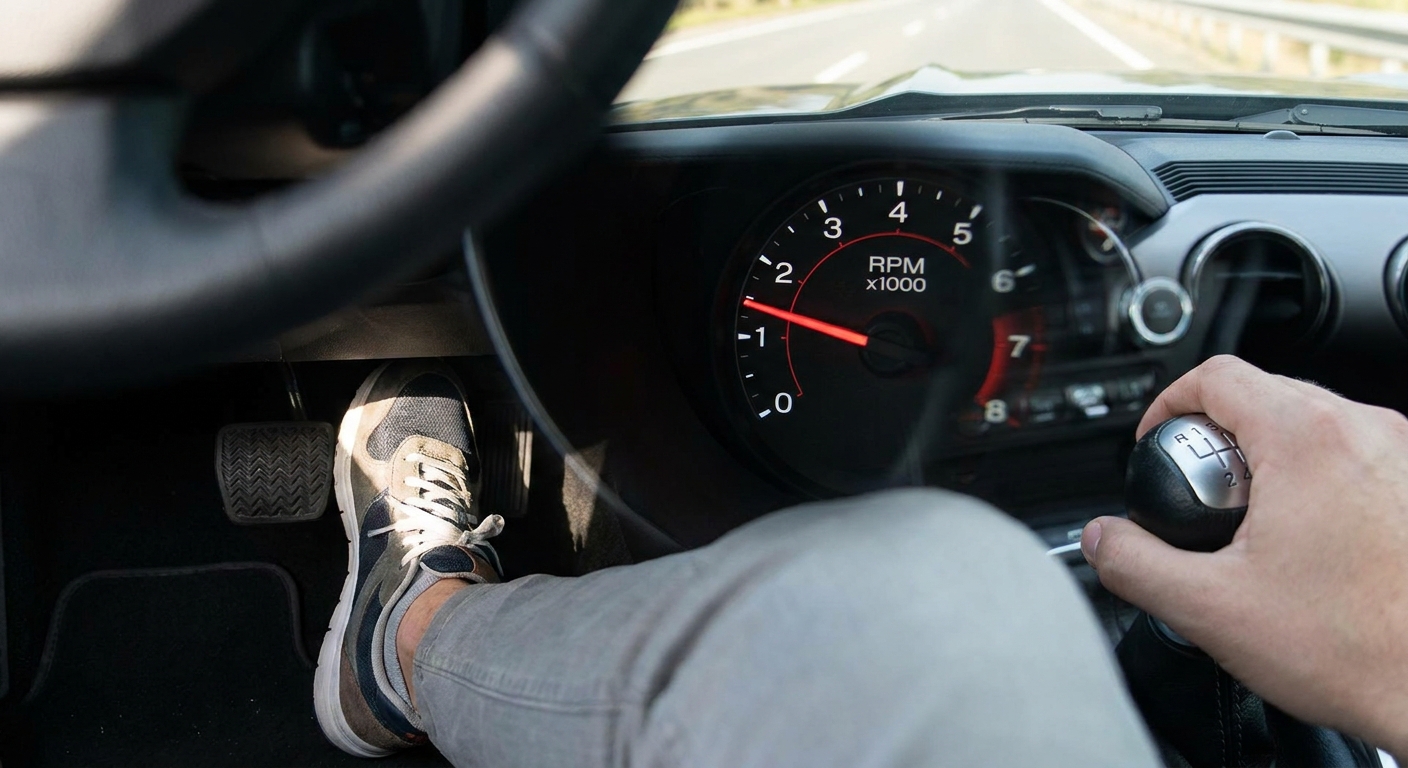
When you press the clutch, you’re disconnecting the engine from the transmission. If you’re cruising and then push the clutch in, engine RPM will quickly fall back to idle. The engine computer (or the idle circuit on older cars) should catch that drop and maintain a stable idle speed.
If the idle control system is weak, dirty, miscalibrated, or fighting an air leak, RPM can dip too far and the engine stalls.
Quick safety check before diagnosing
If your engine dies when you depress the clutch, do these basics first:
- Test in a safe place. A flat driveway or empty parking lot beats an intersection.
- Note the pattern. Only when cold? Only when coming to a stop? Only when you push the pedal all the way to the floor?
- Scan for codes if you can. Even a basic OBD2 reader can point you toward idle control, throttle body, MAF, misfire, or vacuum related issues.
If the stall is accompanied by a burning smell, grinding noises, or the clutch pedal suddenly feels wrong (goes soft, sticks, sinks, or the engagement point suddenly changes), skip the testing and inspect the clutch system right away.
Most common cause: idle drop the engine cannot catch
This is the big one. The clutch pedal isn’t directly killing the engine. It’s just the moment your RPM falls fast, and the engine can’t stabilize.
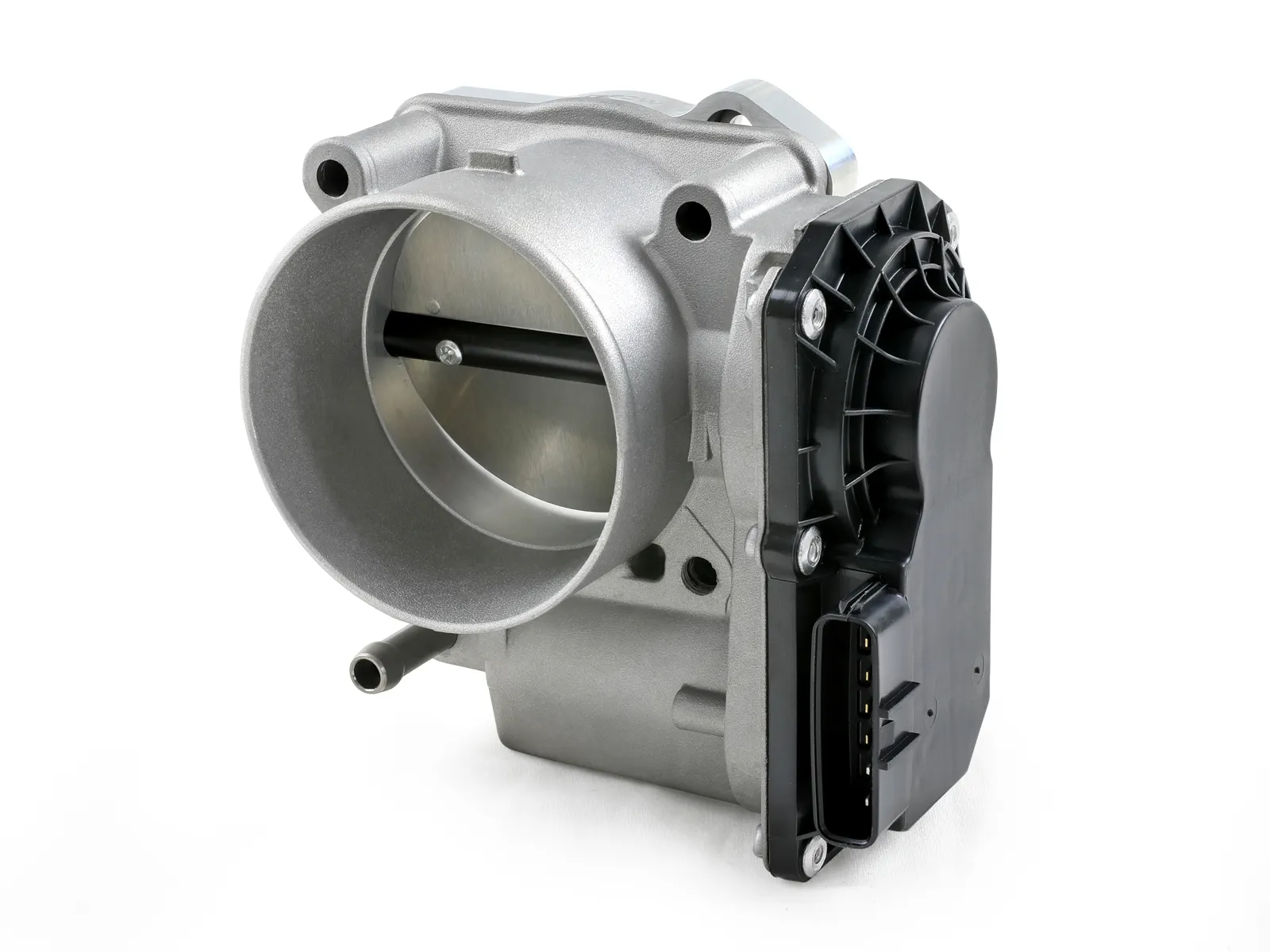
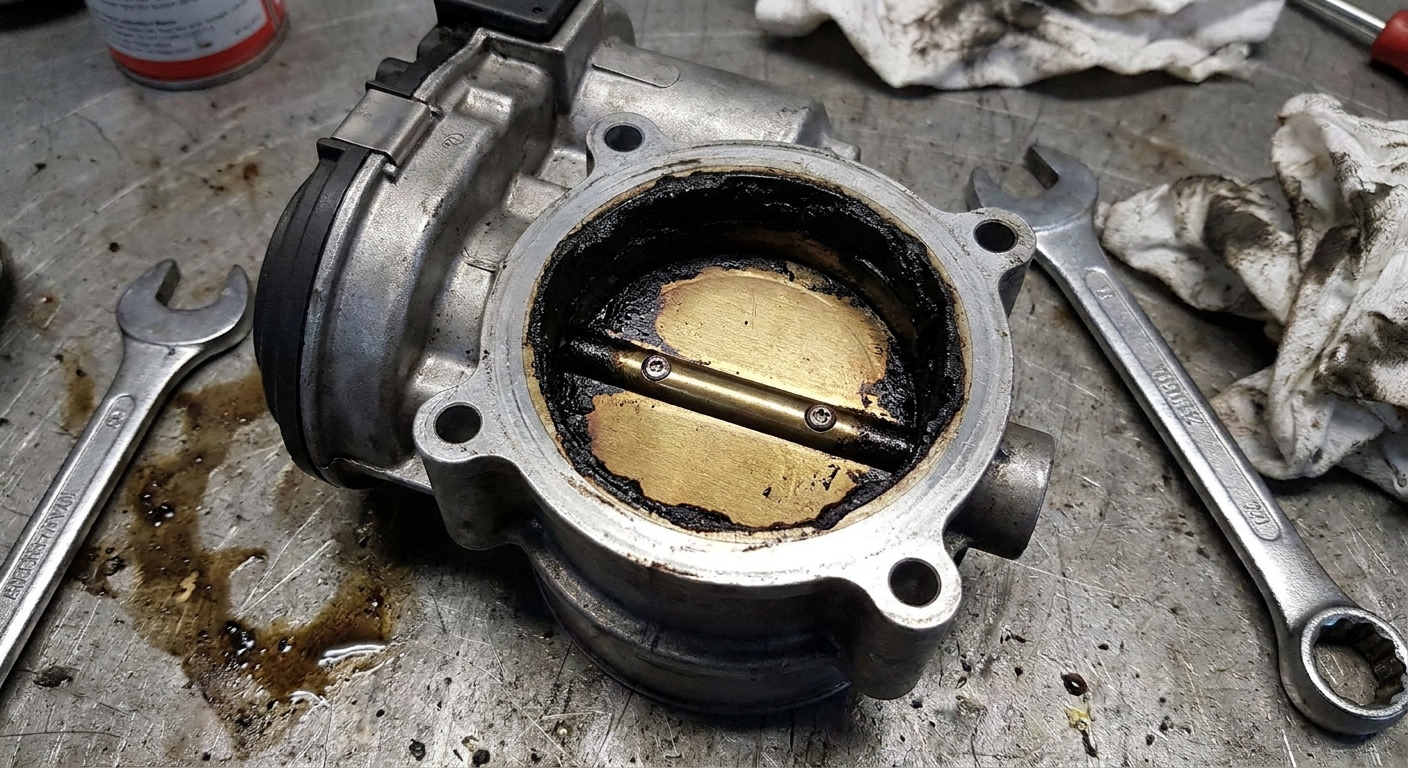
1) Dirty throttle body (drive-by-wire or cable)
Carbon buildup at the throttle plate can reduce airflow at idle. When RPM drops quickly, there is not enough bypass air to keep the engine running.
- Clues: Rough idle, low idle, stalling when coming to a stop, stalling when you blip the throttle and let off.
- DIY check: Inspect the throttle body throat for heavy black deposits. Clean with throttle body cleaner and a lint-free cloth (key off, follow your vehicle’s procedure).
Quick caution: On some drive-by-wire throttles, aggressive cleaning or forcing the throttle plate can cause problems, including a rough idle afterward until the ECU relearns. Use the correct cleaner, do not pry on the plate, and if your vehicle calls for an idle relearn procedure after cleaning or battery disconnect, follow it.
2) Idle air control valve issues (older vehicles)
If your car uses an IAC valve (common on many older fuel-injected engines), it’s responsible for controlling idle airflow. When it sticks or gets gummed up, the engine stalls as RPM drops.
- Clues: Idle hunts up and down, stalls when clutching in, sometimes restarts and idles fine for a moment.
- DIY check: Look for IAC related codes. Cleaning can help, but some units simply wear out and need replacement.
3) Vacuum leak that shows up at idle
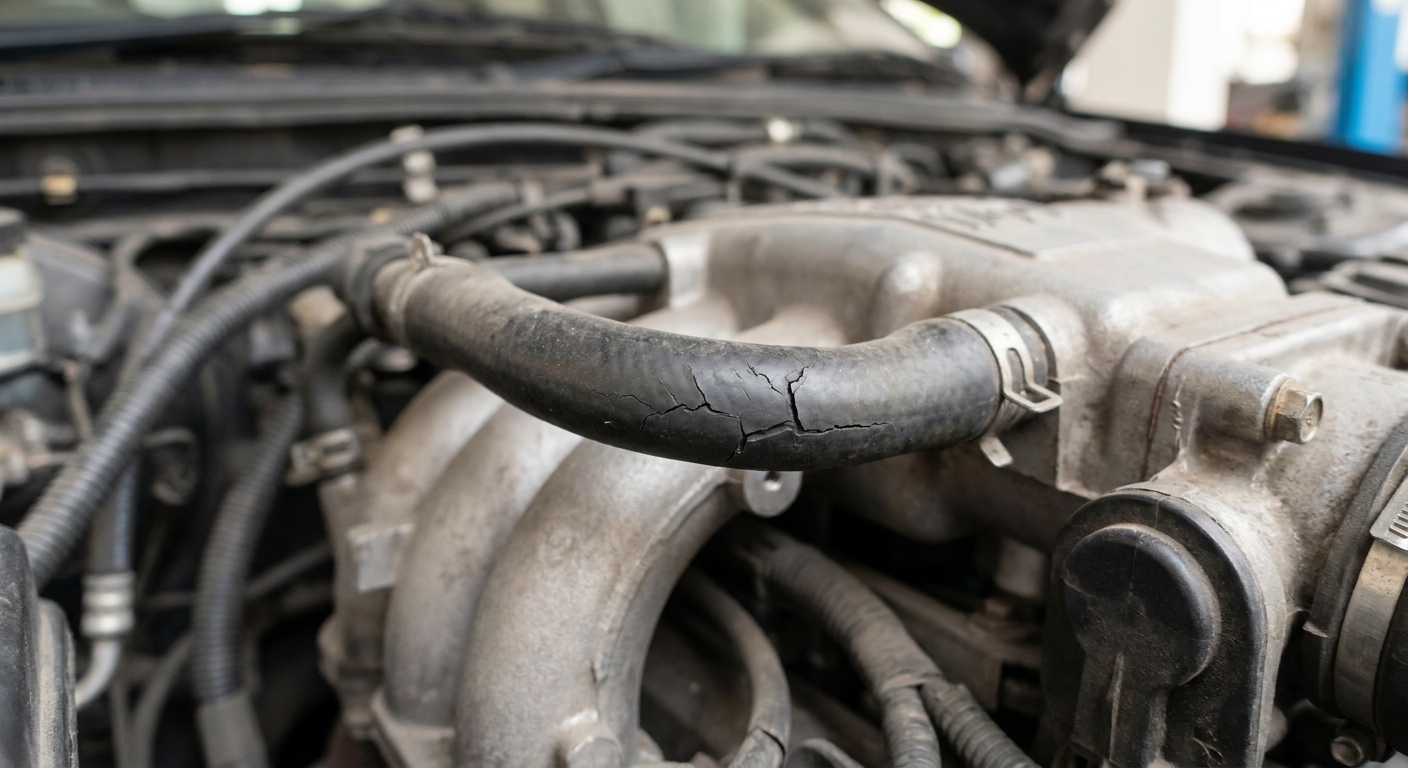
Vacuum leaks can be sneaky because the engine may run okay at higher RPM, but stumble and die at idle when the clutch comes in and RPM falls.
- Clues: High idle or unstable idle, lean codes (like P0171), hissing sound, brake pedal may feel different if the leak is near the booster.
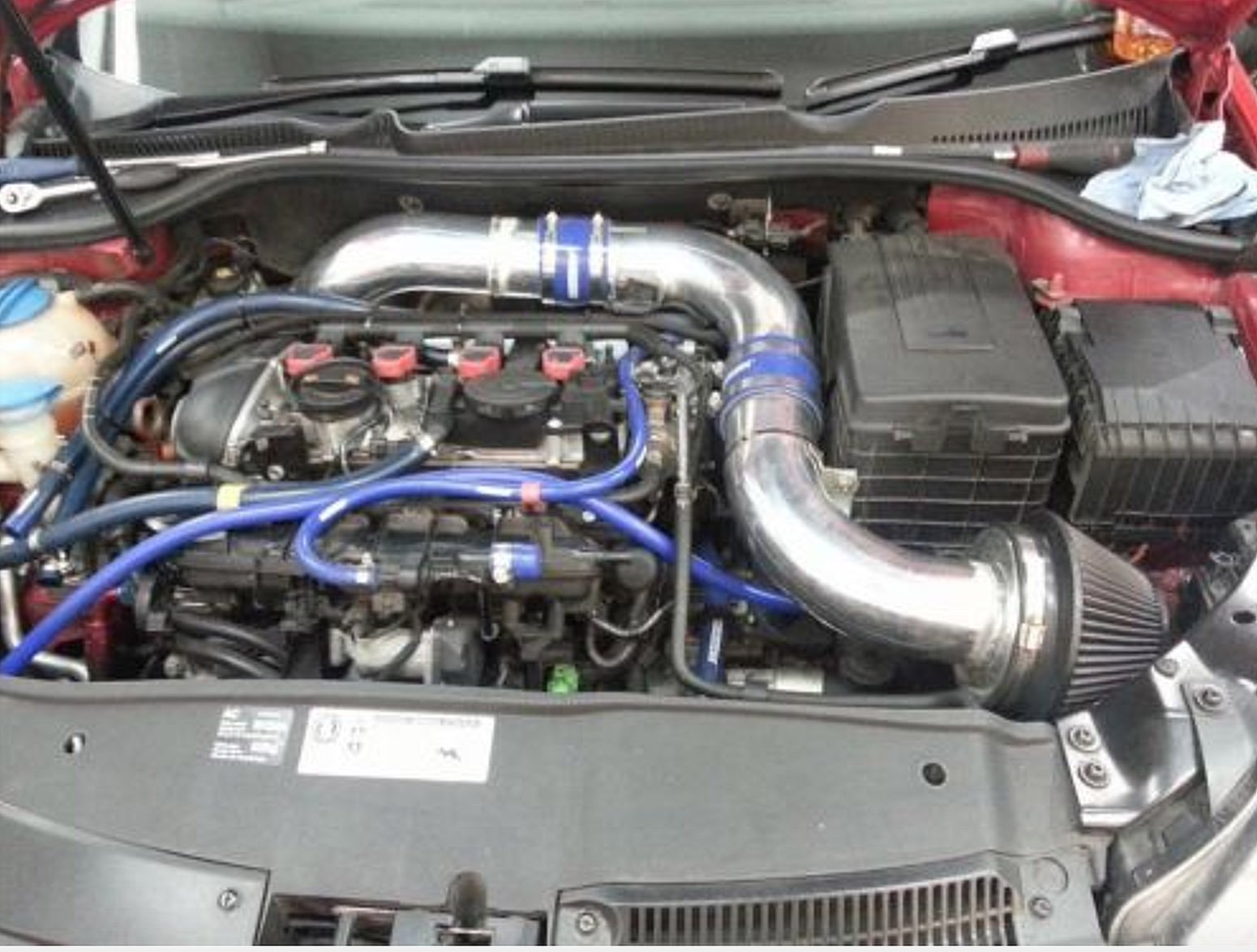
- DIY check: Inspect vacuum hoses, intake boot, PCV lines, brake booster hose, and the intake manifold area for cracks or loose clamps. A smoke test is the clean, safe way to find small leaks if you have access to one.
4) MAF sensor contamination or intake duct leaks
A dirty MAF sensor or an air leak between the MAF and throttle body can throw off fueling enough to cause stalling right as the engine tries to settle into idle.
- Clues: Stalling after letting off the gas, hesitation, sometimes better if you unplug the MAF (on some cars the ECU goes to a default strategy).
- DIY check: Make sure the intake duct has no tears and clamps are tight. Clean the MAF with proper MAF cleaner only.
5) EGR valve stuck open
If the EGR is stuck open when it should be closed, it can act like a vacuum leak and cause rough idle and stalling as you come back to idle.
- Clues: Rough idle that improves with throttle, EGR related codes, stalling after highway driving when you press the clutch at an off-ramp.
6) Misfire or weak ignition that only shows up at idle
I see this one a lot: the car feels fine under throttle, but the moment RPM drops to idle, a weak coil, worn plugs, or marginal plug wires cannot keep the fire lit. Pressing the clutch is just the moment you notice it because the engine has to idle cleanly.
- Clues: Misfire codes (P0300 to P030x), slight shake at idle, worse with A/C on, sometimes worse when cold or damp.
- DIY check: Scan for misfire codes and look at basic maintenance history. If plugs are overdue, that is worth fixing before chasing more exotic issues.
Less common: clutch switches that confuse the ECU
Many manual cars have more than one switch at the clutch pedal. People usually think only of the starter safety switch, but some vehicles have additional clutch position switches that feed the ECU or cruise control. And on engine swaps, custom wiring, or older alarm installs, I have seen clutch switch wiring do some strange things.
How a clutch switch can stall a running engine
From the factory, a clutch pedal switch typically should not cut ignition or fuel on a running engine. But these scenarios can create a stall:
- Incorrect adjustment: The switch is misadjusted and tells the ECU the clutch is in when it is not, or vice versa. On some cars that input affects decel strategies like decel fuel cut and idle catch, so the wrong signal at the wrong time can make the transition to idle ugly.
- Wiring faults: A chafed wire shorts when the pedal moves, dropping a shared power or ground reference used by sensors or the ECU.
- Aftermarket immobilizer or remote start wiring: Some installations tie into clutch or brake switch circuits and can interrupt power unexpectedly.
DIY checks at the clutch pedal
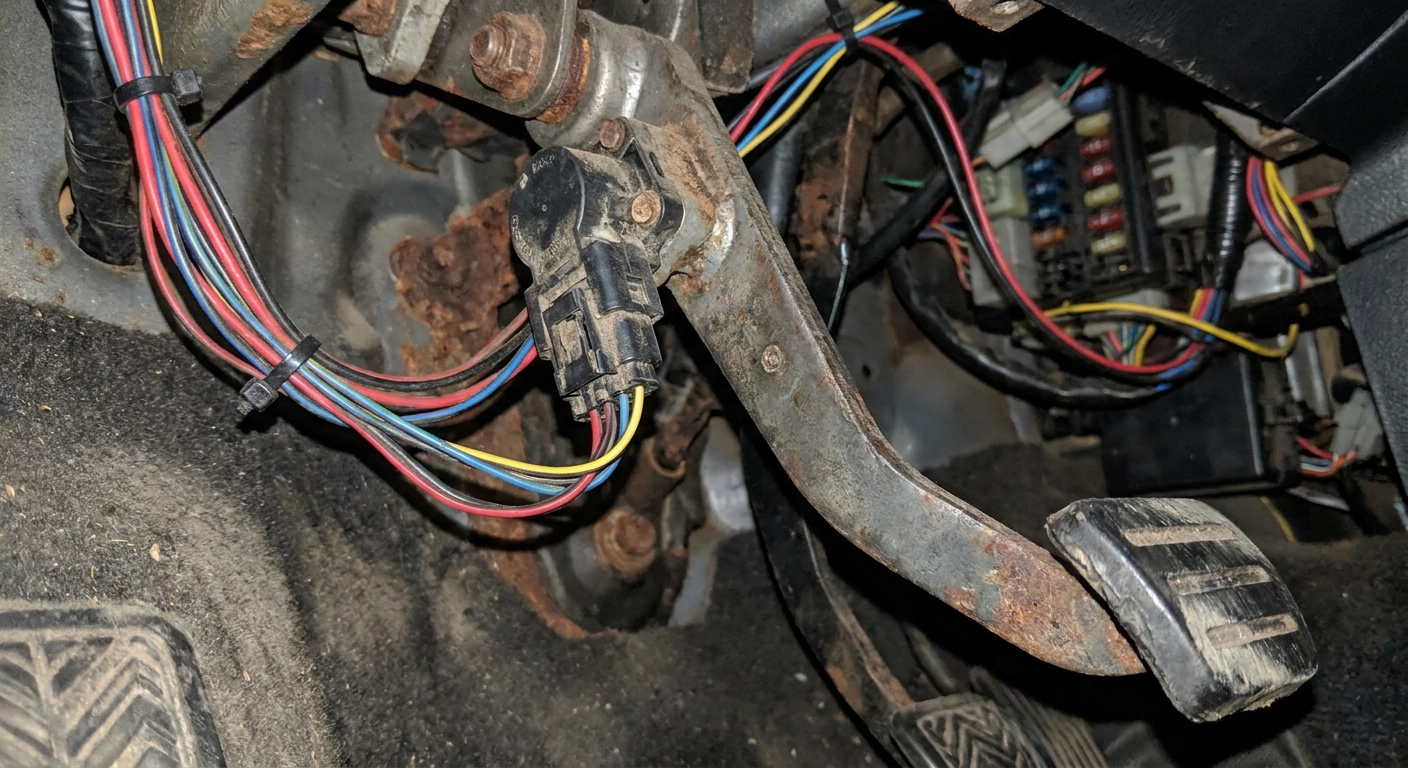
- Look under the dash at the clutch pedal arm. You will usually see one or two switches contacting the pedal bracket.
- Check for loose connectors and broken switch tabs.
- Observe the stall point: If it stalls exactly when the switch clicks, that is a big clue.
- Scan live data (if available): Some scan tools show clutch switch status. If it flickers or changes at the wrong time, the switch or adjustment is suspect.
Clutch drag and mechanical load issues
If the clutch is not fully disengaging, the drivetrain can stay partially coupled as you press the pedal. When you are slowing down and RPM is dropping, that extra load can be enough to pull the engine below idle speed and stall it. This is especially noticeable when coming to a stop, backing up, or when the engine is cold and idle speed is already lower.
Common causes of clutch drag
- Air in the hydraulic system or a failing master or slave cylinder, so the clutch does not fully release.
- Binding release fork or throwout bearing issues that prevent full travel.
- Seized or dragging pilot bearing (manual transmissions that use one), which can keep the input shaft spinning with the engine.
Clues: Hard shifting into reverse or first at a stop, the car wants to creep with the clutch pedal fully down, the engagement point suddenly changes, or you have to pump the pedal to get a clean shift.
Pedal-area issues: hydraulics vs vacuum
This one surprises people because the clutch hydraulics are not supposed to interact with engine operation. And to be clear, the hydraulic circuit itself does not create engine vacuum leaks. What I do see is two separate problems that can overlap in the same area.
1) Clutch hydraulic leak at the master cylinder
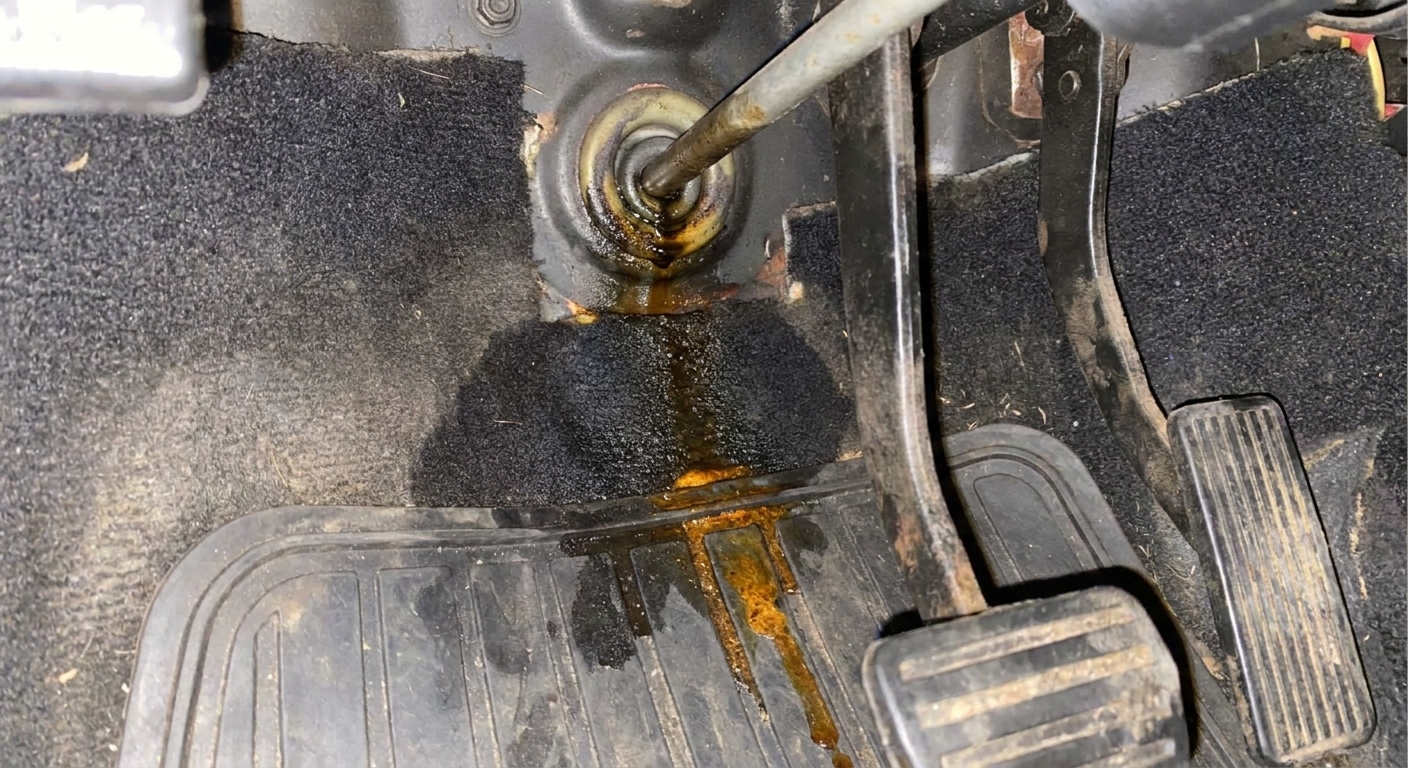
Many manuals use brake fluid in the clutch hydraulic system. If the clutch master cylinder leaks, you may see fluid around the clutch pedal pushrod, damp carpet, or a dropping clutch fluid level (sometimes shared with the brake reservoir).
- Why it matters: Low fluid and a failing master or slave cylinder can cause incomplete clutch disengagement. That can lead to clutch drag, hard shifting, and extra load on the engine as you slow down, which can contribute to stalling during decel.
- Clues: Pedal slowly sinks, you have to pump the pedal, hard shifting, fluid smell, oily residue near the pedal.
2) Vacuum leak near the firewall or booster hose
If clutch work was recently done, it is not unheard of for nearby hoses or the brake booster vacuum line to get bumped loose. A booster line leak will often show up as an idle problem that feels like a clutch related stall because it happens at stops when you are clutching and braking together.
- Clues: Hissing near the firewall, brake pedal feel changes, idle gets worse when braking and clutching at the same time.
A step-by-step diagnosis you can do at home
If you want a practical order of operations, here is how I would approach it in my own driveway.
Step 1: Identify when it stalls
- Only at a stop: points to idle control, vacuum leak, throttle body, IAC, MAF, or misfire that shows up at idle.
- Only when the pedal goes all the way down: points to clutch switch adjustment or wiring, or a mechanical issue that only happens at full travel.
- Only when cold: points to dirty throttle body, IAC, coolant temp sensor issues, vacuum leaks that seal up when warm, or weak ignition.
Step 2: Watch the tach
If RPM drops below normal idle and then dies, it is usually an idle catch problem. If it dies abruptly at a consistent pedal position like a light switch, think electrical interruption or a clutch switch input problem.
Step 3: Scan for codes and look at fuel trims (if you can)
- Lean codes plus stalling at clutch-in strongly suggests unmetered air or MAF issues.
- Idle control codes suggest throttle body adaptation or IAC problems.
- Misfire codes suggest an ignition or fueling problem that becomes obvious at idle.
Step 4: Inspect intake and vacuum lines
Check the intake boot for tears and vacuum lines for cracks. Wiggle test hoses gently with the engine idling. If idle changes, you found a clue.
Step 5: Check throttle body relearn history
If this started right after a battery disconnect, throttle body cleaning, or ECU reset, look up whether your vehicle requires an idle relearn procedure. Some cars adapt quickly on their own, others need a specific sequence.
Step 6: Inspect and test the clutch switches
Look for a switch contacting the clutch pedal bracket. If it looks out of position, that matters. If you have a multimeter and wiring info, you can confirm whether the switch is behaving consistently.
Step 7: Check for clutch drag and hydraulic leaks
Check the brake fluid reservoir level (if shared), look for dampness around the clutch master at the firewall, and pay attention to shifting quality. If the car creeps with the clutch down or reverse is suddenly hard to engage, treat that as a clutch drag problem until proven otherwise.
When this is a stop driving problem
Stalling is always a safety issue, but a few versions of this problem deserve extra caution.
- It stalls in intersections or when turning across traffic.
- The clutch pedal feel changes suddenly (goes to the floor, sticks, sinks, or the engagement point moves).
- You smell burning or see smoke from the clutch area.
- Brake warning light comes on or brake pedal feel changes, especially if the clutch shares brake fluid.
If any of those are true, I would prioritize a tow or a careful limp to a shop over continued testing.
FAQ
Can a bad clutch cause the engine to stall when I press the pedal?
A worn clutch disc usually causes slipping, not stalling when you press the pedal. But clutch drag from hydraulic faults, a binding release mechanism, or a pilot bearing issue can keep the drivetrain partially coupled and make the engine more likely to stall as RPM drops.
Why does it only stall when coming to a stop?
Because that is when the engine has to drop to idle quickly. Any weakness in idle air control, throttle body cleanliness, fueling accuracy, vacuum integrity, or ignition strength shows up right then.
Does this sound like a clutch safety switch?
The typical clutch safety switch prevents cranking. If your engine is already running and dies when you press the clutch, the more likely causes are idle catch, vacuum leaks, fueling issues, or a misfire. That said, some cars use clutch position inputs for decel strategies, and a second switch, misadjustment, or wiring fault can absolutely contribute to a stall symptom.
Could low brake fluid be involved?
Yes, especially if your clutch uses brake fluid and the master cylinder is leaking. Low fluid more directly causes disengagement problems, which can create clutch drag and extra load during decel. If the reservoir is shared with the brakes, treat low fluid as urgent.
The takeaway
If your engine dies when you press the clutch, think of it as an idle recovery problem first, then work down the list to vacuum leaks, sensor inputs, and misfires that show up at idle. After that, look closely at anything that physically moves when the pedal moves, like clutch switches and wiring near the pedal. Finally, do not ignore clutch drag, because a clutch that does not fully disengage can absolutely pull an engine down as RPM falls.
If you tell me when it stalls (cold vs warm, rolling vs stopped, half pedal vs pedal to the floor), whether it creeps with the clutch down, and whether you have a check engine light, you can usually narrow this to a short list fast. And that is how you go from mystery stall to a fix you can trust.