I have had plenty of cars roll into the shop with the same complaint: “It starts perfectly with the key, but remote start does absolutely nothing.” That detail matters, because it usually means you do not have a starting problem. You have a remote-start inhibit problem.
Remote start systems are intentionally picky. If the car thinks the hood is open, a brake pedal is pressed, the transmission status is wrong, a check-engine related fault is present, a door is ajar, or battery voltage is low, it may refuse to remote start even though it will still start normally from the driver’s seat.
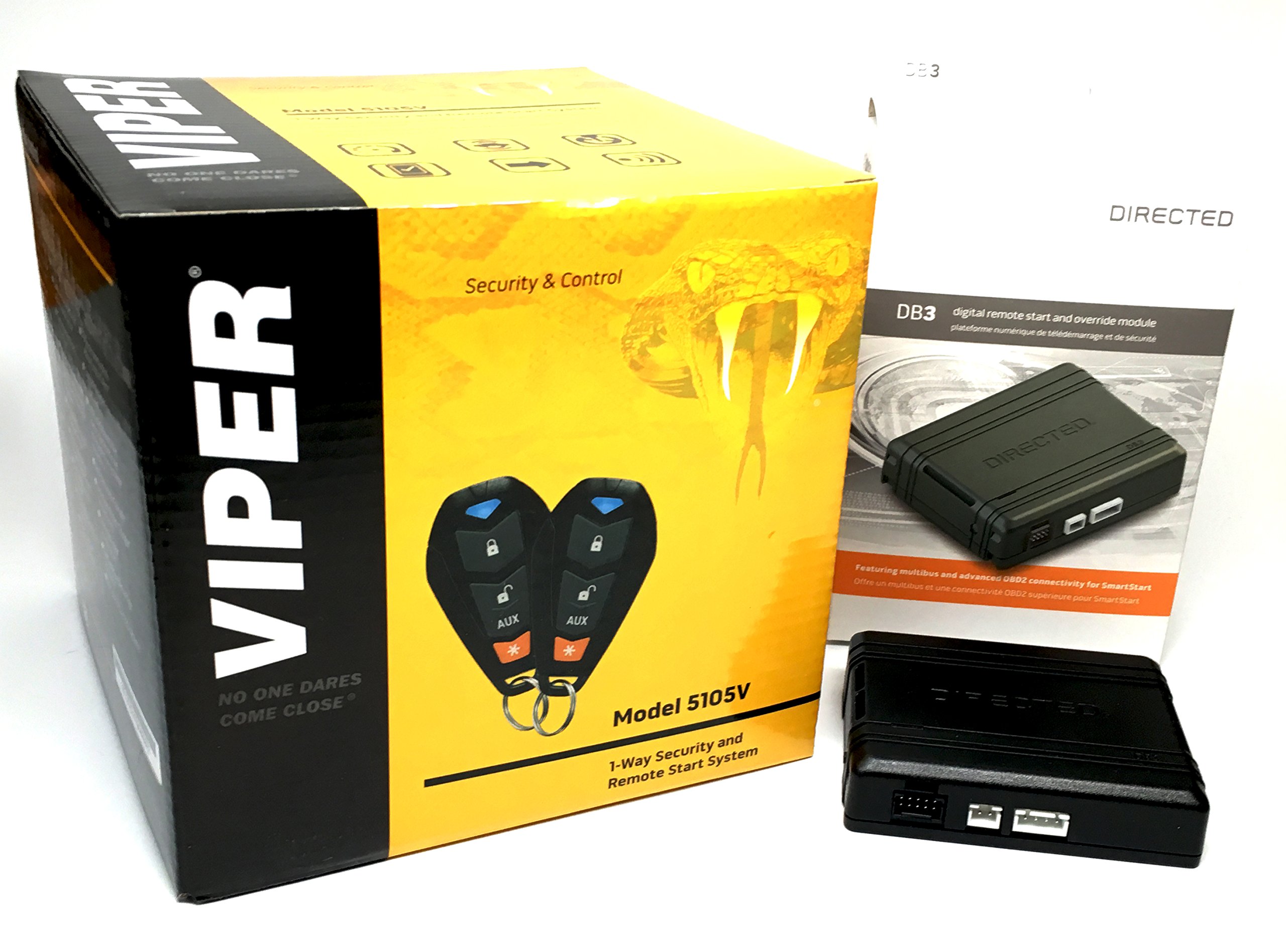
What “does nothing” tells me
Different behavior points to different causes. In this article, we are sticking to this scenario: the vehicle starts normally with the key or start button, but remote start does nothing or immediately aborts.
- No response at all (no parking light flash, no message on the dash, no click): think dead or out-of-range key fob, remote start turned off in settings, a remote-start module that is not powered up, or a programming/communication issue.
- You get a flash, chirp, or dash message and then it quits: usually an inhibit input (hood, brake, door-ajar, gear status), a safety lockout, or an OEM “conditions not met” situation.
- It cranks or starts and then shuts off in 1 to 3 seconds: often immobilizer/anti-theft integration, tach/engine run detection, or the module is not confirming “engine running.”
Now let’s walk through the most common lockouts, from easiest checks to more involved ones.
1) Hood switch
If the car thinks the hood is open, remote start is typically disabled for safety. This can happen even when the hood is fully closed.
What to check
- Close the hood firmly and try remote start again. A slightly misaligned hood can keep the switch from fully depressing.
- Look for a hood-ajar warning on the dash, in the vehicle info screen, or in the factory app. If the car thinks the hood is open, remote start is usually a no-go.
- Find the hood pin switch (common on aftermarket systems) near the radiator support or inner fender. Make sure it is not bent, loose, corroded, or packed with grime.
- Inspect the hood latch area on factory systems. Many OEM setups use a latch-integrated switch.
Quick home test: instead of trying to “trick” the system with the hood physically open (results vary by vehicle and remote-start brand), focus on what the car reports. If you can view hood status on the dash/app, watch it while you gently lift and re-close the hood. On an aftermarket hood pin, checking switch movement and wiring condition is usually more useful than trying to remote start with the hood up.
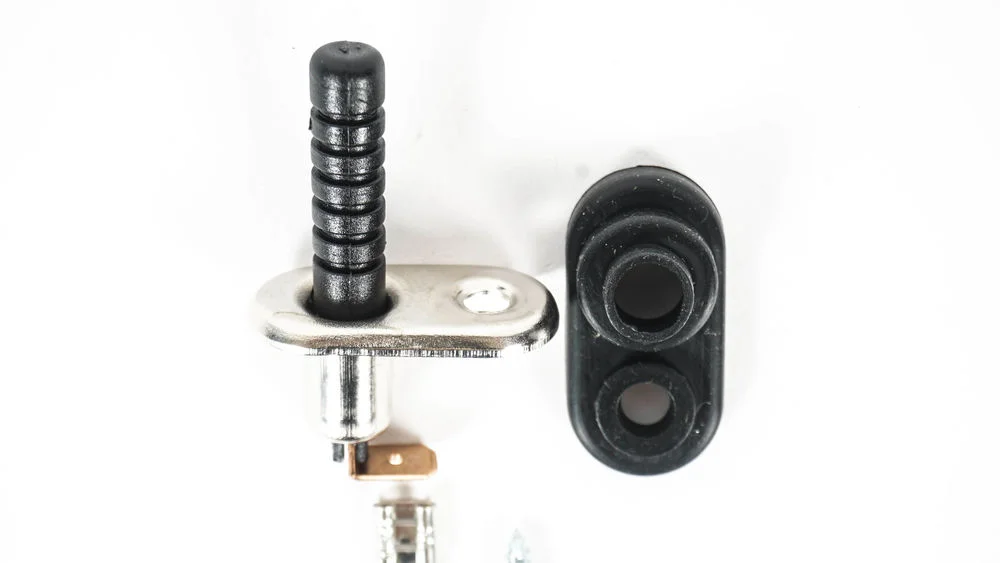
2) Brake input
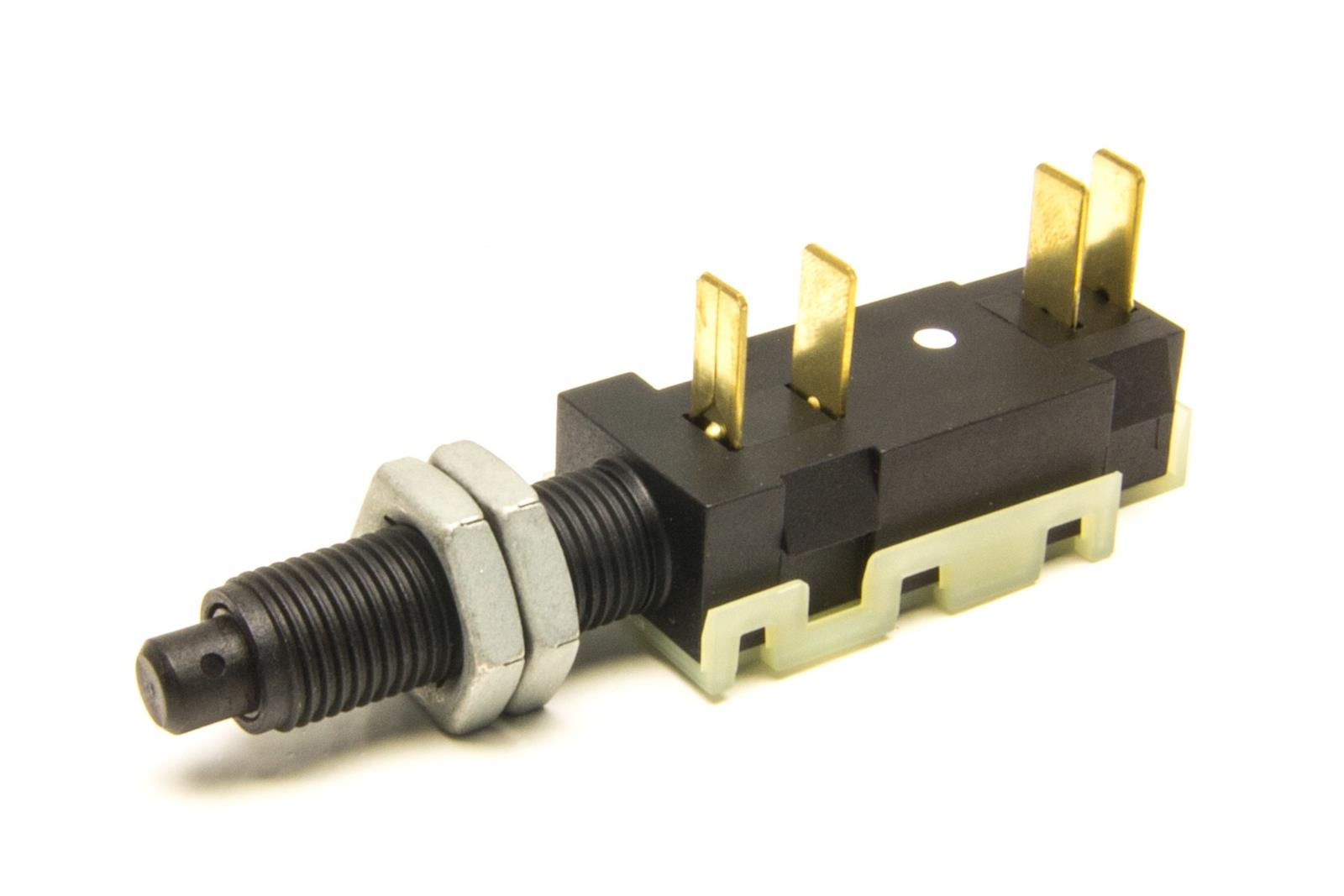
Remote-start logic treats a brake pedal signal as a “human is trying to take over” input. If the brake switch is misadjusted or the signal is stuck on, remote start often will not even attempt to crank.
What to check
- Brake lights: With the car in Park and ignition off, do your brake lights stay on? If yes, remote start will almost certainly be inhibited.
- Pedal return: Make sure the brake pedal fully returns and is not obstructed by a floor mat.
- Switch area: The brake light switch sits at the top of the brake pedal arm under the dash. If it is loose or misadjusted, the car can read “brake applied.”
If your brake lights are stuck on, that is a fix-now issue anyway. It can drain the battery, confuse stability control systems, and create a safety hazard.
3) Gear status and neutral safety
Remote start needs to be confident the car is in Park (automatic) or in an allowed safe state. Manual-transmission remote start requires special logic and is usually aftermarket-specific.
If the vehicle’s gear position sensor or range switch is flaky, the car may still start with the key but refuse remote start because it cannot guarantee it is safely in Park. Aftermarket installs can also be picky here, depending on how the installer integrated the gear status input.
What to check
- Confirm you are in Park and the shifter is fully seated.
- Cycle the shifter: with your foot on the brake, move from Park to Reverse to Neutral back to Park, then attempt remote start.
- Look for odd symptoms: PRNDL indicator not matching the shifter, backup lights acting weird, or the car not letting you remove the key easily on older columns.
4) Door, trunk, or liftgate ajar
This one is easy to miss. A lot of factory systems and many aftermarket integrations will inhibit remote start if any door is open or if the trunk or liftgate is not fully latched.
What to check
- Dash warnings: door-ajar, trunk-ajar, or liftgate-ajar messages are an immediate clue.
- Physically re-close everything: open and firmly re-close each door, then the trunk/liftgate, and try again.
- Interior lights: if they stay on when everything looks shut, the car may still think something is open.
5) Check-engine and trouble-code inhibits
Some OEM remote start systems, and quite a few aftermarket integrations, will block remote start when the check-engine light is on or when specific powertrain trouble codes are active.
The reasoning is simple: remote starting an engine that might run poorly (misfire), overheat, or have throttle-related faults can create safety issues or damage components like the catalytic converter.
What to check
- Is the check-engine light on? If yes, assume it may be part of the reason remote start is blocked until proven otherwise.
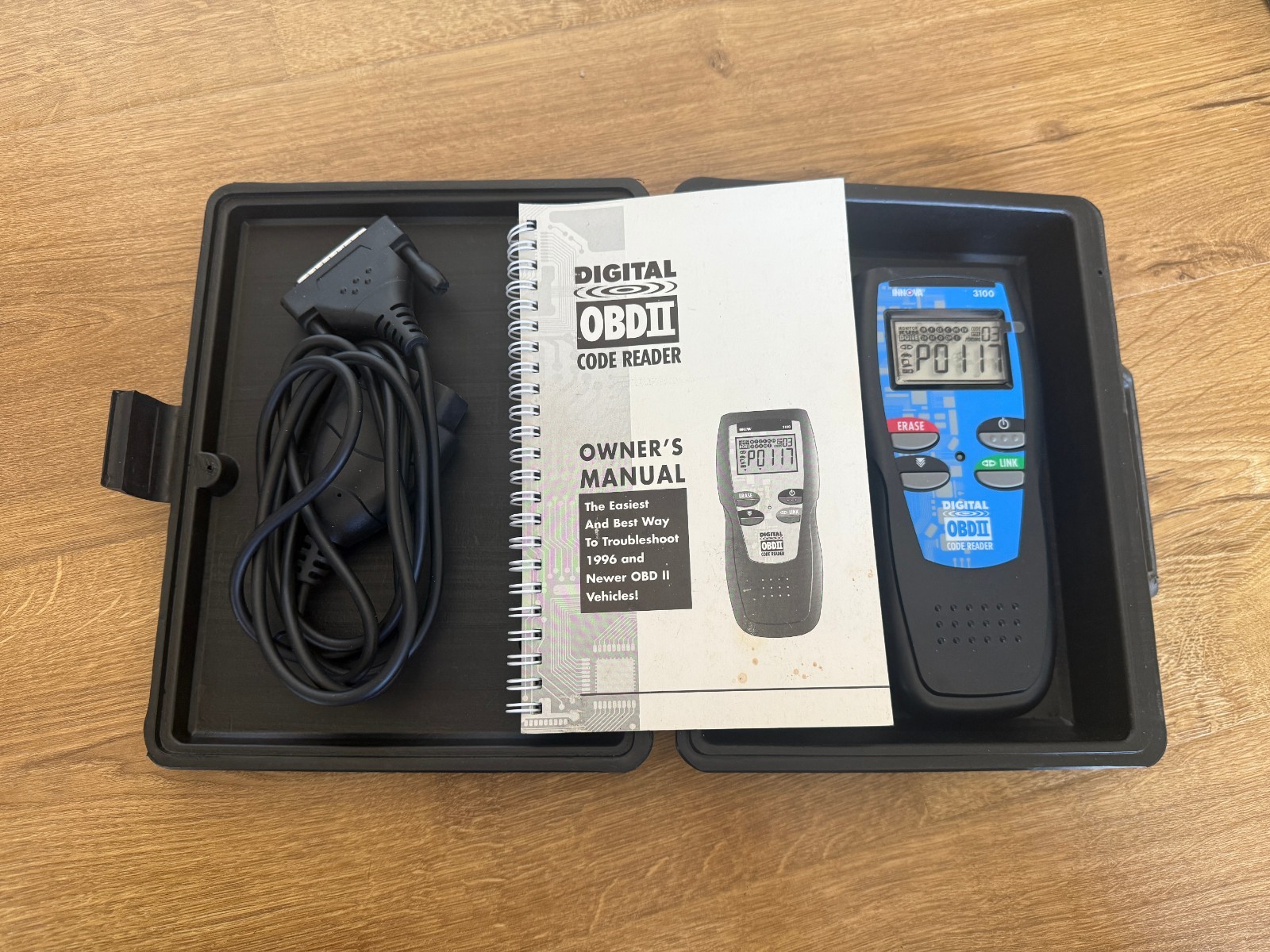
- Scan for codes with an OBD2 scanner and address the cause. Even codes that feel “minor” can trigger a lockout on certain makes and models.
One caution from my shop days: do not clear codes just to “see if remote start comes back.” If you erase data without fixing the issue, the code will return, and you lose helpful diagnostic information.
6) Low fuel lockout
Some vehicles will block remote start when the fuel level is very low. It is partly about preventing a no-start situation after warming up, and partly about avoiding certain edge-case fueling issues on specific calibrations.
What to check
- Fuel gauge: if you are near empty, add fuel and try again.
- Range estimate: miles-to-empty can swing hard in cold weather. Remote start may cut off sooner than you would expect on some models.
If remote start suddenly returns after adding fuel, you have your answer. If it does not, keep going down the list.
7) Battery voltage
Low battery voltage is a classic remote-start killer, especially in cold weather. The car may still start normally with the key because you are there to try again, hold the button longer, or because the voltage drop happens differently under remote-start logic. But remote start systems tend to fail safe when voltage is marginal.
What to check
- Slow cranking or recent jump starts: if the car has been sluggish to crank, put battery health high on your list.
- Electrical weirdness: flickering lights, random warnings, or a clock that keeps resetting can point to a weak battery connection or a failing battery.
- Simple test: if you have a multimeter, check resting voltage. A healthy fully charged battery is typically around 12.6V. Much below that and remote start may be the first thing to quit.
8) Key fob and settings
Before you start chasing switches and wiring, confirm the command is actually getting to the vehicle and that the feature is enabled.
What to check
- Key fob battery: weak fob batteries can give you short range or inconsistent commands.
- Button sequence: many OEM systems require a lock, lock, then hold sequence (or similar). If you recently switched keys, it is worth re-checking the procedure.
- Vehicle settings: some cars allow remote start to be disabled in the dash menu or infotainment settings.
- Factory lockouts: some OEM systems impose cooldown timers, limit the number of remote-start cycles, or display “remote start disabled” messages after repeated failed attempts.
9) Aftermarket module issues
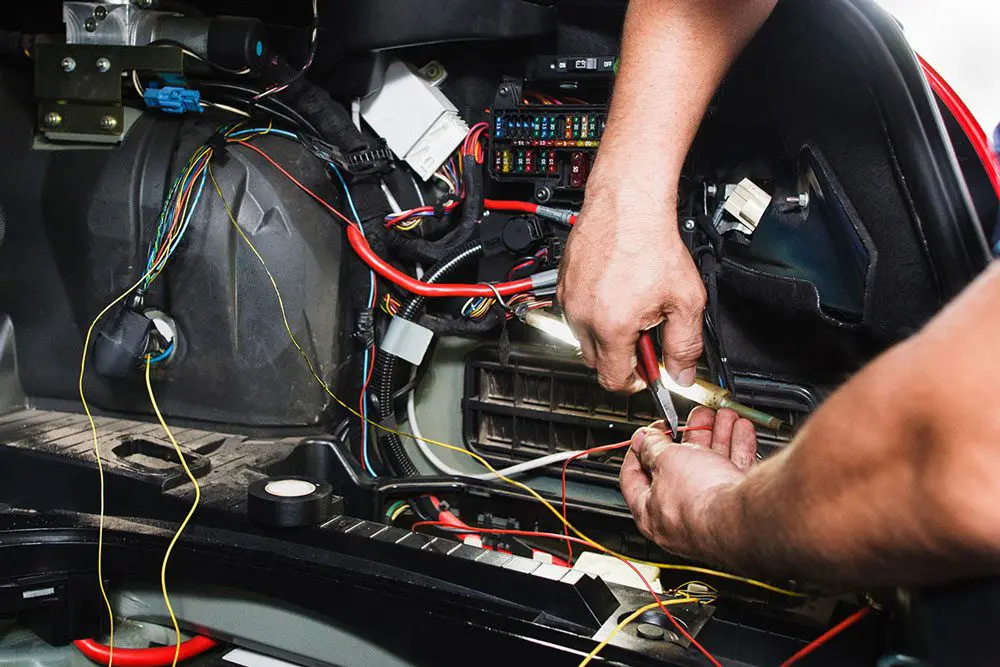
If your vehicle has an aftermarket remote start, the module is basically acting like a translator between your remote command and the car’s factory security and starting logic. When it loses power, loses programming, or loses data communication, the car will still start normally with the key, but remote start can do nothing.
Common causes I see
- Blown fuse in the remote start harness or an inline fuse near the module.
- Loose ground under the dash. One marginal ground can create intermittent “dead” remote start behavior.
- Hood pin circuit fault (broken wire, bad switch, bad adjustment). Aftermarket systems love to fail safe, meaning they assume the hood is open.
- Data bus issues: some systems rely on CAN communication. If the module is not talking to the vehicle, it may not even attempt a start.
- Tach or engine-run detection not set correctly, leading to a start-and-stall condition.
What you can do safely
- Find the valet or override switch (if installed) and make sure the system is not accidentally in valet mode.
- Inspect fuses related to the remote start module. If you find a blown fuse, replace it once. If it pops again, stop and have the wiring checked.
- Look for obvious harness damage under the dash, especially if work was recently done (stereo install, alarm work, cabin filter replacement on some cars).
If you are not comfortable working under the dash, that is totally fair. Modern steering column harnesses and airbag wiring live in the same neighborhood, and you do not want to poke around blindly.
Quick checklist
- Confirm the hood is fully closed and there is no hood-ajar message.
- Confirm all doors and the trunk or liftgate are fully latched.
- Check whether brake lights are stuck on or a floor mat is holding the pedal.
- Verify the shifter is fully in Park and cycle it once.
- Look for a check-engine light. If it is on, scan codes.
- If you are very low on fuel, add fuel and retry.
- If the car has been sluggish to crank lately, test battery voltage and connections.
- Confirm the fob battery is good and you are using the correct button sequence.
- If aftermarket: check valet mode and remote-start related fuses.
When to stop and get help
I am all for DIY, but these situations are worth a pro:
- Remote start cranks but repeatedly start-and-stalls (immobilizer integration or tach learning issues are common).
- Any evidence of wiring damage under the dash, melted insulation, or a burning smell.
- Intermittent no-crank only on remote start paired with weird dash warnings. This can point to a network communication problem that needs scan tool data.
- Persistent hood-ajar or door-ajar warnings even when everything is shut.
A good independent shop or a dedicated 12V accessory installer can usually pinpoint inhibit inputs quickly by looking at live data and the remote-start module status.
FAQ
Why would remote start be disabled even though the car starts fine normally?
Because remote start runs through extra safety checks. It must confirm the hood is closed, doors are closed, brake is not applied, the transmission is safely in Park, and that the engine and powertrain do not have certain active faults. The key start is often less restrictive.
Will a check-engine light always disable remote start?
No. It depends on the manufacturer and the specific fault. Some vehicles block remote start with any active MIL, while others only block it for certain powertrain codes. If your MIL is on and remote start is dead, scanning for codes is one of the most productive next steps.
My remote start worked yesterday. What changed?
Common overnight changes include a hood or door switch starting to stick, a brake switch shifting slightly, a new check-engine light turning on, a weak vehicle battery showing itself in cold weather, or an aftermarket module losing power due to a blown fuse or loose connection.
Can low fuel really prevent remote start?
Yes, on some models. If you are near empty, adding fuel is a quick, cheap test before chasing wiring or sensors.