I have seen this one a lot at the counter: you hop in, do the same routine you have done a thousand times, and the car acts like it does not even recognize you. Then you grab the spare key and it fires right up like nothing happened.
When one key works and the other does not, that is good news in a weird way. It usually means the car itself is fine. The problem is almost always in the key, the chip inside it, or the way the car is detecting that key.
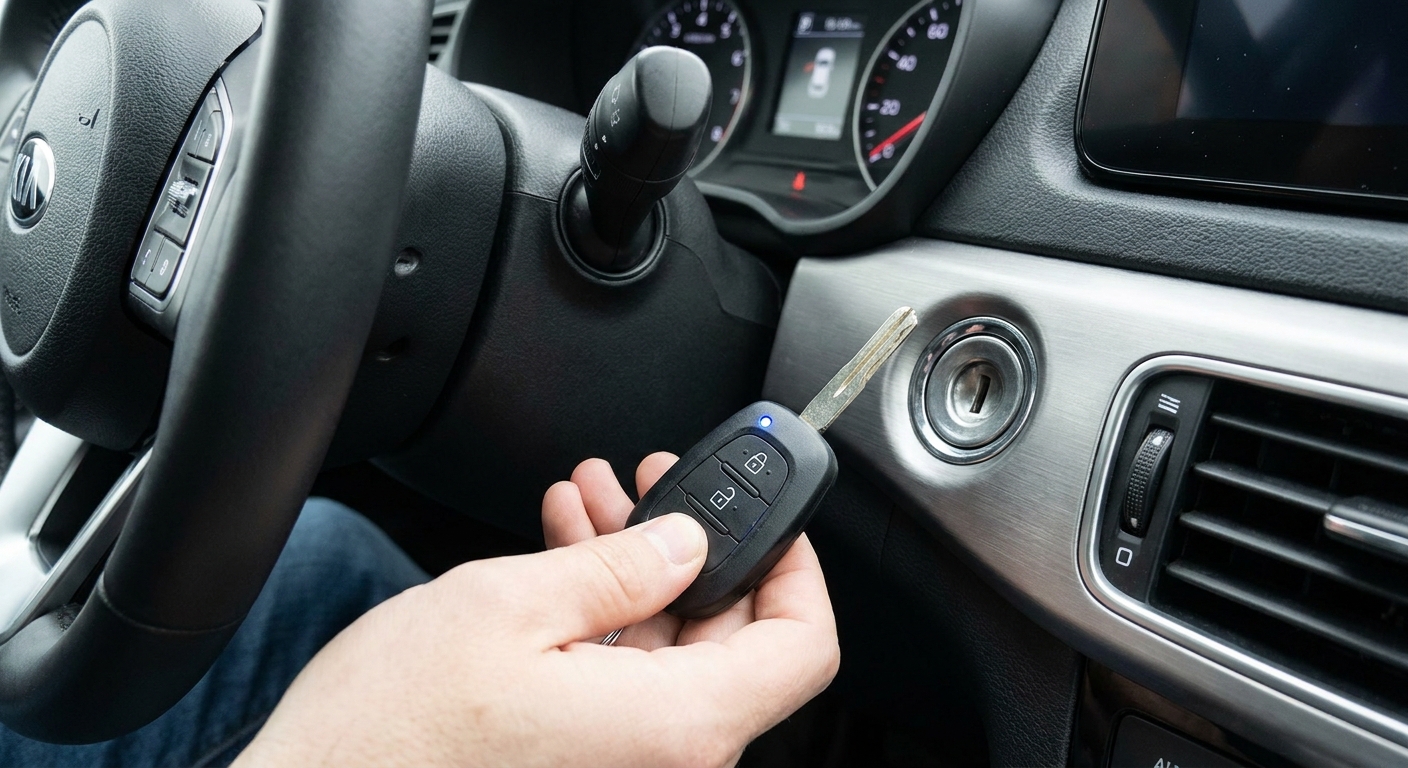
Let’s break down the three most common causes and how to tell which one you are dealing with, without guessing or throwing parts at it.
First, define “won’t start”
The quickest way to diagnose this is to pay attention to what the car does with the bad key versus the spare. Two different failures can feel similar from the driver’s seat.
Scenario A: It cranks but will not run
The starter spins the engine normally, but the engine does not catch and idle. This is where immobilizer and transponder issues live most of the time.
Scenario B: It will not crank at all
You turn the key or press the button and you get a click, a single thunk, or nothing.
Two different things can cause this:
- Authorization or detection: On some vehicles, if the car does not recognize the key, it may refuse to crank.
- Mechanical engagement: On older keyed ignitions, a worn key blade or a touchy ignition cylinder can keep the key from turning properly in the first place.
A quick sanity check: if the “bad” key turns smoothly (or the start button acts normal) but you still get no crank, that points away from blade wear and more toward authorization, detection, or a vehicle-side issue that happens to show up with that key.
Scenario C: It starts only if you are very close
If the “bad” key works only when you hold it right next to the steering column area or you have to try multiple times from outside the car, that points to a detection or signal strength problem with that particular fob.
Now let’s get specific.
Cause #1: Worn key blade or touchy cylinder
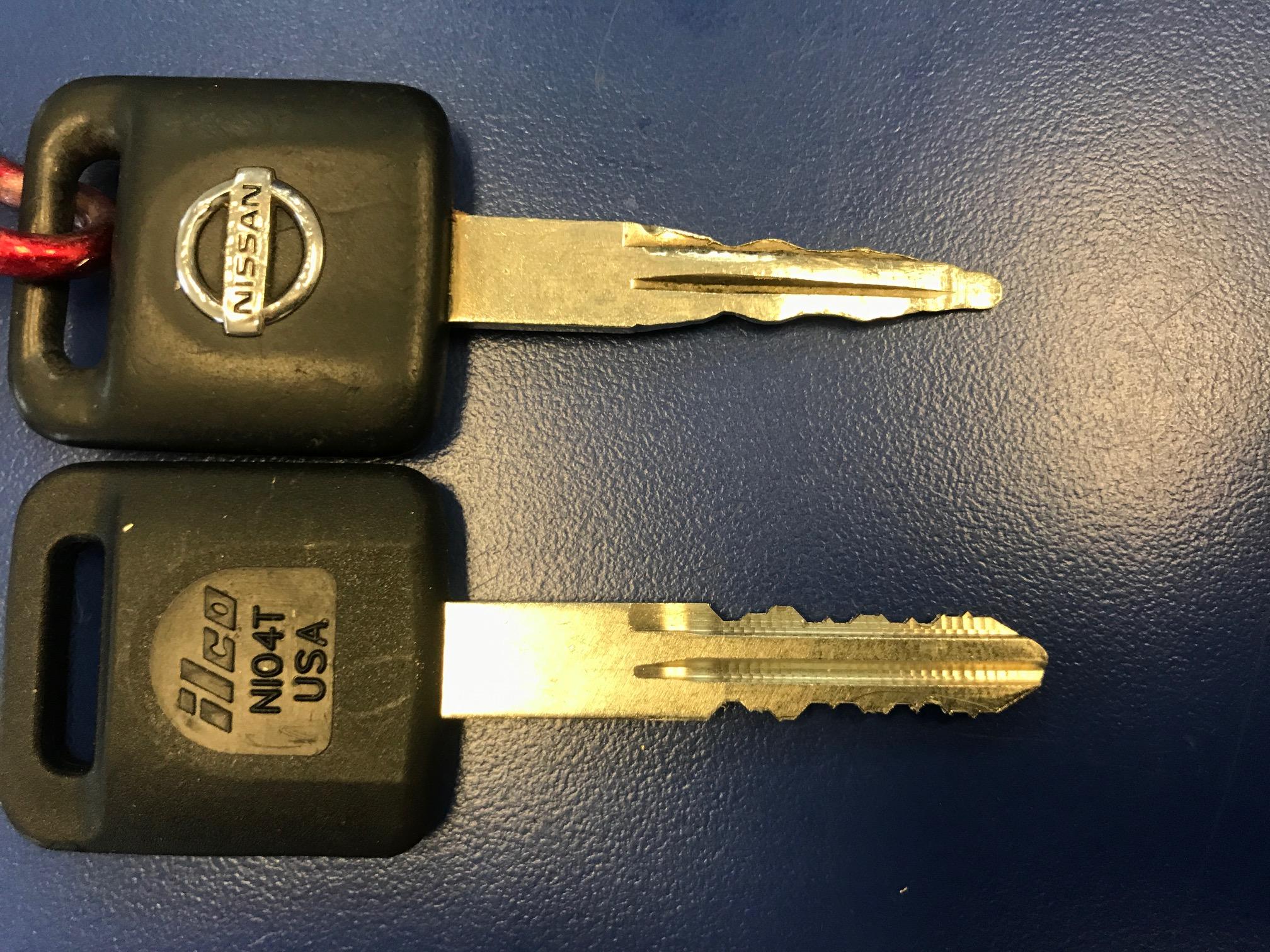
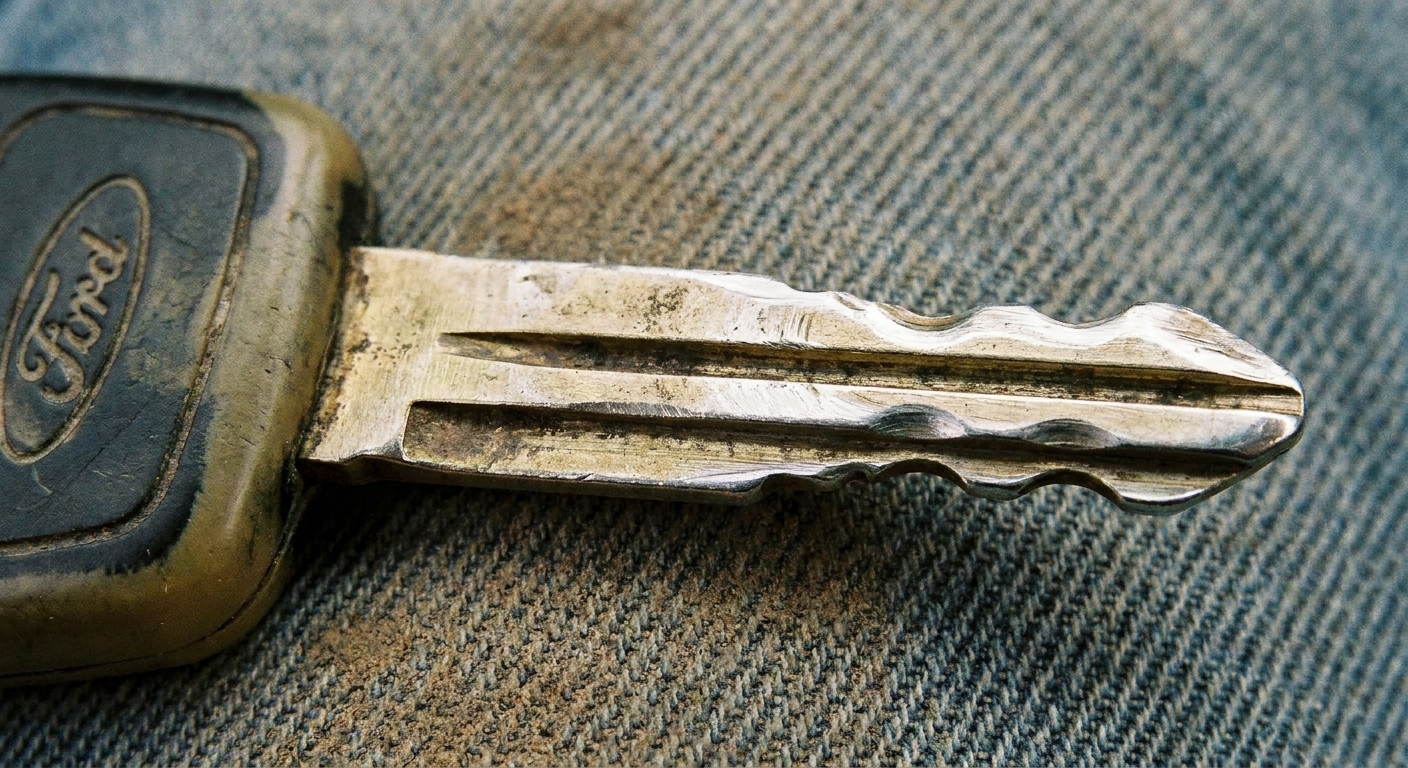
If your car uses a traditional metal key you insert and turn, the simplest explanation is often the right one: the main key is worn down from years of use, and the spare is still crisp.
A worn blade can fail in a few ways:
- It will not turn the ignition or it turns only with wiggling.
- It turns but feels gritty, like it is not engaging cleanly.
- It works in the door but not the ignition (the ignition lock often wears differently).
Quick checks you can do:
- Compare the two blades. Look at the “peaks and valleys” of the cuts. A worn key looks rounded and shiny on the edges compared to a sharper-looking spare.
- Try the main key in the door lock. If it is also inconsistent there, wear is very likely.
- Try gentle pressure changes. If it only turns when you lift the key slightly or push it inward, that is a classic worn-key symptom.
What to do next: Get a new key cut from the vehicle’s key code (or from the VIN at the dealer), not duplicated from the worn key. A copy of a worn key copies the wear.
Important note: Many modern keys have both a cut blade and a chip inside. If the blade issue is fixed but the chip is not programmed correctly, you can still end up with a no-start. That leads us to the next cause.
Cause #2: Transponder not recognized
Many vehicles built from the late 1990s onward use an immobilizer system, but coverage varies by make, market, and trim level. When it is equipped, the key contains a tiny transponder chip that must be recognized by the car before it will allow starting.
If your spare starts the car and the main key does not, it is very possible the main key’s chip is failing, damaged, or no longer matched to the vehicle.
How the “main” key loses recognition
- The key was replaced in the past and never programmed correctly.
- The key got wet or went through a rough wash cycle and the chip or internal connections were damaged.
- The key housing is cracked and the transponder pellet (common on some older designs) is loose or missing.
- Aftermarket remote start or alarm work was done and the car’s key programming situation got messy.
Clues it is an immobilizer issue
- Cranks but will not fire, especially if it dies immediately.
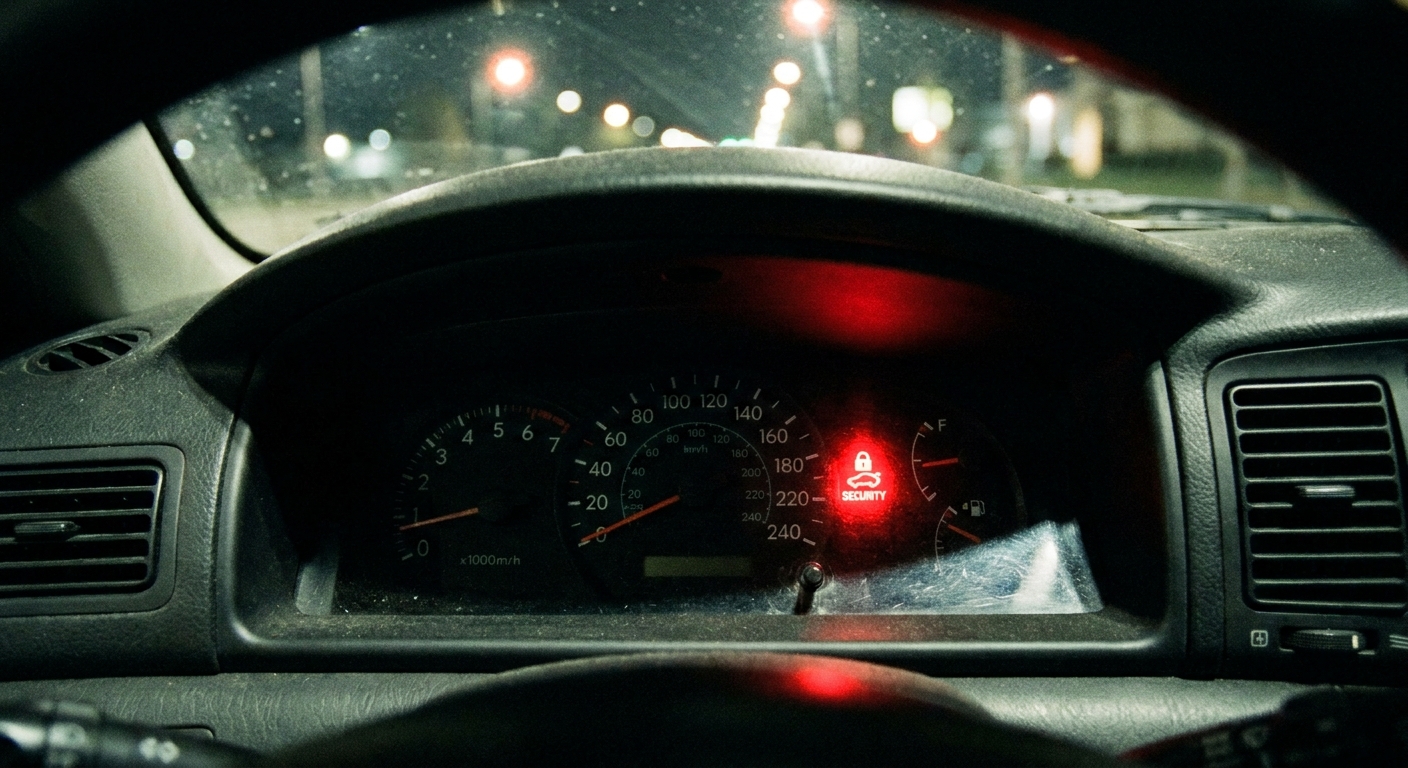
- A security indicator behaves differently with the bad key versus the spare (some cars flash a security light when the key is rejected).
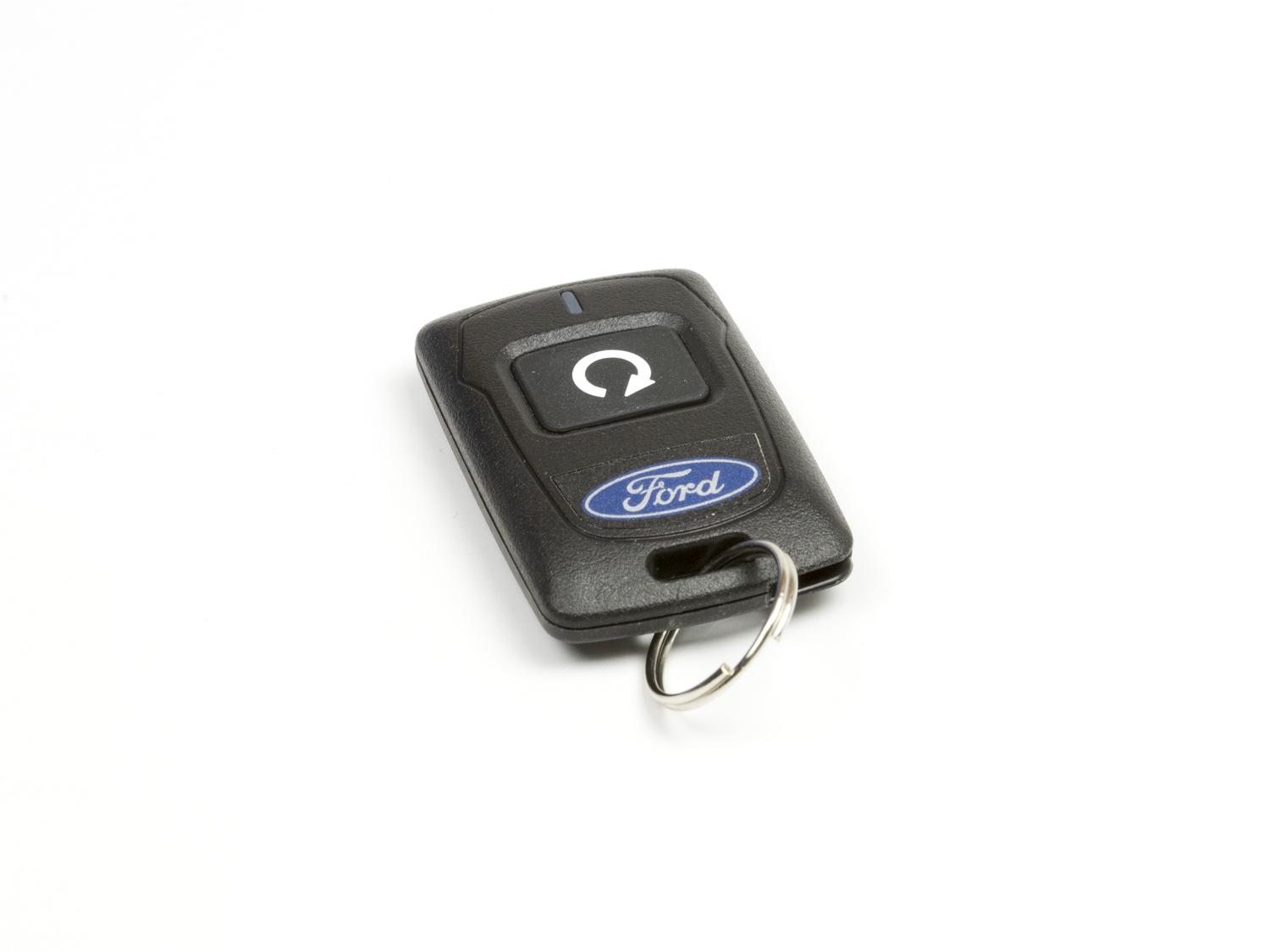
- The remote functions might still work (lock and unlock) even though the car will not start. Remote buttons and transponder authorization are not the same thing on many vehicles.
What to do next:
- Stop forcing repeated start attempts. Some systems may go into a short lockout after multiple failures.
- Call a reputable automotive locksmith or your dealer and ask for a transponder test and reprogram. Many locksmiths can quickly tell you whether the key is transmitting a valid chip ID, depending on the system and their equipment.
- If your key is a “cloneable” type, a locksmith may be able to clone the working spare onto a new key, depending on make, model, and year.
I know it is tempting to look for shortcuts here, but the safest, most reliable fix is to restore proper key authorization the right way. If the spare works, you already have the proof the immobilizer is capable of letting the car start.
Cause #3: Weak fob detection
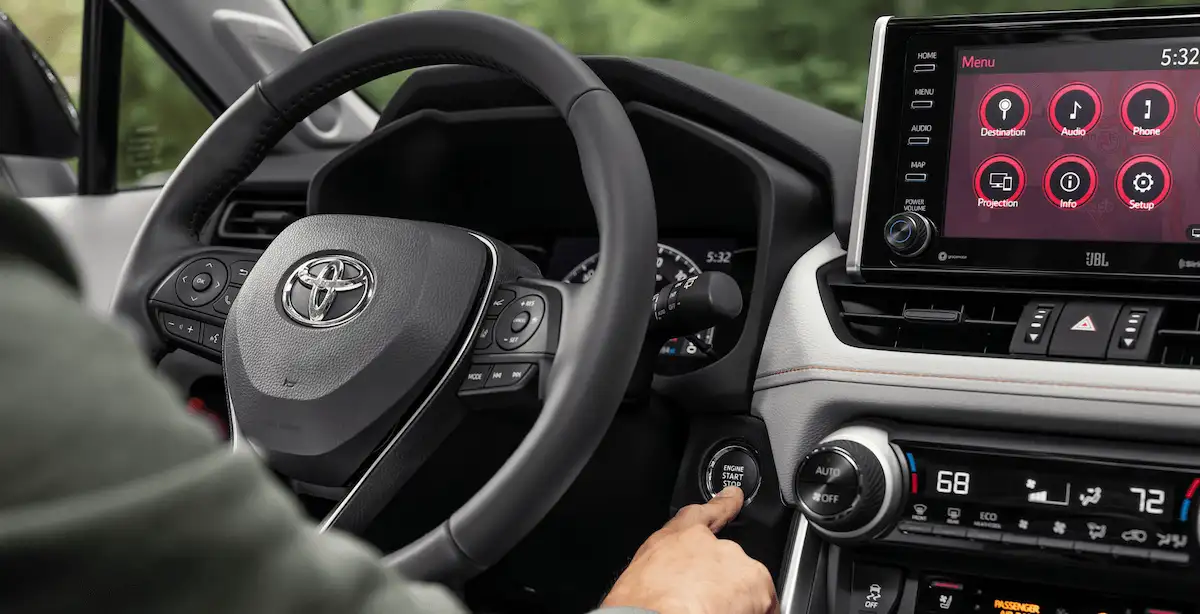
On push-button start cars and many proximity key systems, the “key” is really a fob that the car has to detect. If the spare fob starts the car every time but the main one is finicky, that points toward a detection issue with the main fob.
A dead coin cell is the obvious culprit, but it is not the only one. There are several non-battery reasons one fob can be detected poorly.
Why one fob reads worse
- Internal damage from drops (hairline cracks in solder joints are common).
- Worn or dirty button contacts affecting lock and unlock performance, which can be a clue the fob has overall internal wear.
- Aftermarket accessories on the keyring that can interfere with signal strength in certain orientations, especially if the fob is buried against metal objects.
- The fob case is damaged and the circuit board shifts, creating intermittent connection.
Simple tests that tell you a lot
- Distance test: Stand the same distance from the car and try lock and unlock with each fob. If the spare works at 20 feet and the main fob only works at 5 feet, that is a strong signal issue.
- Orientation test: Try the main fob in different positions, like held flat, rotated 90 degrees, or held higher. Big changes point to antenna or internal fob issues.
- Keyring test: Remove the fob from a heavy keychain and try again. I have watched a big metal key bundle turn a marginal fob into a “dead” fob.
What to do next: If range is clearly weaker, a locksmith or dealer can sometimes confirm fob output and advise whether the fob needs repair, replacement, or re-registration.
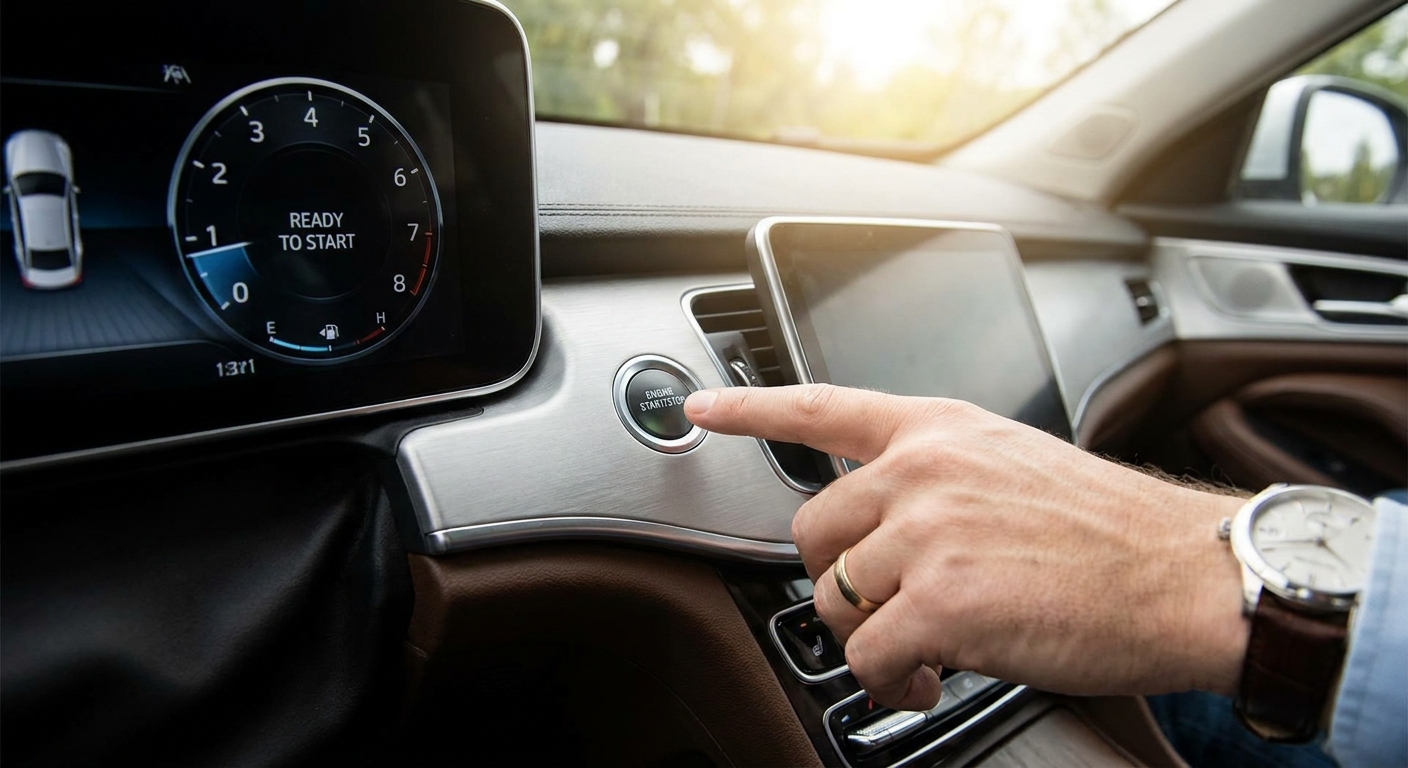
One practical note: Many push-button start cars have a backup read spot that will start the car even with a weak fob battery, often by holding the fob very close to the start button or a designated area. The exact spot and procedure vary by make, so check your owner’s manual for the correct method.
What not to do
- Do not keep cycling the ignition for 10 minutes straight. Besides draining the battery, some cars may temporarily lock out after too many invalid key reads.
- Do not pry open the key unless you are prepared. On some keys the transponder is a separate piece that can fall out without you noticing.
- Do not assume “it must be the starter” just because you got a no crank once. If the spare works consistently, the starter and battery are far less suspicious.
Locksmith vs dealer
Both can solve this. The best choice usually comes down to your car and what kind of key system it uses.
Call a locksmith if:
- You want a faster appointment or mobile service.
- You need a new key cut and programmed at a reasonable cost.
- You suspect the main key’s transponder is dead and you want it tested.
Go to the dealer if:
- Your vehicle uses a newer encrypted smart key system that independent tools sometimes cannot program.
- You need keys added or replaced under a warranty or service plan.
- You want OEM-only fobs and guaranteed compatibility.
Tip from the shop floor: If you only have one working key left, treat it like gold. Get another made now, not after the last good key disappears. The price and hassle usually go up dramatically when the car has zero working keys.
Quick recap
- Main key will not turn smoothly or at all: likely worn blade or ignition cylinder wear.
- Cranks but will not run, spare works: likely transponder chip recognition problem in the main key.
- Works only at close range or inconsistently from outside the car: likely weak or damaged fob signal, or detection reliability issue.
Small caveat: If both keys or fobs suddenly become finicky, especially on a push-button car, do not ignore the vehicle’s 12V battery. Low voltage can make modern electronics act strange fast.
FAQ
Can a key unlock the doors but not start the car?
Yes. The mechanical blade (or remote lock and unlock) can work while the immobilizer still rejects the transponder portion of that same key. Starting authorization is a separate security step on most modern vehicles.
If the spare works, does that mean my battery and starter are fine?
In most cases, yes. A consistent start with the spare strongly suggests the car’s starting system is healthy. You can still have unrelated issues, but the key difference points you back to the key itself.
Do I need to reprogram both keys if I replace one?
Usually, no. A locksmith or dealer can add a new key while keeping existing working keys active. That said, if a key is lost or stolen, you may want the missing key removed from the car’s memory for peace of mind.
My main key used to work. Why would it stop suddenly?
Drops, moisture intrusion, and internal key wear can fail suddenly. Also, if the key case cracks, the transponder can shift or lose contact. With proximity fobs, internal damage can reduce signal strength until the car stops detecting it reliably.