There are a few car noises I never ignore, and a sharp squeal right as the engine fires is one of them. Usually it is not catastrophic immediately, but it is your accessory drive telling you it is slipping, dragging, or about to seize. The tricky part is that it can fade in a few seconds and still be a real problem.
The good news is startup squeal is often diagnosable with a flashlight, a careful ear, and a couple of basic checks. Let’s walk through what causes it and how to tell whether it is just a damp belt or a warning that your charging or cooling system could quit.
What a startup squeal means
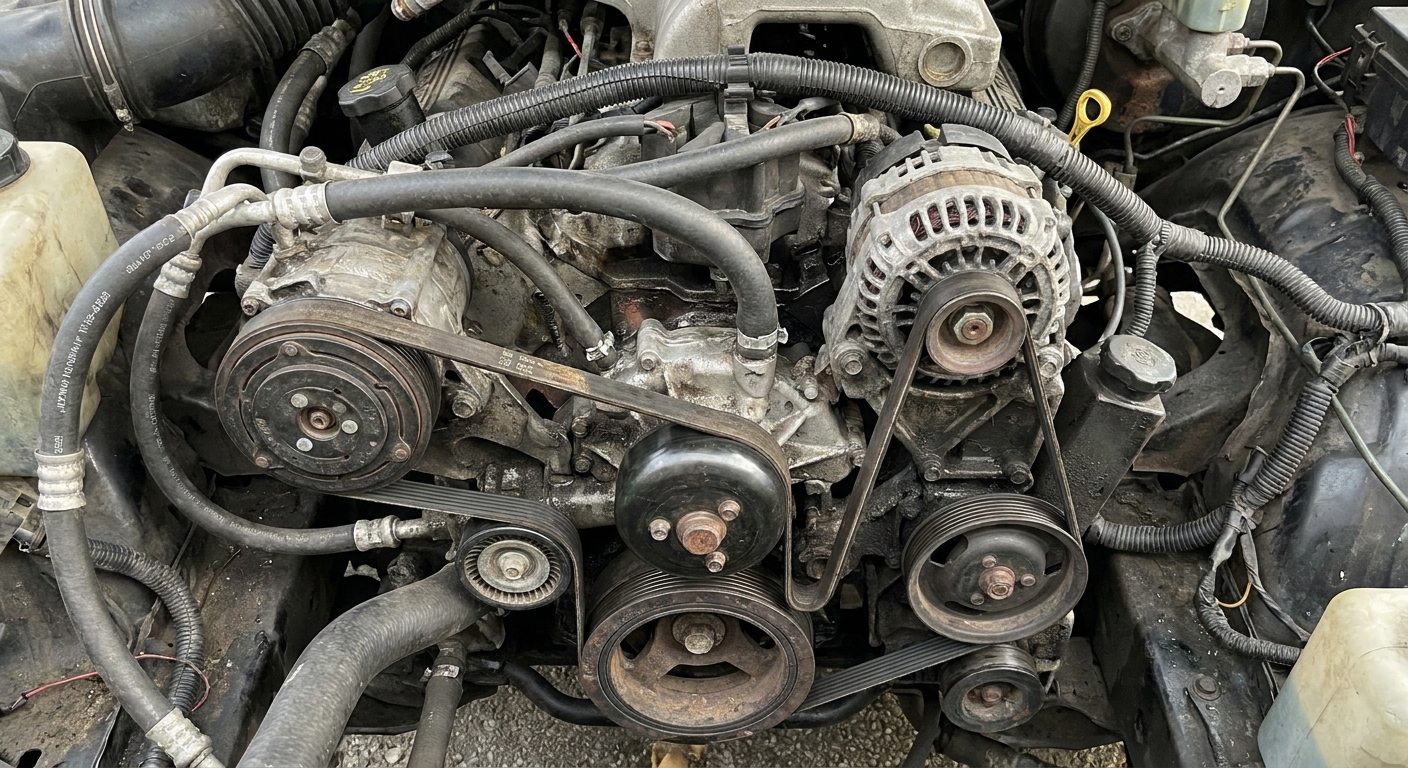
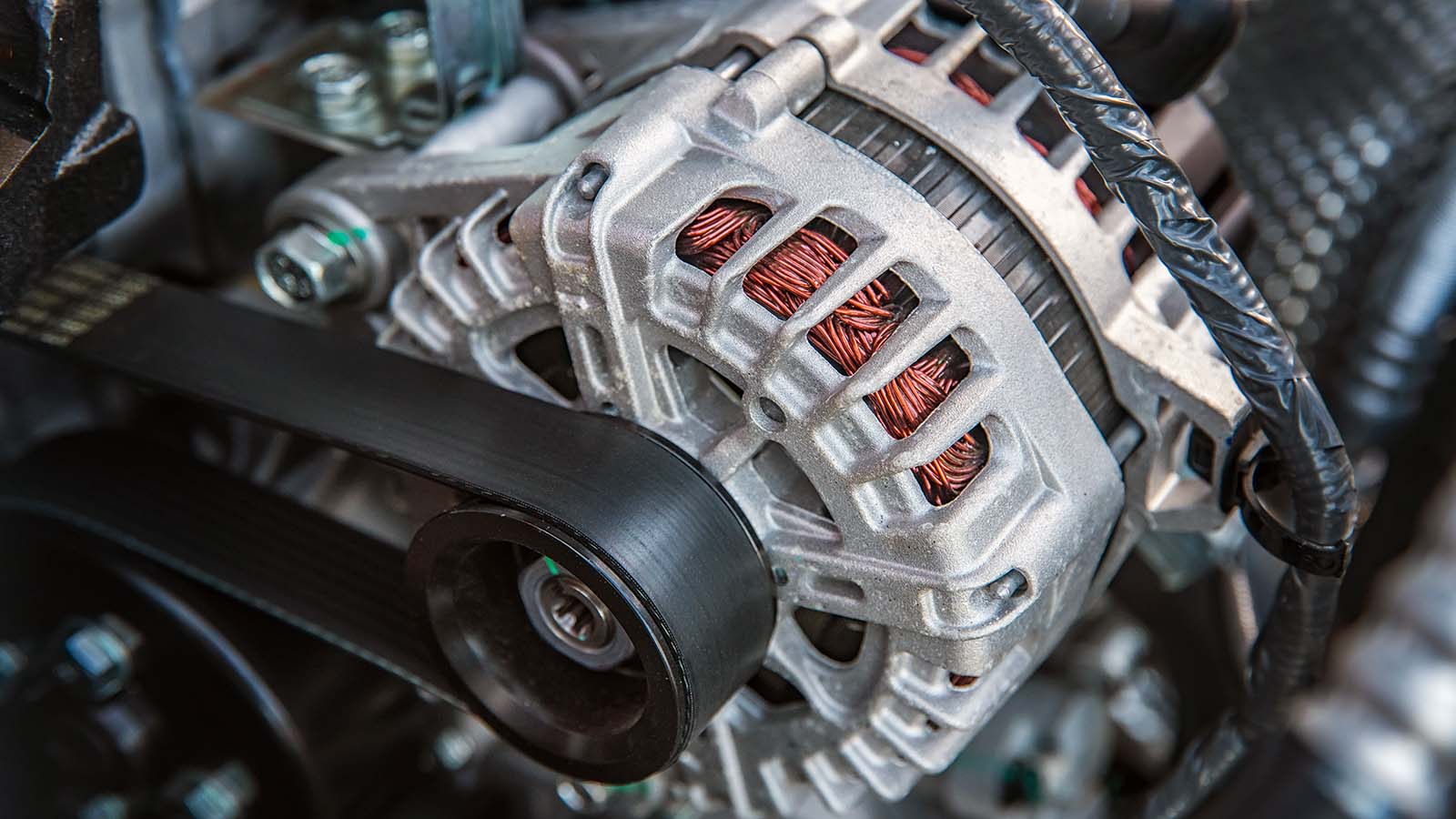
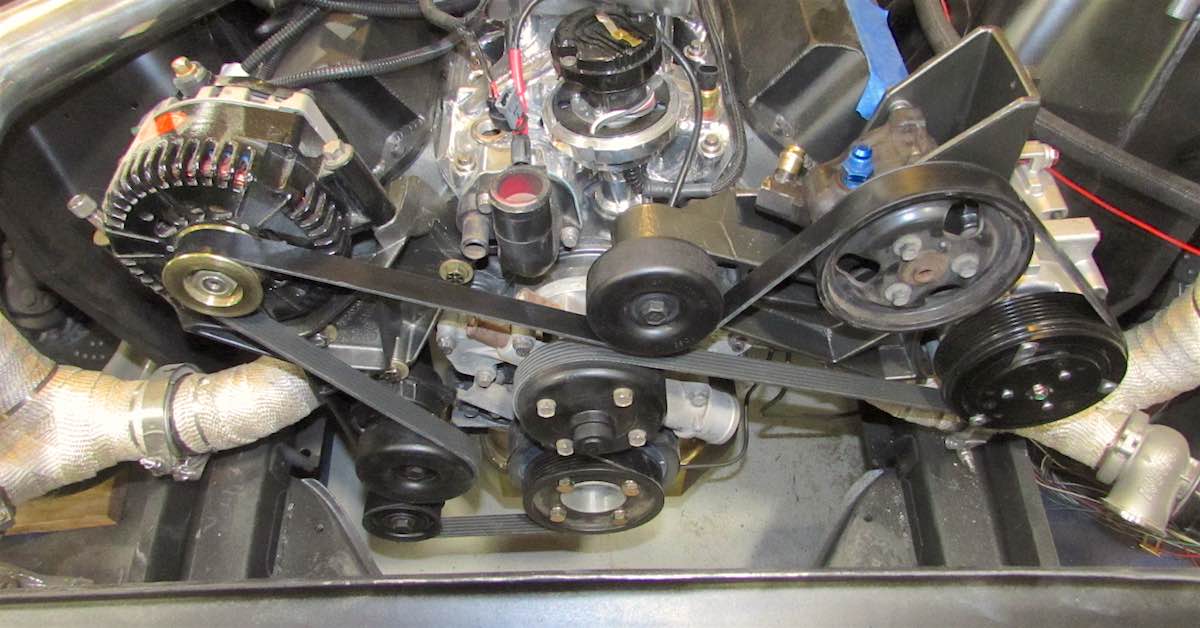
On most gas cars and many hybrids, the serpentine belt drives accessories like the alternator (charging), power steering pump (older hydraulic systems), and the A/C compressor. On many engines it also drives the water pump, but plenty of newer vehicles use electric water pumps or a pump driven internally by the timing system, so do not assume yours is belt-driven.
A squeal at startup is typically one of these:
- The belt is slipping on one or more pulleys (common).
- The tensioner is weak and cannot keep proper belt tension (one of the most common causes).
- A pulley bearing is failing or a component is starting to seize (less common, more urgent).
Why right at startup? Because that is when electrical load and mechanical drag are often highest. The battery just gave up a chunk of power to crank the engine, and the alternator is often asked to replenish it. On cold mornings, fluids are thicker and bearings can be tighter.
One quick note on sound: people say “squeal” for everything. A long, high squeal usually points to belt slip. A quick chirp that repeats can lean more toward misalignment, a belt rib issue, or a pulley that is not tracking straight.
Quick safety check
Do not put hands, tools, or loose clothing near a moving belt. If you need to inspect routing or spin pulleys by hand, shut the engine off, remove the key, and keep fingers clear of pinch points.
If your car has an electric cooling fan, remember it can kick on even with the engine off on some models.
Also skip the old trick of spraying water, belt dressing, or anything else onto a moving belt. It is not a safe diagnostic method, and belt dressing tends to create more problems than it solves.
Most common cause: belt condition
1) Moisture on the belt
If the squeal happens on rainy mornings, after a car wash, or when there is heavy dew, moisture can act like a lubricant. The belt slips for a second until friction and heat dry it out.
What you will notice: squeal for 1 to 5 seconds, then it goes away and might not return all day.
What to do: treat this as a sign to inspect belt condition and tension. A healthy belt and tensioner usually tolerate a little moisture without screaming.
2) A glazed or worn belt
Glazing is when the belt surface gets shiny and hardened. A glazed belt has less grip, so it squeals more easily, especially during that first recharge surge after startup.
How to check:
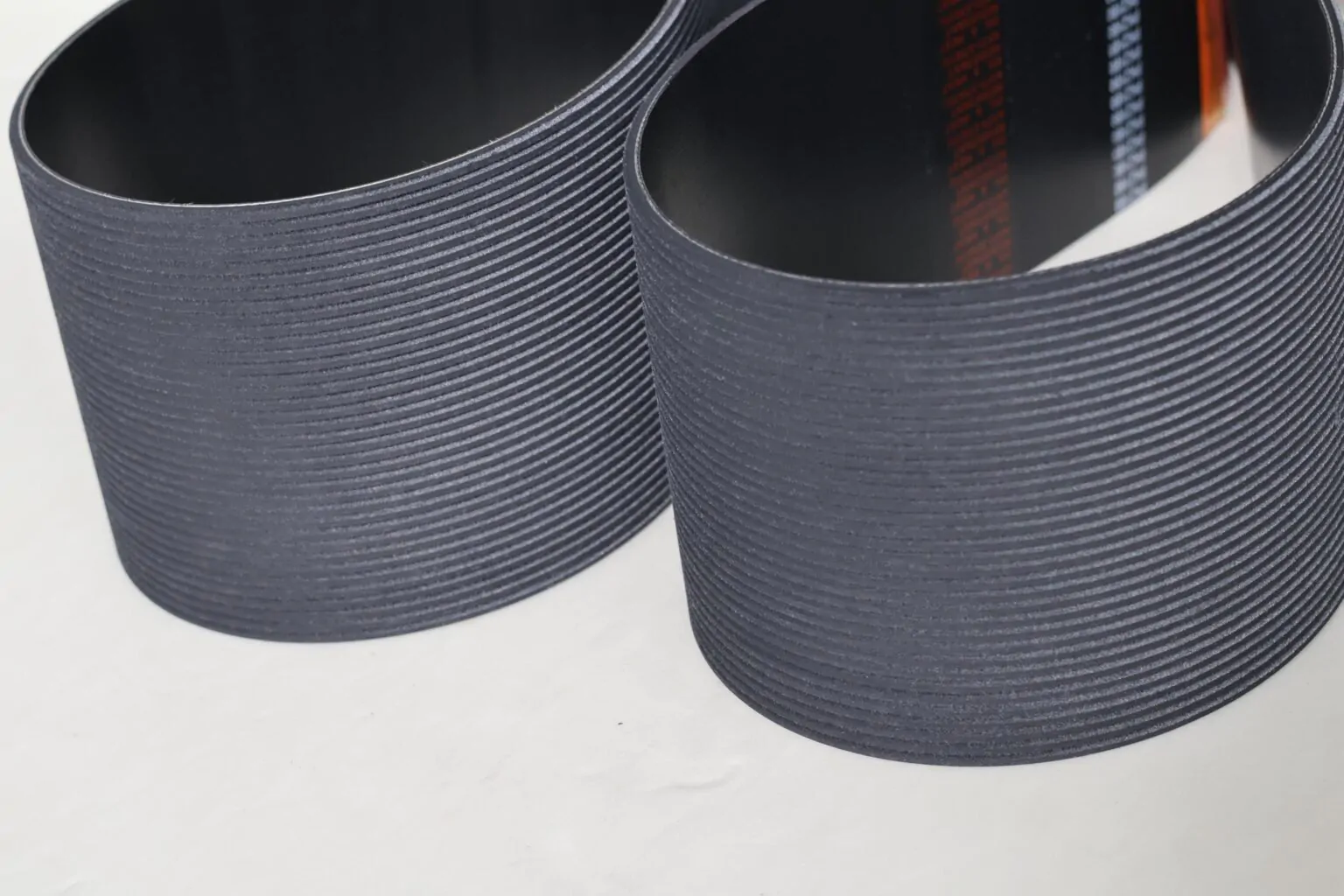
- With the engine off, look at the ribbed side of the belt. If it is glossy, smooth, or looks polished, it is likely glazed.
- Check for cracking across the ribs, missing chunks, frayed edges, or rib sections that look flattened.
- If you know the belt is old, factor that in. Many belts can make it 60,000 to 100,000 miles or more, but heat, oil contamination, and stop and go driving can shorten that. At minimum, I like to give the belt a quick look at oil changes.
What to do: replace the belt if it is glazed, cracked, stretched, or contaminated. Belt dressing is not a fix. In a shop, belt dressing often turned into a comeback because it masks the symptom but does not address tension, alignment, or a failing bearing.
3) Fluid contamination
Power steering fluid (on hydraulic systems), coolant, or oil on the belt can cause immediate slip and squeal. It also accelerates belt deterioration.
How to check: look for wetness, drips, or spray patterns near the belt path. Pay attention to the valve cover area (oil), front of the engine (coolant), and around the power steering pump and hoses.
What to do: fix the leak and replace the belt. Cleaning a contaminated belt is rarely worth it.
Next most common: tensioner
If I had to pick the number one part that turns a normal belt into a squealing belt, it is the tensioner. The tensioner’s spring keeps steady pressure on the belt as loads change and as the belt stretches with age.
When a tensioner gets weak, you get:
- Squeal right at startup, then it fades.
- Squeal when you turn on big electrical loads (headlights, rear defrost, blower on high).
- Squeal when the A/C compressor kicks on.
Simple tensioner checks
- Watch it at idle: With the hood open and from a safe distance, look at the tensioner arm. Excessive bouncing or fluttering can mean a weak tensioner or a pulley issue.
- Inspect the pulley: With the engine off, check the tensioner pulley surface. If it is grooved, rough, or wobbling, it is time.
- Listen for a chirp or growl: A failing tensioner pulley bearing can chirp, squeal, or grind.
Pro tip from the shop: if you are replacing the belt on a higher-mileage vehicle, it is often smart to replace the tensioner at the same time, especially if it is original. I have seen plenty of fresh belts come back squealing because the tensioner spring was tired and could not hold it tight when the alternator loaded up at idle.
Pulleys and bearings
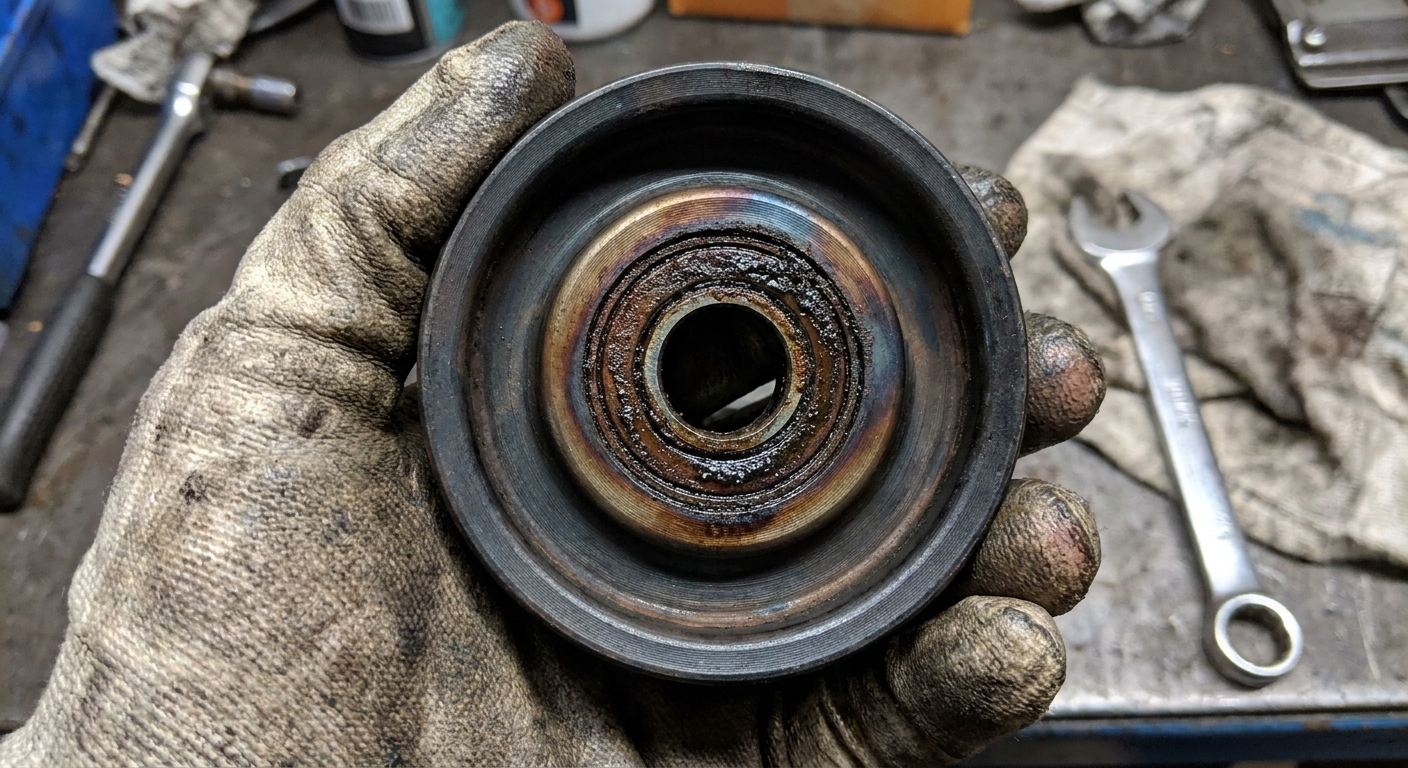
Many engines have one or more idler pulleys, plus bearings inside accessories. When a bearing starts to fail, it can sound like:
- A squeal or high-pitched whine at startup
- A chirp that matches engine speed
- A rough growl that gets louder with RPM
Why this matters
A belt squeal from simple slip is annoying. A squeal caused by a bearing beginning to seize can throw the belt, shred it, or stop an accessory from turning. That is where things can get expensive fast.
What you can do at home: With the engine off and the belt removed (only if you are comfortable doing so), spin each pulley by hand. You are feeling for roughness, binding, wobble, or noise. Any pulley that feels gritty or loose is suspect.
If you are not comfortable removing the belt, a shop can pinpoint the noise with a mechanic’s stethoscope and quick isolation checks.
Less common: alignment issues
If the belt looks fine and the tensioner seems steady, do not ignore alignment. A belt that is not running true will squeal or chirp, wear fast, and can walk off a pulley.
Common alignment culprits include:
- A pulley that is wobbling from a failing bearing
- A bent bracket
- A crank pulley or harmonic balancer starting to separate
- The wrong belt length or width installed
If you see the belt riding off-center, tracking toward the edge of a pulley, or polishing one side, get it checked. Alignment problems tend to get worse, not better.
When it points to charging or cooling trouble
This is the line I want you to pay attention to: if the squeal is getting longer, louder, or returning while driving, stop treating it like a minor annoyance.
Charging red flags
- Squeal persists beyond a few seconds at startup, and 10 seconds or more is especially concerning.
- Squeal comes back when you turn on headlights, heated seats, blower, or rear defrost.
- Battery light flickers or stays on.
- Headlights pulse or dim at idle.
- You notice a burning rubber smell after the squeal.
A slipping belt can underdrive the alternator. That means the battery is not getting charged properly, and you can end up with a no-start later even though the engine was fine earlier.
Cooling red flags
Some engines drive the water pump with the serpentine belt, others use a timing belt or timing chain driven pump, and some use electric pumps. If your engine’s water pump is belt-driven and the belt slips badly or breaks, the engine can overheat quickly.
- Temperature gauge climbs above normal.
- Heater suddenly blows cold air at idle while the gauge rises.
- Squeal followed by a new rumbling noise from the front of the engine.
- Steam or a sweet coolant smell after the noise.
If the temperature gauge rises: pull over as soon as it is safe and shut the engine off. Overheating damage can happen faster than people think.
Narrow it down in 10 minutes
Step 1: Note the pattern
- Only on cold starts?
- Only when wet or humid?
- Only with A/C on?
- Does it happen again when you rev the engine a little?
- Is it a long squeal or a quick chirp?
Step 2: Inspect the belt
- Cracks across ribs, missing chunks, frayed edges, or glazing
- Oil or coolant contamination
- Misalignment or the belt riding off-center on a pulley
Step 3: Observe the tensioner
- Excessive arm movement
- Wobble in the pulley
- Any grinding or chirping sounds
Step 4: Check load triggers
With the engine running, turn on:
- Headlights
- Rear defrost
- Blower on high
- A/C (if the weather allows)
If the squeal shows up when load increases, belt slip or weak tension is very likely.
If you remove the belt
If you decide to remove the belt for inspection, two things save headaches:
- Use the routing diagram: many cars have a belt routing sticker under the hood. If yours is missing, look it up in a service manual source before you start.
- Take a quick photo first: it is the easiest way to confirm routing during reinstallation.
Common fixes
Fixes that solve startup squeal
- Replace the serpentine belt if it is glazed, cracked, stretched, or contaminated.
- Replace the belt tensioner if it is weak, bouncing, or the pulley bearing is noisy.
- Replace noisy idler pulleys or any pulley with roughness or wobble.
- Fix leaks that are dripping oil or coolant onto the belt.
- Correct misalignment from a bracket, crank pulley issue, or incorrect belt size.
What I would skip
- Belt dressing: It can temporarily quiet a belt, but it does not restore grip the right way and can attract dirt. If a belt needs dressing to behave, something else is wrong.
- Ignoring it because it goes away: A belt system often gives you a “few seconds” warning first, then “every morning,” then “randomly at stoplights,” and finally “it broke.”
EVs and hybrids
Full battery EVs usually do not have a serpentine belt driving an alternator because they do not have an alternator. Many EV accessories are electric. That said, some EVs do still use one or more belts to drive certain accessories or pumps, depending on the design, so it is worth checking your specific model.
Hybrids are mixed. Some still use an engine-driven belt for certain accessories. If your hybrid has a conventional serpentine belt, the same diagnosis steps apply.
When to check it now
Schedule a shop visit soon, or tow if needed, if you notice any of the following:
- Squeal that is loud, lasts, and is getting worse week to week
- Battery warning light, charging problems, or repeated dead battery
- Overheating symptoms or temperature gauge rising
- Burning rubber smell
- Visible belt damage, cords showing, or belt riding off a pulley
- New grinding or rumbling noises from the belt area
FAQ
Is it safe to drive if my car squeals when it starts?
If it is a brief squeal that goes away and your temperature gauge and charging system are normal, it is usually safe for short trips. But it still deserves attention soon. If the squeal persists, returns while driving, or you see a battery light or rising temperature, treat it as urgent.
Can a bad alternator cause a belt squeal?
Yes. A failing alternator bearing can make noise, and an alternator that is hard to turn can increase belt load and make a marginal belt or tensioner squeal. The squeal itself is still the belt slipping, but the alternator can be the reason it is slipping.
Why does it squeal more when it is cold?
Cold rubber has less flexibility, cold bearings can have more drag, and the alternator often works harder right after startup. All of that increases the chance of belt slip if the belt or tensioner is not at 100 percent.
How much does it cost to fix?
It depends on the vehicle and what is actually bad. A belt is typically the least expensive fix. Tensioners and idler pulleys add parts and labor. If an accessory like an alternator or A/C compressor is failing or seizing, costs rise quickly. The most cost-effective move is catching it at the belt or tensioner stage.
The takeaway
A squeal right when your engine starts is usually a serpentine belt slipping due to moisture, glazing, or low tension. The two big culprits are belt condition and a weak tensioner, with pulley bearings and alignment issues close behind.
If your squeal is getting longer, happening under electrical or A/C load, or paired with a battery light or temperature issues, do not wait. That is when a “little noise” can turn into a dead battery, an overheating event, or a shredded belt on the side of the road.