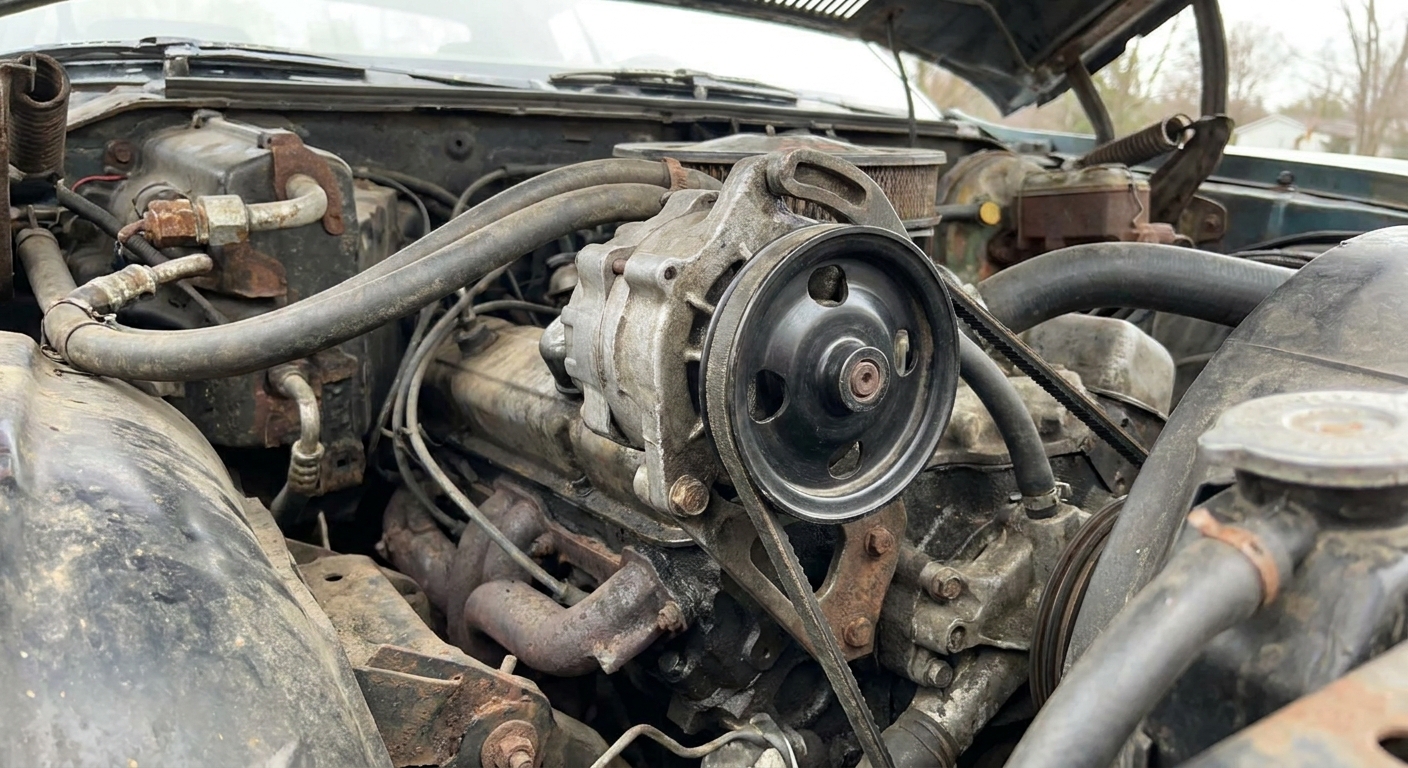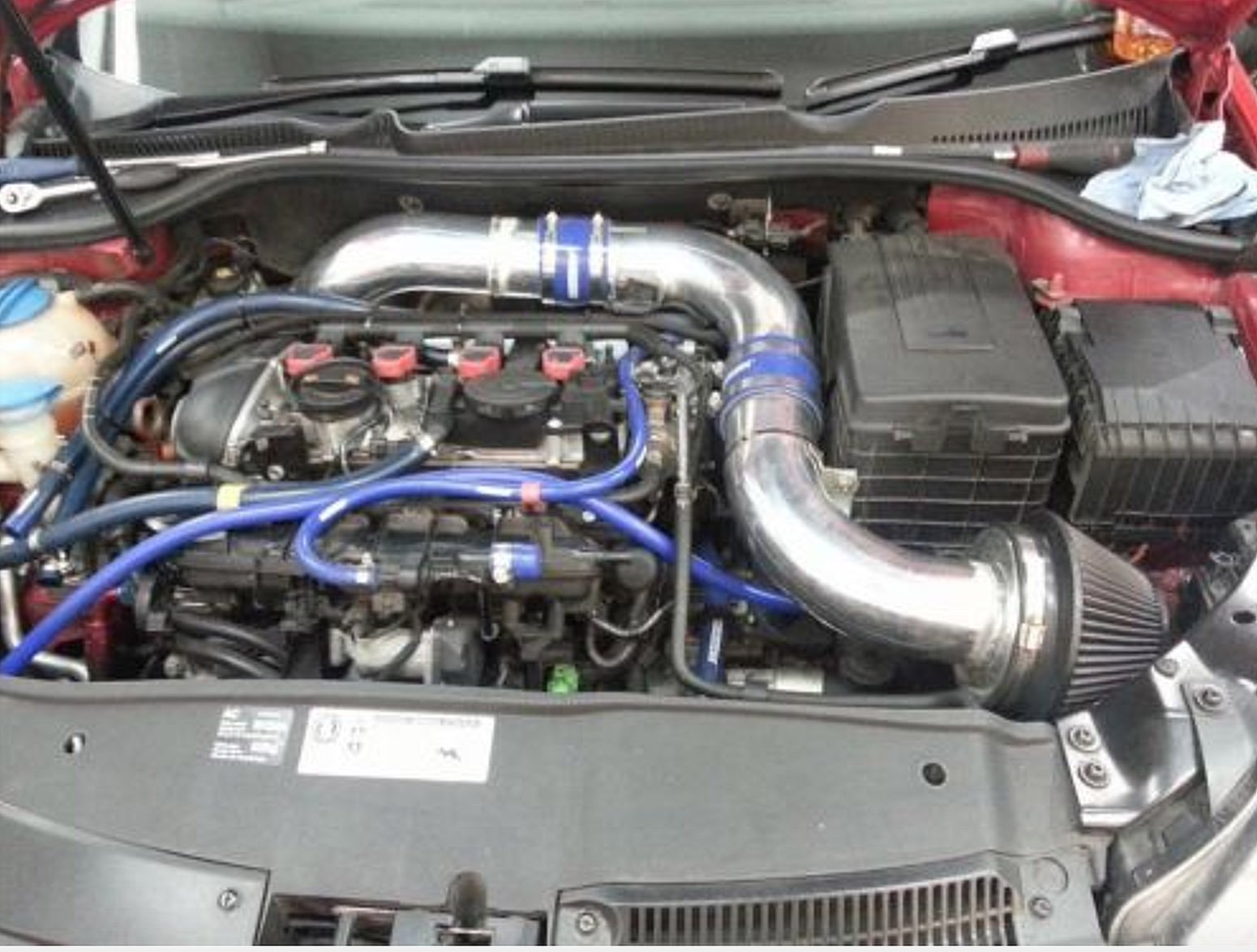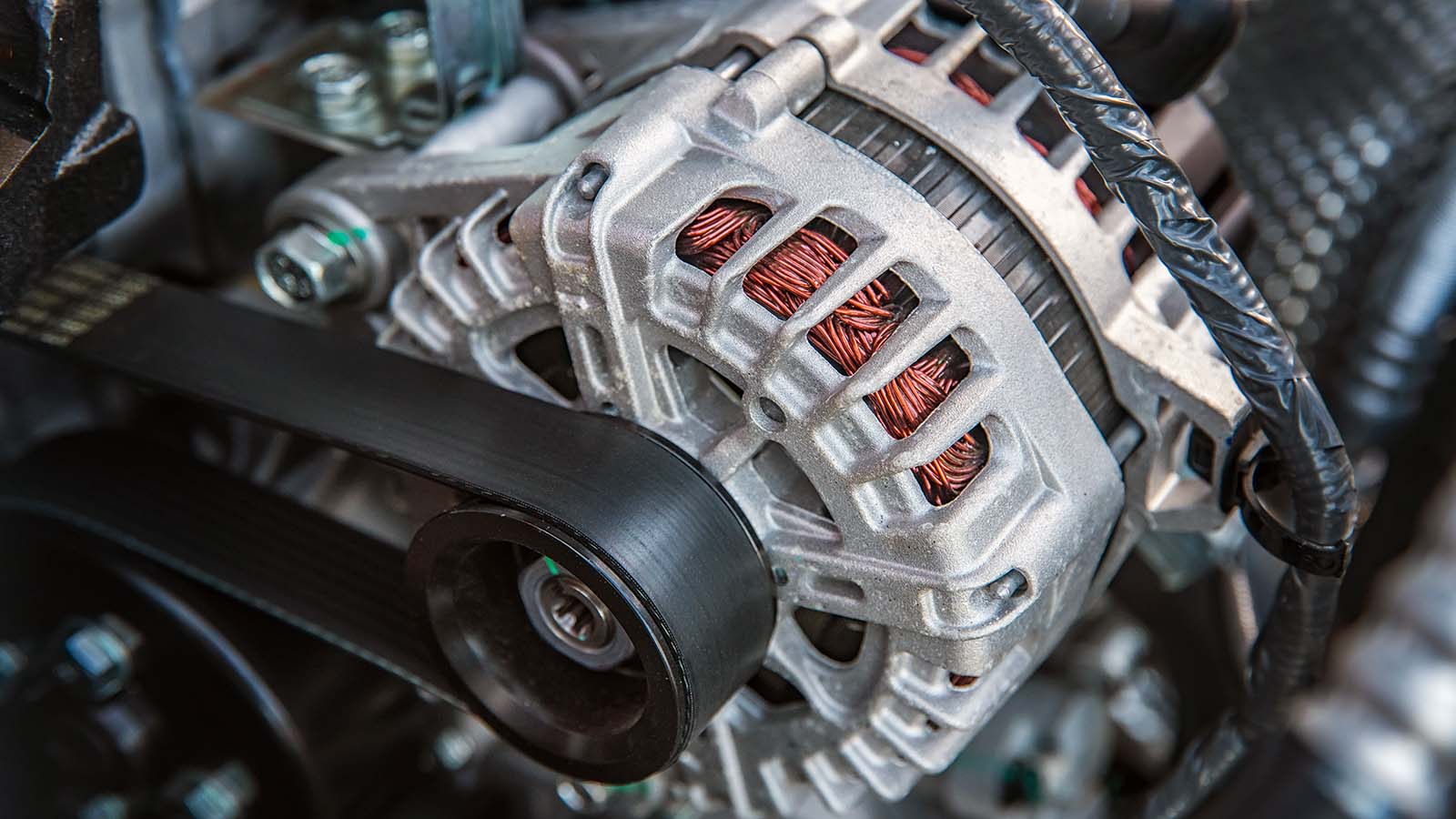
The first time I saw this as a young tech, I thought the A/C was somehow “shutting the engine off.” What was really happening was simpler: the A/C compressor clutch clicked in, the engine suddenly had to work harder at idle, and a weakness that was hiding in plain sight showed itself.
If your car idles normally with the A/C off, then stumbles hard or dies the moment the A/C turns on, you are usually dealing with one of three buckets:
- The engine is not compensating for the added load (idle-up strategy is weak, throttle body is dirty, idle control is sticky).
- The A/C compressor is dragging too much (internal compressor drag when commanded on, or bearing/clutch issues).
- System voltage drops when the A/C load hits (weak alternator, weak battery, bad grounds, slipping belt).
Let’s walk through a practical way to narrow it down without guessing and without replacing parts blindly.
Quick safety note: If it only stalls at idle, that is usually an idle-control, load, or voltage problem. If it bogs or dies while you are driving, treat it as a bigger safety issue and get it checked sooner, because a sudden stall can take away power steering assist and put you in a bad spot.
What changes when you switch the A/C on
When you hit the A/C button, a few things typically happen almost at once:
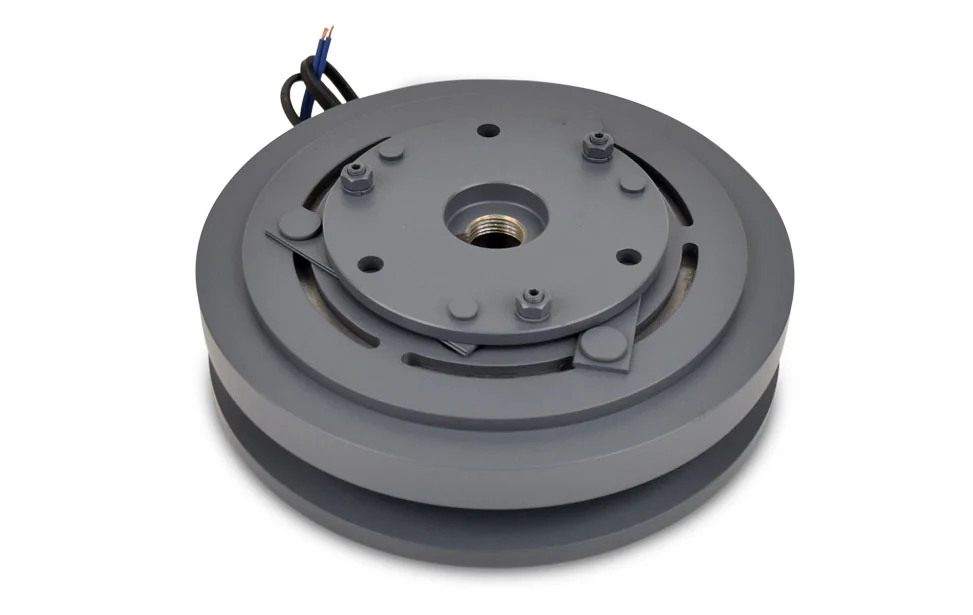
- The A/C compressor is commanded on, adding mechanical drag to the engine. On many cars you will hear a clutch click. On others you may not.
- The radiator/condenser fan(s) may kick on, adding electrical load.
- The ECU commands an idle-up (on most fuel-injected cars) by adjusting the throttle plate (electronic throttle) or an idle air control valve.
At a healthy idle, you might see a small dip in RPM, then the idle catches itself and stabilizes. If it stalls, the engine either cannot add enough air and fuel quickly enough, or the load is excessive, or voltage drops low enough that control systems get unstable.
One nuance worth knowing: not every vehicle uses a traditional clutch you can hear. Some variable displacement compressors can be quieter, and many hybrids and some newer vehicles use an electric A/C compressor. The symptom is the same, but the “listen for the click” part may not apply.
Quick checks in 60 seconds
1) Listen and look when the A/C comes on
- Normal: a soft click (if equipped), slight RPM drop, then recovery.
- Possible compressor or belt issue: loud clunk, belt squeal, engine bogs hard immediately, tensioner snaps around.
- Possible voltage issue: headlights noticeably dim, blower tone changes, dash lights flicker right when it stumbles.
2) Try to reduce electrical load
On some cars the compressor request is tied to HVAC mode, defrost logic, and blower operation, so you might not be able to run the compressor with the cabin fan truly “off.” Still, you can do a simple isolation test:
- Turn headlights and rear defrost off, set the blower to low, then switch the A/C on.
- If it improves a lot when you reduce electrical loads, move charging voltage and connections higher on the list.
- If it stalls the same way regardless of electrical loads, the problem is more likely idle-air control or mechanical compressor drag.
Keep in mind the condenser fans can still run even if the cabin blower is low. This test is not perfect, but it can point you in the right direction fast.
3) Note whether it only happens cold or only hot
- Only cold: sticking idle control, dirty throttle body, marginal battery, idle relearn issues after recent work.
- Only hot: weak alternator output at warm idle, higher fan demand, compressor beginning to bind when warm, heat-related sensor drift.
Most common cause: weak idle-up
On a modern fuel-injected engine, the ECU is supposed to anticipate A/C load and raise idle slightly. If the throttle body is gunked up or the idle control system is sluggish, it cannot deliver the extra airflow the engine needs right when the A/C load hits.
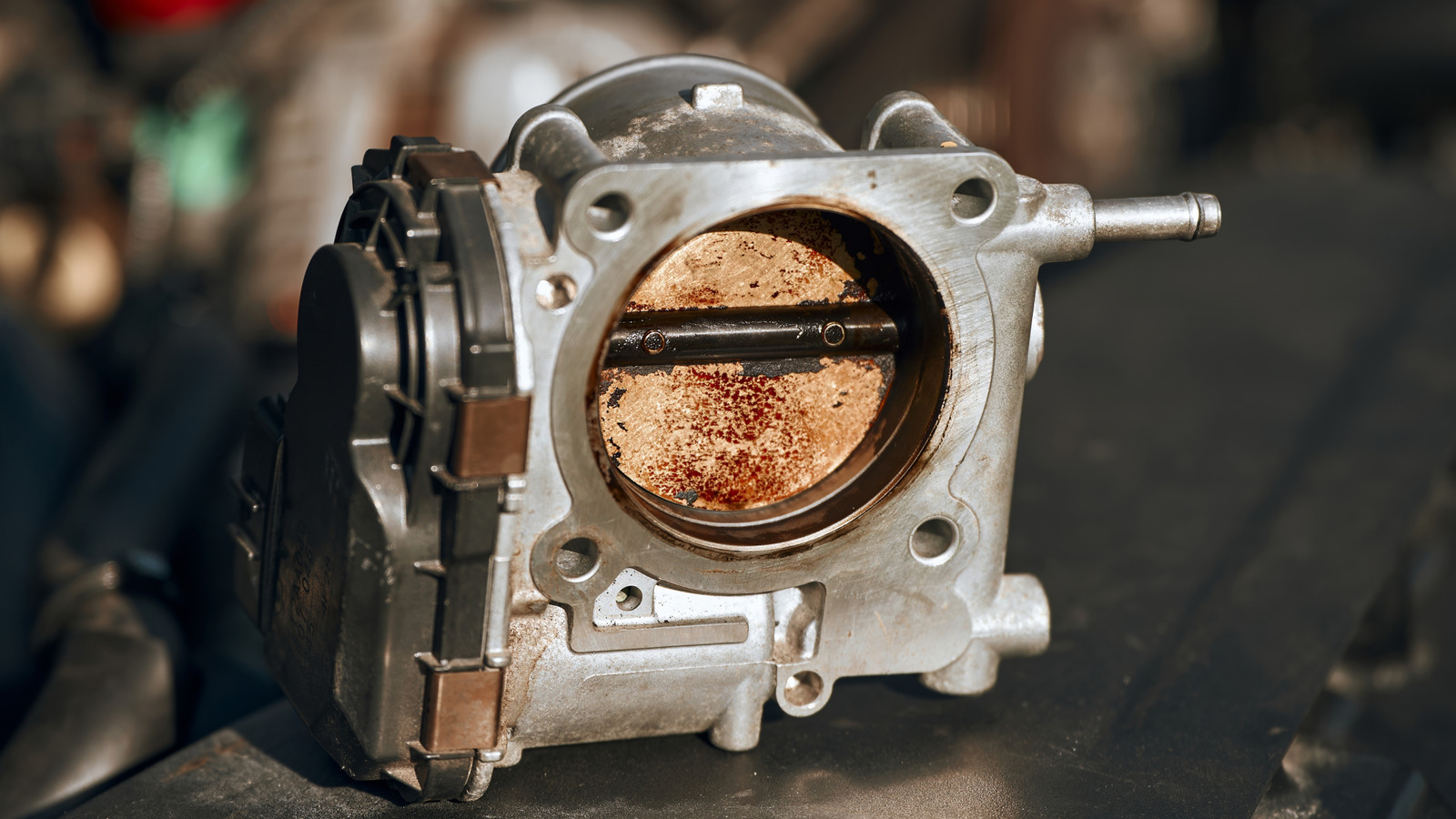
Dirty throttle body
Carbon buildup around the throttle plate reduces the effective airflow at small openings. With the A/C off, the engine may idle “fine.” With the A/C on, that extra load exposes the restriction and the idle falls off a cliff.
Clues:
- Idle hunts or dips even without A/C sometimes.
- Starts and runs fine, but feels lazy coming back to idle.
- No warning lights, or you may see an idle-related code depending on the car.
What you can do: Clean the throttle body using a throttle body safe cleaner and a soft cloth. On many electronic throttle cars, you should not force the plate open aggressively. Follow service info for your vehicle when possible.
After cleaning: Some cars need an idle relearn (a short procedure where the ECU recalibrates idle airflow). Symptoms after cleaning can include a temporarily high or low idle until it relearns.
IAC and electronic throttle issues
Depending on year and design, your engine may manage idle with an idle air control (IAC) valve or with an electronic throttle body.
If your car has an IAC valve
An IAC that is sticky, carboned-up, or failing may not open quickly when the A/C requests idle-up.
Clues:
- Stalls when A/C is commanded on, but also may stall on cold starts.
- Idle speed may be too low in general.
- Sometimes a check engine light, but not always.
DIY-friendly checks:
- Inspect the IAC connector and wiring for corrosion or broken locking tabs.
- Check for vacuum leaks, because they can confuse idle control response.
If your car is drive-by-wire
Electronic throttle systems usually handle A/C idle-up well, but they are sensitive to:
- Throttle plate deposits (again, very common)
- Low system voltage
- Vacuum leaks or unmetered air
- Incorrect airflow readings (MAF sensor contamination)
If you have a scan tool, watch desired idle RPM vs actual idle RPM when the A/C is turned on. If desired rises but actual drops and stalls, the ECU is trying, but airflow control cannot keep up.
Tip: Stored and pending codes and their freeze-frame data are gold here, even if the check engine light is off. Common related code families include misfire codes (P0300-P030X), lean codes (P0171/P0174), throttle actuator and idle control codes, and charging system or voltage-related codes on some platforms.
Do not ignore compressor drag
An A/C compressor in good shape adds load, but not an absurd amount. A compressor that is binding internally can drag the engine down hard enough to stall, especially on small engines and at low idle.
Also note: pulley or clutch bearing issues can create drag and noise even with the A/C off, because the pulley spins anytime the belt is turning. Internal compressor drag is more noticeable when the compressor is actually commanded on.
Clues of compressor or pulley drag
- A sharp RPM drop right when the compressor is commanded on, sometimes with belt squeal.
- A/C may cool inconsistently, then get worse over time.
- You may hear growling, chirping, or metallic rubbing from the compressor area.
- The serpentine belt and tensioner look like they are getting snatched when the A/C turns on.
Simple under-hood observation test
With the hood open and the engine idling, watch the compressor and belt area while a helper toggles the A/C on and off.
- Normal: engagement is smooth (if clutch-equipped), belt motion stays steady.
- Suspicious: belt flutters, tensioner slaps, engagement is harsh, or the engine bogs dramatically.
Important: Keep hands, sleeves, and tools away from belts and fans. If anything looks unsafe, stop here and have a shop verify compressor drag with proper tools. Extreme high-side pressure problems can also overload a compressor, and that is typically a gauge-and-fan-control diagnosis, not a guessing game.

Voltage drop under A/C load
Turning on the A/C can stack electrical loads fast: radiator fan(s), blower motor, clutch coil (if equipped), and sometimes electric power steering demands at idle. If your alternator is weak at low RPM, or your battery and grounds are marginal, system voltage can dip low enough that the ECU, throttle actuator, or ignition system becomes unstable.
What it feels like
- Stalls are more likely at idle.
- Lights dim when A/C turns on.
- Idle surges, then dies, especially with headlights on.
Check it with a multimeter
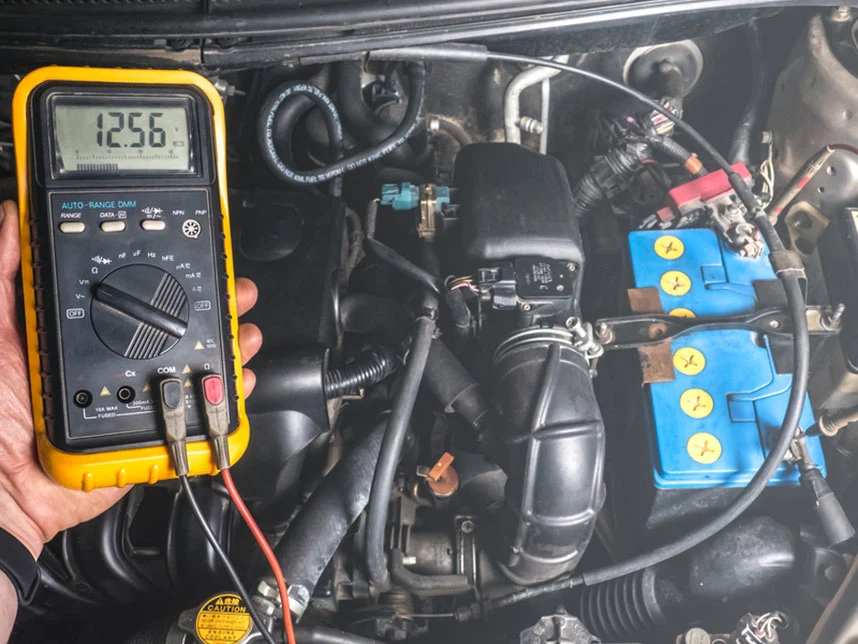
You can do a basic charging check right at the battery terminals.
- Engine off (after the battery has rested): Around 12.6V is a common rule of thumb for a fully charged battery at moderate temperatures. Around 12.2V is often considered roughly half-charged. Temperature and surface charge can skew these numbers, so treat them as ballpark, not gospel.
- Engine idling, no major loads: many conventional systems show roughly 13.5V to 14.7V, but it varies by vehicle and temperature.
- Engine idling, A/C on, blower on, headlights on: on older or more conventional charging systems you often still see 13V+. On many late-model smart-charging systems, it is more important that voltage stays stable and does not drop sharply when loads switch on. Compare A/C off vs A/C on and watch for a sudden dive right when the A/C is commanded on.
If voltage falls hard right when the A/C load hits and the engine stumbles, do not overlook:
- A slipping serpentine belt
- A weak alternator or failing regulator
- Corroded battery terminals
- Bad engine ground strap
Other problems that show up with A/C
Vacuum leaks
A vacuum leak can lean out the mixture at idle. Add A/C load and the engine drops below stable speed.
Clues: whistling sound, high or wandering idle, lean codes (like P0171) on many cars.
MAF sensor contamination
A dirty MAF sensor can misreport airflow. The ECU cannot fuel correctly during sudden load changes.
Clues: hesitation, odd shifting on automatics sometimes, lean codes, improved running briefly if you unplug the MAF on some vehicles (not a universal test).
EGR valve leaking
If the EGR valve leaks at idle, it can cause a rough idle or stall. A/C load makes the margin smaller.
Maintenance basics
- Old spark plugs
- Weak ignition coils (especially under load)
- Fuel delivery issues that show up as poor idle stability
These are less A/C specific, but A/C engagement is a very consistent way to expose a marginal engine.
Diagnosis order
- Check belt and tensioner basics: belt condition, tensioner wobble, squeal when the A/C is commanded on.
- Watch voltage at idle: multimeter test, compare A/C off vs on and watch for sharp drops or instability.
- Inspect and clean the throttle body: especially if it has never been cleaned.
- Scan for codes: stored and pending codes matter, and freeze-frame can tell you the conditions when it acted up.
- Listen and watch for compressor or pulley drag: harsh engagement, belt whip, or ugly noises point to a mechanical problem.
If you do those five in order, you usually avoid the two biggest money-wasters: buying a compressor when it was an alternator, or chasing sensors when it was simply a filthy throttle plate.
When to stop driving
Stalling with the A/C on can be more than an annoyance if it happens in traffic. Get professional help sooner if:
- The belt squeals loudly or you see smoke or rubber dust. A seized accessory can shred a belt quickly.
- The engine stalls unpredictably, not just during A/C engagement.
- You see a battery light or charging warning, or voltage is clearly unstable under load.
- The compressor area makes grinding or knocking sounds.
FAQ
Why does my car stall only when the A/C comes on?
Because A/C operation adds a sudden load. If idle control is weak (dirty throttle body, sticky idle control, vacuum leak), or the compressor is dragging, or voltage sags under load, the engine cannot maintain stable idle speed and it dies.
Can a bad battery cause stalling when I turn on the A/C?
Yes, especially at idle. A weak battery combined with a marginal alternator or poor cable connections can cause voltage to sag when the fans and compressor load come on. That can destabilize ignition and throttle control enough to stall.
Will cleaning the throttle body really fix this?
Often, yes. I have seen plenty of engines that idled “fine” until A/C load hit, and a thorough throttle body cleaning plus an idle relearn brought the stall count to zero.
Is it safe to keep using the A/C if the car sometimes stalls?
I would not. A stall at the wrong moment can be dangerous, and if the root cause is belt slip or a compressor beginning to seize, you can end up stranded with a broken belt and no charging system.
Could low refrigerant cause the engine to stall when A/C turns on?
Low refrigerant usually shows up as poor cooling and can lead to rapid cycling. It is not a common direct cause of stalling, but rapid cycling can make an existing idle-control or voltage problem more obvious because the load keeps switching on and off.