I have seen this exact complaint a hundred times in the shop: you start the car, the A/C feels great for a few minutes, then the vents slowly drift from crisp cold to lukewarm. If you shut the A/C off for a bit, sometimes it comes back cold again, like nothing happened.
That pattern matters. When an A/C system never gets cold, you chase a different list of suspects. But when it starts cold and fades warm, it usually falls into a few big buckets:
- The evaporator is freezing up and airflow through the dash drops.
- The refrigerant charge is low, which can pull pressures and temperatures out of the sweet spot and sometimes contribute to icing or restriction at the evaporator or metering device.
- The system is being told to back off after a few minutes due to a sensor, electrical, or fan-related protection strategy.
- A blend door is drifting warm and mixing heat into the air stream.
Let’s walk through how to tell which one you are dealing with, what you can check at home, and when it is time to let a shop hook up gauges.
First, confirm the symptom
Before you buy parts or a recharge kit, do two quick checks that narrow the field fast.
1) Does airflow get weaker as it warms up?
If the air coming out of the vents gets noticeably weaker as the temperature rises, that strongly points to evaporator freeze-up. The evaporator can ice over until airflow through the fins drops. What little air does get through can feel warmer by the time it reaches the vents.
If airflow stays strong but the air temperature gets warm, that points more toward compressor output dropping, low refrigerant, or a blend door issue.
2) When it turns warm, does the compressor stay on?
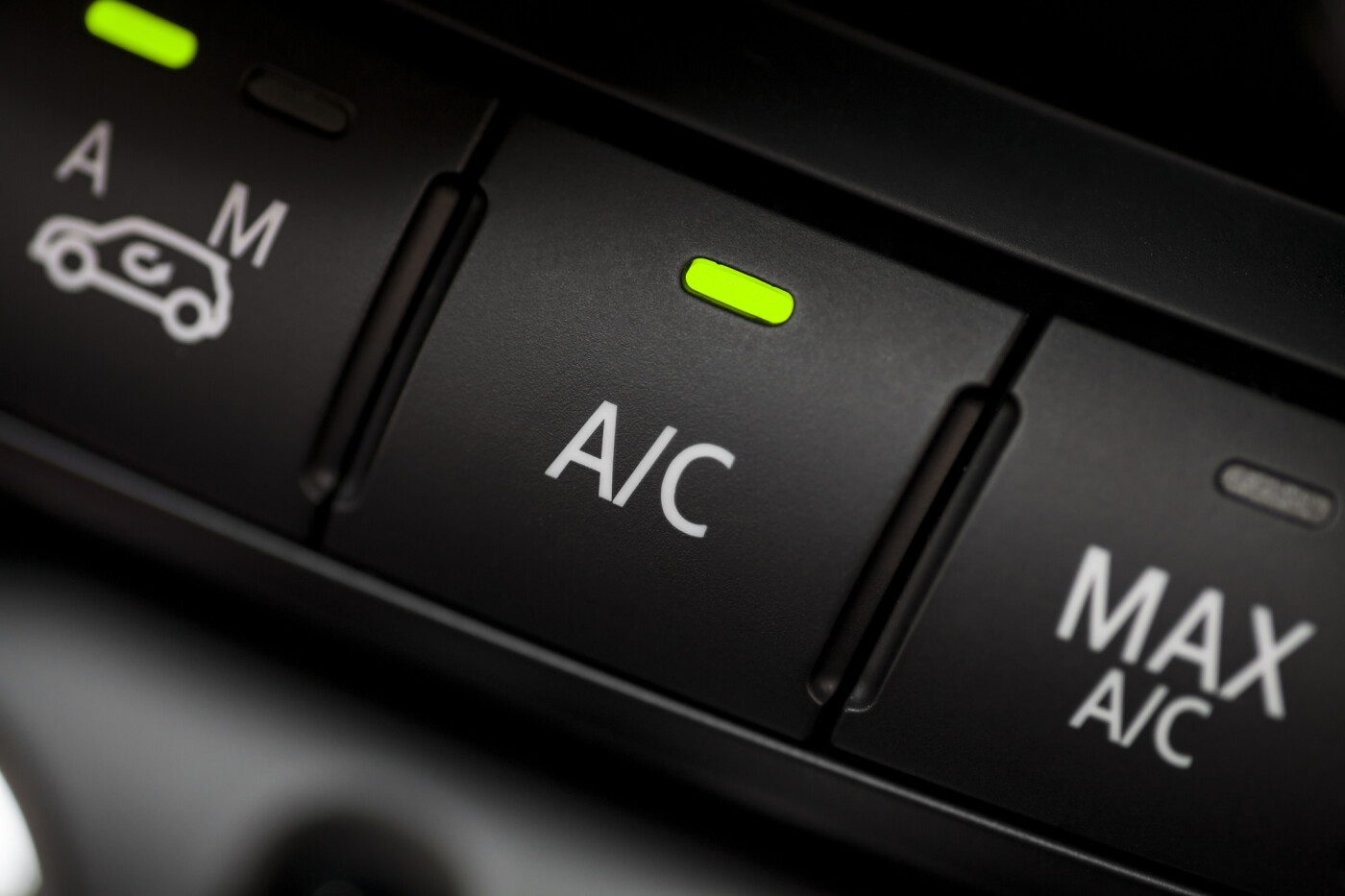
With the hood open, A/C set to MAX, and the engine idling:
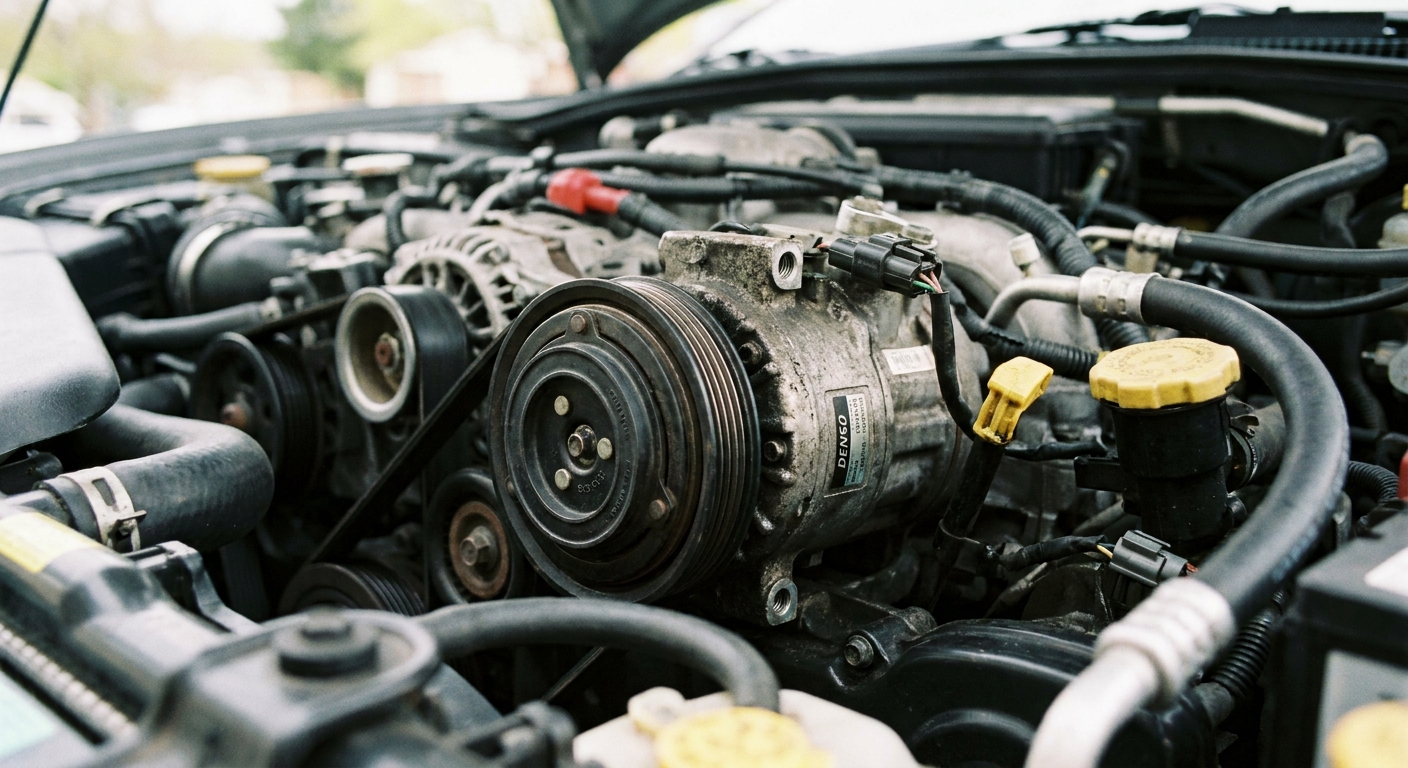
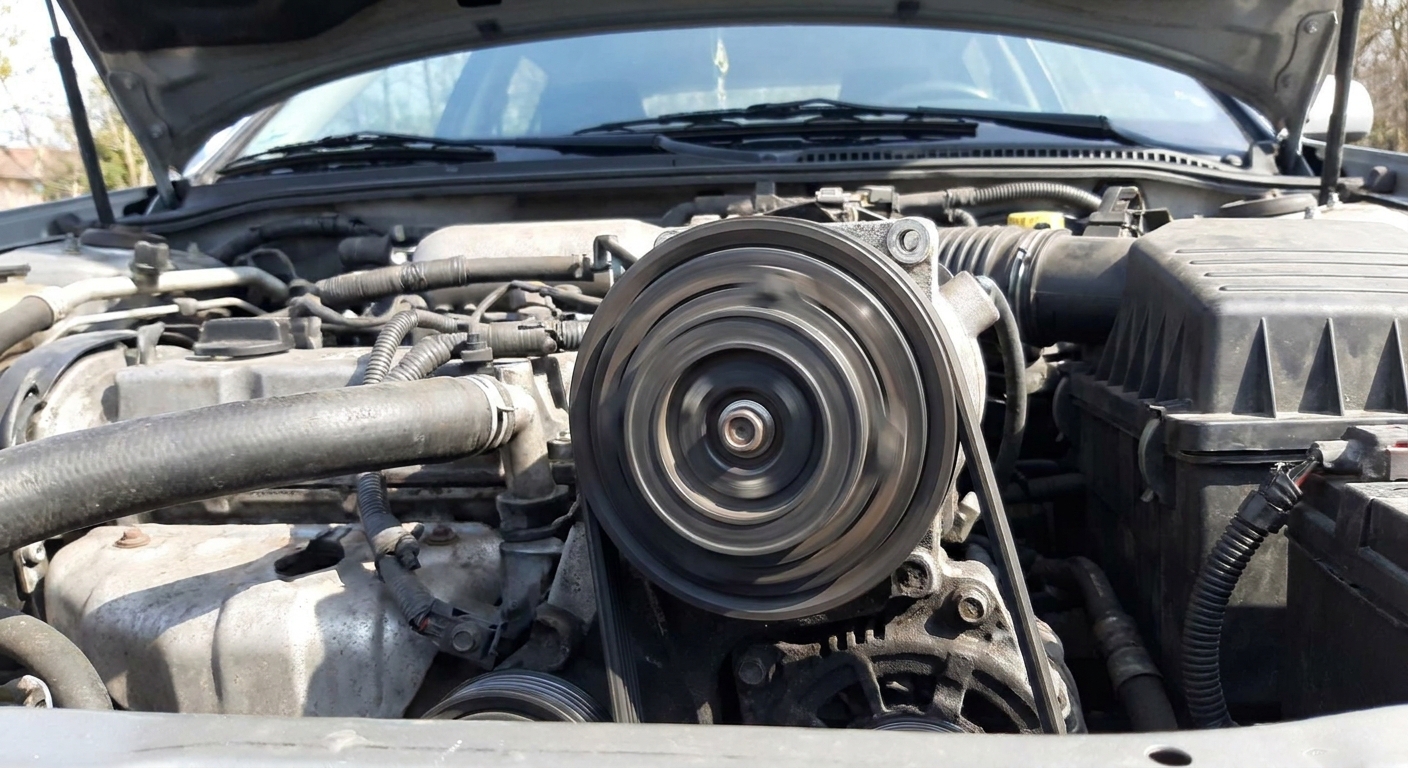
- Find the A/C compressor and look at the front face.
- On many vehicles, the outer pulley spins all the time, but the clutch plate in the center clicks and spins only when A/C is commanded on.
When the cabin air turns warm, check whether the compressor clutch is still engaged (or, on clutchless variable compressors, whether the system is still commanding cooling).
- If the compressor is not running, you are likely dealing with a control-side shutoff or protection event (electrical, sensor input, pressure logic, fan control).
- If the compressor is running but cooling fades, think freeze-up, low charge, condenser airflow problems, metering issues, or internal compressor problems.
Cause 1: Evaporator freeze-up
Your A/C works by boiling refrigerant inside the evaporator in the dash. If the evaporator gets too cold, moisture in the air freezes on it. Enough ice builds up and it becomes a restriction, like putting a winter coat over a radiator.
How it behaves
- Starts cold, then gradually warms.
- Often the airflow drops as it warms.
- If you turn A/C off and keep the fan on for 5 to 15 minutes, it may blow cold again once the ice melts.
What causes the evaporator to freeze?
- Low refrigerant charge (common). Lower evaporator pressure can mean lower evaporator temperature, which raises the odds of icing.
- Weak airflow across the evaporator, usually from a dirty cabin filter, debris in the HVAC case, a restricted cabin air inlet, or a failing blower motor.
- Bad evaporator temperature sensor or thermistor. The car uses this feedback to prevent icing by cycling the compressor or reducing displacement.
- HVAC control logic or thermostat-style control failure (vehicle-dependent). If the system does not recognize it is near freezing, it can keep pulling the evaporator colder than it should.
- Expansion valve or orifice tube issues that push pressures and temperatures into the wrong range.
What you can check at home
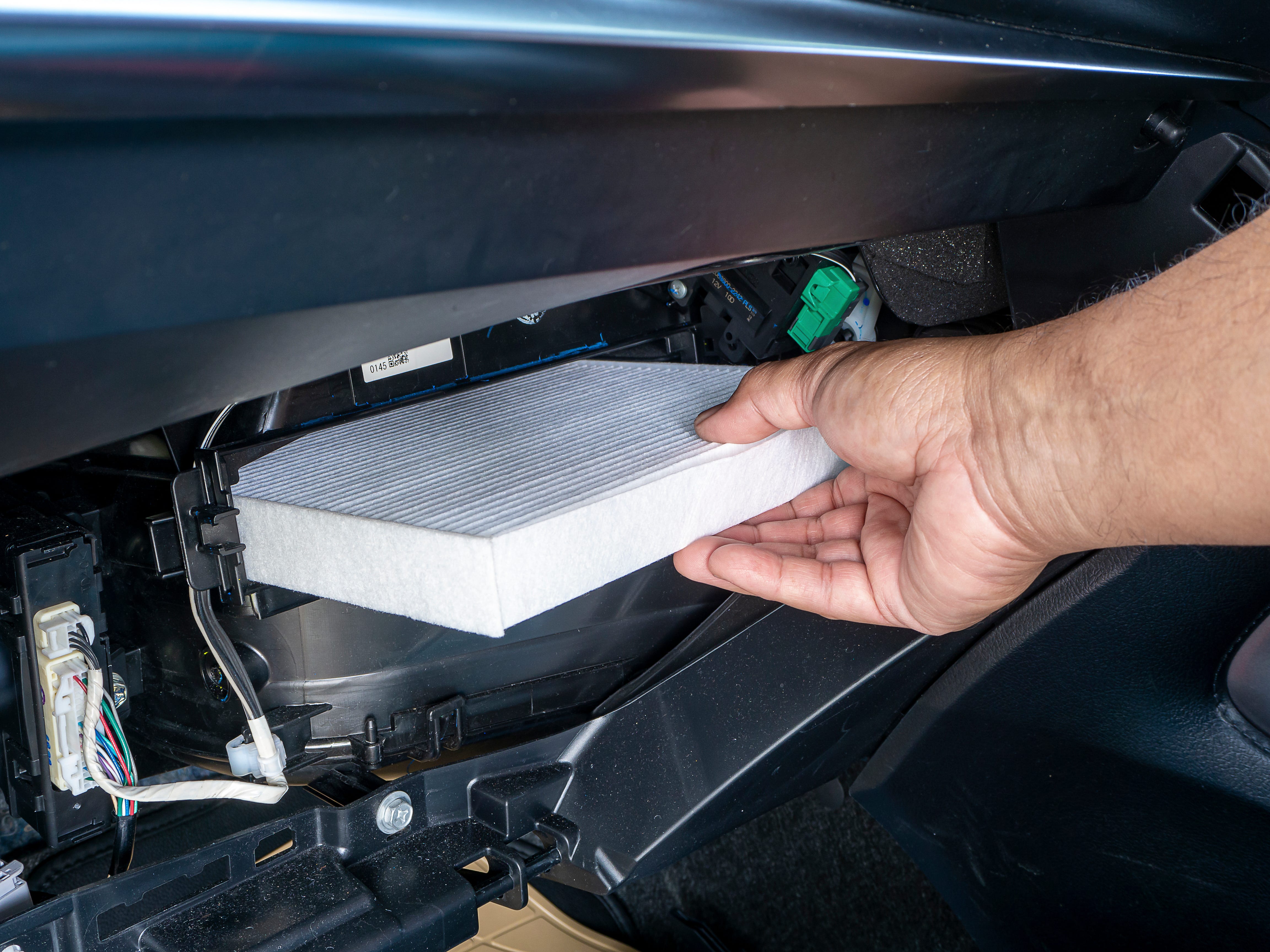
Check the cabin air filter
If the filter is packed with dust and leaves, airflow drops and icing becomes more likely. A cabin filter is cheap and easy, and it is a legit first step.
Look for icing clues under the hood
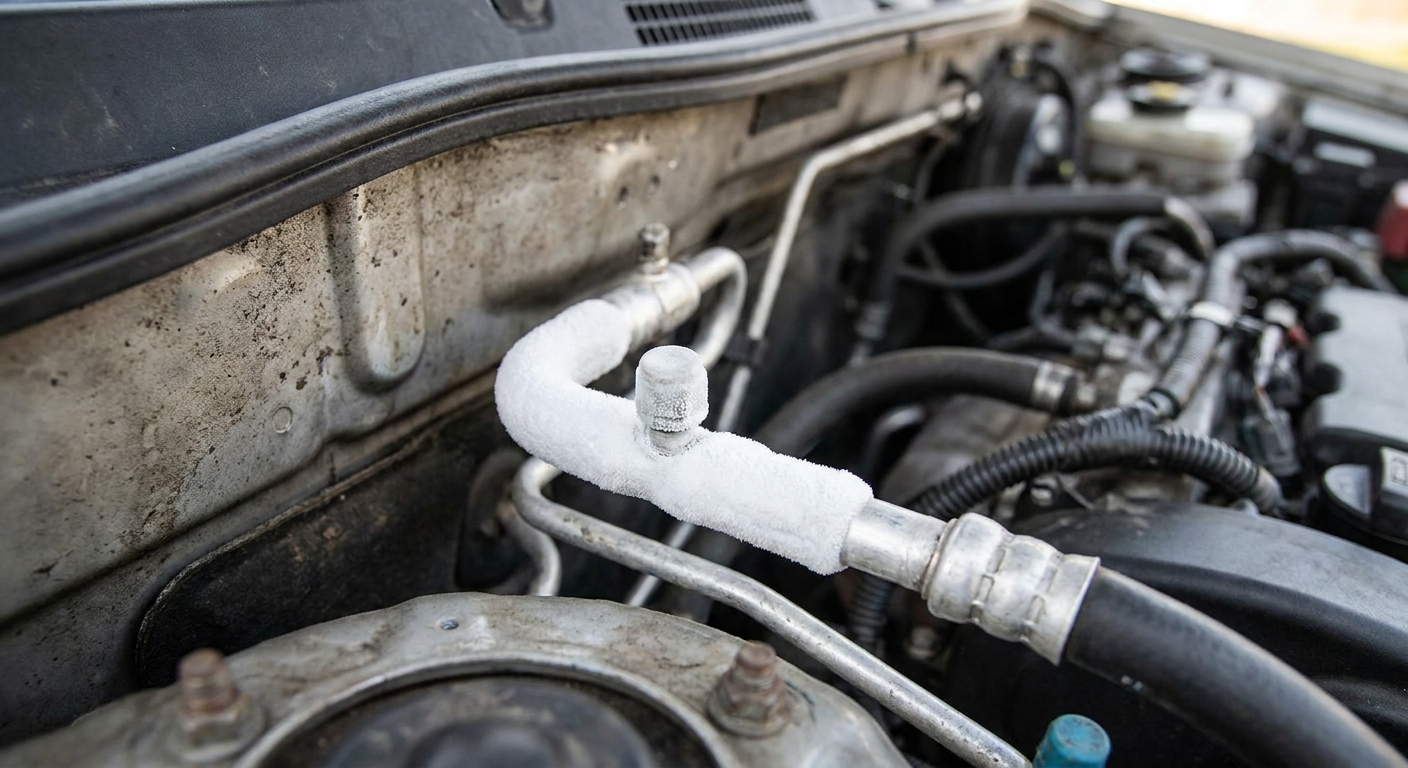
With A/C running, check the larger diameter A/C line (the suction line) coming back from the firewall. It should be cold and may sweat. If you see heavy frost on the line or on the accumulator, that is a strong hint you are icing somewhere.
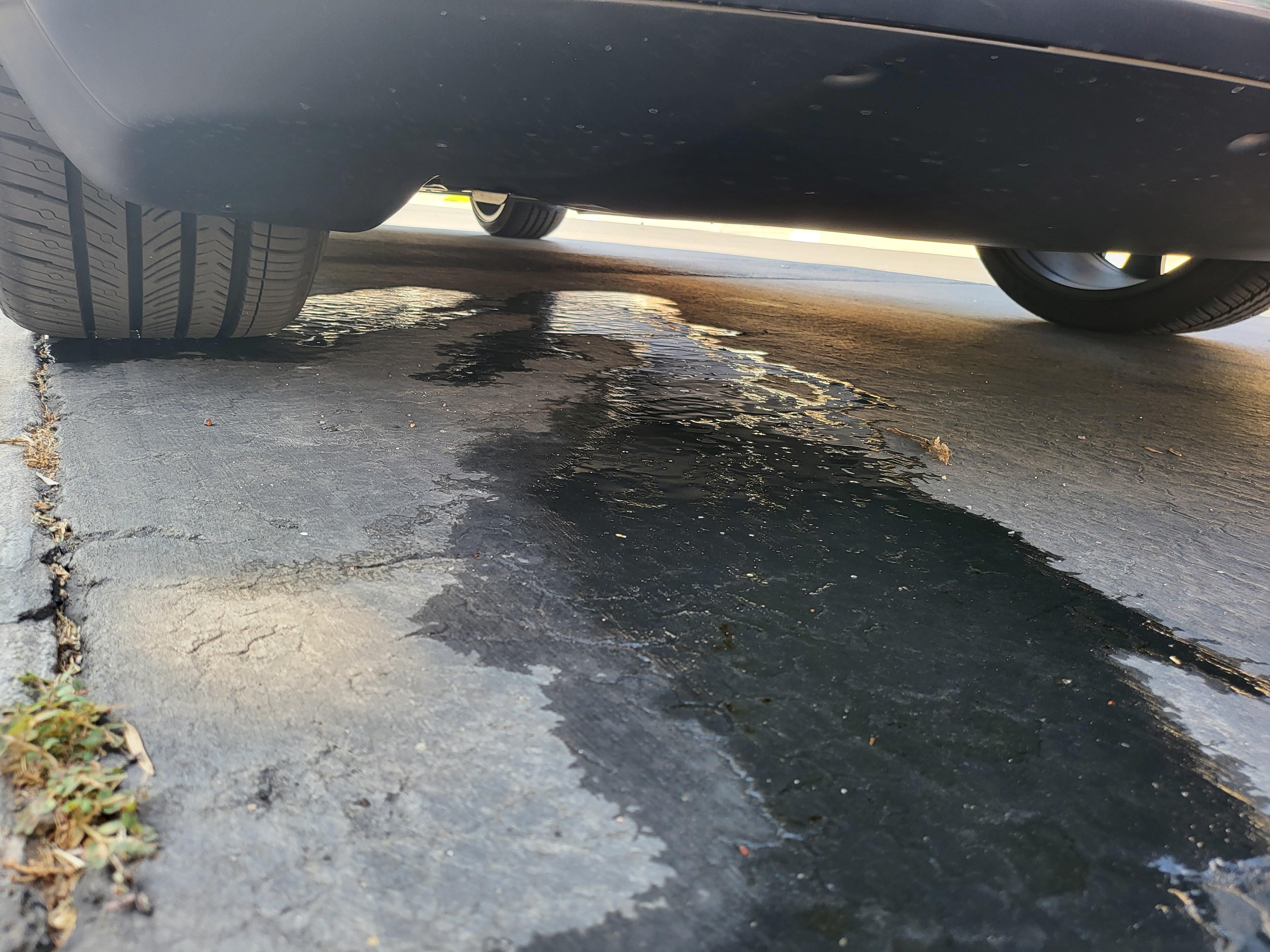
Also check for a puddle of water under the passenger side after A/C has been on. A healthy system often drips condensation. No drip can sometimes mean the evaporator is freezing instead of shedding water, or the drain is clogged, but also keep this in perspective: on a dry day with low humidity, you may not see much water even if everything is working.
Cause 2: Low refrigerant charge
This one surprises people. Many assume low refrigerant means no cooling at all, but a slightly low charge can still produce cold air at startup. As the system runs, pressures and refrigerant flow can drift out of the sweet spot and performance drops. Depending on the vehicle and conditions, low charge can also contribute to evaporator icing.
Signs it might be low
- It cools best while driving (more airflow across the condenser), but fades at idle.
- You hear the compressor cycle more than normal.
- Cooling is inconsistent from day to day.
- You see oily residue around A/C hose crimps, condenser seams, or the compressor body (oil can escape with refrigerant at a leak point).
A note on DIY recharge cans
I am not against DIY when it is done carefully, but topping off blindly is how systems get overcharged or contaminated. The right way is to find and fix the leak, evacuate with a vacuum pump, and recharge by weight.
Also, refrigerant handling is regulated in many places. Do not vent refrigerant to the atmosphere. If you suspect a leak, it is often smarter to have a shop recover what is left and pressure test the system.
If you do use a gauge-based can, treat it as a quick screening tool only:
- If pressure is obviously low, you still need to ask why it is low.
- If pressure looks normal but the symptom persists, you may be dealing with freeze-up controls, a metering issue, condenser airflow, or compressor control problems.
Cause 3: Compressor cuts out
If airflow stays strong but the temperature goes warm, and you catch the compressor turning off when it should be on, you are in the world of cutouts and commands. In plain terms, something electrical or control-related is telling the system to stop cooling.
Common reasons it stops after a few minutes
- Pressure sensor or switch intervention: Low-side too low or high-side too high can trigger protection. Many newer vehicles use a pressure transducer and ECM logic rather than a simple on-off switch, but the end result is the same.
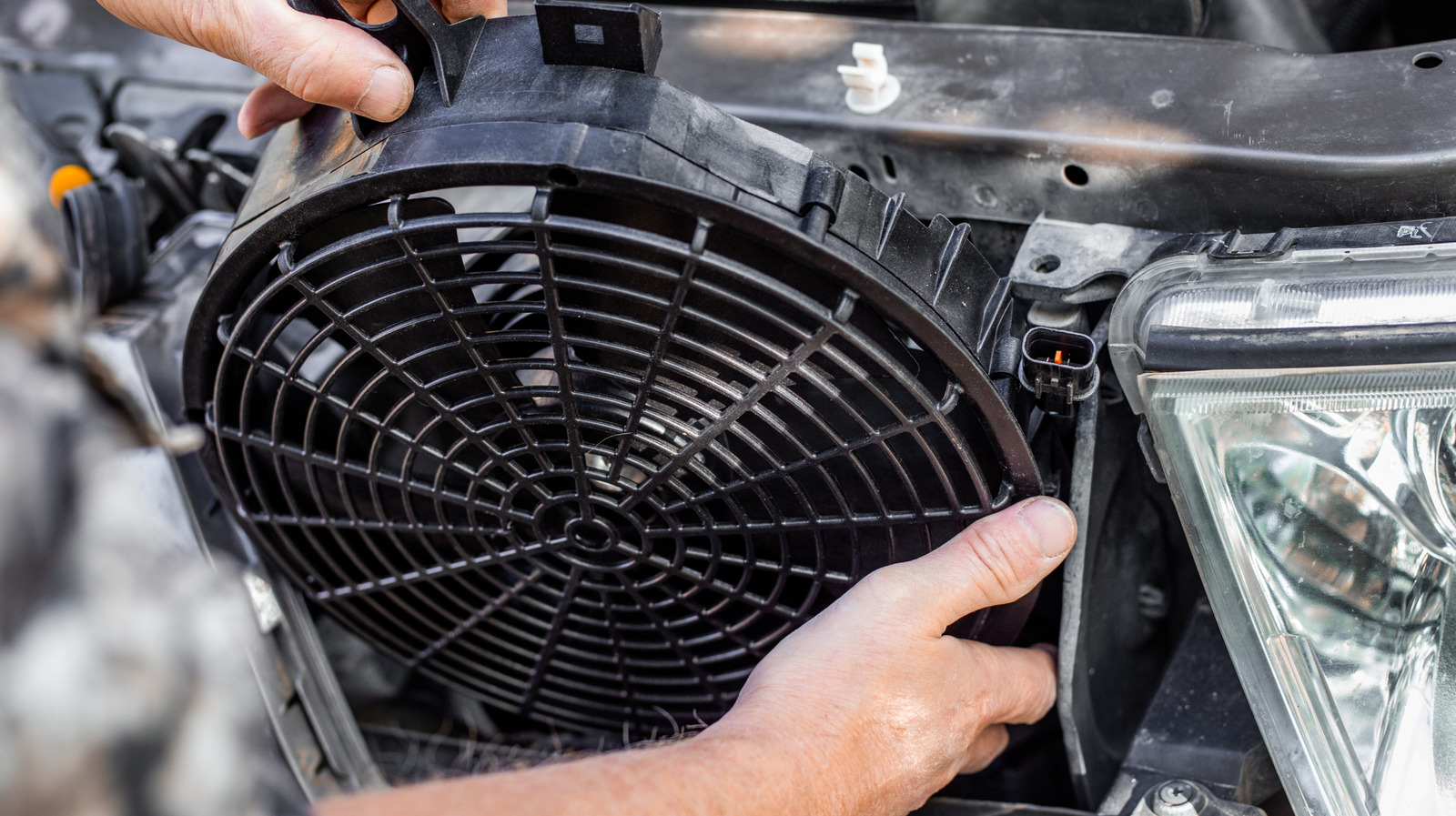
- Condenser airflow problems: If the radiator fans are not coming on, are weak, or the condenser is blocked with debris or bent fins, high-side pressure climbs and the system may cut back or shut off. It may cool briefly, then quit as pressure rises.
- Weak compressor clutch (where equipped): The clutch coil can get weak when hot. It engages cold, then slips or releases once heat builds up.
- Bad A/C relay: Relays can fail when warm, then work again after cooling off.
- Evaporator temp sensor reading wrong: The car thinks the evaporator is at freezing point and commands the compressor off too early.
- Engine load strategy: Some vehicles reduce compressor output under heavy throttle, but it should return quickly. If it stays warm, that is not normal strategy.
Quick checks without gauges
Confirm the condenser fans work
With A/C on MAX, most vehicles should turn the radiator fans on quickly. If a fan is not running, only runs on one speed, or the condenser is packed with bugs and debris, your A/C can start cold then get warm as pressures climb.
Listen for clutch cycling
On clutch-type compressors, you may hear a click as it engages and disengages. Rapid cycling can be a low-charge clue. A click at start then nothing as it warms can be a clutch coil, relay, or pressure-logic event.
Check for clutch air gap issues (if accessible)
This is vehicle-specific, and not always easy to see. But a worn clutch face or excessive air gap can cause engagement when cold and failure when hot. A shop can measure it and confirm coil strength.
One more variable-compressor note
On some variable displacement compressors, an internal control valve can stick or weaken. The compressor may look like it is “on,” but it is not pumping like it should once things heat soak. That is where gauge readings and scan data earn their keep.
Cause 4: Blend door problems
Sometimes the A/C system is doing its job, but the HVAC box is mixing in heat. A failing blend door actuator can drift toward warm after a few minutes, or only act up once the cabin warms and plastics expand.
Clues it is the blend door
- Airflow stays strong, but temperature changes without the compressor obviously cycling.
- One side is cold and the other is warm (dual-zone systems).
- You hear clicking or tapping behind the dash when changing temperature settings.
A scan tool that can read HVAC data and command actuators makes this diagnosis much faster than guessing.
Quick diagnosis order
If you want the fastest path to an answer, here is the order I would follow in my own driveway.
- Start the car cold, set A/C to MAX, recirc on, fan medium-high.
- Watch vent airflow and temperature over 10 to 15 minutes.
- If it fades warm, check airflow strength at the vents.
- When it turns warm, pop the hood and see if the compressor is still running.
- Verify condenser fans are running with A/C on and the condenser is not blocked.
- Inspect the cabin air filter and replace if dirty.
- Look for frosting on the suction line or accumulator.
From there:
- Weak airflow plus frosting points to freeze-up and airflow or sensor issues.
- Strong airflow plus compressor off points to electrical, sensor input, relay, fan, or pressure protection.
- Strong airflow plus compressor on but not cold points toward charge level, condenser airflow, metering device issues, or compressor performance.
When to go to a shop
A/C is one of those systems where the right tools save you money. If any of the below is true, I would book a diagnostic:
- You see repeated icing, or it only cools in short bursts.
- The compressor cycles off and you cannot tie it to fan operation, a blocked condenser, or a simple relay.
- You suspect a leak but cannot find it.
- The system was recently serviced and the behavior changed.
With proper manifold gauges, vent temp readings, and sometimes a refrigerant identifier and leak detection dye, a shop can separate low charge from restriction from control issues quickly.
FAQ
Why does my A/C get warm at idle but cold while driving?
Often condenser airflow. At speed, air is forced through the condenser. At idle, you depend on electric fans. If a fan is weak, not coming on, or the condenser is blocked, pressures rise and cooling falls off.
My A/C gets cold again after I turn it off for a few minutes. What does that mean?
That is a very common freeze-up pattern. Turning the compressor off allows ice on the evaporator to melt. Once airflow returns, it feels cold again until it ices up again.
Can low refrigerant cause the evaporator to freeze?
Yes. Low charge can lower evaporator pressure and temperature, which can drive the evaporator below freezing under certain conditions.
Is it safe to keep running the A/C if it is freezing up?
Ice itself usually does not harm the evaporator, but freeze-up is often a symptom of low charge or control problems. If the system is low on refrigerant and oil, you can stress the compressor. If cooling is inconsistent, it is smarter to diagnose it soon rather than forcing it through a heat wave.
What if my A/C is warm from the first minute?
That is a different problem set than cold-then-warm. In that case you are chasing no-cool causes like a major refrigerant loss, a compressor that never engages, a blown fuse, or a severe restriction.