I have seen this one in the bay more times than I can count: the car cranks, you unplug the MAF sensor (mass airflow sensor), and suddenly it fires up and idles. Plug it back in and it stalls, runs awful, or will not start at all.
That unplug test is a huge clue. It does not automatically mean the MAF itself is the only problem, but it tells you the engine computer is getting a bad airflow story when the sensor is connected. With the MAF unplugged, many (not all) vehicles switch to a backup strategy that estimates airflow using default values and other sensors. Sometimes that fallback math is better than the corrupted MAF signal, so the engine finally runs.
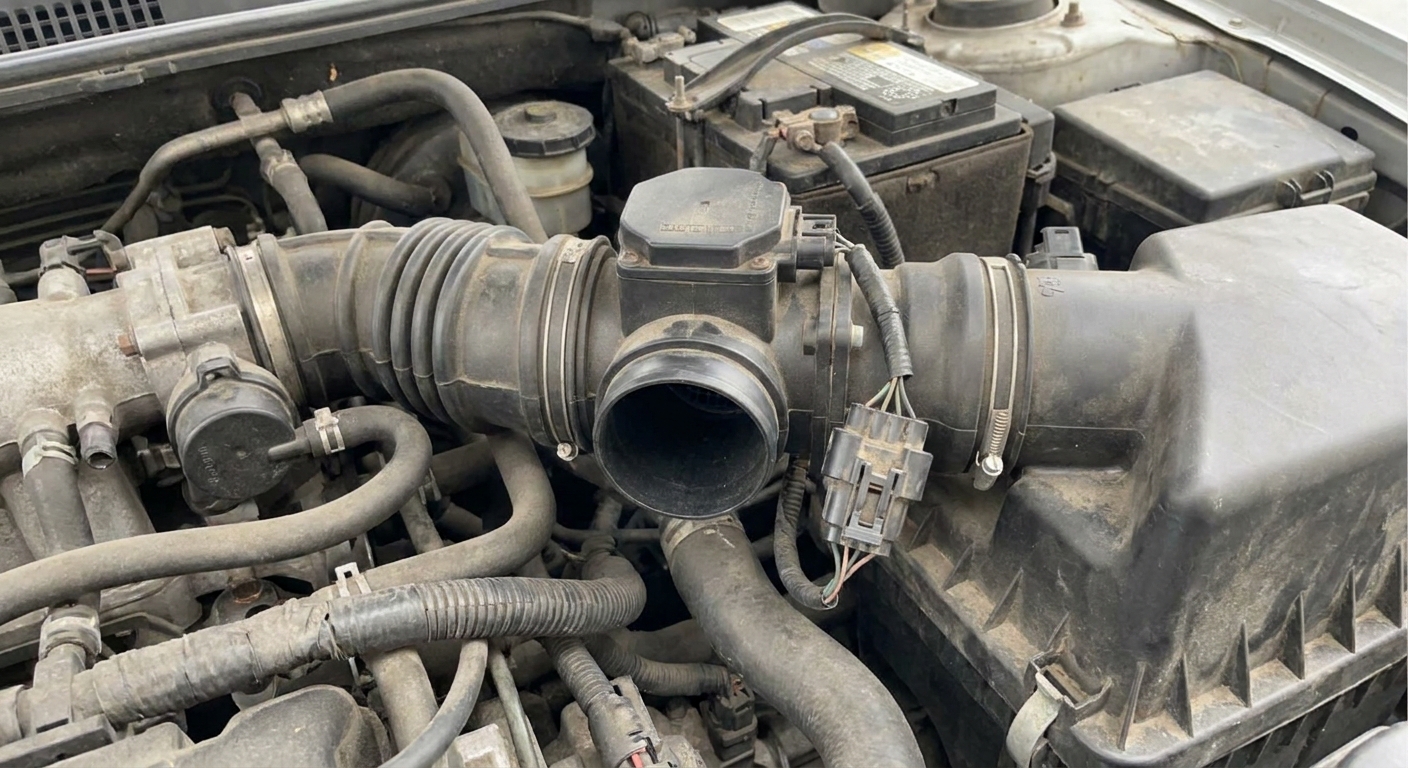
What the MAF does
The MAF measures how much air is entering the engine. The ECU uses that airflow reading to decide how much fuel to inject. If the MAF reading is wrong, fueling goes wrong.
- MAF plugged in: The ECU trusts the MAF heavily. A bad signal can command way too much fuel (flooding) or too little fuel (lean stall or no-start).
- MAF unplugged: Many ECUs ignore the MAF and calculate airflow from other inputs (often RPM, throttle angle, intake air temperature, and sometimes manifold pressure if equipped). During start-up this can be richer and more forgiving, but behavior varies by make and strategy. Some cars still run poorly or may stall.
What it means when it runs better unplugged
Think of it like this: unplugging the MAF forces the ECU to stop listening to a bad witness. If the engine immediately improves, the problem is very often in one of these buckets:
- A skewed MAF signal (dirty sensor, failed sensor electronics, wrong aftermarket sensor, wiring issue)
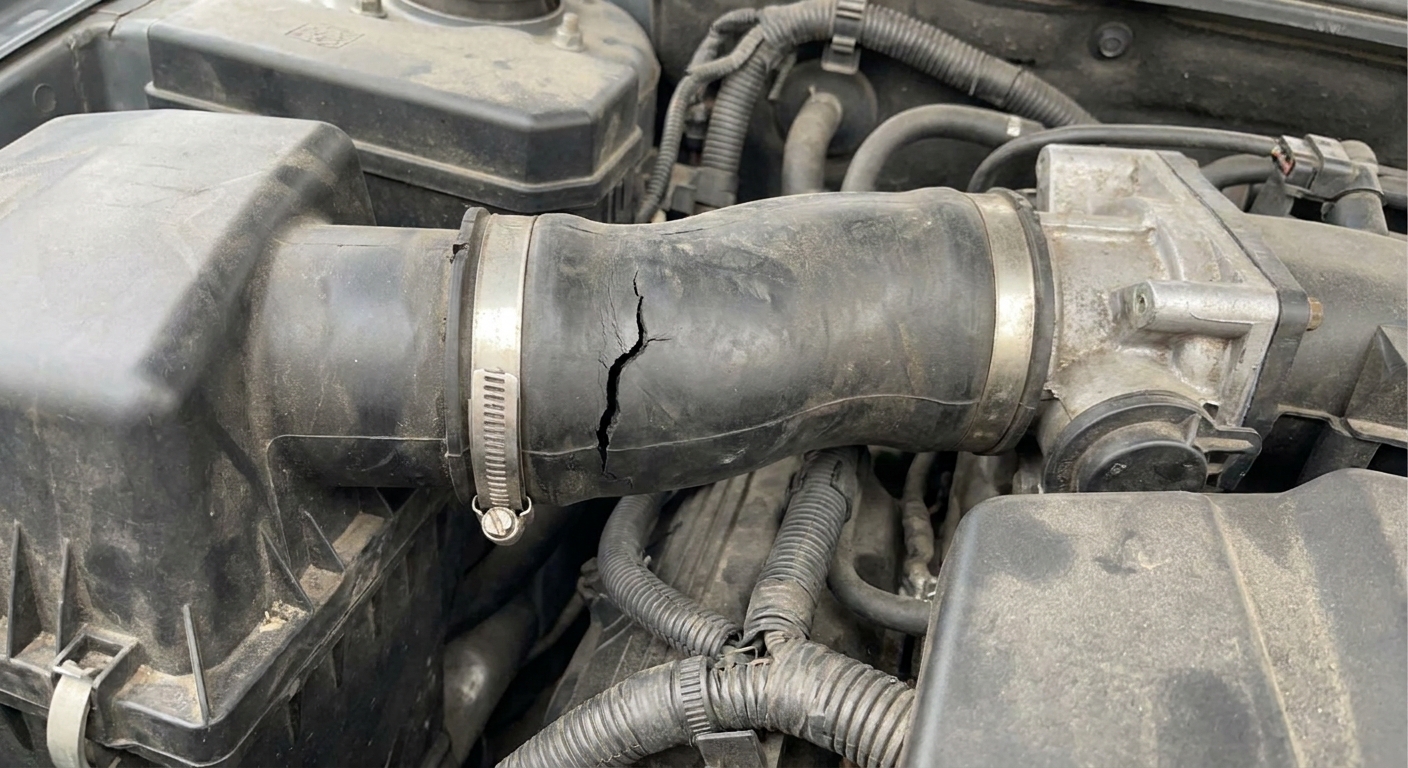
- Unmetered air getting in after the MAF (vacuum leak, cracked intake boot, loose clamp, PCV hose split)
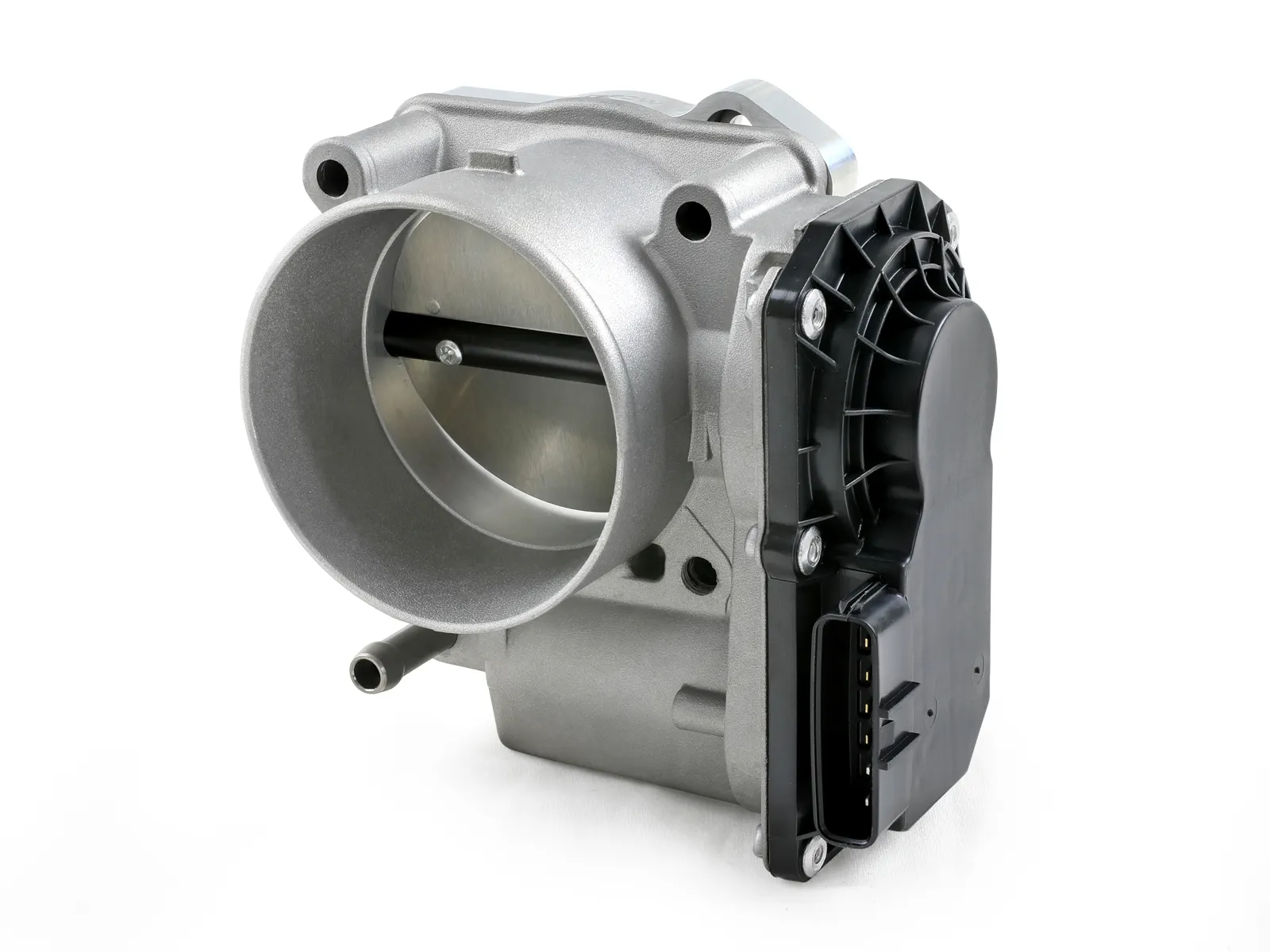
- Airflow control problems (dirty throttle body, sticking electronic throttle, gummed up idle air control on older setups)
- Less common: fuel pressure issues that the ECU’s backup strategy happens to mask briefly
The key is using the unplug result to narrow the next tests instead of throwing parts at it.
Why unplugging the MAF can let it start
1) The MAF is over-reporting airflow
If the MAF tells the ECU “a lot of air is coming in” when it is not, the ECU adds extra fuel. That can wash the cylinders, foul plugs, and create a strong fuel smell. Unplugging the MAF makes the ECU fall back to a safer base strategy and the engine may finally light off.
2) The MAF is under-reporting airflow
If the MAF reads too low, the ECU does not inject enough fuel. The engine may catch and die, or never fully start. Unplugging can force a different fueling strategy that may be richer during cranking and idle, and it runs.
3) There is unmetered air after the MAF
This is one common “starts only with MAF unplugged” scenario. The ECU is trying to fuel based on measured air, but extra air sneaks in downstream of the sensor. That makes the mixture too lean. With the MAF unplugged, the ECU’s calculated fueling can be more forgiving and sometimes masks the leak.
Quick focus tip: leaks after the MAF are the ones that create unmetered air. A leak before the MAF usually does not make it run lean, but it can still cause problems by disturbing airflow or letting dirt in.
MAF unplug symptom vs fuel failure
People worry this symptom always means a fuel pump is dying. Sometimes it does, but the unplug test usually points you back toward air measurement and air leaks first.
More likely MAF signal or air leak
- It starts and idles with the MAF unplugged, even if it runs rough.
- It stalls quickly when you plug the MAF in.
- You find intake duct cracks, loose clamps, a disconnected PCV hose, or a missing oil cap or dipstick that was left unseated after service.
- Fuel trims are strongly positive (if you can keep it running long enough to check).
More likely true fuel-delivery issue
- It only runs for a second or two either way, then dies like the fuel was shut off.
- You have long crank times, especially after sitting, and it is getting worse over time.
- No meaningful change with MAF plugged or unplugged, or it still will not start either way.
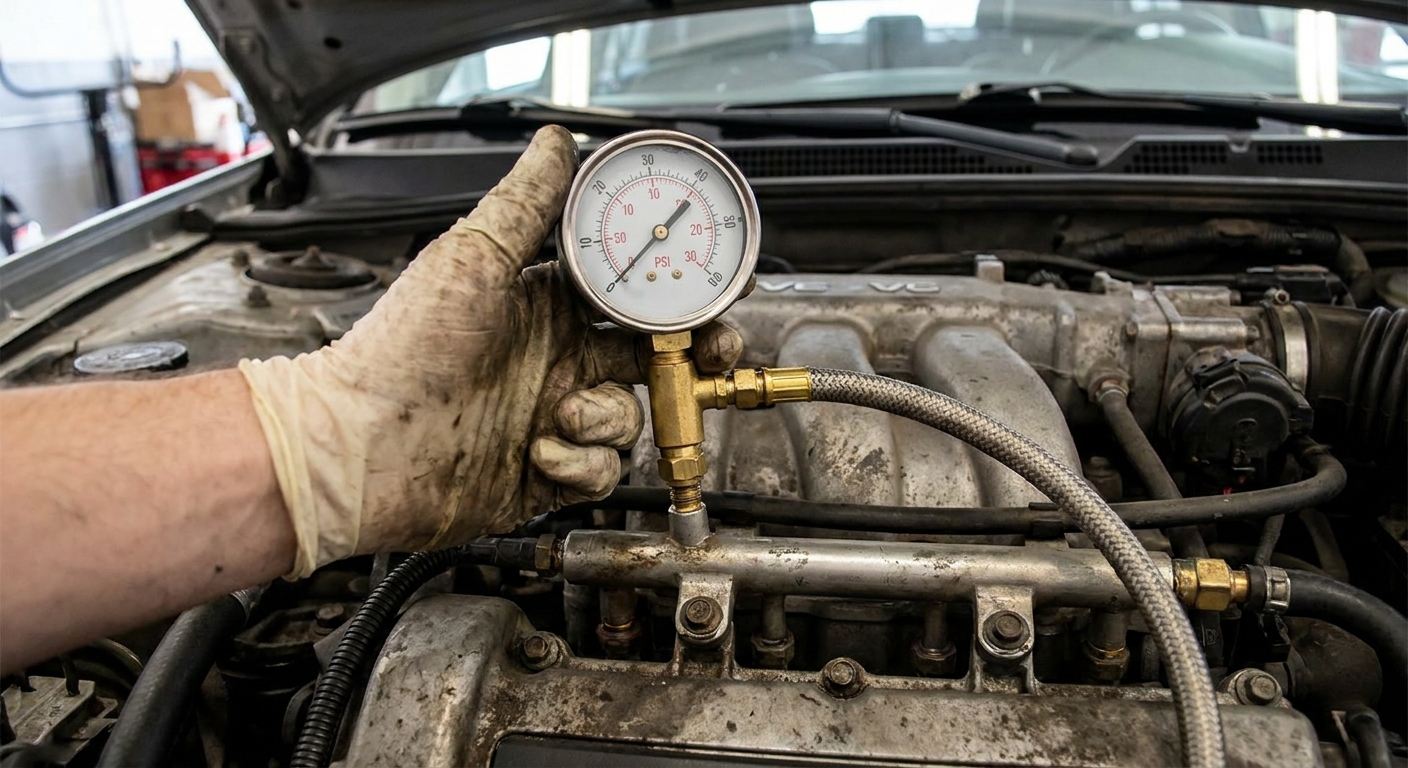
- You measure low fuel pressure at the rail (best test), or you cannot hear the pump prime on key-on in a quiet area (not conclusive, but a clue).
Important: A car that runs with the MAF unplugged is not proving fuel pressure is good. It is only proving the ECU’s backup fueling can keep it alive. Fuel pressure still deserves a real test if symptoms fit.
Common root causes
Dirty MAF sensor
Oil vapor, dust, and over-oiled aftermarket air filters can contaminate the sensing element. A dirty MAF can read wrong without setting a check engine light right away.
- Use MAF sensor cleaner only, not brake cleaner or carb cleaner.
- Remove the sensor carefully, spray the element, let it fully air-dry, reinstall.
- Inspect the air filter and airbox sealing so it does not happen again.
Vacuum leak or cracked intake tube after the MAF
Any air that enters after the MAF is unmetered. This includes:
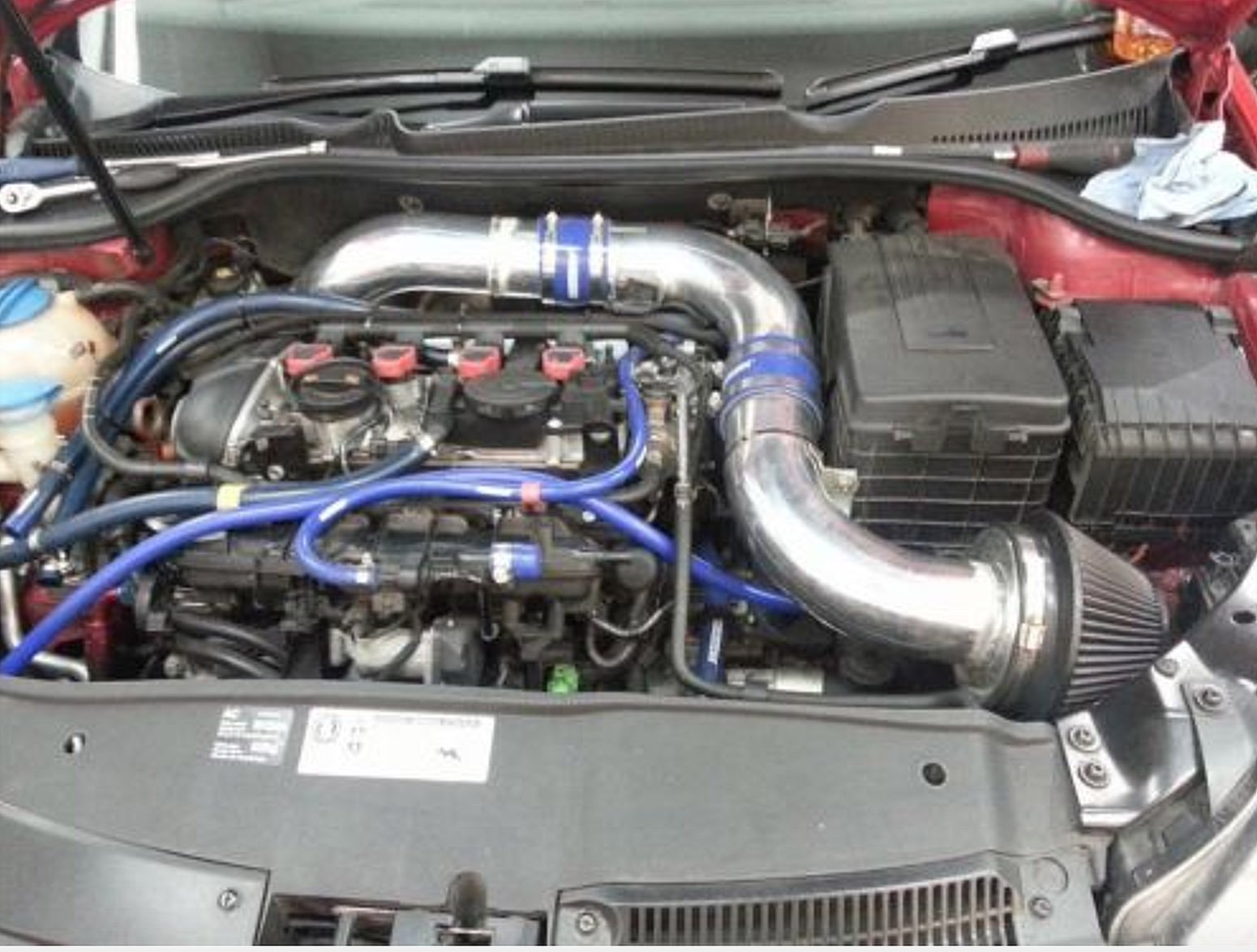
- Split intake boot between MAF housing and throttle body
- Loose clamp at the throttle body or MAF housing
- Cracked PCV hose, brake booster hose, EVAP purge line
- Leaking intake manifold gasket (more common on some engines than others)
Bad wiring or connector problems
If unplugging the MAF changes everything, the sensor may be fine and the wiring may not. Look for:
- Broken lock tab and a connector that does not seat tightly
- Green corrosion on terminals
- Rubbed-through harness near the radiator support or battery tray
- Evidence of rodent damage
If you have a multimeter and a wiring diagram, a quick sanity check is verifying the sensor has its power feed and ground, and that the signal is not shorted. Do not guess at pinouts.
Wrong MAF sensor
This is more common than most drivers realize. Some engines are extremely picky about the MAF’s calibration. A cheap replacement can bolt in and plug in, but report the wrong airflow curve.
If the problem started right after a MAF replacement, double-check the part number and consider returning to an OEM or a known-good brand.
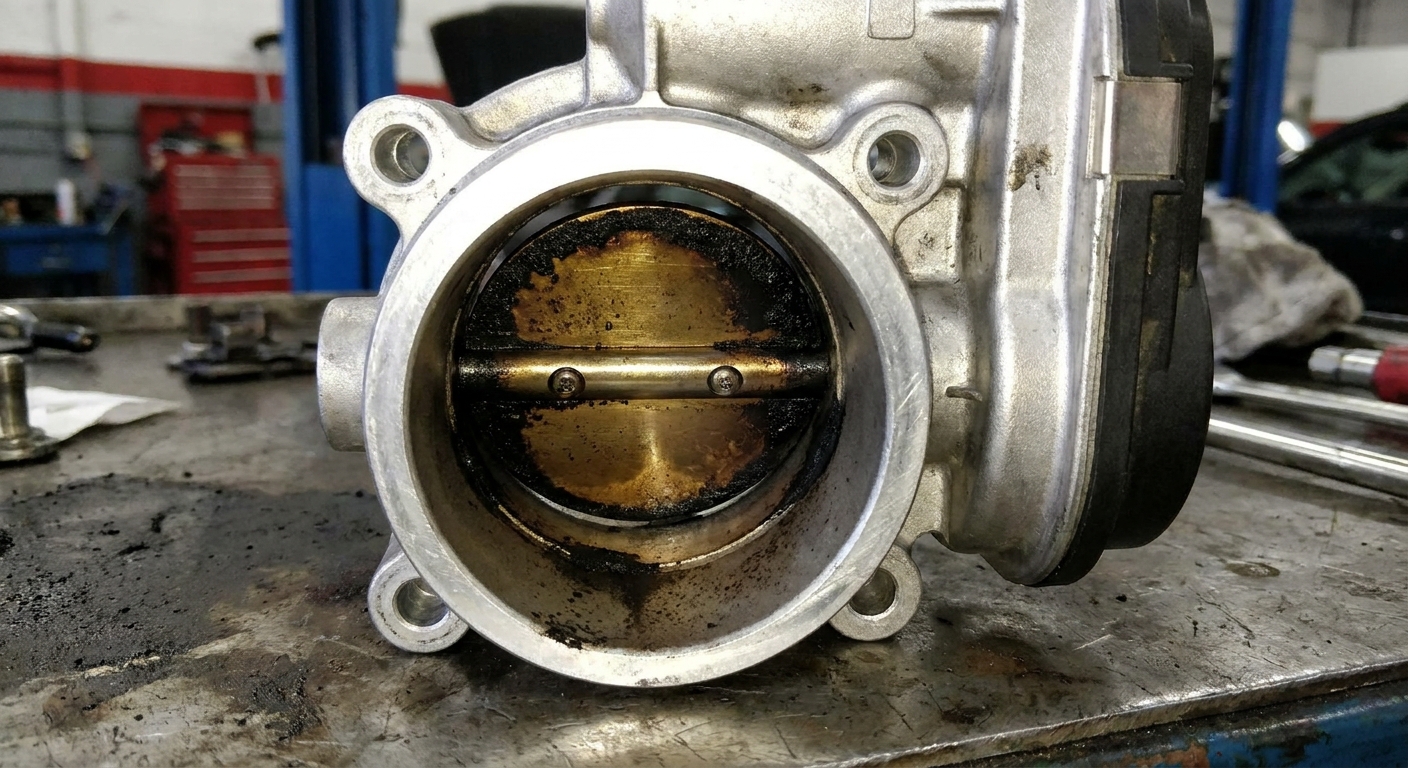
Dirty throttle body or idle control issues
A filthy throttle body can restrict airflow at idle and during start-up. On older cable throttle setups, a sticky idle air control valve can do the same.
This can interact with MAF fueling in weird ways: with the MAF plugged in, the ECU tries to hit a target airflow and fuel based on bad assumptions, and it can stall. With it unplugged, the ECU may take a different approach that keeps it running.
DIY diagnosis steps
You do not need a full shop to make progress here, but you do need to be methodical.
Step 1: Confirm the symptom safely
- Key off, unplug the MAF, start the engine.
- Shut it off, plug the MAF back in, try again.
- If it starts only unplugged, move to the next steps.
Step 2: Inspect the intake tract
- Check the airbox lid is seated and latched.
- Check the intake tube for cracks, especially in the accordion sections.
- Make sure clamps at the MAF housing and throttle body are tight.
- Look for any hoses that are off, split, or soft and collapsing.
Step 3: Clean the MAF and throttle body
- Clean the MAF with dedicated MAF cleaner and let it dry fully.
- If accessible, clean the throttle bore and plate with throttle body cleaner and a clean rag.
- On many electronic throttles, do not force the plate open by hand. Use the proper procedure for your vehicle or have a shop do it.
Step 4: Pull codes and live data
Even a basic Bluetooth OBD2 adapter can help. You are looking for:
- P0100 to P0104 (MAF circuit faults)
- P0171/P0174 (system too lean, often vacuum leak)
- P0300 (random misfire, can be lean-related)
Live data to watch (engine running if possible):
- MAF grams per second: rules of thumb vary a lot by engine size and load (AC on, fan on, altitude). On many engines you will often see something in the neighborhood of about 1 g/s per liter of displacement at warm idle. Treat it as a sanity check, not a verdict.
- Fuel trims (STFT/LTFT): big positive numbers usually mean the ECU is adding fuel to compensate for a lean condition, often a vacuum leak or an under-reporting MAF.
Step 5: Prove or rule out a vacuum leak
The fastest way to prove unmetered air is a smoke test. Many independent shops can do this quickly, and it beats guessing. If you DIY it, use a purpose-built smoke machine. Improvised methods can damage sensors or create a fire risk.
Avoid the “cover the intake with your hand” trick. It is unpredictable and can damage ducting, upset the MAF, or hurt you if it backfires or the engine surges. If you need a quick direction at home, watching fuel trims and doing a proper smoke test are safer and more reliable.
Unplugging is a test, not a fix
I get it. If the car runs unplugged, it is tempting to leave it that way and call it good enough. Here is why that is a bad idea:
- Poor fuel economy: the ECU may run a richer, safer strategy during key conditions.
- More emissions and catalyst risk: rich running can overheat and damage a converter over time. Persistent misfire and raw fuel are the faster way to kill one.
- Reduced power and weird shifting: many transmissions use calculated engine load, which depends on accurate airflow data.
- Masking a real issue: a vacuum leak or wiring problem can get worse and cause other drivability issues.
- Check engine light and failed inspection: unplugging a critical sensor will usually set codes and prevent readiness monitors from setting.
Also, unplugging or plugging sensors can set codes even if nothing is “broken.” After repairs, clear codes and follow the correct idle relearn procedure if your vehicle requires one.
MAP vs MAF setups
Not every vehicle reacts the same way because not every ECU leans on the MAF the same way. Some cars are primarily MAF-based, some are more MAP (manifold pressure) based, and some blend both. That is why one car will run fairly normal with the MAF unplugged, and another will barely limp or stall.
When to call a shop
If any of these apply, it is time to bring in a pro:
- The car will not stay running long enough to gather data.
- You cleaned the MAF and verified intake plumbing, but the symptom is unchanged.
- You suspect wiring damage, ECU issues, or intermittent electrical faults.
- You smell heavy raw fuel, the oil level is rising, or it has been cranked excessively (possible fuel wash).
A good shop will typically smoke-test the intake, verify fuel pressure, and compare MAF readings to expected airflow for the engine and RPM. That combination finds the real problem fast.
FAQ
Will a bad MAF prevent a car from starting?
Yes. If the MAF signal is skewed far enough, it can command a mixture so rich or so lean that the engine will not start. Many cars will start with the MAF unplugged because the ECU switches to a default strategy.
Can a vacuum leak cause a no-start only when the MAF is plugged in?
It can. With the MAF plugged in, the ECU fuels based on measured air, but the leak adds extra air after the sensor. That can push the mixture lean enough to stall or not catch. Unplugging the MAF can make fueling more forgiving in some strategies.
Is cleaning the MAF safe?
It is safe if you use dedicated MAF cleaner, do not touch the sensing element, and let it dry completely before reinstalling. Do not use compressed air directly on the element.
Why did this start after I changed my air filter?
Common causes are a poorly seated airbox lid, a torn intake tube that got bumped, a clamp left loose, or contamination from an over-oiled filter. Start by rechecking everything between the airbox and throttle body.