I used to see this one roll into the shop a lot: the car cranks strong, maybe even sounds like it wants to catch (a brief sputter or it fires for a second then dies), but it will not start when the fuel gauge is sitting near E. Then you pour in a gallon or two, cycle the key, and suddenly it fires like nothing ever happened.
When a no-start is tied to a low fuel level like that, you are usually dealing with a fuel pickup problem inside the tank, not a random ignition gremlin. Below are the most common causes, how to confirm them without guesswork, and what it typically takes to fix them.
First, match the symptom
This guide is for a very specific pattern:
- The engine cranks but will not start (or it starts and immediately dies) only when the tank is near empty.
- Adding a small amount of fuel (often 1 to 3 gallons) makes it start again.
- The problem is repeatable: it happens again the next time the gauge is low.
If your fuel pump is totally silent and the car will not start at any fuel level, that is a different diagnostic path. Same deal if the car already stalled because the tank was run completely dry and you are trying to recover from that situation.
Why low fuel can cause a no-start
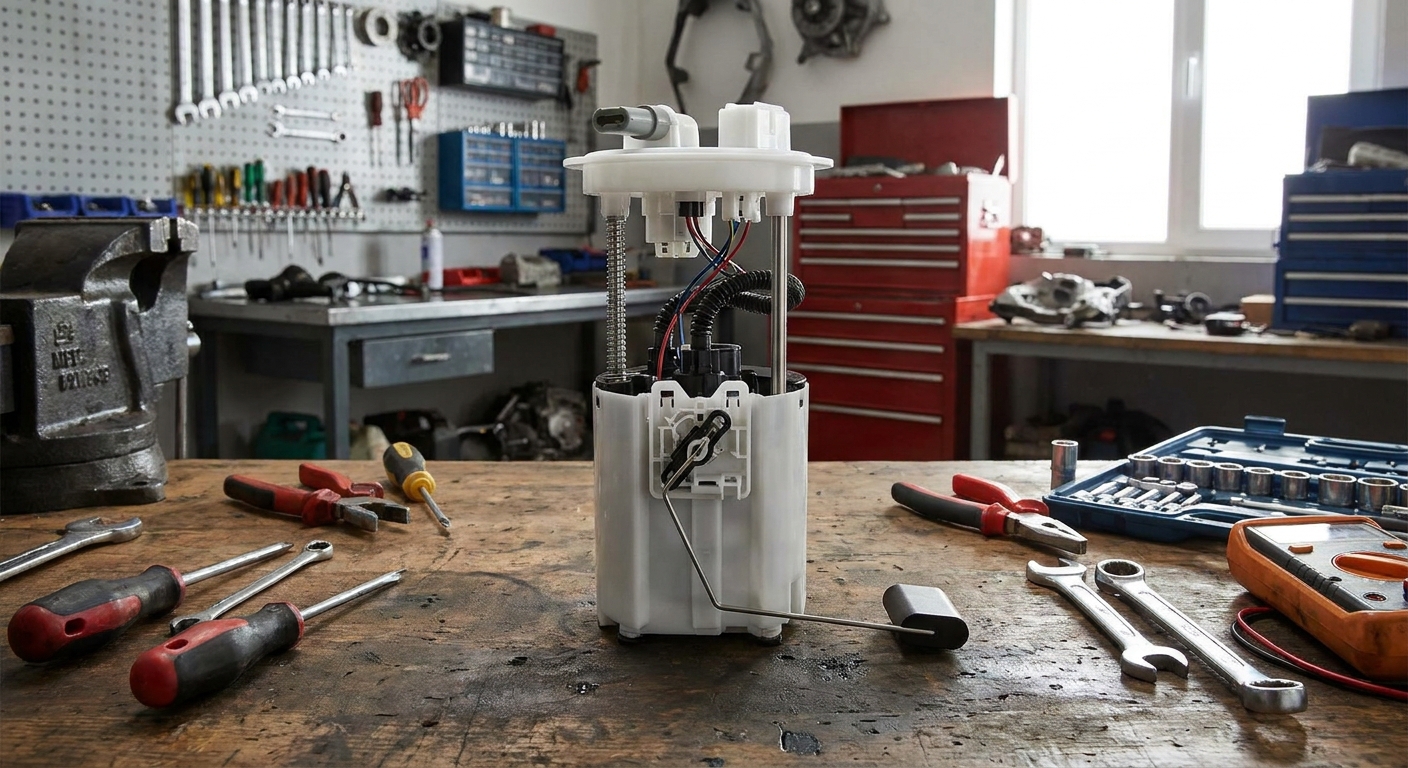
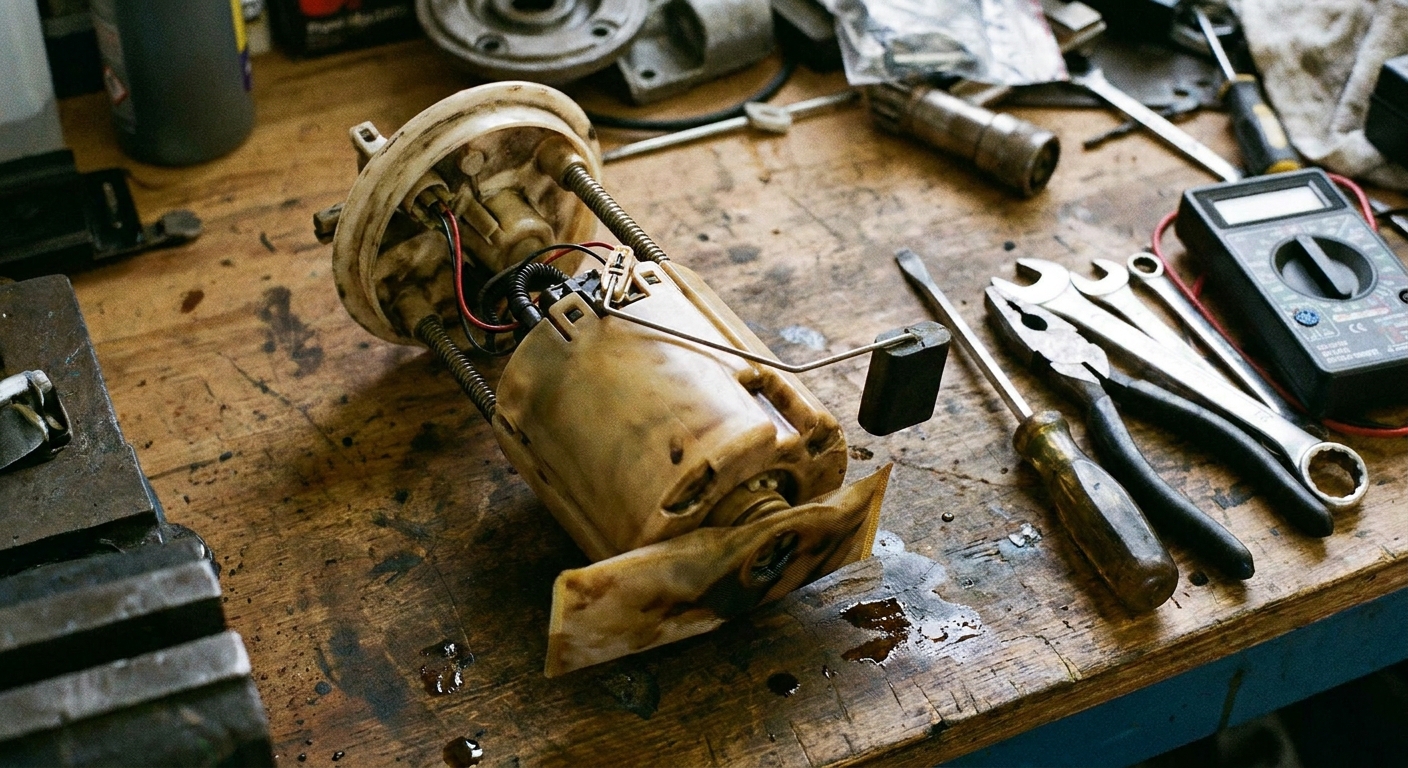
Modern cars pull fuel from an in-tank pump module. That module often sits in a reservoir “bucket” and uses a pickup sock (a strainer) to keep debris out of the pump. The tank also has baffling designed to keep fuel around the pickup during turns and braking.
When fuel is low, any weakness in that system shows up fast. The pump can ingest air instead of fuel, pressure drops, injectors do not deliver the right amount, and the engine just spins.
Most common causes
1) The pickup sock is partially clogged
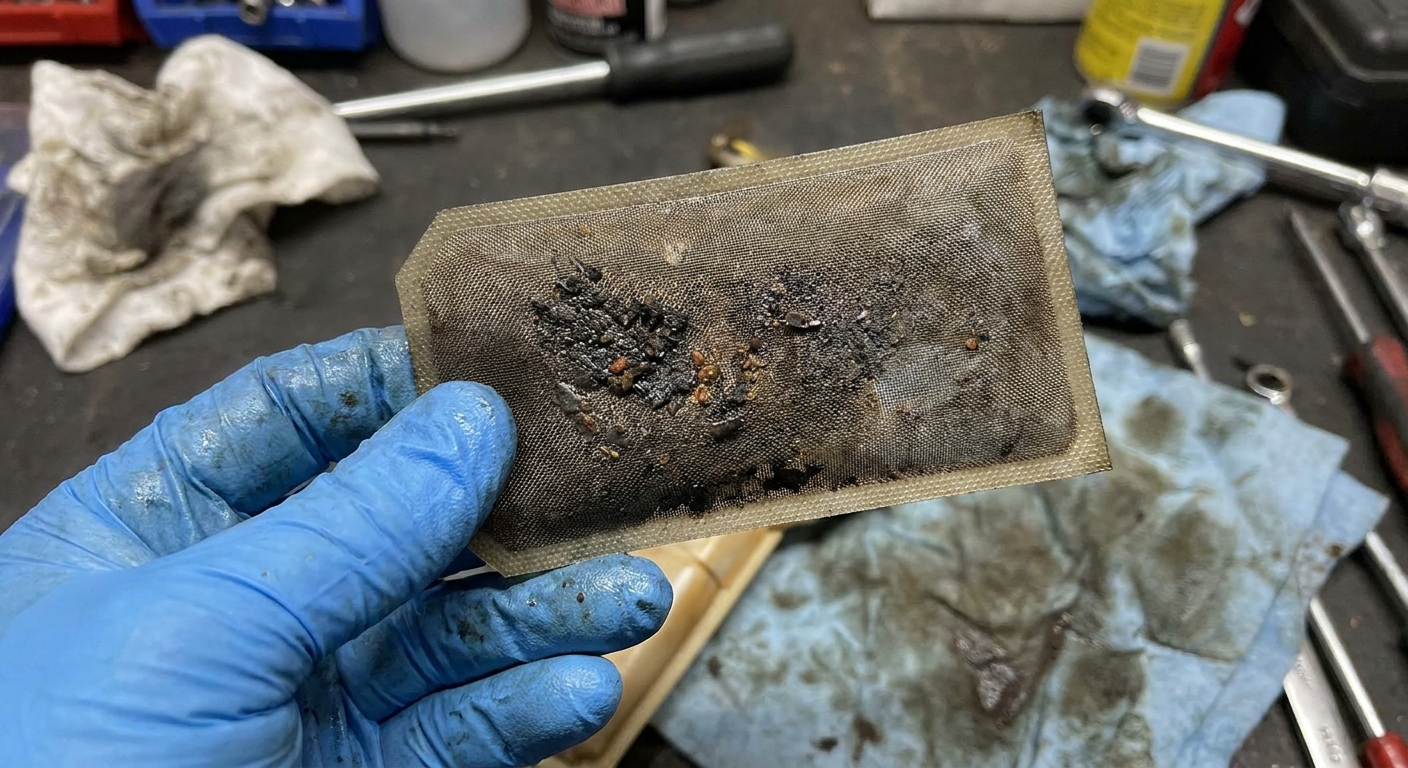
The pickup sock is basically the pump’s first line of defense. Over time, varnish, fine rust, tank sediment, or even degraded fuel can load it up. When the tank is fuller, the pickup stays more consistently submerged and is less prone to aeration, so the pump has an easier time pulling a steady supply. Near empty, a restriction shows up quickly.
Clues that point to a clogged sock:
- Problem is worse after the car sits for a while.
- It may start after you add fuel, but it feels weak or hesitant until you refill more.
- You have a history of contaminated fuel, an older metal tank, or a car that sat unused.
What fixes it: dropping the pump module and replacing the sock. On many vehicles the sock comes with the pump, or it is serviced separately depending on design. If the tank is dirty, cleaning or flushing the tank is part of doing the job right.
2) The fuel pump or module is weak
In-tank pumps are cooled by the fuel around them, and running low can make them run hotter. A pump that is tired can still spin and sound normal, but it cannot maintain pressure when conditions get tough. Low fuel level can make that weakness obvious.
Clues that point to a weak pump:
- Long crank times when near empty, quick starts when above 1/4 tank.
- Occasional stumble on hard acceleration when the gauge is low.
- You can hear the pump prime, but the car acts fuel-starved.
What fixes it: replacing the in-tank pump or complete pump module (often recommended because the regulator, strainer, and level sender live there too).
3) The pickup uncovers on slopes or turns (baffle or bucket issue)
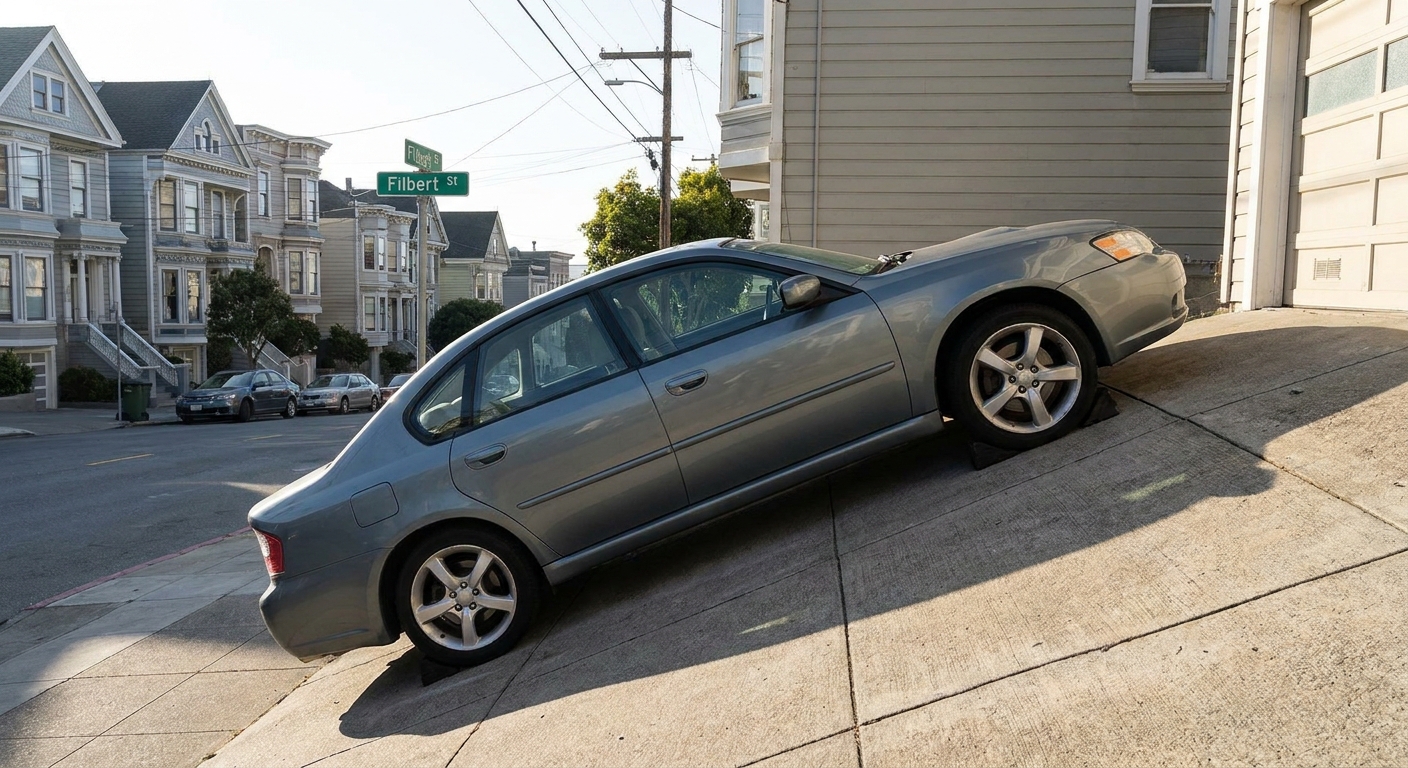
If the car refuses to start when parked nose-up on a driveway, or it acts up right after a sweeping turn when you are close to E, it can be fuel sloshing away from the pickup. Normally tank baffling and the pump’s reservoir bucket prevent that, but a cracked bucket, missing internal hose, or damaged baffle can let the pickup suck air.
This problem more commonly shows up as a stumble or stall during cornering or braking, but on some vehicles it can also make a low-fuel start inconsistent.
Clues that point to uncovering:
- Happens more on inclines, off-camber parking spots, or after aggressive cornering.
- Adding only a small amount of fuel fixes it quickly.
- Fuel gauge behavior may be inconsistent near empty.
What fixes it: repair or replacement of the in-tank module components that maintain the reservoir. This is design-dependent, which is why many techs replace the full module rather than chasing individual internal parts.
Other causes to consider
If the big three above do not fit, these are worth keeping in mind:
- Cracked pickup tube or warped module seal inside the tank: It can allow the pump to ingest air even when there is still some fuel, and it tends to show up worst at low level.
- Low voltage to the pump (voltage drop): A tired pump plus weak electrical supply can act up more when the pump is hot, and low fuel makes pumps run hotter.
- Restricted external fuel filter (older vehicles): It can mimic a weak pump, especially under load, and can contribute to long cranks.
How to diagnose it
Step 1: Confirm fuel starvation
When the issue happens, pay attention to whether it actually fires at all. A fuel-starved crank often has no “hit” where it briefly catches, or it might catch for a second and die.
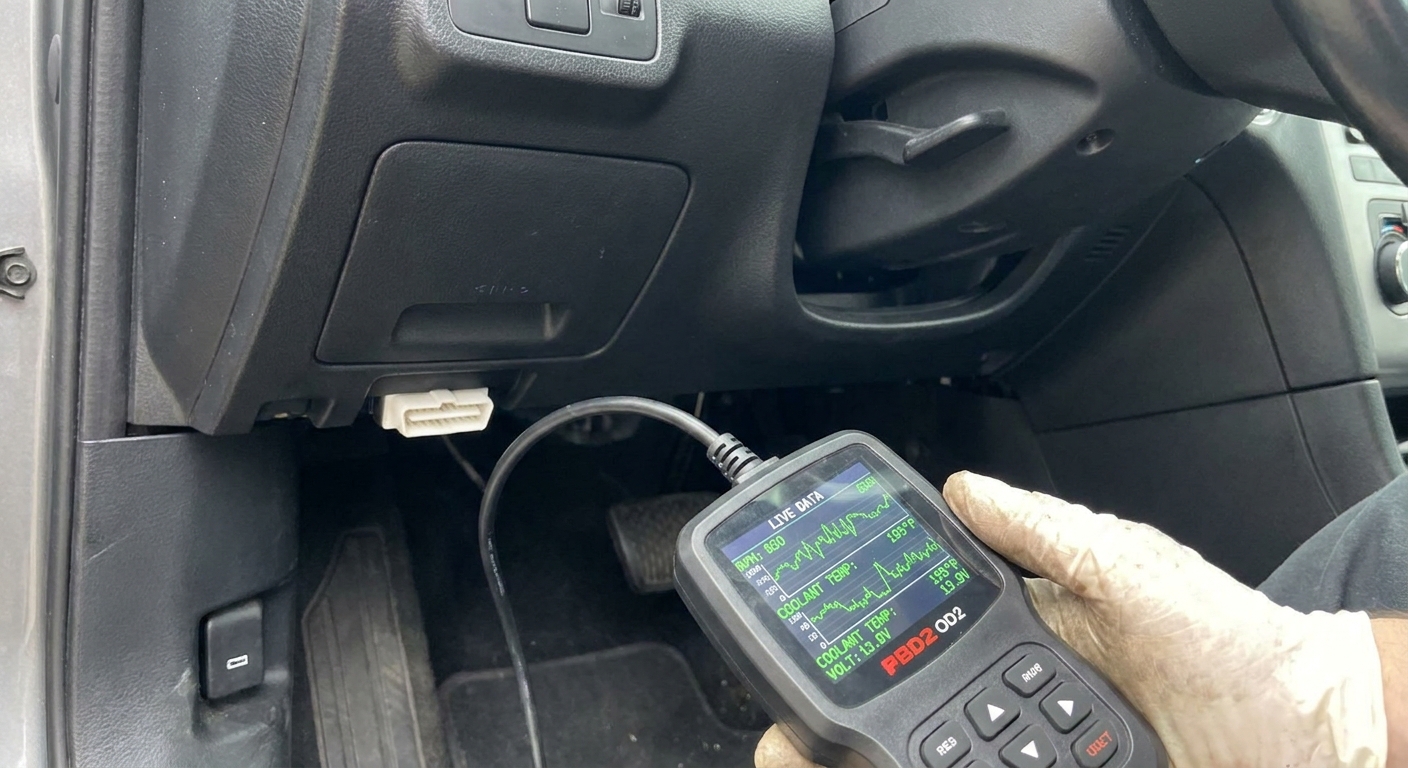
If you have access to a scan tool, look at RPM while cranking. If the scan tool shows RPM, the crank sensor is likely working, which pushes the diagnosis toward fuel. Some tools update slowly during cranking, so do not treat this as an absolute pass or fail, especially if the symptom is intermittent.
Also, check if you have any codes like P0087 (Fuel Rail/System Pressure Too Low) or lean codes that have been hanging around. Not every vehicle will set a low-pressure code during a crank-no-start, so a clean code list does not clear the fuel system.
Step 2: Test fuel pressure
If your vehicle has a Schrader valve on the fuel rail, a pressure gauge is straightforward. If it does not, you can tee in with the correct adapter, or some vehicles allow pressure readings through a scan tool PID (accuracy varies).
Compare readings to the factory spec for your engine because “normal” varies widely between port injection and direct injection systems.
What you are looking for:
- Pressure that is low or unstable when the tank is near empty.
- Pressure that returns to normal after adding a couple gallons.
That pattern strongly suggests the pump is sucking air, the inlet is restricted, or the pump cannot keep up when fuel level drops.
Step 3: Check slope sensitivity
Safely, without doing anything risky, note if the symptom correlates with parking angle. If it refuses to start on an incline but starts after you roll it onto level ground, you are likely dealing with uncovering due to slosh and a weak reservoir or baffle effect.
Step 4: Rule out EVAP confusion
This is less common, but worth mentioning because it wastes a lot of money: an EVAP purge valve stuck open often causes hard starts after refueling, and it can cause rough starts in other situations too. If your symptom is tightly linked to low fuel level and repeats that way, EVAP is usually not my first suspect, but it is still something to keep in the back of your mind if testing does not line up with fuel pressure.
Quick driveway checks
- Cycle the key a few times before cranking. Key on for 2 to 3 seconds, key off, repeat 3 times, then crank. If that helps when the tank is low, it supports a fuel pressure or pickup issue. Some vehicles do not re-prime with repeated key cycling due to software strategy, so no improvement does not rule fuel out.
- Listen for normal priming behavior. Many cars run the pump briefly at key-on. A pump can still be audible and be weak, but if it sounds different near empty (pitch changes, surging sound), that is useful info.
- Check the fuel gauge accuracy. If the gauge drops fast near E or behaves oddly, you might simply be running lower than you think, which makes uncovering easier. Not the whole diagnosis, but it explains why it happens “too early.”
What the repair looks like
Most of the time, the fix lives inside the tank:
- Replace the pump module or pump and sock, depending on availability and design.
- Inspect and clean the tank if debris is present. If you install a new pump into a dirty tank, you are setting that new pump up for a short life.
- Replace the fuel filter if your vehicle has a serviceable one. Many newer vehicles use only the in-tank strainer plus a filter built into the module.
On some cars there is an access panel under the rear seat. On others, the tank has to be lowered. If you are working in the driveway, be honest about safety and tools. Fuel work is not the place to improvise.
How to prevent it
- Stop treating E as a suggestion. Regularly running near empty runs the pump hotter and increases the chances of uncovering and debris pickup.
- Buy fuel from high-turnover stations. It is a simple way to reduce the odds of contamination.
- If the car sat for a long time, plan for fuel-system housekeeping. Old fuel can leave deposits that show up as sock restriction later.
When to stop DIY
Get a pro involved if:
- You cannot safely lift and support the vehicle or lower the tank.
- You have no way to test fuel pressure and are guessing.
- You smell fuel, see leaks, or the car is stalling in traffic. That is a safety issue, not a weekend project.
FAQ
Why does adding just a gallon make it start?
That small amount can be enough to submerge the pickup sock again, refill the pump’s reservoir bucket, and prevent the pump from ingesting air. It can also help a weak pump by keeping inlet supply more consistent and helping pump cooling.
Could the fuel gauge be lying?
Yes. A worn fuel level sender or cluster issue can make you think you still have fuel when you are effectively below the pickup’s safe range. Even if the gauge is off, the underlying issue can still be real: weak pump, restricted sock, or poor baffling.
Is it bad for the fuel pump to drive on low fuel?
Generally, yes. The fuel helps cool the pump, and running low repeatedly can shorten pump life. It also increases the odds of the pickup sucking air on slopes or turns.
Should I pour fuel system cleaner in the tank?
If the sock is physically loaded with debris, cleaner will not wash it out in a meaningful way. It might help with light varnish in injectors or on intake valves, but it is not a fix for a pickup restriction, an air leak in the module, or a reservoir issue.