I have lost count of how many “my car won’t start, but everything seemed fine last night” calls I’ve traced back to one quiet culprit: an interior light that never actually turned off. Dome lights and courtesy lights do not pull a ton of power compared to a starter, but they pull enough to flatten a battery if they stay on for hours.
The good news is this is usually a simple diagnosis. The tricky part is that modern cars often fade the light out slowly, keep it on for a timed “theater dimming” feature, or tie it into the security system. So you need to confirm it’s truly staying on, then work through the usual suspects: a switch, a latch, or a setting.
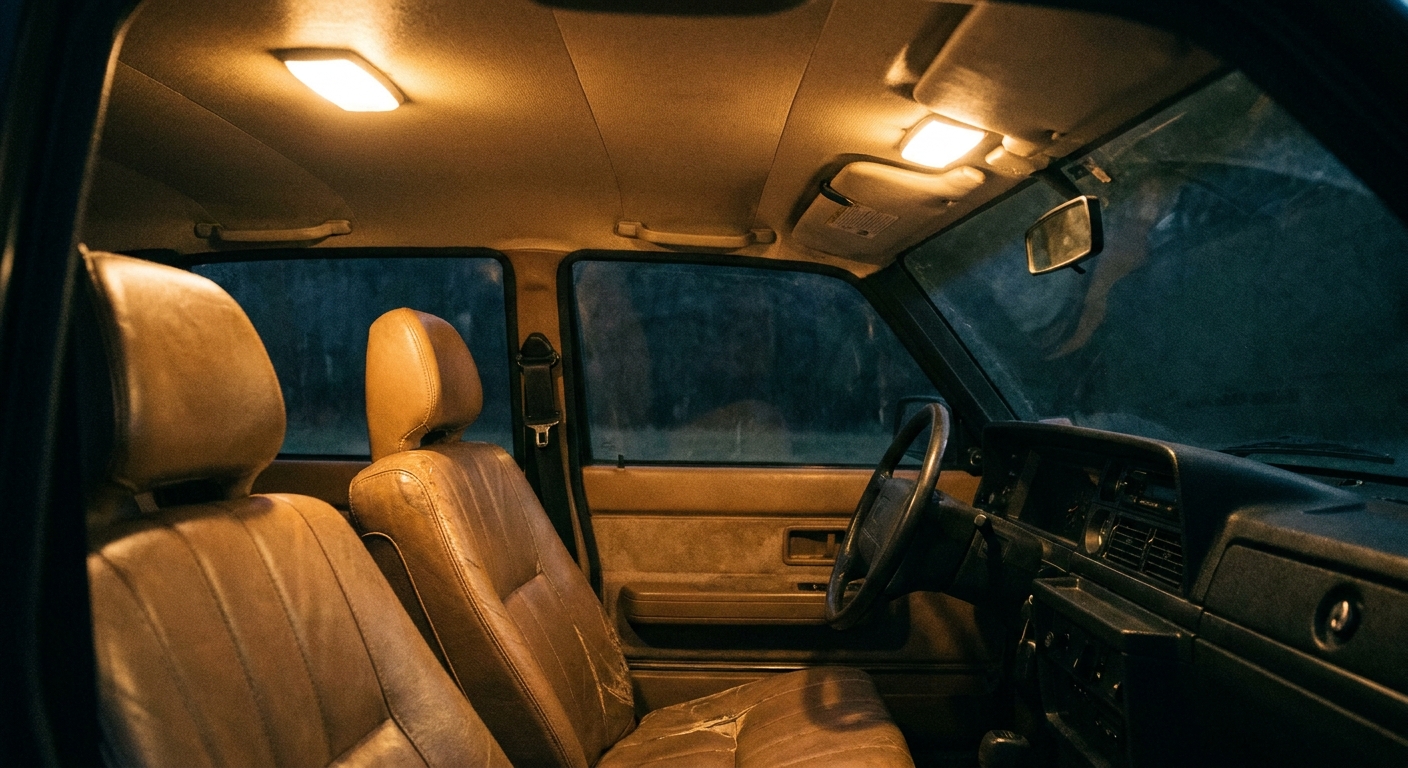
Why an interior light can drain a battery overnight
Interior lights do not seem like much, but the math adds up. A typical old-school incandescent dome bulb might be around 5 to 10 watts. At 12 to 13 volts, that is roughly 0.4 to 0.8 amps for a single bulb. LEDs are usually much lower, but many cars turn on multiple lamps at once.
Leave even a modest draw running all night and you can end up with a no-start by morning, especially if the battery is older, the car sits a lot, or the weather is cold. You do not have to drain a battery to “zero” to get stuck. Once voltage sags under load, the starter can lose the muscle it needs to crank.
Also, many cars turn on multiple lights at once: dome, map lights, door puddle lights, footwell lights, and sometimes even a glovebox or trunk light. One stuck input can mean several bulbs are quietly sipping power all night.
First, confirm it’s really staying on
Before you tear into anything, do this quick sanity check:
- Wait out the normal timer. Many vehicles keep interior lights on for 20 seconds to a few minutes after closing the doors.
- Lock the car like you normally do. On some models, the lights only time out once the vehicle is locked or armed.
- Look through the window in a dark garage or at dusk. A dim LED can be hard to see in daylight.
- Use your phone camera. Point it at the dome lens. Phone cameras often catch faint light your eyes miss, especially in a darker environment.
The most common causes
1) The dome light switch is set wrong
This one feels obvious, but it gets people constantly, especially if someone bumped the switch while loading the car or cleaning.
- Many overhead consoles have three positions: ON, DOOR (or AUTO), and OFF.
- If it’s on ON, the light will stay on until you manually turn it off.
Fix: Flip it to DOOR/AUTO and confirm it turns off after the normal delay, or set it to OFF as a temporary stopgap while you troubleshoot.
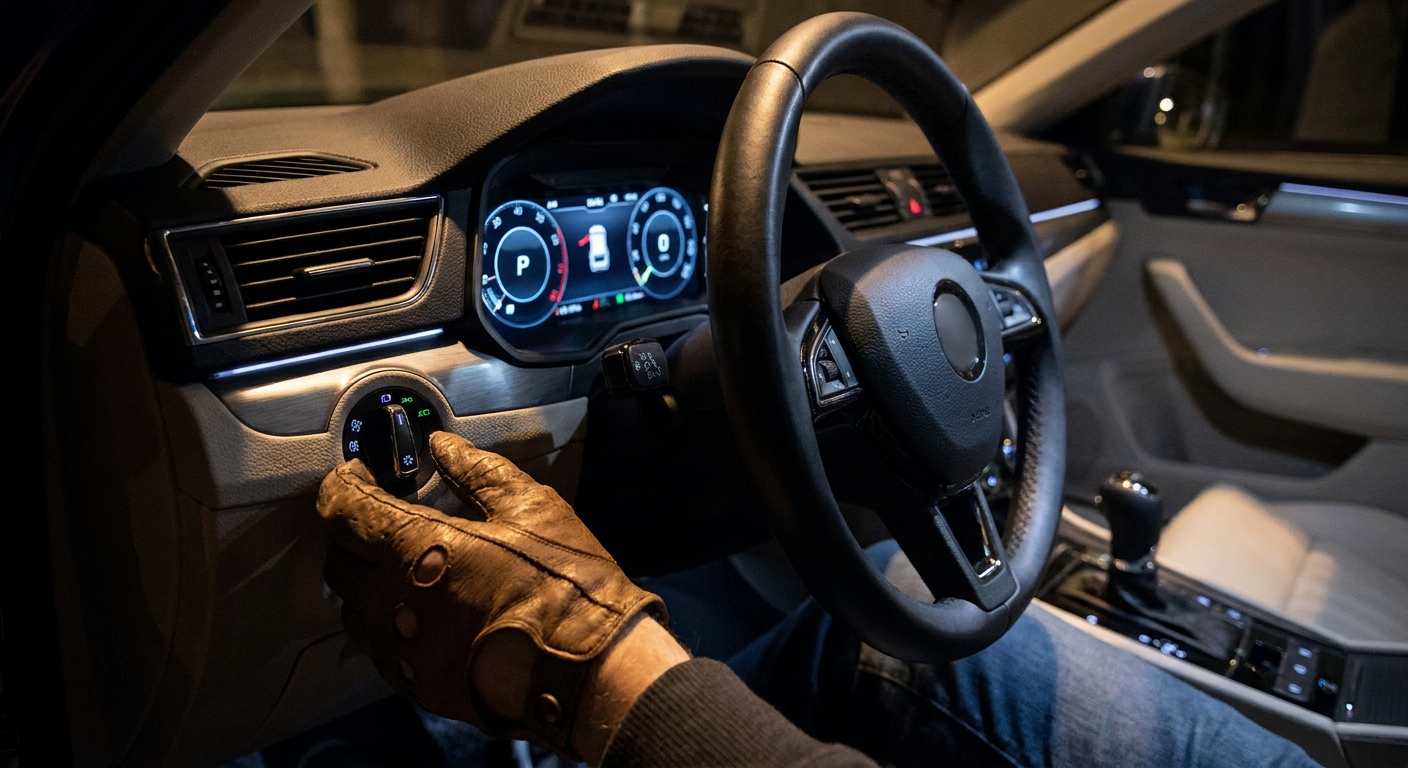
2) The dimmer wheel is rolled into “dome on” mode
On a lot of vehicles, the dashboard dimmer has a hidden extra click or a full-up position that turns interior lights on. If the dimmer is maxed out, the car may interpret that as “turn the dome or courtesy lights on.”
How to spot it: If your dash illumination is unusually bright and the dome stays on, suspect the dimmer.
Fix: Roll the dimmer wheel down slightly from full bright and recheck. This takes 5 seconds and solves a surprising number of cases.
Door switches and latches
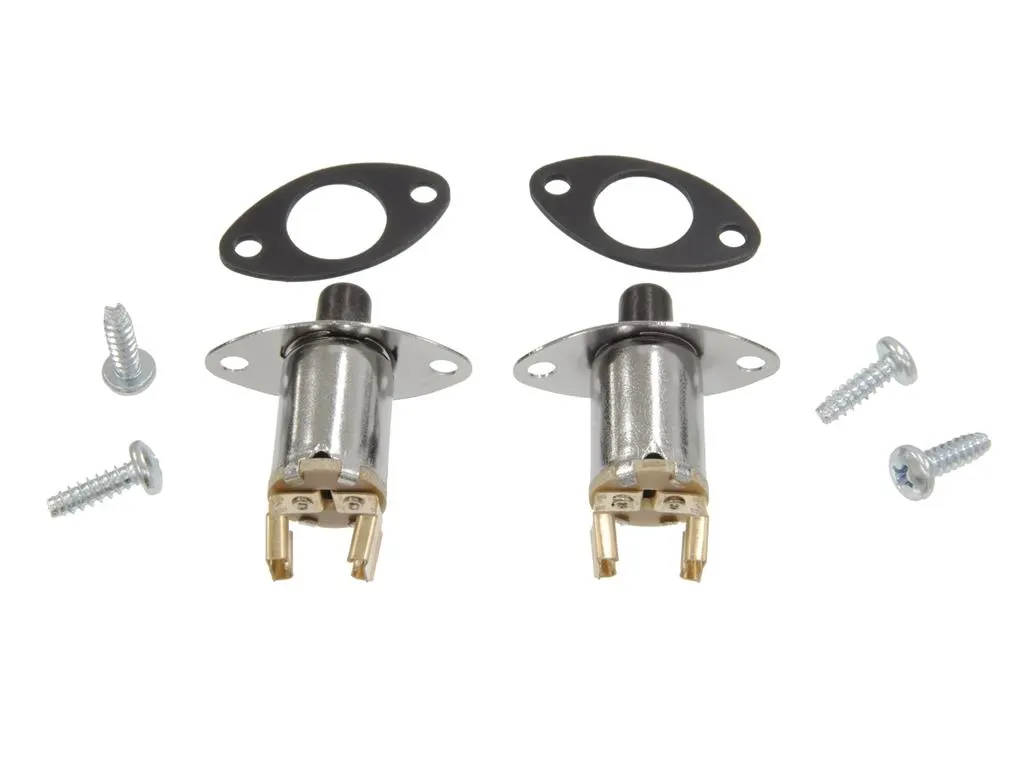
Older vehicles commonly use a simple spring-loaded door jamb switch. Newer vehicles often use a sensor inside the door latch that tells a body control module (BCM) whether the door is open or closed. Either style can fail, and either can keep the courtesy lights on.
3) A sticky or failed door jamb switch
Door jamb switches live a hard life. They get kicked, corroded, and soaked. When they stick “open,” the car thinks the door is always open, so the interior lights stay on.
Quick test:
- With the door open and the dome light set to DOOR/AUTO, press the jamb switch in by hand.
- If the light goes out when you press it, but comes back on when you release it, the switch is working some, but may be sticking or misaligned.
- If pressing it does nothing, the switch may be bad or the wiring may be damaged.
Fix options:
- Clean it: A little electrical contact cleaner can help if it is sticky or corroded.
- Check alignment: Sometimes the door is not fully contacting the switch due to worn hinges or a sagging door.
- Replace it: Many are inexpensive and screw out, but some are integrated into the latch or wiring harness.
4) A door latch that is not fully clicked closed
If the latch does not fully close, the car may physically look shut, but electronically it still registers as ajar. This is especially common after:
- a door was slammed on a seatbelt buckle
- a recent door, latch, or handle repair
- cold weather when grease inside the latch gets stiff
Symptoms to look for:
- “Door ajar” warning on the dash
- Interior lights stay on, and sometimes the car will not arm the alarm properly
- Auto-lock or keyless entry behaves strangely
Quick test: With the car in Park and safely stationary, open the suspect door and use a flashlight to look at the latch. Keep your fingers clear of the latch jaws and striker area. Close the door normally and listen for a solid latch click. If it feels mushy or requires extra force, the latch may be sticky.
Fix: Try a small amount of latch-safe lubricant (many techs use a light spray designed for latches) and cycle the latch by opening and closing the door a few times. If the “door ajar” signal still persists, the latch sensor may be failing and may require latch replacement.
The sneaky ones: trunk, glovebox, vanity
Sometimes the dome light looks normal, but a different interior light is staying on and draining the battery. In shops, I have seen these more than you’d think:
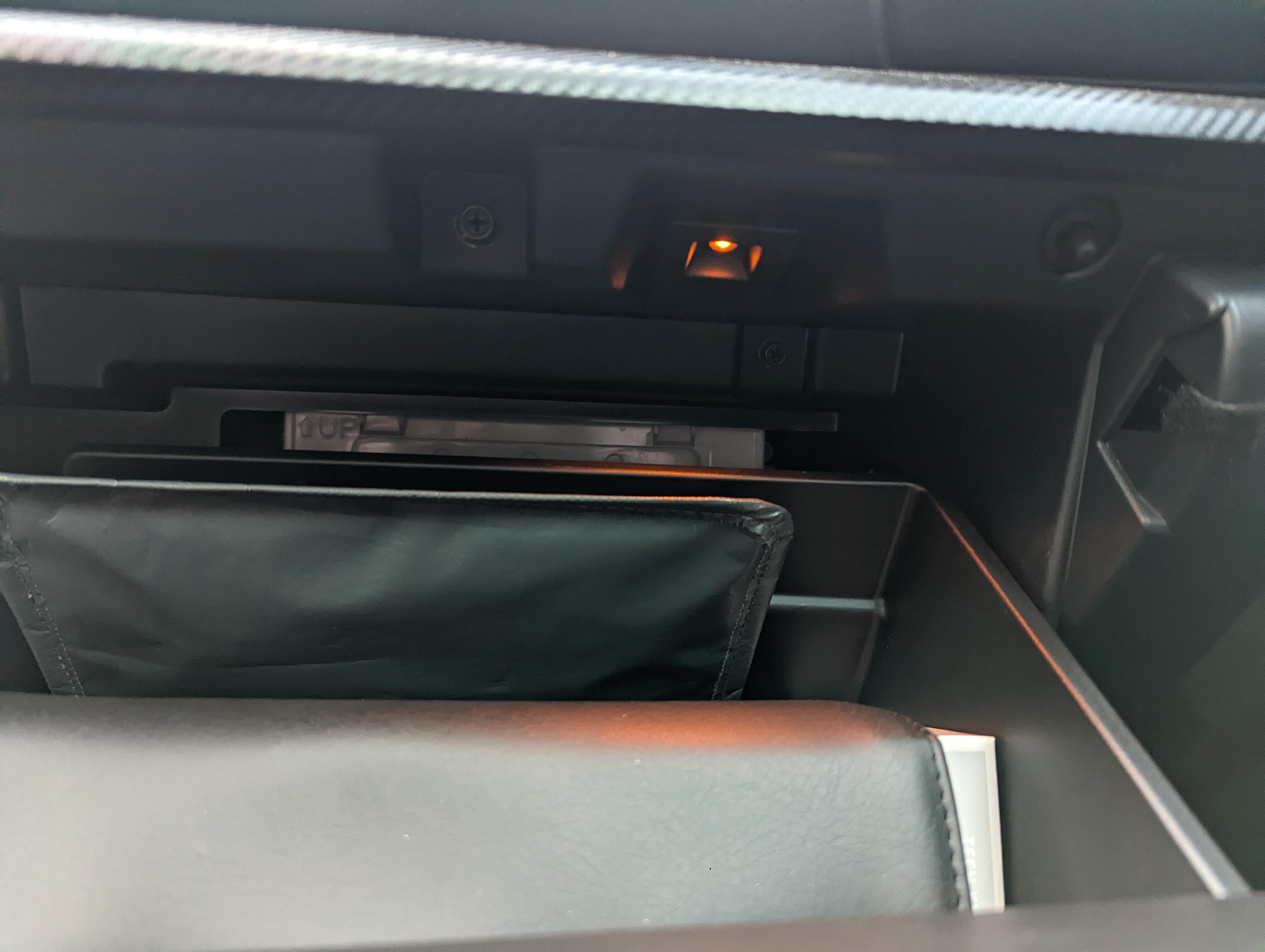
- Glovebox light: The glovebox closes, but the switch does not get fully pressed.
- Trunk or hatch light: The latch is slightly out of adjustment, so the light stays on even when the lid is down.
- Visor vanity mirror light: The cover looks shut, but the little slider switch is stuck.
How to check:
- In a dark garage, look through gaps around the trunk or cargo area.
- Use your phone camera to check hard-to-see areas, but do it from outside the vehicle. Do not climb into a trunk or do anything that could trap you or keep the latch from opening.
- For a glovebox, put your phone inside recording video, close it gently, then open and review the clip.
How to find the culprit
Check the dash “door ajar” indicator
If your car has a door ajar display that identifies specific doors, use it. Open and close each door one at a time and see which one does not register correctly.
Do the one-door-at-a-time test
Set the dome light to DOOR/AUTO. With the car off, open one door, then close it firmly. Wait for the normal fade-out. Repeat for each door, plus the hatch or trunk if it has an interior lamp.
Check your vehicle settings menu
Some newer vehicles have an interior light “defeat” or courtesy light setting in the infotainment system or instrument cluster menu. If someone turned that on or changed the delay setting, it can look like a problem when it is just a setting.
Use a parasitic draw test (if you want proof)
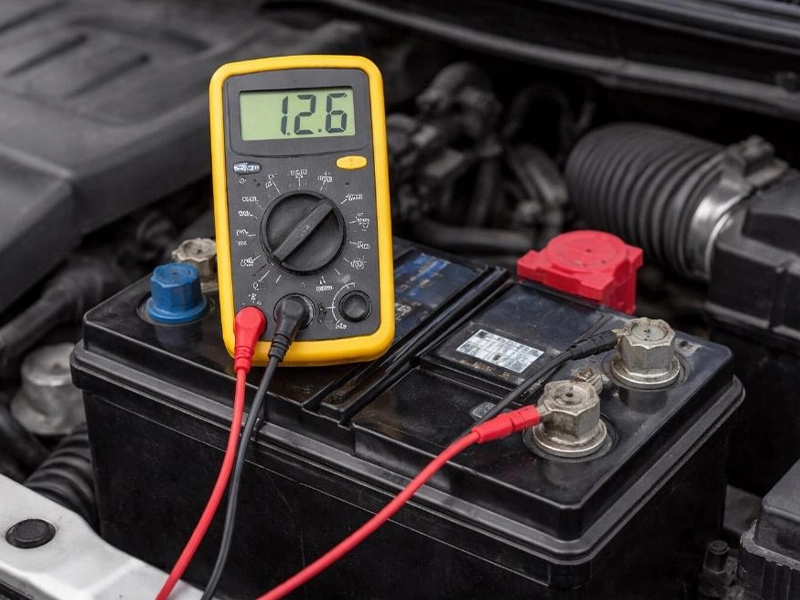
If you have a multimeter and you are comfortable using it, a parasitic draw test can confirm the drain and help you isolate the circuit by pulling fuses. Interior lighting is often on a “body” fuse or a BCM-related circuit.
Two important tips:
- Let the car go to sleep. Many vehicles stay “awake” for several minutes after you shut them off. If you test too soon, you will see a higher draw that is normal. Wait until modules time out before judging the reading.
- Know what “normal” can look like. Many modern cars settle somewhere in the ballpark of a few dozen milliamps once asleep, but it varies. The key is consistency and whether the draw drops after the sleep period.
Safety note: Some vehicles are sensitive to battery disconnects and can lose radio presets or require window relearns. If you are not sure, stop here and have a shop test it.
Not the same as brake lights staying on
Interior lights and brake lights can both kill a battery, but they fail for different reasons and you troubleshoot them differently.
Interior lights
- Usually tied to door switches, latch sensors, the BCM, and dimmer settings.
- Often has timeouts and fade logic.
- May turn on multiple courtesy lamps around the cabin.
Brake lights
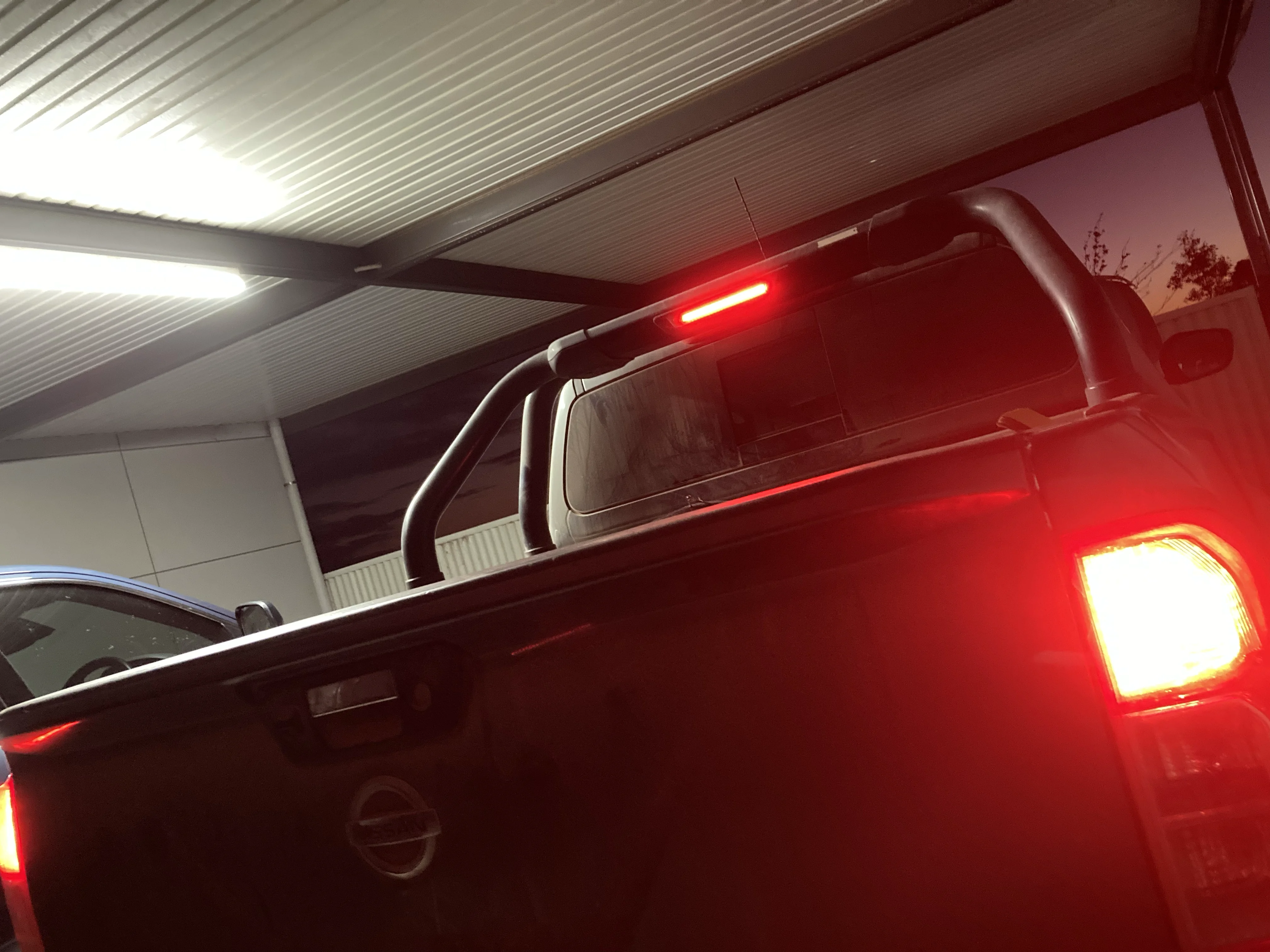
- Typically caused by a misadjusted or failed brake pedal switch, a broken pedal stopper pad, or a pedal that is not returning fully.
- No fade-out or timer. They are generally either on or off.
- Easy to confirm by looking at the rear of the car reflected in a window at night.
If your battery is dying and you also notice brake lights glowing after you park, that is a separate diagnosis. Do not assume it is related to your dome light problem.
Quick temporary fixes
If you are in “get through the night” mode, here are safe, practical options:
- Turn the dome light to OFF at the overhead console, if your car allows it. This can stop the drain while you troubleshoot the door input.
- Remove the interior light bulb (or unplug the dome lamp) if it is easy to access. This is crude but effective.
- Pull the interior light fuse only if you can identify it correctly and you understand what else it powers. Many cars combine multiple body functions on one fuse.
- Use a battery maintainer overnight if the car is parked where you can plug one in.
Avoid repeatedly jump-starting as your main plan. Jumping gets you moving, but it does not fix the drain, and constant deep discharges are hard on the battery.
When to call a shop
If you have tried the easy stuff and the light still stays on, a shop can usually nail it quickly with scan tool data and draw testing. Consider professional help if:
- the car shows random “door ajar” warnings that come and go
- the battery keeps dying even after you confirm the dome light is off
- you suspect a BCM issue or water intrusion in a door
- you have an aftermarket alarm, remote start, or audio wiring that may be tied into the courtesy circuit
FAQ
Is it normal for the interior light to stay on after I shut the door?
Yes. A short delay and a fade-out is normal on many vehicles. What is not normal is a light that stays on indefinitely or does not shut off even after locking the car and waiting several minutes.
Can an LED dome light still drain the battery?
Absolutely. LEDs draw less power than incandescent bulbs, but “less” is not “none.” Left on long enough, an LED courtesy lamp can still drain a battery, especially if multiple LEDs are on around the cabin.
My dome light is off, but my battery still dies overnight. What else should I check?
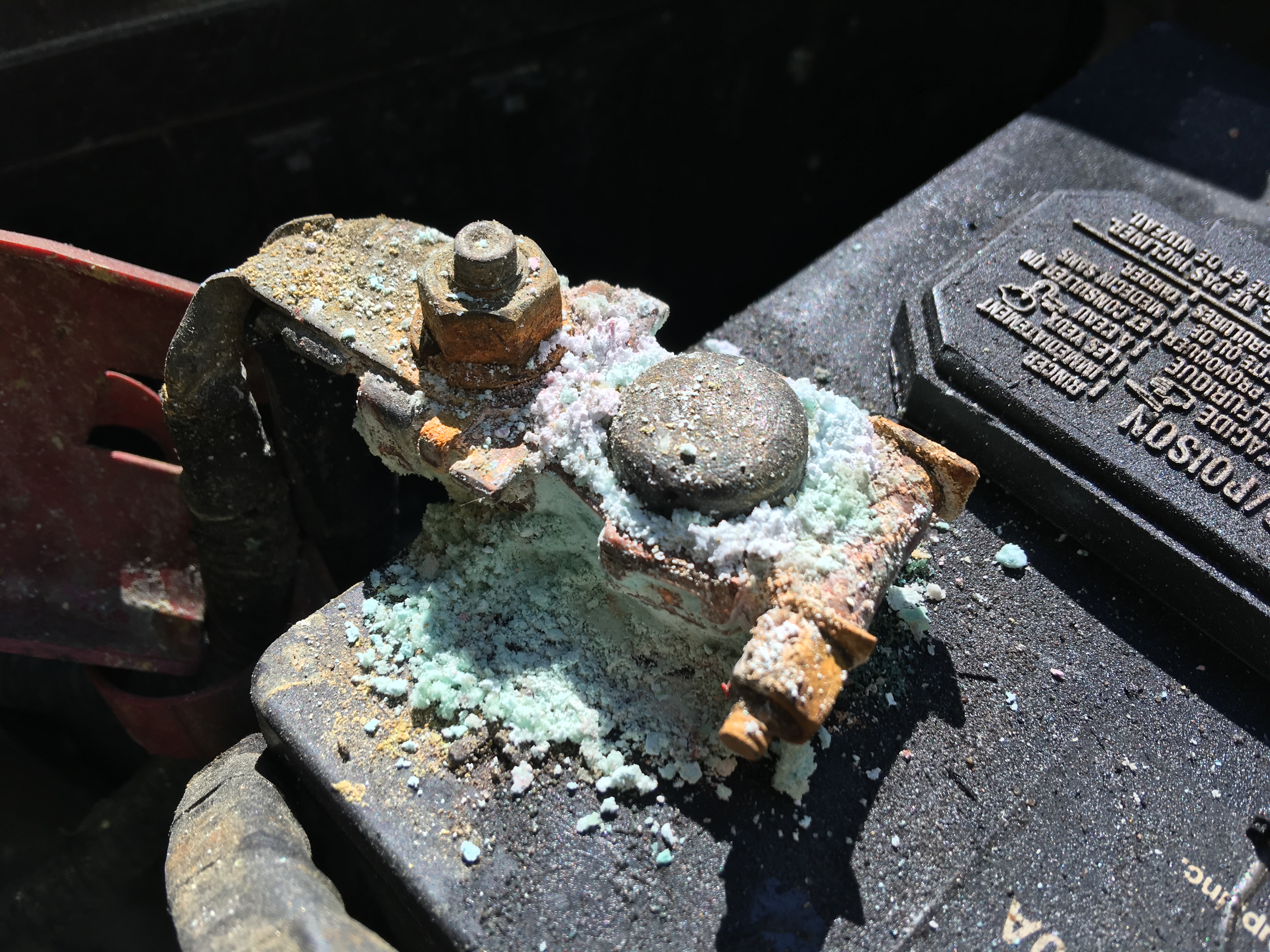
Look for other interior lamps (glovebox, trunk, visor) and then consider a full parasitic draw test. Common non-light causes include a weak battery, a failing alternator diode, or aftermarket accessories wired incorrectly.
Will disconnecting the battery fix it?
Disconnecting the battery stops the drain, but it does not fix the underlying problem. It may also reset modules and require relearns on some vehicles.