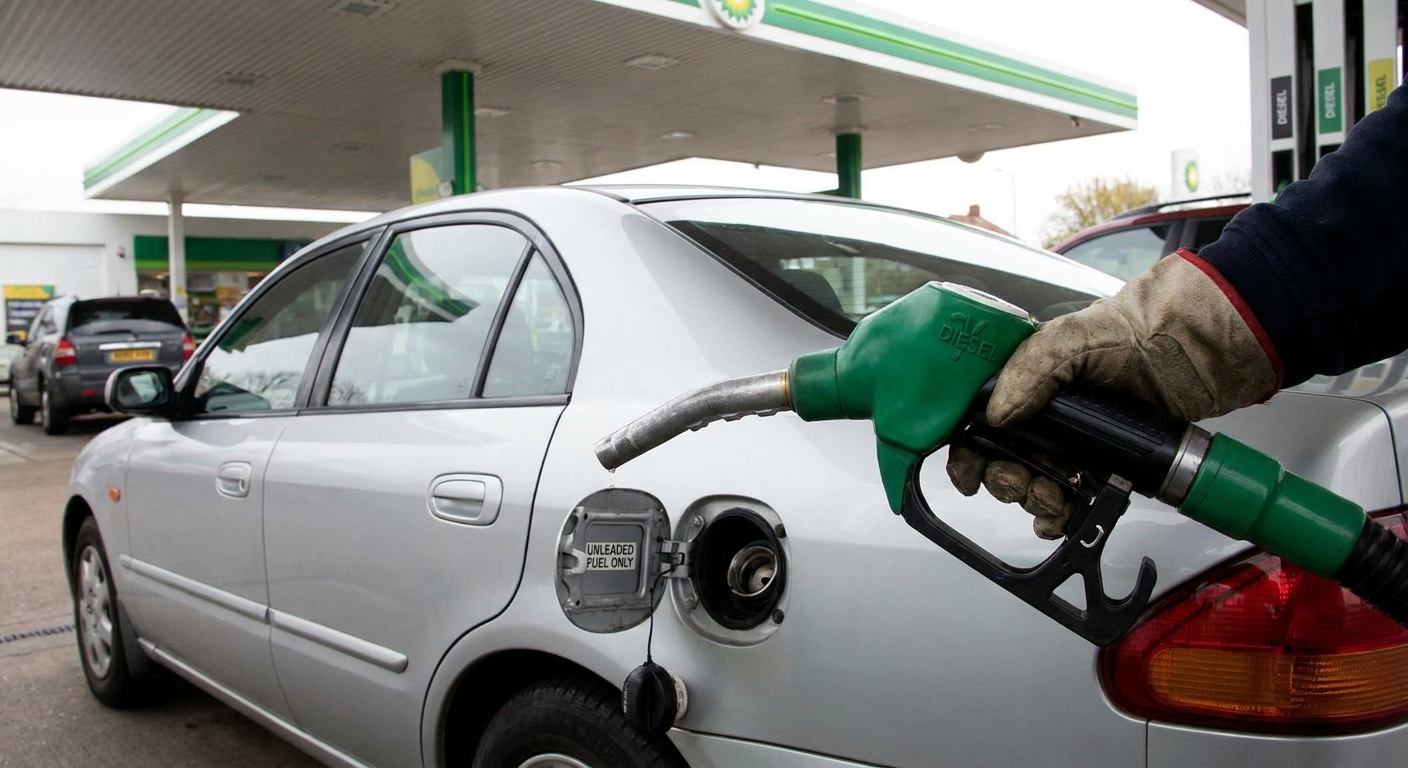
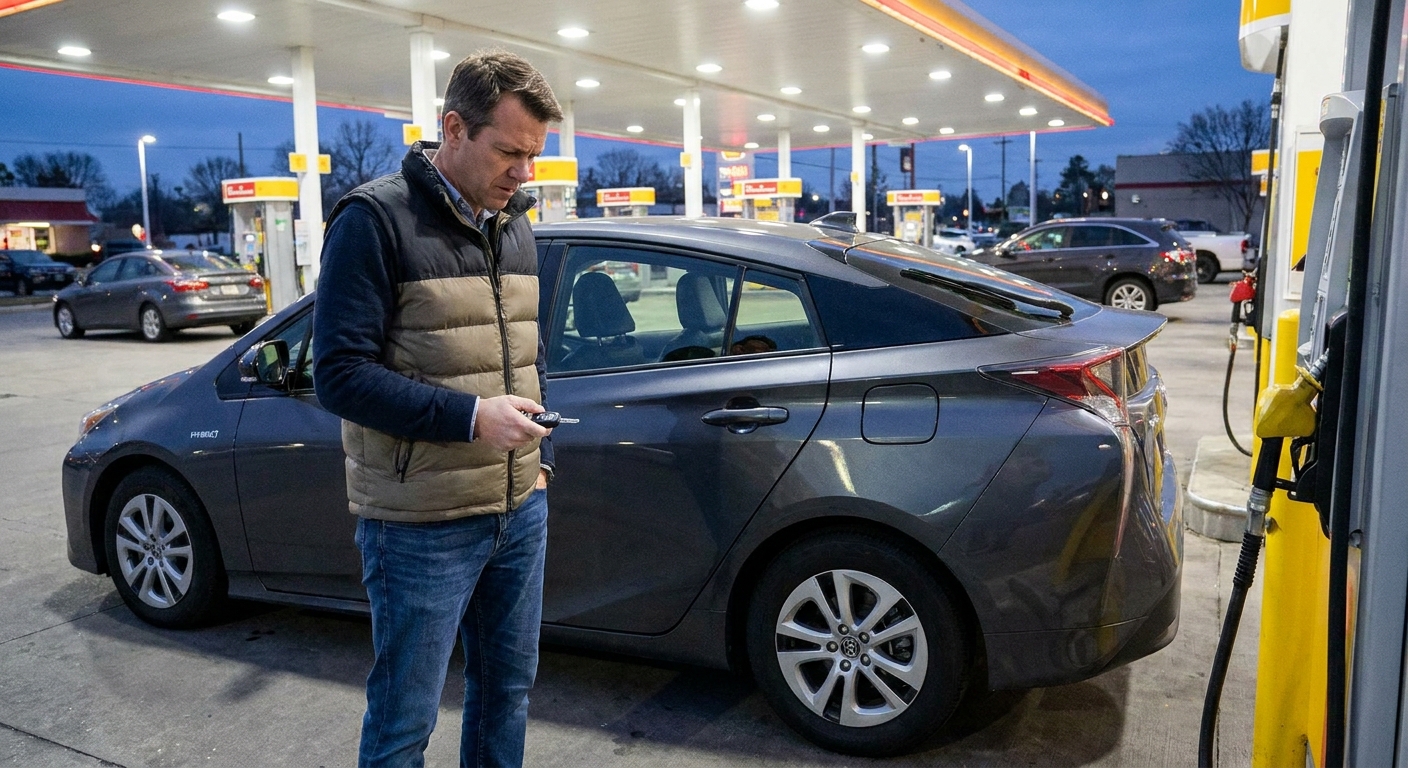
I have watched this exact mistake happen at the pump more times than I can count. The nozzle fits, the price looks good, and the next thing you know you are staring at the receipt thinking, “Wait, that said E85.”
The good news is that one E85 misfuel does not automatically mean you toasted your engine. The bad news is that a non-flex-fuel car may not be able to add enough fuel to compensate for a high-ethanol mix, especially on cold starts and under load. What you do next comes down to two things: how much E85 is in the tank, and whether the car has actually been driven on it.
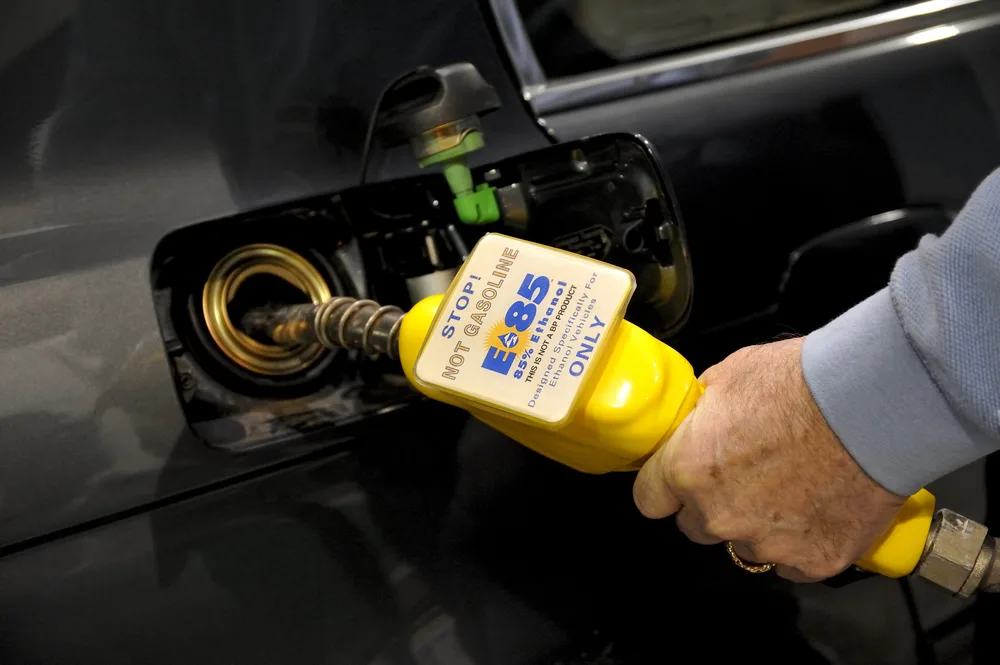
First, confirm whether your car is flex-fuel
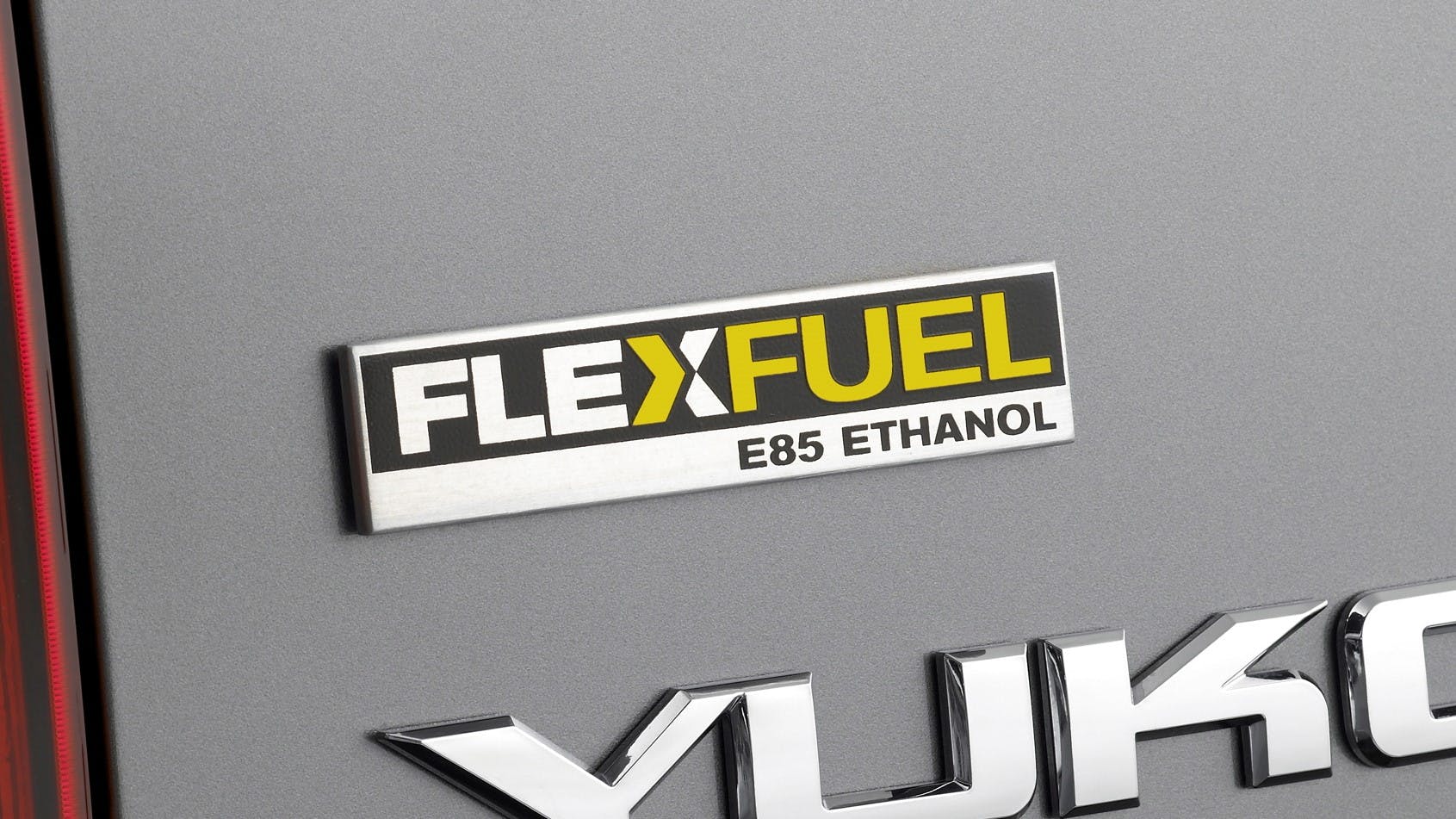
Before you panic, make sure your vehicle is not flex-fuel capable. Some owners do not realize their car is flex-fuel, especially if they bought it used.
Quick ways to check
- Fuel door and cap: Many flex-fuel vehicles have a sticker that says FlexFuel, E85, or Ethanol up to 85%. Not all do, but it is worth checking.
- Owner’s manual: Look under “Fuel” or “Specifications.” If it is flex-fuel, it will explicitly state it can use E85 or gasoline blends up to 85% ethanol.
- VIN and trim lookup: Run your VIN through the manufacturer’s site or a reputable VIN decoder. Flex-fuel is usually listed as a fuel system or engine option.
- Underhood emissions label: The emissions sticker under the hood sometimes lists E85 compatibility.
If you cannot find any clear mention of E85 compatibility, assume it is not flex-fuel and treat this as a misfuel event.
What E85 does in a non-flex-fuel car
E85 is not “bad fuel.” It is just a very different fuel. Compared to regular gasoline (E10 in many areas), E85 contains far more ethanol, and ethanol changes how much fuel your engine needs and how the fuel behaves during starting.
1) Cold starts can get cranky
Ethanol needs more fuel volume to make the same power, and it does not vaporize as readily as gasoline when temperatures drop. On a non-flex-fuel calibration, the engine computer may not add enough extra fuel during crank and warm-up, which can lead to:
- Long cranking
- Rough idle right after starting
- Stalling when you put it in gear
- A no-start if the ethanol content is high enough
2) Fuel trims can max out trying to add fuel
Your ECU uses oxygen sensors to correct the air-fuel ratio. With more ethanol, the engine needs more injected fuel to hit the target mixture. Many non-flex-fuel cars can compensate for small ethanol increases, but a high E85 percentage can push fuel trims to their limits.
Common symptoms when fuel trims are maxed out:
- Check engine light, commonly lean-related codes like P0171 or P0174
- Misfire codes (P0300 to P030x)
- Hesitation or surging
- Reduced power
3) Long-term high ethanol can stress the system
Modern cars are generally built for at least E10, and many can tolerate occasional higher blends better than older vehicles did. Still, flex-fuel vehicles are designed with fuel system components and calibration strategies intended for high-ethanol use.
Potential issues if you keep running high ethanol in a non-flex-fuel car:
- Fuel pump strain: E85 requires more volume. A marginal pump can show its weakness faster.
- Injector capacity limits: Injectors may run out of headroom at higher loads.
- Rubber and plastic compatibility (especially older vehicles): Ethanol can be harsher on certain seals and hoses over time.
- Water handling: Ethanol is hygroscopic, meaning it attracts water. In normal use this is managed, but high ethanol plus long storage can raise the odds of driveability issues.
One more nuance most people miss: “E85” is often seasonally blended, and the actual ethanol percentage can be lower than 85% in colder months. That can change how severe the symptoms are, but it is still not fuel your non-flex-fuel car is designed to run.
Do not keep driving it to burn it off
This is the instinct a lot of drivers have, and it is the one that tends to turn a simple mistake into an expensive one.
If your car is not flex-fuel, driving on a high E85 mix can cause lean operation under load if the ECU, injectors, or pump hit their limits. Lean plus heat plus throttle is where you risk damaging:
- Pistons and rings
- Valves
- Catalytic converter
If you have only driven a short distance and it feels normal, you may still be okay, but I would not keep stacking miles on it until you have lowered the ethanol content. If you are on the fence, tow it. Do not limp it.
Drain or dilute: how to decide
Your two realistic options are:
- Dilute the ethanol by adding gasoline until the overall blend is closer to what your car can tolerate.
- Drain the tank (or pump it out) and refill with the correct fuel.
A simple rule of thumb
- If you added a small amount of E85 to a mostly full tank of gasoline: dilution is usually fine.
- If the tank is now mostly E85 (or you filled it from near-empty): plan on draining it, or at least diluting aggressively before you run the engine again.
- If the car will not start, starts and dies, or runs very rough: treat it as “too much ethanol” and lean toward draining rather than repeated cranking.
Why the starting fuel level matters
E85 content is all about percentages. If you put 2 gallons of E85 into a tank that already had 12 gallons of gasoline, you are around 14% E85 by volume. Many modern non-flex-fuel cars can sometimes limp through something in that neighborhood, especially at light load, but it varies a lot by vehicle.
If you put 12 gallons of E85 into a tank that was nearly empty, you are effectively at E70 to E85. Most non-flex-fuel vehicles will not be happy there.
As a practical note, many non-flex-fuel cars can often tolerate E15, and some may tolerate something like E20 without drama. That does not mean your car will. Treat any high-ethanol mistake as vehicle-dependent, and err on the cautious side.
If you can dilute: the safest way
If the engine still runs and you only put in a partial amount of E85, dilution is often the simplest fix.
Steps
- Do not floor it. Keep load low. No hard accelerations, no towing, no steep grades if you can avoid it.
- Top off with gasoline. The main goal is dilution, so use the correct gasoline grade for your car. If premium is available and your budget allows, it is fine to use, but understand what it does and does not do. Higher octane improves knock resistance, not the underlying fueling mismatch.
- Fill the tank completely. The goal is to reduce ethanol percentage as much as possible.
- Drive gently to use some fuel, then refill with gasoline again. A couple of top-offs can bring the ethanol percentage down quickly.
- Watch for a check engine light and drivability changes. If it begins to surge, misfire, or lose power, stop and switch to draining instead.
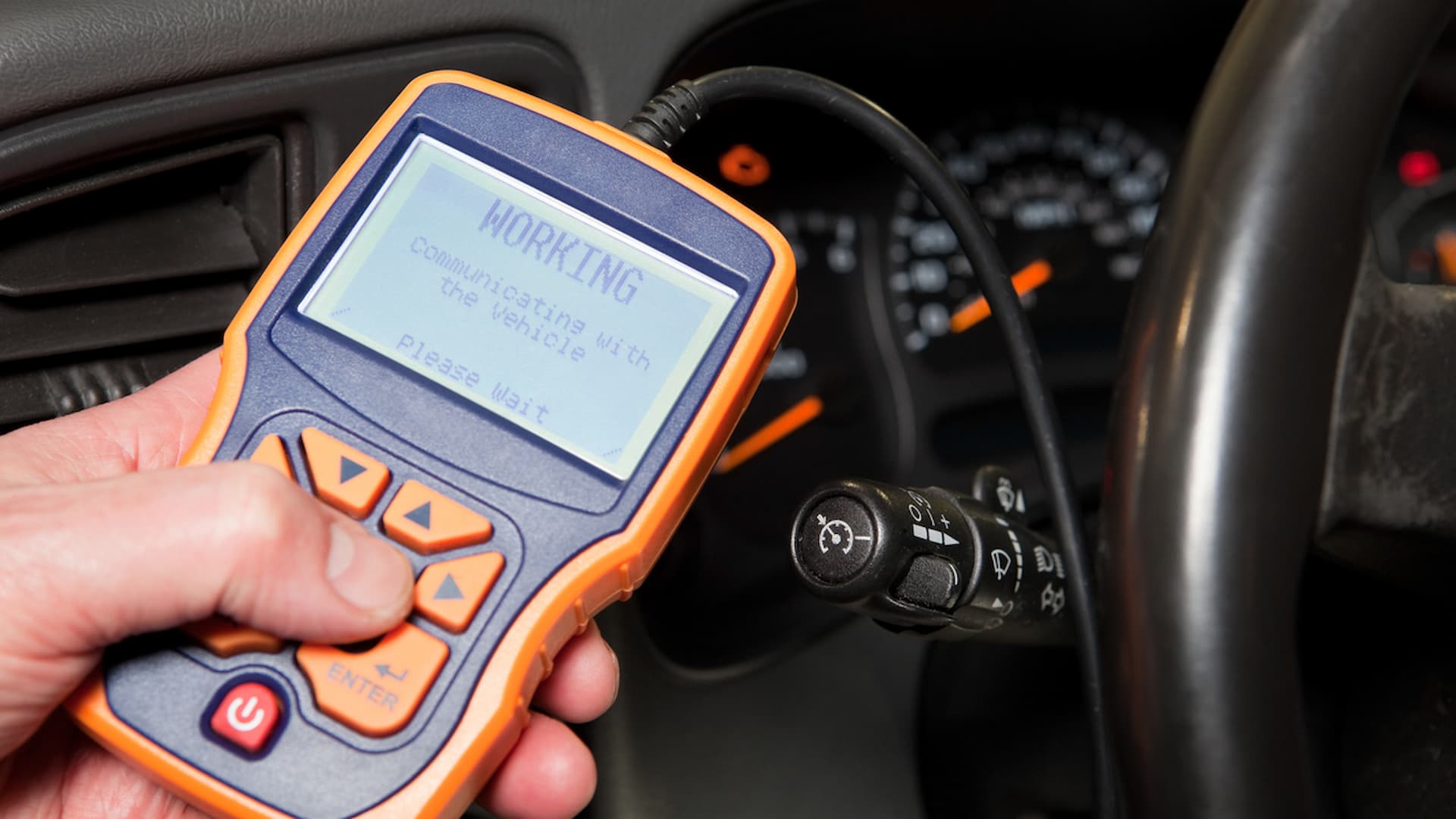
Tip from the shop: If you have access to a scan tool that can read fuel trims, keep an eye on short-term and long-term fuel trims. If trims are pinned high positive (the ECU is adding lots of fuel) even after dilution, you still have too much ethanol in the mix, or another issue is being exposed.
When draining the tank is the smart move
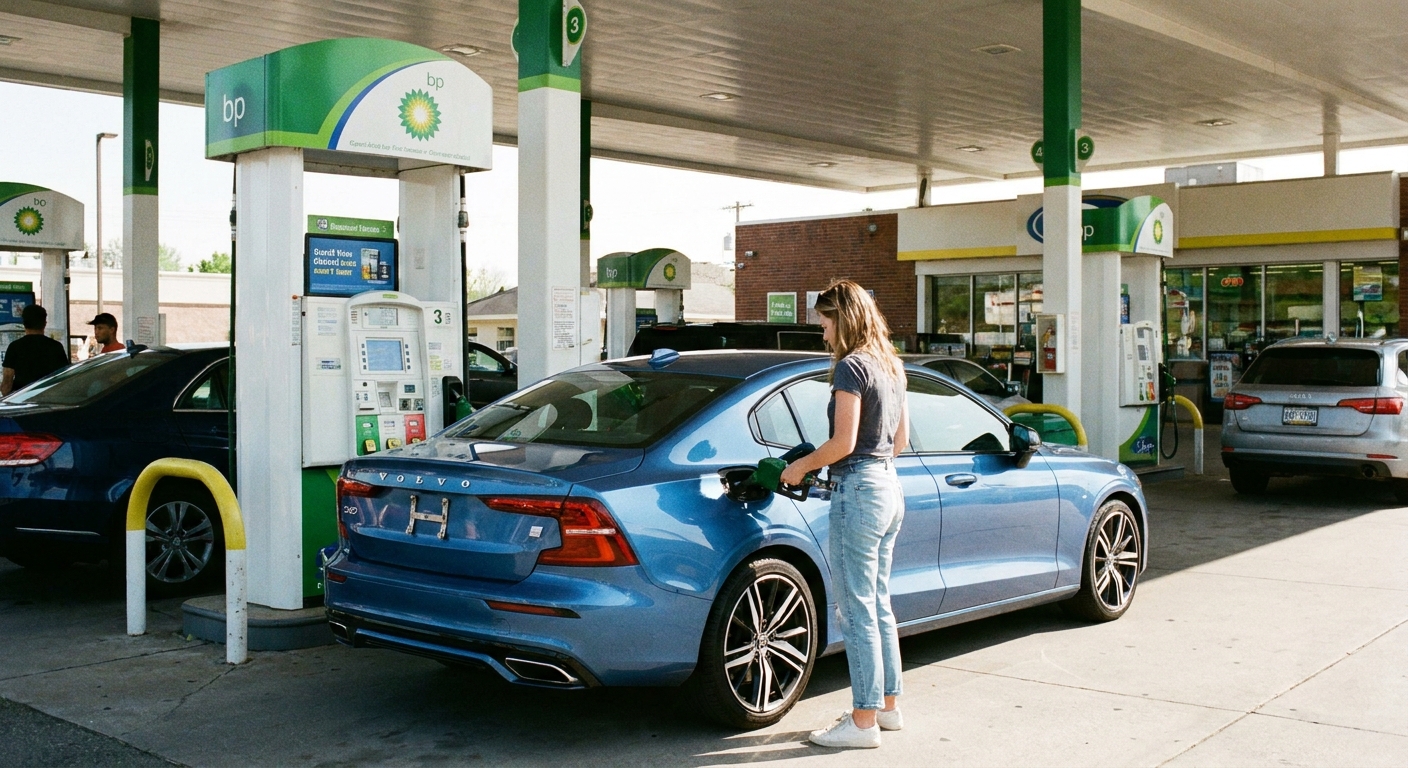
Draining is not fun, but sometimes it is the cheapest option long term.
Drain it if any of these are true
- You filled the tank with E85 from close to empty.
- The car will not start or will not stay running.
- You have a turbocharged or high-compression engine and you are worried about lean operation under boost or heavy load.
- The vehicle is older and you do not trust its fuel system materials with high ethanol.
- You accidentally drove it and now it runs poorly even after topping off with gasoline.
How draining is typically handled
On many modern cars, there is no convenient drain plug on the tank. Shops usually remove fuel using one of these methods:
- Fuel tank pump-out through the filler neck using approved equipment
- Pumping through the fuel rail by commanding the pump on with a scan tool or relay jumper, then capturing fuel safely
- Dropped tank in worst-case scenarios
If you are considering DIY, be honest about your setup. Fuel handling is a fire risk, and local disposal rules apply. Drained fuel may be considered hazardous waste in your area. Many shops can handle disposal or recycling through approved channels, which is often worth paying for.
If the car has not been started yet
This is the best-case scenario.
- If you barely put any E85 in: Fill the rest of the tank with gasoline immediately, then drive gently and top off again soon.
- If you put in a lot of E85: Do not start it. Arrange a tow to a shop for a tank drain. On many vehicles, switching the key to ON primes the pump and circulates fuel through the system, so avoid repeated key cycles.
If you already drove it: what to watch for
If you have already put some miles on the mix, you are mostly watching for lean symptoms and misfires.
Stop driving and get help if you notice
- Flashing check engine light (active misfire)
- Hard shaking at idle
- Noticeable loss of power
- Ping or knock sounds under acceleration
- Strong fuel smell, which can indicate poor combustion or other issues
A steady check engine light after a misfuel event is common, and it may clear after you return to proper fuel and complete a few drive cycles. If it stays on, scan it. Do not guess.
Will one tank of E85 damage my engine?
Usually, a single accidental tank does not cause instant catastrophic damage, especially if you catch it early and do not hammer the throttle. The real risk comes from running the engine lean under load if the fuel system cannot keep up, or repeatedly cranking and flooding it when the calibration cannot handle the ethanol content.
If the car never ran, and you drain it, odds are you will be completely fine.
What about fuel additives?
There is no magic additive that turns E85 into regular gasoline. The fix is mechanical and mathematical: remove fuel or lower the ethanol percentage by adding gasoline.
Dry-gas products are not the solution here. You already have a fuel that mixes with water, and the problem is ethanol content, not a small amount of moisture.
Quick action checklist
- Confirm flex-fuel capability via fuel door sticker, manual, VIN lookup, or emissions label.
- If the tank is mostly E85: do not keep driving. Plan to drain, especially if it will not start or runs rough.
- If it was a small splash of E85: top off with gasoline immediately and drive gently, then top off again soon.
- If you get a flashing check engine light or misfires: stop driving and arrange service.
- When in doubt, tow it: a tow bill is cheaper than gambling on a lean pull up a hill.
- Do not rely on additives to fix an E85 misfuel.
FAQ
Can a non-flex-fuel car run on E85 at all?
Some can idle and cruise on a low percentage of E85 mixed into gasoline, and some modern fuel systems can compensate more than you would expect at light load. But true E85 levels typically exceed what the stock tune and fuel system can reliably handle. Even if it seems to “run,” it may run lean under load.
Why does my car crank longer after E85?
Higher ethanol content often needs different cold-start fueling, and ethanol does not vaporize as easily as gasoline. The ECU may not add enough fuel during crank, so it takes longer to catch.
Will topping off with premium fix it?
What helps is adding enough gasoline to dilute the ethanol content. Premium is optional unless your manufacturer requires it. Higher octane can add knock resistance, but it does not solve a fueling shortfall by itself.
Should I clear the check engine light?
I prefer scanning and documenting the codes first. Clearing codes can erase helpful freeze-frame data. After the fuel is corrected, many fuel-trim related codes will clear on their own after normal driving, but if it stays on, diagnose it properly.