I have had customers roll into the shop and say, “It sounds like a bag of bolts for one second when it starts, then it’s totally fine.” If that’s you, take a breath. A brief rattle right as the engine catches is pretty common, especially on higher-mileage engines or cars that sit overnight.
The key is what kind of rattle it is and whether it is truly only on startup. Some causes are more of an annoyance. Others are a “shut it down” situation.
What a one-second rattle means
When an engine has been off for hours, oil pressure bleeds off and some oil drains back into the pan and passages. On restart, pressure has to build again and oil-fed parts have to refill. That first half-second to two seconds is when you can hear:
- Oil-pressure-related noises (timing chain tensioner, VVT cam phasers, hydraulic lifters)
- Vibration-related noises (heat shields, exhaust brackets, loose accessories)
- True internal bearing noises (rod knock), which can show up most clearly at cold start
Not every car makes every one of these sounds, but those are the big categories I sort through first.
One quick divider that helps: noises during cranking (starter engaged) tend to be starter or flywheel related. Noises right after it fires tend to be oil-pressure, timing, or vibration related.
Common culprits
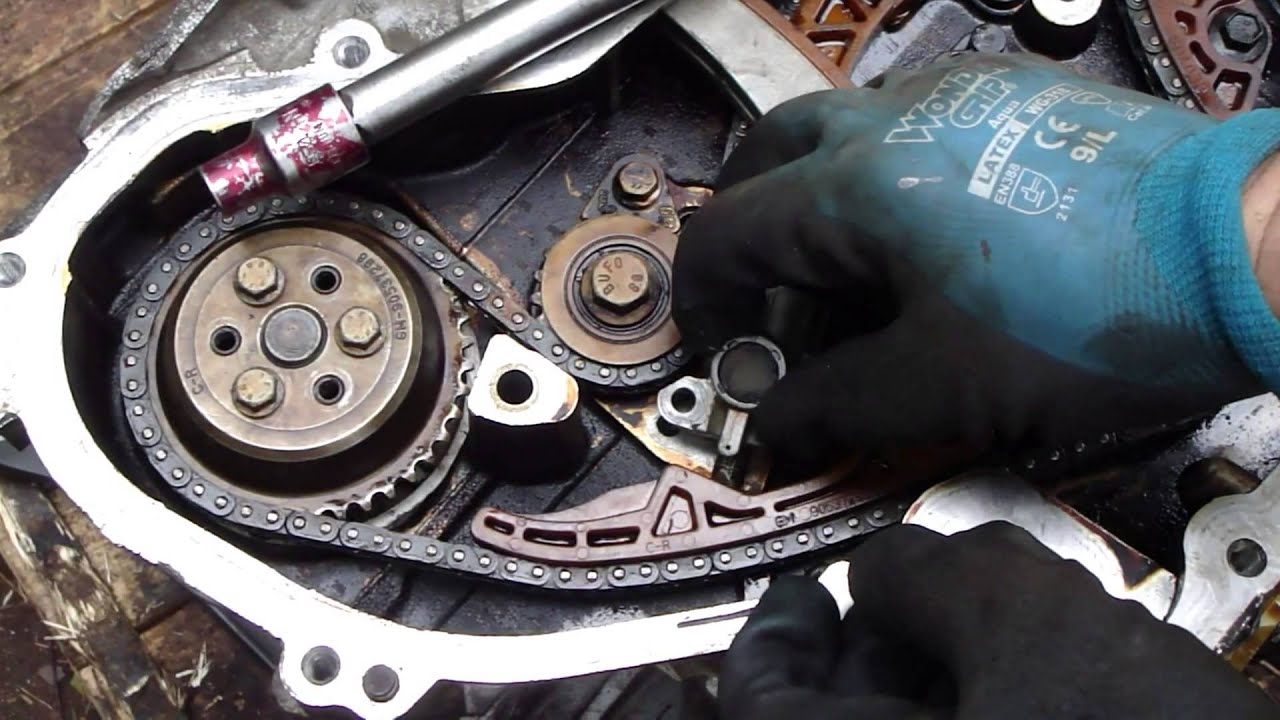
1) Timing chain tensioner bleed-down
What it sounds like: a sharp metallic rattle or clatter from the front or top of the engine that lasts about half a second to two seconds, then disappears as oil pressure builds.
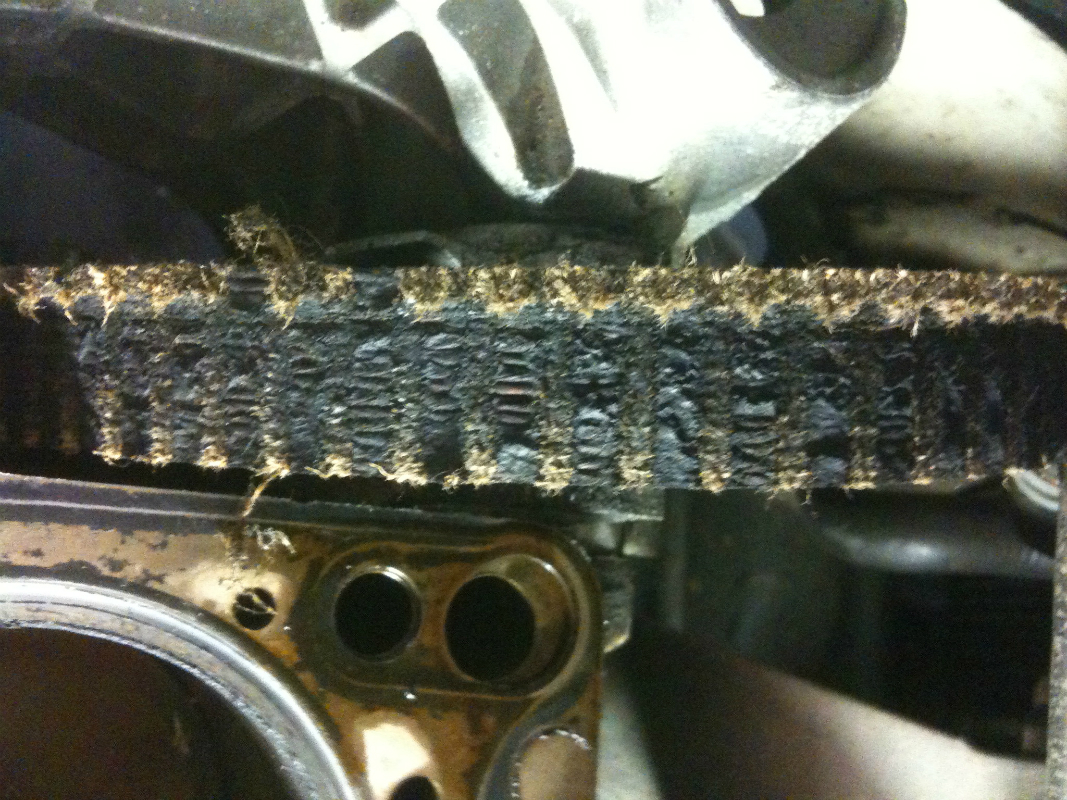
What’s happening: Many timing chain tensioners are oil-pressure assisted. If the tensioner’s internal check valve is weak, or the tensioner is worn, it can lose its preload while the engine sits. On startup, the chain has extra slack for a moment, and you hear it.
Designs vary, too. Some tensioners have a mechanical ratchet with oil assist, some are mostly hydraulic. Either way, the symptom can be the same: brief chain noise at startup.
Clues that point to a tensioner issue:
- The noise is short and only on cold start or after the car sits.
- It’s more of a rapid rattle than a deep knock.
- It seems to come from the timing cover side of the engine.
- Using the correct oil viscosity and a quality oil filter sometimes reduces the duration.
How urgent is it? Moderate. Many engines will do this for a long time, but it is not something I ignore forever. If a chain is slapping because the tensioner is not doing its job, wear accelerates. If the rattle is getting longer over weeks or months, schedule a diagnosis.
What to do next:
- Check oil level first, before anything else.
- Confirm you are using the correct oil viscosity for your engine and climate.
- If you are due for an oil change, do it and use a reputable filter.
- If the noise persists or worsens, get it inspected. A shop can often narrow it down with a stethoscope and scan tool data.
2) VVT cam phaser rattle
What it sounds like: a quick clatter from the top/front of the engine that can sound a lot like chain rattle. On some engines it is more of a “marbles in a can” sound for a second, then it cleans up.
What’s happening: Variable valve timing phasers are oil-controlled. When the engine is off, oil can bleed out of the phaser or control circuit. On restart, the phaser may rattle briefly until oil pressure stabilizes and the phaser locks where it should.
Clues that point to VVT:
- Noise is strongest right after startup and fades fast, usually under two seconds.
- It sounds like it is coming from the valve cover area.
- You may also have a check engine light for cam timing correlation, especially if it starts getting worse.
How urgent is it? Moderate. A little occasional startup rattle can be “normal” on some engines, but if it becomes frequent, longer, or you get cam timing codes, get it checked. Ignoring it can lead to timing issues or accelerated wear.
3) Hydraulic lifter tick
What it sounds like: a lighter, faster tick-tick-tick from the top of the engine, not usually a harsh chain clatter. It can last a second or two, sometimes a bit longer after the car sits for days.
What’s happening: Lifters use oil pressure to take up valve lash. If a lifter bleeds down while sitting, it can tick until it pumps back up.
Clues that point to lifters:
- More of a steady ticking than a burst of rattling.
- Clearly from the top of the engine.
- Oil quality, oil level, and filter quality can influence it.
How urgent is it? Low to moderate. A brief tick that goes away is often livable. A tick that persists when warm, gets louder, or is paired with misfires is not.
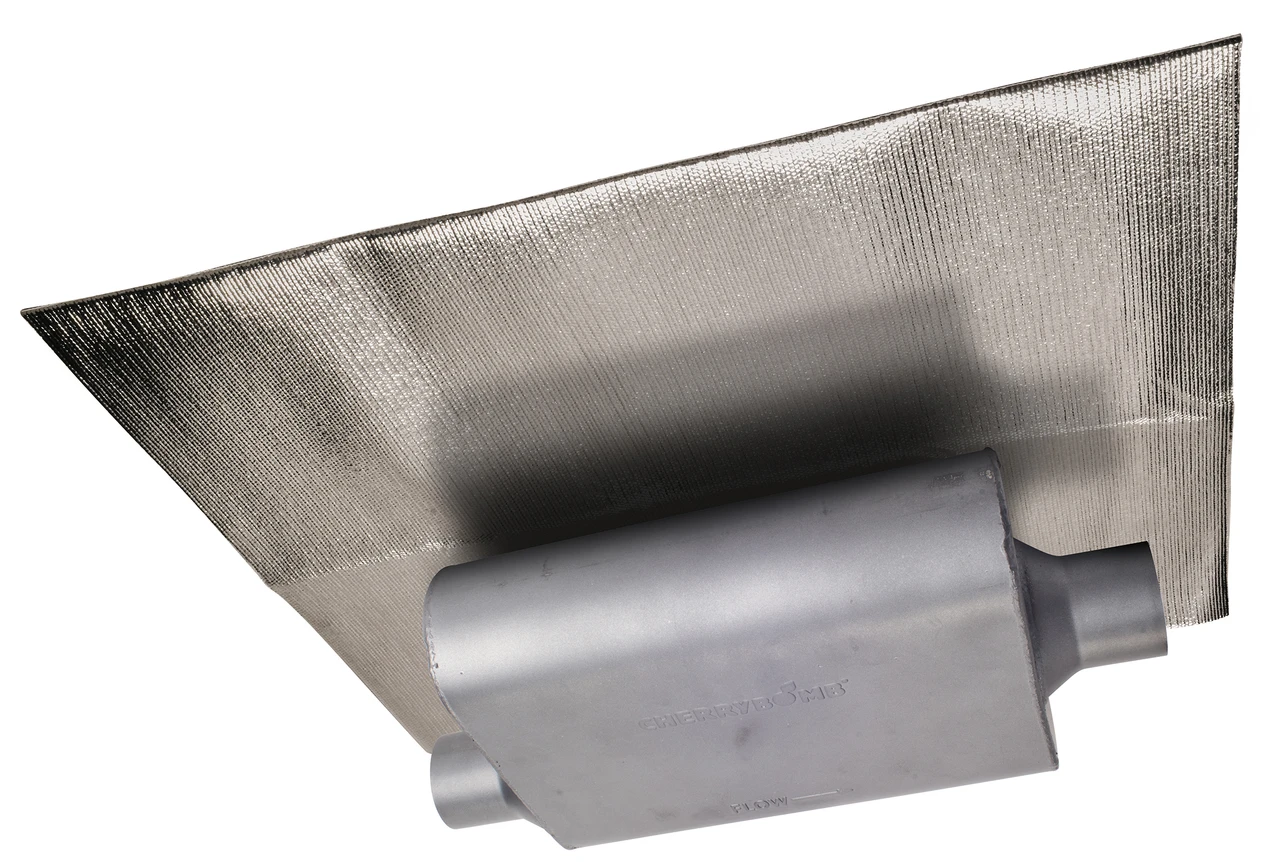
4) Loose heat shield or exhaust rattle
What it sounds like: a tinny buzz or “coffee can” rattle, often from under the car, sometimes seeming to come from the passenger side floor area. It might happen at startup, then fade as idle smooths out.
What’s happening: Exhaust heat shields, clamps, and brackets can loosen with age, rust, or a previous exhaust repair. On startup the engine rocks a bit, exhaust pulses are uneven for a moment, and something vibrates. Once idle stabilizes, the vibration changes and the rattle stops.
Clues that point to a heat shield:
- The sound is thin and buzzy, not heavy or deep.
- You can sometimes reproduce it by lightly revving to 1,500 to 2,000 rpm in Park.
- It may show up over bumps or at certain rpm ranges later, not only at startup.
How urgent is it? Low, most of the time. A loose heat shield is usually not an emergency, but it can become a bigger issue if it starts contacting the exhaust or other nearby components.
What to do next: When the car is cold, take a look underneath with a flashlight. Do not crawl under a vehicle supported only by a jack. If you see a dangling shield or broken clamp, a shop can secure it quickly. Sometimes it is as simple as replacing a rusted fastener or clamp.
5) Accessory drive rattle
What it sounds like: a brief chatter, squeak, or clunk from the belt side of the engine. Sometimes it is a quick rattle as the belt tensioner settles, or a noisy pulley that complains most on a cold start.
What’s happening: Serpentine belt tensioners, idler pulleys, alternator decoupler pulleys, and A/C compressor clutches can make a momentary noise when load changes rapidly at startup.
Clues that point to accessories:
- Noise seems concentrated on the belt and pulley side, not the timing cover side.
- It may change when you switch the A/C on or off.
- It sometimes returns with quick throttle blips.
How urgent is it? Low to moderate. It is usually not catastrophic in the next 10 seconds, but a failing pulley or tensioner can eventually throw a belt and leave you stranded, and on some cars that can lead to overheating.
6) Piston slap
What it sounds like: a hollow, lighter knock that is more noticeable when the engine is cold and often fades as it warms up. It does not usually sound like a tin can rattle, and it is not typically a single sharp clatter.
What’s happening: On some engines, piston-to-cylinder clearance and skirt design can cause a brief slap noise cold. It can be normal on certain models, but it can also be worse with wear.
How urgent is it? Usually low if it is a known “characteristic” of that engine and it does not get worse. If it is new, noticeably louder, or paired with oil use or smoke, it is worth a diagnosis.
7) Rod bearing knock
What it sounds like: a deeper, heavier knocking, more like “thunk-thunk” than a rattle. Some engines knock more when cold, and the sound can soften as oil pressure builds, which tricks people into thinking it is harmless.
What’s happening: Rod bearings ride on a thin film of oil. If the bearing clearance is excessive from wear, oil starvation, or contamination, the rod can hammer the crank journal. That is the knock you are hearing.
One important note from real-world diagnosing: a deep knock is not always rod bearings. Piston slap, a cracked flexplate, a loose torque converter bolt, or even certain accessory failures can mimic it. But from a risk standpoint, you treat a deep knock like it is serious until proven otherwise.
Clues that point to rod knock:
- The sound is deep, not tinny.
- It may get louder with a quick blip of the throttle.
- You may have a low oil pressure warning, oil light flicker, or metallic glitter in the oil.
- The noise may start as “only on startup” and then begin showing up at warm idle or under load.
How urgent is it? High. Stop driving. Rod knock can turn into catastrophic engine failure quickly. If you suspect it, shut the engine off and arrange a tow to a shop for confirmation. Continuing to drive can destroy the crankshaft and engine block, turning a hard repair into a full replacement.
Quick checklist
If you want a simple way to sort the likely causes, here’s what I focus on:
- Tinny buzz from under the car, sometimes at certain rpm: likely heat shield or exhaust rattle.
- Fast metallic rattle near the timing cover or top of engine that lasts under about two seconds: often timing chain tensioner or VVT phaser noise.
- Steady tick from the top of the engine for a second or two: often hydraulic lifters.
- Chatter or squeak from the belt side: often accessory drive tensioner or pulley.
- Deep knock that responds to throttle and feels “heavy”: treat as possible rod bearing knock (or another serious knock) and stop driving.
Safe checks at home
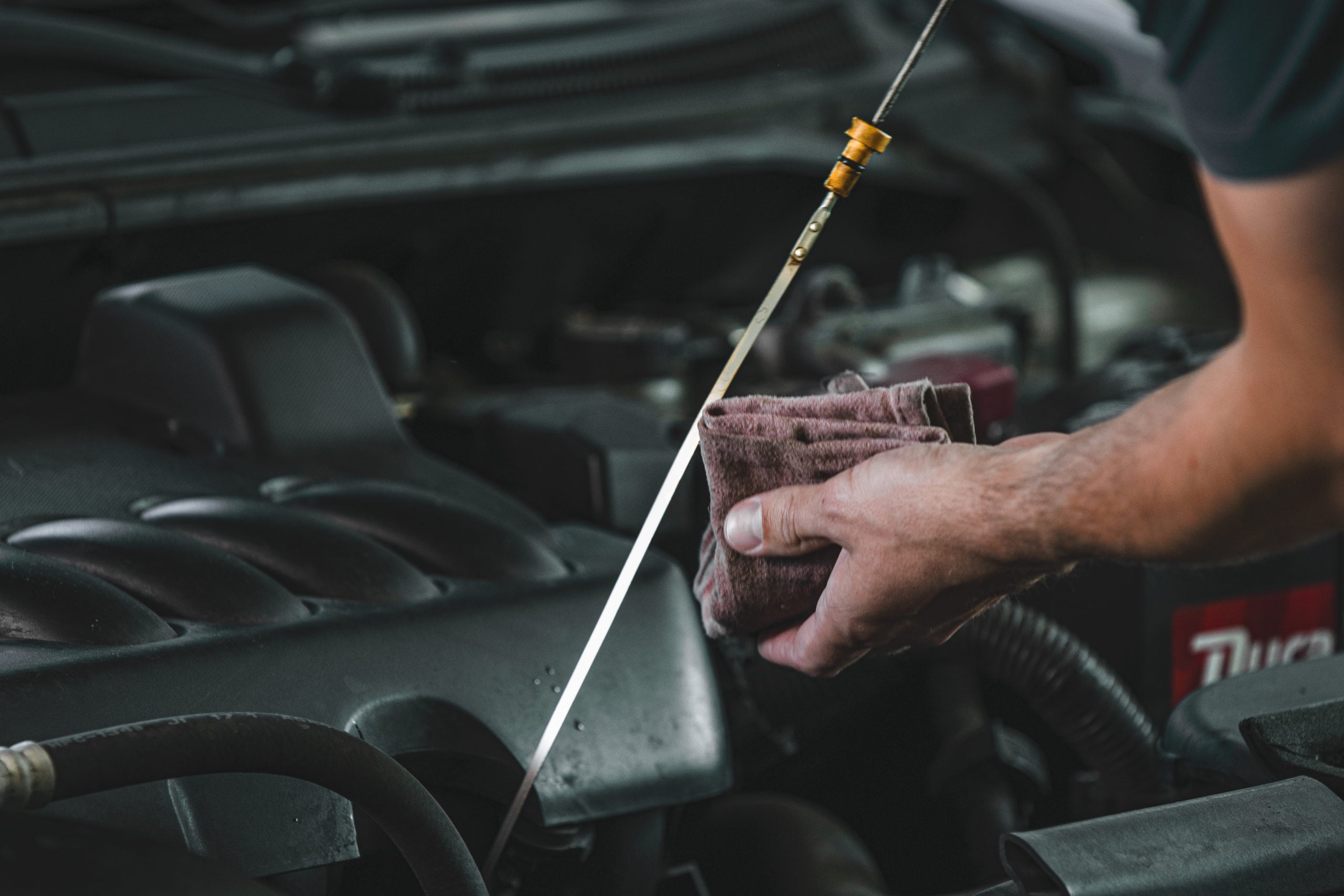
Check oil level and condition
This is the big one. Low oil can cause timing chain rattle and can also accelerate bearing damage.
- Park on level ground, let the engine sit a few minutes, then check the dipstick.
- If you do not have a dipstick (common on some newer cars), check the oil level through the vehicle’s oil level menu if equipped, or have a shop verify the level.
- If the oil is low, top off with the correct oil. If it is very low, do not assume topping off fixed the damage. Find the leak or consumption issue.
- If the oil looks metallic, smells burnt, or is unusually thick, get it inspected.
Listen for where it comes from
Do a cold start with the hood open and your face back from moving parts. Keep hands, clothing, and hair away from belts and fans, and do not lean over the engine while someone starts it.
Try to locate the sound:
- Top/front of engine: chain tensioner, VVT phasers, lifters, accessory drive.
- Belt side of engine: tensioner, idler, alternator pulley, A/C clutch.
- Under the car: heat shield, exhaust, flex pipe.
- Deep inside the block: potential bearing noise.
- Bellhousing area: flexplate/flywheel, torque converter related noises.
Note the pattern
Write down:
- Does it happen only on the first start of the day?
- Does it happen after the car sits for 30 minutes, or only overnight?
- Does it change with temperature?
- Did it start after an oil change, a different oil brand, or a different filter?
That little log helps a technician diagnose it faster, and it helps you catch the moment a harmless rattle starts turning into a real problem.
When to stop driving
If any of the following is true, treat it as a tow situation:
- The noise is a deep knock or persists beyond about two seconds.
- The noise is getting longer or louder week to week.
- You have an oil pressure warning or oil light flicker. Oil pressure light at any time means shut it down.
- The engine is running rough, misfiring, or the check engine light is flashing.
- You recently ran the engine low on oil or overheated it.
How a shop confirms it
If you bring it in, a good shop will usually:
- Verify oil level, oil pressure (sometimes with a mechanical gauge), and scan for codes.
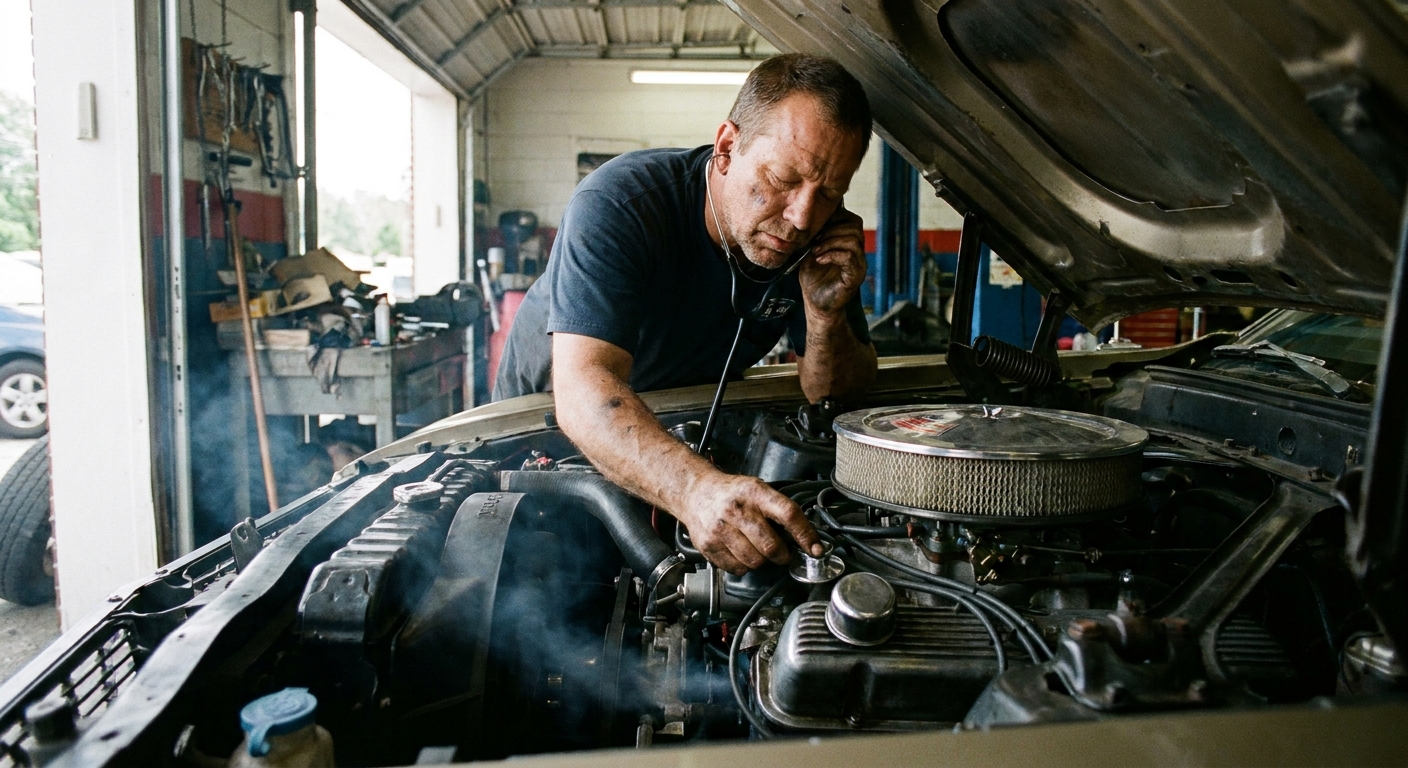
- Listen with a stethoscope to pinpoint whether the noise is top end, front cover, lower end, or bellhousing area.
- Inspect exhaust heat shields and brackets for contact points.
- For suspected chain or VVT issues, evaluate startup noise patterns and, on some engines, check timing correlation data on the scan tool.
If it is rod knock, the diagnosis may include oil filter inspection for metal and sometimes dropping the oil pan, depending on the engine and the economics of repair.
FAQ
Is a one-second rattle always bad?
No. A brief rattle can be something minor like a heat shield, or something common like a timing chain tensioner or VVT phaser bleeding down. The concern goes up fast if the sound gets longer, louder, deeper, or starts happening when warm.
Could it be the starter?
Sometimes. Starter noises typically happen during cranking or right at engagement and disengagement, not a second after the engine is already running smoothly. A starter that is slow to disengage can make a short ugly sound at the transition, so if you cannot tell when it happens, tell the shop exactly when you hear it.
Does thicker oil stop chain rattle?
Sometimes thicker oil can reduce startup rattle, but using the wrong viscosity can create other problems, especially in cold weather and on modern engines with tight oiling requirements. Stick with the viscosity in your owner’s manual. If you want to experiment, do it within approved viscosity ranges and use a quality filter.
If it goes away warm, can I ignore it?
Not automatically. Heat-shield noise might come and go with temperature. Piston slap can also fade warm. But serious knocks can also soften as oil warms up. If it is a deep knock, if you have oil pressure warnings, or if the duration is increasing, do not gamble.
The takeaway
A one-second rattle at startup is often either a timing chain tensioner or VVT phaser losing oil pressure while it sits, or a loose heat shield that only buzzes during that first shaky moment of idle. All are worth checking, but they are usually not instant doom.
A deep knocking sound that hints at rod bearing trouble (or another serious knock) is different. If you suspect that kind of noise, stop driving and get it inspected or towed. In the shop world, that decision is often the difference between an engine repair and an engine replacement.